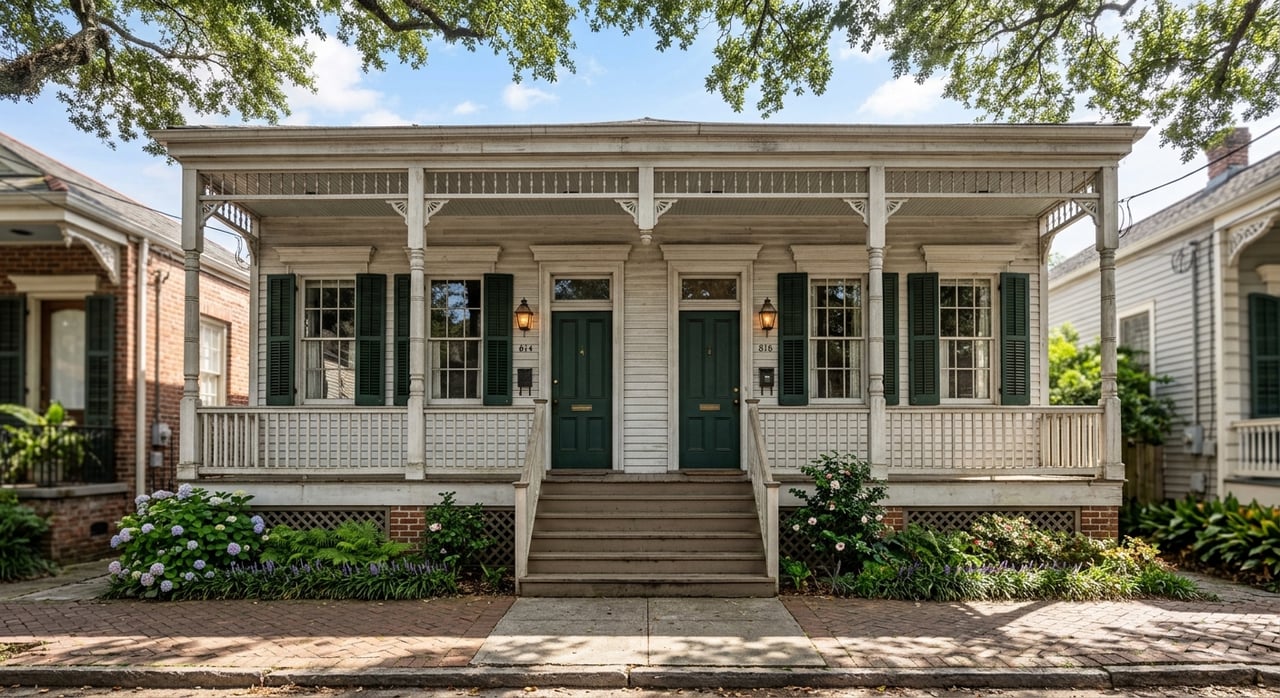
Humidity is a year-round houseguest in Uptown and Carrollton, and it can be tough on historic homes. You might notice sticky indoor air, foggy windows, or that musty smell in closets. If you love the charm of a raised cottage or double-gallery house, you also want to protect it from mold and wood decay.
This guide gives you a clear, preservation-minded plan to control moisture without compromising character. You will learn what to tackle first, how to prioritize low-visibility fixes, and how to plan dehumidification and ventilation that suit New Orleans’ hot-humid climate. Let’s dive in.
Why humidity hits Uptown homes hard
New Orleans summers are long, hot, and humid, with frequent heavy rain and high dew points. That outdoor moisture easily moves into older buildings, especially where air leaks or aging materials allow humid air to enter. The result is elevated indoor relative humidity, condensation, and a higher risk of mold and wood decay.
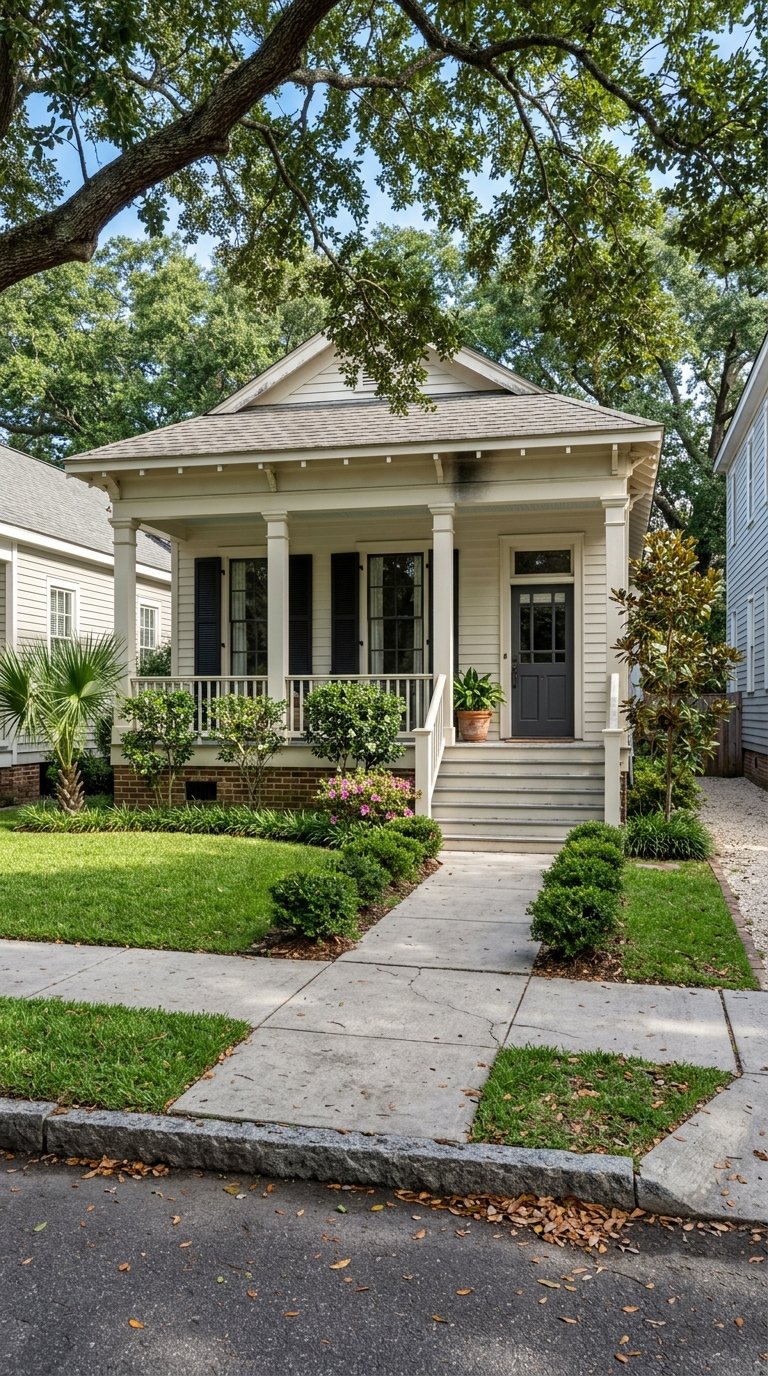
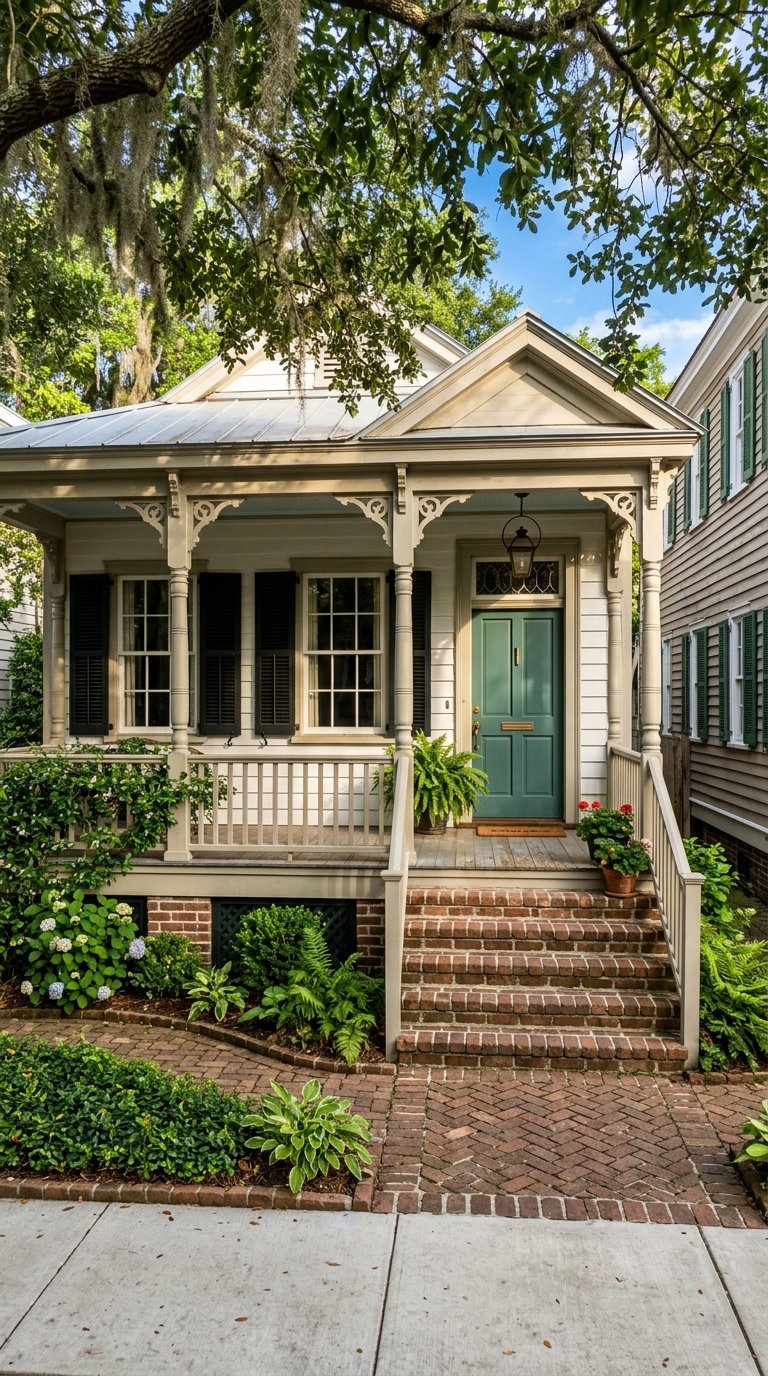
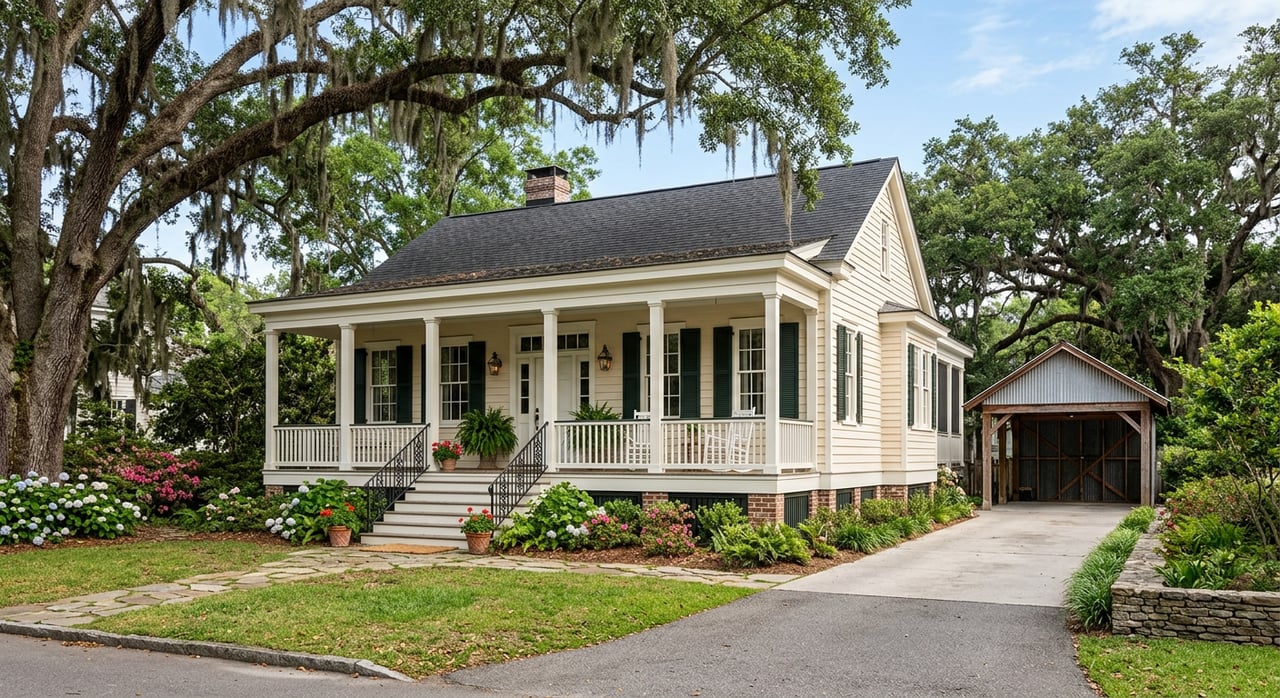
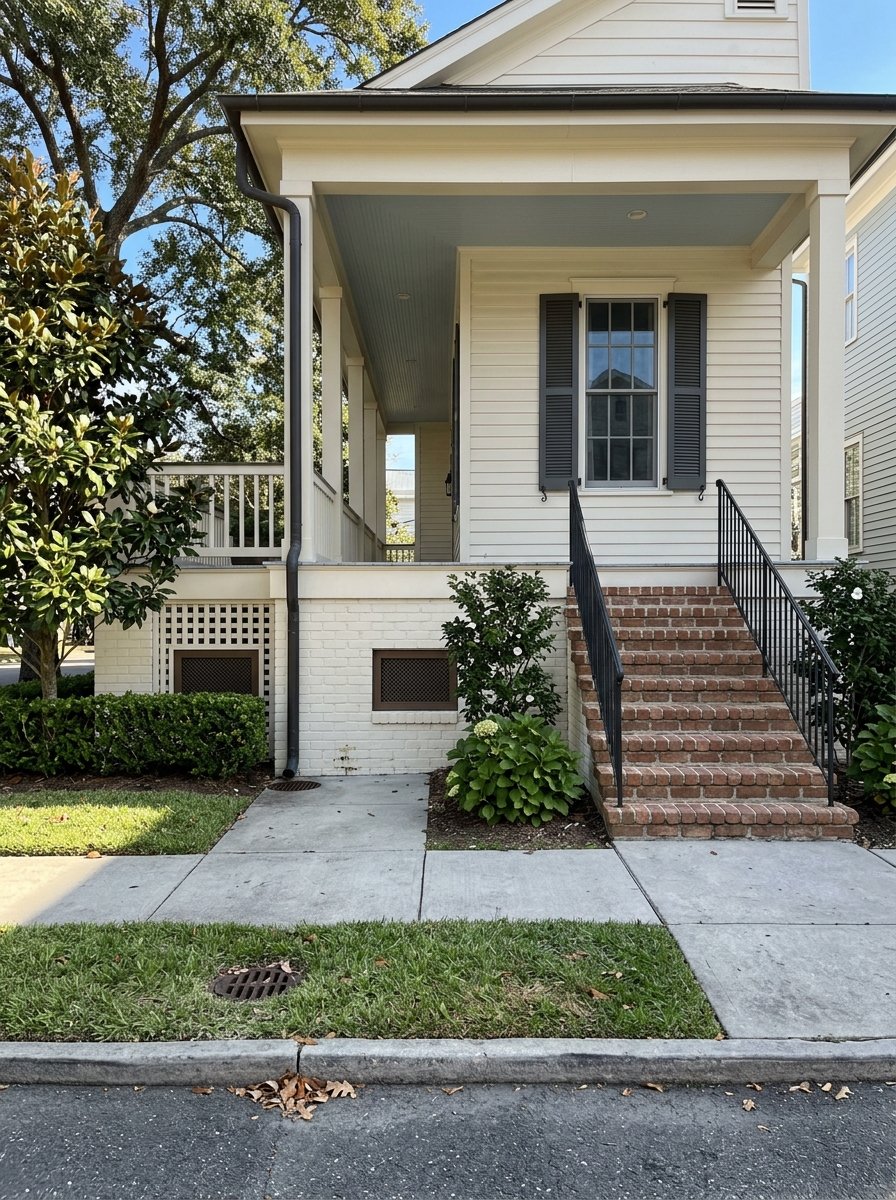
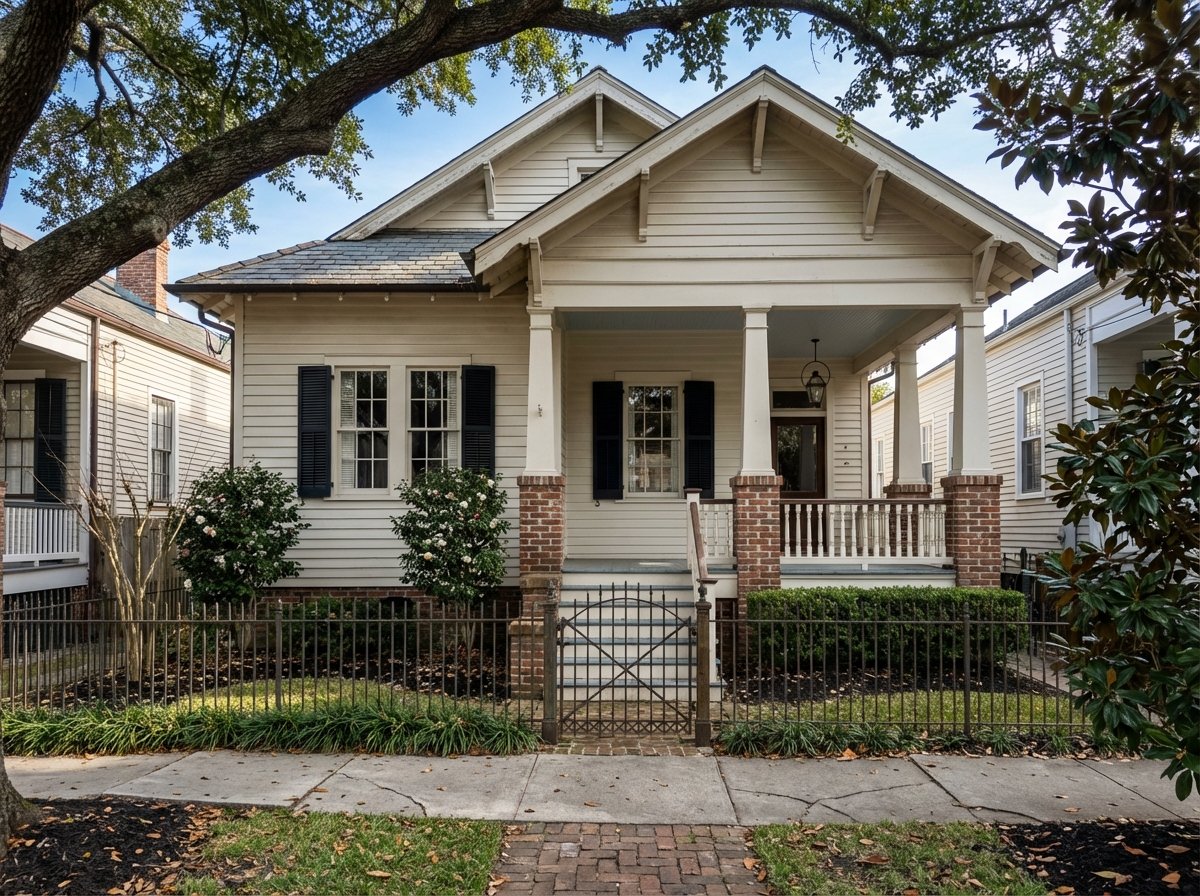
Many Uptown and Carrollton homes are raised on piers with crawlspaces. High ceilings, transoms, and large windows were designed for natural ventilation, not for modern air conditioning. Older HVAC systems, single-pane windows, and patchwork ductwork can leave rooms comfortable in temperature but still damp. A thoughtful moisture strategy protects comfort, health, and historic fabric.
Moisture control fundamentals
Start with the basics. First, control bulk water from rain and leaks. Second, control vapor and humid air by air sealing and smart ventilation. Finally, ensure walls, wood, and masonry can dry appropriately. Historic materials need to breathe. Avoid new impermeable barriers that trap moisture.
The five control layers
- Rain control: keep water out with sound roofing, gutters, and flashing.
- Water management at grade: move water away from the house with downspouts and grading.
- Air control: seal openings so humid air cannot freely enter.
- Thermal control: add insulation that works with moisture goals.
- Vapor management: avoid placing impermeable vapor barriers where they block drying in hot-humid conditions.
Ventilation vs. dehumidification in New Orleans
Healthy homes need ventilation, and standards like ASHRAE 62.2 set minimums. In a hot-humid climate, though, bringing in unconditioned outdoor air can raise indoor humidity. You get the best results when you prioritize air sealing, then use supply or balanced ventilation that manages moisture.
Whole-house dehumidification or HVAC with active dehumidification is often necessary in our climate. Oversized air conditioners cool quickly but do not remove enough moisture. Right-sizing and dehumidification keep indoor humidity in check while maintaining comfort.
Target indoor humidity
Aim to keep indoor relative humidity around 40 to 50 percent year-round. Try to avoid persistent readings above 60 percent. Affordable room hygrometers give quick feedback, and logging humidity for a week in summer helps you plan improvements.
Top priorities that preserve character
Focus on high-impact, low-visibility work first. This order matters.
- Fix bulk water paths
- Repair roof leaks, flashing, and step gutters. Keep historic materials where feasible and match flashing details.
- Ensure continuous gutters and downspouts. Extend downspouts 6 to 10 feet or to a proper drain so water leaves the foundation area.
- Regrade soil and hard surfaces to slope away from the house. Do not block crawlspace air paths without a plan and approval where required.
- Control crawlspace moisture
- A sealed, conditioned crawlspace is often the safest approach in hot-humid climates. Seal perimeter vents, install a continuous ground vapor retarder sealed at seams, and insulate crawlspace walls rather than the floor.
- Add mechanical dehumidification in the crawlspace if needed and route condensate to a drain or pump. If you maintain a vented crawlspace, keep it free of standing water and monitor humidity closely.
- Address HVAC and whole-home dehumidification
- Evaluate system sizing and airflow. Oversized units short-cycle and under-dehumidify.
- Consider a ducted whole-house dehumidifier or a system with active dehumidification. Seal and insulate ducts in attics or crawlspaces to prevent condensation.
- Use a standalone dehumidifier as a stopgap, but plan for an integrated solution for long-term control.
- Air sealing that stays out of sight
- Seal penetrations at the attic floor, rim joists, plumbing chases, and around recessed lights with appropriate materials.
- Focus on hidden areas and preserve operable historic windows. Weatherstrip and add storms rather than sealing sash shut.
- Improve ventilation strategy
- Use supply or balanced ventilation with control rather than continuous, unconditioned exhaust air in summer.
- Vent kitchen and bath fans to the exterior. Humidity-sensing fans in baths help manage spikes.
Room-by-room plan
Work area by area with targeted, reversible steps.
Crawlspace and under-house
- Seal or condition the crawlspace with a continuous vapor retarder sealed to walls and piers.
- Insulate crawlspace walls if conditioning, and include a dehumidifier if humidity remains high.
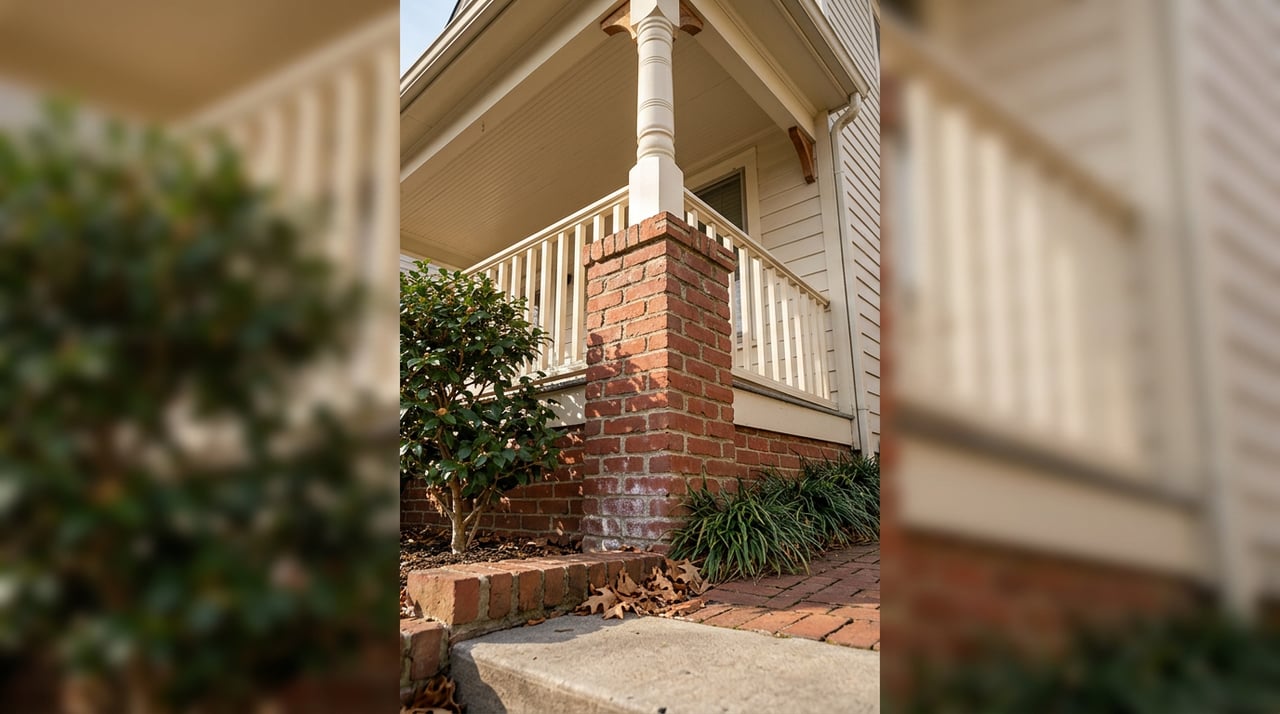
- Keep the area free of standing water. Preserve visible skirt and foundation details, and check for required approvals before altering vents.
Attic and roof
- Repair flashing and roof intersections first. Address step gutters and valleys.
- Seal the attic floor plane and add insulation to recommended levels. Only ventilate the attic if the assembly and sealing strategy support it.
- Maintain cornices and eave vent details. Install soffit vents discreetly if needed.
Exterior walls and masonry
- Use compatible lime-based mortar for repointing historic masonry. Avoid hard cement mortar that can trap moisture and damage bricks.
- Avoid impermeable exterior coatings that block drying. Improve flashings to shed water at transitions.
- Consult a preservation mason for significant repairs or signs of rising damp and salt migration.
Windows and doors
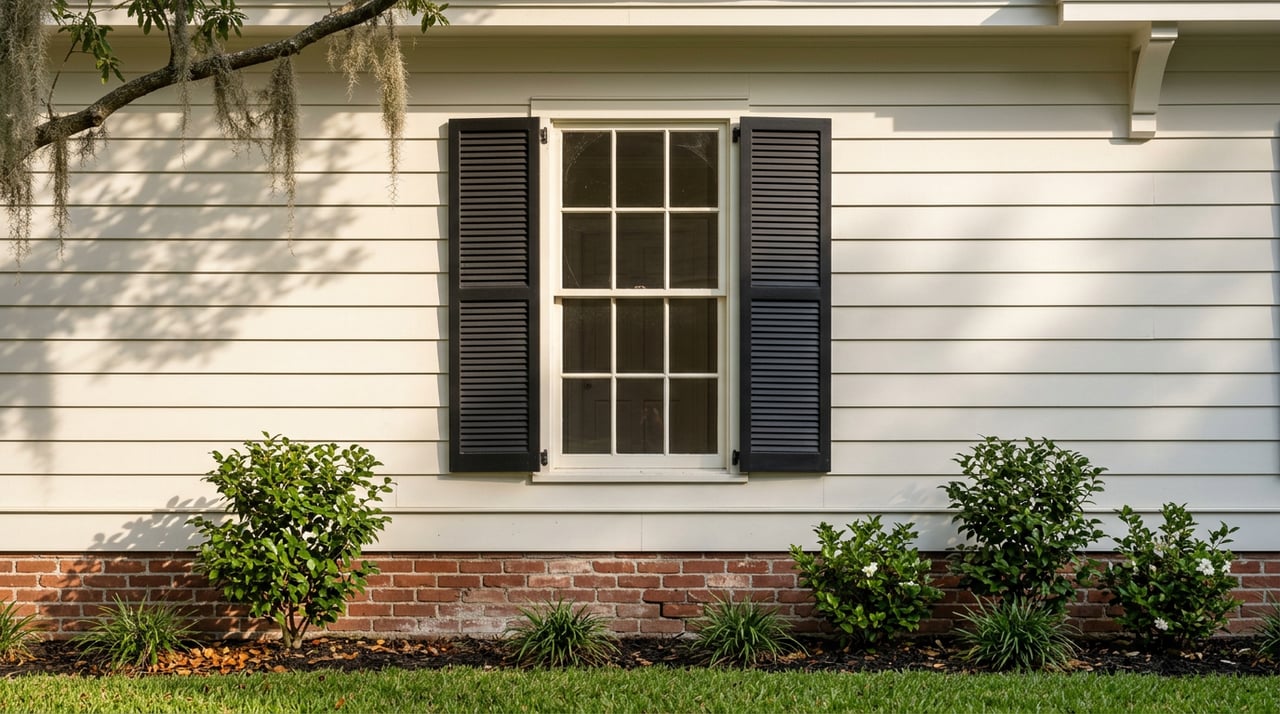
- Retain and repair historic windows. Interior or exterior storm windows reduce condensation and air leakage while preserving character.
- Weatherstrip sashes and improve sill drainage. Use reversible interior storms on visually sensitive facades.
- Confirm any replacements with local historic review requirements before proceeding.
Bathrooms and kitchens
- Install or upgrade fans that vent outdoors. Humidity-sensing controls reduce lingering moisture.
- Keep tile and grout in good condition. Seal penetrations behind tubs and showers.
- Use a small dehumidifier in older baths as a temporary measure until whole-house solutions are in place.
Laundry and mechanical spaces
- Vent dryers directly outdoors using the shortest practical run. Inspect and clean lint paths.
- Provide proper drainage for HVAC condensate with overflow protection and alarms.
- Place air handlers where they can be serviced and use drip pans and float switches.
Closets, storage, and crawl-up spaces
- Add a small vent gap, louvered doors, or periodic door-open time to reduce stagnant air.
- Use hygrometers in these spaces and relocate moisture-sensitive items if humidity remains high.
Choosing dehumidification that fits your home
You have several good options. The right choice depends on your envelope, HVAC setup, and budget.
- Integrated whole-house dehumidifier: Centralized control and quiet operation with ducted distribution. It adds cost and needs careful drainage but delivers consistent results.
- HVAC with active dehumidification: Variable-speed equipment or dedicated dehumidification modes can control humidity if the system is sized and commissioned properly.
- Standalone dehumidifiers: Lower upfront cost and fast to deploy. They are visible and may need more maintenance, and larger homes might need more than one.
- Conditioned supply ventilation: In a hot-humid climate, supply ventilation that is conditioned or passes through dehumidification is preferred to raw outdoor air.
Sizing matters. Proper selection considers infiltration, internal moisture generation, and climate, not just square footage. Ask for a professional load calculation before you commit.
Implementation and monitoring
Track humidity and verify results
- Place affordable hygrometers on each floor or zone. Log readings for a week during hot months.
- If you see persistent indoor RH above 60 percent, add dehumidification or improve air sealing.
- Inspect quarterly for the first year after upgrades. Look for mold, soft wood, or recurring condensation.
Permits and historic review
- Exterior changes like gutters, windows, shutters, and porch details often require review. Contact the City’s Historic Districts Landmarks Commission for guidance and certificates of appropriateness where needed.
- Photograph existing conditions before work begins and keep a record of materials and details.
- Pull building permits for structural and major mechanical work and use licensed trades for electrical and gas.
Hire pros with historic experience
- Seek contractors who can show past work on historic homes and reversible, material-compatible repairs.
- Key roles: a preservation mason or carpenter for exterior fabric, an HVAC contractor skilled in dehumidification and right-sizing, and a building science or conservation consultant for complex moisture cases.
- In bids, ask for baseline humidity data, a prioritized scope with expected impact, and clear maintenance plans for any dehumidifiers or HVAC components.
Budget ranges to plan ahead
- Air sealing and weatherstripping: hundreds to a few thousand dollars depending on scope.
- Crawlspace encapsulation with dehumidifier: several thousand to 10k+ based on access and complexity.
- Whole-house dehumidifier: roughly 2k to 8k+ for equipment and installation.
- Roof, gutters, and flashing: varies widely from minor repairs to full replacement.
- Lime mortar repointing: moderate to major costs driven by skilled labor and area treated.
Incentives and local help
Programs change often, so check current details directly with program offices.
- Entergy New Orleans: Look for energy-efficiency rebates for HVAC, smart thermostats, insulation, and high-efficiency equipment.
- Sewerage & Water Board of New Orleans: Explore conservation resources and stormwater guidance that support site drainage improvements.
- City of New Orleans and HDLC: Find permit requirements and occasional grants for historic rehabilitation.
State and federal resources can help, especially for qualifying households. The Louisiana Housing Corporation and local Community Action Agencies administer Weatherization Assistance Program services that may include air sealing and insulation. Federal energy-efficiency tax credits may also apply for qualifying equipment. Ask contractors to identify and help submit rebates, and confirm eligibility early.
A simple weekend to-do list
- Walk the exterior during a rain to spot gutter and downspout issues.
- Place hygrometers in the living room, a bedroom, and a closet. Note RH for a week.
- Check for duct condensation in the attic or crawlspace and confirm dryer venting to the exterior.
- Run bath fans for 20 minutes after showers. Use the range hood when cooking.
- Seal easy gaps at plumbing penetrations with appropriate caulk or gaskets.
Final thoughts
When you respect how historic materials handle moisture, you get a home that feels better and lasts longer. In Uptown and Carrollton, the winning formula is simple. Control rain and drainage, dry out the crawlspace, seal the air leaks you cannot see, and add smart dehumidification.
If you want a local game plan that protects comfort and character, reach out. Unknown Company is here to connect you with vetted pros and a step-by-step path that fits your home.
FAQs
What indoor humidity level should I target in a New Orleans historic home?
- Aim for 40 to 50 percent RH and avoid persistent readings above 60 percent to reduce mold risk and protect wood and finishes.
Do I need a whole-house dehumidifier if I already have air conditioning?
- Often yes in hot-humid climates, because oversized or older AC systems may not remove enough moisture even if they cool well.
Is a sealed crawlspace better than vented under Uptown homes?
- In many cases a sealed, conditioned crawlspace with a ground vapor retarder and dehumidification controls moisture more reliably than a vented crawlspace.
Can I keep my original windows and still reduce condensation?
- Yes. Repair and weatherstrip the sashes and add interior or exterior storm windows for better performance while preserving historic character.
Will adding a vapor barrier to walls help in a hot-humid climate?
- Avoid impermeable interior vapor barriers on historic assemblies because they can trap moisture; focus on air sealing and allow appropriate drying.
What should I fix first if I see mold in a bathroom?
- Vent the bath fan outdoors, run it after showers, seal leaks, and check that indoor RH stays below 60 percent before adding equipment.