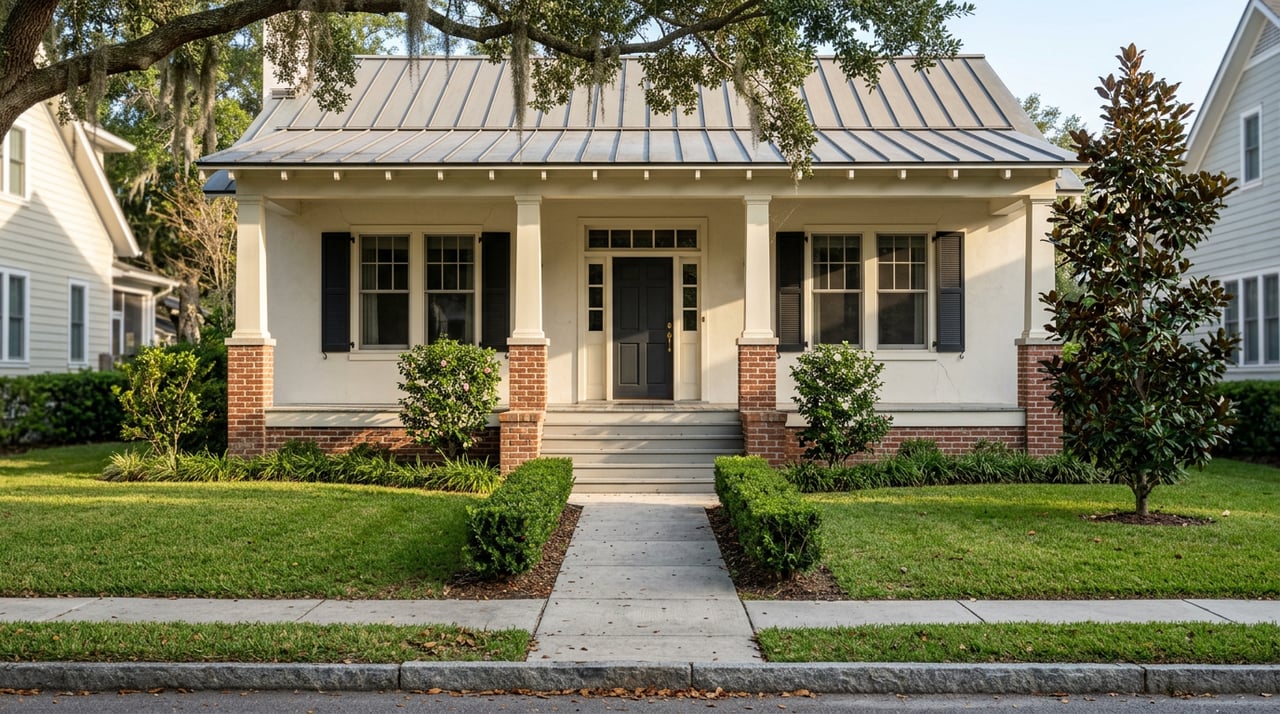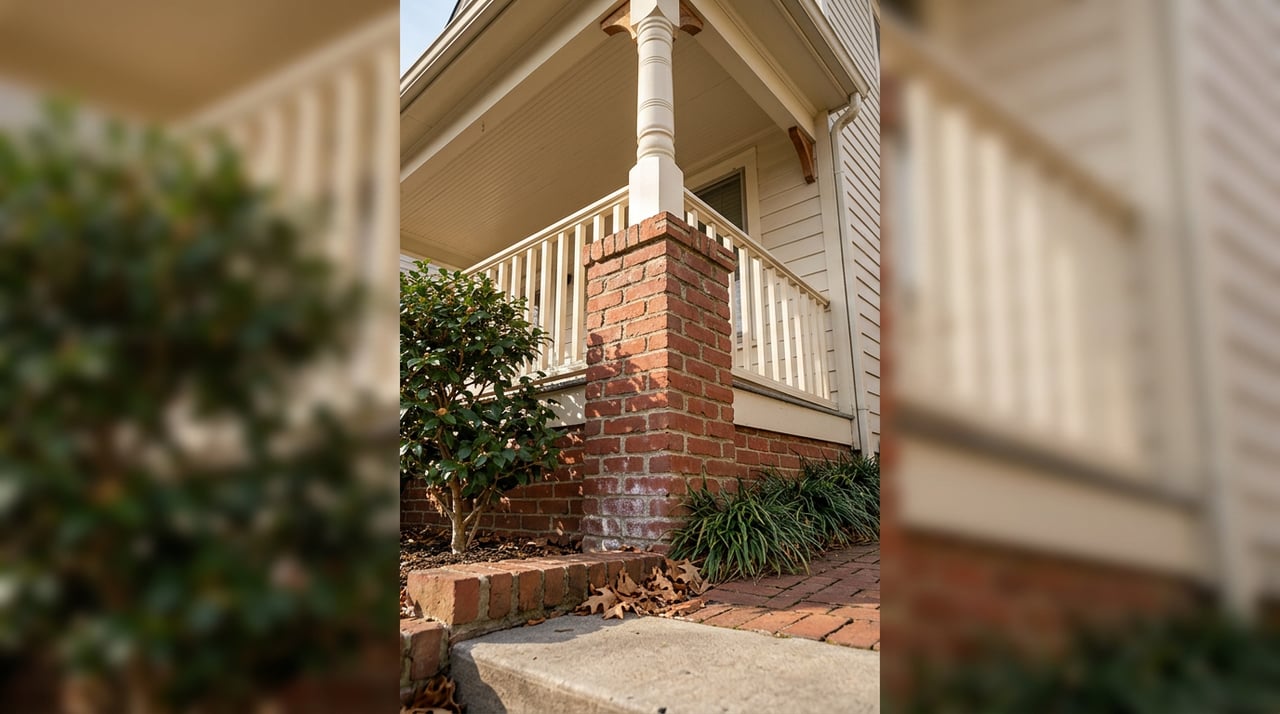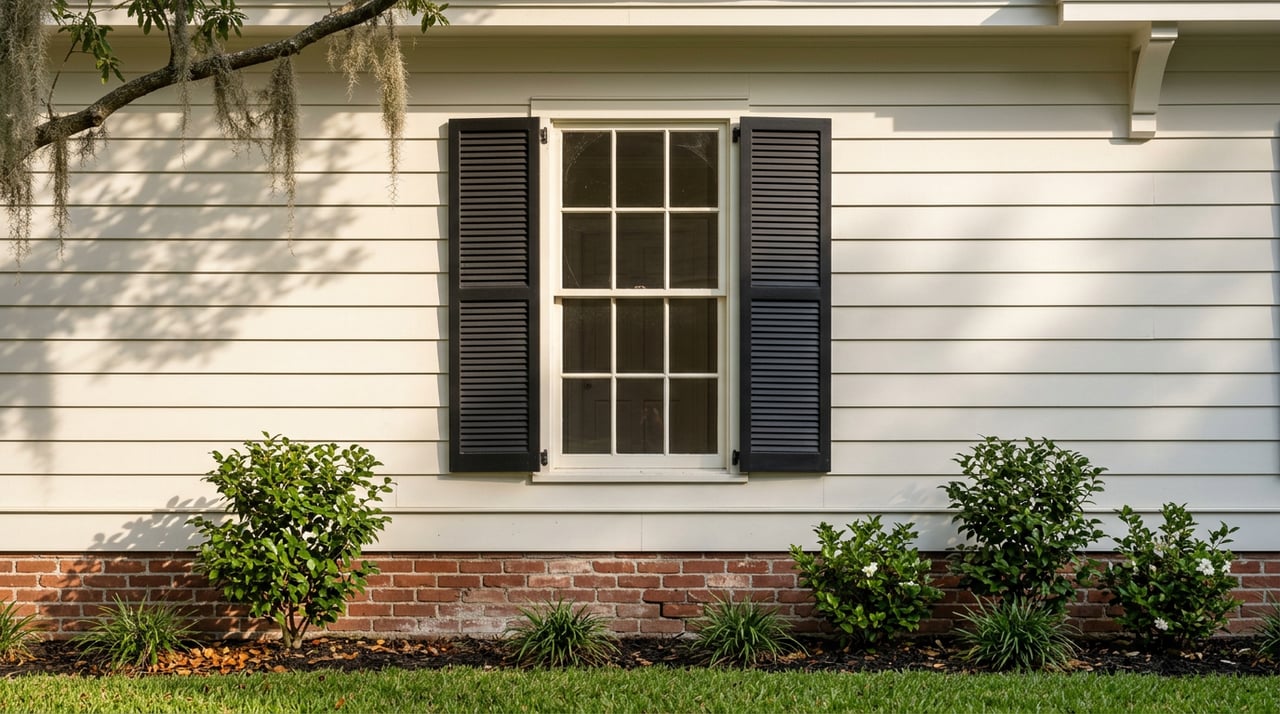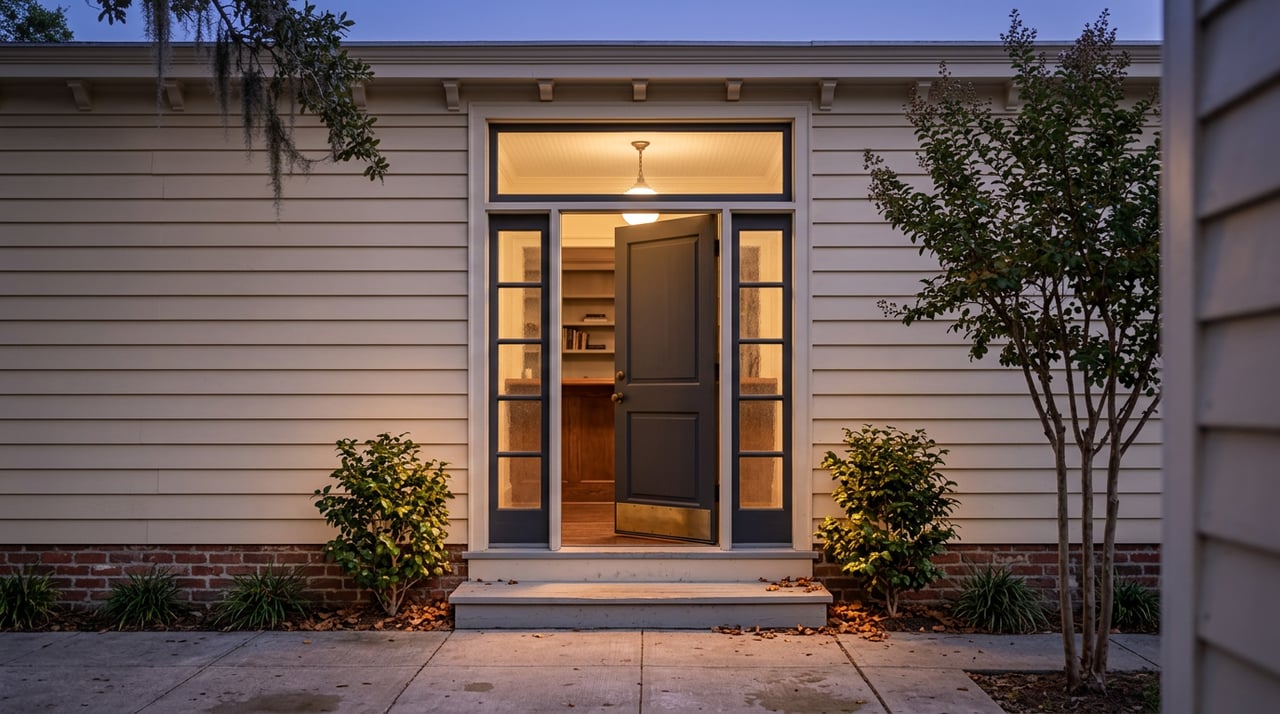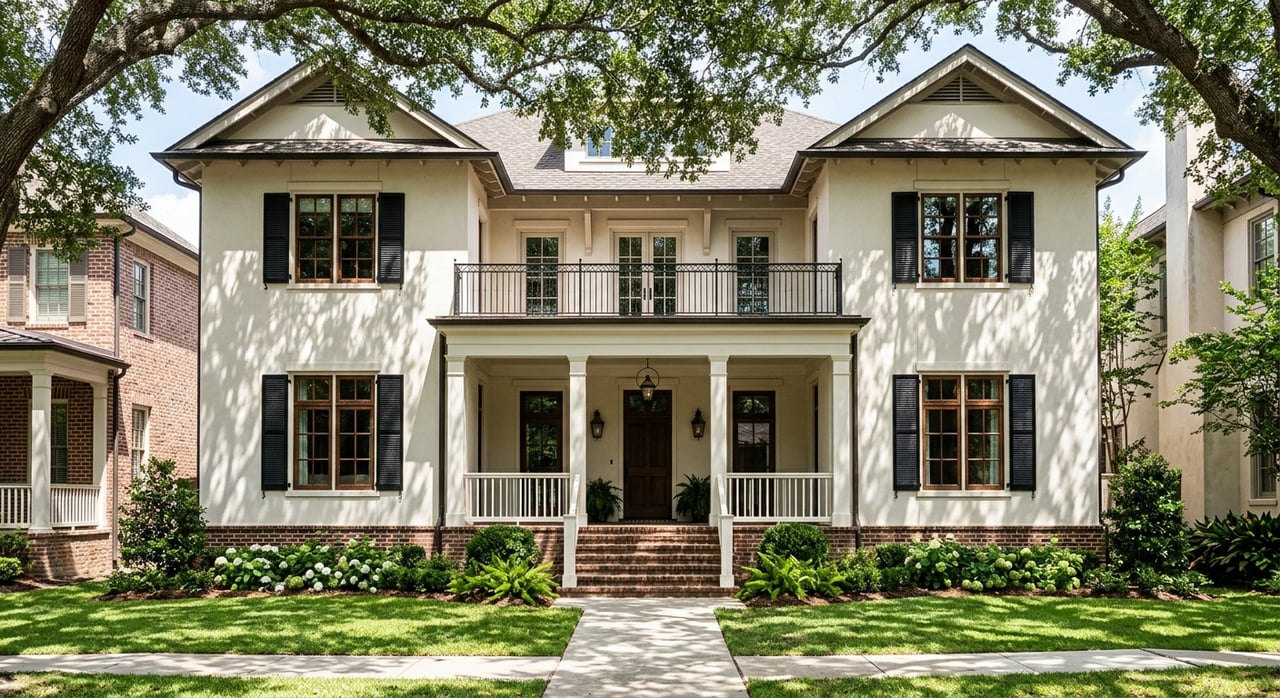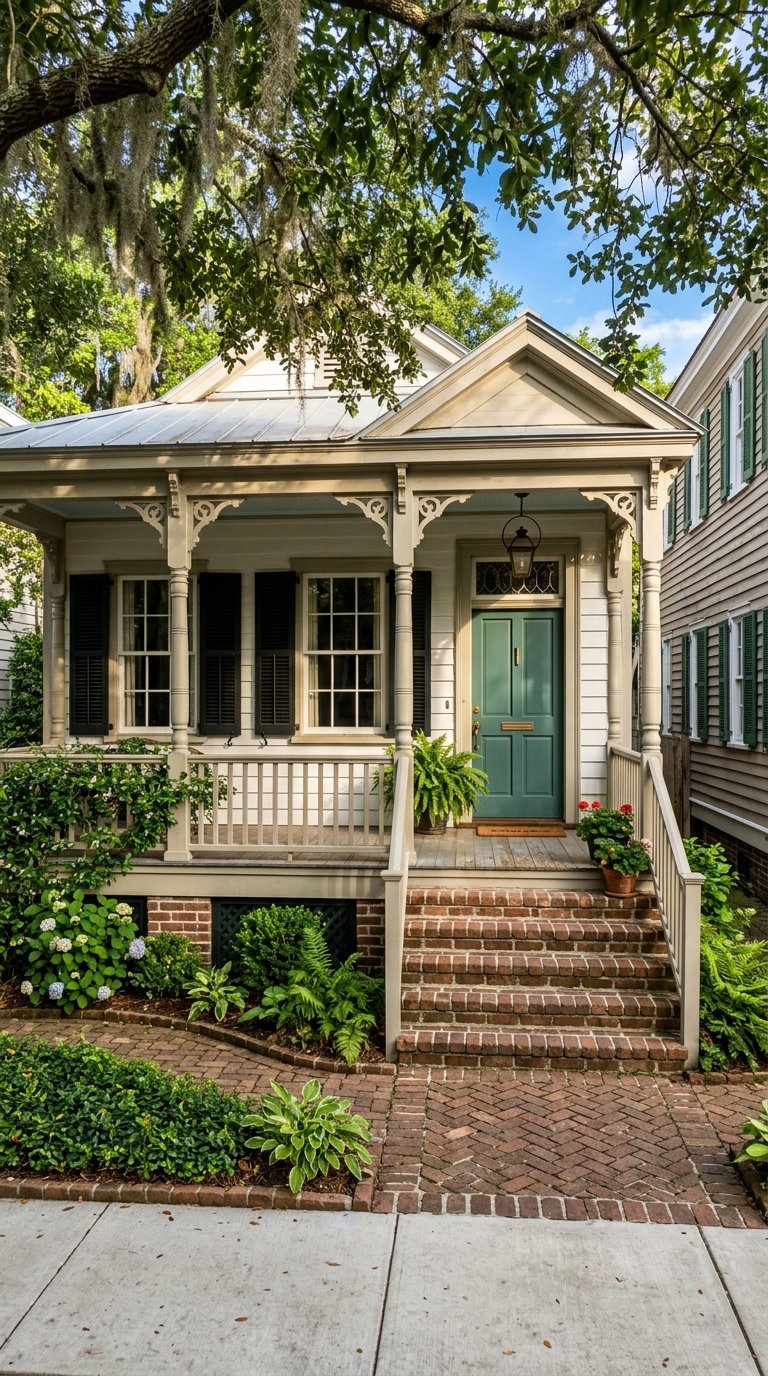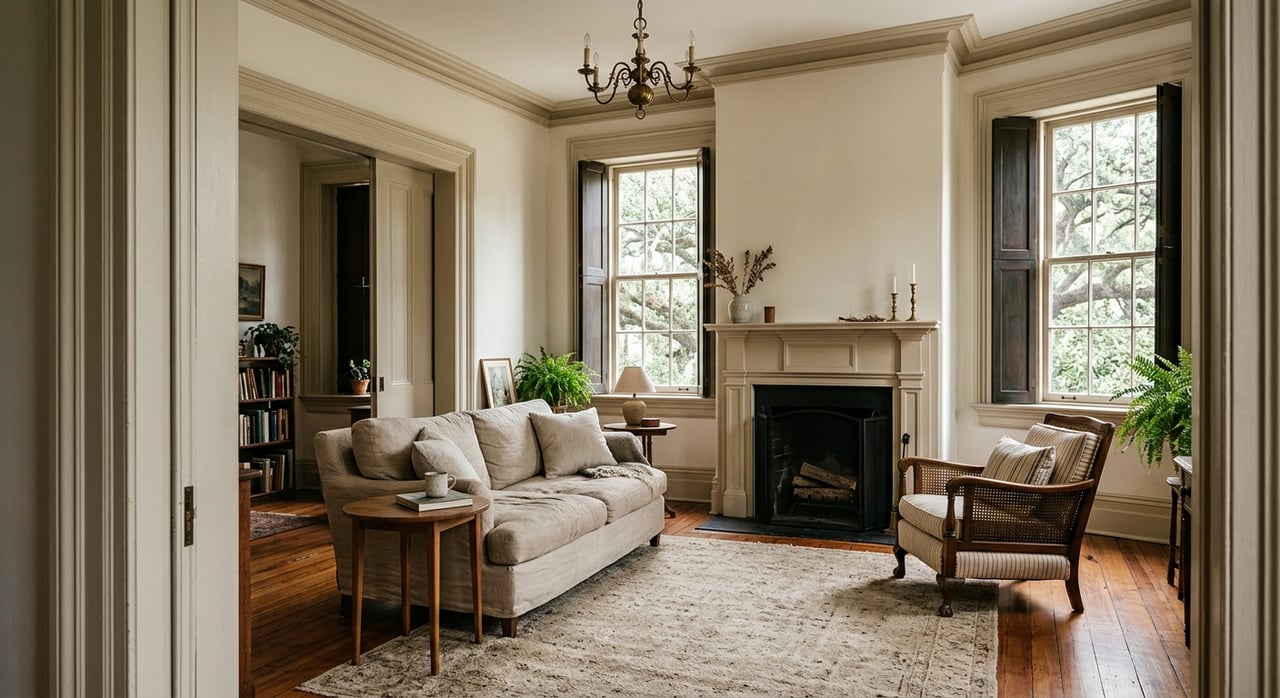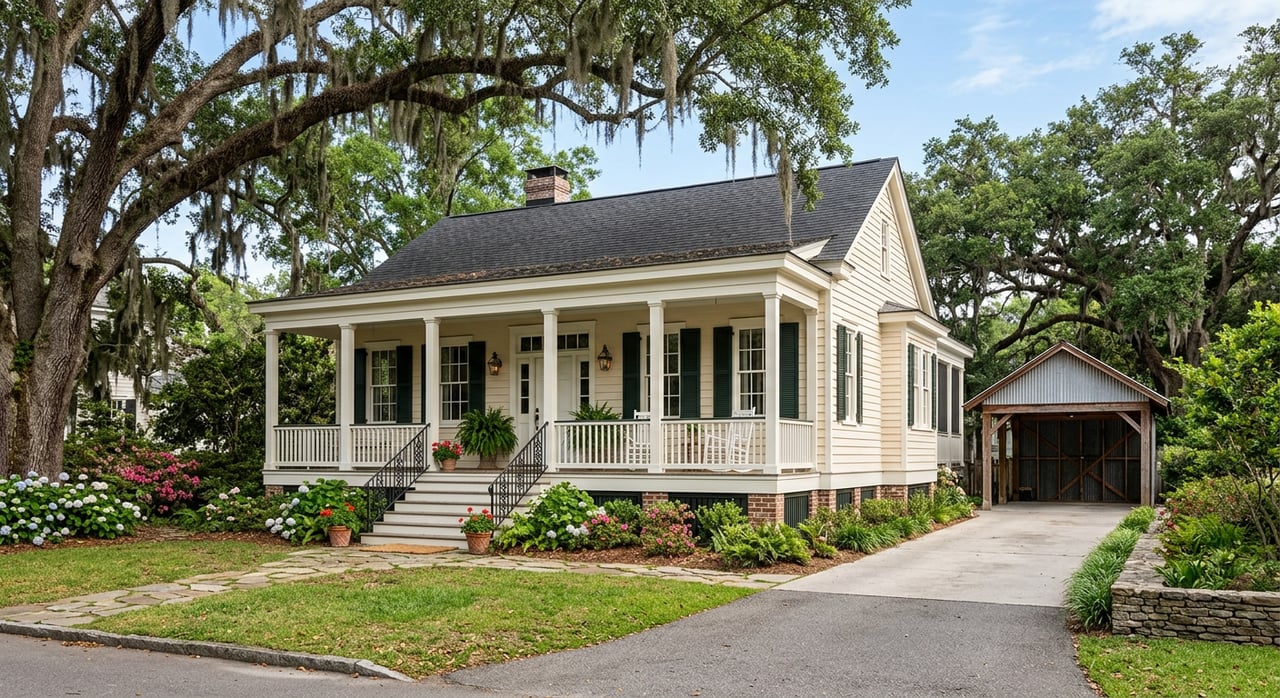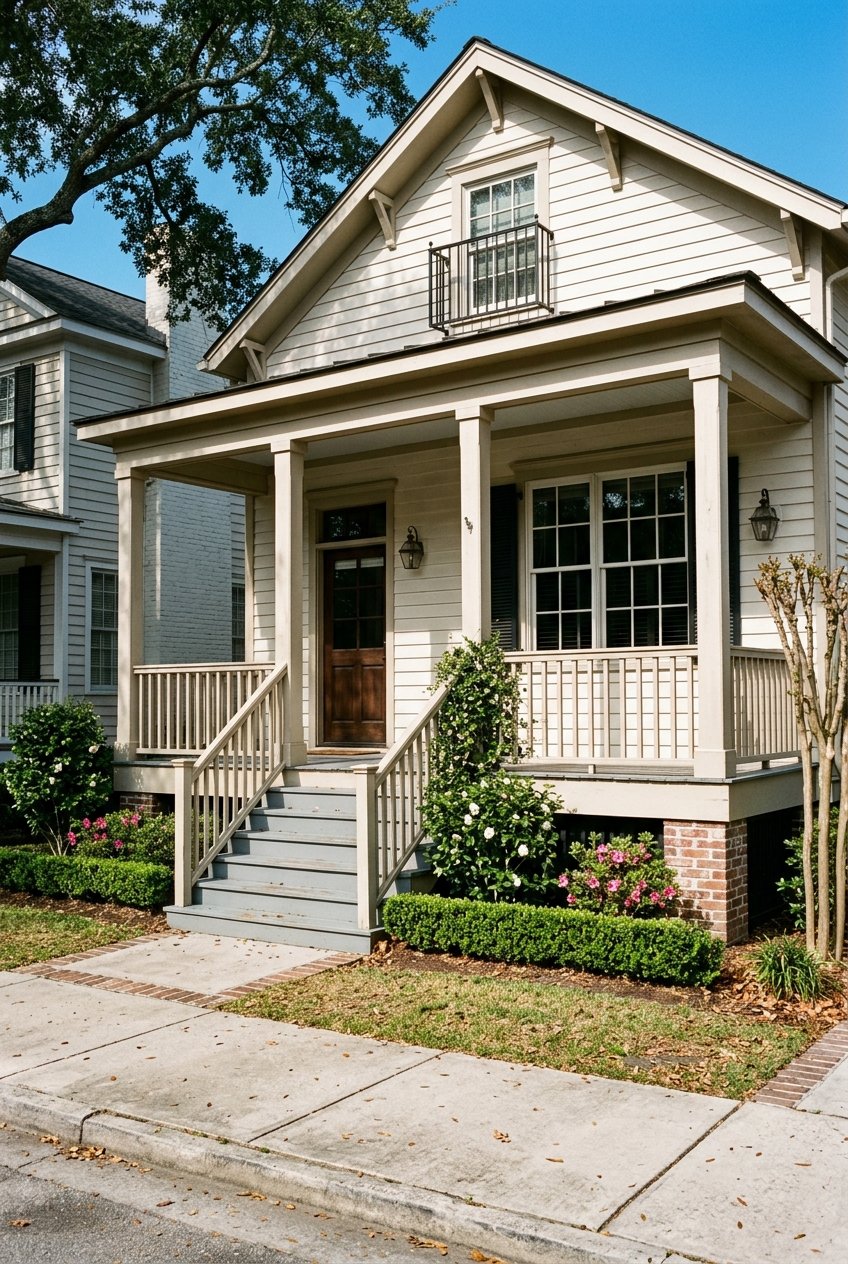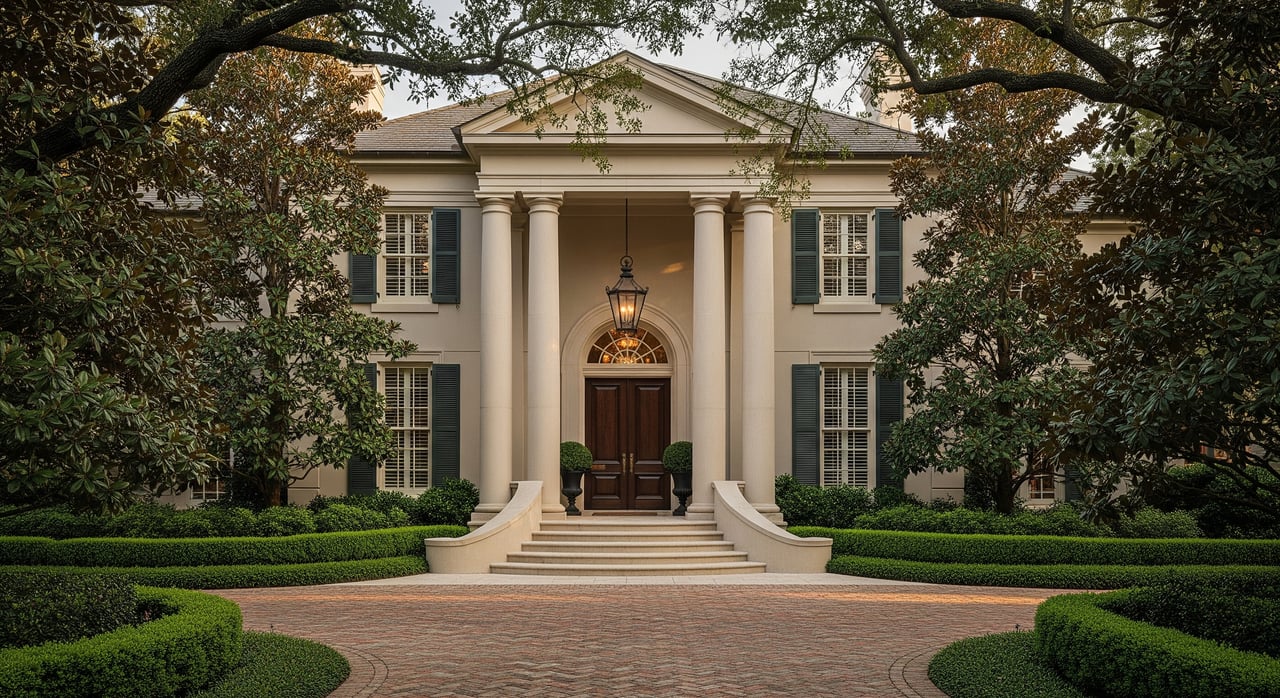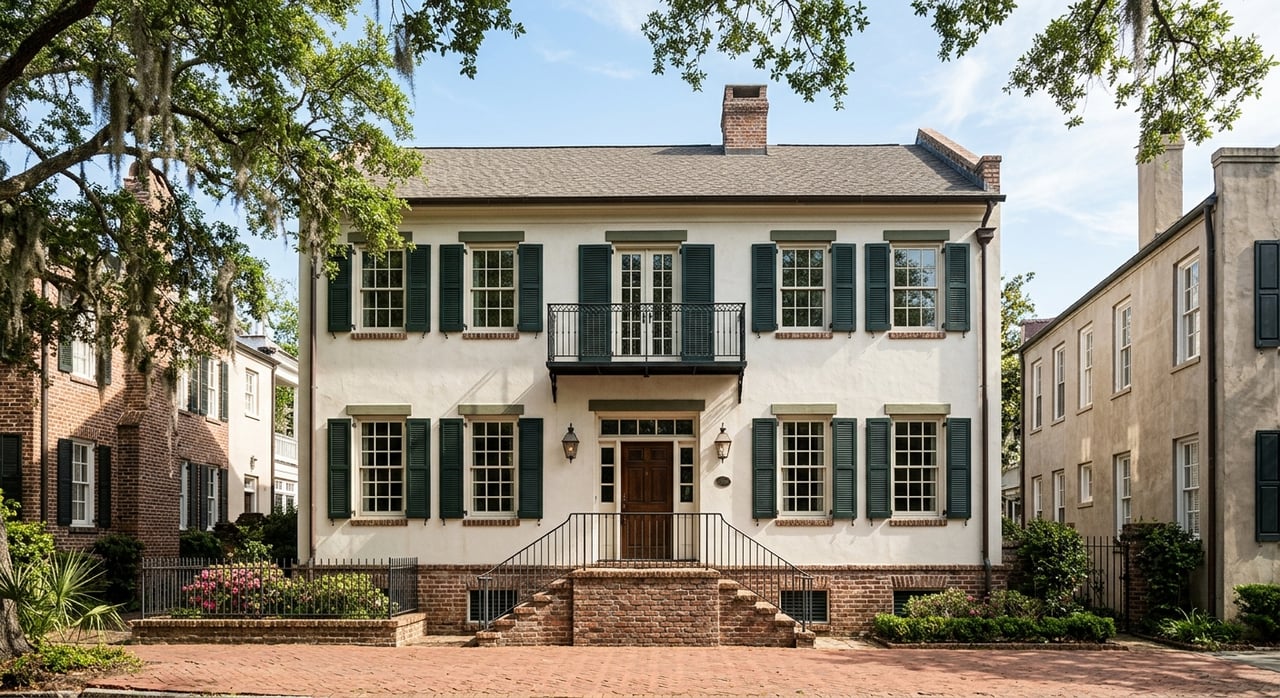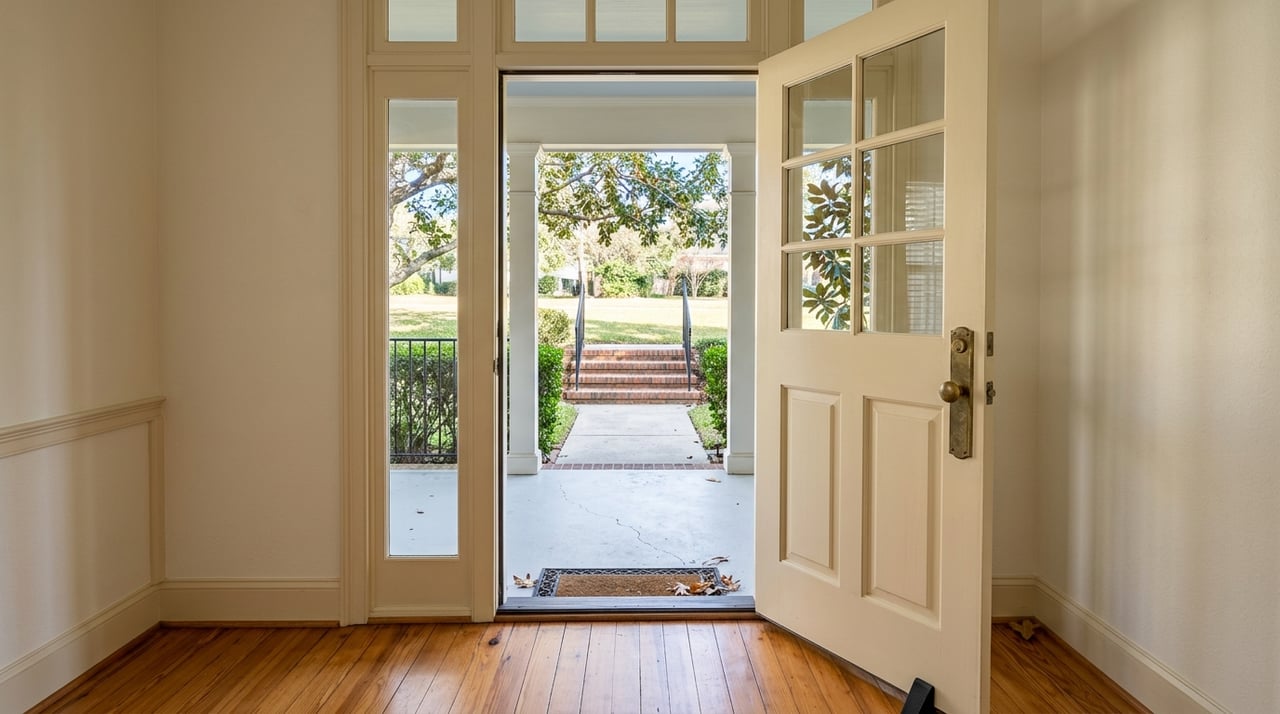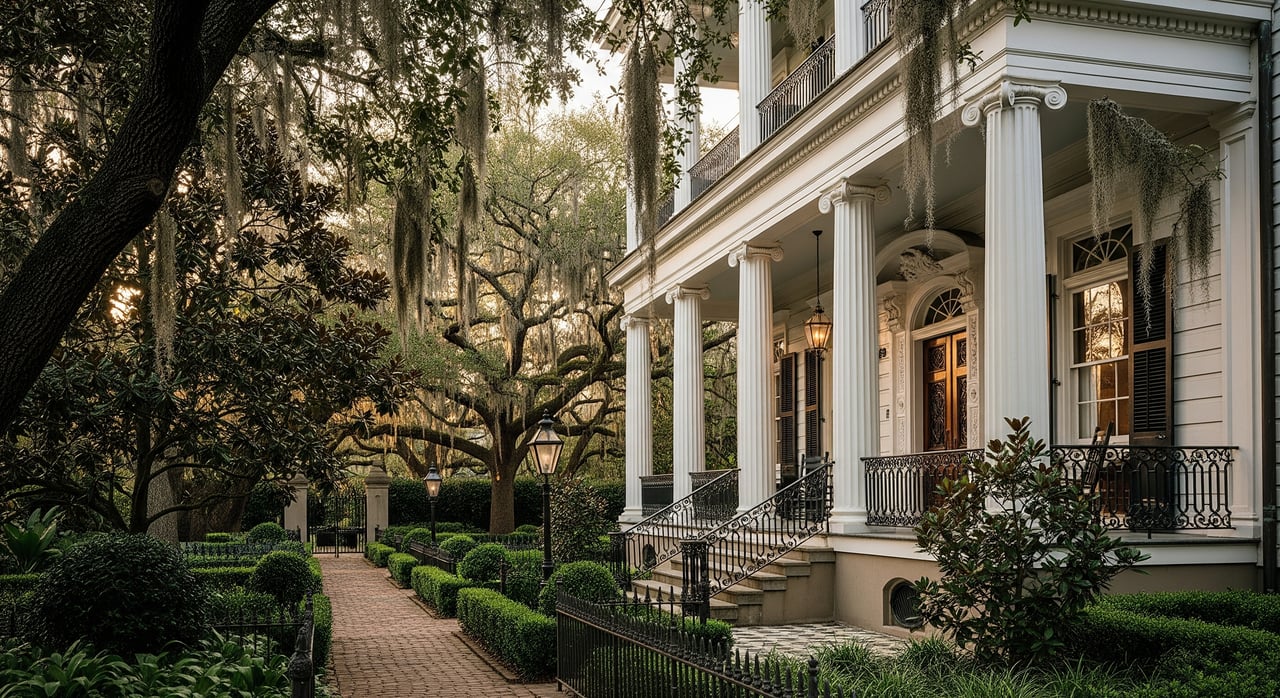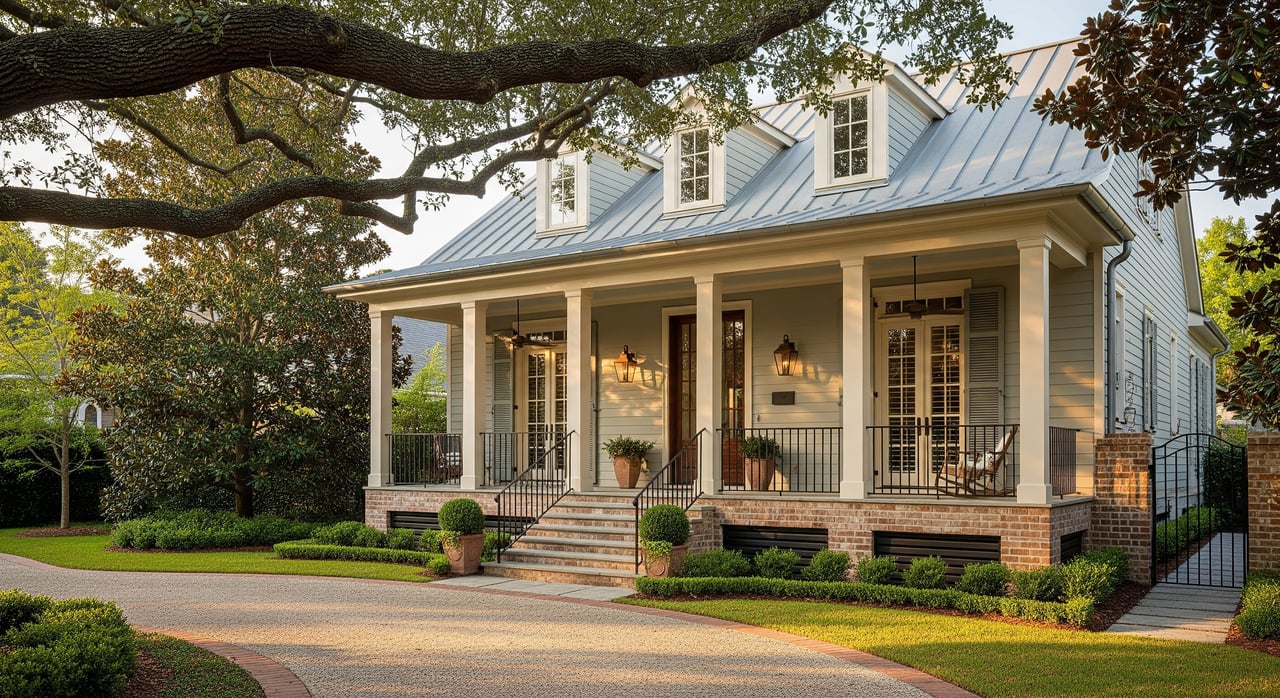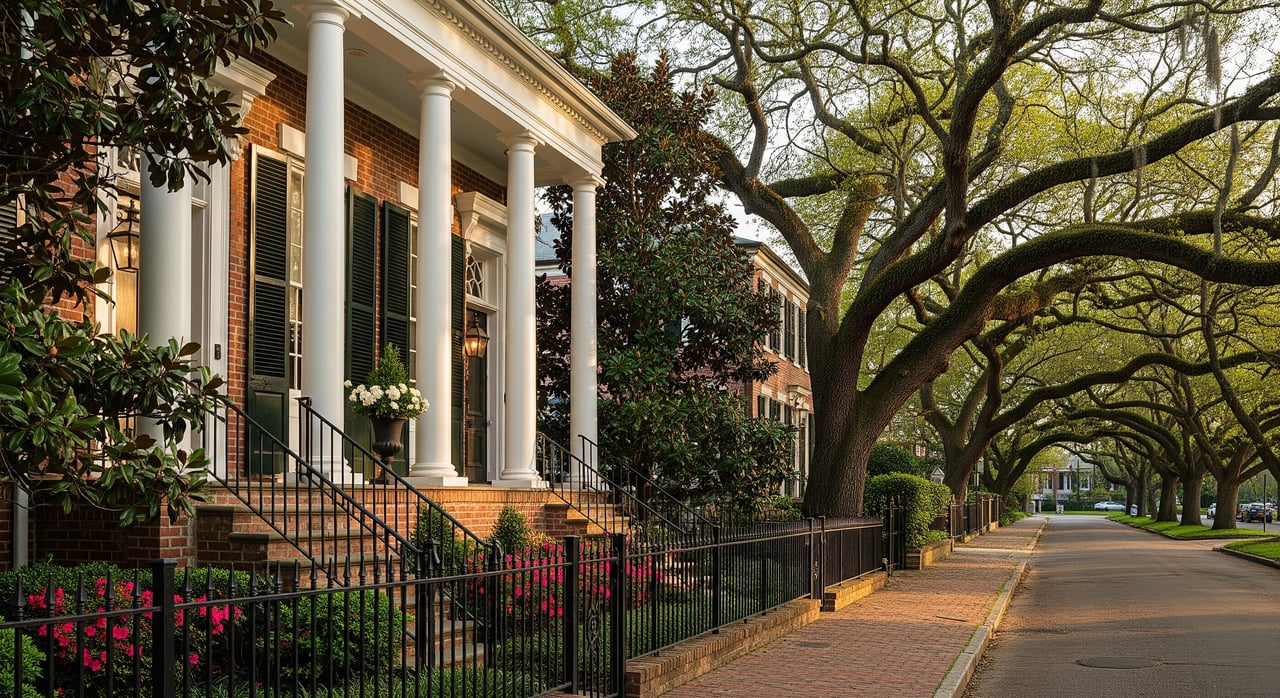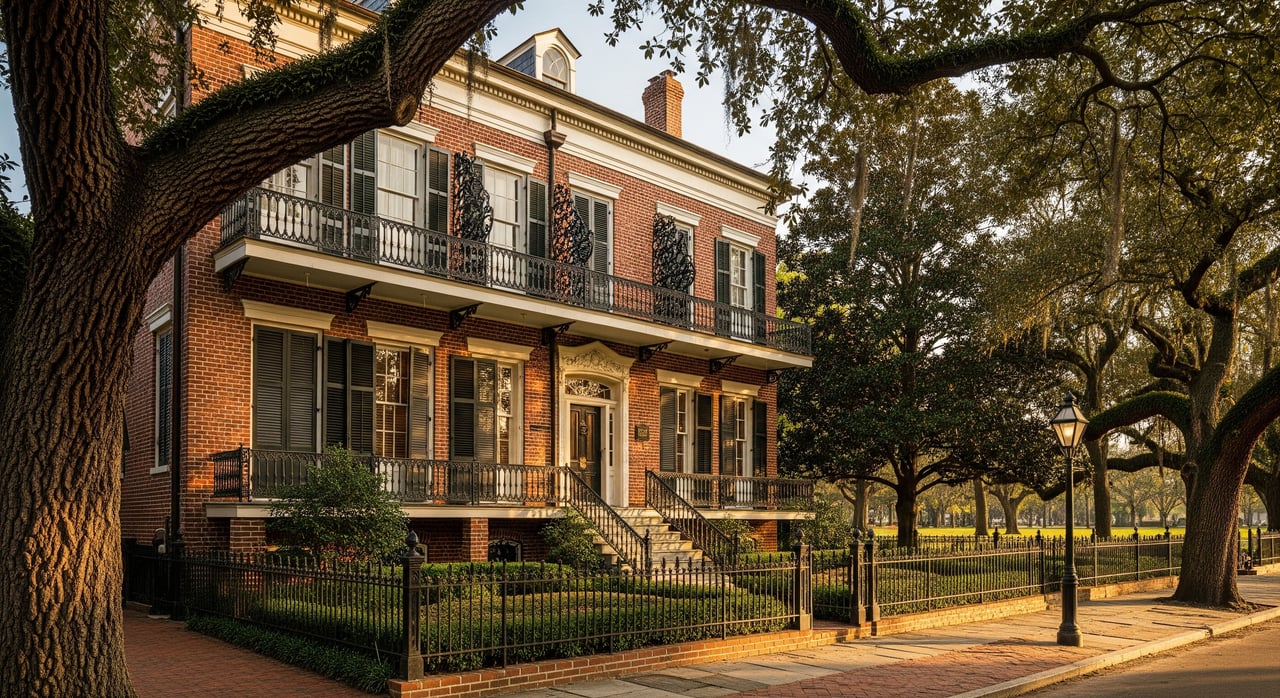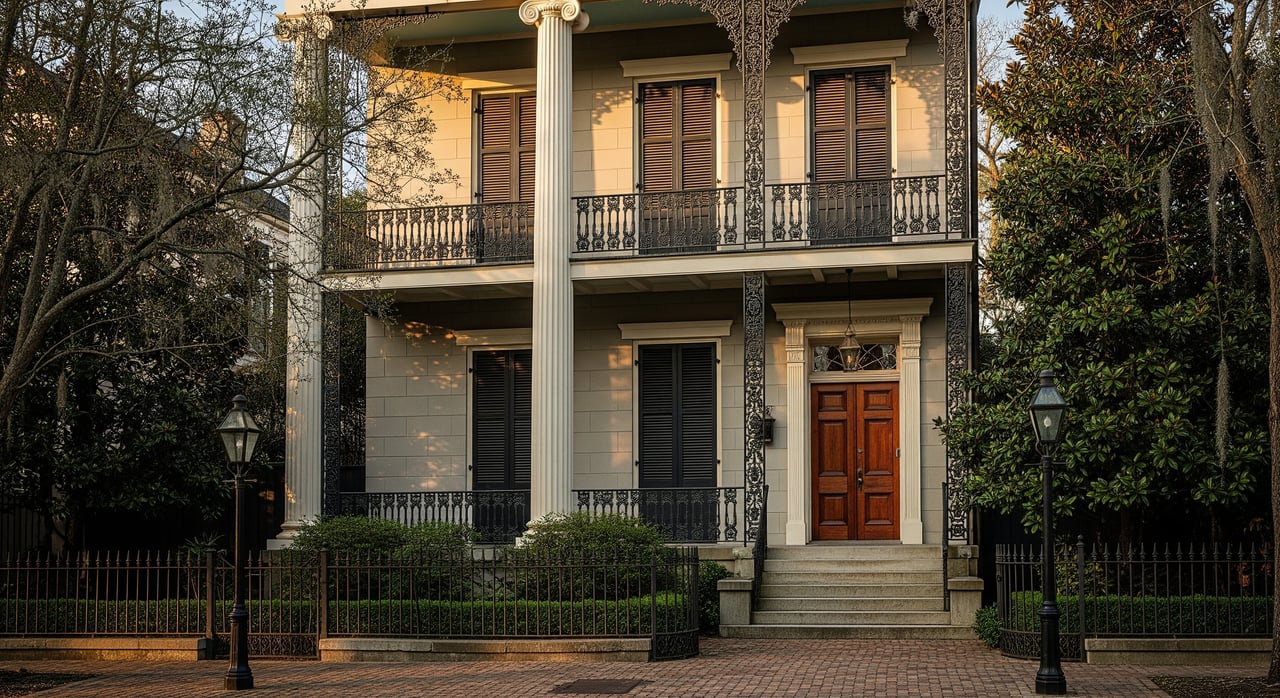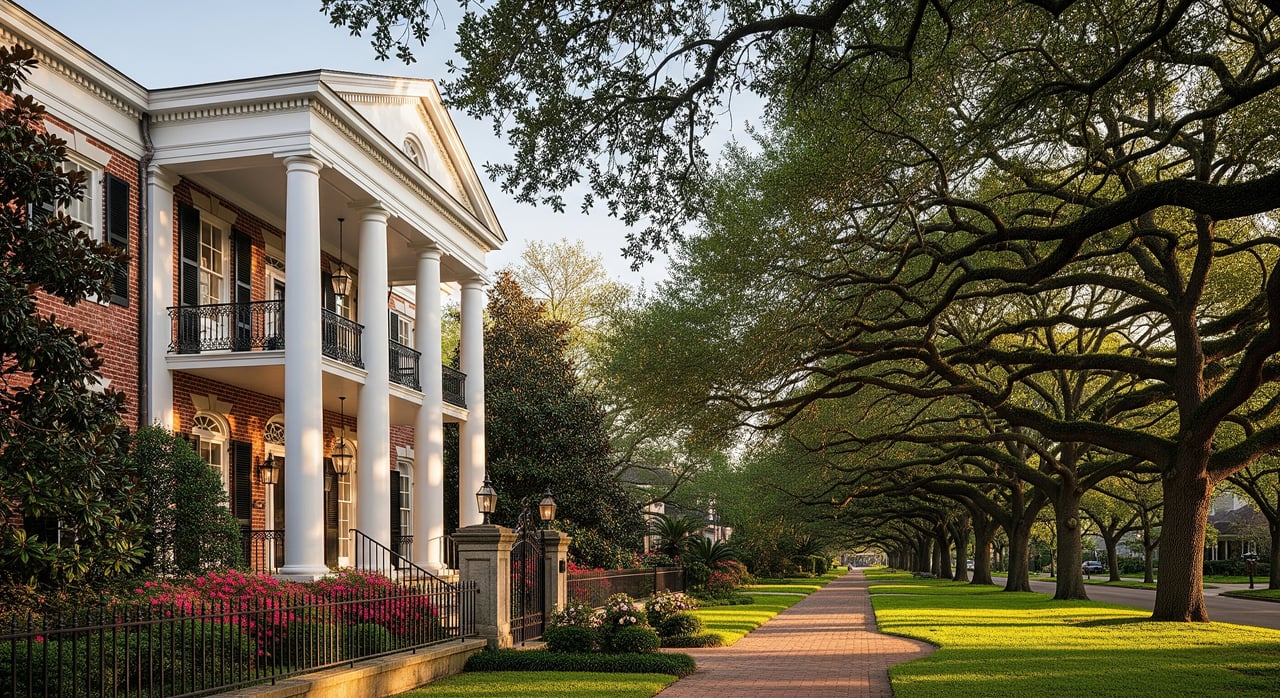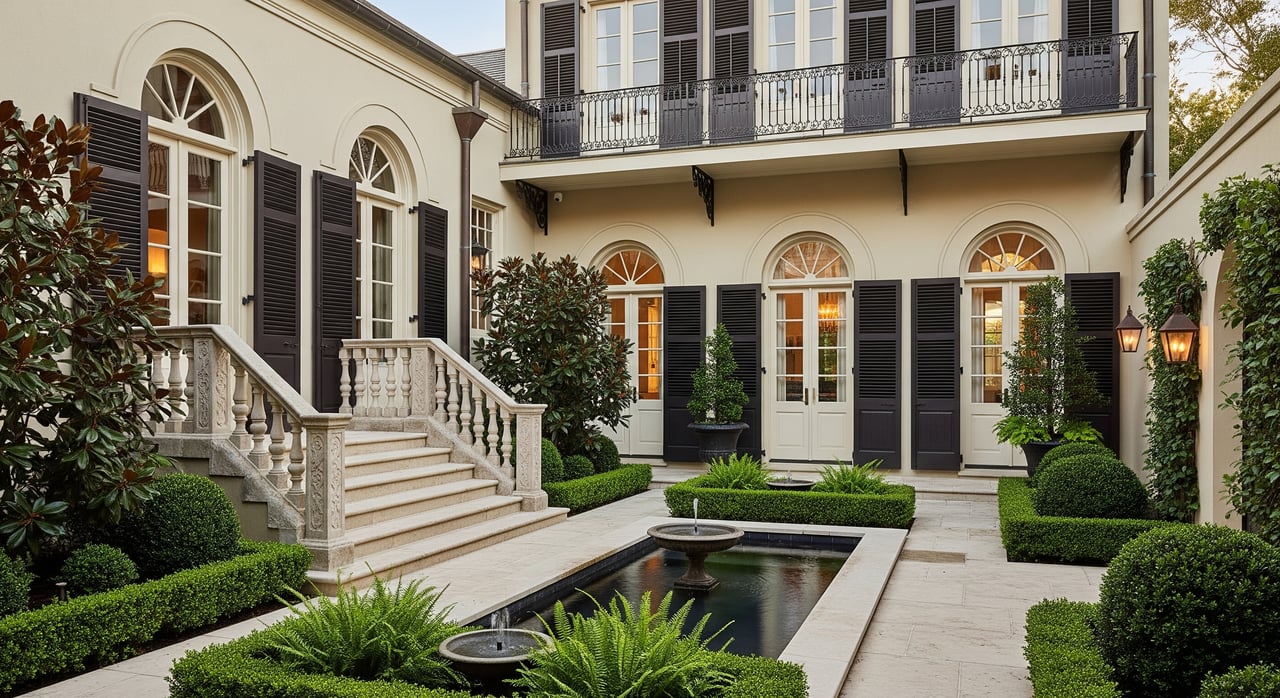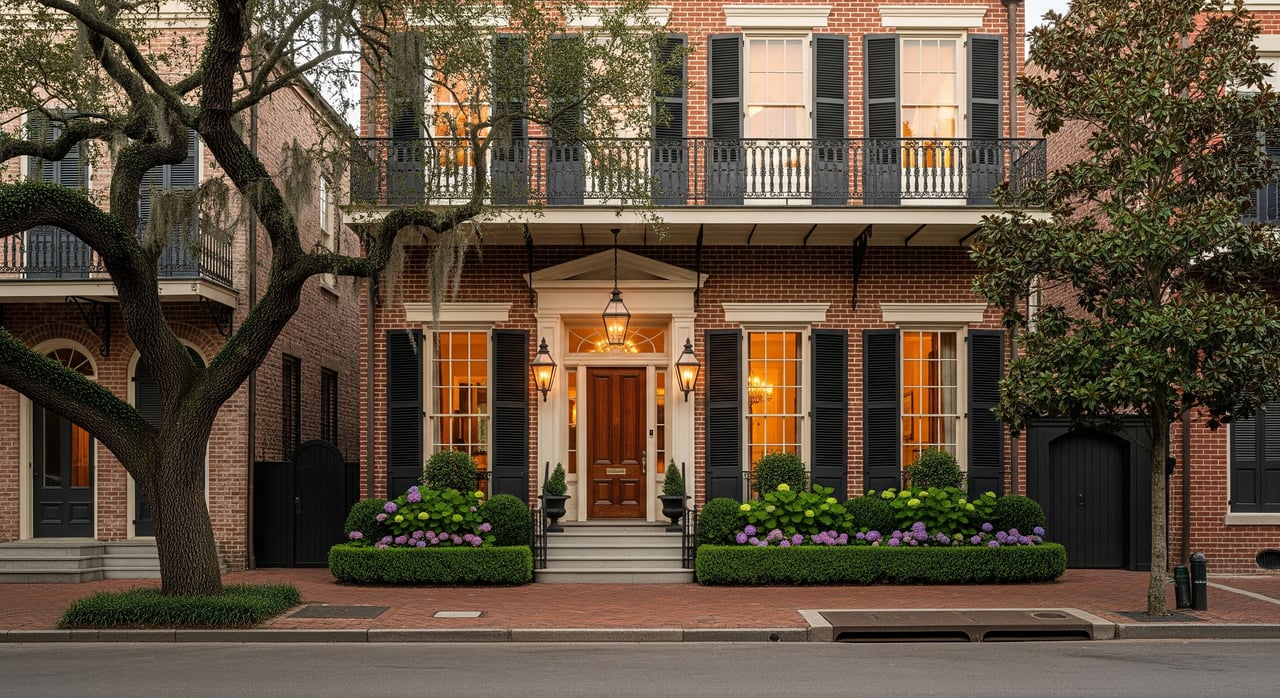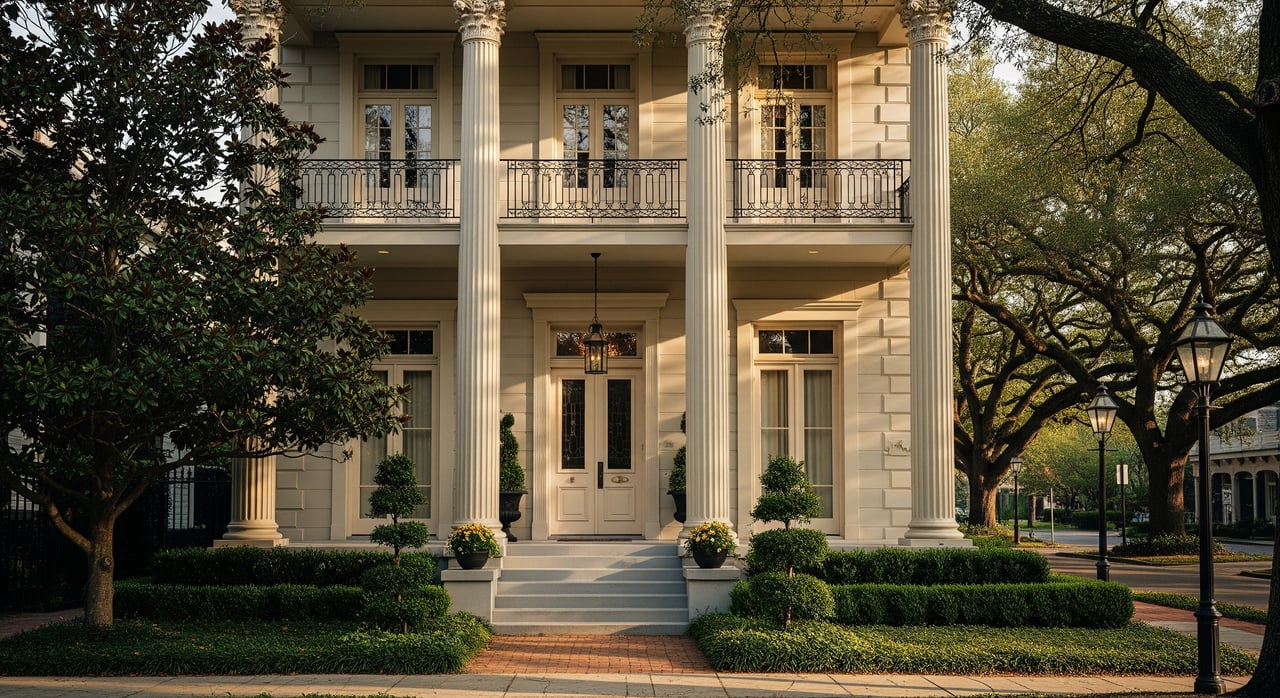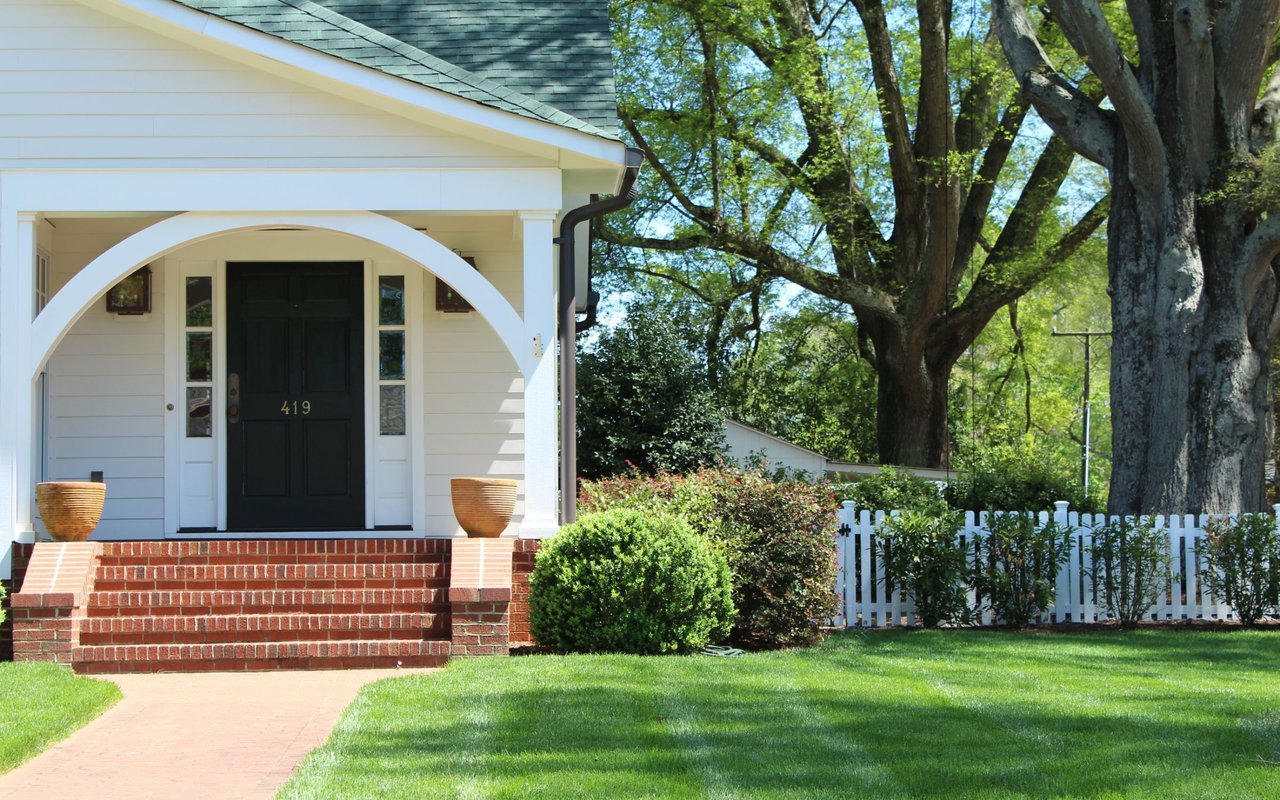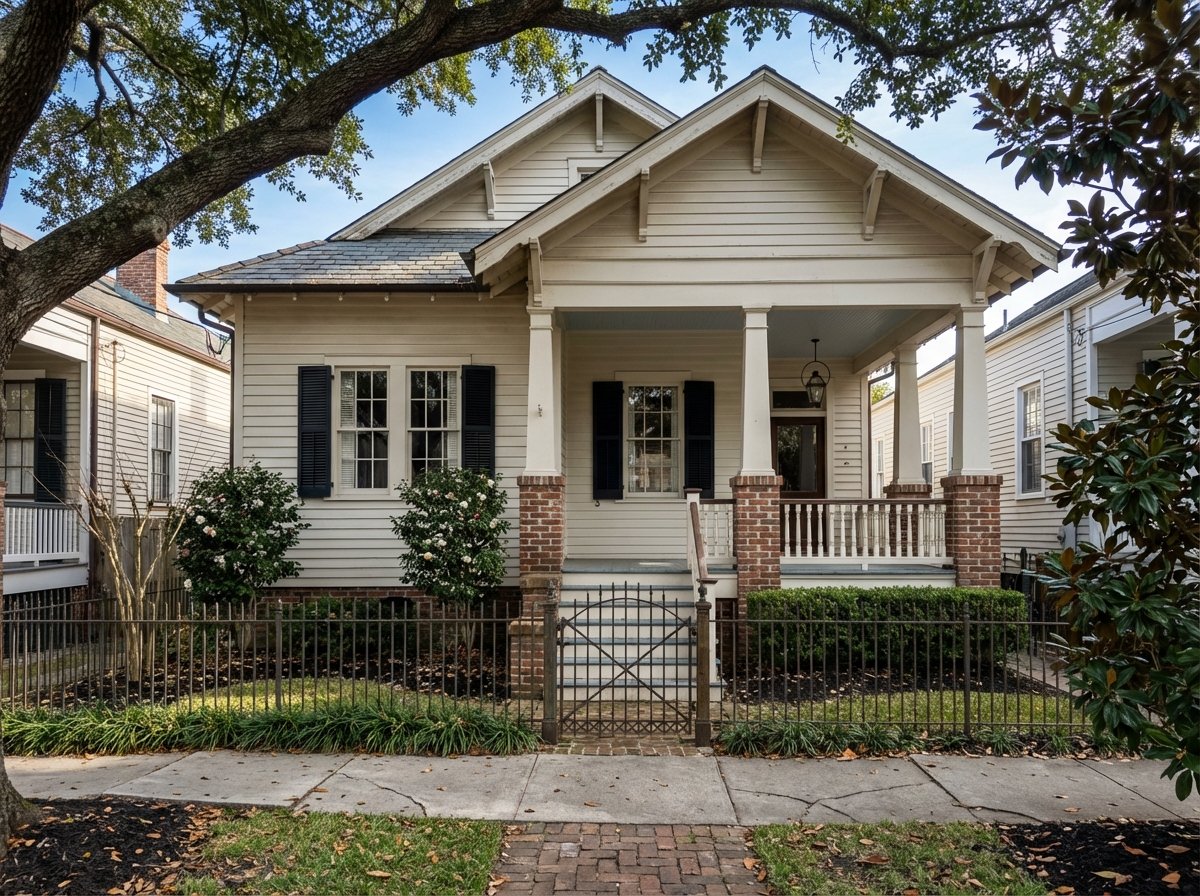
You fell in love the moment you saw the porch, the deep shade of mature trees, and the timeless façade. Buying a historic Garden District home in Alexandria is exciting, but the process is different from purchasing a newer house. The good news is you can move forward with clarity once you know the rules, risks, and smart next steps. This guide walks you through preservation, inspections, insurance, financing, and renovation so you can buy with confidence. Let’s dive in.
Garden District at a glance
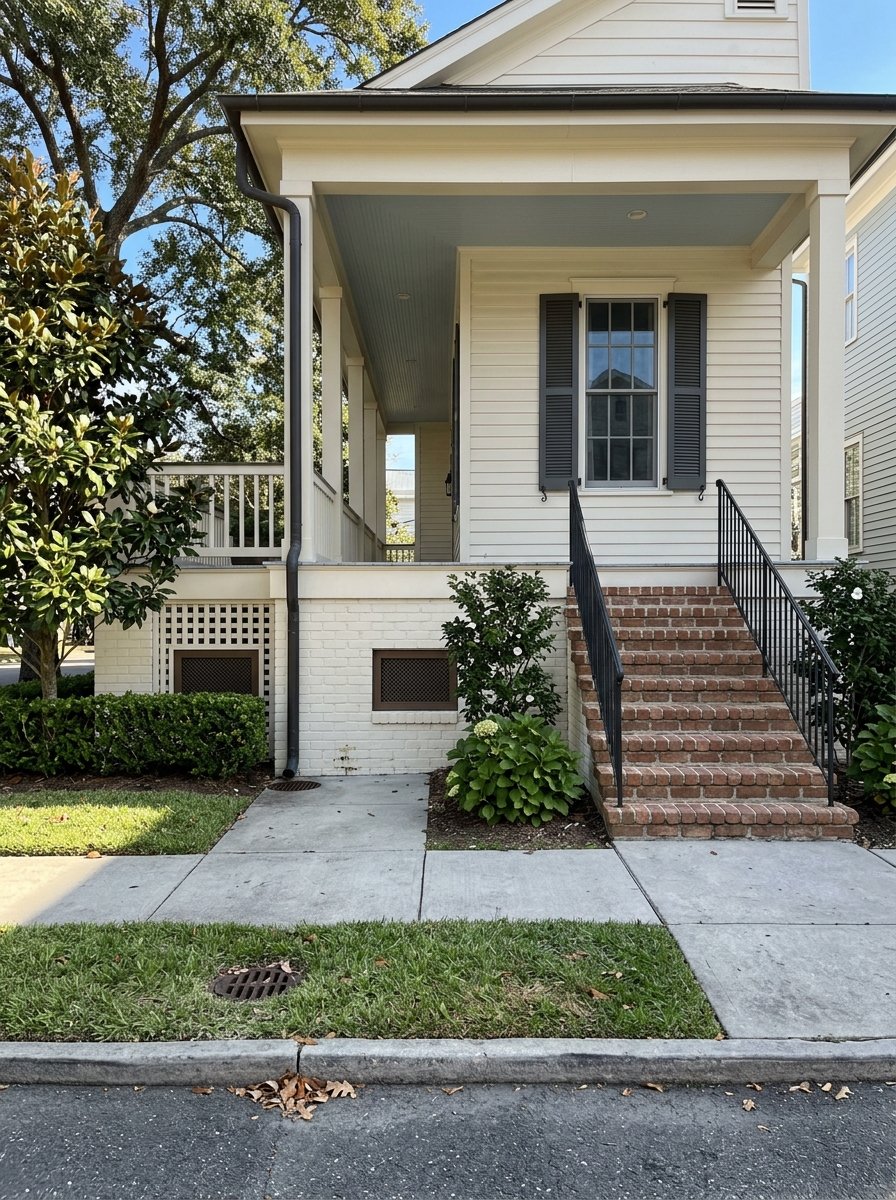
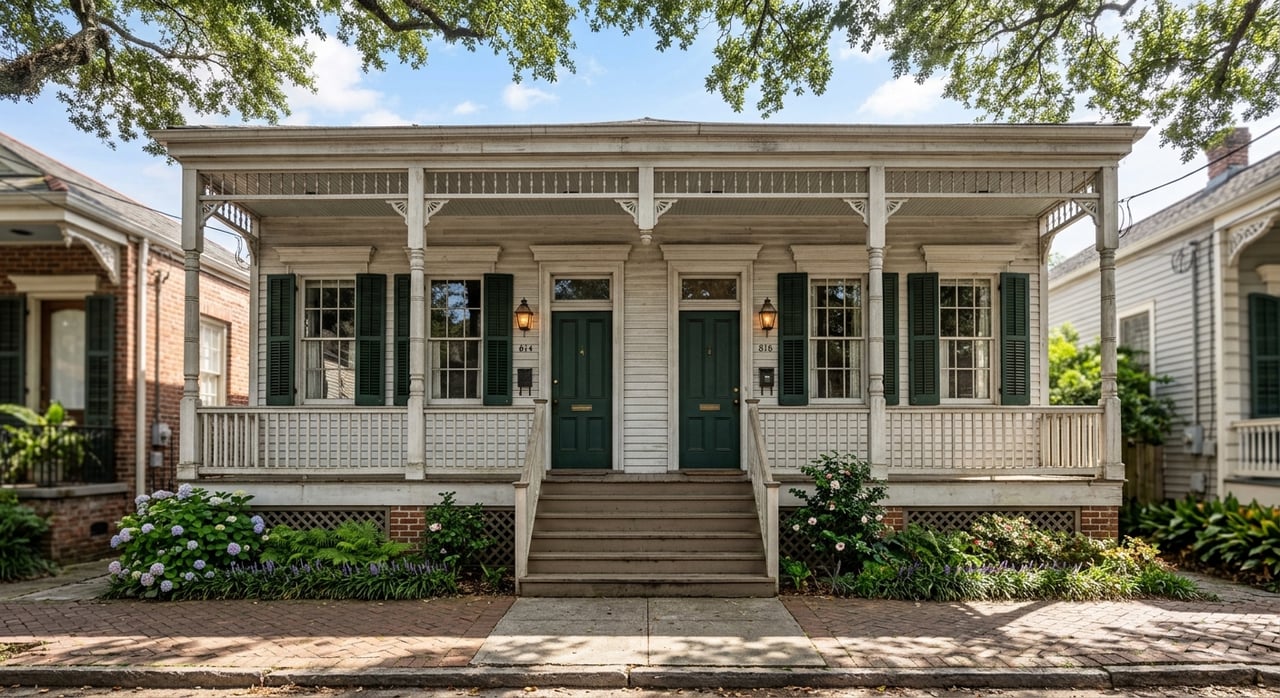
The Alexandria Garden District is listed on the National Register of Historic Places, with periods of significance in the early to mid 20th century and a streetscape rich in Bungalow/Craftsman and Colonial Revival architecture. The district is roughly bounded by Marye Street, Bolton Avenue, White Street, and Bayou Hynson. You can review the official history and boundaries in the Alexandria Garden District’s National Register nomination. That document is the authoritative record for properties that contribute to the district’s character.
Preservation rules in Alexandria
Historic status happens on two levels, and they work differently.
- National Register listing: This is primarily honorific for private owners. It does not by itself restrict changes you make to your home. If you choose to pursue state or federal historic tax credits, your renovation must meet the Secretary of the Interior’s Standards and follow a certification process through the State Historic Preservation Office (SHPO) and National Park Service. Learn more about the federal program on the NPS tax incentives page.
- Local practice: According to the city’s Historic Preservation Commission, Alexandria currently does not require exterior design approvals for most private projects in local historic districts. You still need to follow standard permits and codes. Review the commission’s guidance and FAQs on the Alexandria Historic Preservation Commission site.
Bottom line. In Alexandria today, the main limits on what you can do are building codes, your budget, your insurer and lender requirements, and any standards you choose to follow if you use tax credits.
Your due diligence roadmap
Buying a century-old home takes a different kind of prep. Use this checklist to protect your budget and timeline.
Confirm historic status
- Pull the district nomination to see if the home is listed as contributing or noncontributing. The National Register nomination is your official source.
- Ask the seller for any past permits or renovation records so you understand what was changed and when.
Order the right inspections
A standard home inspection is essential, but older homes often need specialists.
- Structural engineer if you see settlement, major cracking, or unclear past alterations.
- Full roof and attic review, plus a chimney level 2 inspection if you plan to use the fireplace.
- Electrical safety check to flag outdated wiring. Many insurers require modern systems.
- Sewer camera for old laterals and a dedicated termite and wood-destroying organism inspection.
- Lead paint risk assessment for any pre-1978 home. Renovation that disturbs paint must follow the EPA’s Renovation, Repair and Painting rules, so verify that contractors are certified. Review the EPA RRP guidance.
- Asbestos survey if demolition or major work is planned, and moisture testing if leaks are suspected.
Use the findings to build a realistic repair budget and negotiate credits or repairs before closing.
Check flood and site risk
Flood exposure affects safety, permitting, and insurance costs. Early in your search, confirm the property’s FEMA flood zone and elevation. The Rapides Area Planning Commission can help you identify Special Flood Hazard Areas, permits, and elevation certificate needs. Start with the RAPC’s floodplain management resources.
Budget insurance early
Historic and older homes can cost more to insure due to specialty materials, older systems, and wind or flood risk. Some carriers may offer limited forms until you update major systems, and coverage terms like replacement cost versus actual cash value can change your protection and premium. Learn what to ask your agent from this overview of older-home insurance factors in Insurance Journal. Get quotes before you write an offer, especially if the roof or electrical is older.
Choose smart financing
If you plan to renovate, a purchase-plus-renovation loan can combine costs into one mortgage. Two common options:
- FHA 203(k) for owner-occupants, which can finance a wide range of work and may require a HUD consultant for larger projects.
- Fannie Mae HomeStyle Renovation for conventional financing, which uses an as-completed appraisal and lender-managed draw schedule. Explore program basics on Fannie Mae’s HomeStyle page.
Ask lenders about timelines, contractor requirements, and contingency reserves for unknowns in older homes.
Renovation that respects history
Thoughtful work preserves value and character. Focus on maintenance first, then upgrades.
- Maintain before you replace. Keep water out with roof and gutter care, direct drainage away from the foundation, and stay on top of exterior paint and masonry repointing.
- Repair windows when possible. Restored wood windows paired with storm panels can rival replacements for performance while protecting original details. See best practices in NPS Preservation Brief 9 on wood windows.
- Price skilled trades correctly. Millwork, plaster, and custom sash repairs often cost more than modern substitutes. Ask contractors for bids that separate in-kind historic repairs from modern options so you can decide where authenticity matters most.
If you are considering income-producing use and want to apply for credits, plan design decisions around the Secretary of the Interior’s Standards to keep eligibility on track. The federal program overview is on the NPS tax incentives page.
Red flags to surface early
Some issues derail timelines and budgets if you discover them late. Watch for:
- Chronic water intrusion, foundation movement, or widespread rot. Get a structural engineer’s report and real estimates for repairs.
- Unpermitted major changes. Check city permit history so appraisers and lenders are not surprised.
- Electrical or mechanical systems at end of life. Many insurers and lenders want updates before closing.
- Flood exposure you cannot solve. Repeated flooding or SFHA location can raise costs and limit options. Consult RAPC and your insurer before you commit.
Step-by-step plan before you offer
- Pull the National Register nomination and confirm whether the home contributes to the district’s character.
- Contact the Alexandria Historic Preservation Commission for any available property history or guidance on proposed changes. Review the AHPC FAQs.
- Check flood status with the Rapides Area Planning Commission and confirm any permits or elevation certificates you would need. Start with the RAPC floodplain page.
- Write an offer with a strong inspection contingency that names specialists and allows time to collect bids. Include a 15 to 25 percent renovation contingency if the home needs work.
- If renovating, align with a lender early on a 203(k) or HomeStyle path and gather contractor estimates for the loan package.
Neighborhood groups and resources
Local organizations can point you to events, history, and potential contractor referrals. Regional history resources, like the Historical Association of Central Louisiana, are a helpful starting point. For design and preservation questions, the Alexandria Historic Preservation Commission provides public guidance and resources. If you are exploring federal or state credits for income-producing properties, the National Park Service and Louisiana SHPO publish current program rules.
Final thoughts
A historic Garden District home rewards you with character, craftsmanship, and a neighborhood with a strong identity. The key is to pair that charm with smart due diligence, clear cost planning, and the right team. With a little structure and the resources above, you can buy with confidence and enjoy the best parts of ownership in this celebrated district.
Ready to take the next step or talk through a specific property? Connect with Ashley Nesser for thoughtful guidance and a plan tailored to your goals.
FAQs
What does National Register status mean for a Garden District home I buy?
- National Register listing is mostly honorific for private owners and does not restrict changes unless you pursue certified tax credits that require following federal standards. See the NPS tax incentives overview for program details.
Do I need city approval to change the exterior of a home in Alexandria’s local historic districts?
- The city’s preservation commission notes there is currently no regulation for most exterior changes in local districts, but normal permits still apply. Review the AHPC FAQs.
How do I check flood risk for a Garden District property in Alexandria?
- Ask the Rapides Area Planning Commission to confirm the FEMA flood zone, permit needs, and elevation questions for your address. Start here: RAPC floodplain resources.
What inspections are most important for pre-1978 homes?
- In addition to a general inspection, prioritize structural, electrical, roof/attic, sewer camera, termite/WDO, and lead paint risk assessment. Renovation contractors must follow EPA RRP lead-safe rules in pre-1978 homes.
Can I use historic tax credits if I rent out a Garden District duplex?
- Federal credits apply to certified historic, income-producing buildings and require approval through SHPO and NPS. Program guidance and standards are outlined on the NPS tax incentives page.