Landing in New Orleans for a work assignment or planning to place a team here for a few months? You want a place that is comfortable, efficient, and easy to manage. The right furnished corporate rental gives you home-style living with the predictability your schedule needs.
In this guide, you will learn what furnished corporate rentals are, where to focus in New Orleans, which amenities matter most, how pricing works around events, and the key questions to ask before you sign. If you are an owner or investor, you will also find a setup checklist and practical leasing tips tailored to NOLA. Let’s dive in.
What is a furnished corporate rental
A furnished corporate rental is a fully furnished home or apartment designed for stays of 30 days or longer. It is built for business travelers, relocating employees, visiting academics, medical stays, and project consultants who need a turnkey space.
Unlike vacation short-term rentals, corporate rentals prioritize longer stays, a work-friendly setup, and simplified monthly billing. Typical expectations include reliable high-speed internet, a dedicated workspace, bundled utilities, and clear move-in readiness.
Who uses them in New Orleans
Corporate renters in New Orleans often come from universities, medical centers, energy and port sectors, and major office hubs. Conventions at the Ernest N. Morial Convention Center can create multi-week demand, especially around large events.
You also see demand from contractors on local projects, visiting academics, and medical-related stays. Seasonal events like Mardi Gras and Jazz Fest can tighten availability and influence pricing for a short window, so timing matters.
Best neighborhoods for corporate renters
CBD and Warehouse District
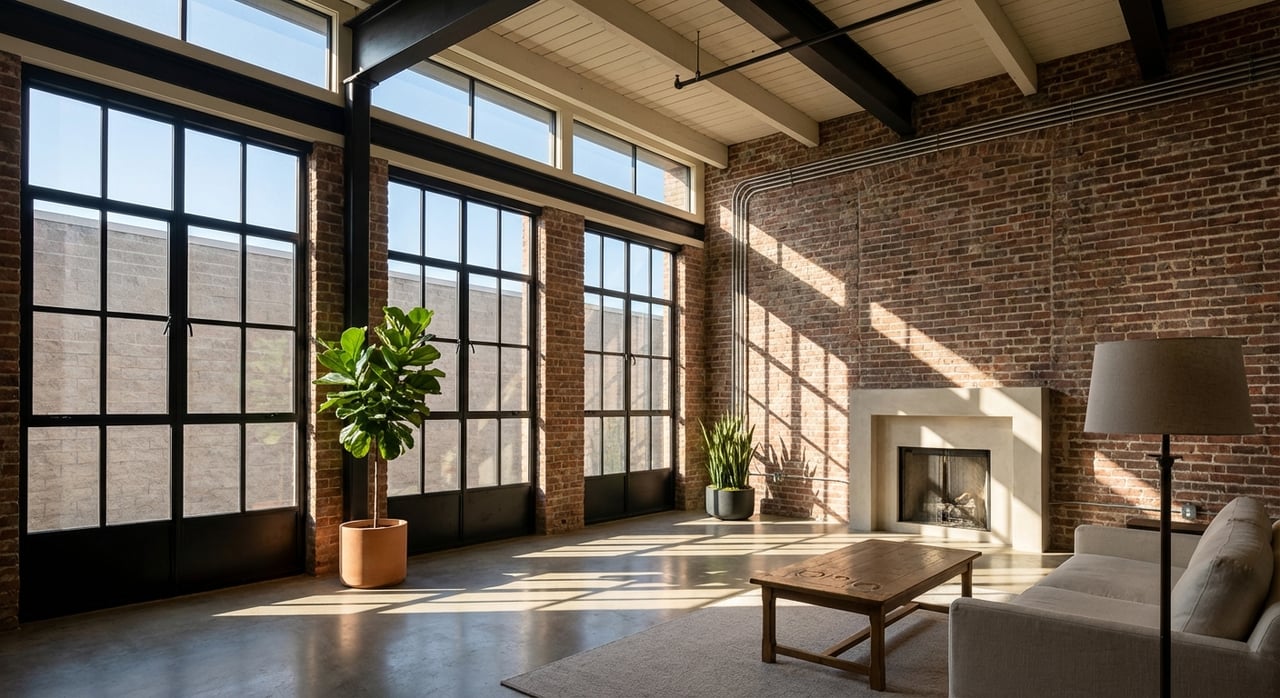
These districts offer quick access to downtown offices and the convention center. They fit professionals who want short commutes and business convenience. Expect high-rise options, walkable amenities, and easy ride-hailing coverage.
French Quarter and Marigny/Bywater
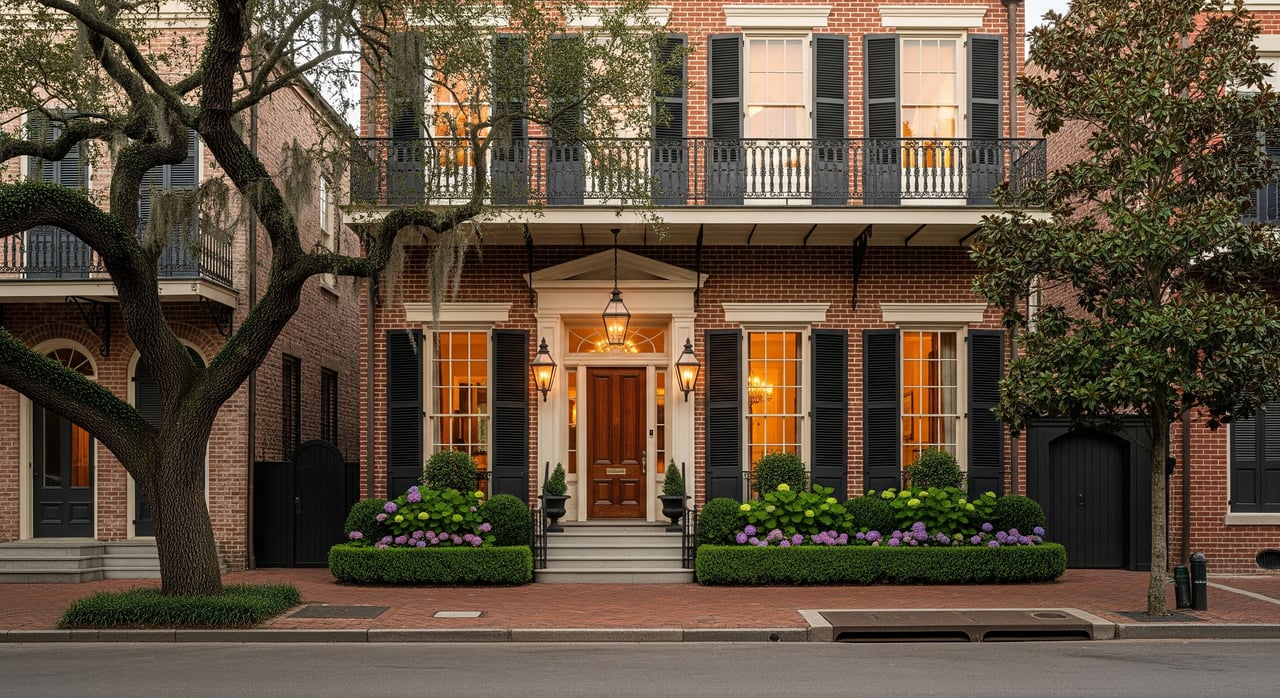
These areas appeal for lifestyle, dining, and culture within a short radius of downtown. They can suit solo professionals who prioritize character and proximity to entertainment. Be aware of tourist traffic and potential nighttime noise.
Garden District and Uptown/Carrollton
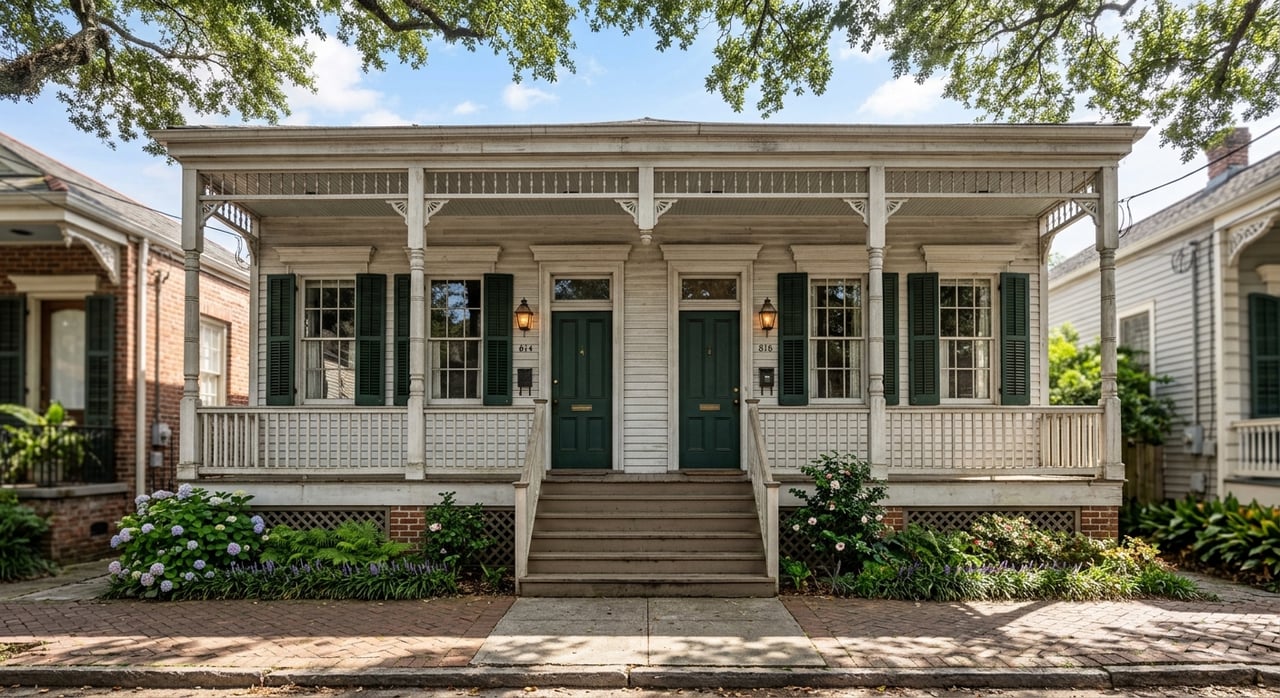
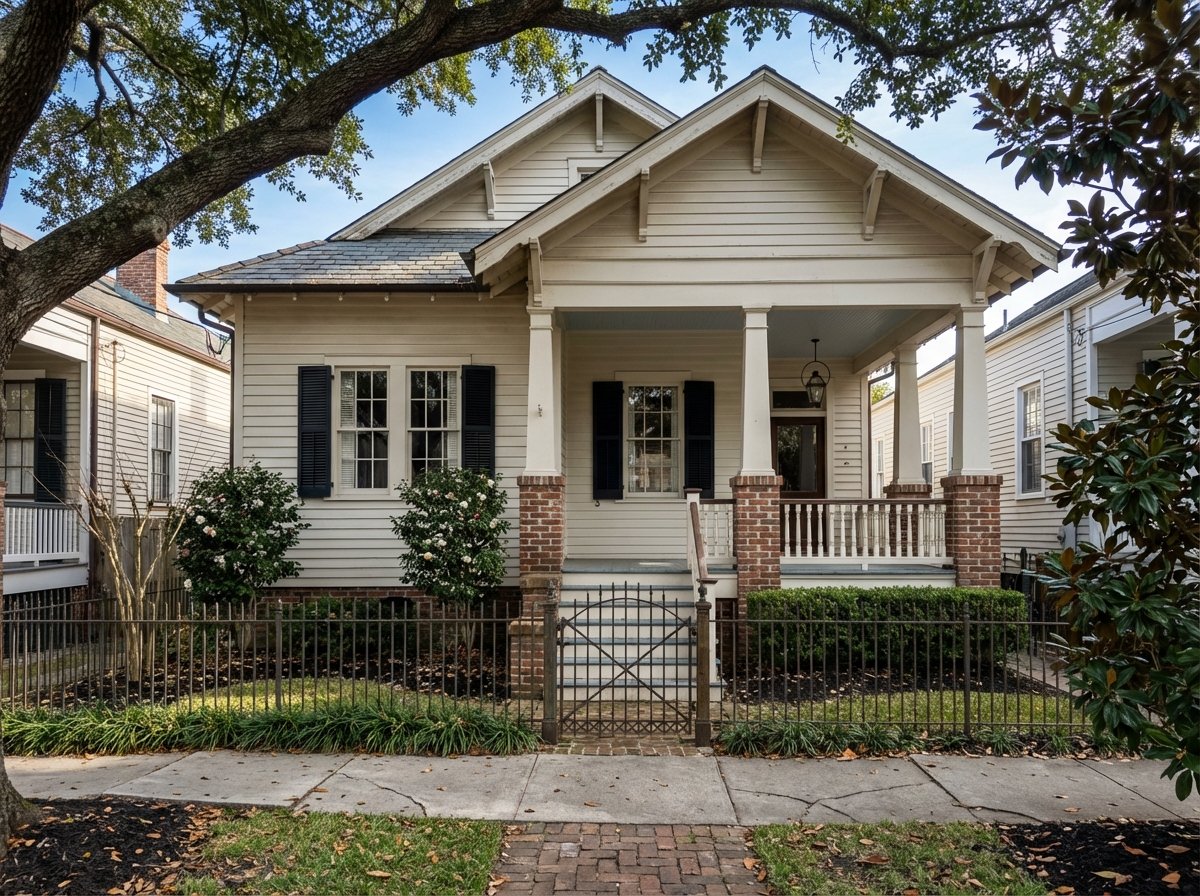
These residential areas are attractive for longer stays and relocating households. You get tree-lined streets, streetcar access, and proximity to universities and medical corridors. Options range from historic homes to updated multi-family units.
Mid-City and Lakeview
These neighborhoods can offer more space and value while keeping reasonable access to hospitals and downtown. They work well for guests who drive and want larger homes or yards. Plan for commute times based on your work site.
Gentilly and Broadmoor
These residential pockets can be closer to some universities and medical centers. You may find lower rents compared to the core. Walkability varies, so factor in transit routes and parking.
Choosing the right location
- Commute: Map your daily route to your employer, hospital, campus, or the convention center.
- Airport access: If you fly often, consider time to Louis Armstrong New Orleans International Airport.
- Parking: Confirm on-street rules, private parking, or garage access in advance.
- Transit and ride-hailing: Streetcar and bus routes can simplify commutes, especially along the St. Charles corridor and downtown.
- Lifestyle fit: Decide whether you want a quieter residential feel or to be close to nightlife and dining.
What renters should look for
Must-have amenities checklist
- Fully furnished living areas with seating and dining table
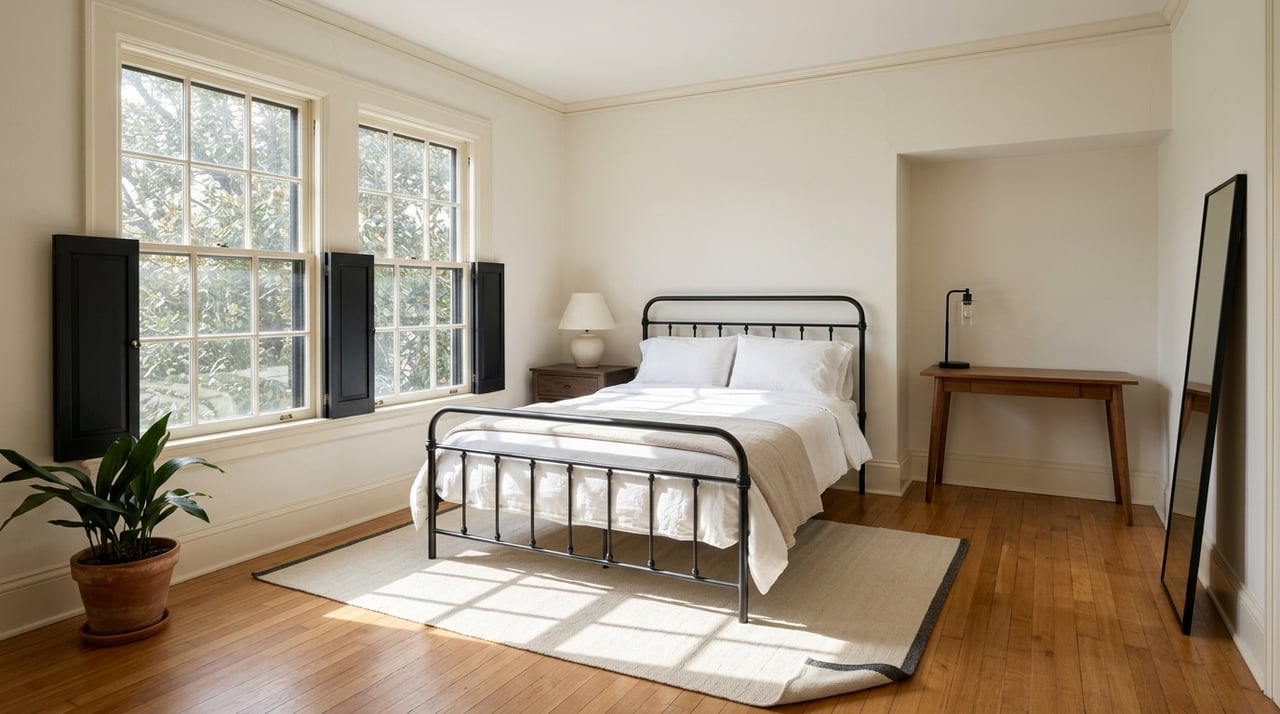
- Comfortable bed with quality linens and storage or closet space
- Kitchen with full-size appliances, cookware, dishes, utensils, and a coffee maker
- In-unit or building laundry access
- Reliable high-speed internet with a dedicated desk and ergonomic chair
- TV with streaming capability and proper lighting, with window coverings
- Utilities included or clearly listed with any caps and fees
- Safety essentials like smoke detectors, locks, and a fire extinguisher
Questions to ask before you sign
- What is the minimum stay and extension policy for 30+ day terms?
- Is the rate all-inclusive, and which utilities or services are covered?
- What is the documented internet speed in Mbps, and is there a workspace?
- What are the parking options and associated costs?
- Can I see an inventory list and move-in condition report?
- What are the policies on guests, pets, smoking, cleaning frequency, and subletting?
- How fast is maintenance response, and who is the emergency contact?
- What are the cancellation and early termination terms, and how are deposits handled?
Red flags to avoid
- Listings marketed as corporate housing with only nightly availability and unclear lease terms
- No inventory or condition documentation for a fully furnished home
- No local maintenance contact or response plan
- Unclear tax, licensing, or registration status when shorter stays are advertised
Standards and setup for owners
Furnishing essentials
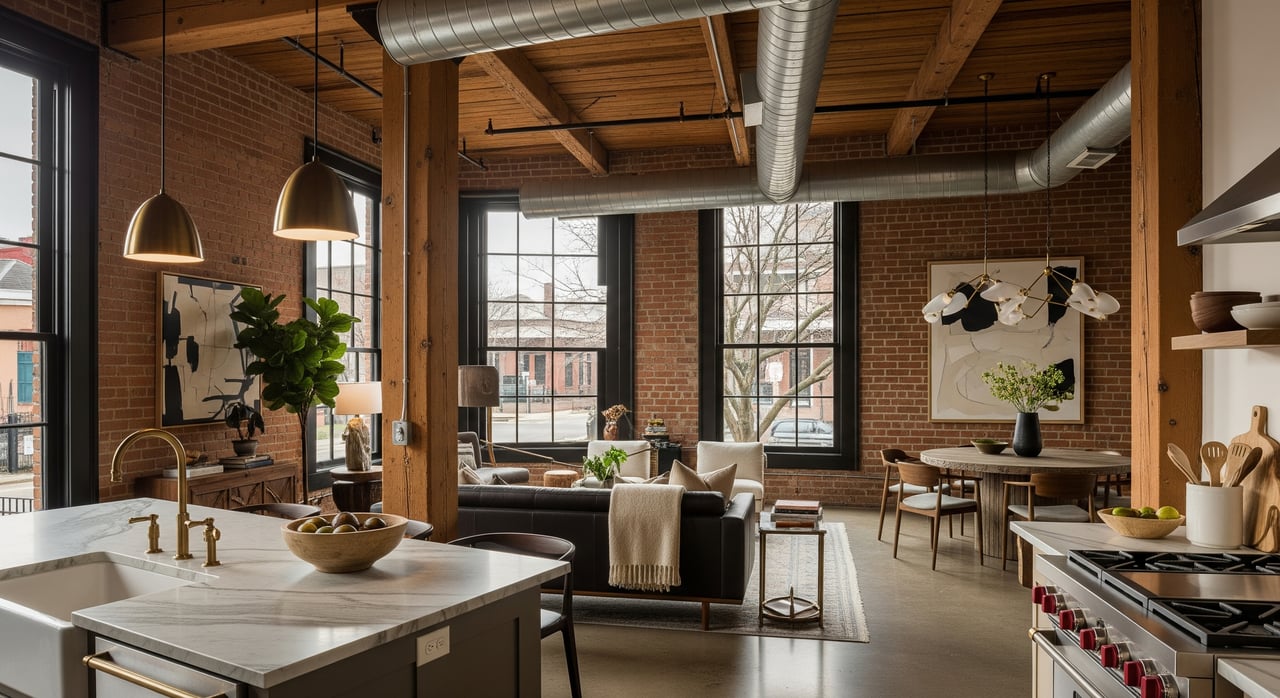
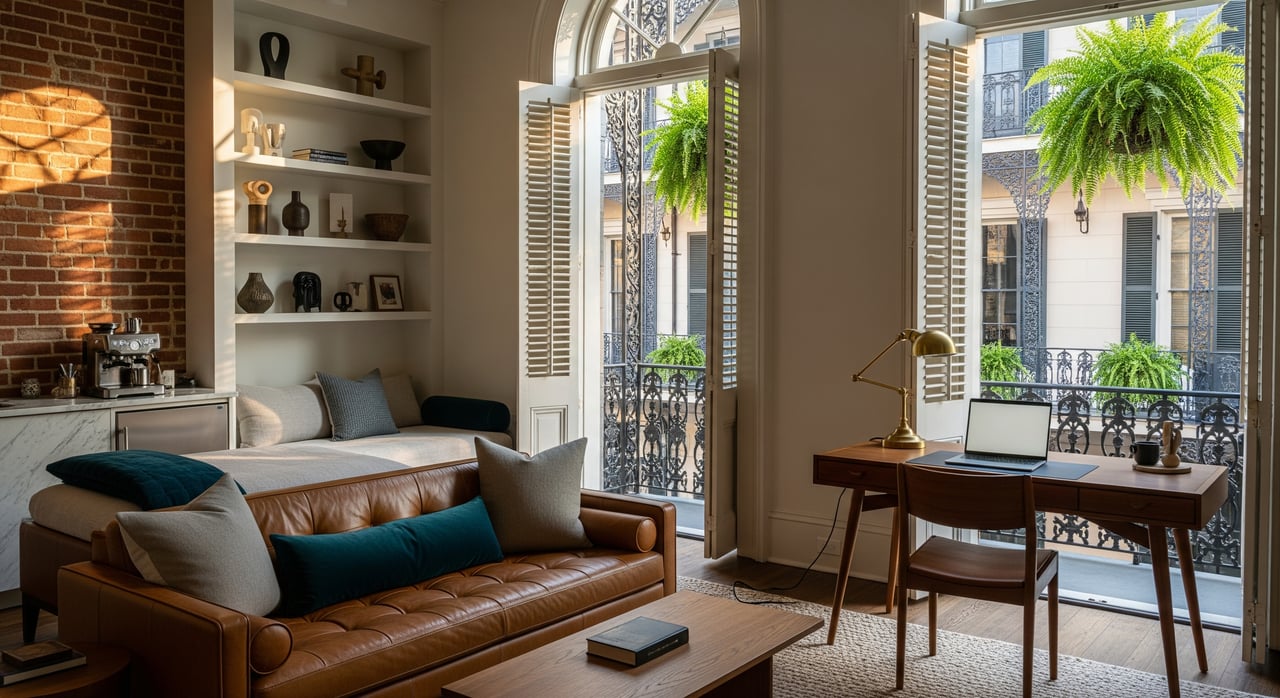
Provide a complete, comfortable setup that feels move-in ready. Furnish living and dining areas, include quality beds and linens, and fully equip the kitchen with cookware and essentials. Add a dedicated workspace, high-speed internet, and clear instruction guides for appliances and access.
Consider a small move-in kit with basic cleaning supplies, spare linens, and starter toiletries. These touches improve first impressions and reduce service calls.
Lease terms and policies
Use a minimum stay of 30 days to distinguish from short-term lodging. Corporate renters often prefer all-inclusive monthly pricing that covers utilities and internet, with optional cleaning.
Document furnishings with a signed inventory and photos at move-in and move-out. Use a furnished lease addendum that addresses condition, replacements, and deposit handling. Be clear about pet policies, early termination, extensions, and whether a corporate payer is involved.
Cleaning, maintenance, and service
Schedule turnover cleaning between guests and offer optional weekly or biweekly cleaning for longer stays. Maintain a local vendor list for fast repairs and communicate response times.
Small concierge touches, like help with parking permits or a neighborhood orientation, can set your property apart.
Insurance and compliance
Confirm that your insurance covers furnished rentals and contents. Consider higher liability limits for added protection.
Understand the distinction between long-term corporate rentals and short-term rentals. Registration and occupancy tax rules can differ, and condo or HOA documents may set minimum lease lengths. Consult city resources, tax authorities, and legal counsel to align your lease and operations with current requirements.
Pricing and seasonality in NOLA
Build pricing that covers furnishings, utilities, cleaning, insurance, taxes, and management. Favor clear, all-inclusive monthly rates that make corporate billing simple.
Expect demand spikes during large events like Mardi Gras and Jazz Fest, along with convention-heavy periods in the CBD and Warehouse District. You can set seasonal minimums or adjust rates for short windows while offering preferred pricing to longer-term corporate clients.
Marketing and booking strategies
- Use specialized corporate housing platforms and long-term listing sites that support monthly stays. Clarify your minimum lease length and corporate-friendly amenities.
- Build relationships with HR teams, relocation firms, hospitals, universities, and staffing agencies.
- Invest in professional photography and an amenity-forward description that highlights workspace, internet speed, utilities included, and parking.
- Consider corporate rate structures, such as discounts for multi-month or repeat assignments.
Work with a local expert
Whether you are booking a 30+ day stay or preparing a property for corporate housing, local guidance saves time and reduces risk. You want a neighborhood strategy, a compliant lease, and pricing that reflects New Orleans seasonality.
If you are a renter, get help matching your work commute and lifestyle with the right neighborhood and property type. If you are an owner or investor, align your furnishings, policies, and marketing to meet corporate expectations.
For tailored advice in Uptown and across metro New Orleans, connect with Ashley Nesser. You will get neighborhood-first guidance, polished marketing, and a smooth path from listing to lease. Let’s connect.
FAQs
How is a corporate rental different from Airbnb-style stays?
- Corporate rentals focus on 30+ day stays, bundled utilities, work-ready amenities, and predictable monthly billing, while vacation stays cater to nights or weeks.
What lease length defines corporate housing in New Orleans?
- Many providers set a minimum of 30 days to differentiate from short-term rentals, though you should align with current local regulations and your building’s rules.
What is typically included in the monthly rate?
- Furnishings, utilities, high-speed internet, and sometimes periodic cleaning, with specifics and any caps clearly listed in the lease.
How do big events affect availability and pricing?
- Major events and conventions can tighten availability and push short-window pricing higher, especially near downtown and the convention center.
Do I need a special license to offer furnished corporate rentals in NOLA?
- Requirements differ from short-term rentals and can depend on stay length and marketing; verify current city rules, tax obligations, and any HOA restrictions.
Which neighborhoods fit longer family stays?
- Residential areas like the Garden District, Uptown, and parts of Mid-City and Lakeview often suit longer stays, with access to transit and major employers.