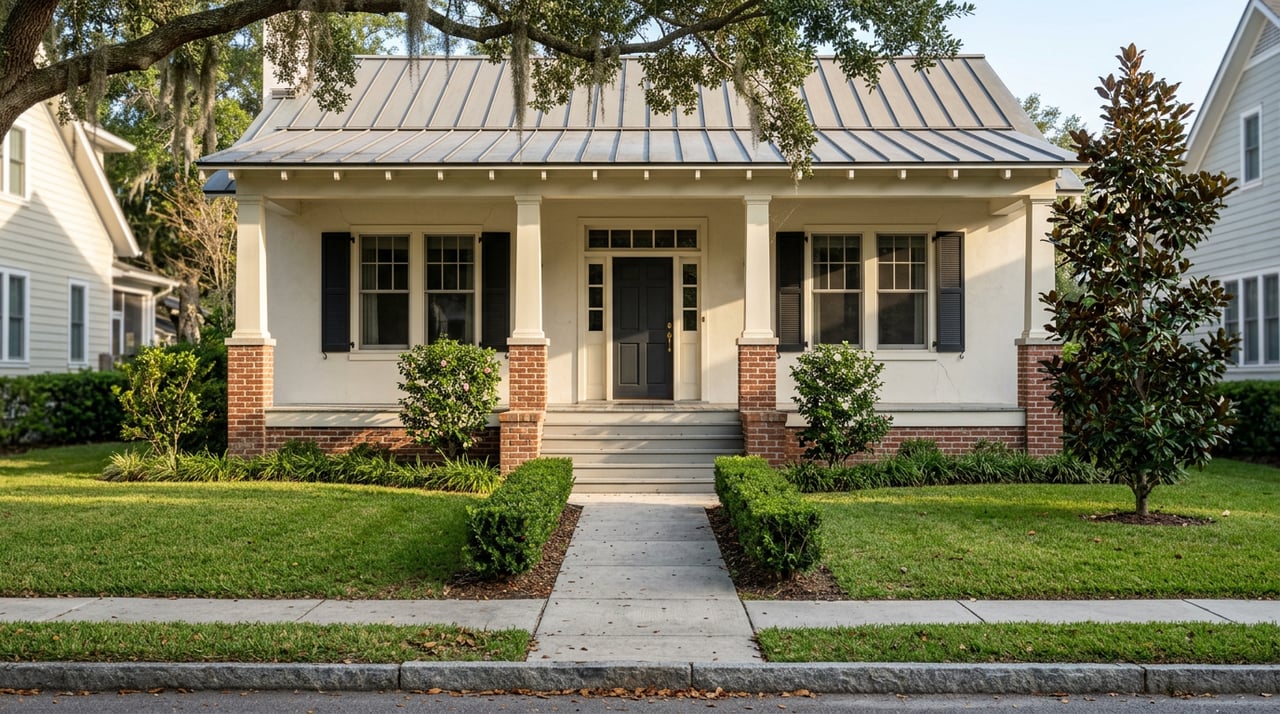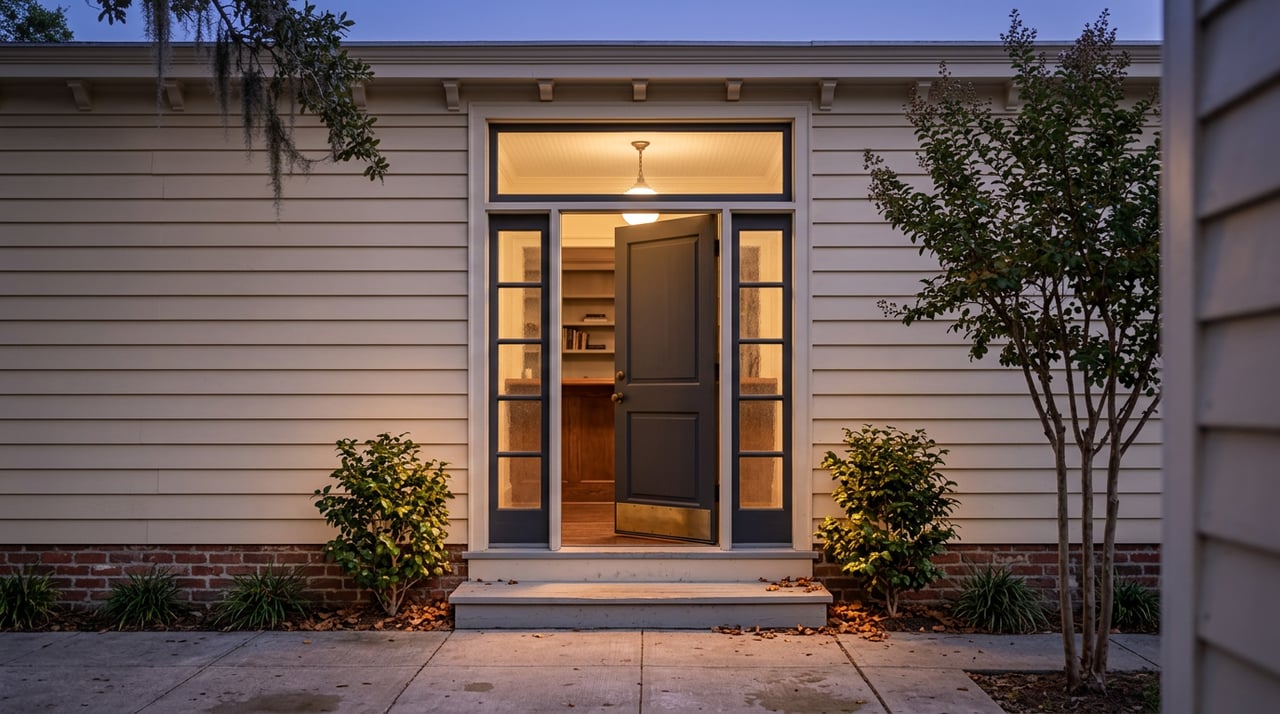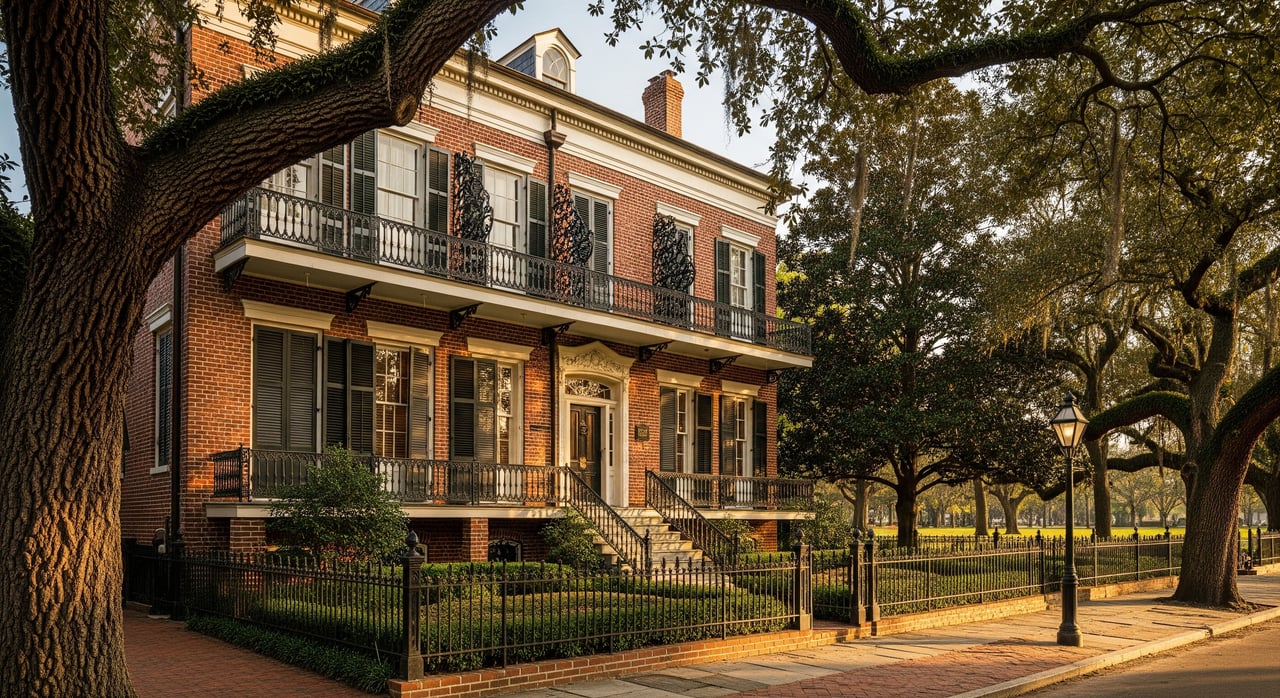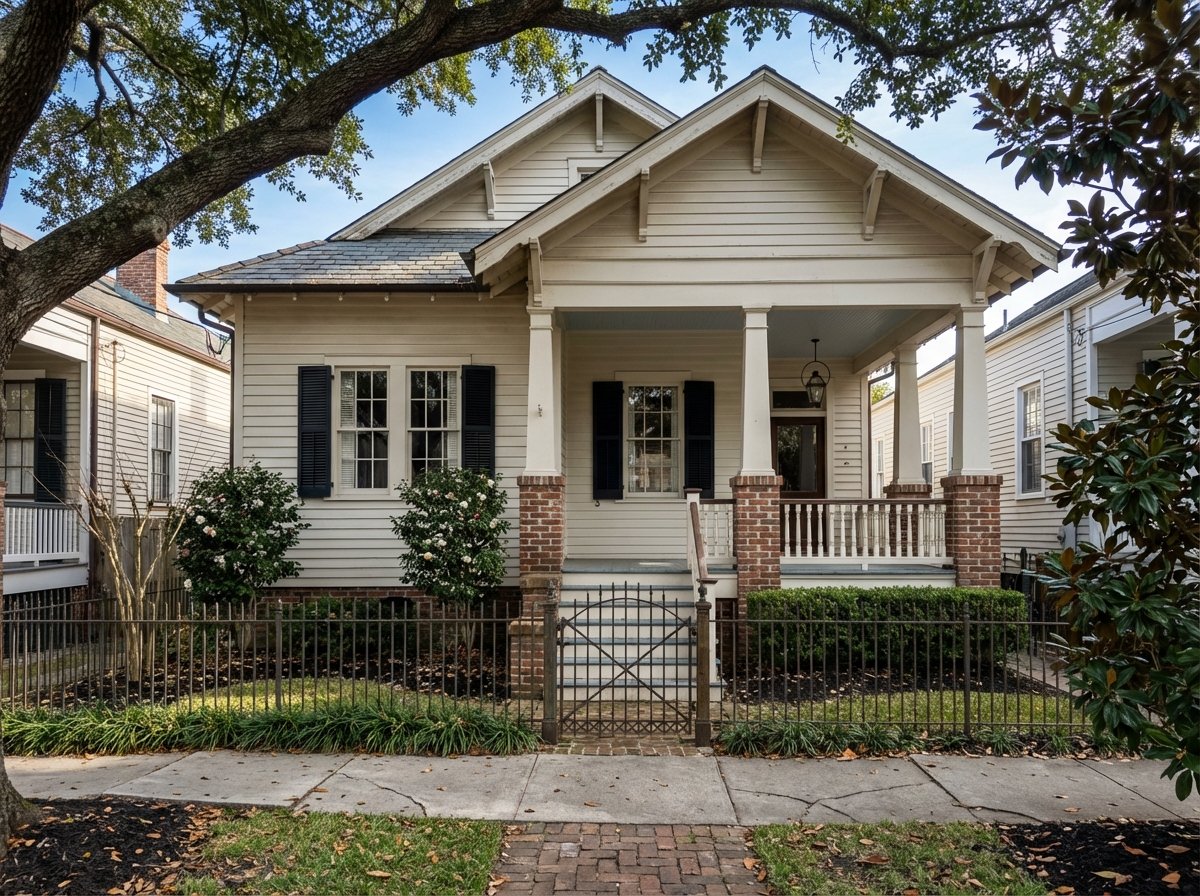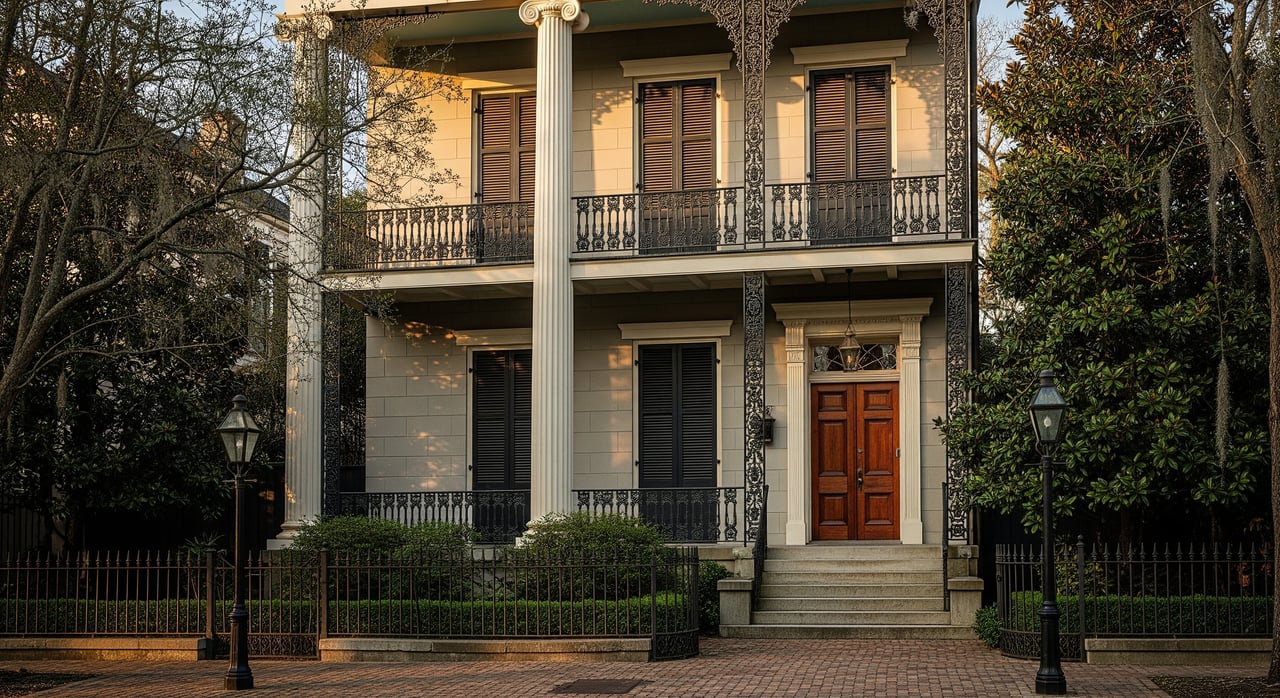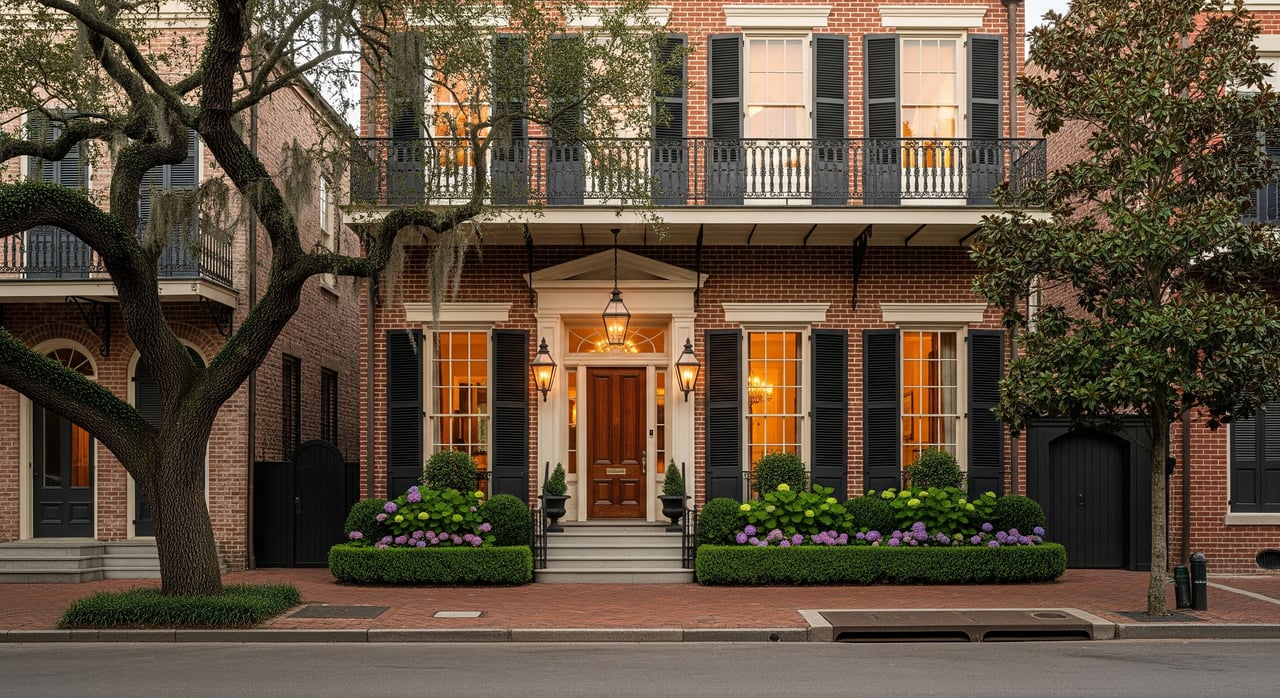
Thinking about trading yard work for gallery walks and dinner downstairs? If you want an urban lifestyle with culture at your doorstep, the Warehouse District condos in New Orleans offer a compelling fit. You still want clarity on costs, rules, noise, flood risk, and resale potential. In this guide, you will learn how Warehouse District living works, what types of condos you will find, how to read HOA health, and the steps to buy or sell with confidence. Let’s dive in.
Why choose the Warehouse District
You live near the Mississippi River and just southwest of the French Quarter, adjacent to the Central Business District. The neighborhood blends historic warehouses and modern mid-rises, with restaurants, bars, offices, and residences in close reach. It is walkable and active, with bike and pedestrian infrastructure used frequently.
Cultural anchors are a major draw. The National WWII Museum, Ogden Museum of Southern Art, Contemporary Arts Center, and numerous galleries create a steady calendar of exhibits and events. If you enjoy dining out, going to openings, or walking to work downtown, this location supports that lifestyle.
Condo styles you will find
You will see three broad building types across the district:
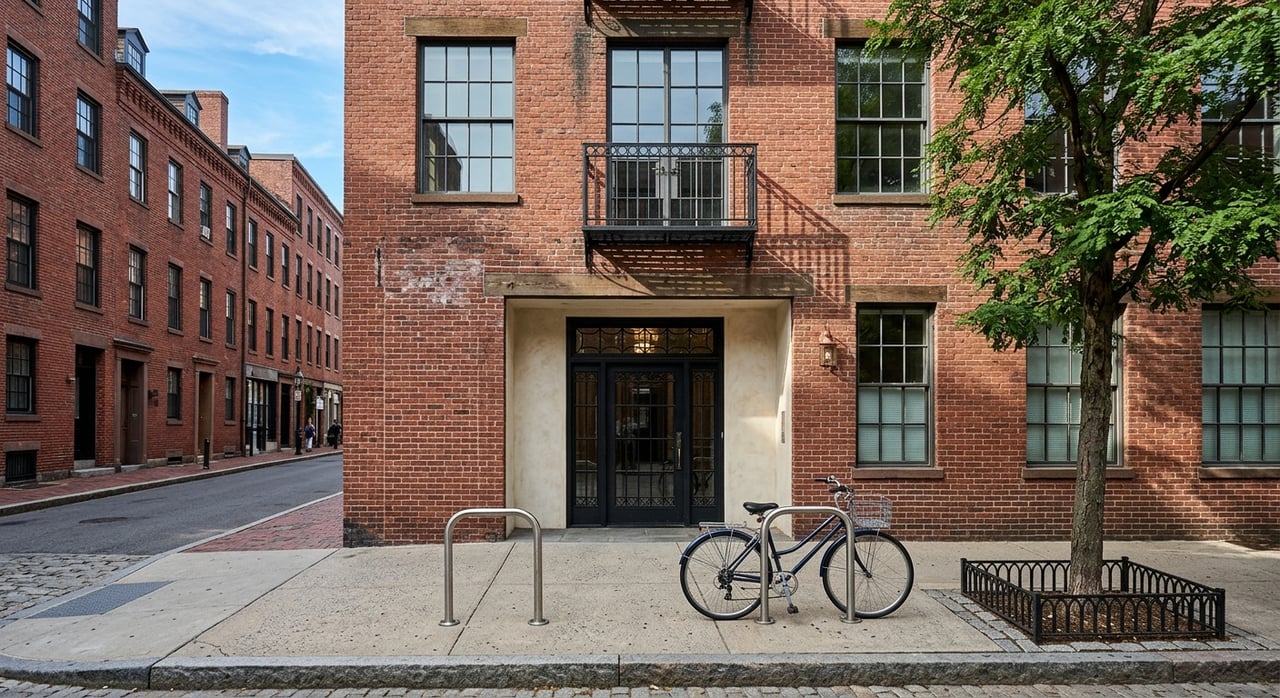
- Converted lofts in former warehouses. Expect tall ceilings, exposed brick, timber beams, and large windows. Layouts can be open and flexible.
- Modern mid-rise and high-rise buildings. These often add amenities like secure entry, fitness rooms, rooftop spaces, pools in some cases, and garage parking.
- Mixed-use buildings. Street-level retail or restaurants with residential units above give you convenience right outside your lobby.
Each building has its own character. Your search should weigh design details, amenity trade-offs, and how the specific floor or exposure affects light, street views, and sound.
Daily life, walkability, and transit
The district is compact and easy to navigate on foot. Many residents walk to museums, offices, restaurants, and nightlife. If you commute or prefer to leave the car at home, regional buses and nearby streetcar lines connect you to other parts of the city. Check current routes and frequency on the New Orleans Regional Transit Authority site.
Parking can vary by building. Some condos include deeded garage spots, while others rely on street or metered parking. Ask early about your parking rights, guest parking policies, and any additional monthly costs.
Noise and event rhythm
With tourism, galleries, restaurants, and major museums in the mix, the Warehouse District sees steady activity. Evenings and event nights can bring more sound and foot traffic. If a quieter setting matters to you, look at units on upper floors or those facing interior courtyards. Touring at different times of day helps you compare.
HOA dues and what they cover
Every building budgets differently. HOA dues typically cover some combination of building insurance under a master policy, common-area maintenance, reserves, and sometimes utilities or parking. Newer amenity-rich buildings can have higher dues to support staffing and services.
When you review a condo, ask for a line-item breakdown, the current budget, and the reserve study. You are looking for stable operations, adequate reserves, and transparent planning for capital projects like roofs, façade work, elevators, and life-safety systems.
Essential condo documents to review
Before you make an offer, request a full document set. Key items include:
- Declaration or master deed and all amendments
- Bylaws and house rules
- Recent HOA meeting minutes for the last 12 to 24 months
- Current budget and reserve study
- Insurance certificates and coverages
- Any special assessments, planned projects, or litigation
Strong, clear documentation signals a healthy association. Gaps or unclear answers deserve follow-up.
Financing and approvals
Condo financing can include extra steps. Some loans evaluate project-level factors like owner-occupancy ratios, reserve funding, and litigation. If you are considering FHA or VA, check whether the project appears on the applicable approved list. You can look up project status on the HUD FHA condominium approval list and then confirm with your lender. Conventional loans may allow more flexibility if a project is not FHA approved, but terms can differ. Start your lender conversation early to avoid surprises.
Flood and insurance essentials
New Orleans is flood-prone, and lenders often require flood insurance when a building sits in a mapped flood zone. Even when not required, many owners choose to carry it. Protect your purchase by taking these steps:
- Look up the building’s flood zone and Base Flood Elevation on the FEMA Flood Map Service Center.
- Ask about the building’s elevation and whether any residential space is on the ground floor.
- Request the HOA’s and seller’s insurance claims history.
- Clarify what the master policy covers versus your HO-6 policy for interior finishes, personal property, liability, and loss assessments.
Clear answers here help you anticipate costs and plan coverage for your unit.
Historic buildings and exterior changes
Many Warehouse District condos are historic conversions. Exterior alterations, signage, or changes visible from the street can require review by local historic-preservation bodies. Before planning any exterior work, confirm permitting and review on the City of New Orleans site. This step helps you avoid delays and ensures your plans align with district guidelines.
Short-term rentals and building rules
Short-term rentals are regulated in New Orleans, and rules have changed over time. Requirements can include registration, zoning limits, owner-occupancy provisions in some zones, and tax collection. On top of city rules, many HOAs restrict or prohibit short-term rentals entirely.
If rental income is part of your strategy, verify two things before you buy: 1) the city’s current requirements, and 2) the building’s bylaws, rules, and enforcement practices. Start with the City of New Orleans short-term rental information, then confirm with the HOA or management company. Never assume an STR is allowed without written confirmation.
Buyer checklist for Warehouse District condos
Use this quick checklist to organize your search:
- Request condo documents, minutes, budget, reserves, insurance certificates, and amendments.
- Confirm what dues cover, including any utilities, parking, or on-site staffing.
- Ask about special assessments and capital projects already completed or planned.
- Verify flood zone data, claims history, and current flood insurance costs for the unit.
- Confirm parking type and location, storage availability, and rights to common areas.
- Review rental rules, including minimum lease terms and any STR restrictions.
- Schedule inspections for the unit and, where possible, building systems like roof, façade, HVAC, elevators, and life-safety equipment.
- Get lender pre-approval and determine if the project requires or already holds condo approval.
Selling a Warehouse District condo
If you plan to sell, prepare early to reduce friction:
- Assemble a clean condo-doc packet with the HOA or management company.
- Address deferred maintenance that a buyer inspection would flag.
- Price against recent sales of similar units in the same building or comparable buildings, factoring floor level and parking.
- Disclose any active litigation or special assessments so buyers and lenders can underwrite confidently.
A transparent, well-documented listing inspires trust and helps you protect your timeline and pricing.
Pricing, inventory, and timing
Condo pricing in the Warehouse District ranges from more attainable one-bedrooms in older conversions to premium units in luxury buildings. Inventory and days on market can shift with tourism, employment trends, and broader New Orleans dynamics. For real-time comps and median prices, consult current MLS-driven reports from the local REALTORS association and discuss the latest with a local agent who can pull unit-specific data.
Safety and public data
If you want a clearer view of neighborhood activity, review official sources. The city’s open data portal publishes a range of datasets by location. You can browse neighborhood-level information on the City of New Orleans open data portal and find department resources on the New Orleans Police Department page. Use multiple sources and time-of-day tours to get a full picture.
How to compare buildings
As you narrow your list, evaluate each building on the same factors:
- Location within the district. Proximity to transit, daily conveniences, and your workplace.
- Unit orientation and level. Street-facing versus courtyard, lower versus upper floors.
- HOA stability. Reserves, dues predictability, and completion of major capital items.
- Amenities and staffing. Weigh what you will use against the added monthly costs.
- Rental policy. Fit with your personal or investment plans.
- Insurance exposure. Flood zone, elevation, master policy coverage, and your HO-6 needs.
A side-by-side comparison keeps emotion in check and highlights long-term value drivers.
Next steps and local guidance
Living in the Warehouse District means access to art, dining, and downtown energy with the convenience of condo living. The right unit balances design, building health, and clear rules so you can enjoy that lifestyle without surprises. When you are ready to tour options, review a building’s documents, or map your financing path, connect with a local advisor who knows the district and its nuances.
If you have questions about a specific building or want a curated list of available units that match your goals, reach out. Unknown Company is here to help you compare options and move forward with confidence. Let’s connect.
FAQs
What is the Warehouse District in New Orleans?
- It is a walkable, urban neighborhood of former warehouses near the Mississippi River, next to the CBD and just southwest of the French Quarter, now filled with condos, galleries, museums, restaurants, and offices.
How much are HOA fees for Warehouse District condos?
- Dues vary by building age and amenities and can include insurance, maintenance, reserves, and sometimes utilities or parking. Ask for a line-item budget and recent financials.
Are short-term rentals allowed in Warehouse District condos?
- Short-term rentals are regulated by the city and often restricted by HOAs. Verify current municipal rules on the City of New Orleans site and confirm the building’s bylaws before you buy.
Do Warehouse District condos require flood insurance?
- Lenders typically require flood insurance when a building is in a mapped flood zone. Check the property’s flood zone on the FEMA Flood Map Service Center and review coverage details with the HOA and your insurer.
How do I check transit options near a Warehouse District condo?
- Review current routes and frequency on the New Orleans Regional Transit Authority site and visit at different times to gauge real-world convenience.