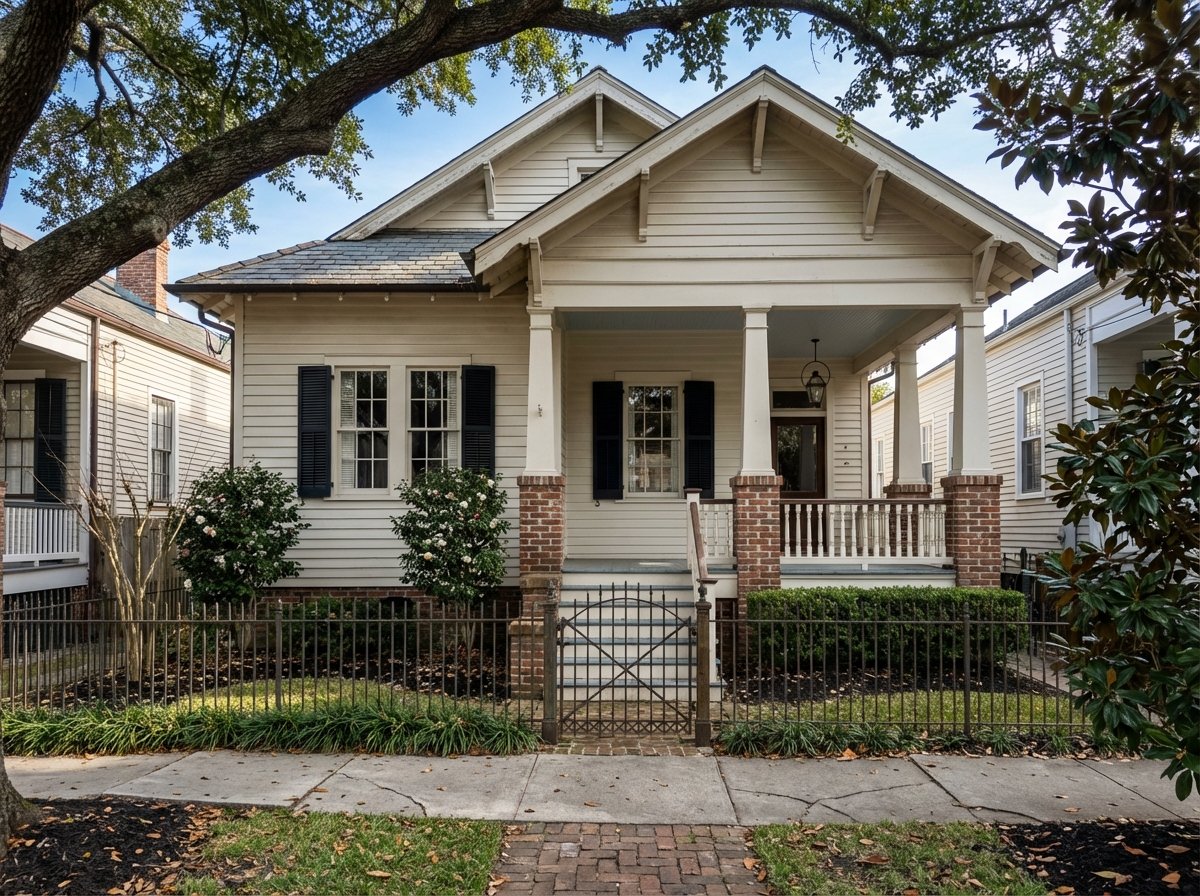
What if you could predict how a Metairie home will move on the market before you ever tour it or list it? You can get close when you understand the local levers that shape demand, supply, pricing, and pace. Whether you are buying, selling, or investing, a clear read on Metairie’s rhythms will help you make confident decisions.
This guide breaks down what drives pricing and activity, when to act, how competition plays out, and which local costs and risks matter. You will also get checklists to use before you write an offer or go live with a listing. Let’s dive in.
Demand drivers in Metairie
Metairie draws steady interest from people who work across the New Orleans metro. Proximity to regional employers, medical centers, universities, and tourism-related businesses supports a consistent buyer and renter base. You also benefit from quick access to shopping corridors, local dining, and established schools, which appeals to families and downsizers.
Investor demand shows up too. Stable rental needs across the metro attract buyers looking for single-family rentals or small multifamily properties. If you are weighing an investment purchase, study rent trends, vacancy, and financing terms to judge cash flow.
Supply and new builds
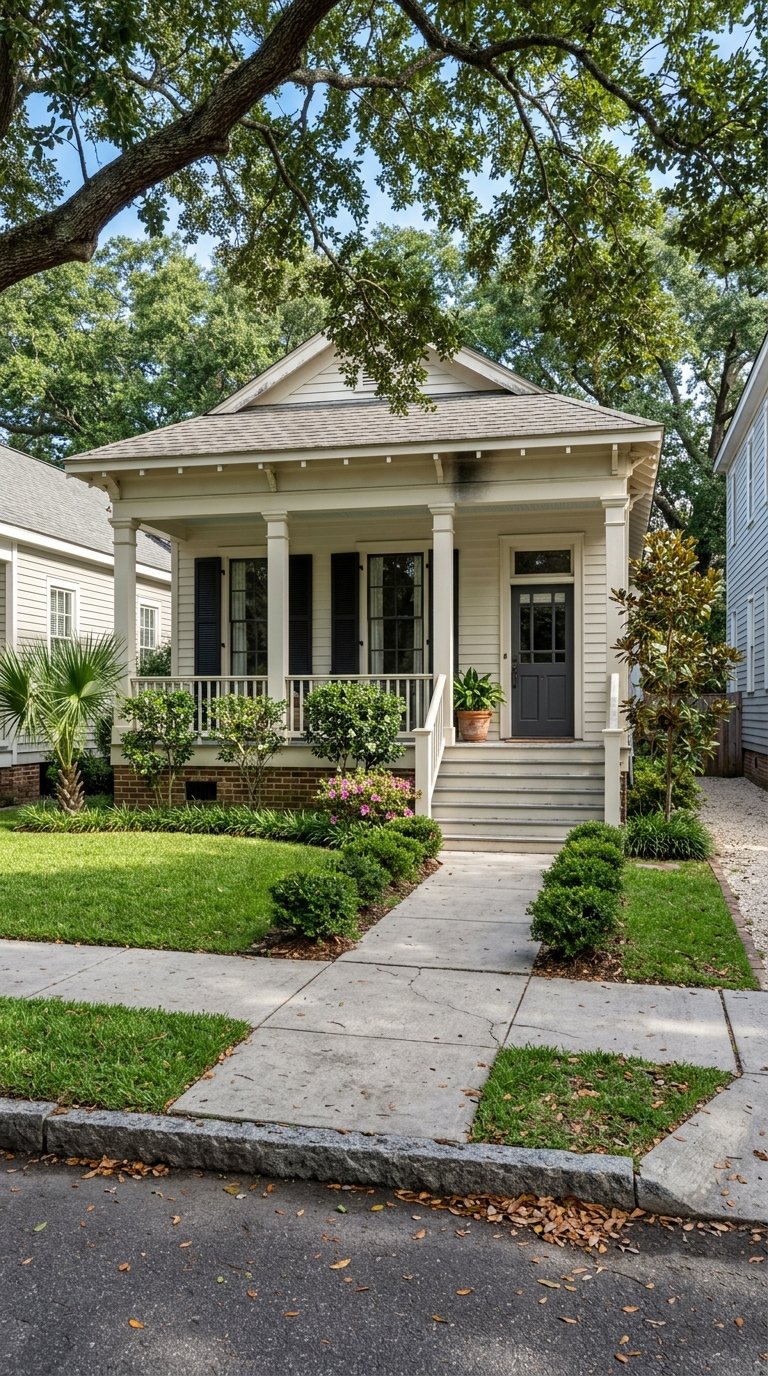
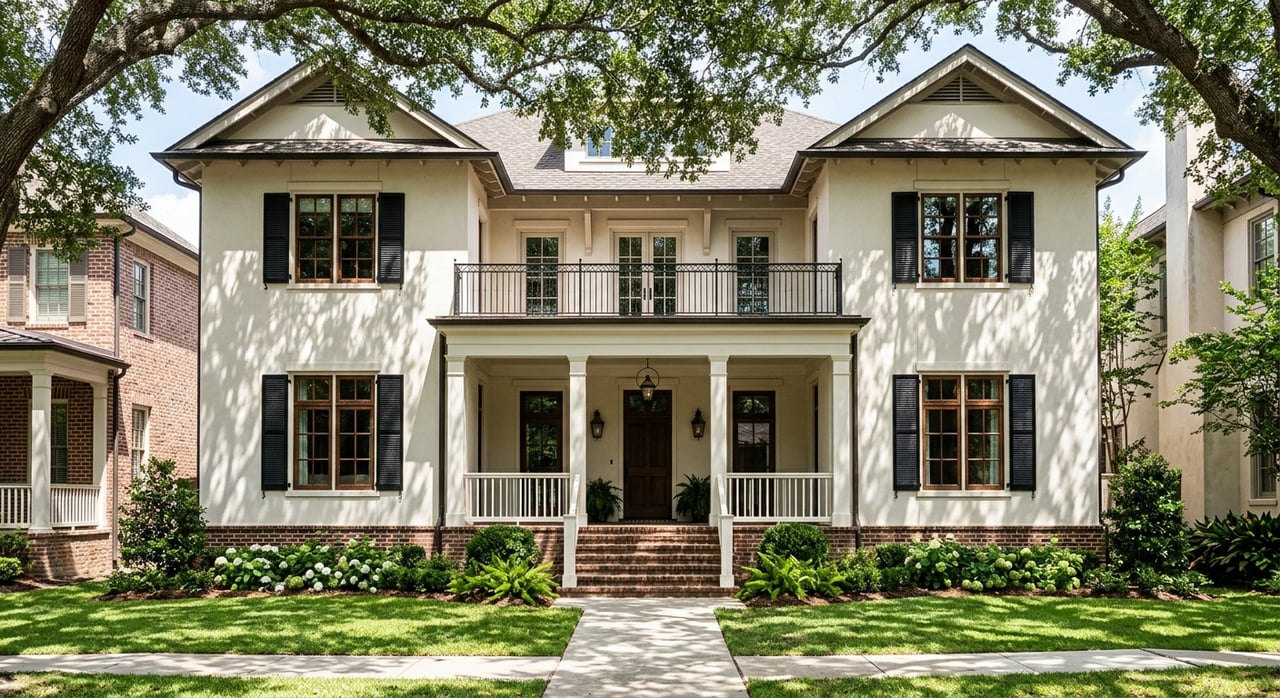
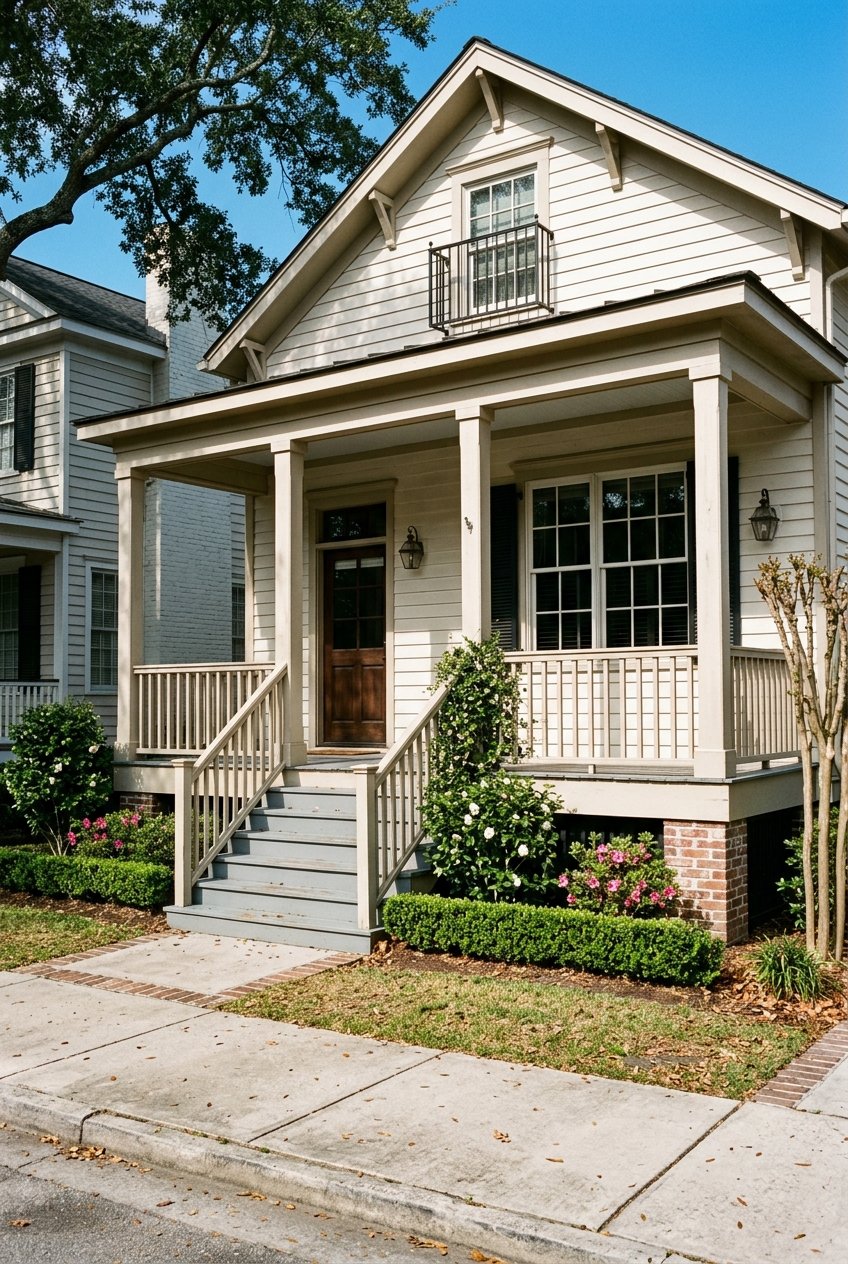
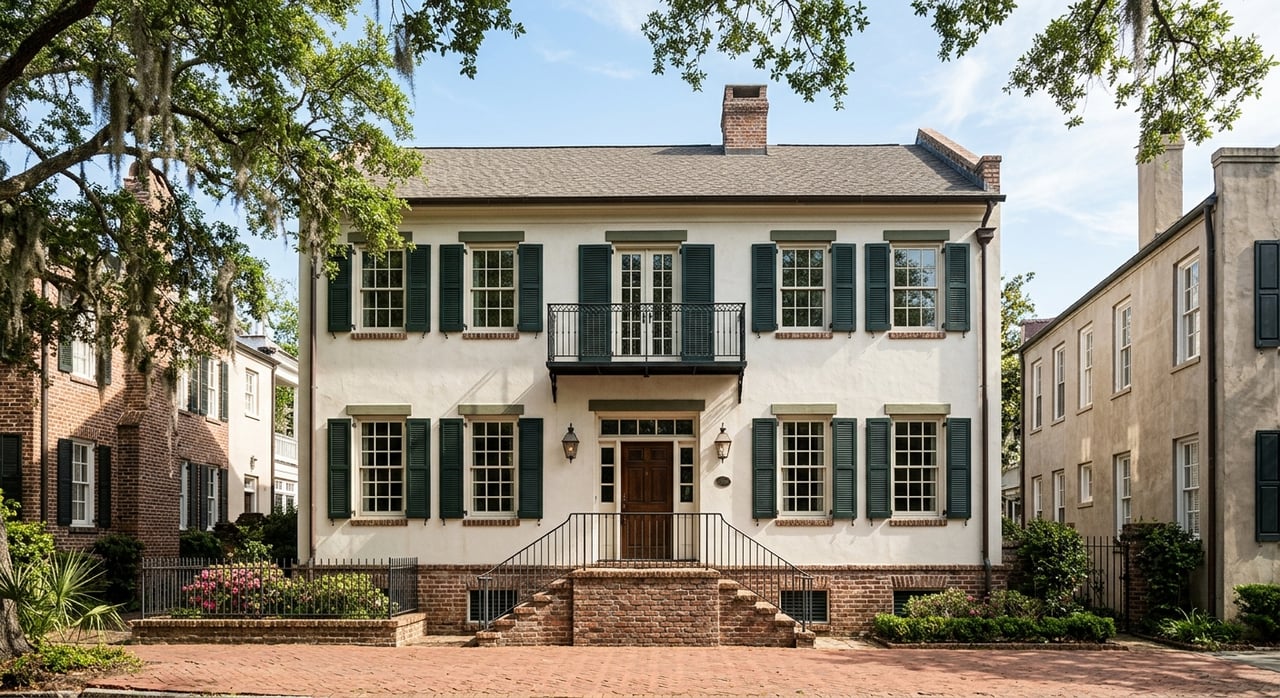
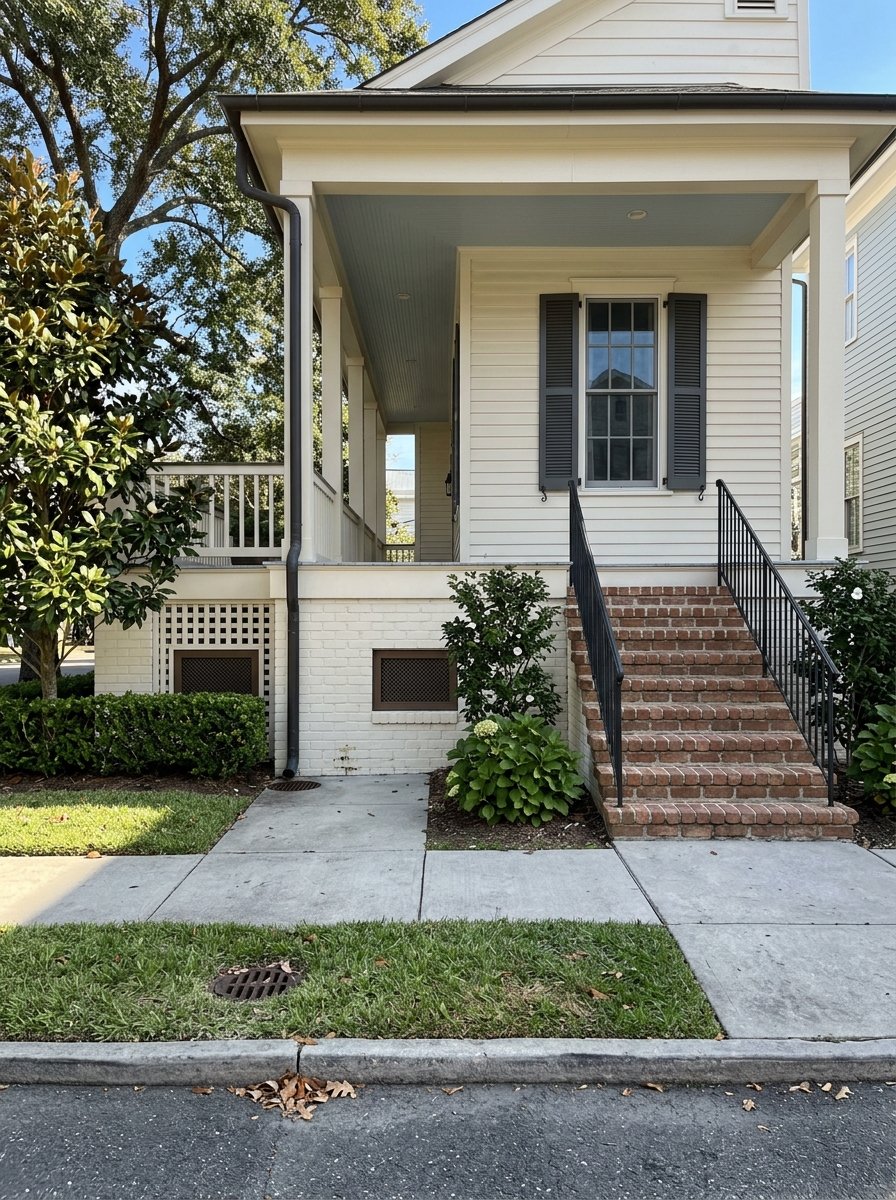
Metairie is largely built out, so most inventory comes from resales rather than large new subdivisions. You will see a lot of older suburban homes, including ranch and mid-century styles, alongside raised ranch and traditional brick properties. Infill redevelopment and remodeling add fresh options, but zoning and lot sizes limit rapid density changes.
For buyers, this means you should expect a range of ages, layouts, and conditions. For sellers, it means presentation and pricing against recent comparable homes carry extra weight.
Seasonality and timing
Like many markets, spring often brings more listings and more showings. That said, the broader New Orleans area can show a steadier rhythm through the year compared with some northern markets. The best way to read timing is to look at months of supply, median days on market, and the sale-to-list price ratio for your price band and neighborhood.
Best times to act
- If you are selling: Prepare in late winter so you can hit the spring window with strong photos and clean inspections. If you miss spring, do not panic. Well-presented homes that are priced to the comps can move in any season.
- If you are buying: Track new listings weekly and be ready to tour quickly. In low-inventory moments you may face multiple offers. In higher inventory windows you can often negotiate inspection and financing contingencies with more flexibility.
Property types and who buys
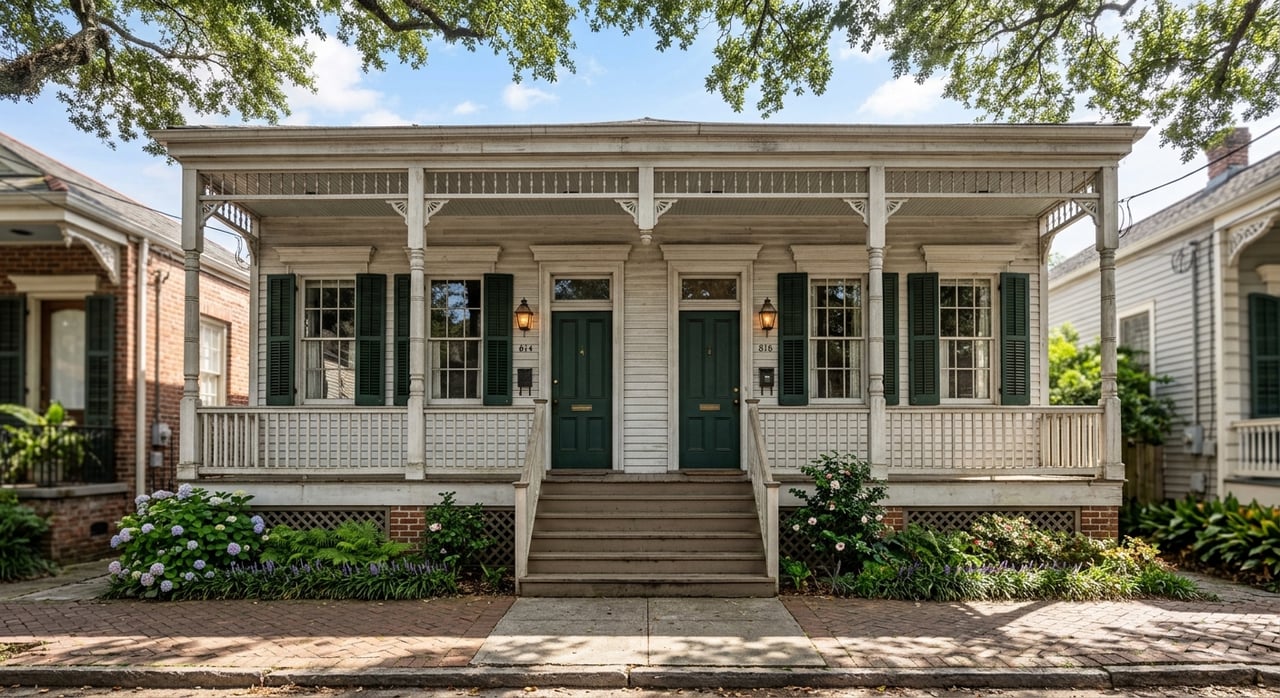
You will find mostly single-family detached homes in Metairie, from smaller starter homes to larger family properties on traditional lots. Condos and townhomes are more limited and tend to sit along commercial corridors. Multifamily rentals cluster along certain routes and offer options for investors seeking stable demand.
Typical buyer profiles include move-up households wanting more space, downsizers who prefer suburban convenience without moving into New Orleans proper, first-time buyers drawn to well-located resale homes, and investors focused on buy-to-rent strategies. Your strategy should match the product type and the competition level in that segment.
Pricing and competition
Pricing hinges on neighborhood micro-trends, age and condition, renovation quality, and any flood or insurance considerations. When inventory runs tight, popular homes can see multiple offers. When inventory grows, buyers gain room to negotiate both price and terms.
In all conditions, offer structure matters. Beyond price, sellers notice clean financing, realistic inspection windows, flexible closing dates, and strong earnest money. If you are selling, you can improve your position by handling obvious repairs, tightening your disclosures, and staging to show space and light. If you are buying, get pre-approved, verify your insurance options early, and be clear on your non-price terms.
Reading comps in Metairie
- Compare within the immediate neighborhood first, then expand carefully by age, size, and lot type.
- Adjust for renovation scope, roof and system age, and foundation type.
- Consider proximity to major roads and commute routes, as well as proximity to Lake Pontchartrain.
- In Old Metairie and other established areas, block-by-block differences can be meaningful, so weigh micro-location and lot characteristics.
Local risks and costs
Understanding local risk and carrying costs is essential in Jefferson Parish. These factors can influence affordability, insurance underwriting, and long-term value.
Flood risk and insurance
Metairie sits within the greater New Orleans floodplain system. Lenders typically require flood insurance if a property is in a Special Flood Hazard Area. Always verify the flood zone for the parcel using FEMA Flood Insurance Rate Maps and the parish’s floodplain resources. An elevation certificate, foundation type, and any mitigation measures can affect insurability and premiums.
Tip for buyers: Order insurance quotes and review underwriting requirements early in your due diligence. Tip for sellers: If you have an elevation certificate or past mitigation documentation, make it available to buyers.
Hurricanes, wind, and roofs
Wind mitigation and roof condition matter for both marketability and insurance. Buyers should evaluate roof age and any storm protections such as shutters or reinforced openings. Sellers often address roof or drainage issues ahead of listing to reduce friction once under contract.
Property taxes and exemptions
Jefferson Parish manages assessments and property taxes. If you plan to occupy your home, research homestead exemptions and the application steps to reduce your tax burden. Confirm assessment cycles, appeal procedures, and deadlines directly with the parish assessor’s office.
HOAs, utilities, and services
Some subdivisions include homeowners’ associations with fees and covenants, while many older neighborhoods do not. Utilities, drainage, and trash services are administered at the parish level in unincorporated areas. Review HOA documents, utility providers, and service schedules during your inspection period.
Buyer checklist: before you write an offer
Use this quick list to tighten your decision-making.
- Get a lender pre-approval and understand rate lock timelines.
- Confirm parcel-level flood zone and order preliminary insurance quotes.
- Review recent neighborhood comps and price per square foot by age and renovation level.
- Schedule a thorough inspection that covers roof, structure, drainage, and mechanicals.
- Ask for any available elevation certificates, permits, and repair records.
- Check HOA status, fees, and covenants if applicable.
- Confirm commute routes and daily needs like grocery, healthcare, and services.
Seller checklist: before you list
A well-prepared listing can shorten days on market and support stronger terms.
- Address roof, drainage, and safety items likely to arise in inspections.
- Declutter, deep clean, and stage key rooms to show space and light.
- Gather records: permits, warranties, elevation certificate, and recent utility averages.
- Order professional photography and craft clear, accurate disclosures.
- Price to the comps for your micro-area and condition tier.
- Plan showing logistics and response timelines so you can move quickly on offers.
Transaction tempo and negotiation tips
Whether the market favors buyers or sellers depends on months of supply and how close homes are selling to list price. Track median days on market to gauge how quickly you need to act. In faster segments, lead with strong terms and tight response times. In slower segments, use inspection flexibility, closing dates, and concessions to bridge gaps.
If you encounter multiple offers, remember that the most attractive package balances price, financing certainty, and clean contingencies. If you are on the selling side, clarify your preferred closing date and any lease-back needs and communicate those in the listing notes.
Investors: a quick snapshot
Metairie’s steady regional employment base supports consistent rental demand. Investors often target single-family rentals and small multifamily properties along established corridors. Before you write an offer, check rent comps, confirm local ordinance rules for leasing, and model insurance and property tax assumptions with realistic buffers. If you are considering short-term rentals, review current Jefferson Parish regulations and any HOA restrictions that may apply.
How to interpret the metrics
When you or your agent pull data, focus on:
- Median sale price and list price by neighborhood and price band
- Median days on market and months of supply
- Sale-to-list price ratio to judge negotiation room
- Active and new listings versus pending transactions to read momentum
- Price per square foot by age and renovation level
- Percent of cash sales, which can signal investor activity
Look at a rolling 12-month window for stability, then compare the most recent 3-month slice for current tempo. Always verify any outliers against multiple sources, with the local MLS as your primary reference.
Work with a local strategy
Your best results come from pairing local data with practical steps. If you are buying, combine pre-approval, early insurance checks, and disciplined comps to move with confidence. If you are selling, highlight condition, clarity, and presentation, then price to your micro-market. If you are investing, underwrite conservatively and confirm parish-level rules.
Ready to get specific about your goals in Metairie or Old Metairie? Connect with a professional who understands neighborhood context, presentation, and the contract details that protect your outcome. To plan your next move, reach out to Ashley Nesser for a focused conversation.
FAQs
How do I know if a Metairie home requires flood insurance?
- Check the property’s FEMA Flood Insurance Rate Map zone and ask your lender or insurer. Homes in Special Flood Hazard Areas typically require flood insurance, and many buyers consider coverage even outside high-risk zones due to local drainage patterns.
Is Metairie currently a buyer’s or seller’s market?
- Look at months of supply, median days on market, and the sale-to-list price ratio for your price band. Low months of supply and homes selling near list price favor sellers, while higher inventory and longer days on market give buyers more leverage.
How long do homes usually take to sell in Metairie?
- It varies by neighborhood, price point, and condition. Review the latest 12-month median days on market in your micro-area and compare with the most recent 3-month trend for current speed.
What local costs should I budget for when buying in Metairie?
- Plan for homeowners and flood insurance if required, property taxes through Jefferson Parish, inspection costs, appraisal and lender fees, and any HOA fees. Get insurance quotes early to avoid delays.
What should I do to help my Metairie home sell faster?
- Address roof and drainage issues, declutter and stage, gather permits and repair records, and price to recent comps. Strong presentation paired with accurate pricing tends to drive faster offers.
How can I research schools when considering a Metairie home?
- Review information from the Jefferson Parish Public School System and school-by-school performance data from state education resources. Verify attendance zones directly with the district, since boundaries can change.
Are short-term rentals allowed in Metairie?
- Rules depend on Jefferson Parish ordinances and any HOA restrictions. Confirm current regulations and permitting requirements before you buy or lease a property for short-term use.