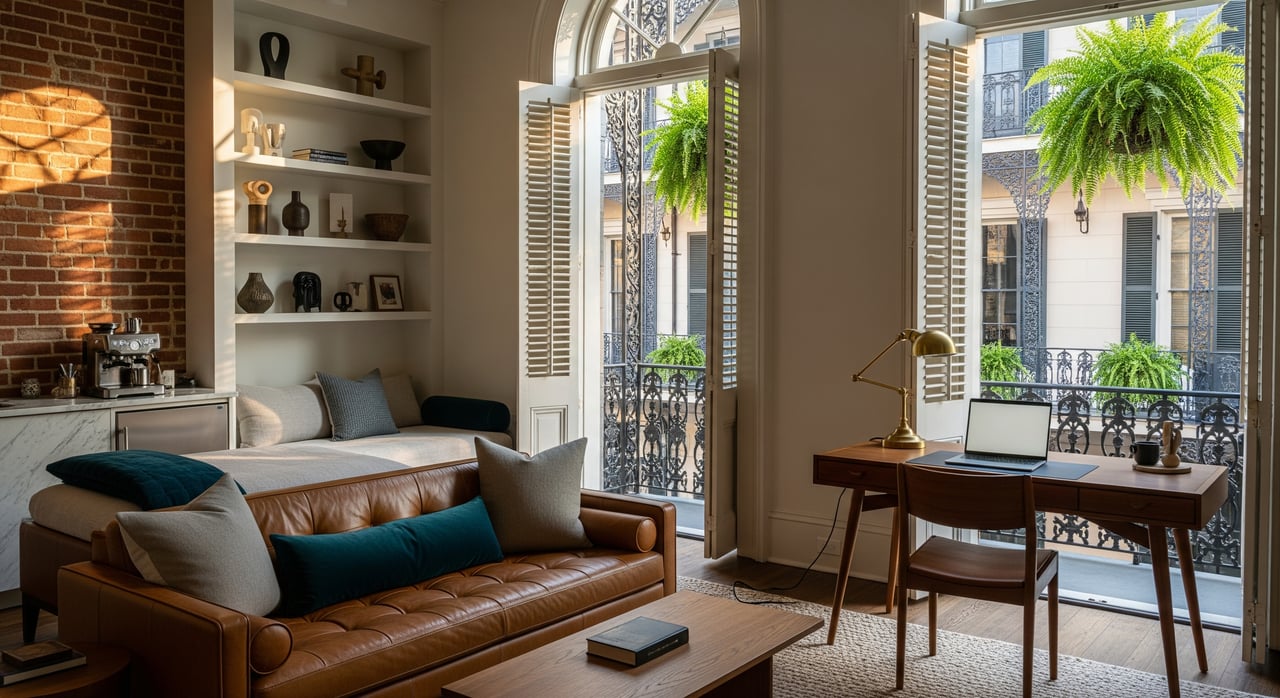
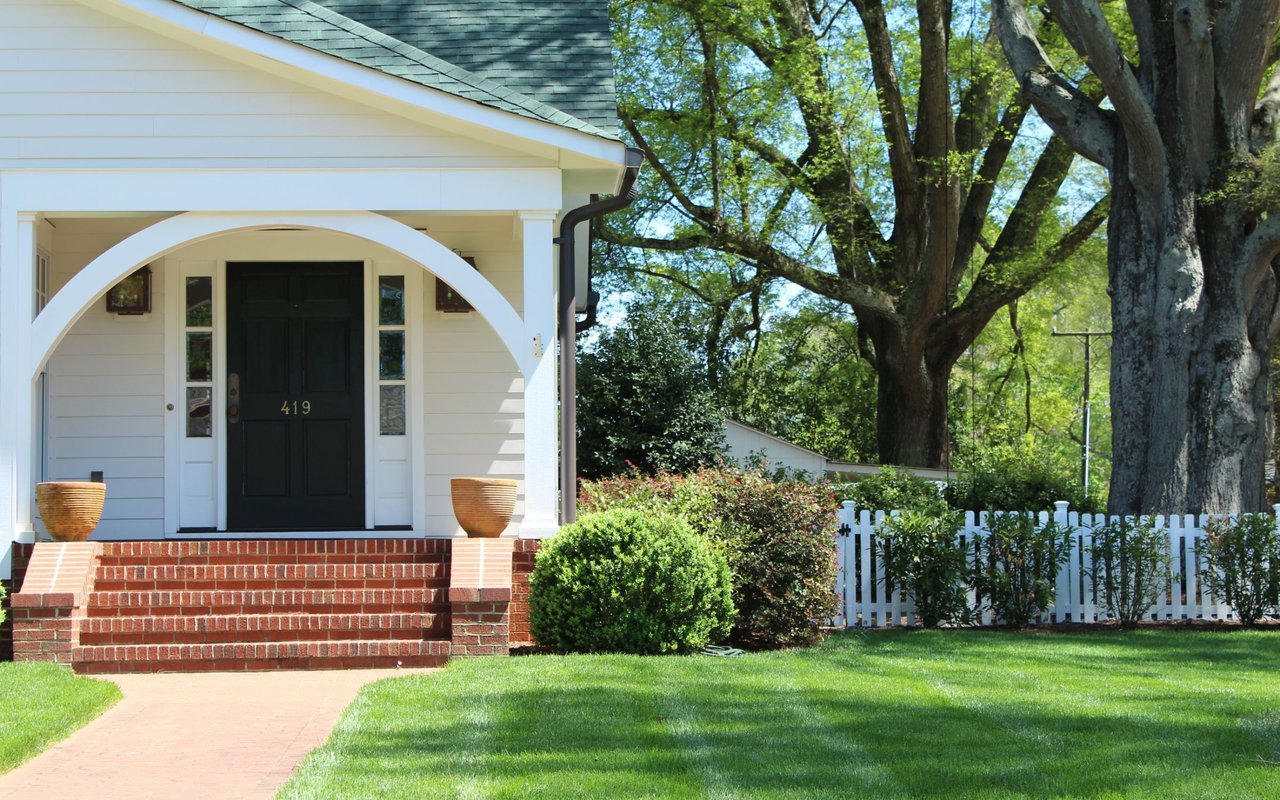
Love the bones of your Uptown shotgun, but want modern comfort and efficiency too? You are not alone. These houses define street life in Uptown and Carrollton, and with the right plan you can update systems and layout without losing the look you fell for. This guide shares local rules, design strategies, and smart upgrades tailored to Uptown New Orleans so you can renovate with confidence. Let’s dive in.
What makes an Uptown shotgun special
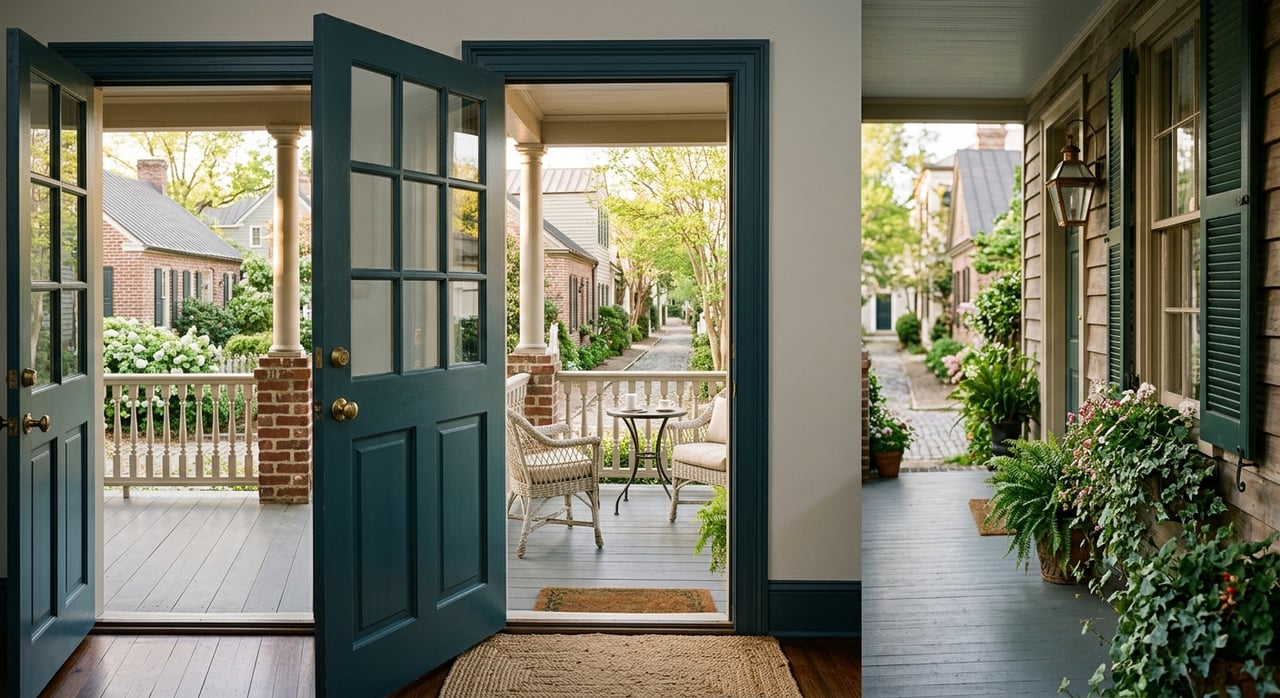
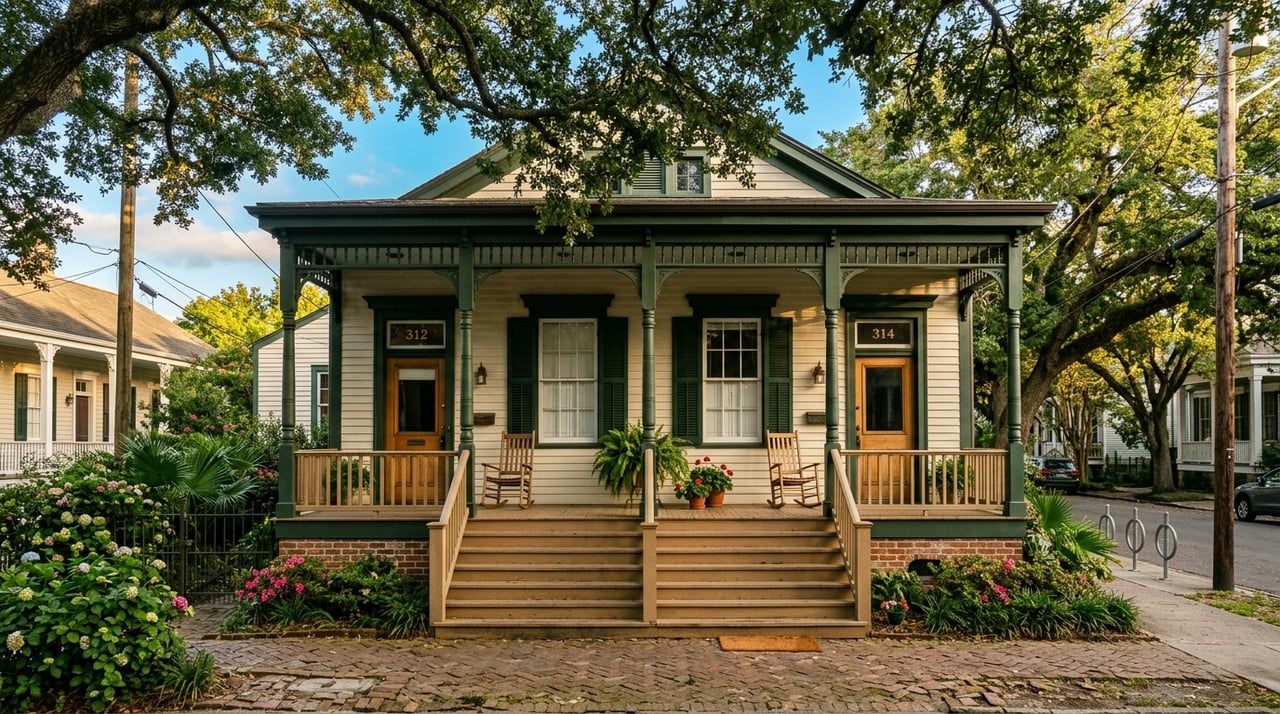
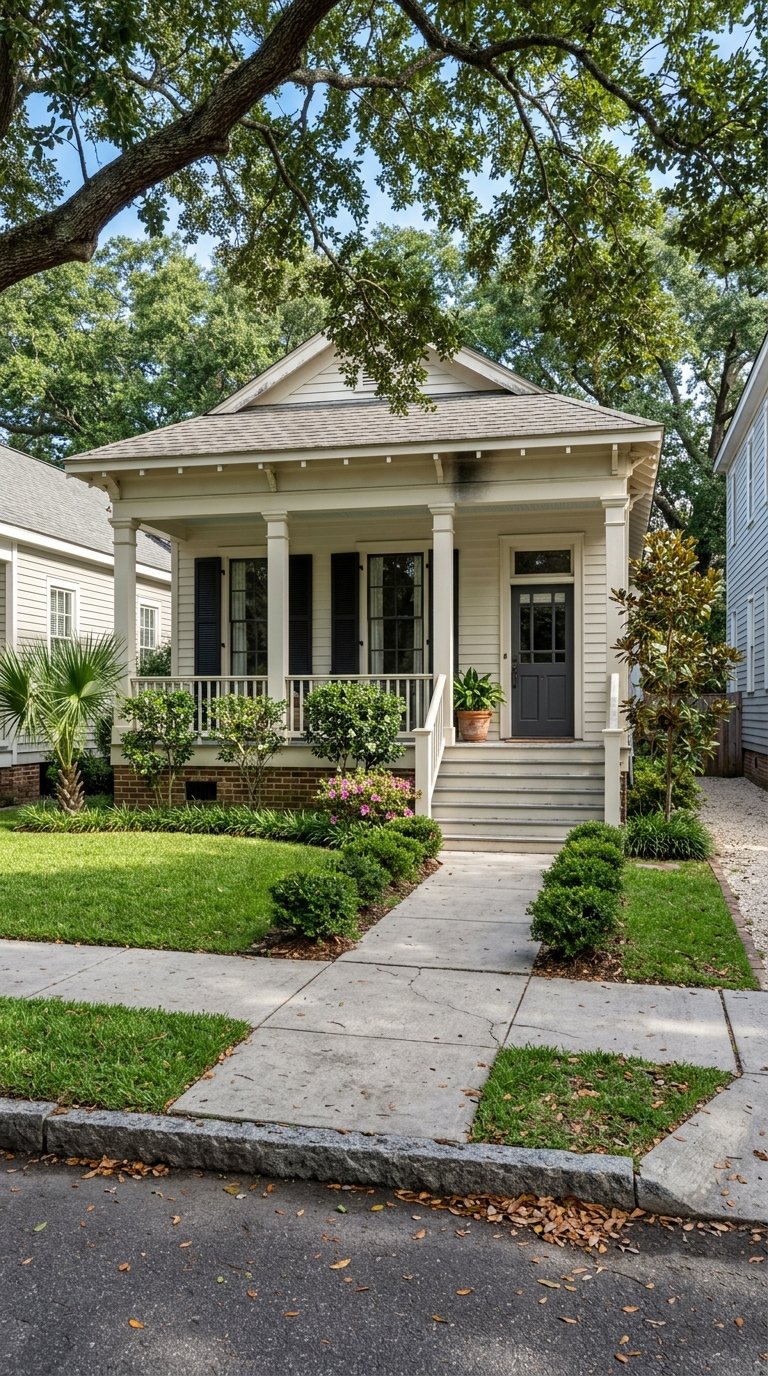
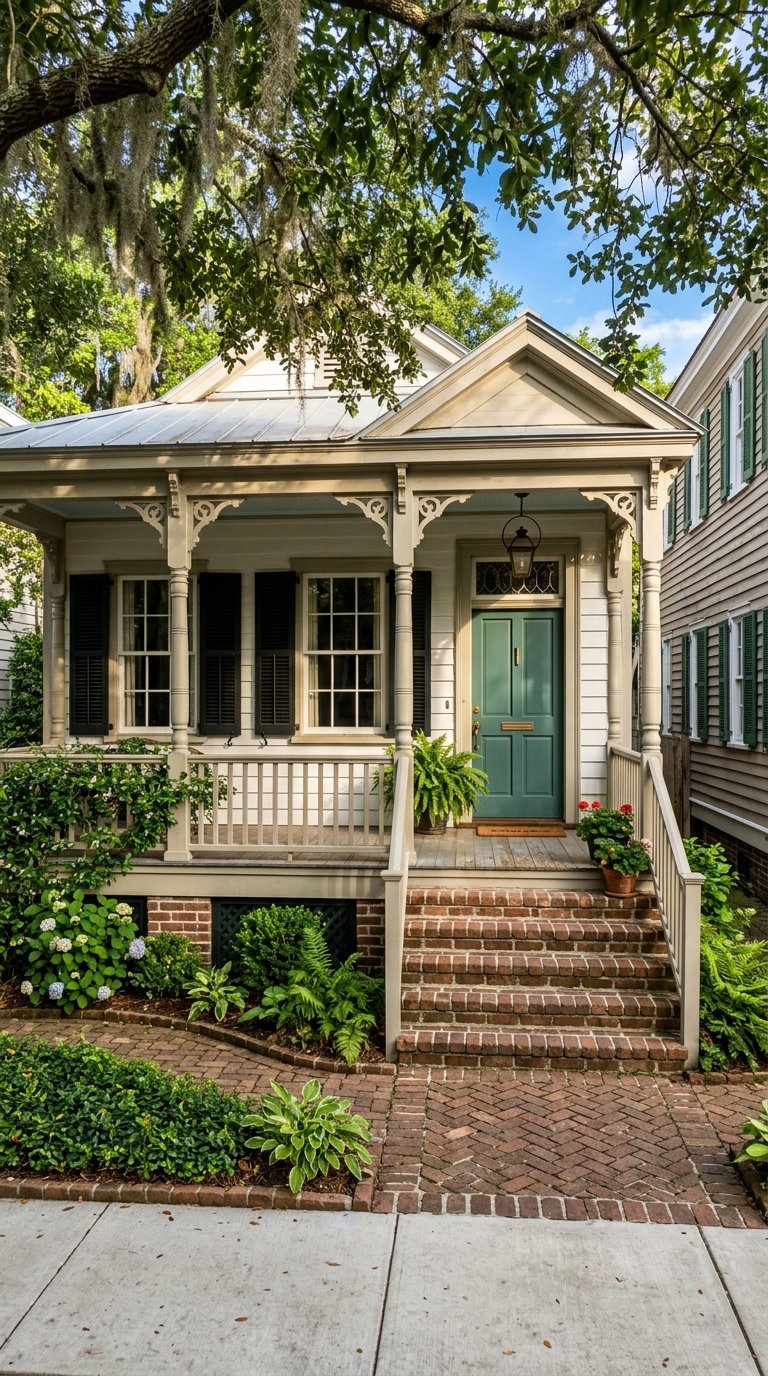
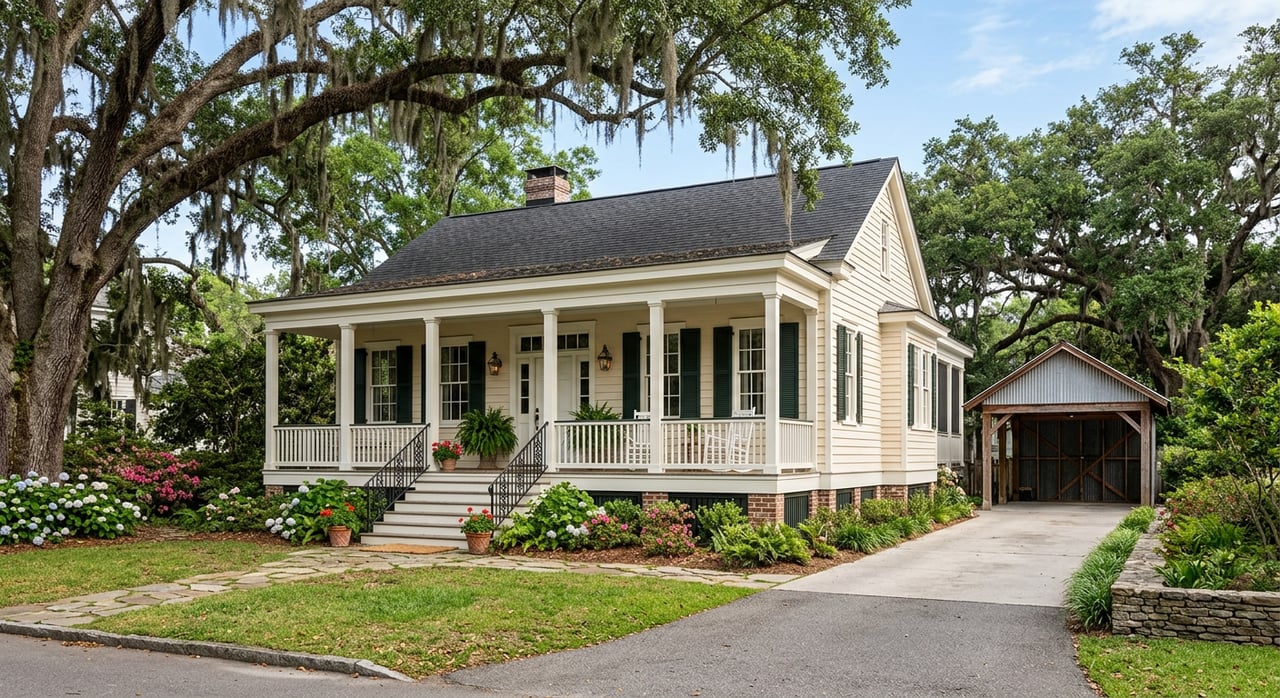
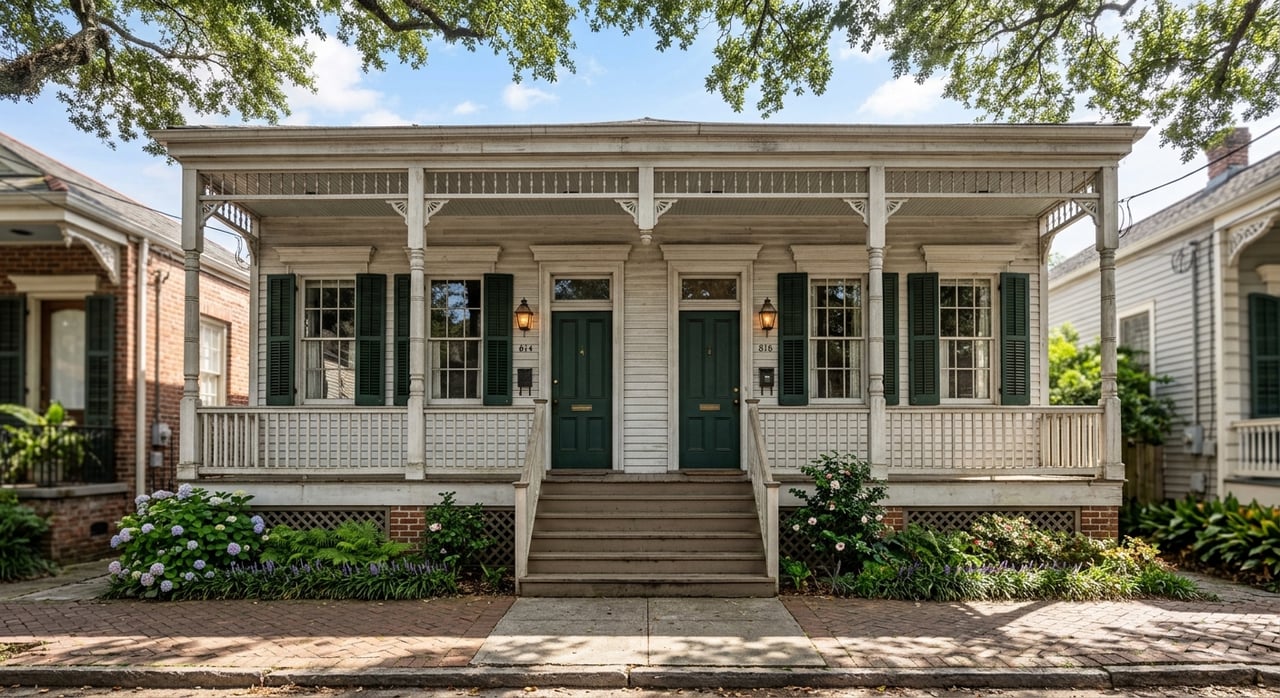
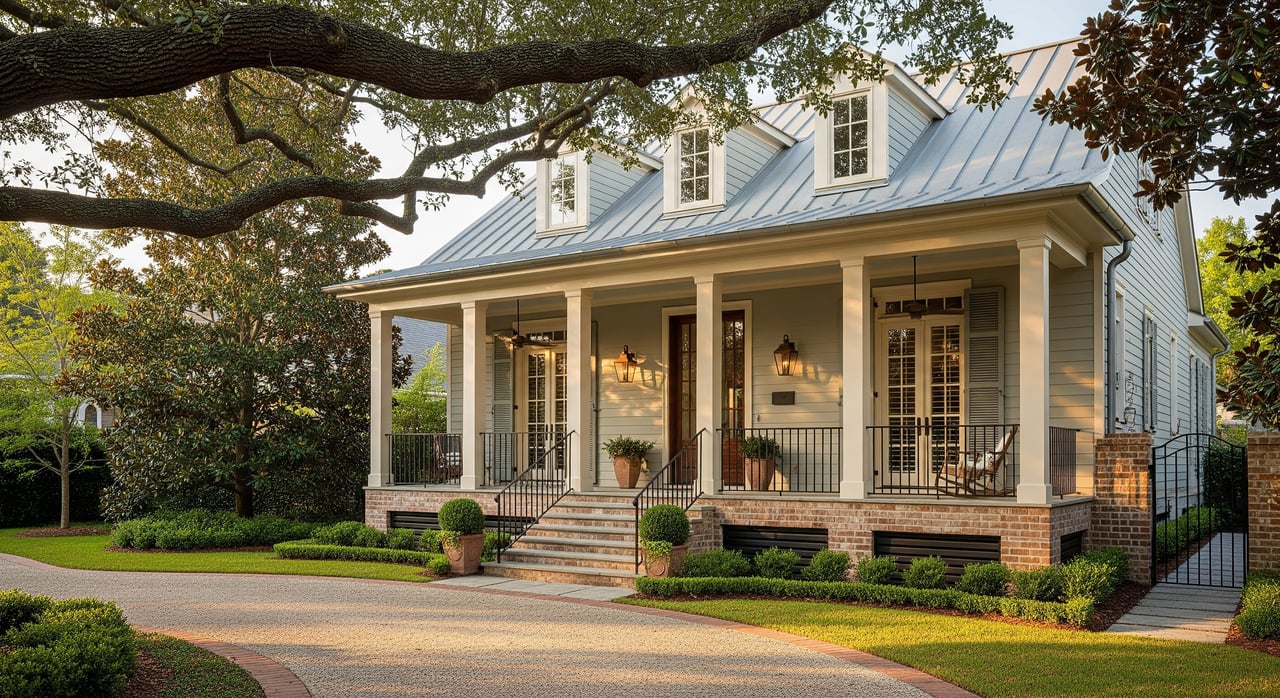
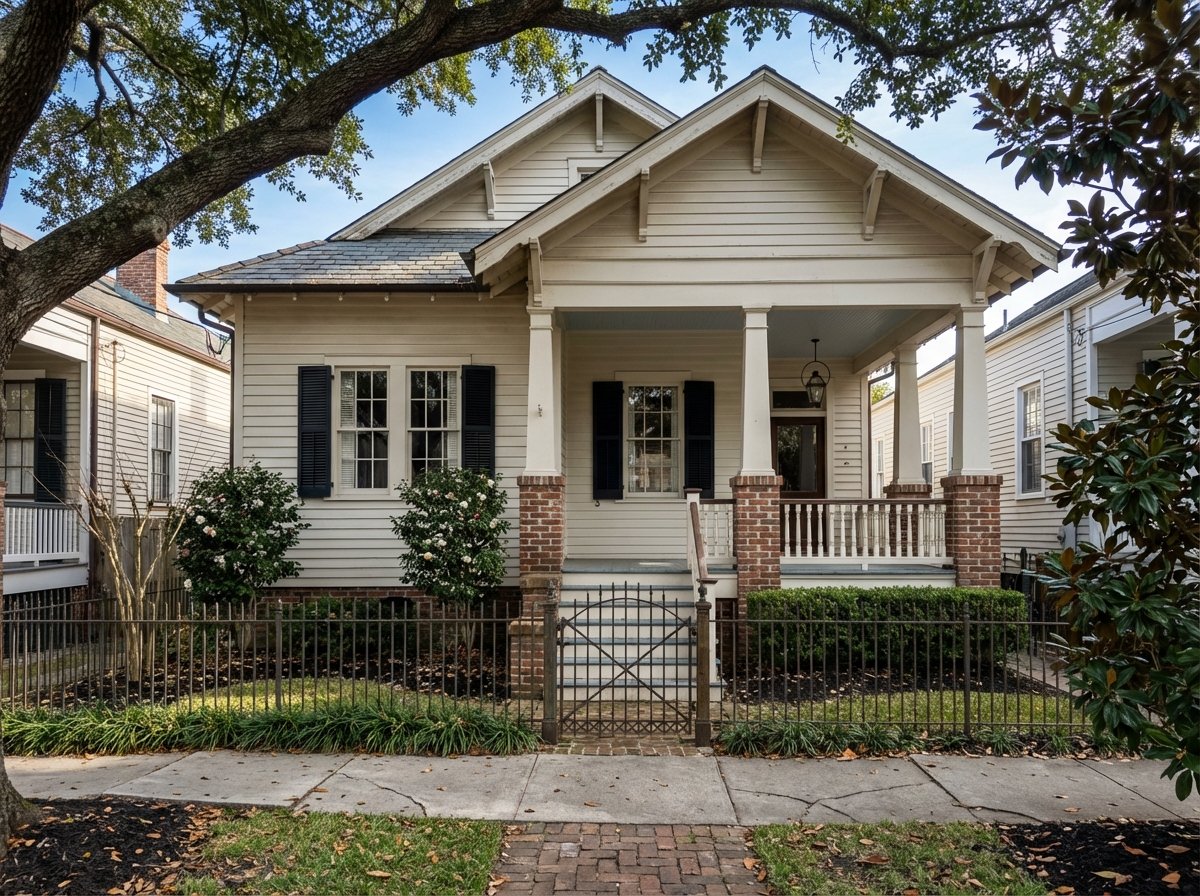
Shotgun houses are long, narrow homes with rooms in a single line, often with a front porch and tall windows that bring in light and breeze. Variants include single, double, and camelback forms. They are a core part of New Orleans’ vernacular architecture and were built from the 1830s through the 1940s. You can explore the style and history in this overview of New Orleans vernacular architecture from the Preservation Resource Center of New Orleans (PRC).
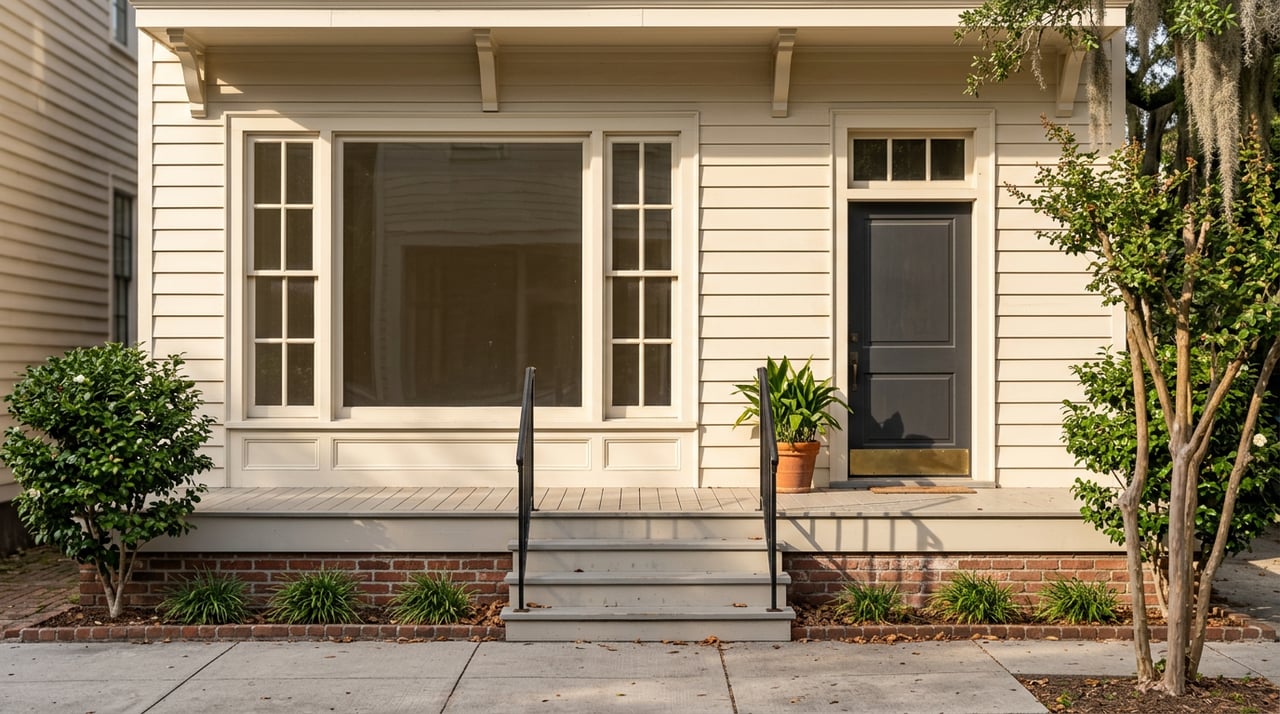
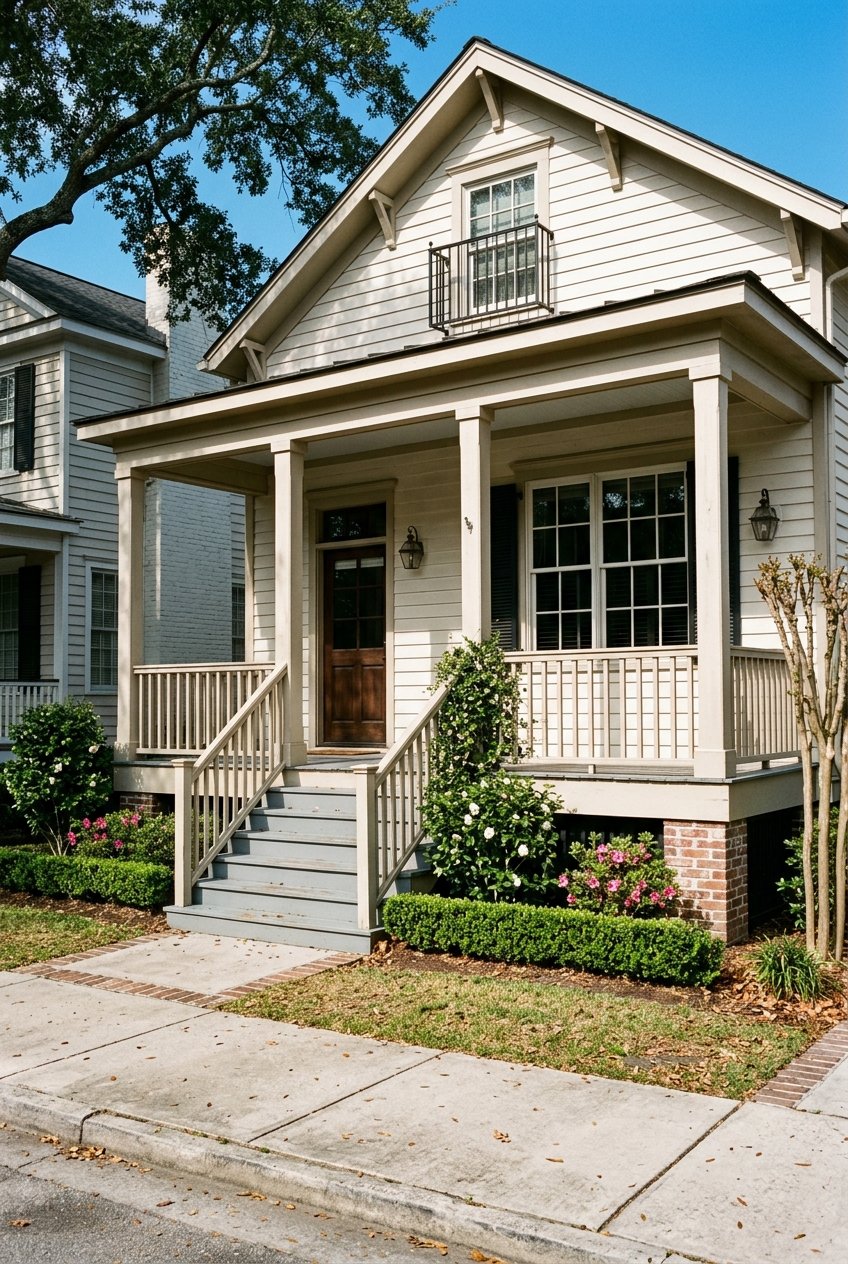
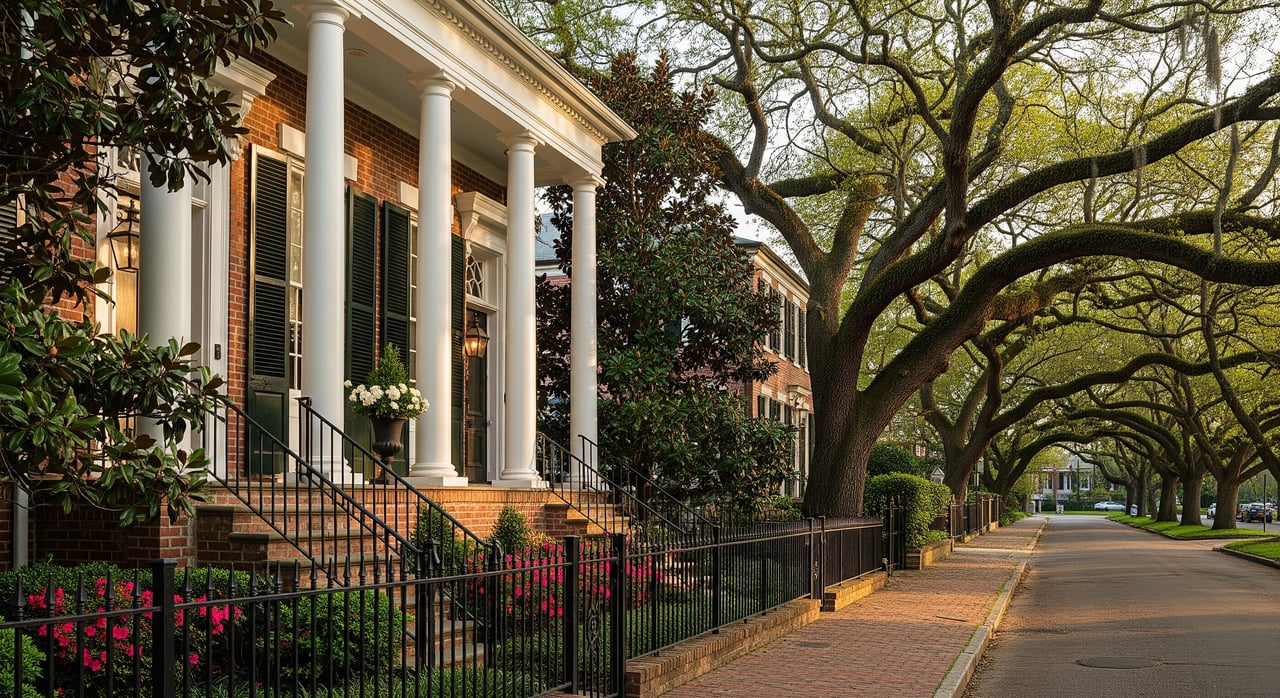
In Uptown and Carrollton, surveys show a large concentration of shotguns and stylistic variations. Many façades feature Victorian or Italianate brackets, decorative shingles, and narrow clapboard siding that add visual rhythm to the street. The Carrollton neighborhood association notes how these forms shape the district’s character and daily life.
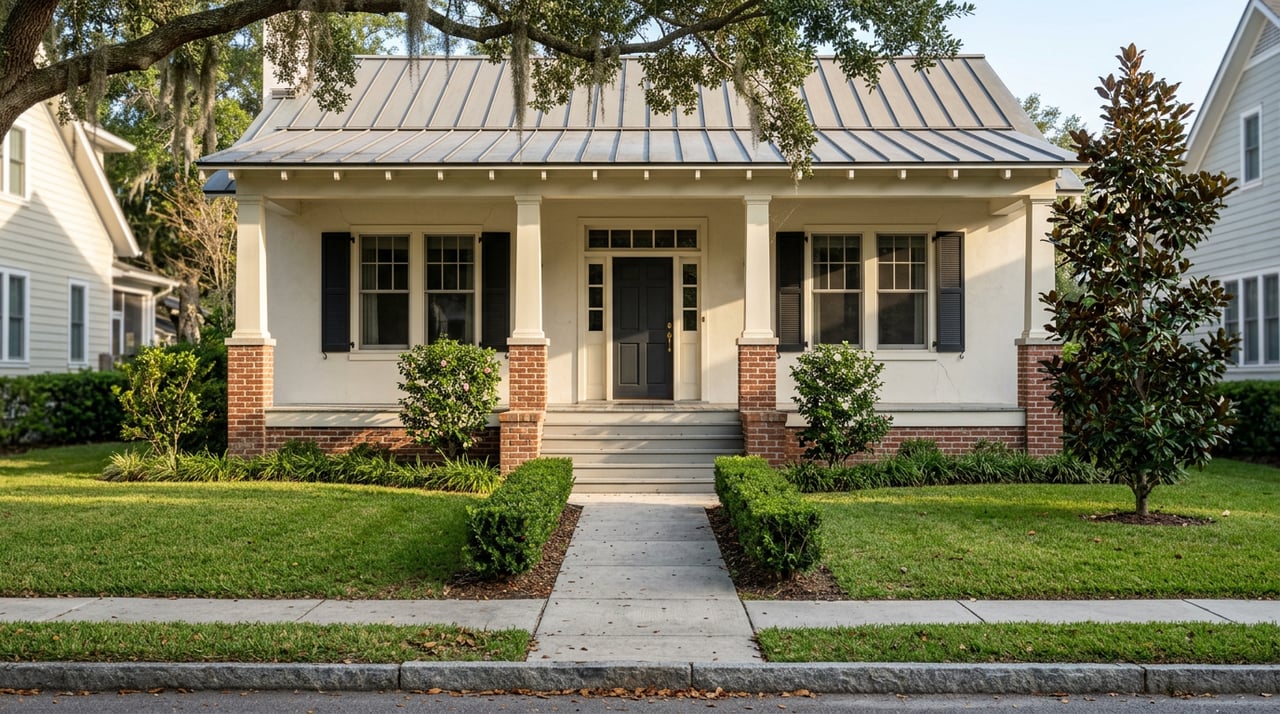
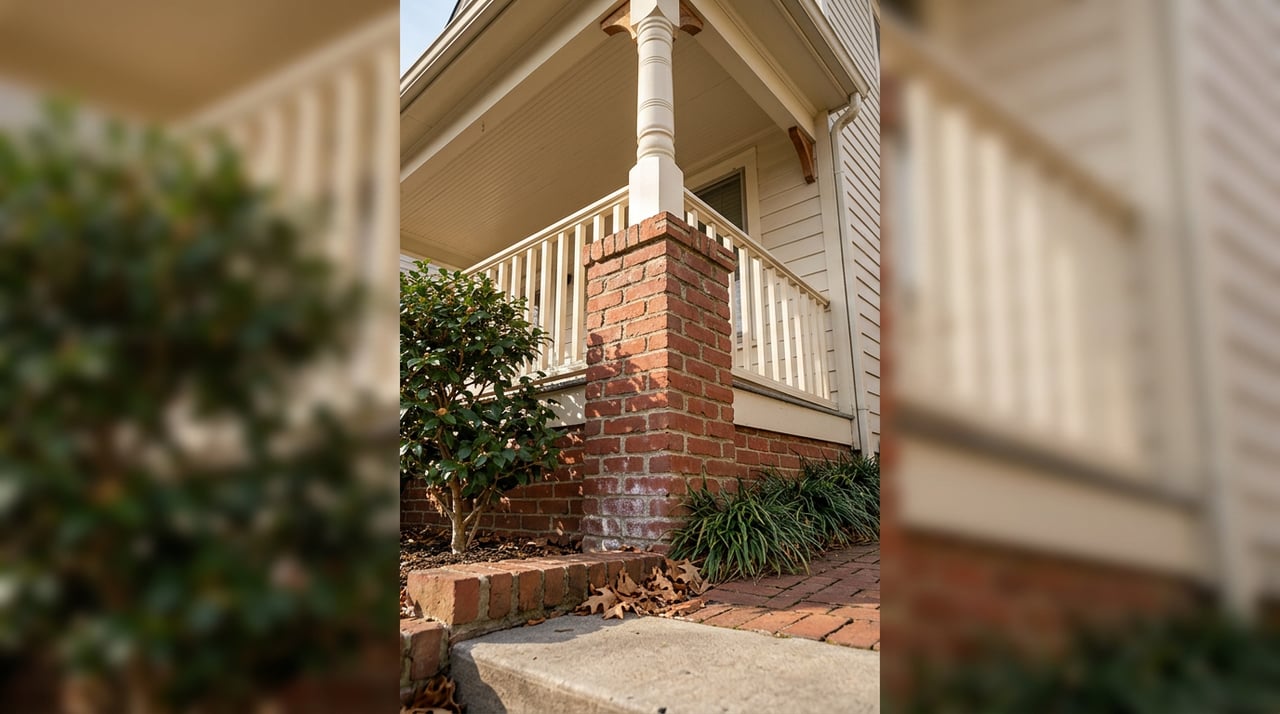
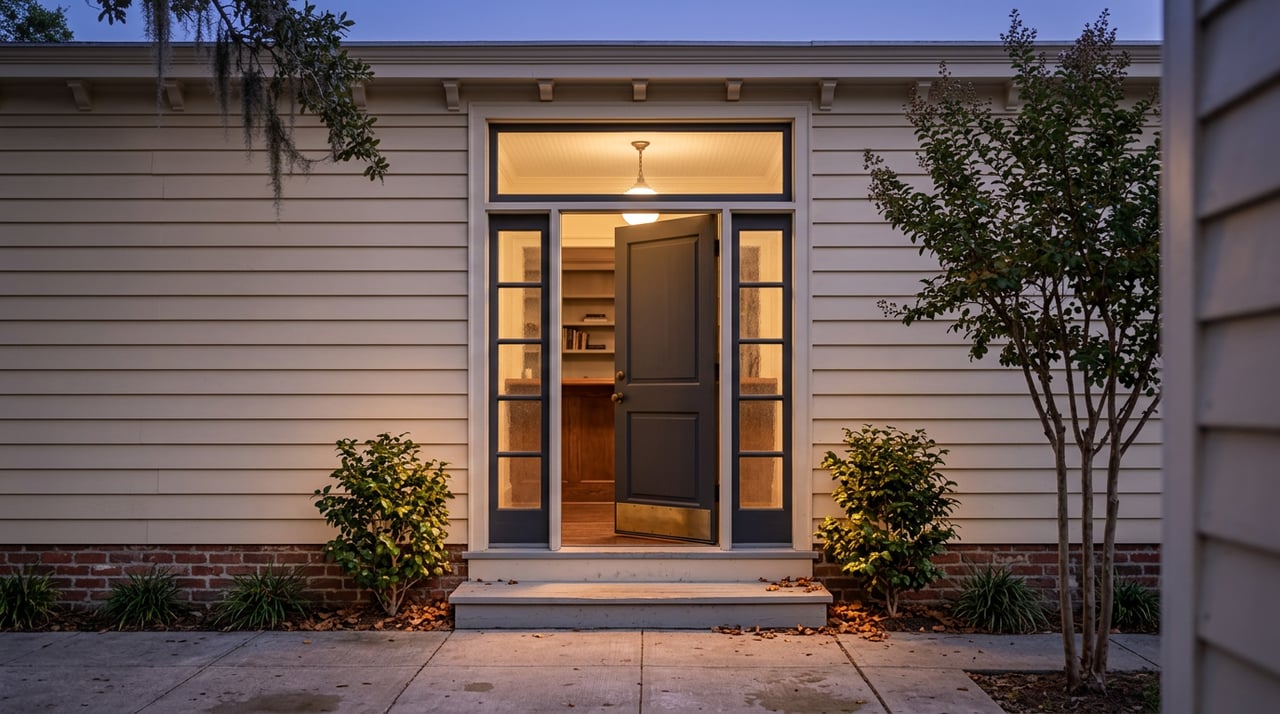
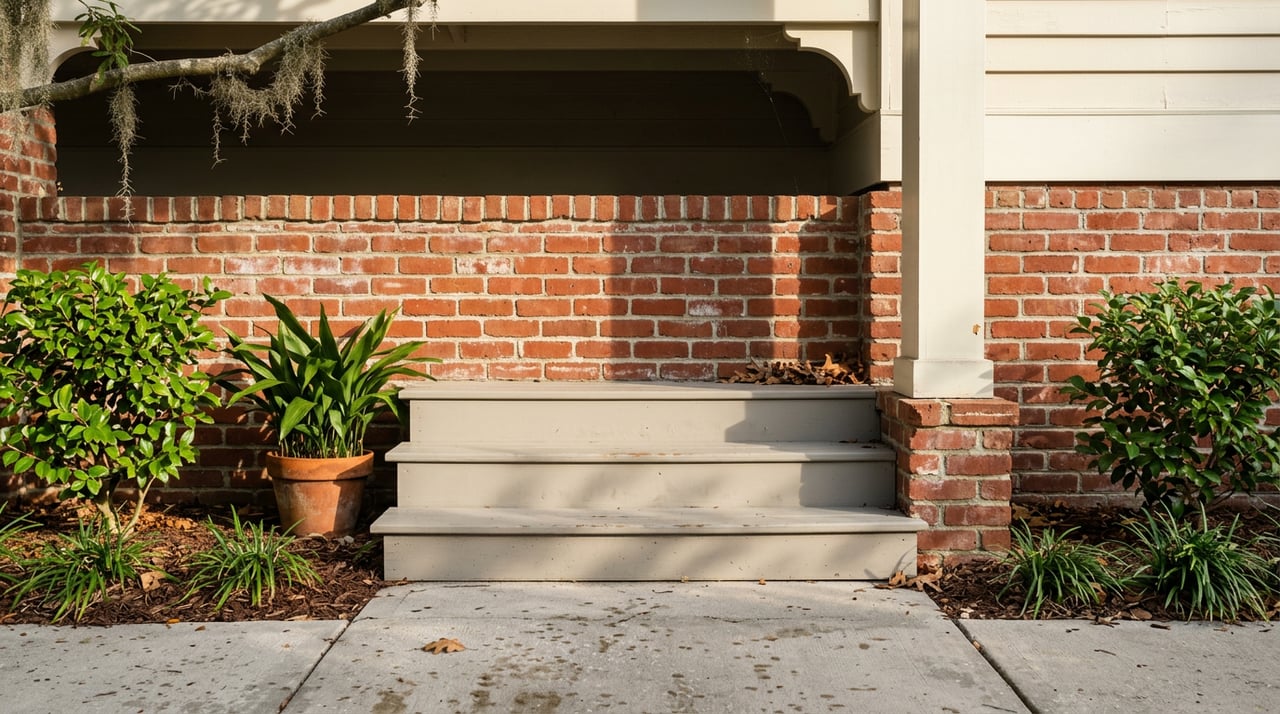
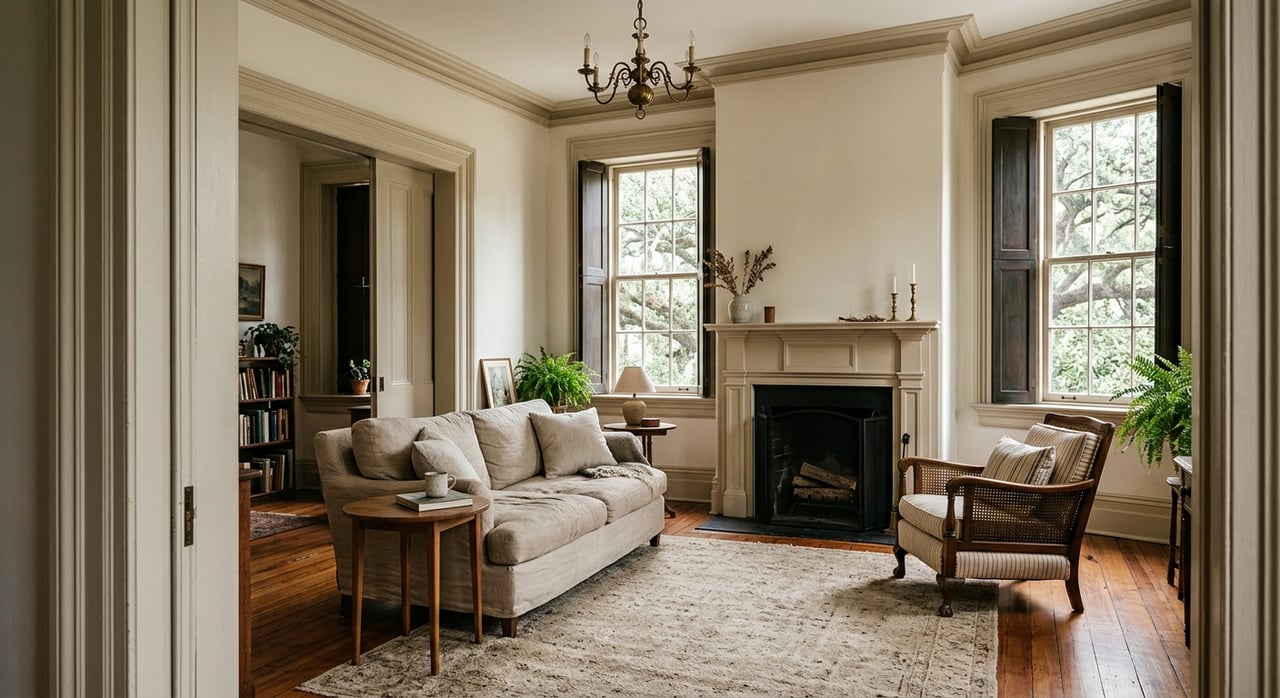
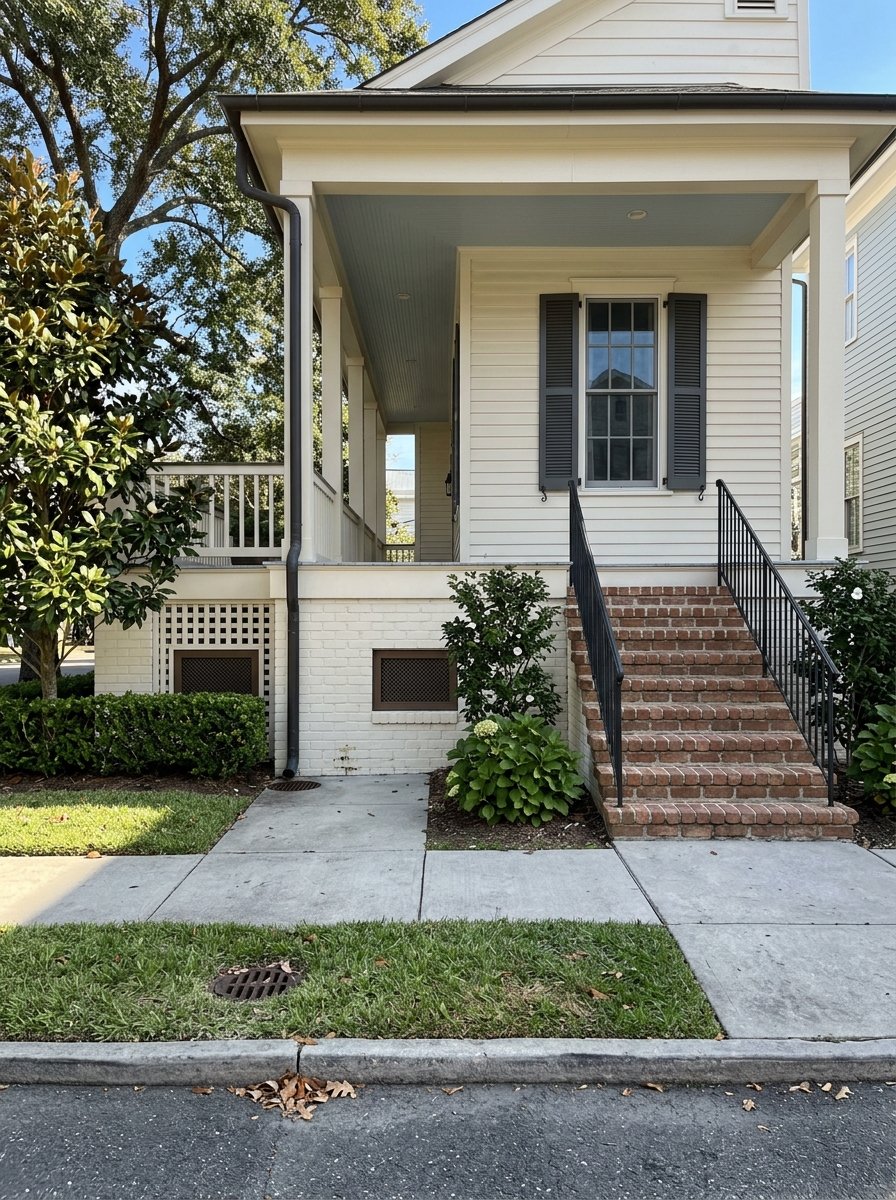
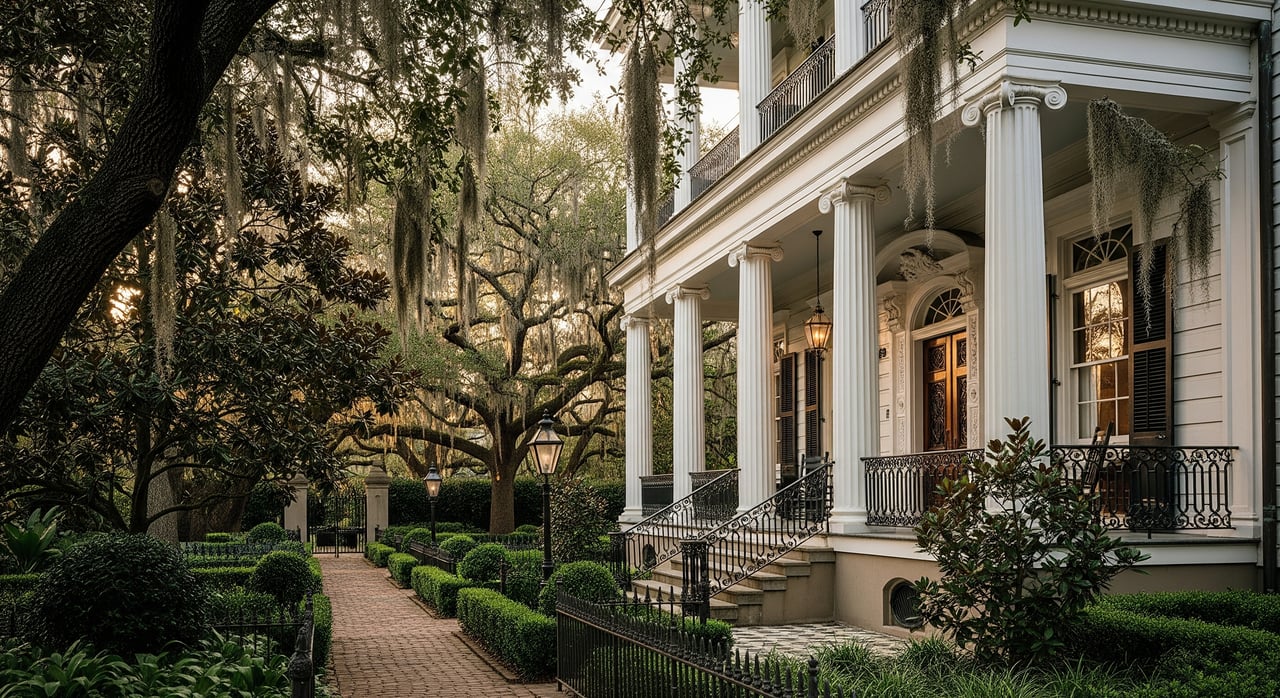
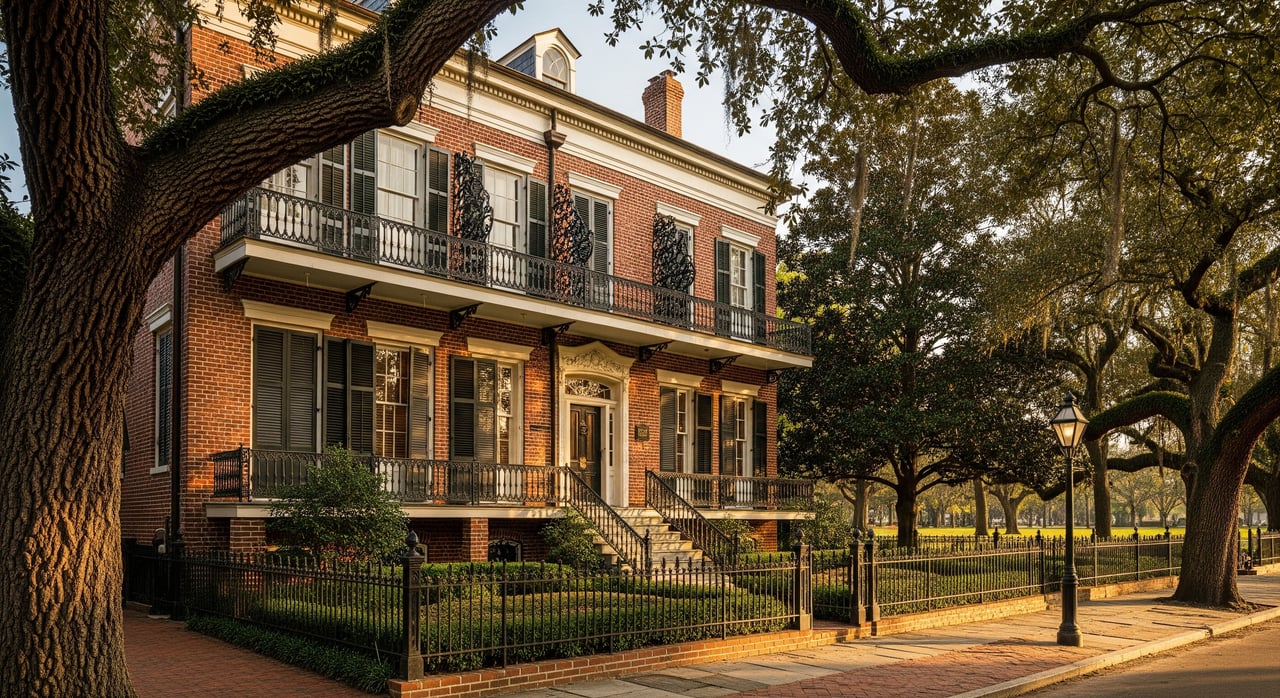
Common elements worth protecting include the porch, columns, bracketed cornice, tall windows and doors with transoms, clapboard siding, and the raised pier foundation. Preserving these features is the key to keeping authentic Uptown charm.
Know your rules and permits
If your property is in a local historic district, exterior changes visible from the street often require review by the New Orleans Historic District Landmarks Commission. You will likely need a Certificate of Appropriateness before construction. The HDLC guide explains review types, staff approvals, and enforcement.
A CoA is usually only one step. Building permits through the City’s Department of Safety and Permits are required for structural, roof, mechanical, electrical, and plumbing work. Use the City’s OneStop portal to check permits and violations and to begin applications.
Large projects can trigger floodplain rules. If your scope meets the National Flood Insurance Program’s substantial improvement threshold, commonly 50 percent of the building’s pre-project market value, you may have to elevate or meet current flood standards. Review FEMA’s substantial improvement rule and check local flood maps before you set a budget.
Thinking about tax incentives? Owner-occupied single-family renovations typically do not qualify. Income-producing projects that follow the Secretary of the Interior’s Standards may pursue the federal 20 percent Historic Rehabilitation Tax Credit and Louisiana’s state commercial historic tax credit. Review program pages early to assess eligibility and application steps.
Quick checklist before you sketch
- Confirm if the house is within an HDLC-controlled area and what level of review applies.
- Photograph existing details inside and out for reference and approvals.
- Pull permit history and any open violations on OneStop.
- Set a pre-application call with HDLC staff to discuss scope and expectations.
Plan to preserve character
Use the Secretary of the Interior’s Standards for Rehabilitation as your design roadmap. The Standards emphasize retaining historic character, repairing instead of replacing, and making new work compatible and reversible when possible.
- Preserve the porch and façade. Keep the original setback, porch rhythm, columns, and bracketry. Repair wood siding and trim where feasible; when replacement is unavoidable, match the original design and visible profile.
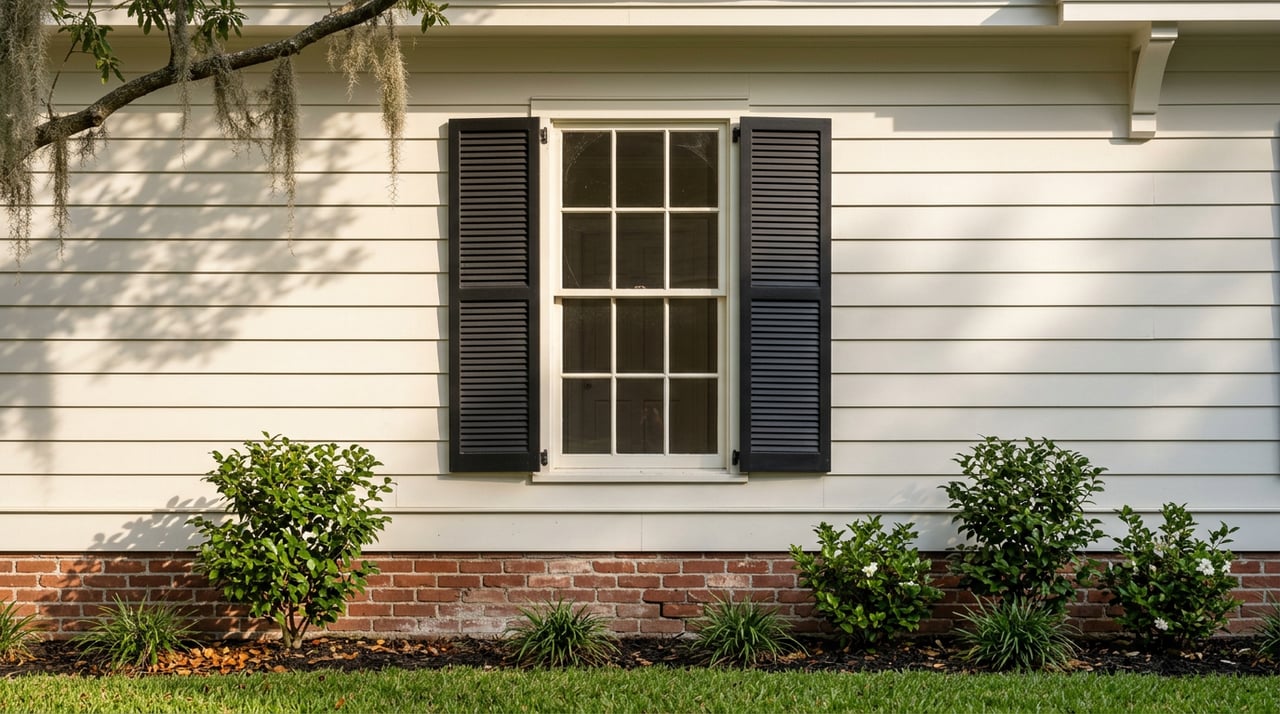
- Respect windows and doors. Repair tall wood sash windows and transoms with re-glazing and weather-stripping. If replacement is necessary, choose wood units that match sightlines and proportions rather than vinyl that alters the look.
- Match materials on primary elevations. Use in-kind wood elements on street-facing sides. Reserve compatible modern materials for rear or non-visible areas to control cost without sacrificing authenticity.
Upgrade systems the smart way
- HVAC. Ductless mini-splits can deliver comfort with minimal disruption to historic fabric. Place condensers and vents out of public view to reduce review issues.
- Solar and rooftop equipment. Solar is allowed in many cases. PRC offers guidance on solar placement for historic buildings, including recommendations to favor rear roof planes and set back panels from the street.
- Insulation and energy. Start with attic and crawl space insulation, which improves comfort without invasive wall work. Follow NPS sustainability guidance to avoid trapping moisture in historic walls.
Add space without losing soul
Shotguns are narrow, so plan privacy and circulation carefully.
- Bathrooms and storage. Carve compact baths out of rear service areas or secondary rooms. Avoid demolishing front rooms that define the shotgun’s sequence.
- Rear additions. If you need more square footage, consider a small rear addition. Keep it subordinate, compatible in scale and materials, and visually differentiated so the original house remains legible, as the Standards advise.
- Circulation. Add hall-like circulation toward the rear where it is less visible, rather than inserting a central corridor that erases the typical linear plan.
Budget, timeline, and risk tips
- Know your cost drivers. Foundation and pier work, full MEP upgrades, structural changes, and elevation or flood compliance can move budgets fast. Because shotguns are compact, cost per square foot can feel high when systems need full replacement.
- Plan for time. HDLC review, building permit review, and any floodplain or structural engineering approvals can add weeks or months. If your project needs a full Commission hearing rather than staff approval, timelines extend further.
- Avoid costly mistakes. Do not start visible exterior work without a CoA. Do not replace original windows or siding with incompatible materials. Do not ignore potential flood triggers as cumulative work can count toward the 50 percent rule.
Your Uptown renovation game plan
- Document the house and confirm HDLC status. 2) Sequence work from outside in, prioritizing roof, drainage, porch, and foundation. 3) Design with the Standards to protect the façade and key details. 4) Choose minimally invasive systems and locate equipment discreetly. 5) Set a realistic budget and timeline that accounts for permits, possible flood compliance, and contingencies.
If you want a sounding board or need help aligning renovation choices with resale value in Uptown and Carrollton, connect with Ashley Nesser’s local perspective. From identifying the right shotgun to spotting smart, value-safe upgrades, Ashley Nesser is here to help you plan with confidence.
FAQs
Do I need HDLC approval for porch or window work in Uptown?
- If the work is visible from the street and your property is in a local historic district, you often need a Certificate of Appropriateness. Contact HDLC staff before starting.
Will my shotgun renovation require elevating the house for flood rules?
- If your project meets the substantial improvement threshold, you may have to elevate or meet current flood standards. Check flood zone and budget impacts early.
Can I use historic tax credits on a shotgun I live in?
- Owner-occupied single-family homes generally are not eligible. Income-producing projects that meet the Standards may qualify for federal and state credits.
What upgrades are least invasive to historic fabric?
- Attic and crawl space insulation, repair of existing wood windows, and ductless HVAC systems are typically low impact when detailed carefully.
How long does permitting take in Uptown?
- Plan for several weeks or months, depending on HDLC review level, building permit reviews, and any needed engineering or floodplain approvals.