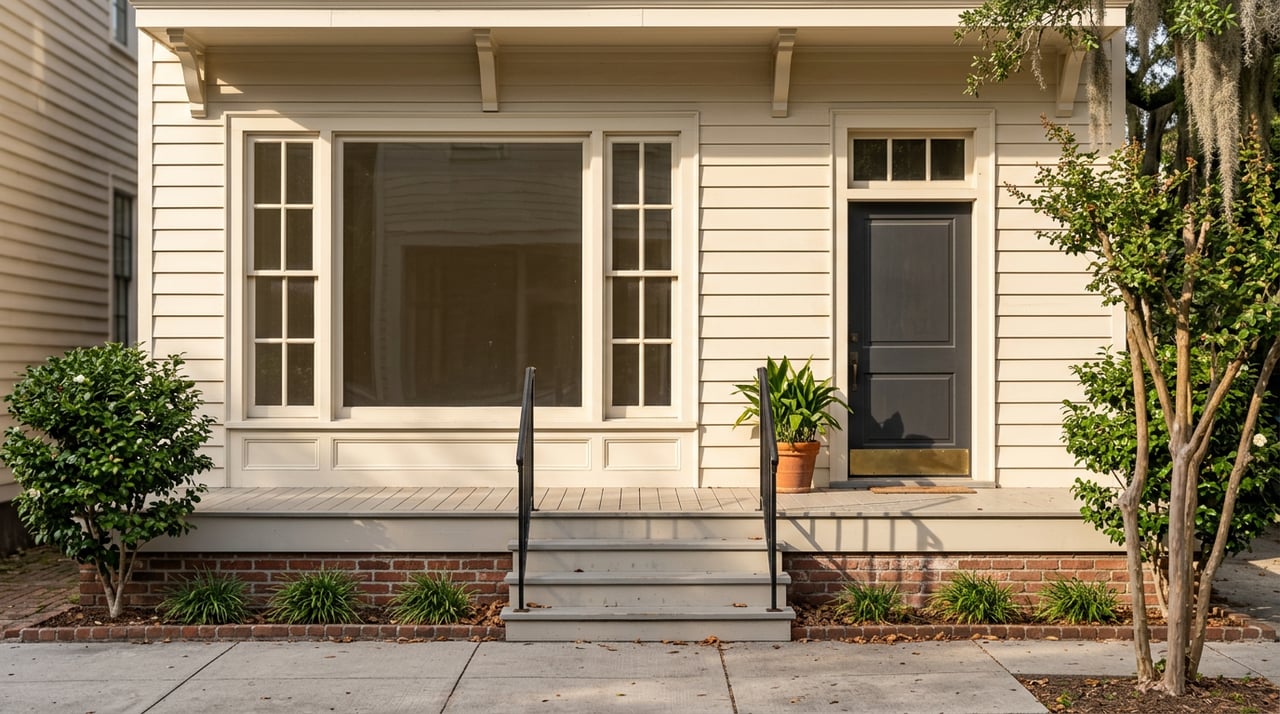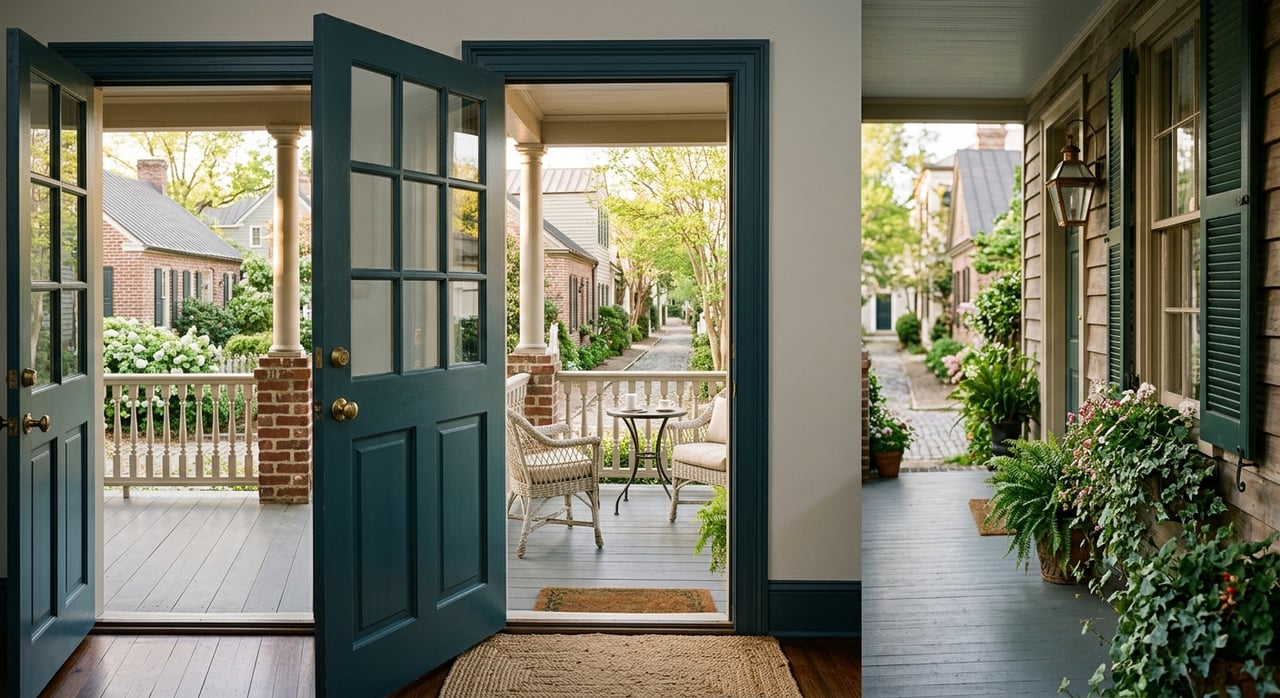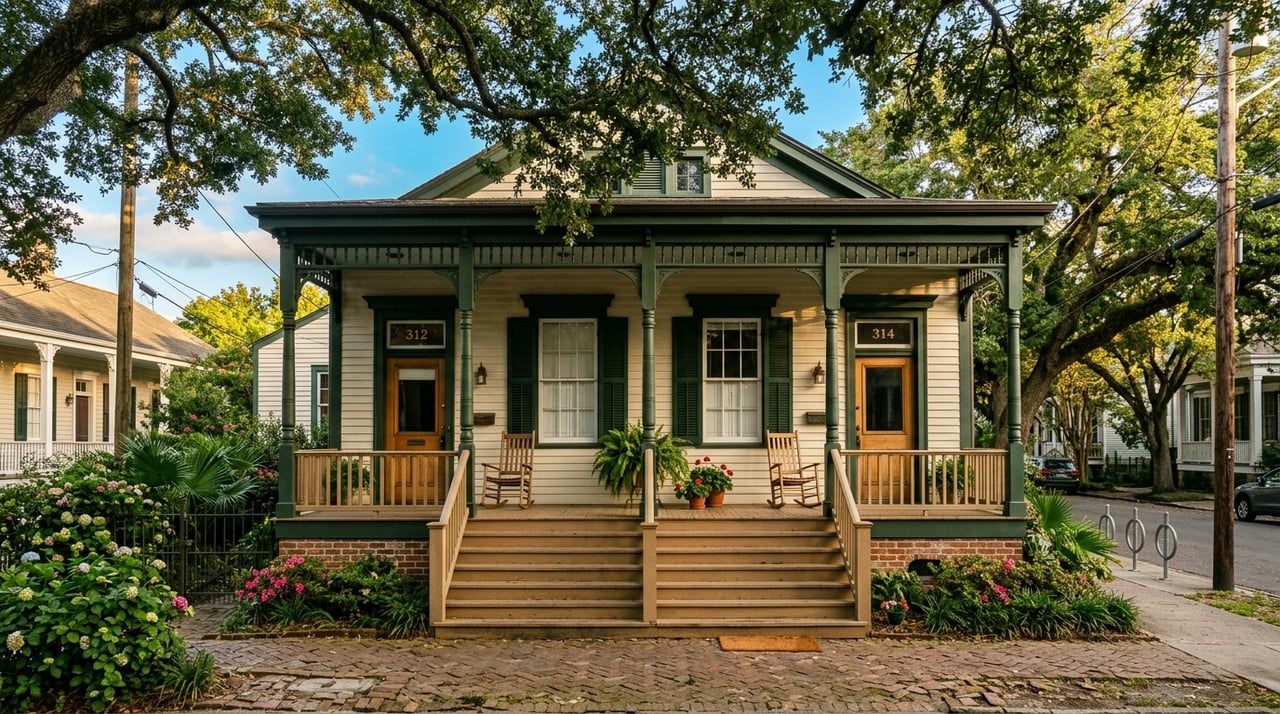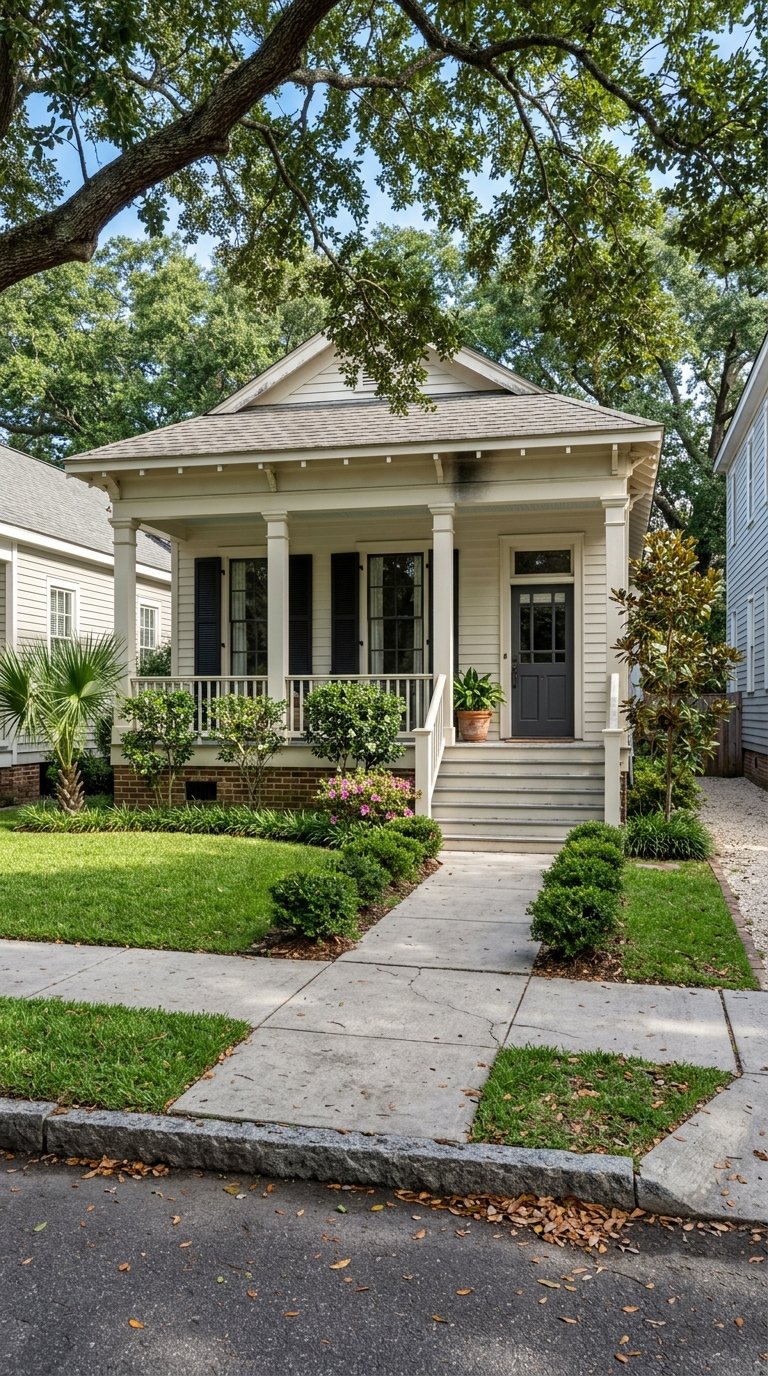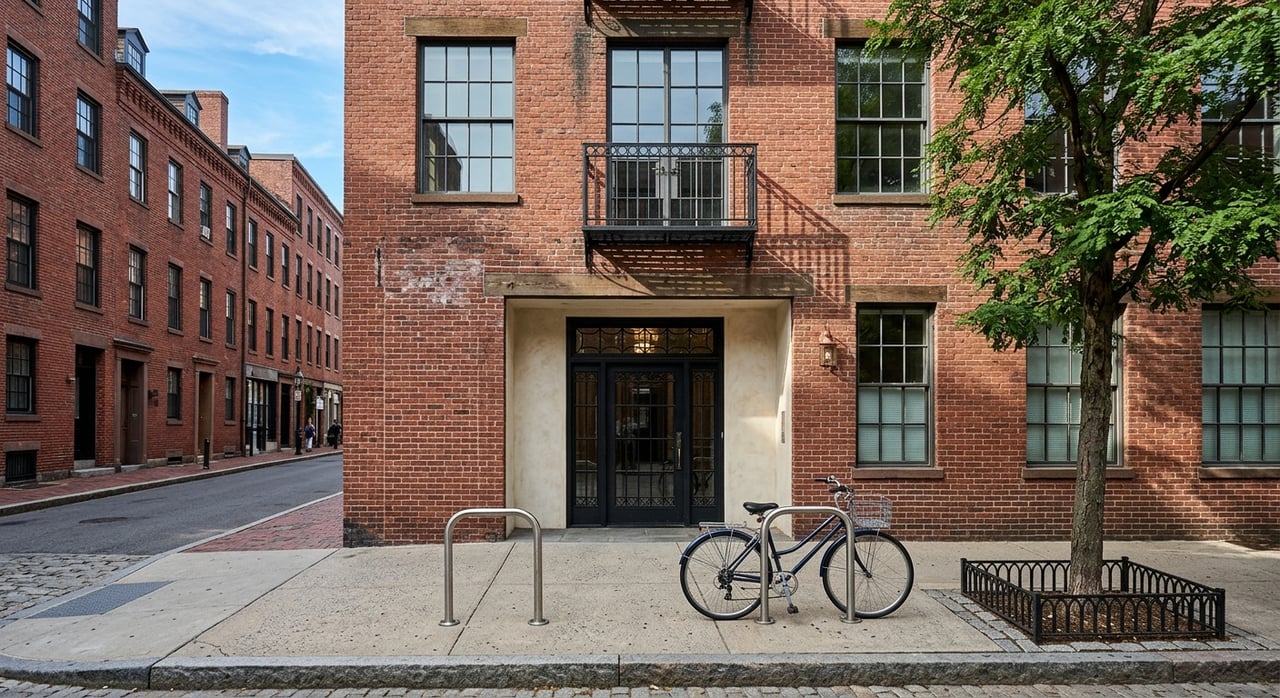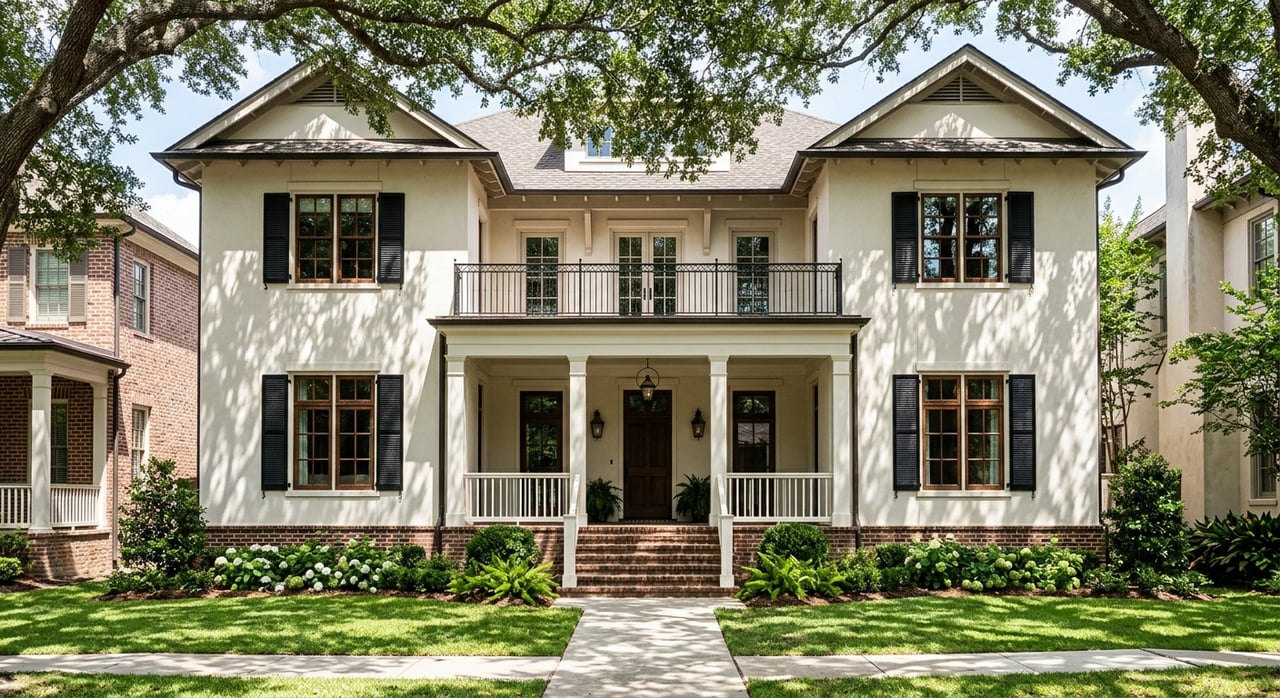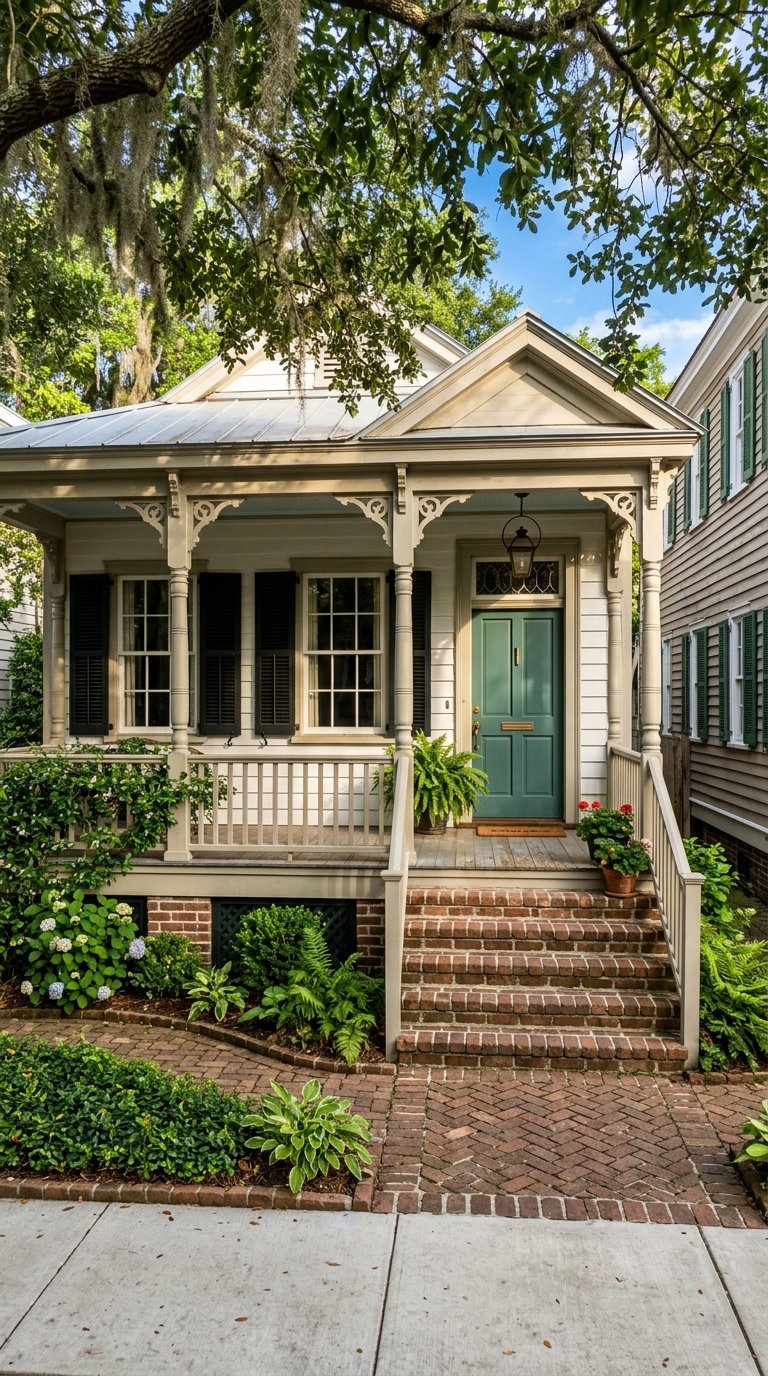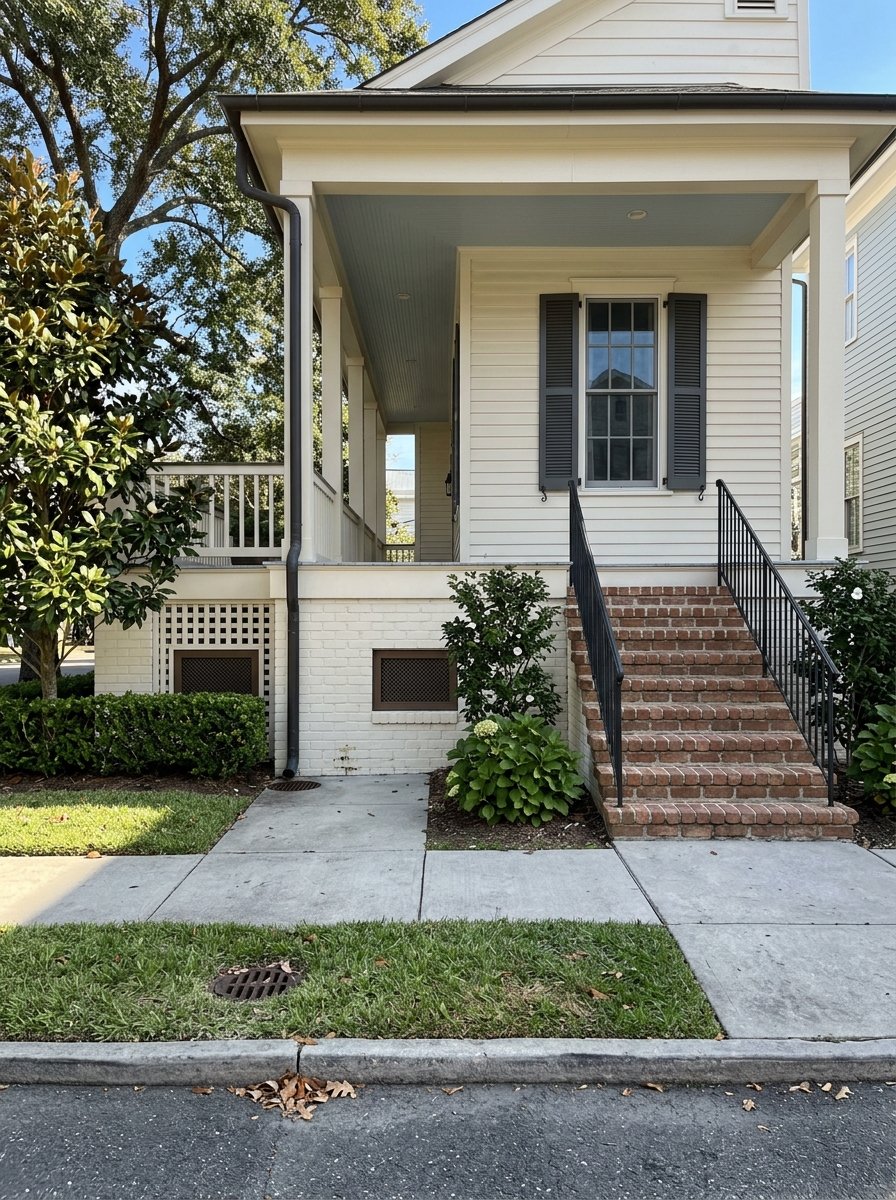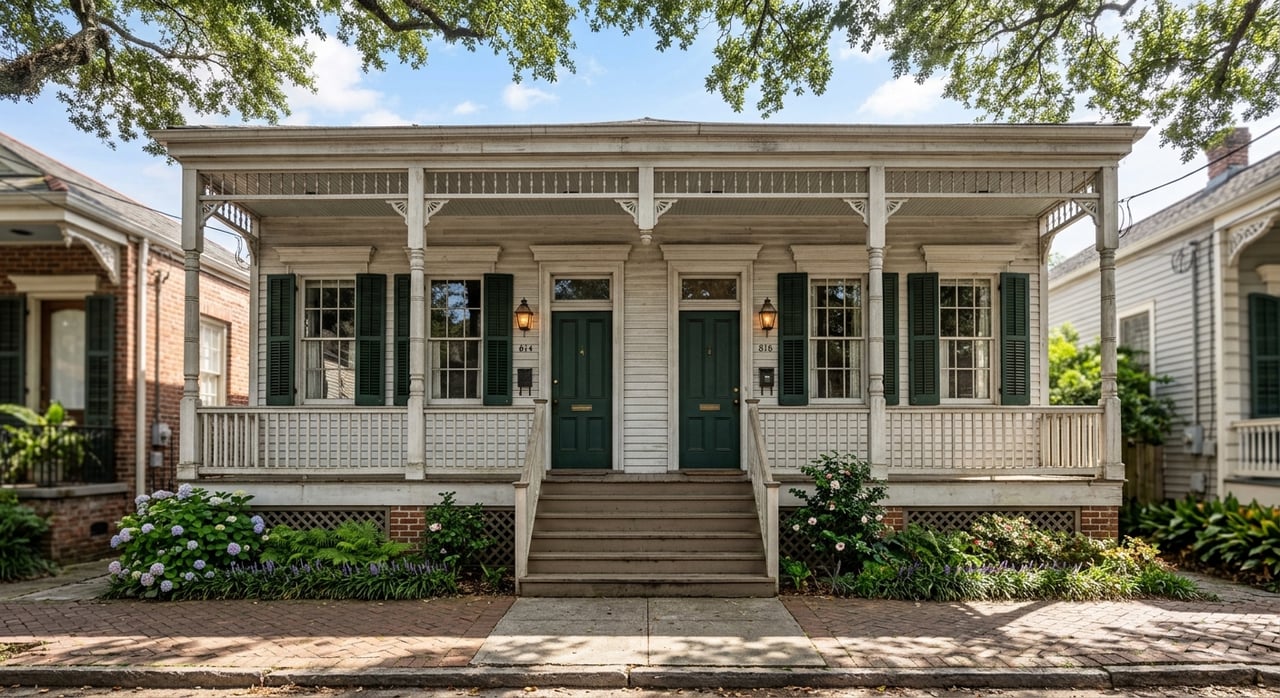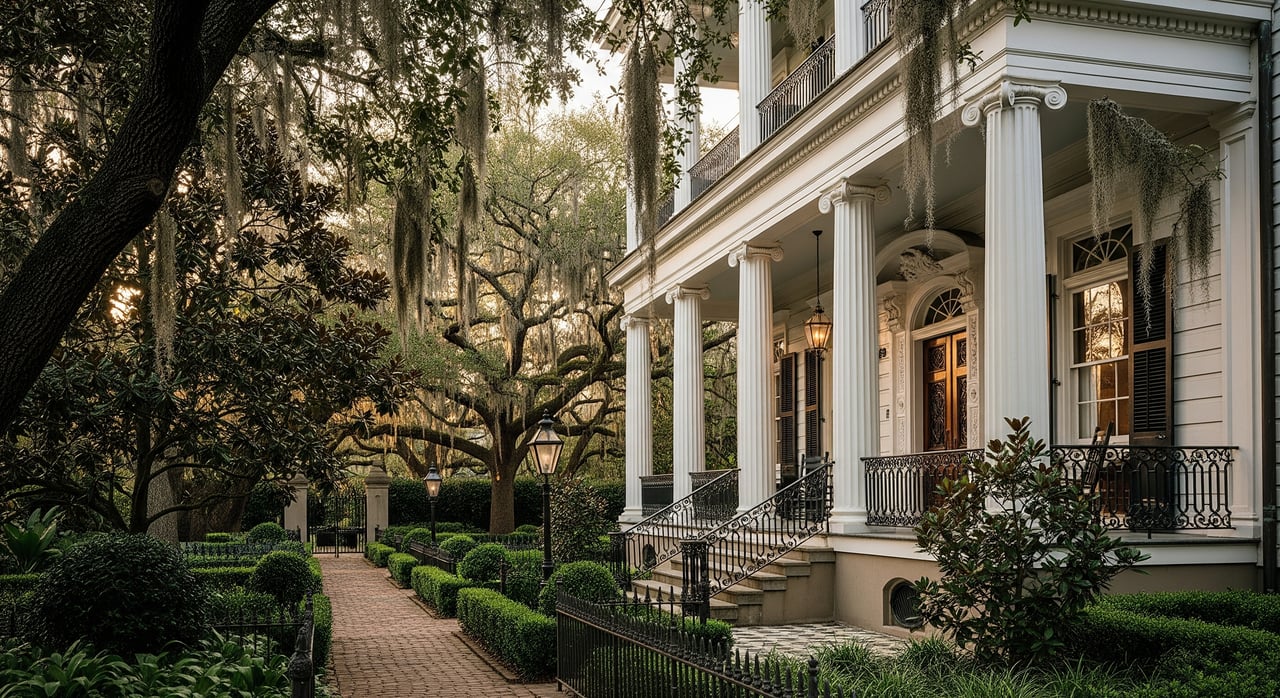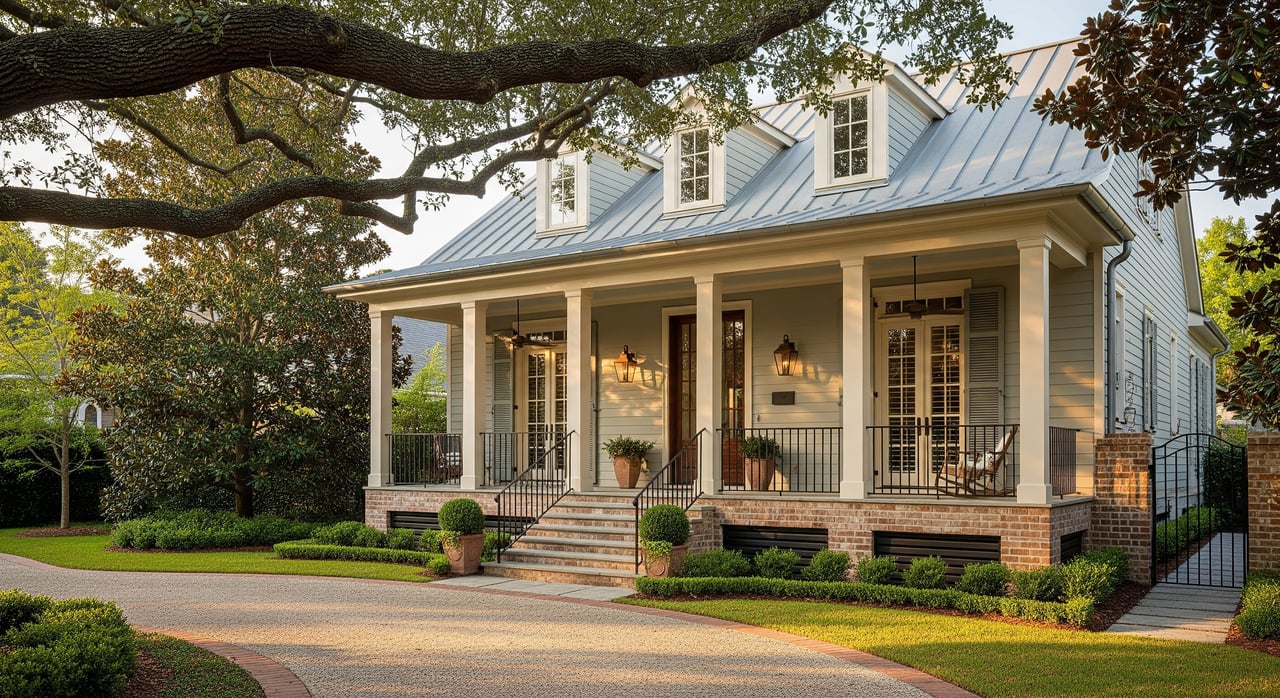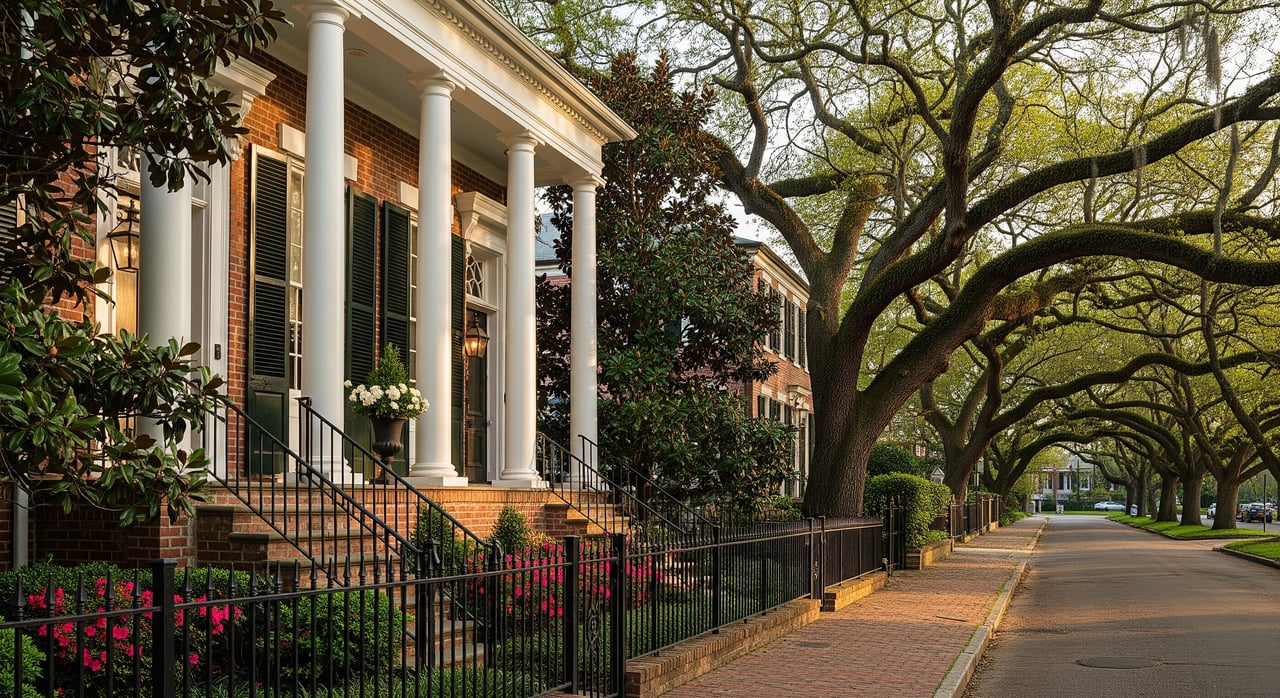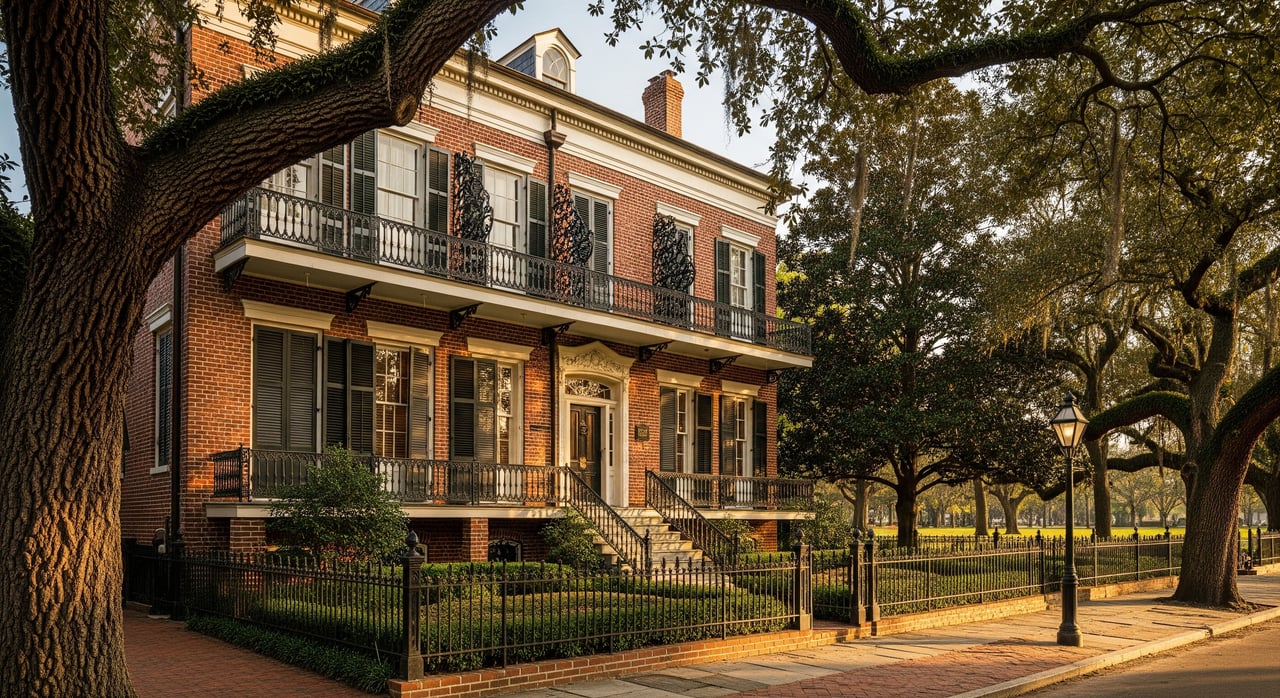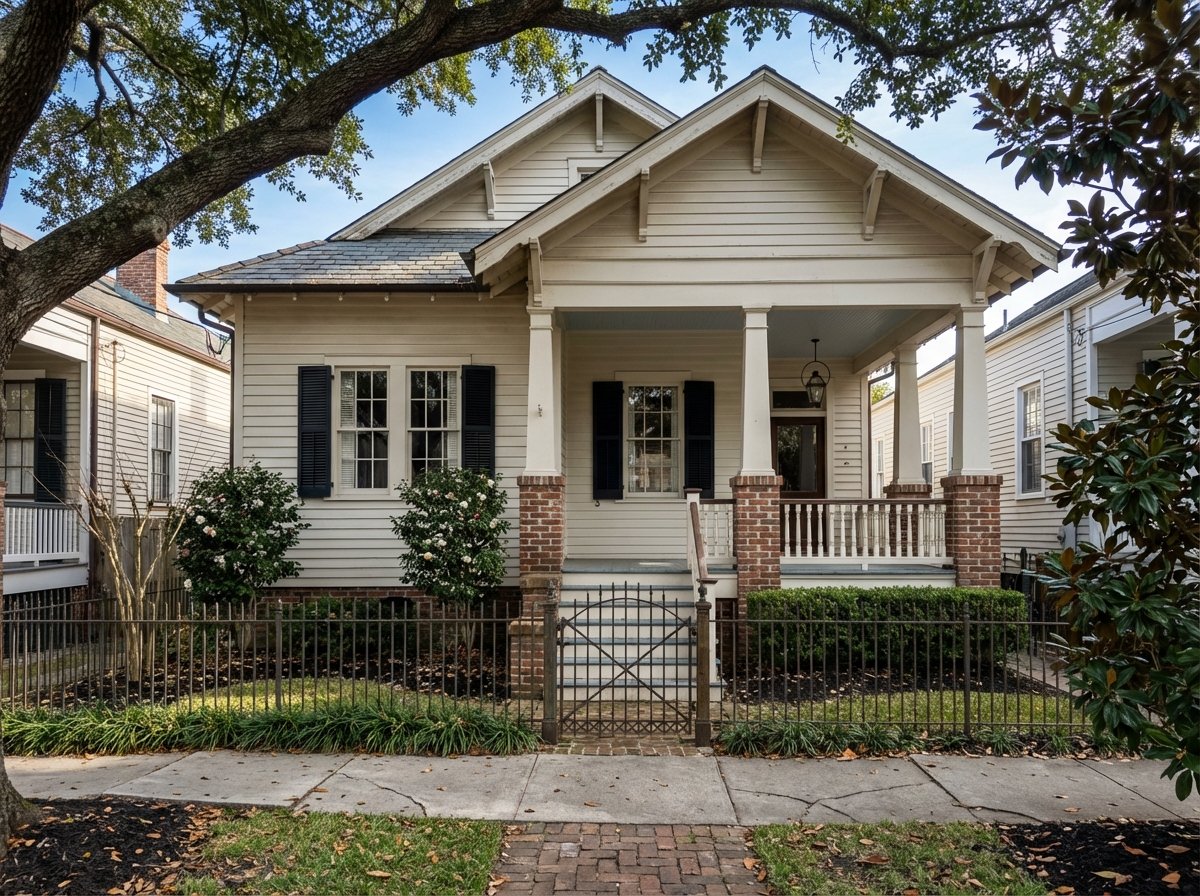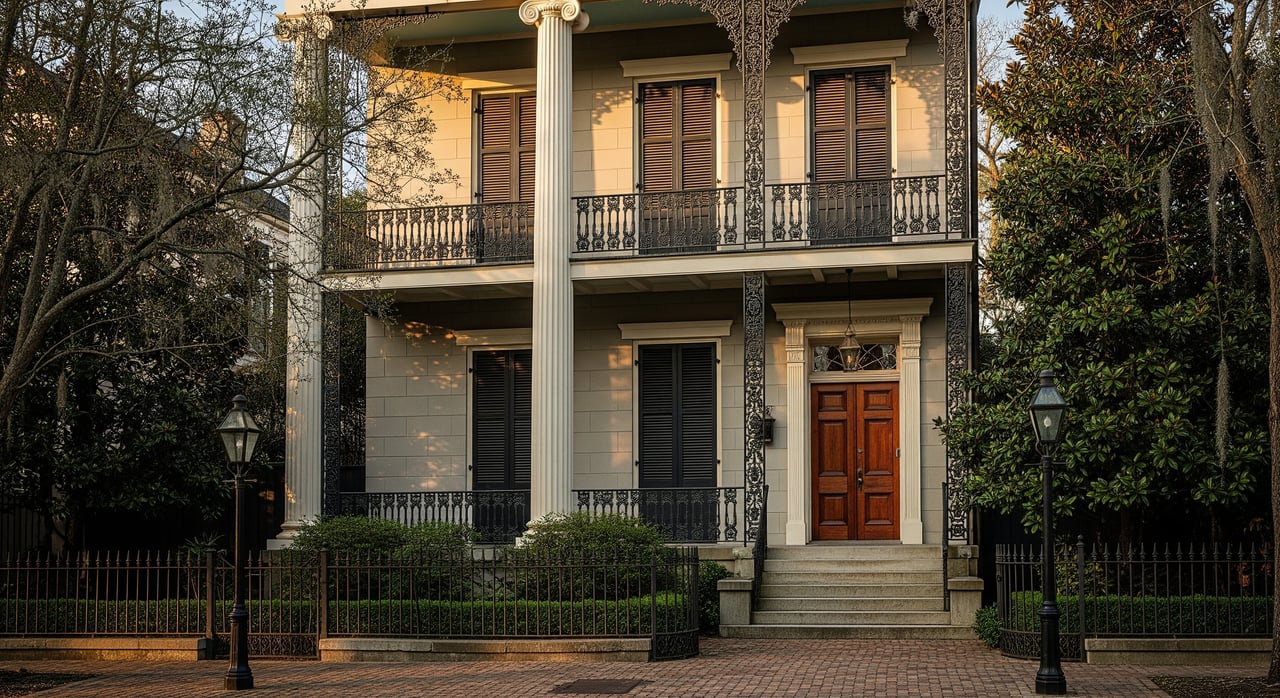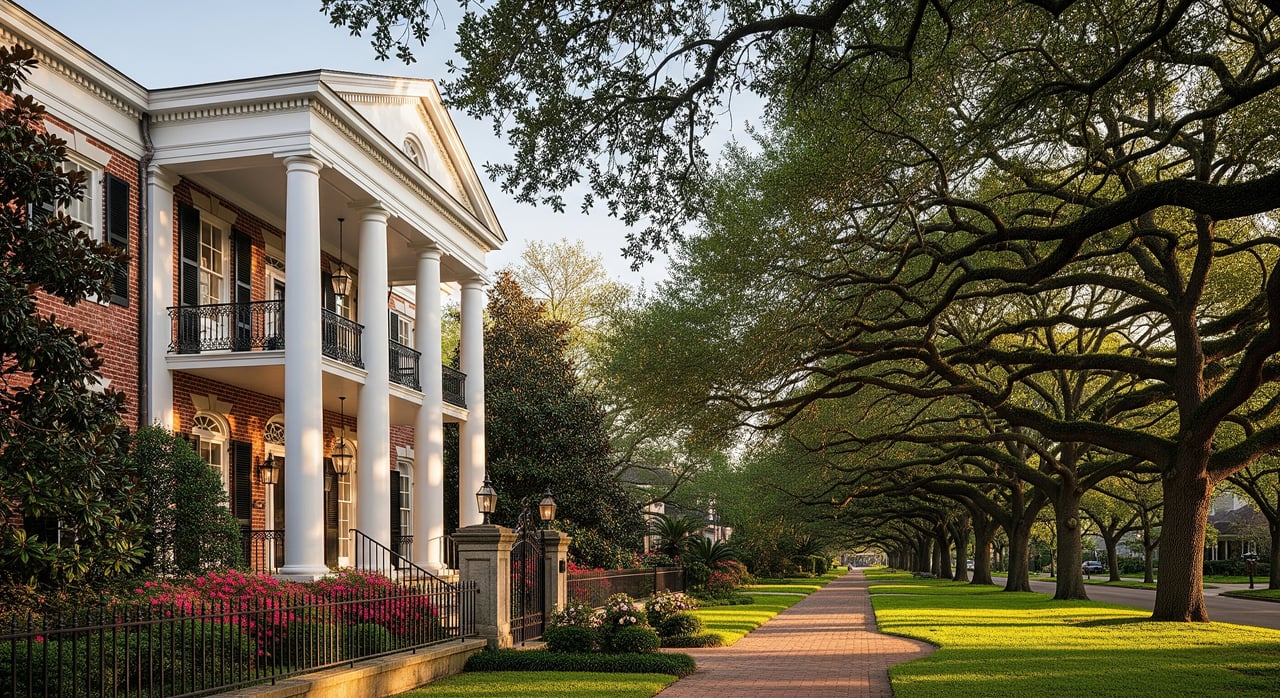
Eyeing a classic Uptown shotgun conversion or a grand Garden District beauty and wondering if your mortgage will be considered “jumbo”? You’re not alone. In Uptown and Carrollton, higher purchase prices and unique property features often push buyers beyond standard loan limits. In this guide, you’ll learn what a jumbo loan is, when it applies in Orleans Parish, how underwriting works, and the local factors that can make or break your approval. Let’s dive in.
What is a jumbo loan?
A jumbo loan is a mortgage that exceeds the conforming loan limit set each year by the Federal Housing Finance Agency. Conforming loans can be sold to Fannie Mae or Freddie Mac, while jumbo loans cannot, so lenders use more conservative standards. Because of this, jumbo loans usually require stronger credit, larger down payments, and more documentation.
The key point for Uptown and Carrollton buyers is the loan amount, not the purchase price. If your mortgage amount rises above the current conforming limit for Orleans Parish, you’re in jumbo territory. Since limits change annually, confirm the latest Orleans Parish number with your lender or on the FHFA website early in your search.
When Uptown buyers need one
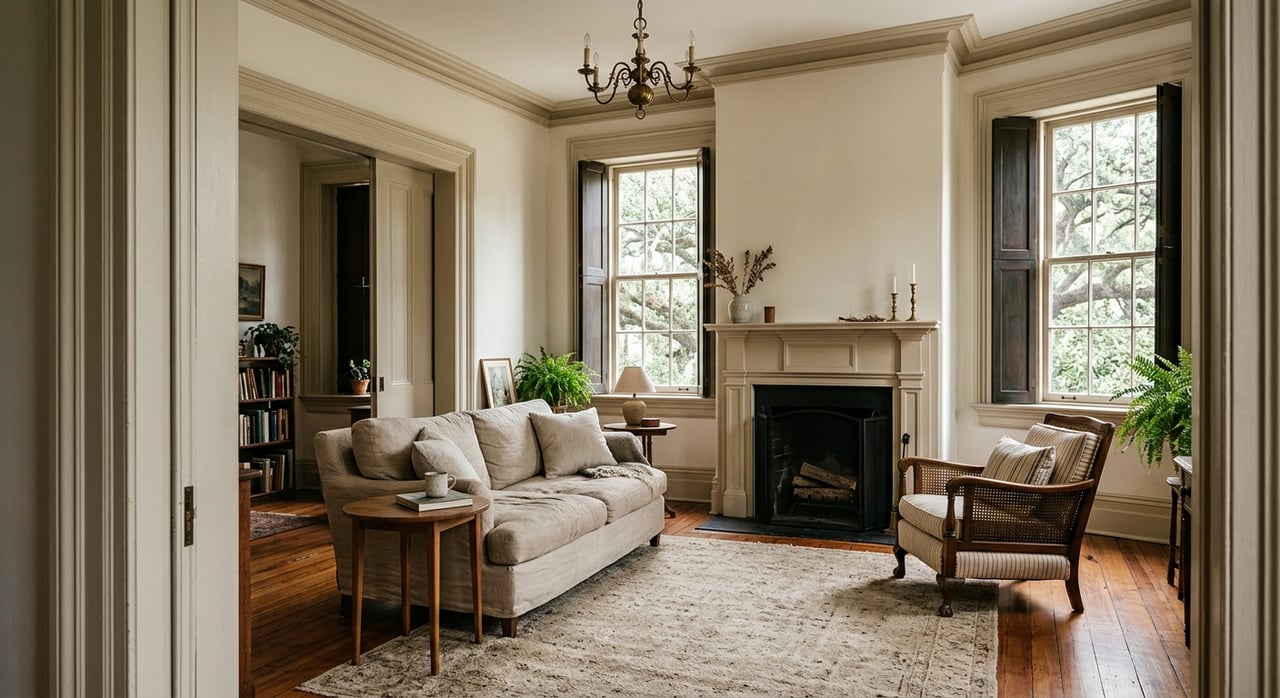
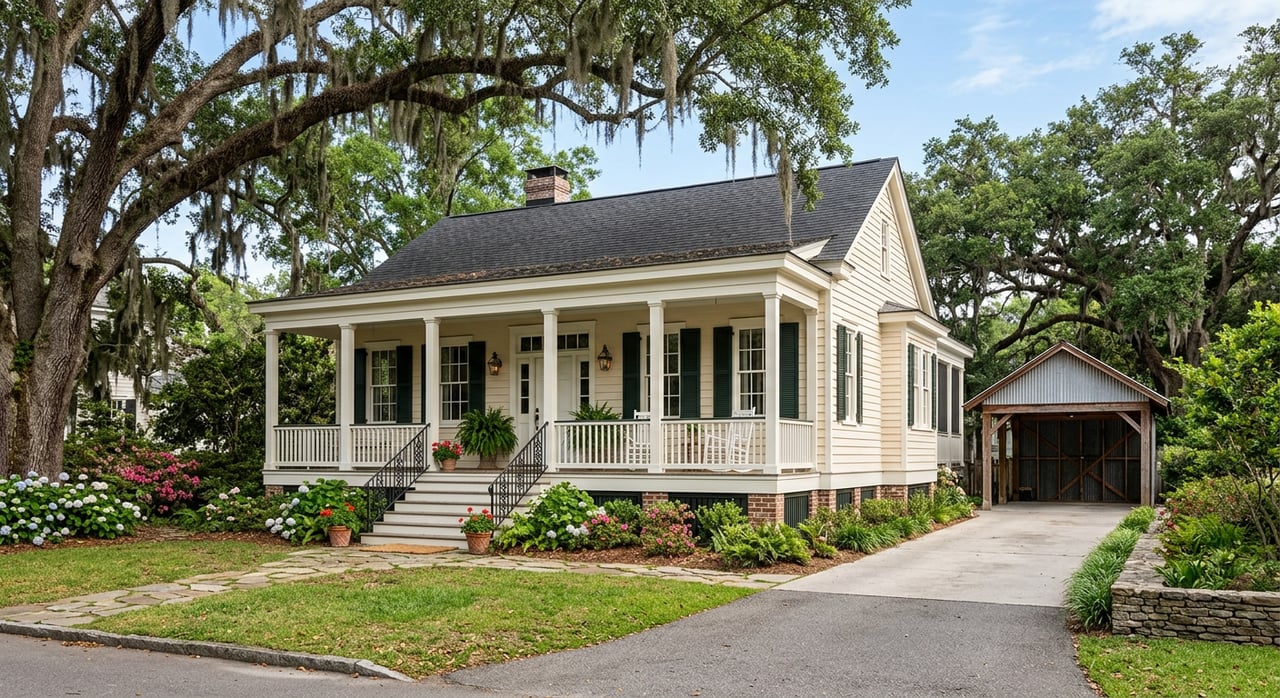
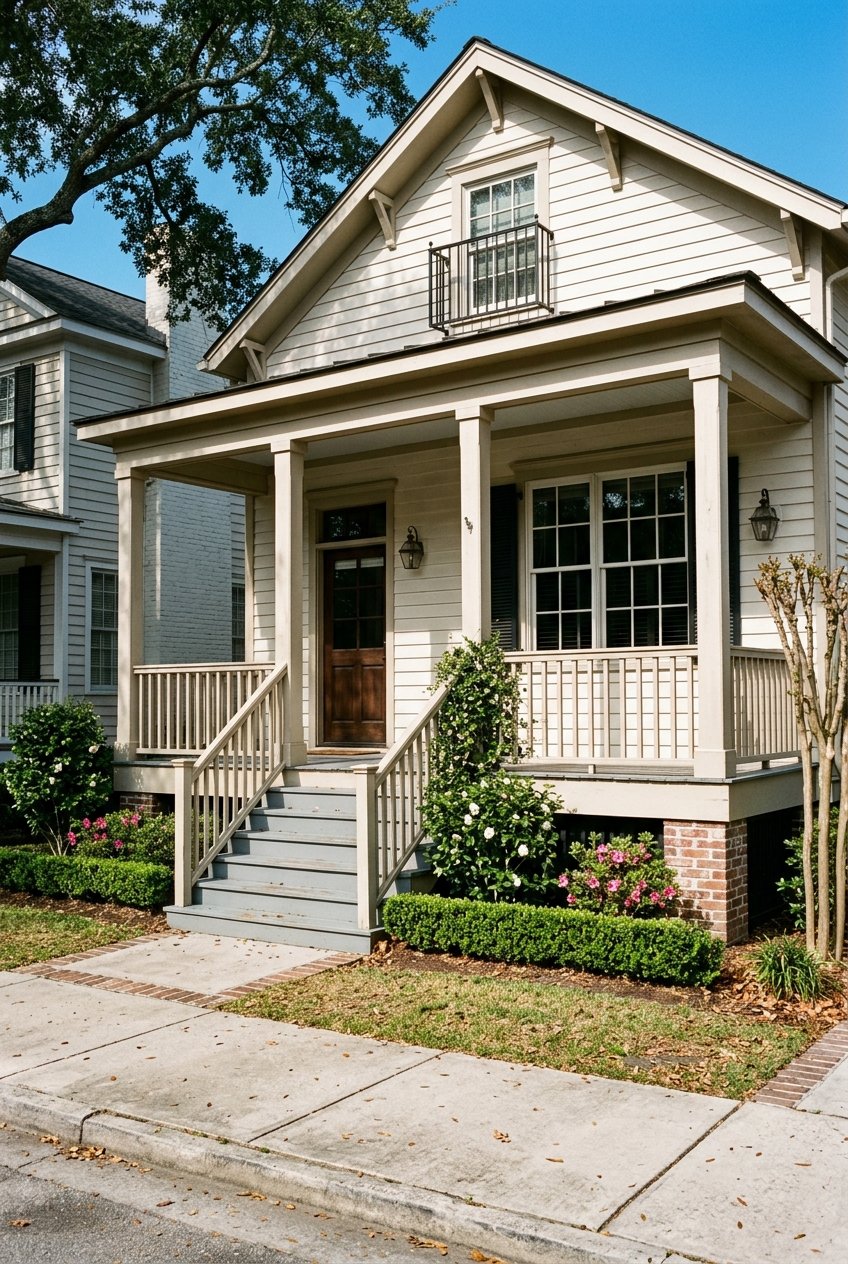
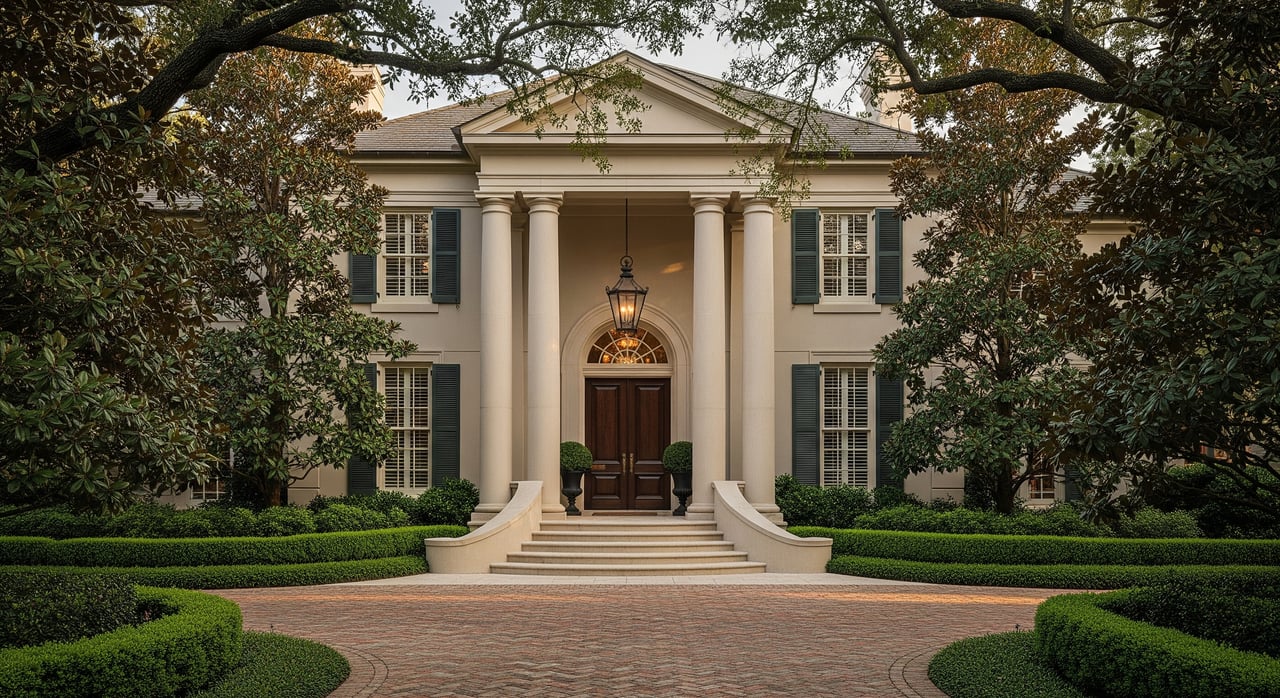
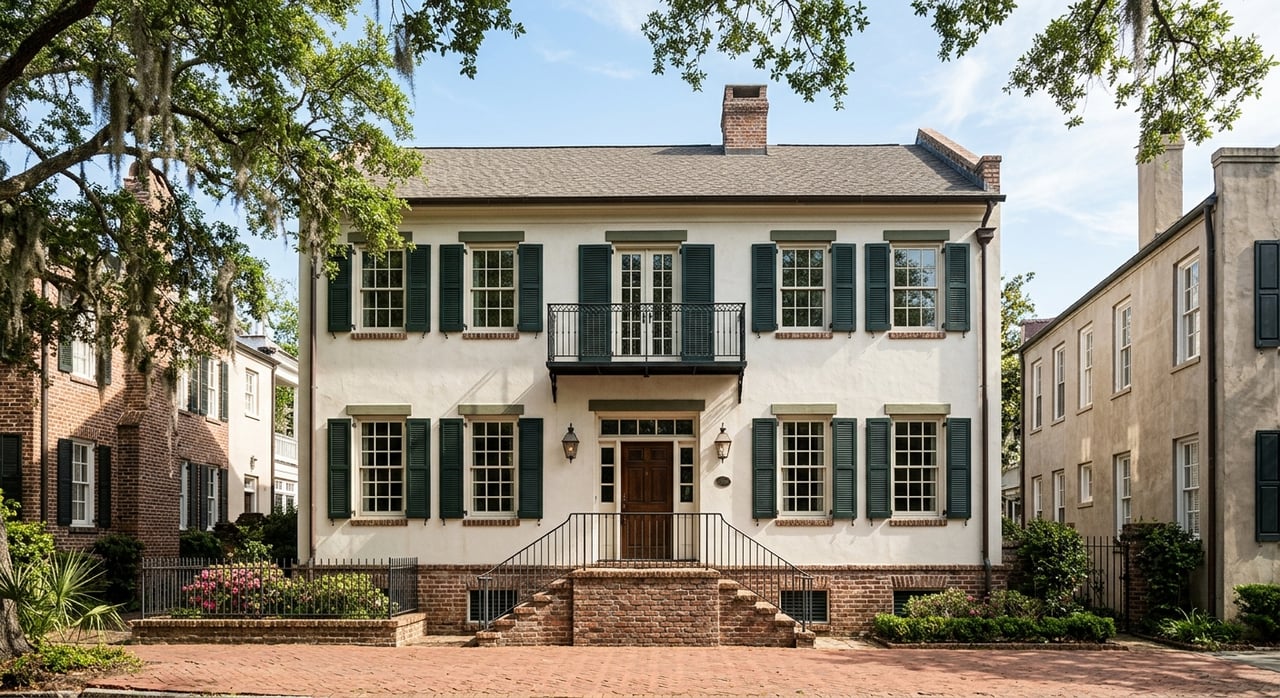
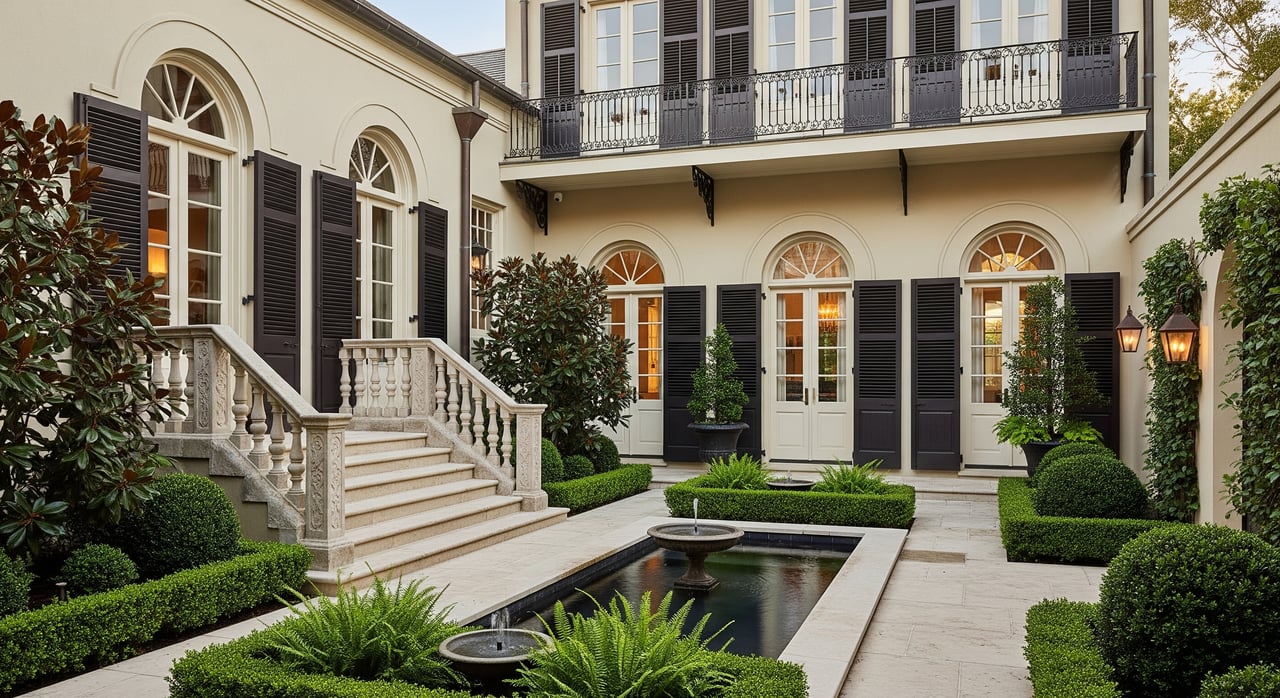
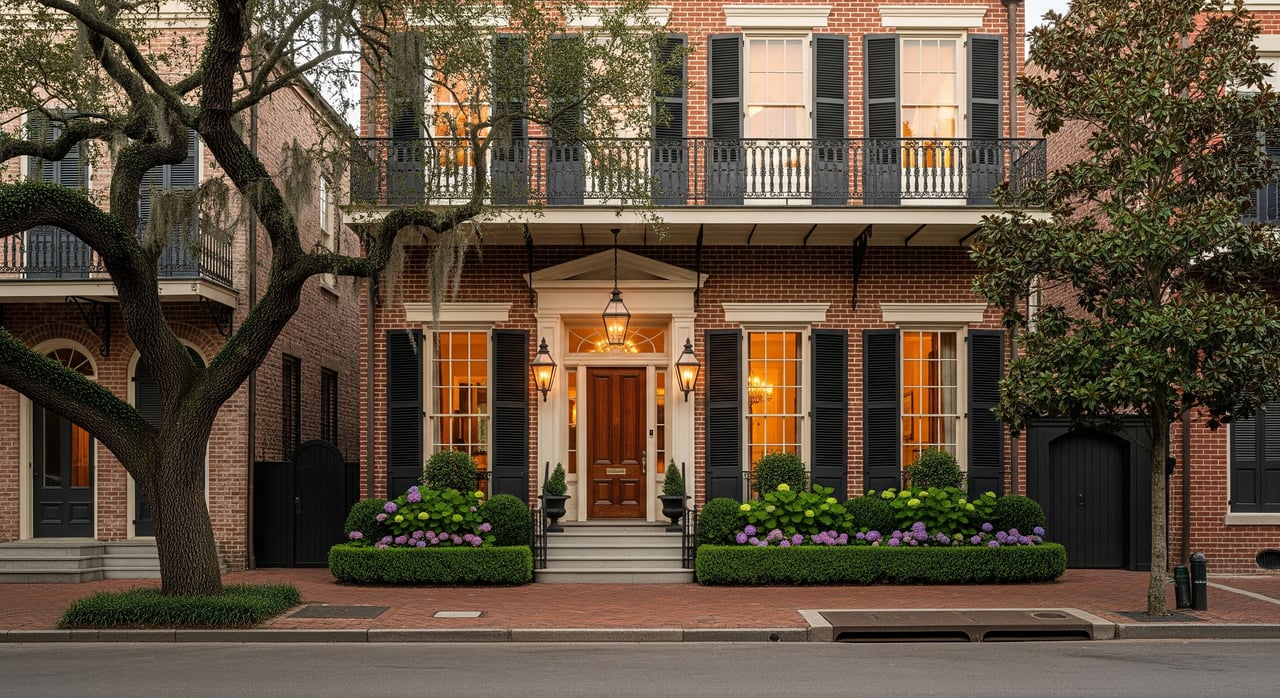
Uptown and Carrollton include historic single-family homes, larger residences along the St. Charles corridor, renovated shotguns, and some river-adjacent properties. Higher square footage, architectural detail, and location premiums often elevate price points. That means your loan amount can cross the conforming threshold more often than in other parts of New Orleans.
Your down payment strategy matters here. A higher down payment may keep you within conforming range even at a higher price, while a smaller down payment can tip you into jumbo. Decide on your target loan amount before shopping so you can align your financing path with your home search.
How jumbo underwriting differs
Jumbo loans come with stricter guidelines. Lenders evaluate your full financial picture and the property’s characteristics with more scrutiny, especially in historic neighborhoods.
Credit score expectations
- Many lenders price their best jumbo options for mid to high 700s.
- Some lenders consider scores in the low 700s with added reserves or pricing adjustments.
- Clean credit history and low utilization help your approval and rate.
Down payment and LTV
- Common minimums range from 10 to 20 percent, depending on profile and loan size.
- For very large jumbo balances, 20 to 30 percent or more may be required.
- Private mortgage insurance usually is not available above conforming limits, so lenders lean on larger down payments instead.
Debt-to-income ratios
- Conservative caps often fall around 36 to 43 percent for full documentation files.
- Some lenders may allow higher DTIs with compensating factors like high reserves or strong income stability.
Cash reserves
- Expect to document 6 to 12 months of total housing payments in reserves.
- Higher loan amounts or more complex profiles can trigger even larger reserve requirements.
Documentation depth
- Full income documentation is standard: W-2s, pay stubs, and two years of tax returns.
- Self-employed buyers typically need two years of returns and may consider alternative documentation options through non-QM products.
- Lenders verify liquid assets carefully and require paper trails for large deposits or gift funds.
Appraisal rigor
- Unique historic homes with few direct comparables can require advanced appraisal methods.
- Some lenders may order a second appraisal or a lender review for quality control.
- If repairs are flagged, you may need repair escrows or to complete items before closing.
Rates and pricing
- Jumbo rates are not always higher than conforming rates. Pricing depends on the market and your qualifications.
- Strong borrowers sometimes receive rates comparable to conforming programs.
- Shop multiple lenders to understand your options.
Uptown and Carrollton property factors
Homes in Uptown and Carrollton bring charm and character, but they also introduce underwriting details you’ll want to anticipate.
Historic homes and valuations
Many properties fall within historic districts or carry preservation considerations. Appraisers may weigh restoration quality, material authenticity, and functional updates against limited comparable sales. Expect close attention to condition, permitted modifications, and any restrictions that affect future changes.
Flood risk and insurance
Large areas of New Orleans sit within FEMA flood zones. Your lender will order a flood determination, and if the home is in a Special Flood Hazard Area, flood insurance will be required. For higher-value properties, the cost and structure of coverage can influence your approval and reserves, and an elevation certificate may be useful for rating.
Condos and HOAs
For Uptown condos, lenders review HOA health, reserves, insurance, and rules that affect marketability. You will need HOA documents and insurance details early to avoid surprises. Higher-priced condo purchases may require additional reserves.
Title, easements, and covenants
Older properties can have complex title histories. Lenders require standard title insurance and may request endorsements. Historic covenants, preservation restrictions, or easements should be surfaced early to prevent closing delays.
Lenders and products you’ll see
Different lender types serve jumbo buyers across Uptown and Carrollton. The right fit depends on your profile and the property.
Fixed vs ARM options
- Fixed-rate jumbos offer payment stability across 15, 20, or 30 years.
- Adjustable-rate mortgages can start with a lower initial rate and periodic adjustments later.
- Work with your lender to map the product to your time horizon and risk tolerance.
Portfolio banks and credit unions
- Regional and community institutions sometimes hold jumbos in portfolio.
- These lenders may offer flexible overlays and local knowledge, which can help with unique homes.
Mortgage brokers and non-QM options
- Brokers can shop multiple wholesale lenders, including non-QM products.
- Nontraditional income, bank statement loans, and asset-based programs exist but usually carry higher costs and stricter reserves.
Construction-to-permanent and bridge
- If you plan a high-end renovation or new build, ask about construction-to-permanent structures.
- Bridge financing can be helpful if you are buying before selling, subject to conservative jumbo underwriting.
Your step-by-step plan
Follow this practical roadmap to keep your Uptown purchase on track.
- Clarify your budget and loan amount
- Decide on a down payment range and a maximum monthly payment you can carry comfortably.
- Use that to estimate your likely loan amount.
- Confirm the conforming limit for Orleans Parish
- Ask your lender for the current limit or check the FHFA website.
- If your estimated loan exceeds that number, you will need a jumbo product.
- Get a true preapproval, not just prequalification
- Provide full documentation upfront so underwriting mirrors the final approval.
- Self-employed buyers should expect to submit two years of federal returns.
- Prepare for reserves and closing costs
- Set aside funds for required reserves and closing fees.
- Plan for appraisal costs, potential surveys, and insurance premiums.
- Assemble your documentation
- Two years of tax returns and all schedules, W-2s, pay stubs.
- Two to three months of bank and investment statements, with explanations for large deposits.
- Gift letters if applicable, and retirement account statements.
- Evaluate insurance early
- Obtain homeowners and, if required, flood insurance quotes based on preliminary details.
- Ask about elevation certificates or mitigation steps that could affect coverage and price.
- Anticipate appraisal and property specifics
- Unique historic features can complicate valuation. Share relevant permits or renovation records.
- If the property needs repairs, plan for timing and cash requirements.
- Discuss rate strategy and lock timing
- Jumbo files can take longer. Explore extended lock options or float-down features if available.
- Coordinate your lock with inspection and appraisal milestones.
- Build in time for closing
- Expect 30 to 60 days or more from application to closing for a jumbo loan.
- Proactive communication with your lender, title, and insurance providers helps keep the file moving.
Costs to plan for in Orleans Parish
Budget realistically to avoid last-minute stress.
- Larger down payment to meet jumbo LTV requirements.
- Closing costs, including lender fees, title, and recording.
- Appraisal fees and potential second appraisal requirements.
- Survey and elevation certificate if needed.
- Homeowners insurance and, if required, flood insurance.
- HOA dues and assessments for condos.
- Property taxes and any special assessments.
- Repair escrows or priority fixes if flagged by the appraiser.
Common mistakes to avoid
A few misses can slow or derail a jumbo approval. Here is how to stay ahead.
- Making large, unexplained deposits without a documented paper trail.
- Changing jobs or income structures mid-transaction.
- Opening new credit or increasing balances before closing.
- Underestimating insurance costs for flood or historic homes.
- Waiting to order documents like HOA packages or elevation certificates until late in the process.
Ready to move forward?
Buying in Uptown or Carrollton often means balancing neighborhood character with careful financing. When you understand how jumbo loans work and you prepare early, you put yourself in position to act decisively on the right property. If you want a local, detail-forward plan for your search and purchase, connect with Ashley Nesser to talk through next steps.
FAQs
What is a jumbo loan in Orleans Parish?
- It is a mortgage that exceeds the FHFA’s conforming loan limit for the parish. Because it is above that limit, lenders apply stricter credit, reserve, and documentation standards.
How do I know if I need a jumbo in Uptown?
- Estimate your loan amount after your planned down payment and compare it to the current conforming limit for Orleans Parish. If your loan exceeds that number, you’ll need a jumbo product.
Are jumbo loan rates always higher in New Orleans?
- Not always. Depending on market conditions and your profile, jumbo rates can be similar to or slightly higher than conforming rates. Shopping multiple lenders helps you find competitive pricing.
What down payment is typical for an Uptown jumbo?
- Many lenders require 10 to 20 percent down, and very large loan amounts can push that to 20 to 30 percent or more. The exact requirement depends on your credit, income, and reserves.
What documentation will lenders ask for on a jumbo?
- Expect two years of tax returns, W-2s, recent pay stubs, and two to three months of bank and investment statements. Self-employed buyers usually provide two years of returns, and all buyers should be ready to explain large deposits.
How do flood zones affect jumbo approvals in Uptown?
- If a property is in a Special Flood Hazard Area, your lender will require flood insurance. Coverage type and cost factor into your overall approval and reserve needs, so obtain quotes early.
Will historic status complicate my jumbo appraisal?
- It can. Unique features and limited comparable sales may require additional analysis or a second appraisal. Provide permits, renovation receipts, and clear condition reports to help the appraiser.
Can I get a jumbo with nontraditional income in Orleans Parish?
- Some lenders offer non-QM options, such as bank statement or asset-based loans. These programs often come with higher costs and reserve requirements and call for experienced underwriting.