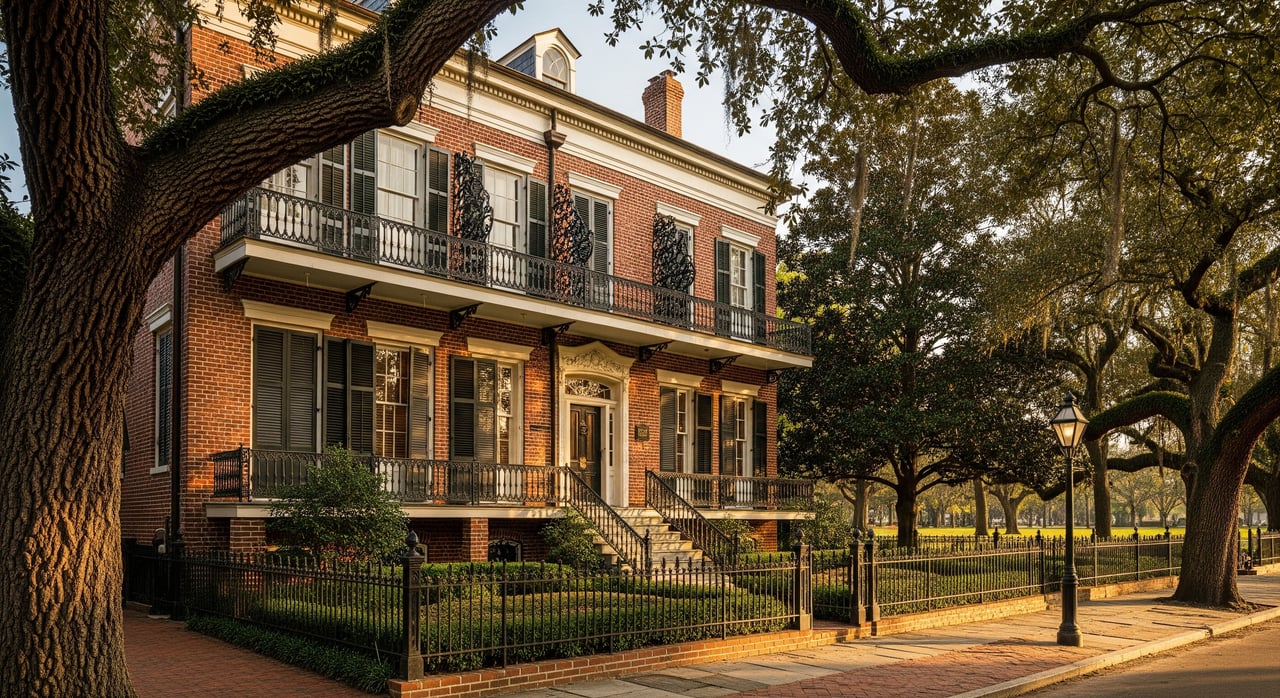
What does a typical day look like when you live steps from Audubon Park? Picture oak-shaded mornings, quick coffee runs, and an easy stroll to the loop or the streetcar. If you love historic architecture, green space, and a lively yet comfortable routine, the Uptown Triangle around the park might fit your rhythm. In this guide, you’ll learn how daily life flows, what homes look like, how the market behaves, and the practical tradeoffs to weigh. Let’s dive in.
Where Audubon Park fits in Uptown
Living near Audubon Park places you at a steady hub of New Orleans life. The park stretches along St. Charles Avenue on the river side and borders quiet residential streets and two universities on the land side. Tulane University and Loyola University New Orleans sit right next door, bringing steady energy, culture, and a student presence.
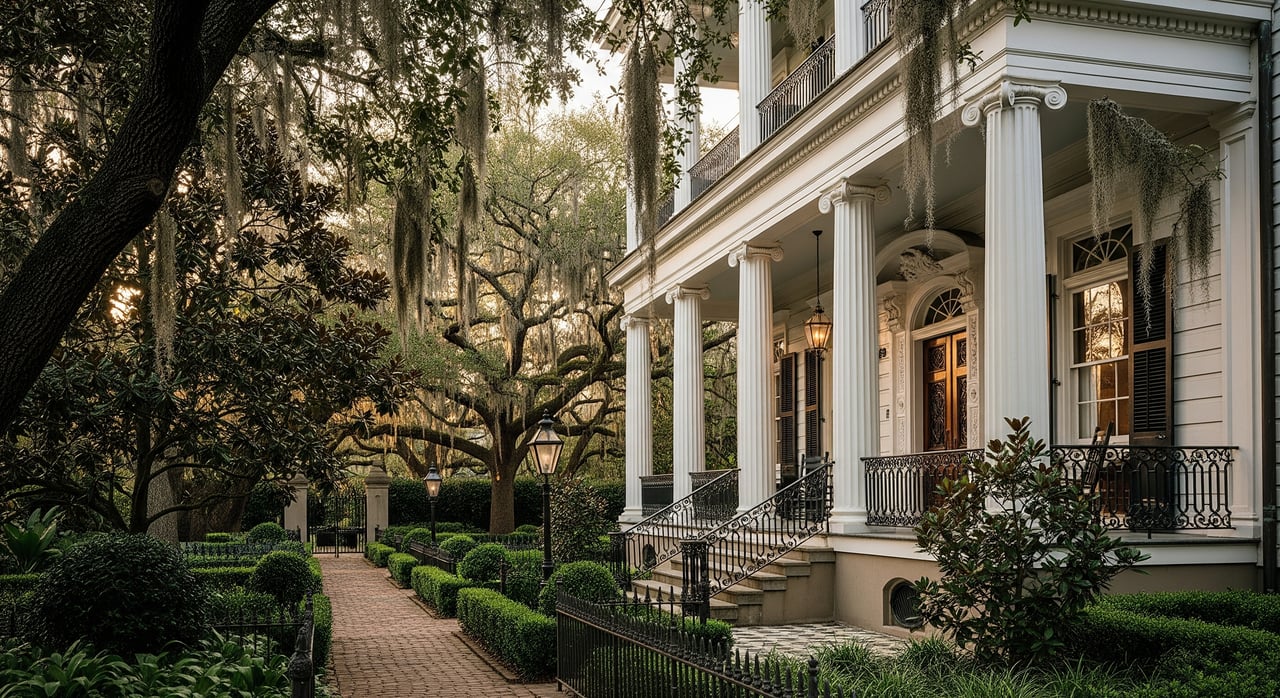
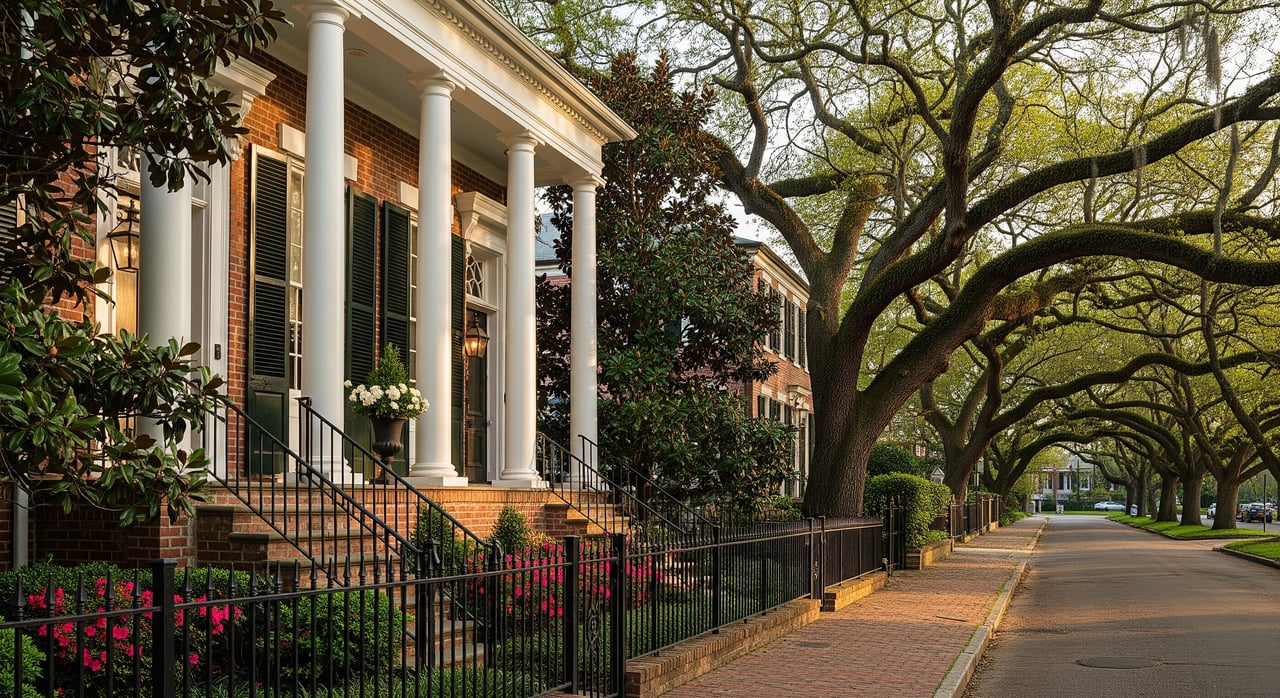
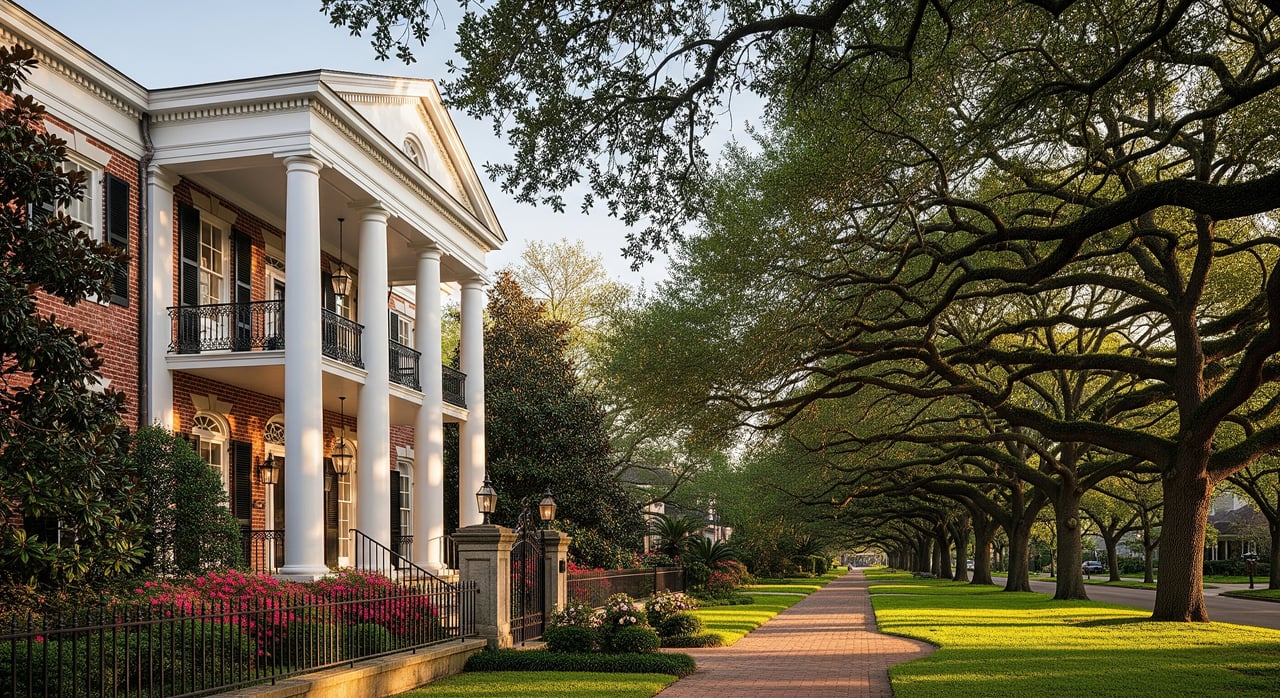
You’ll notice the area’s visual identity fast. Broad, oak-lined streets frame wide green spaces, lagoons, and formal lawns. Joggers, cyclists, and dog walkers set an outdoor pace most mornings and evenings. On weekends, families head to the park and the nearby Audubon Zoo for easy outings.
Daily life around the park
Morning routines and the park loop
Many days start under the live oaks. The loop draws runners and walkers, while open lawns invite yoga, frisbee, and low-key games. Dog owners make quick laps before school or work. The park connects people, so you’ll often bump into neighbors on repeat routines.
Getting around and commuting
The St. Charles Avenue streetcar offers a slow, scenic ride toward the Central Business District and French Quarter. Several bus routes serve the area too. Many residents still drive for errands or work. Travel times can shift with traffic and seasonal events, so plan a little flexibility.
Dining, shopping, and local services
You’re close to Magazine Street, plus pockets of shops and cafés along St. Charles and Carrollton. Expect a mix of casual eateries, destination restaurants, and independent boutiques. Services like groceries, pharmacies, and fitness studios are nearby, with a range that suits both long-time residents and the university crowd.
Culture and community events
Tulane and Loyola add lectures, performances, and community programming to your calendar. Audubon Zoo and the Audubon Nature Institute host family-friendly events. Neighborhood festivals, campus happenings, and holiday parades can bring lively bursts of activity, especially near the park.
Homes near Audubon Park
What you’ll see on each block
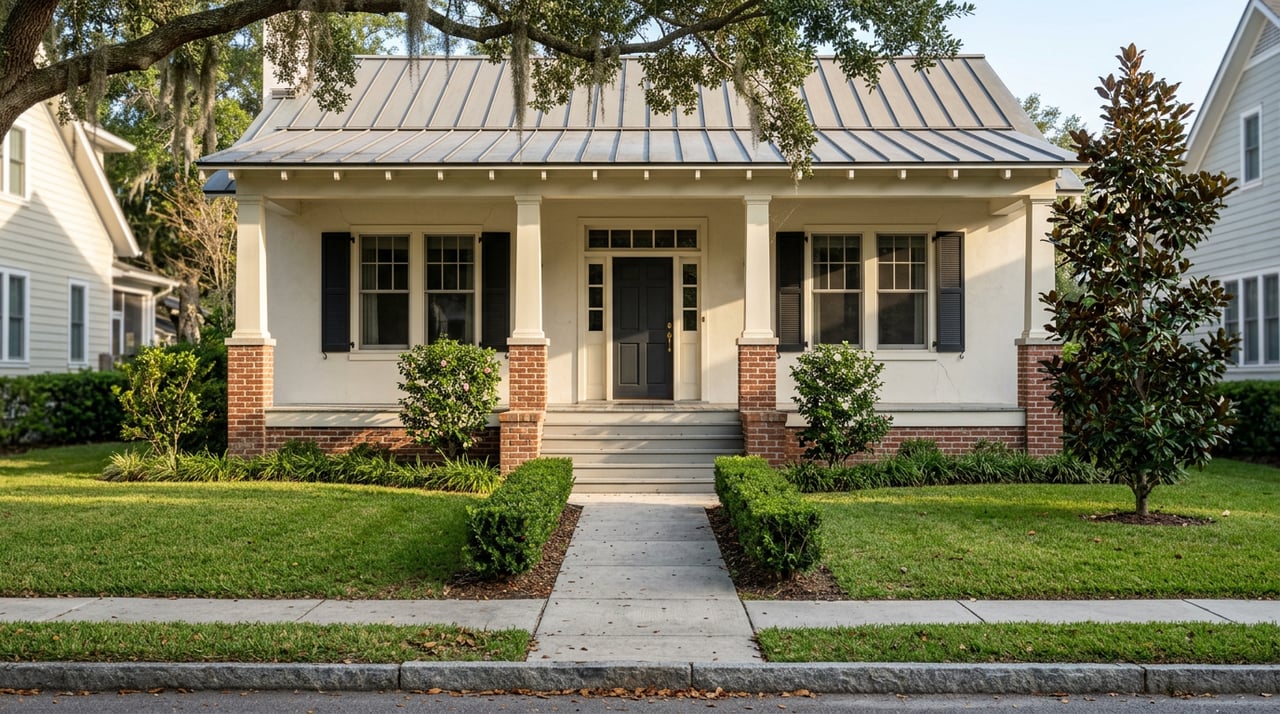
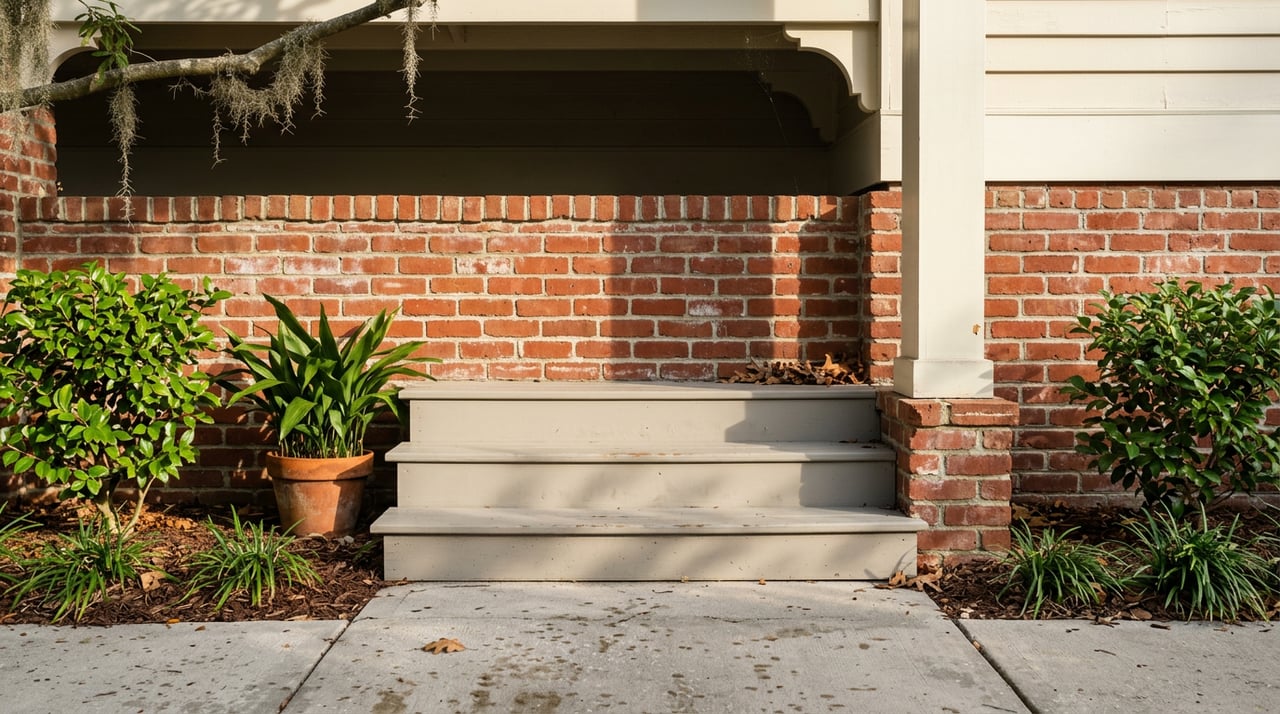
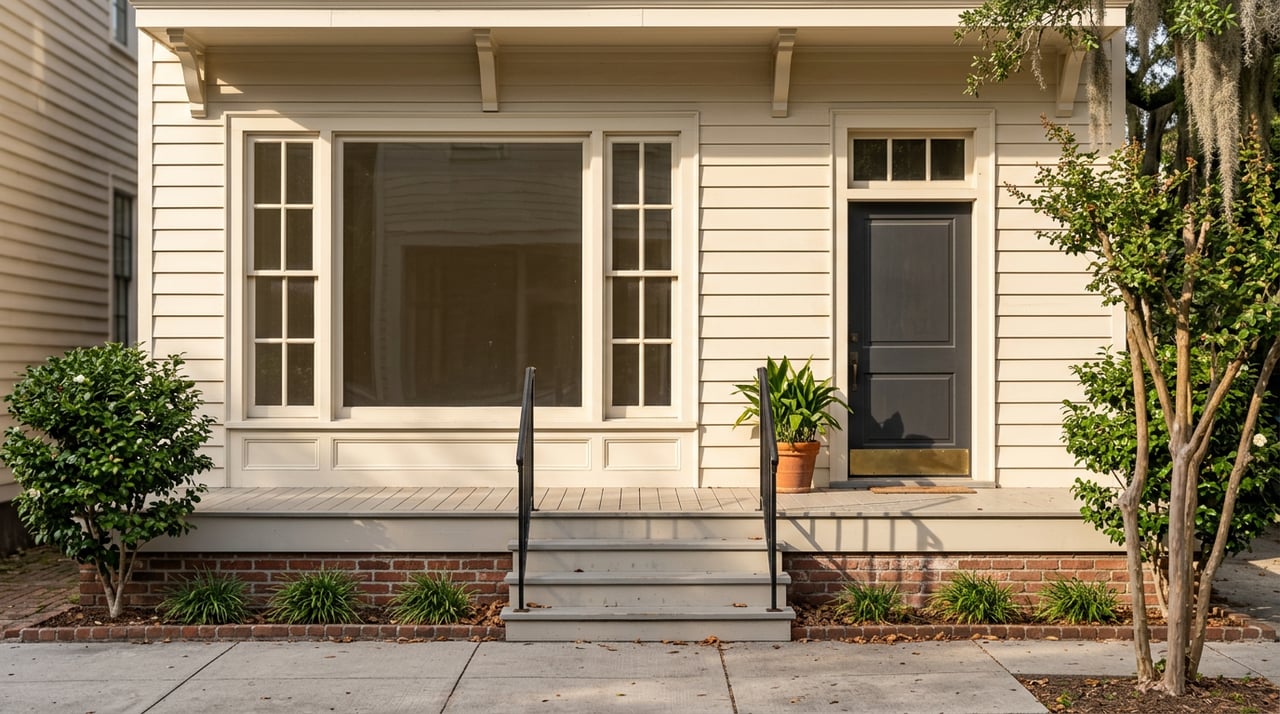
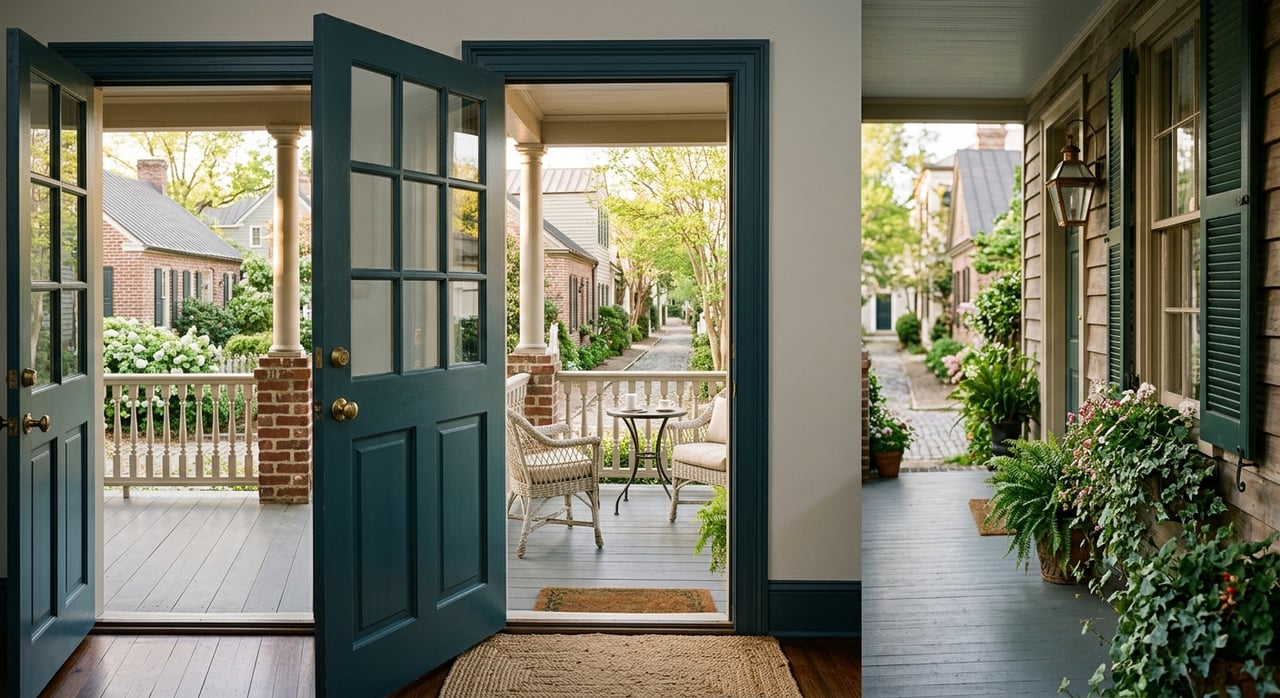
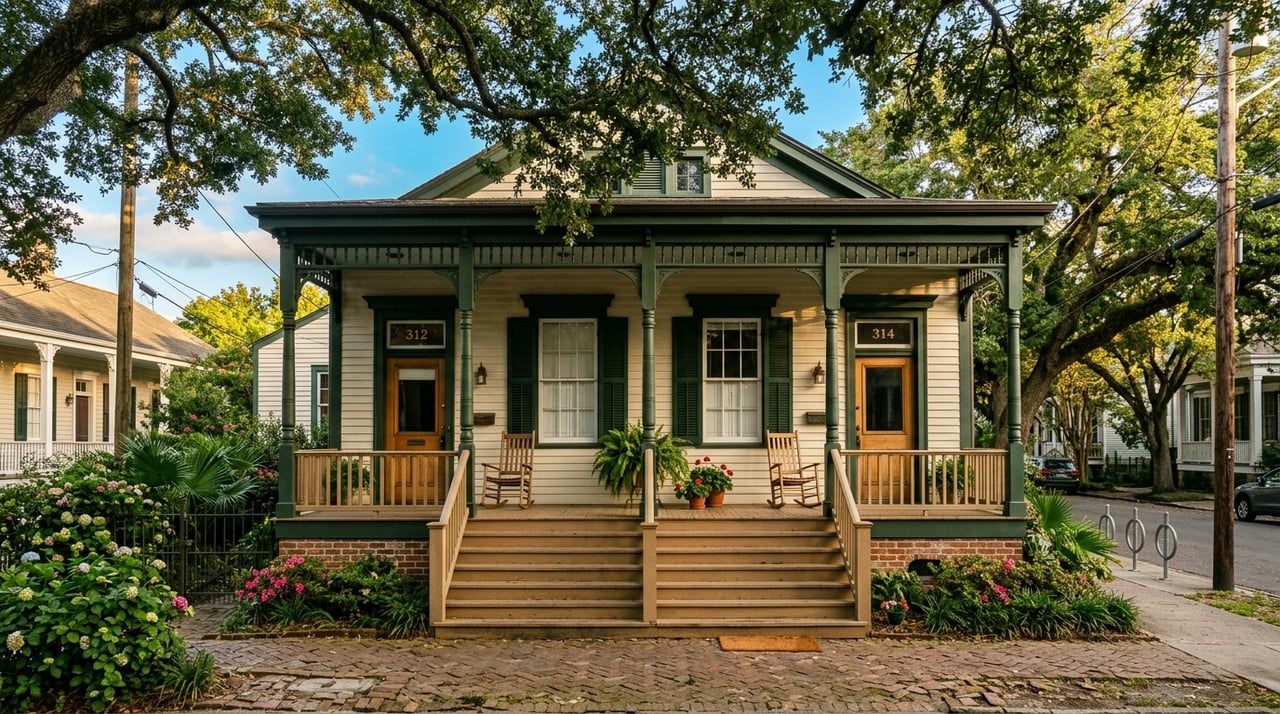
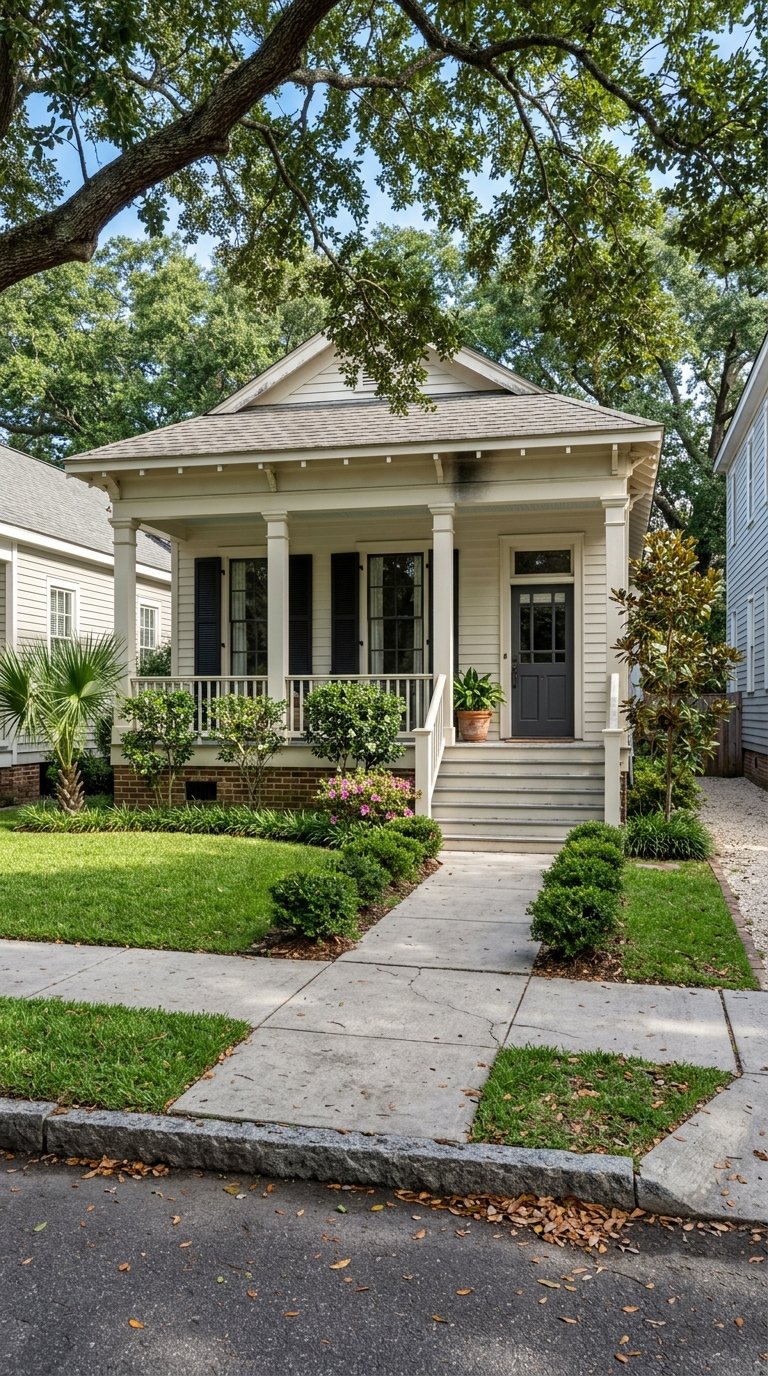
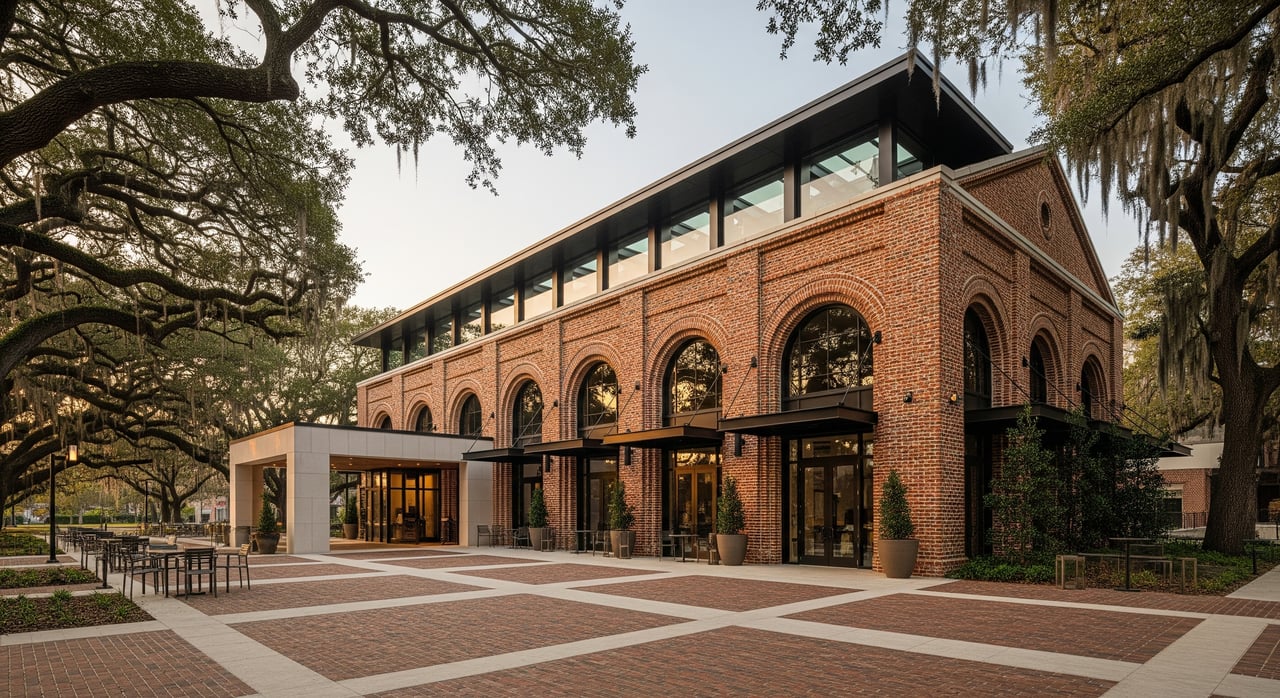
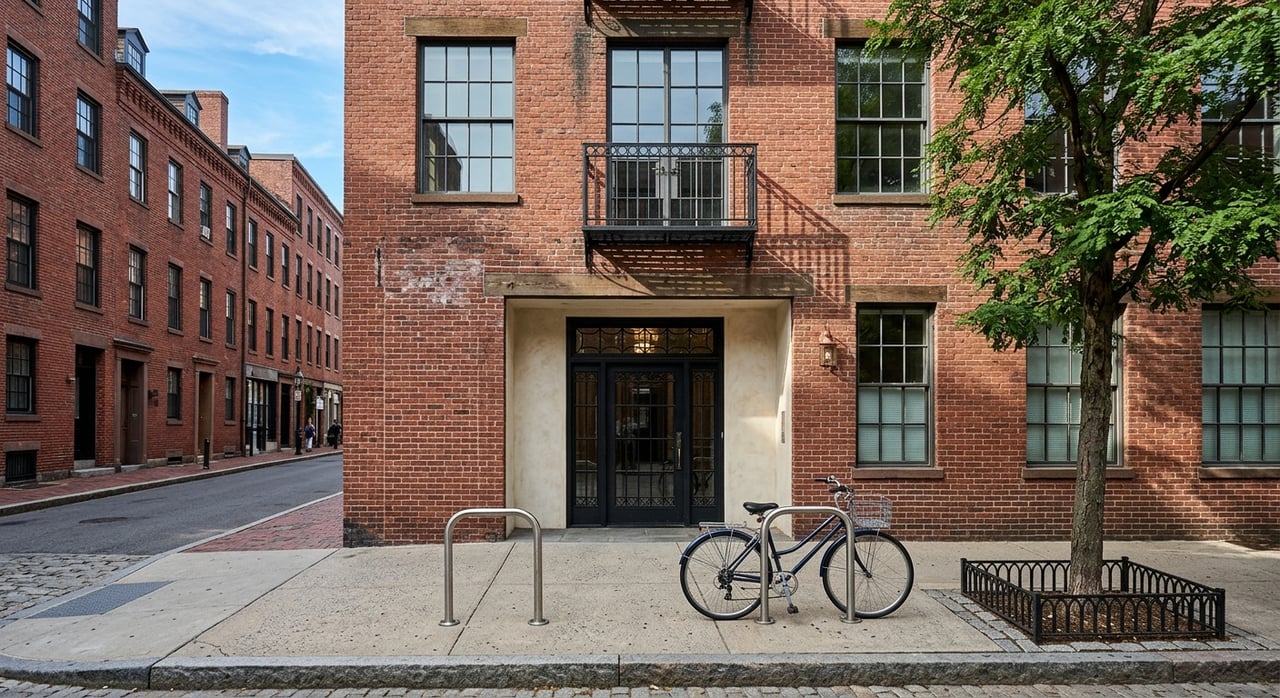
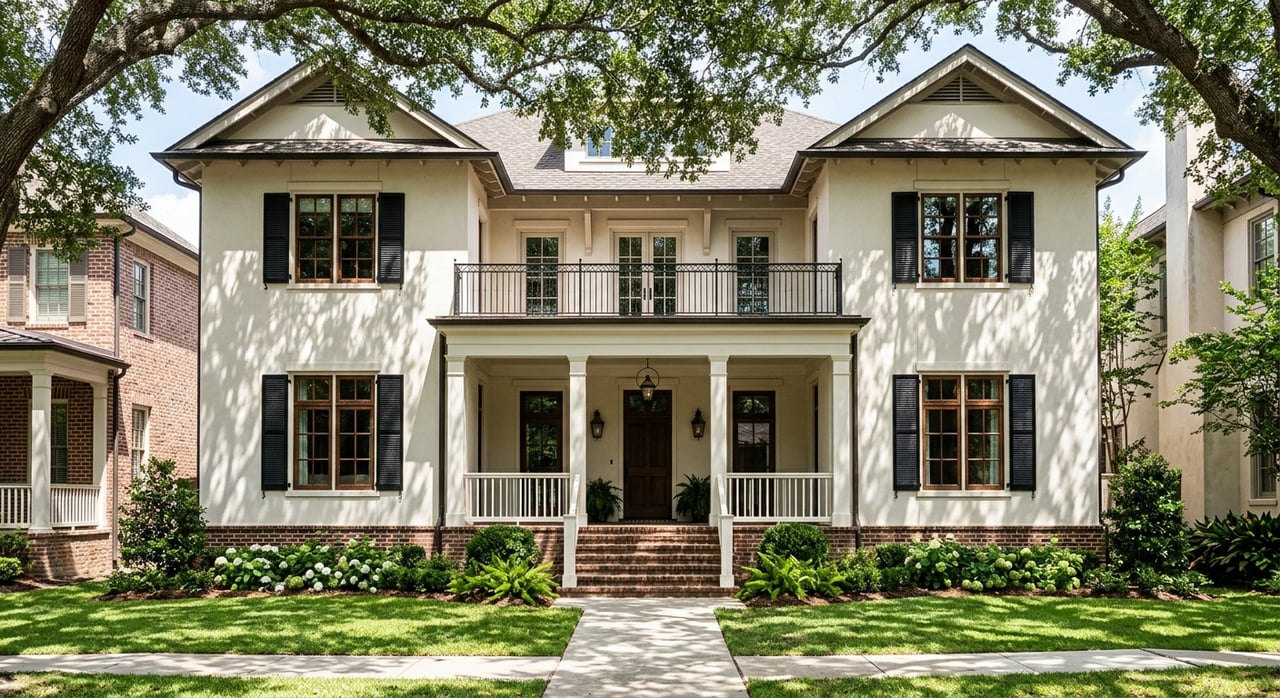
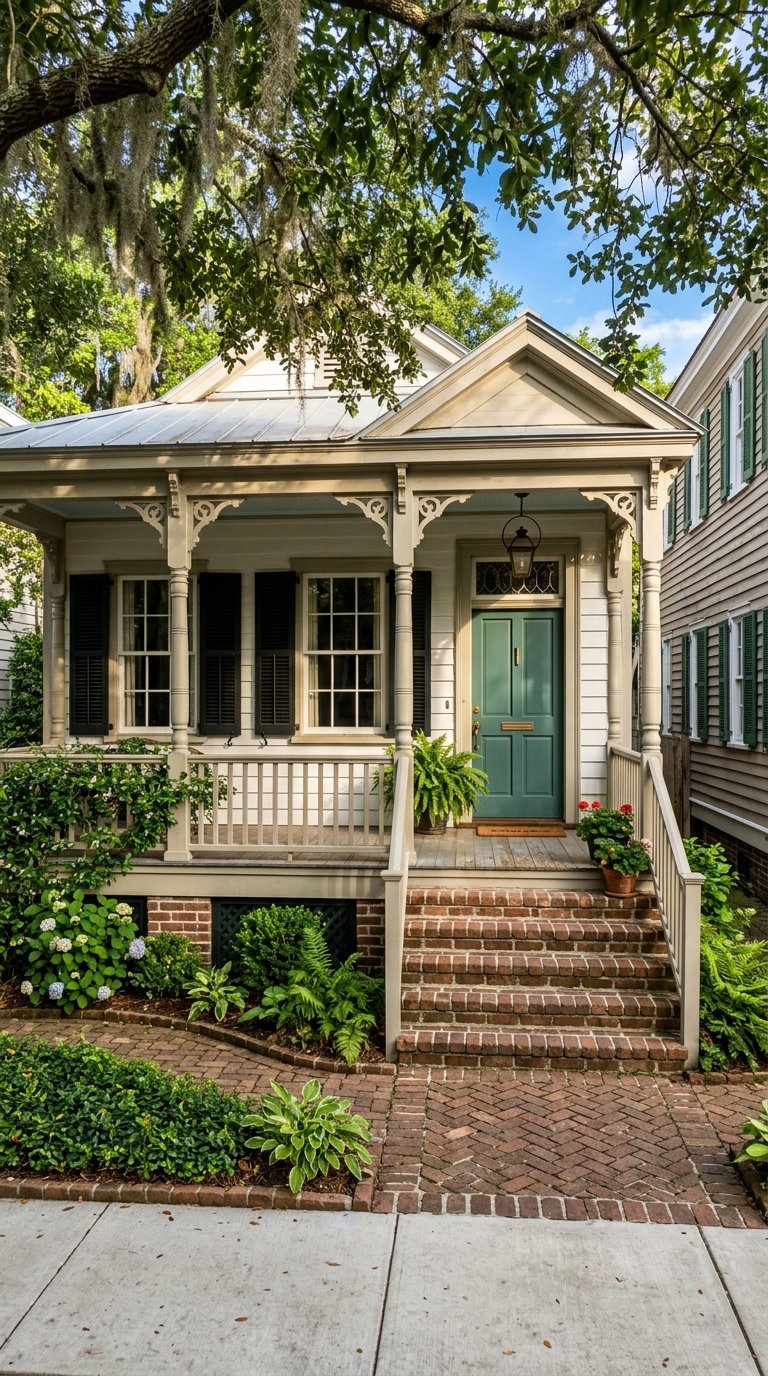
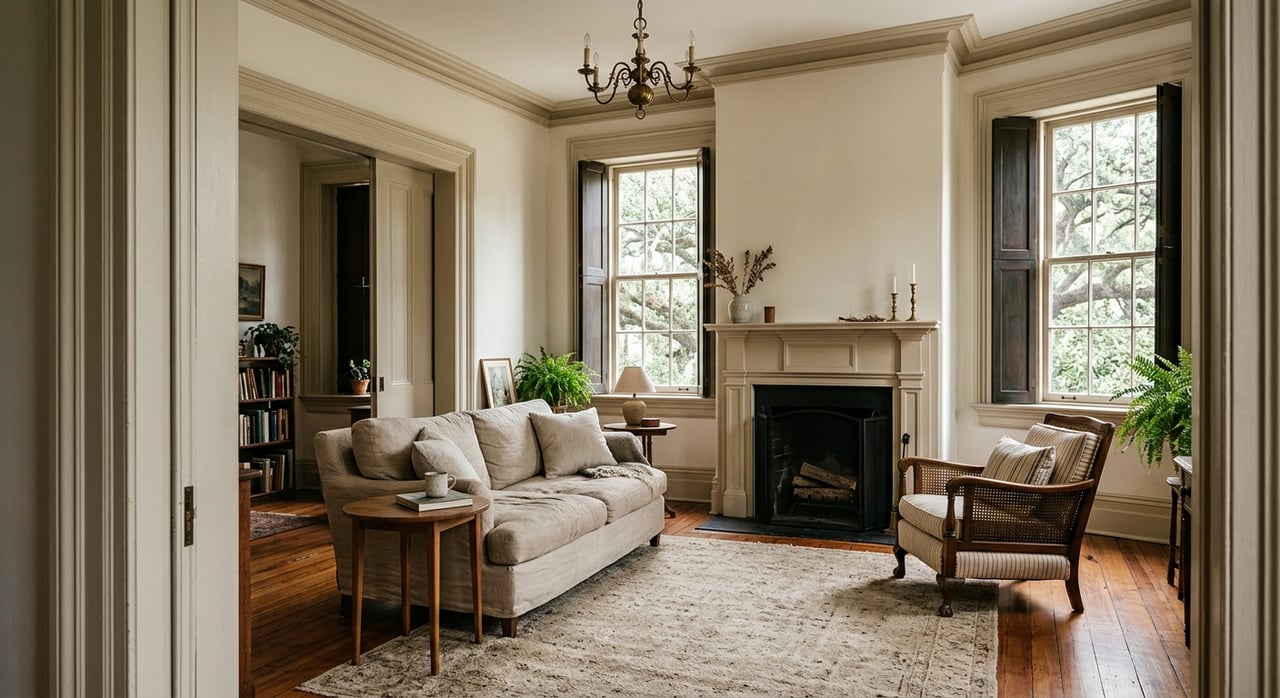
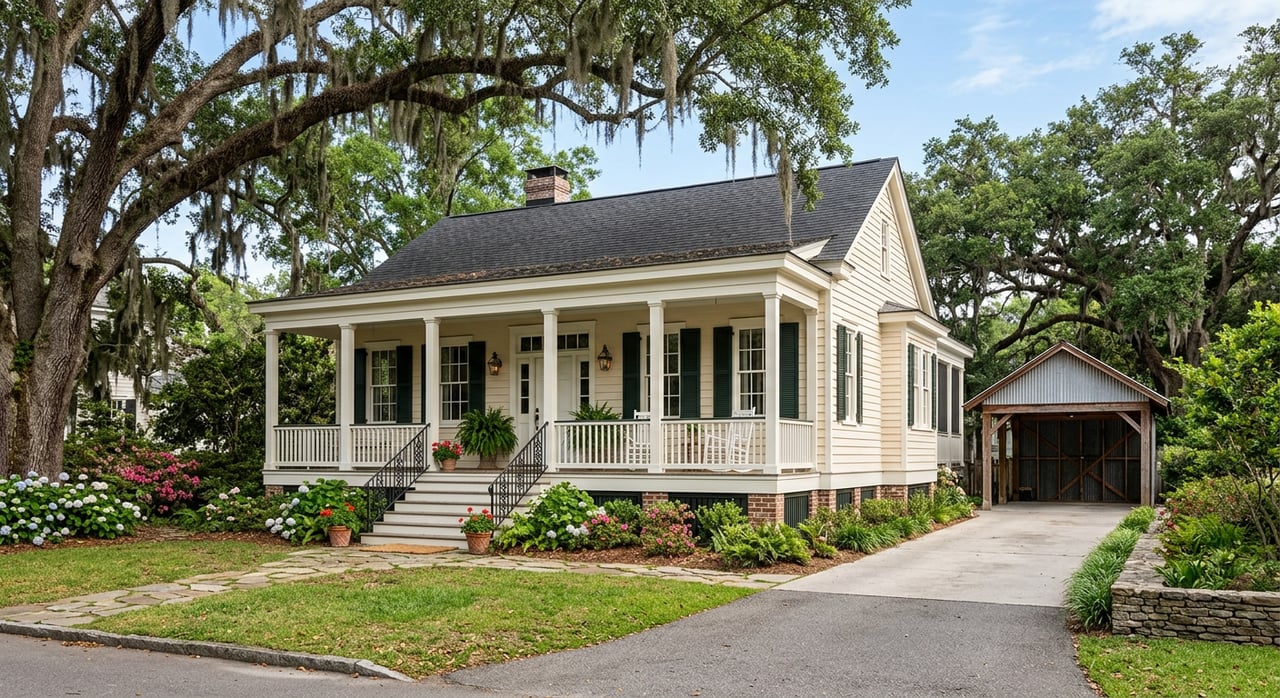
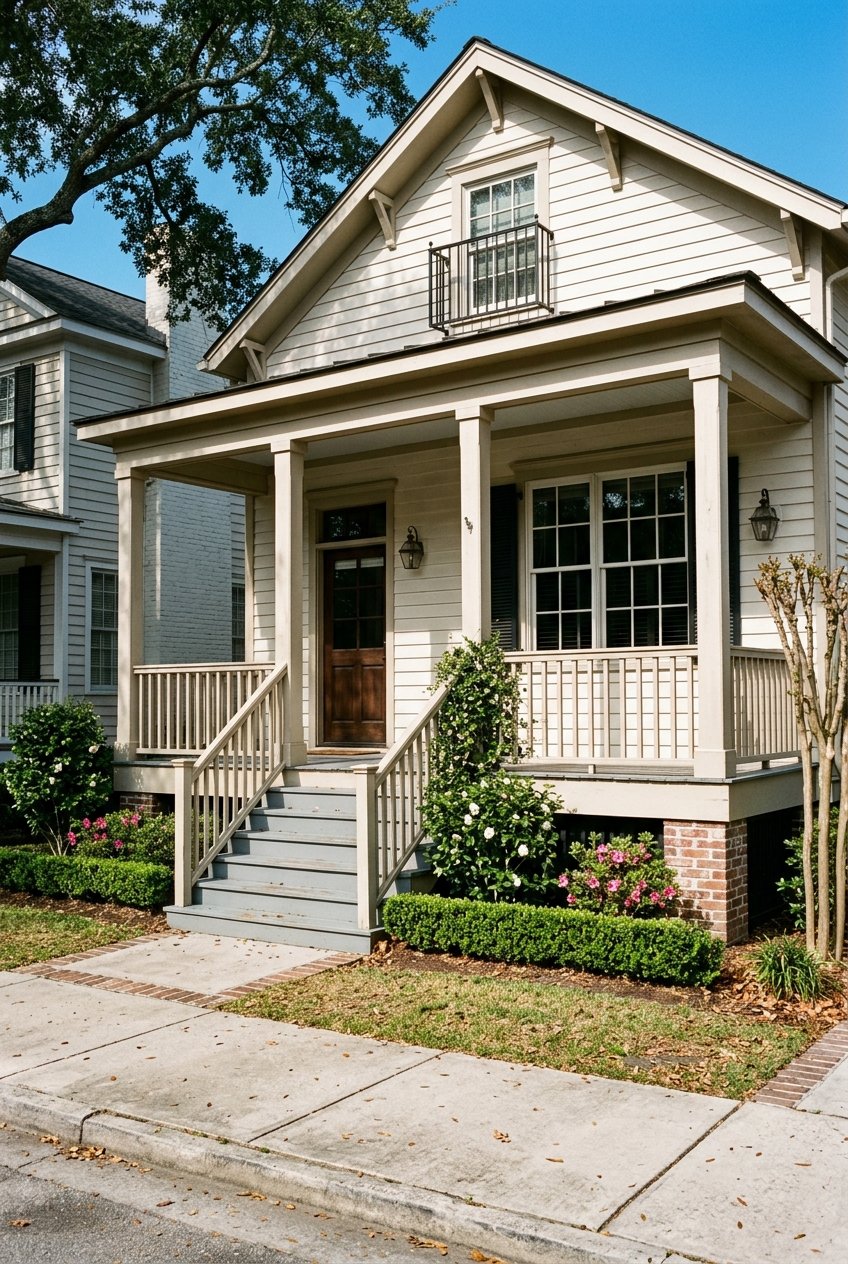
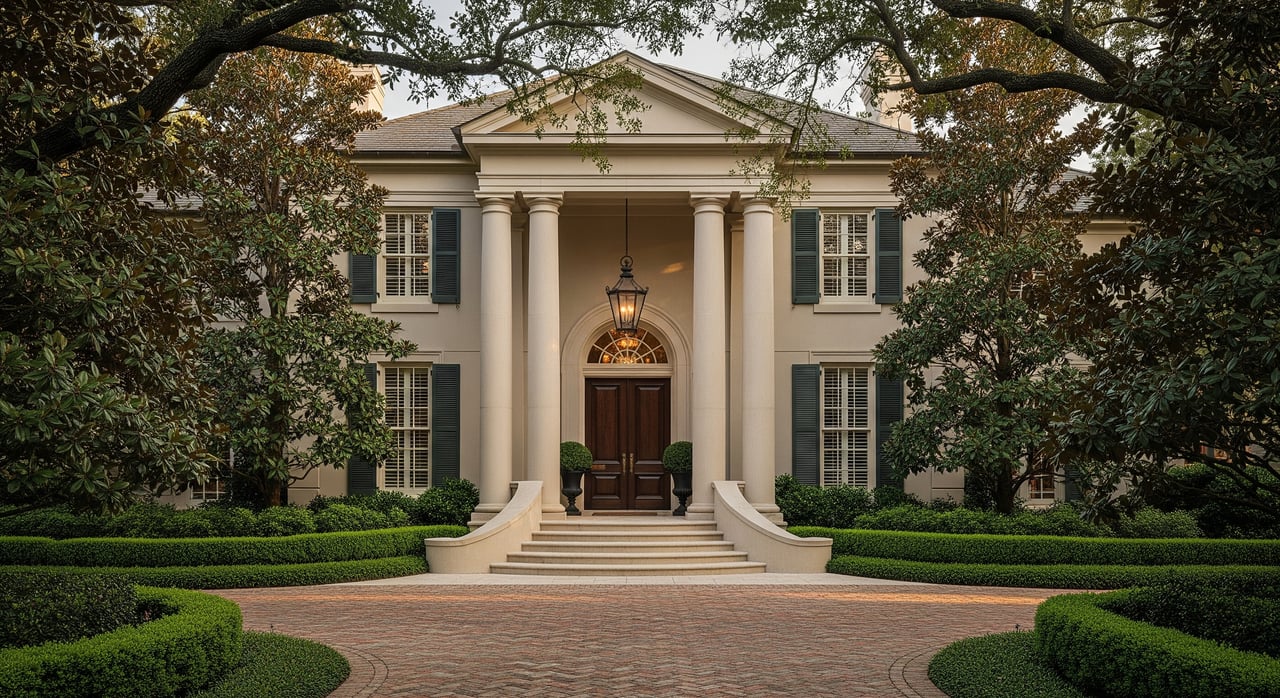
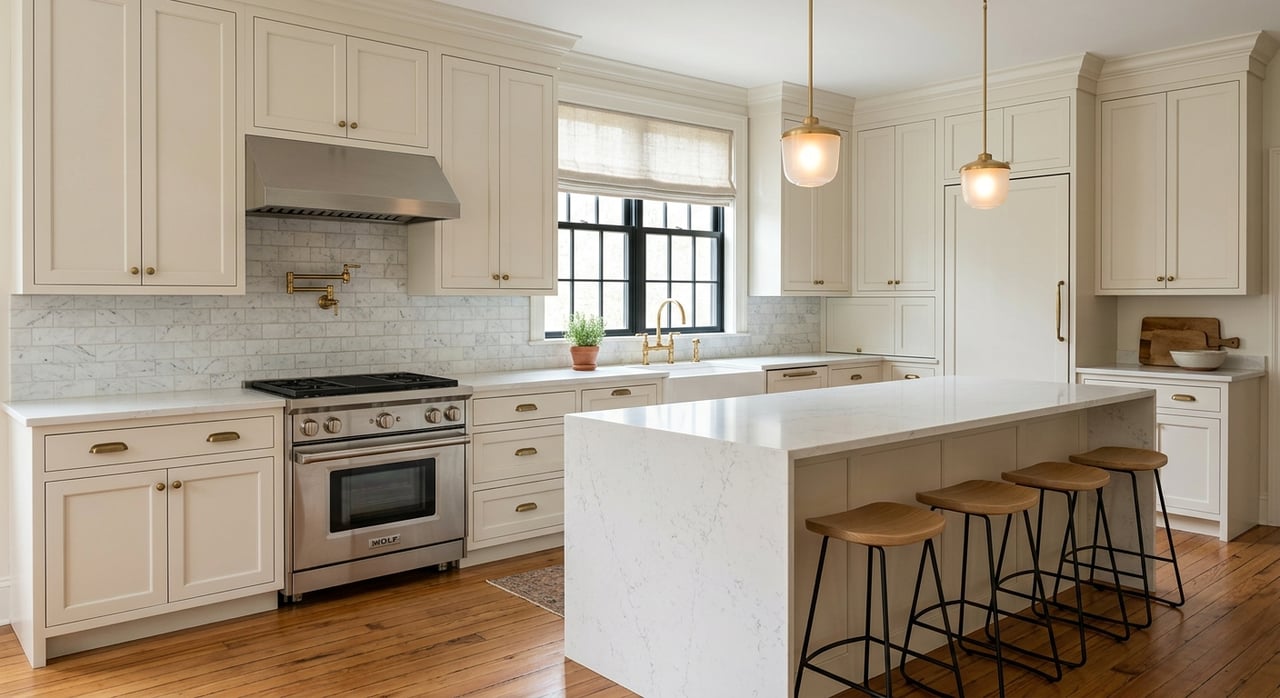
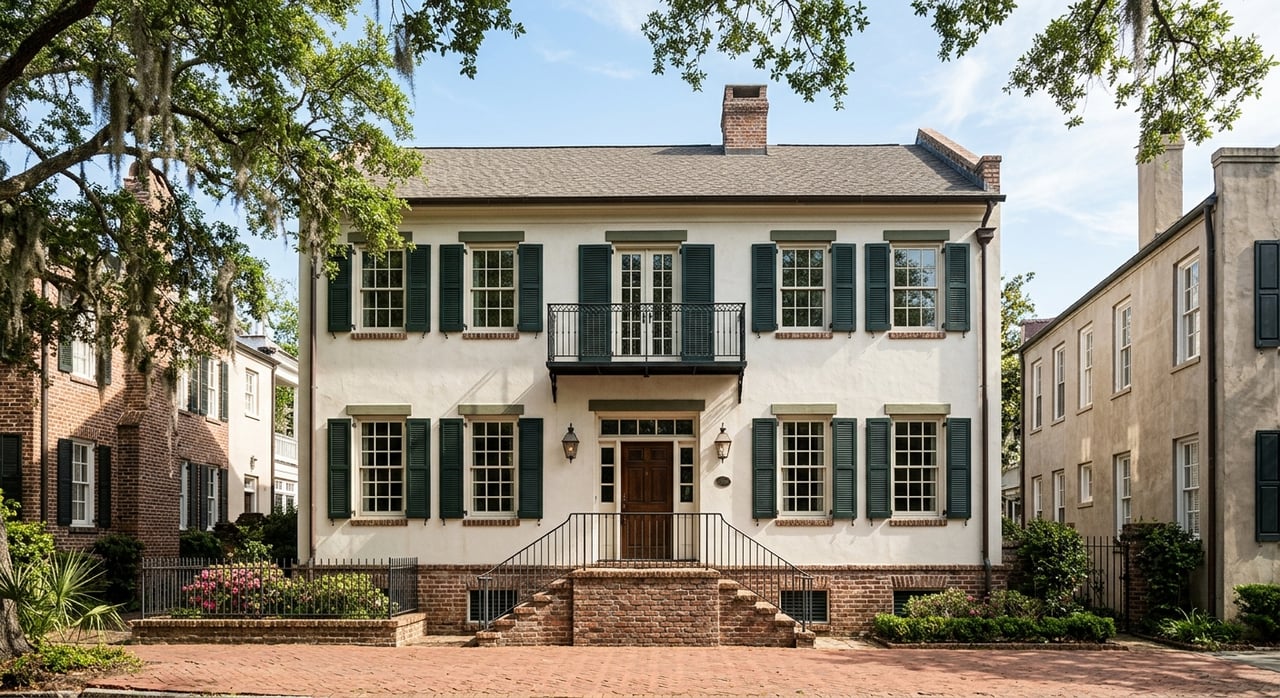
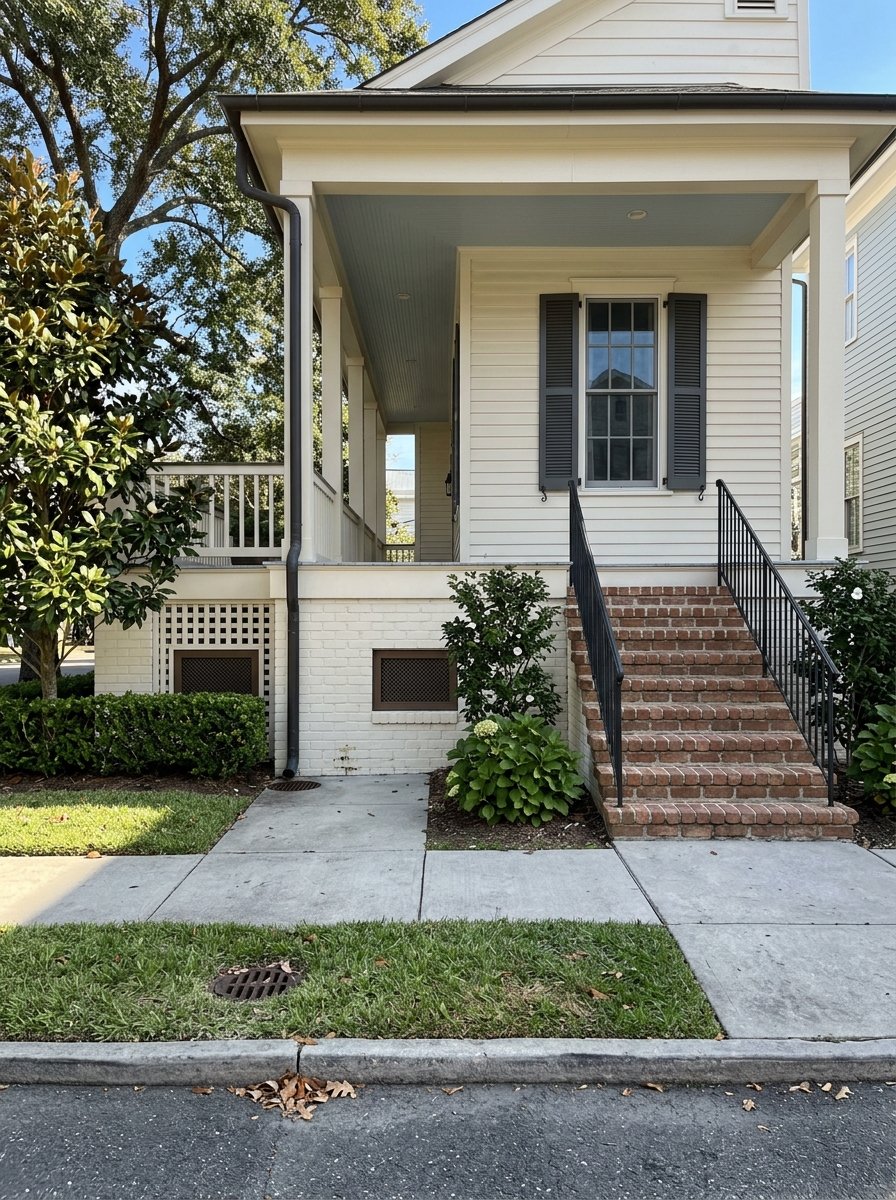
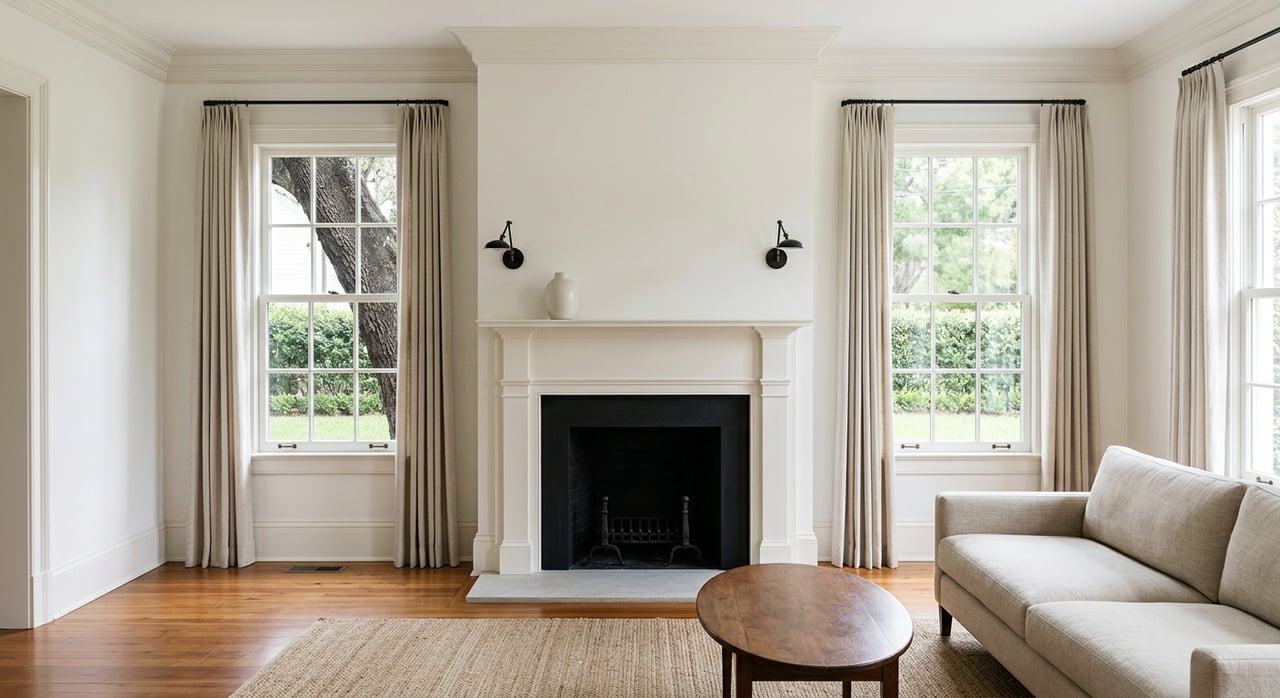
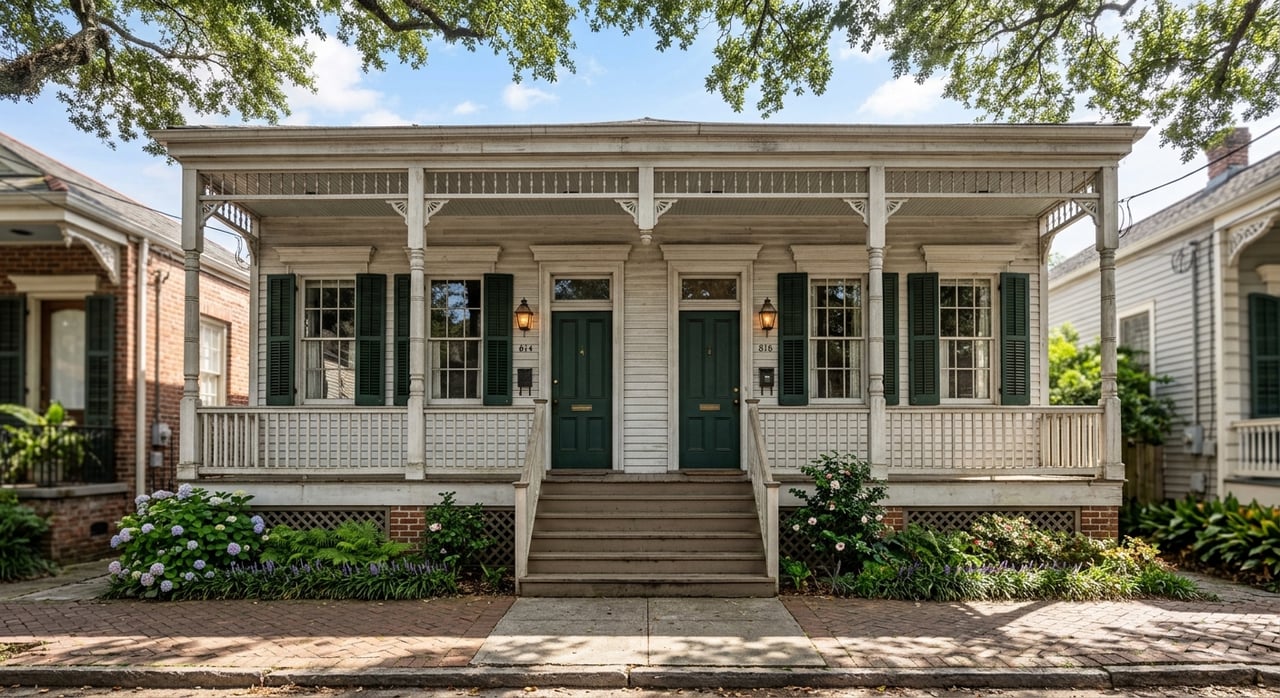
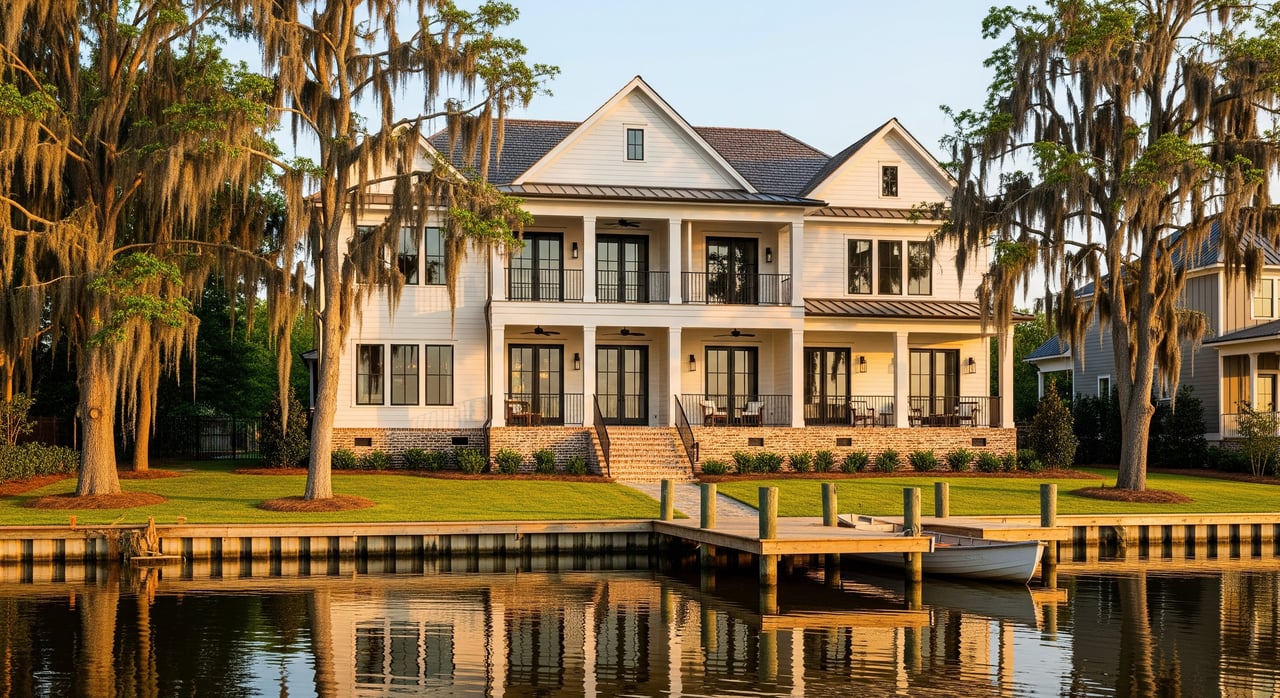
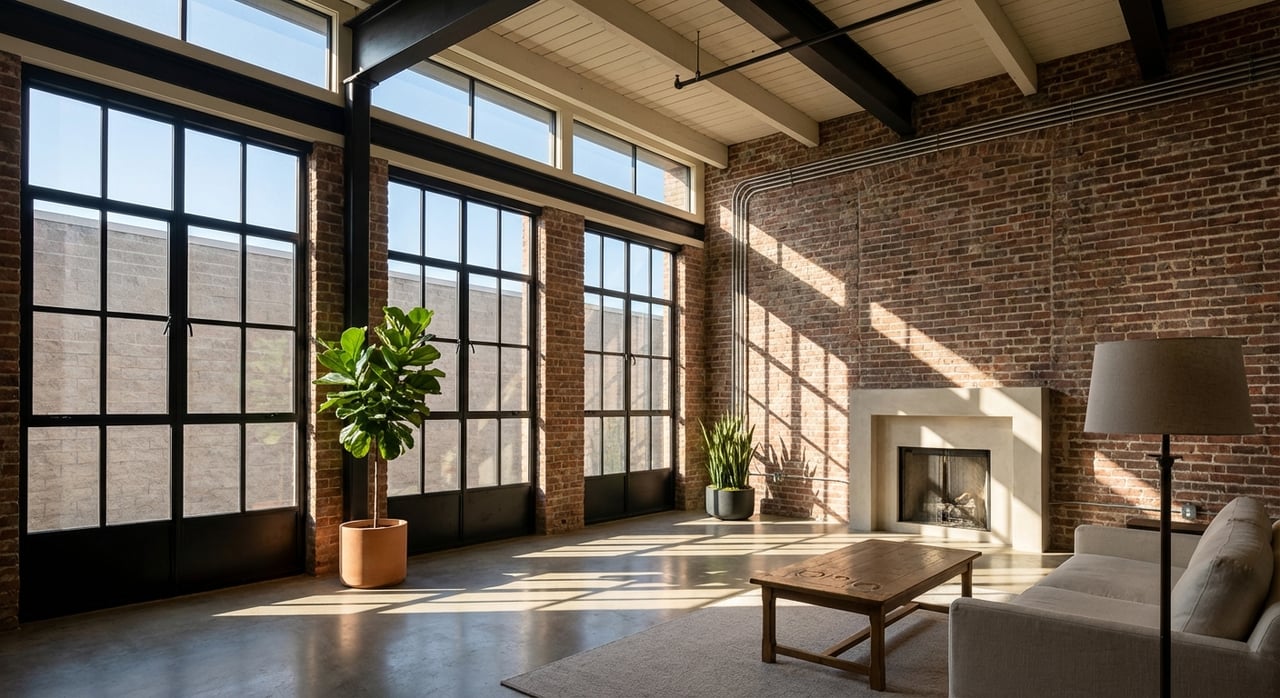
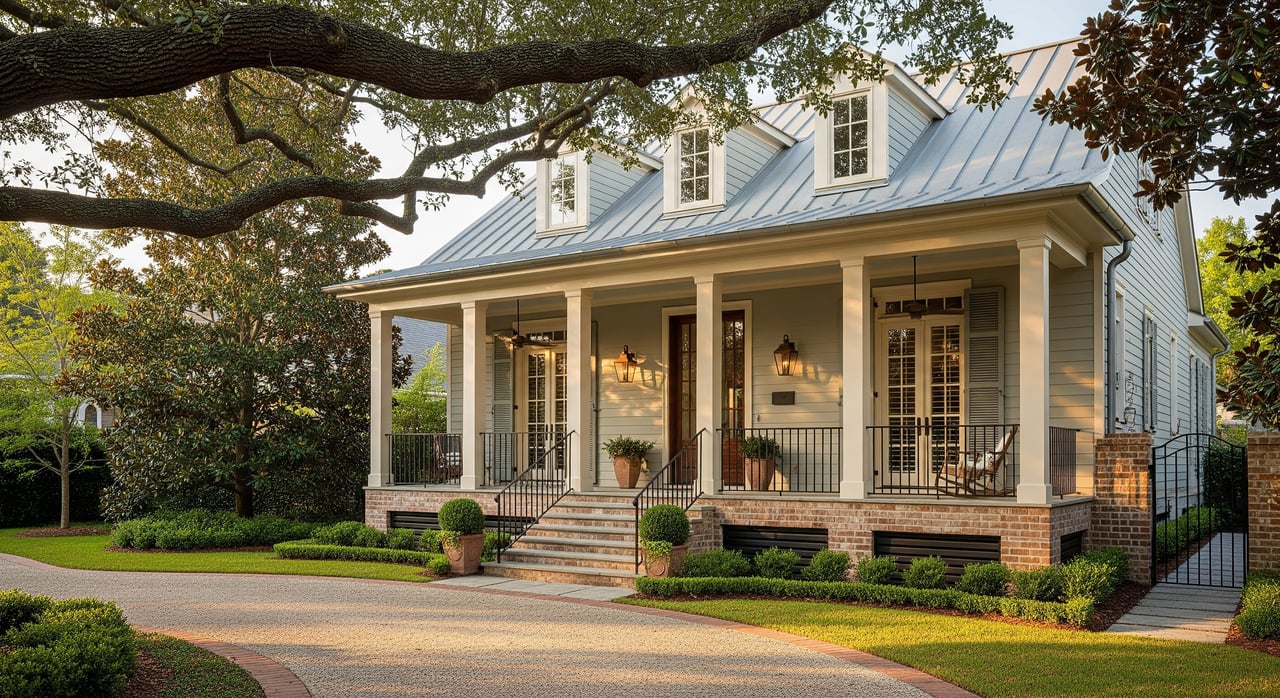
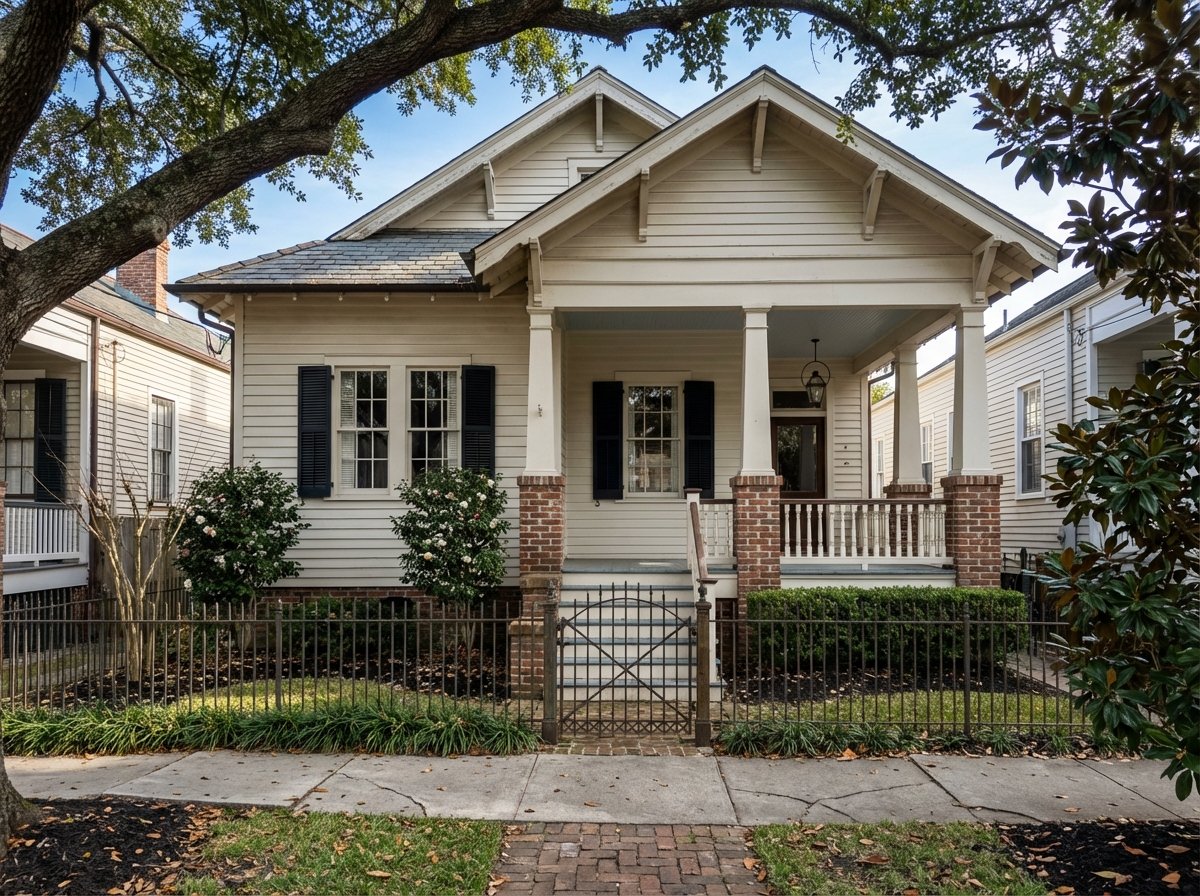
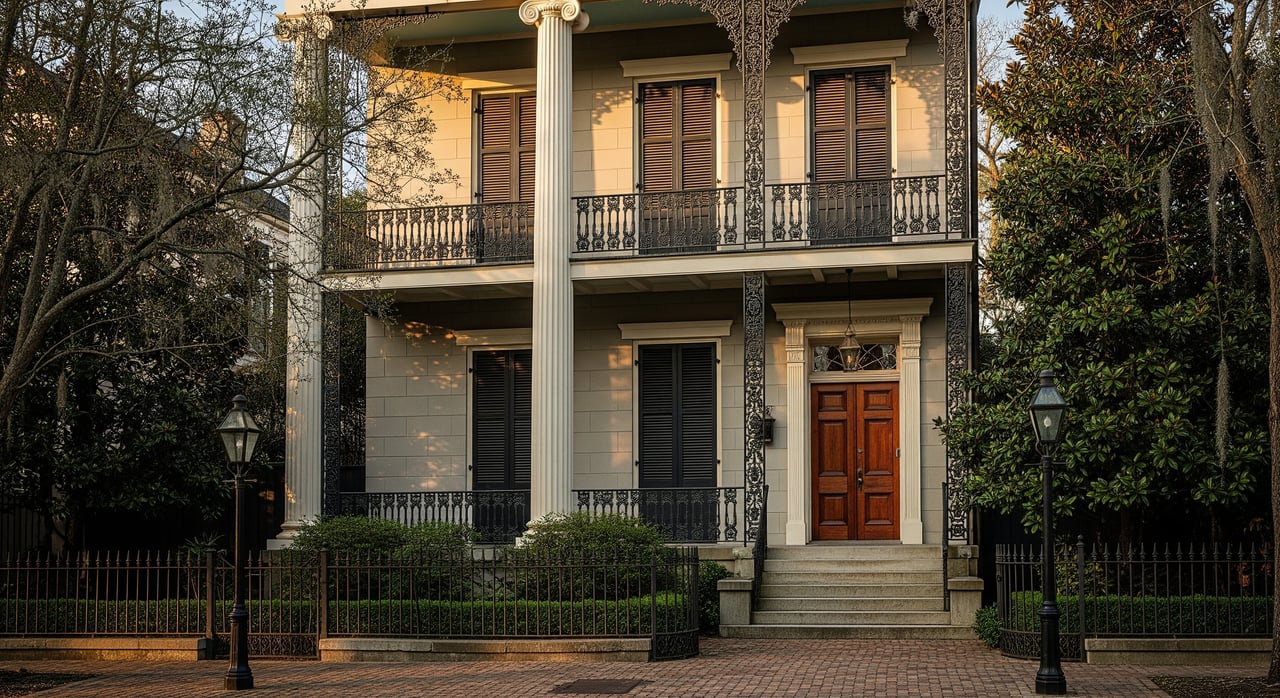
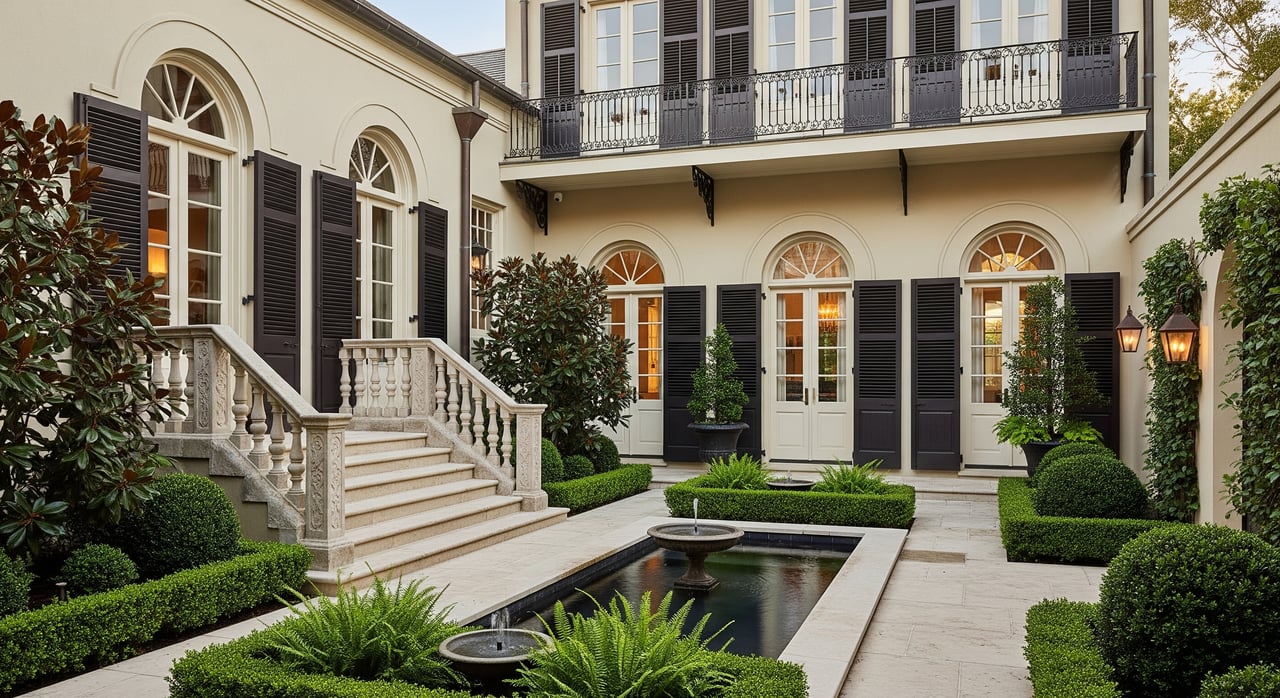
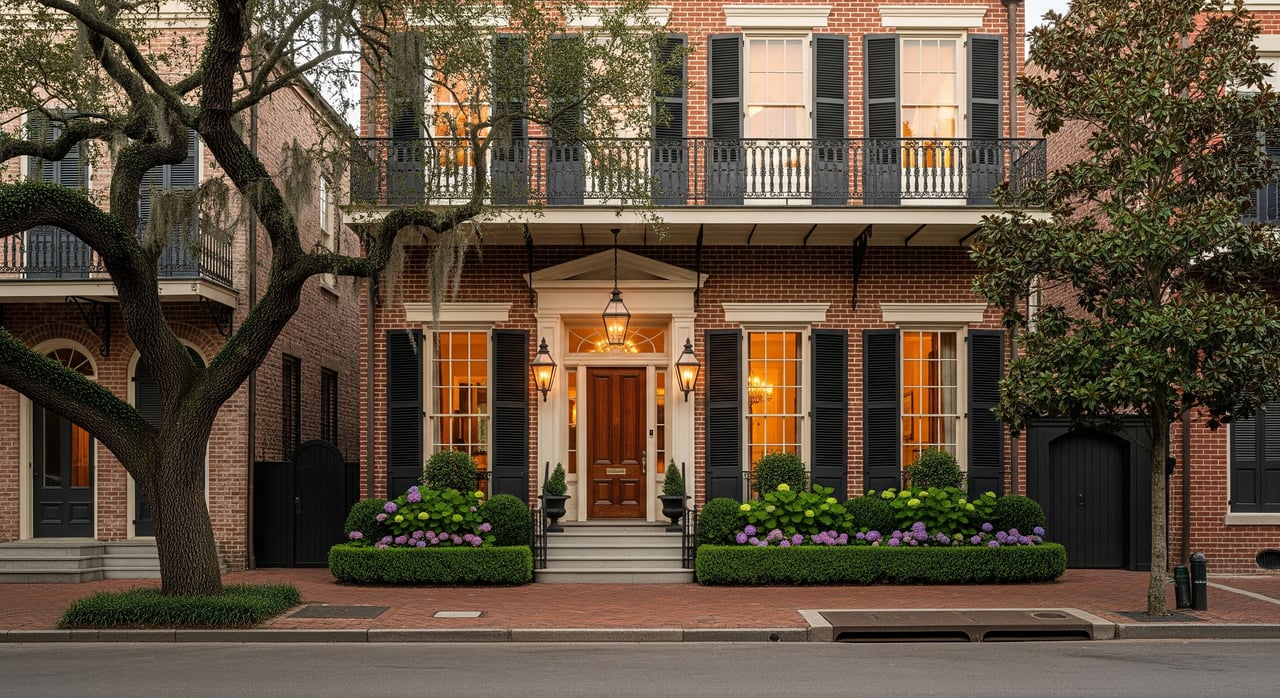
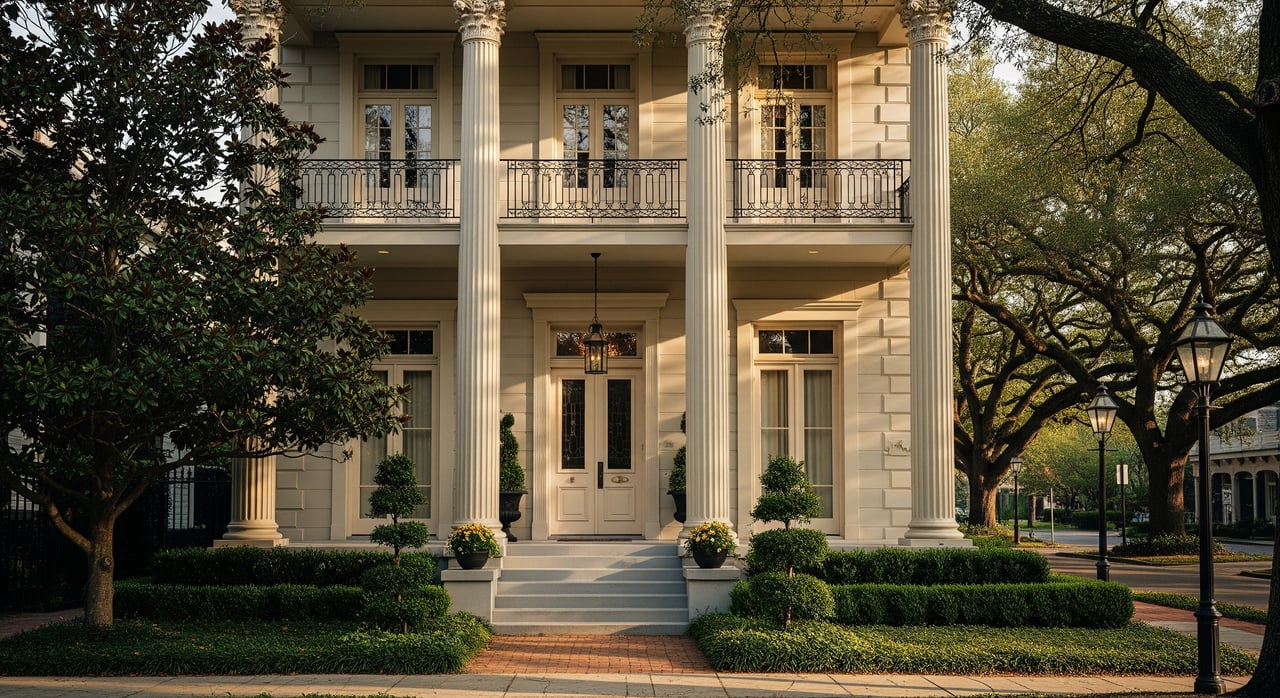
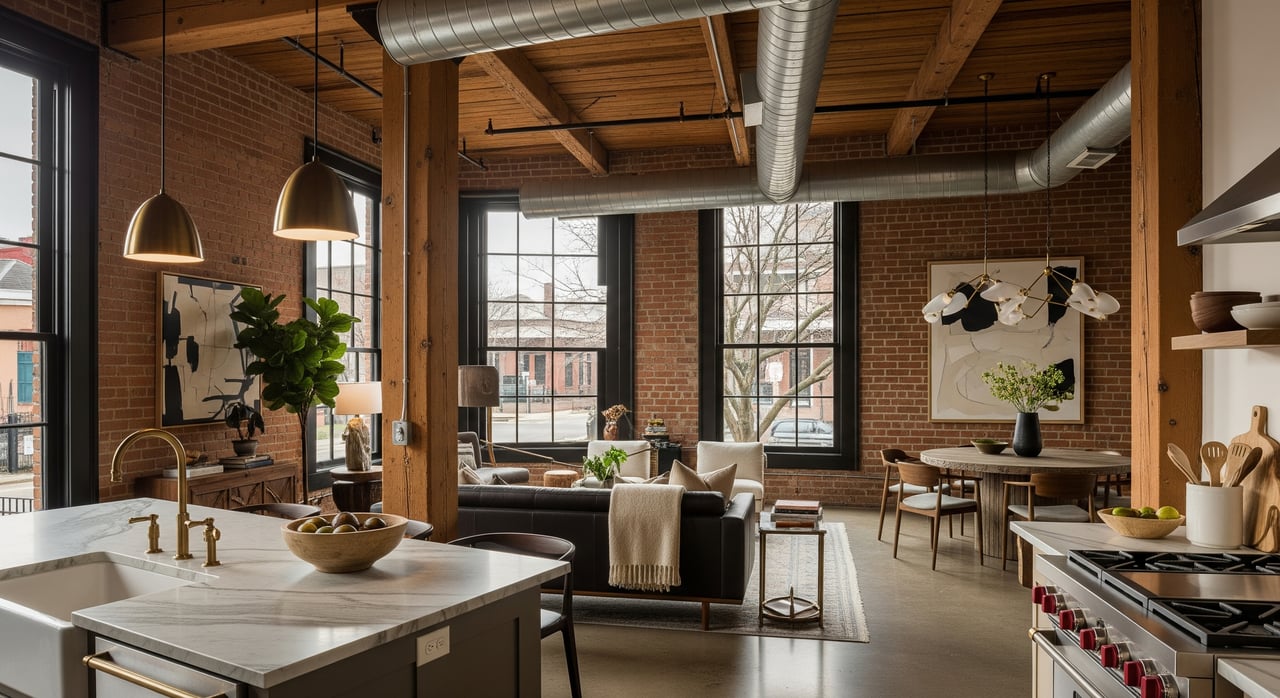
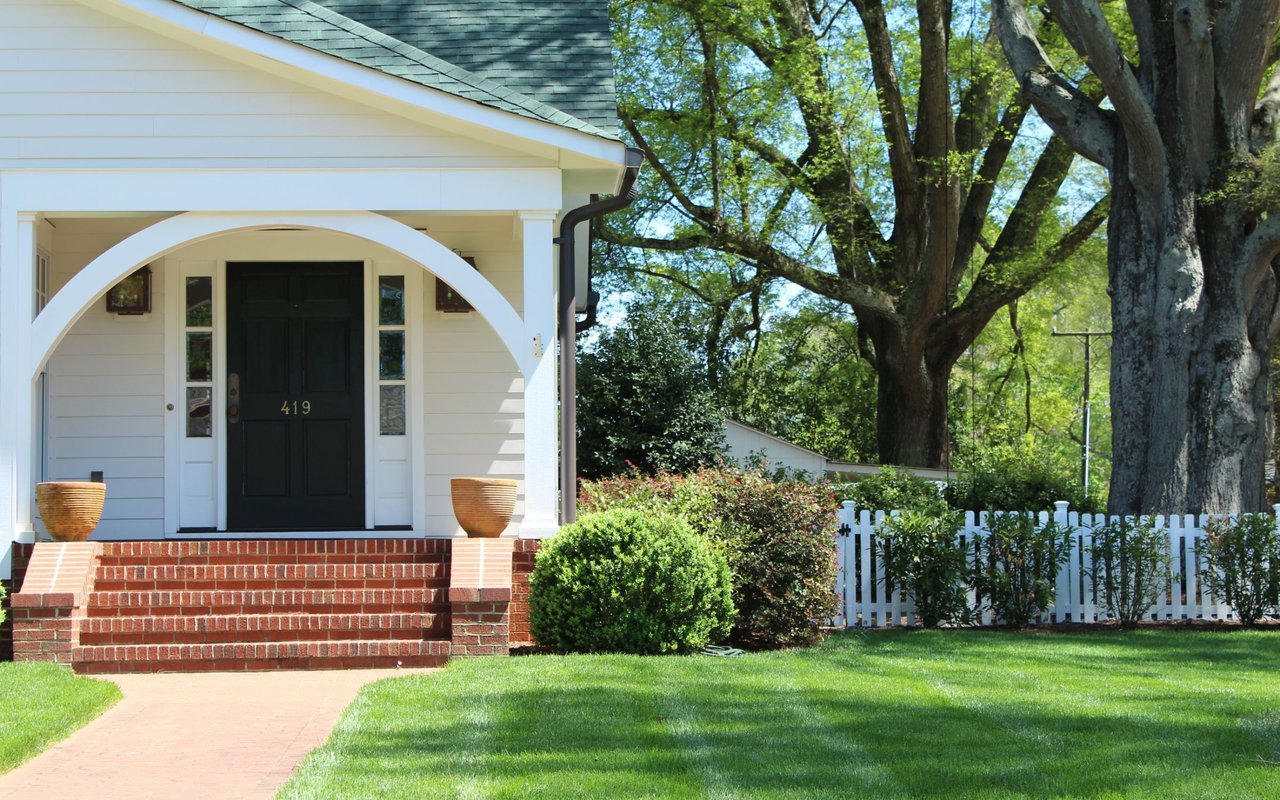
Housing options span grand park-facing mansions on St. Charles Avenue, large single-family homes in Greek Revival or Victorian styles, smaller double-shotguns and Creole cottages, and renovated apartments or condos. You’ll also find some newer infill and updated loft-style units interspersed among historic properties. The result is a classic Uptown mix that appeals to a wide range of needs.
Pricing and demand patterns
Park proximity usually commands a premium. Views, direct access to green space, and closeness to transit and universities tend to push values higher than similar homes a few blocks away. That premium can shift with market cycles, so current comparable sales are key if you’re evaluating value. Families, historic-home enthusiasts, and investors targeting rental demand often drive interest here.
Ownership and rental mix
Owner-occupants and renters live side by side. Blocks closest to the campuses often see more rentals and faster turnover. A couple of streets back, you’ll find more owner-occupied homes and a quieter pace. Condos and small multi-unit properties can be attractive to investors, while older single-family homes tend to suit buyers looking for a longer stay.
Renovation, maintenance, and historic rules
If you’re considering a historic property, plan for routine stewardship. Older homes can reveal plumbing or roofing needs, foundation work, or termite and wood repairs. Many addresses fall within historic districts or conservation overlays. Exterior changes, demolitions, and certain renovations usually require review and permits from the Historic District Landmarks Commission. Build time and budget for design reviews, and verify any planned projects before you close.
Flood and insurance factors
Flood risk in New Orleans varies by parcel. Some park-adjacent blocks sit on higher natural levee elevations, but exposure still needs to be checked by address. Flood zones, elevation certificates, and insurance quotes can affect monthly costs and loan approval. Add this to your early due diligence to avoid surprises.
Schools and family life
Public, charter, and private options
Families often consider a mix of public charter and private schools. School quality, admissions, and availability can shape decisions, and the landscape changes over time. Always confirm current zones, charter policies, and enrollment details directly with the school systems or individual schools.
Kid-friendly amenities and routines
Park playgrounds, open lawns, and convenient access to campus facilities support active family schedules. Some university facilities may offer community programming or classes. Pediatricians, dentists, and family services operate nearby, though availability can vary by practice.
Neighborhood connections
Active neighborhood and homeowners groups often coordinate on park stewardship, traffic and parking, safety initiatives, and historic-district topics. You can also find volunteer opportunities connected to Audubon Park’s tree care and cleanups. These touchpoints add a practical layer to community life.
Tradeoffs to weigh
Every location has tradeoffs. Near Audubon Park, common ones include:
- Price and time premium for park proximity and views.
- Periodic noise and crowds from the streetcar, university traffic, zoo activity, and parades or events.
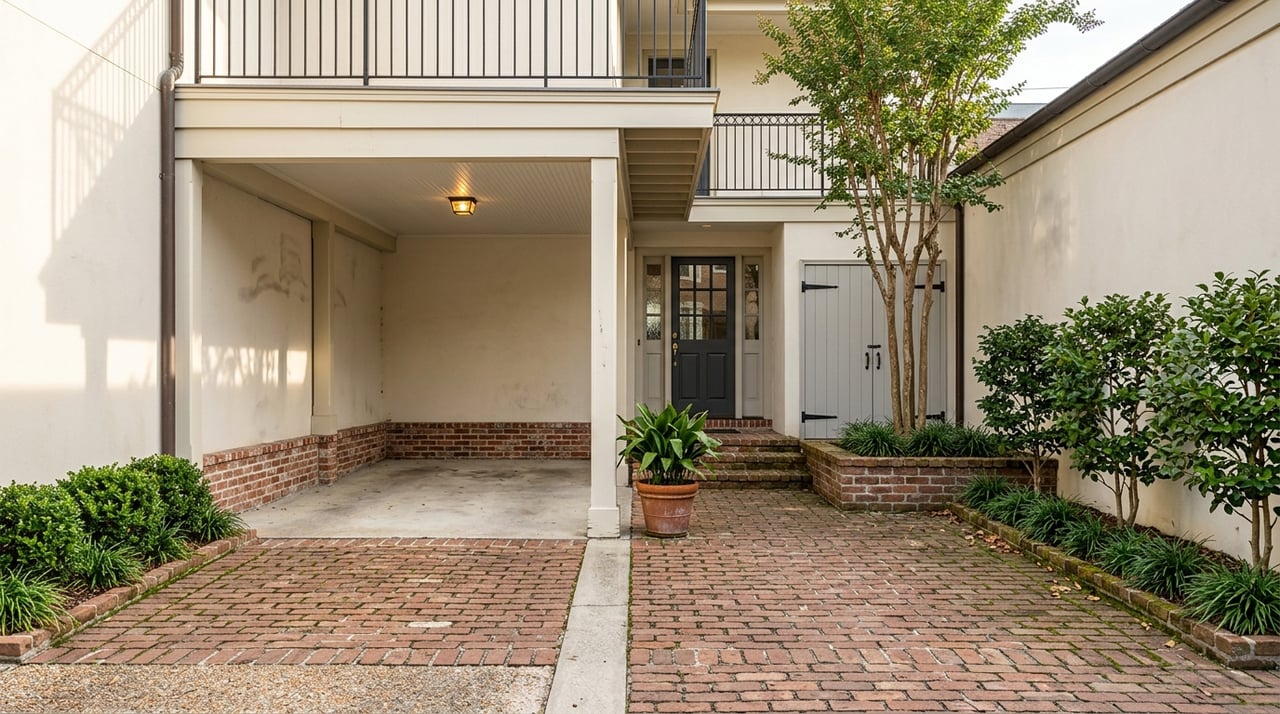
- Tighter street parking during events or university move-in periods; some homes lack off-street parking.
- Ongoing maintenance for historic properties, including potential lead paint and older systems.
- Historic-district review that can limit exterior changes and extend project timelines.
- Flood and insurance complexity that can change monthly costs.
Block-by-block feel
- Park-facing and St. Charles Avenue homes: higher prices, stronger views, more traffic, and more frequent activity.
- Near-campus blocks: higher rental presence and faster turnover.
- One to two streets off the main corridors: typically calmer day-to-day pace and more owner-occupancy.
These are broad patterns. Always verify assumptions on the specific block and property you’re considering.
Smart due diligence moves
Before you write an offer, build a plan that helps you compare homes with clarity:
- Visit at different times. Walk the block on a weekday morning, a weekday evening, and a weekend to gauge parking, noise, and foot traffic.
- Confirm historic status early. Check if the address falls under HDLC oversight and understand what that means for your exterior plans.
- Review flood exposure. Look up the property’s flood zone, request or order an elevation certificate, and talk with an insurance agent about premiums.
- Ask for documentation. Request utility histories and recent inspection reports for roof, HVAC, plumbing, electrical, and termite treatment.
- Analyze realistic comps. Compare park-facing sales with similar non-park-facing homes to understand the premium at the time you buy.
- Understand the rental mix. Observe nearby tenant profiles, lease cycles, and occupancy patterns if you care about turnover or investment potential.
- Map your commute. Note streetcar and bus stops and test the route you’ll use most often.
Is life here a fit for you?
If you value green space, historic character, and a pedestrian-friendly routine, the Uptown Triangle around Audubon Park offers a compelling lifestyle. It mixes neighborhood calm with university energy, and it rewards you with easy access to outdoor time, culture, and local dining. The key is to pair those benefits with a clear look at pricing, renovation needs, parking realities, and flood or insurance considerations.
Ready to explore homes near the park or compare blocks by feel, renovation scope, and value? Connect with a local advisor who lives and works in this market every day. Ashley Nesser brings neighborhood-first expertise, polished listing presentation, and a versatile approach for buyers, sellers, investors, and renters. Let’s connect.
FAQs
What’s the vibe of living near Audubon Park?
- Expect oak-shaded routines, easy access to the park loop and zoo, a steady student presence from nearby campuses, and lively commercial corridors like Magazine Street.
How does park proximity affect home prices?
- Homes facing or near the park generally carry a premium compared with similar properties a few blocks away. Review current comparable sales to gauge the difference.
What housing types are common around the park?
- You’ll find grand St. Charles mansions, large historic single-family homes, double-shotguns, Creole cottages, renovated condos, and small multi-unit buildings.
Is parking difficult near Audubon Park?
- Street parking can tighten during events, parades, and university move-in periods. Some homes lack off-street spots, so confirm parking before you buy or lease.
What should I know about historic rules and renovations?
- Many properties fall under HDLC review for exterior changes. Plan time and budget for approvals, and expect older-home maintenance like roofing, systems, or wood repairs.
How should I approach flood and insurance questions?
- Check the property’s flood zone, obtain an elevation certificate if possible, and speak with an insurance professional early to understand premiums and coverage.
What’s the public and private school landscape?
- Families consider charter public and private schools. Policies and zones can change, so confirm current enrollment rules and availability directly with each school.
Is the area safe around Audubon Park?
- Perceptions vary by block. Review recent crime data, visit at different times of day, and consult neighborhood resources to form a clear, local perspective.