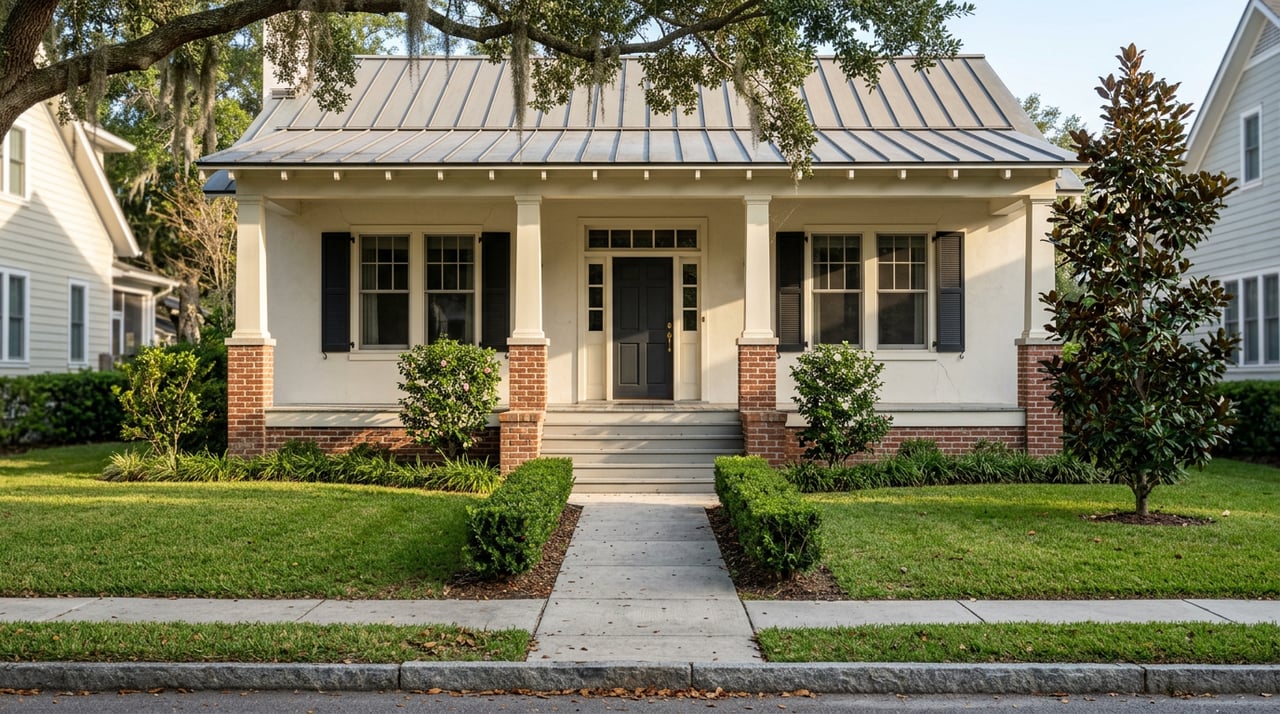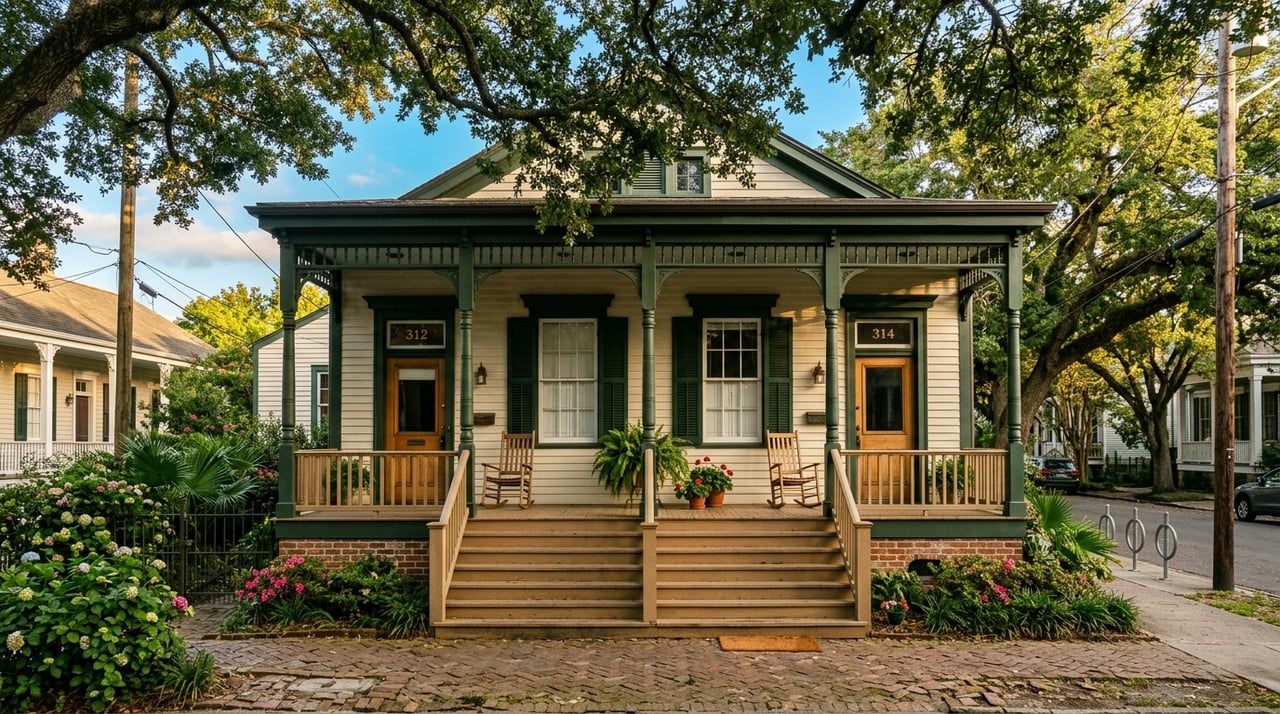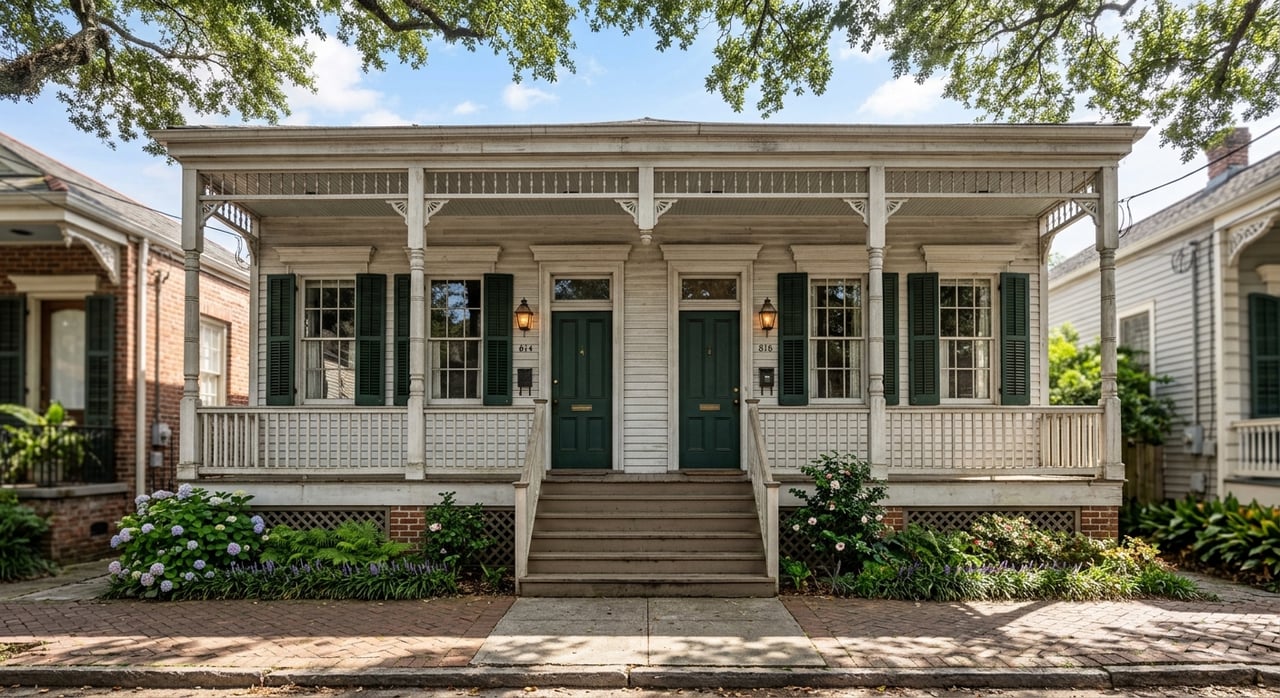
Thinking about a duplex that can help pay the mortgage or add steady income? Lake View in Caddo Parish offers small multifamily options that can work for both owner-occupants and investors. You want clear steps, realistic numbers, and a plan that accounts for local factors like zoning, flood risk, and financing. This guide shows you how to define the Lake View area for searches, evaluate deals with simple metrics, understand local rules, and build a smart due diligence checklist. Let’s dive in.
What “Lake View” Means Locally
When you see “Lake View” in Caddo Parish, it often refers to a neighborhood within the greater Shreveport area. Property records and listings may appear under Shreveport or Caddo Parish rather than a standalone city name. For clean analysis, define your search by parcel data, specific streets, or MLS neighborhood tags.
Because small-area trends can shift street by street, focus on very local comps. Confirm parcel boundaries and tax history with the Caddo Parish Assessor, and verify the current zoning status with Planning and Zoning before moving forward. This helps you avoid assumptions about whether a property can be used as a duplex.
Why Consider a Duplex Here
In secondary markets like much of Caddo Parish, investors often prioritize reliable cash flow over rapid appreciation. Duplexes can support that strategy because you get two rent streams on one lot. If you plan to live in one unit, your financing options may improve and your monthly costs can drop.
Local employment centers, healthcare, retail, and schools across the Shreveport area can support tenant demand. Proximity to jobs and daily conveniences often affects leasing speed and achievable rents. If you match unit features with local renter preferences, you can reduce vacancy and strengthen long-term returns.
Key benefits:
- Two units on one property can improve income stability.
- Owner-occupants may access favorable loan terms.
- Smaller buildings are often simpler to manage than large multifamily.
- Value-add updates can lift rents and property value over time.
Challenges to Plan For
Every submarket has a risk profile. In Caddo Parish, flood risk is a core underwriting factor. If a property lies in a Special Flood Hazard Area, most federally regulated lenders require flood insurance. Even outside those zones, drainage patterns and elevation can influence insurability and premiums.
Many duplexes are older structures, so plan for deferred maintenance. Roofs, HVAC, plumbing, and electrical systems can carry hidden costs. Smaller multifamily can also be less liquid than single-family homes, so your exit may take longer. Tenant issues are another known risk, which you can manage with careful screening and clear lease terms.
Zoning and Use Basics
Before you buy, verify that duplex use is allowed for the specific parcel. Zoning rules govern whether two-family dwellings are permitted by right or require a special exception. They also set standards for setbacks, lot coverage, and off-street parking that can affect feasibility for new construction or conversions.
If you plan to convert a single-family home into a duplex, expect to pull building permits. Work on electrical, plumbing, and HVAC typically requires licensed contractors and inspections. Some jurisdictions may require a certificate of occupancy per unit. If the property is within an overlay or has deed restrictions, confirm exterior modification rules early.
Rents, Vacancy, and Pricing Reality
Benchmark potential rents using a mix of sources such as HUD Fair Market Rents and recent local rental listings. Then refine your assumptions with hyper-local comps and actual rent rolls if the property is occupied. One block can differ from the next, so avoid broad averages.
Dig into utility arrangements. Separate electric and water meters can reduce disputes and simplify leasing. If the owner pays some utilities, adjust rent targets and expense budgets accordingly. Also check parking, laundry, storage, and outdoor space because these features can influence rent and lease-up speed.
Run the Numbers First
Use simple, proven frameworks to compare properties and stress-test results:
- Gross Rent Multiplier (GRM): Price divided by annual gross rent. Useful for quick screening between similar assets.
- Net Operating Income (NOI): Gross rents plus other income, minus operating expenses. Exclude mortgage payments from expenses.
- Cap Rate: NOI divided by purchase price. In smaller markets, investors often target higher cap rates to offset risk, but target ranges vary.
- Cash-on-Cash Return: Annual pre-tax cash flow divided by your total cash invested.
Budget realistic expenses:
- Property taxes, landlord insurance, and flood insurance if required.
- Utilities that are owner-paid and common area costs.
- Routine maintenance and repairs plus a reserve for replacements.
- Property management fees, leasing costs, and a vacancy allowance.
- Periodic capital expenditures like roof, HVAC, and water heaters.
Run best, base, and worst-case scenarios. Adjust for rent upside or downside, different vacancy rates, and repair surprises. This helps you set guardrails for your offer and choose debt terms that fit your tolerance for risk.
Financing Paths for Duplexes
Duplex financing can vary by occupancy, property condition, and lender appetite in smaller markets.
Common options:
- Conventional loans for owner-occupants, often with lower rates and smaller down payments than investor-only loans.
- FHA loans for owner-occupants. Lenders may count projected rent from the second unit toward qualifying, subject to current program rules.
- VA loans for eligible buyers who will occupy one unit.
- Portfolio or investor mortgages for non-owner-occupants, typically with higher down payments.
- Renovation loans like FHA 203(k) or Fannie Mae HomeStyle for value-add projects.
- Cash, private lenders, or hard money for quick closes or heavy rehab.
Local considerations:
- Appraisers rely on very localized sales and rent comps, so MLS data is critical.
- Lenders may have extra conditions for older properties or flood zones.
- Significant deferred maintenance can drive required repair escrows or limit loan choices.
Management Options and Leasing
You can self-manage, hire a local property manager, or blend the two. Owner-occupants often prefer partial self-management since they live on-site. If both units are rented, a third-party manager can handle advertising, screening, rent collection, maintenance, and court filings if needed.
Follow federal, state, and local fair housing laws in advertising, screening, and leasing. Use a written lease that clarifies rent due dates, late fees, security deposits, maintenance response standards, and house rules for shared areas. Nail down utility terms, parking, and yard care responsibilities so expectations are clear.
Create a maintenance plan and reserve fund for big-ticket items. Obtain multiple bids for rehab work, and standardize finishes and appliances to simplify future repairs.
Due Diligence Checklist
Use this checklist to stay organized from first tour to closing day.
Pre-offer
- Confirm zoning and allowed use with Planning and Zoning. Verify parcel data, ownership, and tax history with the Assessor.
- Pull recent duplex comps, days on market, and sales-to-list ratio from the MLS through your agent.
- Estimate renovation costs and timeline for any value-add scope.
Under contract
- Order a full building inspection, including roof, foundation, plumbing, electrical, and HVAC. Verify meter configurations and utility responsibilities.
- Consider pest and mold inspections where warranted.
- Review lead-based paint disclosures for pre-1978 structures and plan for safety.
- Check FEMA flood zones and base flood elevation. Obtain an elevation certificate if the lender requires one.
- Confirm any needed certificates of occupancy and check for open permits or code violations.
- Review current leases, rent rolls, security deposits, and tenant payment history if occupied.
- Run title and check for liens or easements at the Clerk of Court.
Pre-closing
- Confirm final insurance quotes for landlord and flood coverage.
- Set utility transfers and confirm any shared utility agreements.
- Verify property tax prorations and escrow setup.
Post-closing
- File any required local rental registrations.
- Launch your property management plan and share emergency contacts with tenants.
- Activate accounting, rent collection, and maintenance systems.
Risk Management and Exit Plans
Mitigate risk by pairing the right insurance with sound operations. Consider landlord policies that include building coverage, liability, and loss-of-rent protection. In flood-prone areas, obtain flood insurance that fits your risk profile and lender requirements.
Plan your exit when you buy:
- Buy-and-hold for long-term cash flow and gradual appreciation.
- Renovate, raise rents, then refinance to recycle capital.
- Use a 1031 exchange to trade up into larger assets, subject to tax guidance from your CPA.
- Sell to an owner-occupant who values living in one unit.
Your Next Step
If you are eyeing a Lake View duplex, start with a focused search area, hyper-local comps, and a clear financing path. Build your budget with realistic rents, expenses, reserves, and a plan for flood and insurance. With the right due diligence, a small multifamily can become a steady part of your portfolio.
If you want a second set of eyes on your numbers or a curated list of duplex opportunities, reach out to schedule a quick consult. We will align your goals, connect you with the right local pros, and map out next steps. Connect with Ashley Nesser to get started.
FAQs
Is a duplex a good investment in Lake View, Caddo Parish?
- It can be if local rents support your target cap rate and cash-on-cash returns, and if you account for flood risk, maintenance, and lender requirements.
Can I live in one unit and rent the other in Lake View?
- Often yes; owner-occupied financing options like FHA, VA, or conventional may apply, subject to current program rules and lender policies.
Do I need flood insurance for a Lake View duplex?
- If the property is in a FEMA Special Flood Hazard Area and you use a federally regulated lender, flood insurance is typically required, and it can be wise even outside SFHAs.
How do I find rent comps for Lake View duplexes?
- Combine MLS rental data, HUD Fair Market Rents, active listings, and insights from local property managers to refine rents by unit size and condition.
What permits are needed to convert a single-family to a duplex?
- Expect building permits and inspections for structural, electrical, plumbing, and HVAC; confirm zoning allows two-family use and whether a certificate of occupancy is required.
What financing works for owner-occupant duplex buyers?
- Look at FHA, VA, or owner-occupied conventional loans; renovation loans may fit value-add plans, while investor loans or cash suit non-occupant buyers.
What are common risks with Lake View duplexes?
- Flood and storm exposure, deferred maintenance in older buildings, tenant non-payment, and slower resale timelines in smaller submarkets are the main risks to plan for.