Trying to decide when to put your Old Metairie home on the market? Timing makes a real difference here, where buyers plan around the school calendar, weather, and local events. In this guide, you’ll learn the best months to list, how local factors like hurricane season and show schedules play in, and a simple prep timeline to make your sale smooth and successful. Let’s dive in.
The short answer: list in spring
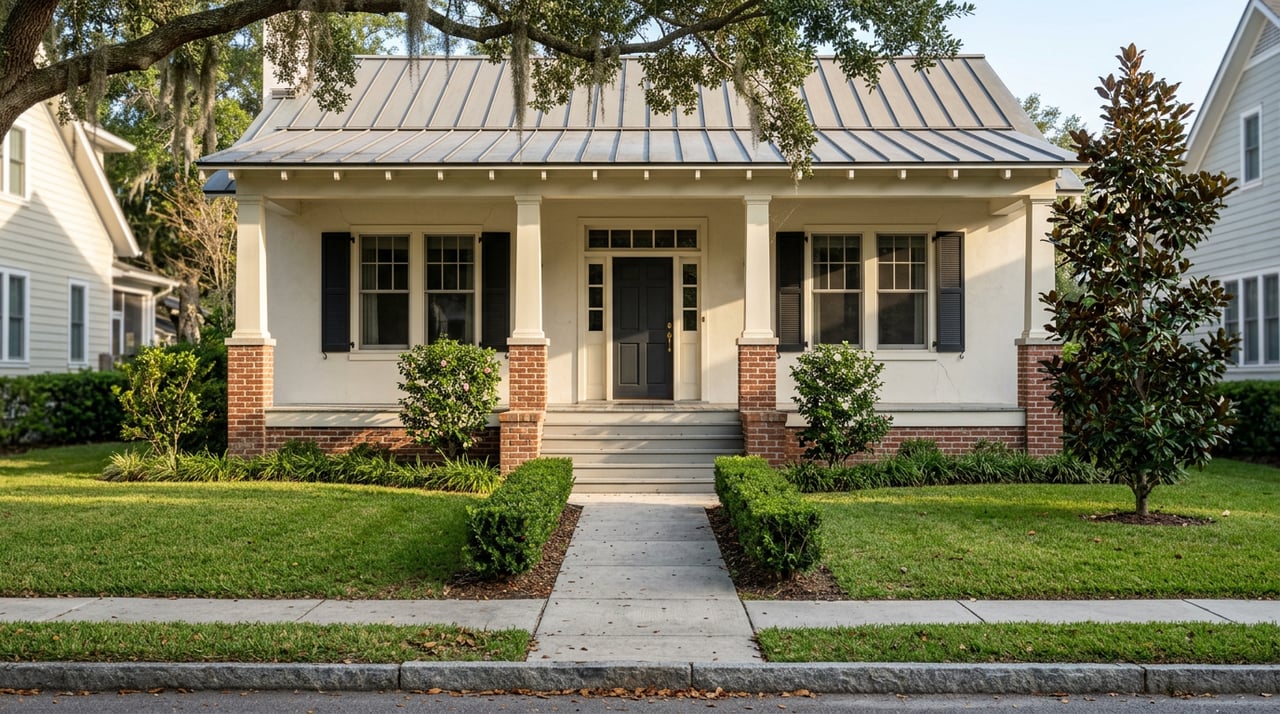
For most Old Metairie sellers, the strongest listing window is February through April. That’s when buyer activity typically peaks, photos and curb appeal look their best, and you can target a summer move for buyers who want to close before the next school year. Listing in spring also helps you avoid most of hurricane season, which can introduce delays and extra caution from buyers.
Why spring works in Old Metairie
- Families plan for a summer move. Listing in February to April often lines up with closings in June or July, which is ideal for minimizing school disruptions.
- Weather supports better showings and photos. Milder temperatures and fresh landscaping help your exterior shine and keep foot traffic strong.
- More active buyers. Across the New Orleans metro, spring typically brings the largest pool of shoppers, which can mean more showings in the early weeks.
- Pre-hurricane-season buffer. Closing before peak storm months reduces the risk of weather-related delays and insurance concerns.
A solid backup: late August to October
If you miss spring, a secondary window runs from late August to October. Buyer pools are smaller than spring, and the season overlaps with hurricane months, but well-prepped homes can still perform. If you list in this period, plan for flexible timelines and make sure your insurance and inspection documentation is ready for buyer review.
Factors that shape your timing
School calendar and family moves
Many Old Metairie buyers want to settle during summer or just before school starts. If you list in spring, you have a better chance of landing a closing date that lines up with June or July. Even if your buyer does not have school-age children, a summer move often works well for work schedules and relocation timelines across the metro area.
Hurricane season realities
Hurricane season runs June 1 through November 30. During active periods, inspections and closings can be delayed, insurance underwriting can tighten, and buyers may request extra documentation like elevation certificates or recent roof updates. If you must sell in these months, add buffer time into your plan and be ready to answer insurance and risk questions with clear records.
Local events and logistics
Mardi Gras, Jazz Fest, and Saints home games can affect schedules. Parade weeks may briefly reduce availability for showings, while spring festivals can make it harder for out-of-town buyers to plan visits. These events rarely change sale prices, but they can impact showing calendars and open house turnout, so set your go-live date and weekend plans thoughtfully.
Inventory and market balance
If local inventory is tight, well-priced homes can sell quickly year-round. When supply rises, seasonality matters more. Before you commit to a list date, review recent comparable sales and days on market with your agent so you can balance timing with your personal goals.
A simple timeline to list with confidence
You can adjust this plan to your home’s condition and contractor availability, but it provides a reliable roadmap.
6–12 weeks before listing
- Declutter and deep clean. Focus on kitchens, baths, closets, and primary living areas.
- Knock out repairs. Prioritize roof items, exterior wood rot, plumbing leaks, outlets and switches, and paint touch-ups.
- Gather documentation. Collect permits and receipts for renovations, service records for HVAC and roof, and any termite treatment warranties.
- Consider a pre-listing inspection. It can surface issues you want to address before buyers see them.
- Review flood and elevation information. If you have an elevation certificate or flood policy details, organize copies for buyers.
3–4 weeks before listing
- Stage for impact. Use light, neutral layers that highlight Old Metairie’s character. Virtual staging can help if the home is vacant.
- Book professional photos. Aim for exterior photos when landscaping looks fresh and the light is even.
- Prepare disclosures. Draft your property condition disclosures and pull recent repair and service records.
- Align on pricing strategy. Use recent Old Metairie comps from the last 30–90 days to anchor your list price.
1–2 weeks before listing
- Final punch list. Finish paint touch-ups, landscaping edges, pressure washing, and light bulb swaps.
- Set your launch date and showing plan. Avoid conflict with major parade weekends or peak festival dates.
- Review your marketing rollout. Confirm photo delivery, listing copy, and how showings will be scheduled the first week.
What Old Metairie buyers expect to see
Having the right records ready can speed up offers and reduce renegotiations.
- Roof age and documentation. Buyers in the metro pay close attention to roofs due to wind and storm exposure. Have the install date and any warranty paperwork handy.
- Flood and elevation information. Provide elevation certificates if available, plus any flood policy history or mitigation measures you have taken.
- Termite and moisture history. Treatment records, warranties, or recent inspections help reassure buyers in our humid climate.
- Permits and renovation details. If your home is older or has historic elements, buyers will want to see permits, plans, and contractor invoices for notable updates.
- Systems and maintenance. Provide service history for HVAC, water heaters, and generators to demonstrate care and longevity.
Pricing and contract strategy that fits the season
- Price to recent comps. Even in a desirable neighborhood, buyers expect to see support from sales within the past 30–90 days.
- Offer flexible closing dates. If your buyer prefers a summer move, a flexible close or short lease-back can widen your pool.
- Plan for faster escrow in spring. Buyers often move quickly during peak season, so line up contractors and title work early.
- Highlight risk mitigation. Noting hurricane shutters, roof reinforcements, or drainage improvements can help buyers and insurers feel more confident.
Selling during hurricane season, if you must
Sometimes life does not wait for spring. If you need to sell between June and November, you can still succeed with preparation.
- Build in timing cushions. Allow extra time for inspections, insurance approvals, and closing logistics.
- Share clear documentation. Elevation certificates, flood policy details, roof and drainage work, and termite records reduce uncertainty.
- Keep the property show-ready. Schedule lawn care and gutter checks after heavy rain, and keep entryways dry and safe for showings.
- Offer practical flexibility. If storms affect schedules, be ready to extend inspection periods or adjust closing dates.
Legal and closing basics in Louisiana
Louisiana’s disclosure and closing processes may differ from other states, so clear documentation is important.
- Disclosures and known conditions. Provide accurate, complete property condition disclosures, plus repair and service histories for transparency.
- Title and closing. Work with a local title company to confirm transfer steps, closing costs, and expected timelines.
- Flood maps and zoning. Old Metairie parcels can fall in different flood zones. Confirm your status and have elevation information ready if you have it.
- Inspections and reports. Termite documentation, any roof certificates, and parish permitting history for major work can streamline buyer due diligence.
Putting it all together
If you want the widest buyer pool, stronger showing traffic, and a smoother path to closing, aim to list February through April. If that is not possible, a late summer to fall launch can work with careful planning and extra documentation. No matter the month, a clean, well-presented home with clear records and a pricing strategy anchored to recent comps will stand out in Old Metairie.
Ready to talk timing and next steps? Connect with Ashley Nesser for a tailored plan, from pre-list prep and photography to pricing and negotiation support.
FAQs
What month is best to list a home in Old Metairie?
- Generally February to April, which aligns with peak buyer activity and supports a summer closing timeline.
How does hurricane season affect selling a house in Old Metairie?
- It can slow showings and closings, increase buyer caution, and add insurance steps, so plan buffers and have documentation ready.
How far in advance should I prepare my Old Metairie home for sale?
- Plan 6 to 12 weeks for decluttering, repairs, staging, photos, and disclosures, longer if major work or permits are needed.
What documents do Old Metairie buyers usually request?
- Elevation or flood information, roof age and repair records, termite treatment history, permits for renovations, and recent service records.
If I miss spring, is late summer or fall still viable for selling?
- Yes, late August to October can work with flexible timelines and strong documentation, though buyer pools are smaller than spring.