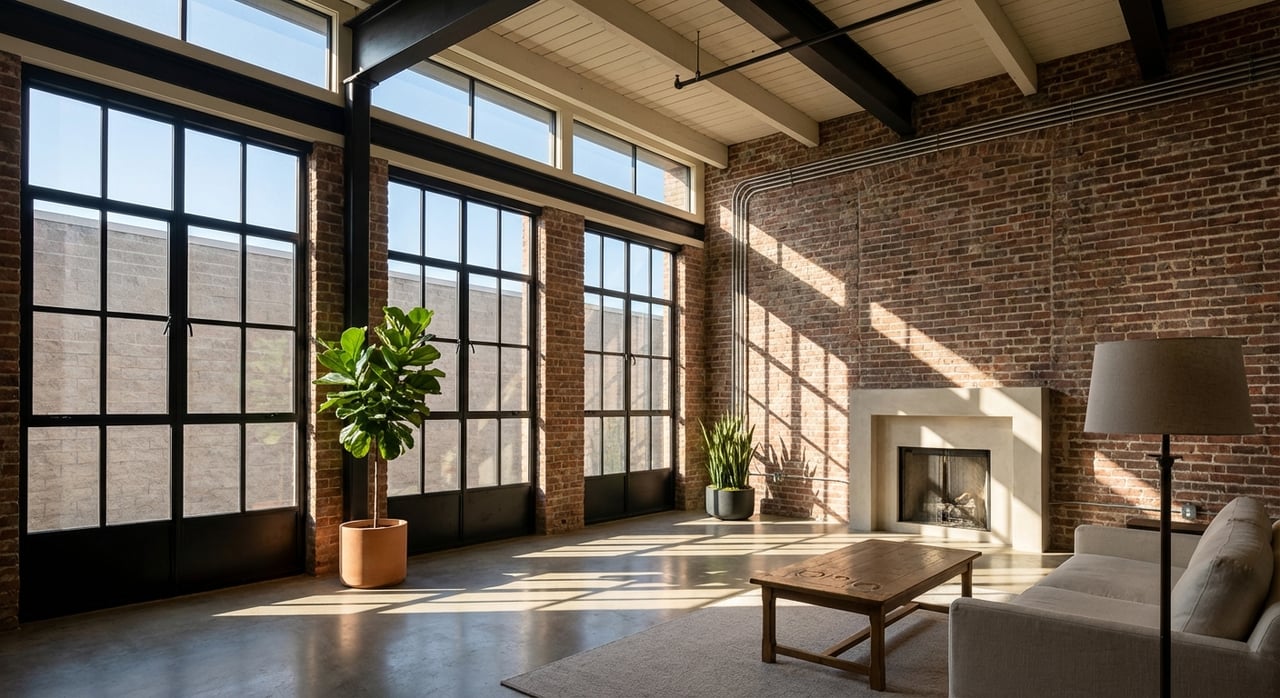
Picture this: morning light pouring through tall warehouse windows, a quick walk to galleries on Julia Street, and dinner a block from home. If that sounds like your pace, a Warehouse District loft could be a great fit. You want the facts on lifestyle, costs, insurance, parking, and rental rules before you decide. This guide gives you a clear, local look at what to expect and how to shop smart. Let’s dive in.
Warehouse District at a glance
The Warehouse District sits just south of the Central Business District, close to the Mississippi River and within walking distance of the French Quarter. It is known for museums and galleries, including the National WWII Museum and the Ogden Museum of Southern Art, plus gallery openings on Julia Street. Explore the neighborhood highlights in the official overview from NewOrleans.com.
Expect a compact, mixed-use setting with restaurants, hotels, and residential buildings in the same blocks. Many people choose the area for cultural access and a downtown lifestyle. It is generally described as part of zip code 70130, though exact block boundaries vary by source. For a data-oriented snapshot, see the Warehouse District market profile.
Walkability and transit
You can walk to museums, restaurants, and the Superdome or Smoothie King Center from many addresses. Streetcar and bus lines serve the area, and rideshare is easy. If you like to explore on foot, try the self-guided Warehouse Arts District walking tour.
What “loft” means here
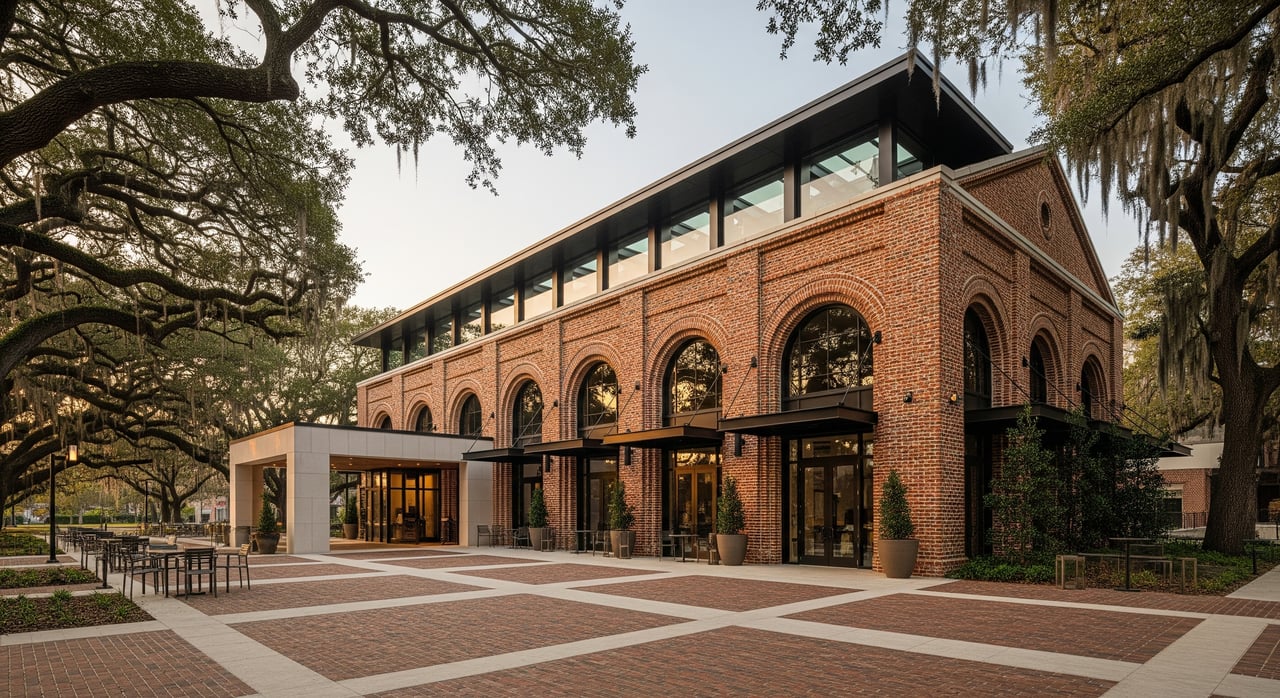
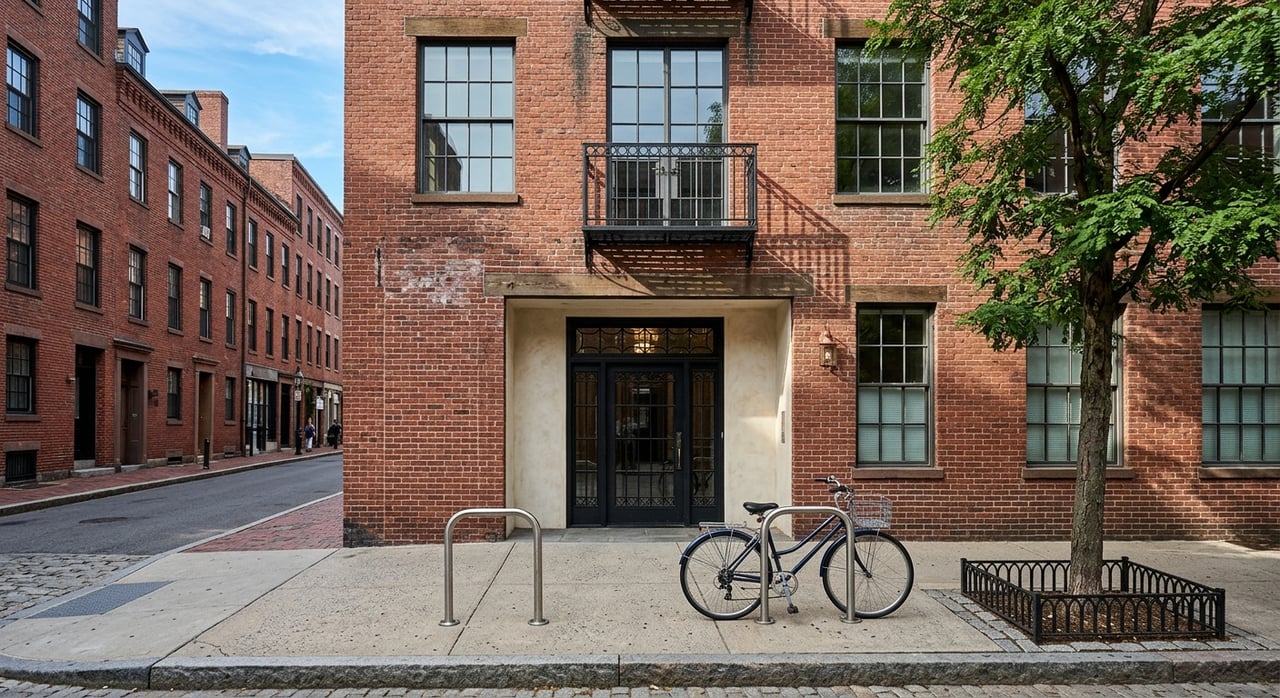
Loft homes in this neighborhood come in two main flavors. You will see historic warehouse conversions with exposed brick, timber beams, steel-framed windows, and soaring ceilings. You will also find newer mid-rise buildings that borrow the industrial look but add modern systems and amenities. Learn more about the area’s architecture and preservation context in this neighborhood architecture guide.
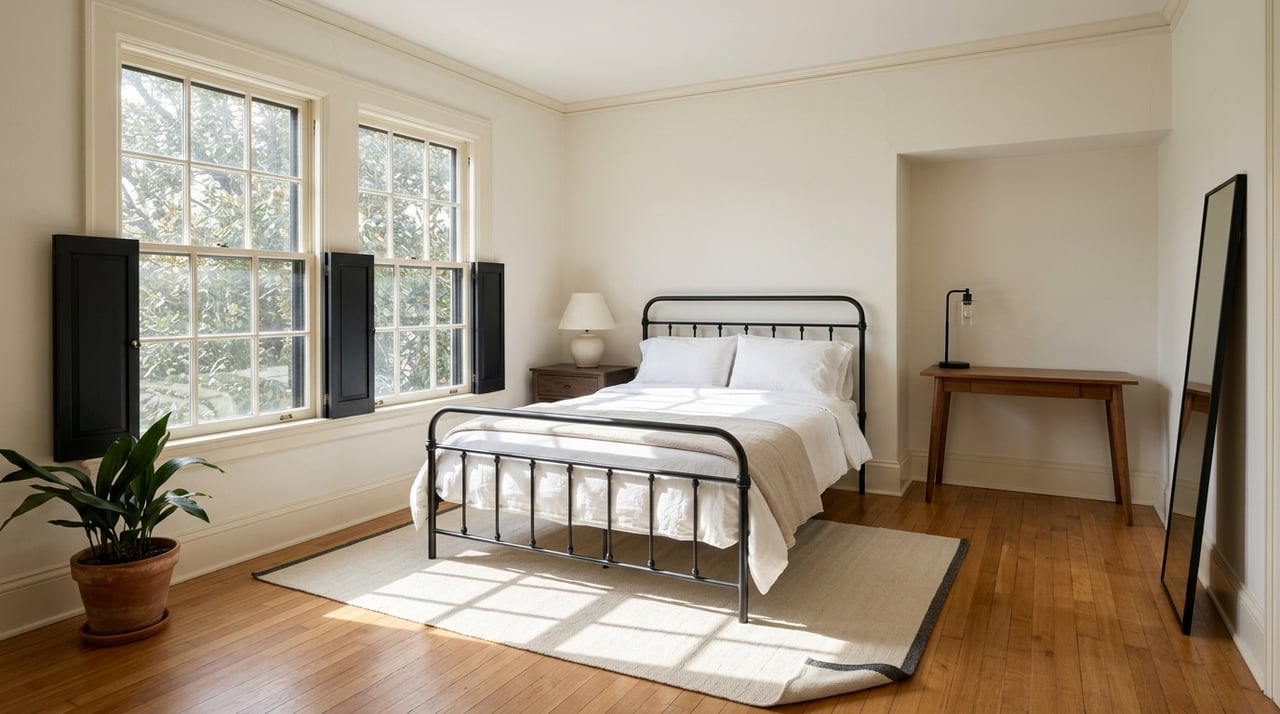
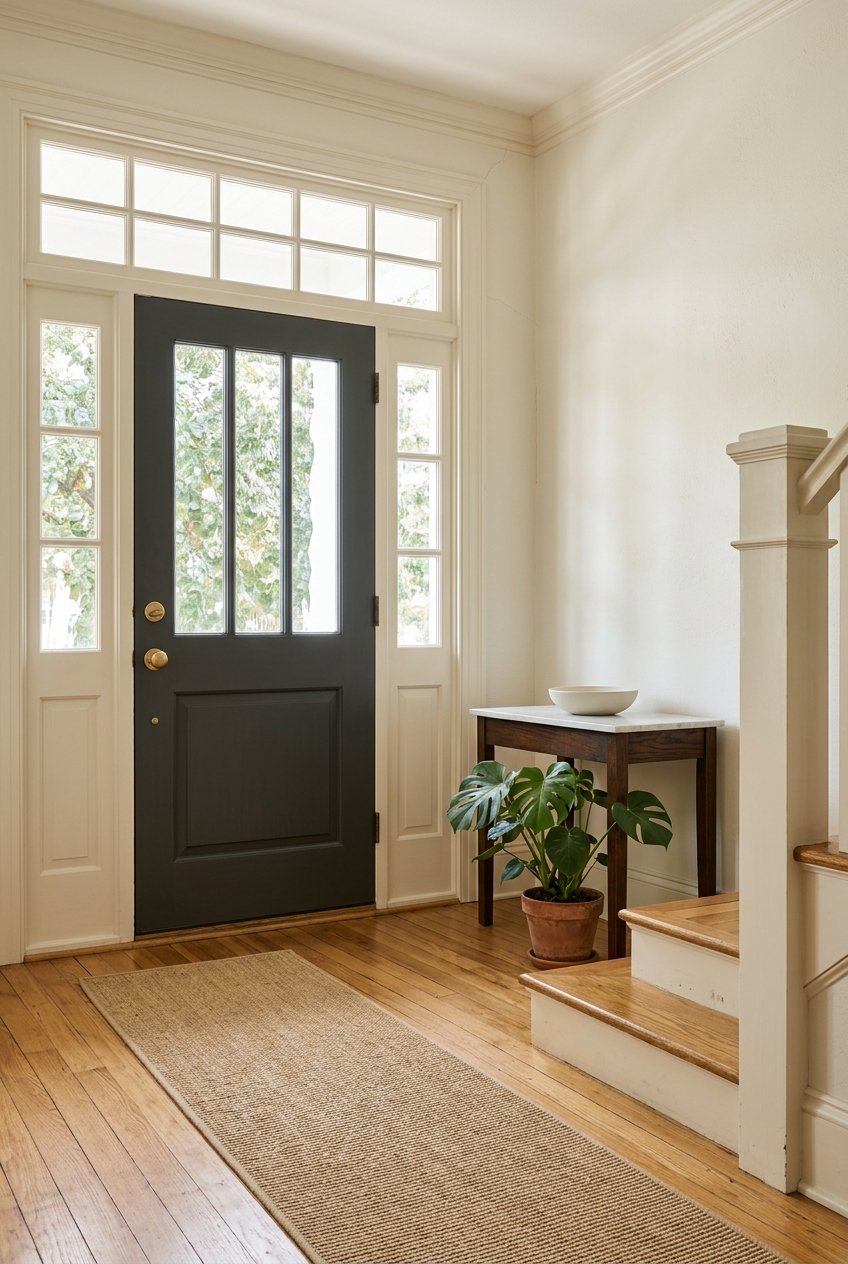
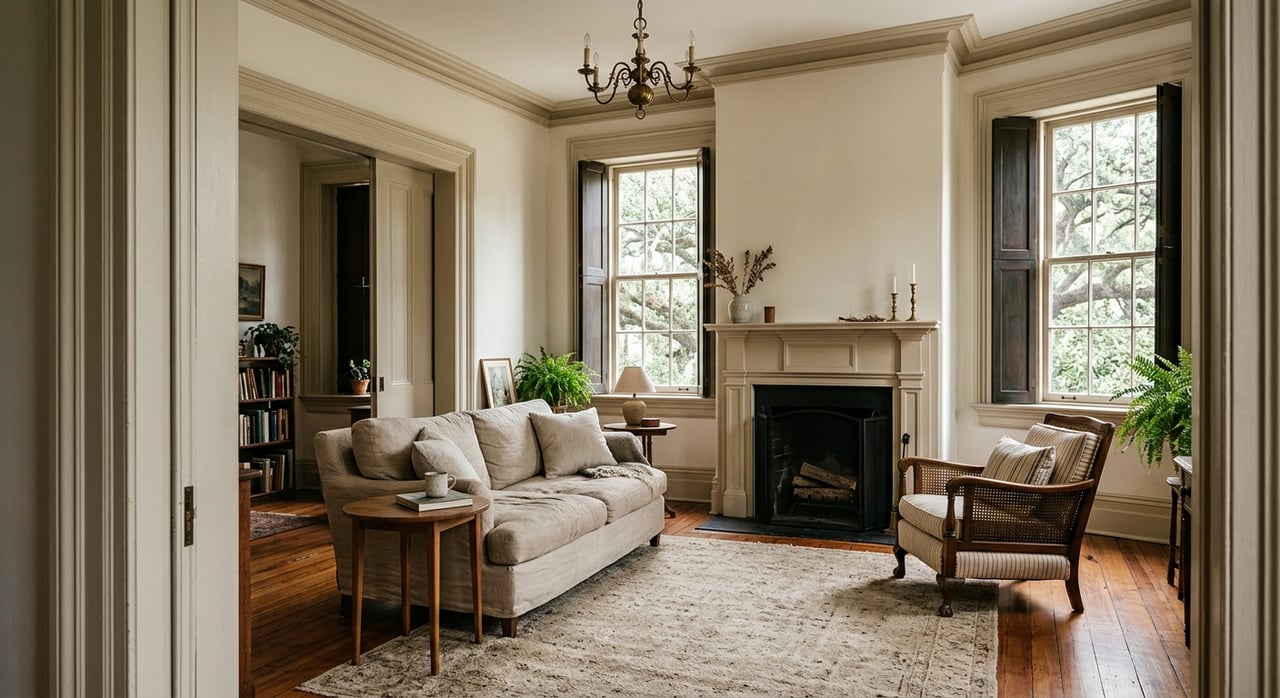
Typical loft features include open floor plans, high ceilings, and large windows that bring in abundant light. Finishes can range from polished concrete floors to wide-plank wood. The open plan often means fewer interior walls, so ask about window upgrades or sound mitigation if you are sensitive to street noise.
Amenities and parking
Many buildings offer shared amenities like rooftop spaces, fitness rooms, courtyards, secured entry, or concierge service. Parking varies by building. Some units include deeded garage spaces while others rely on paid garages or street parking. If parking is a priority, confirm what is included and how guest parking works.
HOA structure and fees
Condominiums with homeowners associations are the dominant ownership model in the Warehouse District. HOA fees vary by building and by the level of services and insurance coverage. Ask exactly what the fee covers, such as exterior or flood insurance, water and trash, common utilities, reserves, staffing, and pest control.
Costs, risks, and rules to factor in
Market pricing and resale
Neighborhood price data can swing month to month due to a small sample size and a wide mix of condos and penthouses. Top-floor lofts and penthouses often trade above neighborhood medians. For accurate pricing and resale planning, focus on recent sales in the same building and floor plan rather than broad neighborhood averages.
HOA financial health
Association strength matters. Request the budget, two years of financials, reserve study or SIRS, insurance summary, delinquency report, and recent meeting minutes. Underfunded reserves can lead to special assessments, so review the reserve study to understand near-term capital needs. See this clear primer on how to read a reserve study.
Flood and insurance checks
Flood risk is property specific in New Orleans. Lenders generally require flood insurance if a property is in a FEMA Special Flood Hazard Area, and some lenders require it outside those zones as well. Verify the current FEMA flood zone for the address and request the building’s elevation certificate. For legal context on flood-insurance requirements, review this federal case summary.
For the bigger picture, the region’s Hurricane and Storm Damage Risk Reduction System was strengthened after Katrina. Risk can still change with time and maintenance needs, so do a property-level check rather than relying on reputation. The U.S. Army Corps of Engineers outlines projects at HSDRRS resources.
Short-term rental rules
New Orleans has strict short-term rental rules with limits on permits in many residential areas, plus operator-residency and ownership restrictions. Condo documents may also prohibit short-term rentals. Before you plan to rent a unit short term, confirm city permitting and HOA rules. For a legal overview, see this federal court opinion on New Orleans STR regulations.
Noise and event patterns
The Warehouse District’s energy comes with tradeoffs. Proximity to museums, restaurants, and event venues can mean higher foot traffic, late-night activity on some blocks, and parking pressure during big events. If quiet is key, visit the building at night and on event days. Get a feel for nearby attractions using the neighborhood guide.
Historic review and renovations
Many lofts are in historically significant buildings. Exterior changes, and sometimes certain interior alterations, can trigger design review. Build time and cost for permitting and compliance into your renovation plans. This architecture overview explains why conversions have unique constraints.
Mechanical systems and elevators
Converted warehouses can have complex mechanical histories. Ask about elevator condition and replacement history, roof waterproofing, and major HVAC or structural projects. Large capital items can affect both comfort and future assessments.
Who a Warehouse District loft fits
- Urban professionals who want a walkable lifestyle and quick access to downtown employers, restaurants, and cultural anchors like the WWII and Ogden museums. Explore the neighborhood highlights.
- Downsizers who want low-maintenance living and are comfortable trading a yard for amenities, security, and location.
- Creatives who value the loft look and proximity to galleries and performance spaces.
- Investors where allowed by law and condo rules, with a careful review of short-term rental regulations and HOA restrictions.
How it compares: Uptown and Metairie
- Space and price. Uptown often offers more single-family homes and yard options. Metairie tends to offer larger lots and a more suburban pattern, often at a lower price per square foot. For a citywide context, review this neighborhood overview.
- Commute and lifestyle. The Warehouse District offers immediate downtown access and high walkability. Uptown is more residential with a short drive or streetcar ride to downtown. Metairie is more car dependent but can deliver more space. See a data-forward snapshot in this Warehouse District profile.
Your pre-offer checklist
- Confirm building type. Identify whether the building is a historic conversion or newer construction and note the implications for systems, soundproofing, and possible design review. See the architecture guide.
- Request the HOA packet. Ask for the budget, two years of financials, reserve study or SIRS, insurance summary, delinquency report, and recent meeting minutes. Learn how reserves signal risk using this reserve-study primer.
- Do a flood and insurance check. Look up the FEMA flood zone for the address and request the building’s elevation certificate. If financing, expect flood insurance if the property is in a Special Flood Hazard Area. See the flood-insurance context.
- Verify short-term rental rules. Confirm if the building allows short-term rentals, whether a city permit is available for that block, and if additional HOA rental limits apply. Review the city’s legal framework in this STR case summary.
- Nail down parking and access. Confirm whether you have deeded parking, where guests park, and how elevator access and building entry are managed.
- Test for noise. Visit at night and during event times. Ask management about window upgrades and any sound-mitigation projects. Use the neighborhood overview to map nearby venues.
- Price with building comps. Focus on recent sales in the same building and floor plan. Neighborhood medians can be misleading in a small, mixed condo market.
If you want a home that puts museums, galleries, and dinner spots outside your front door, a Warehouse District loft deserves a close look. When you are ready to compare buildings and run the due diligence checklist, connect with Ashley Nesser for local guidance and a smart, step-by-step plan.
FAQs
What is the Warehouse District in New Orleans?
- It is a compact, arts-focused area just south of the CBD with museums, galleries, restaurants, and loft housing in historic warehouses, described in detail by NewOrleans.com.
How much are HOA fees for Warehouse District lofts?
- Fees vary widely by building and amenities; review what the fee covers, including any exterior or flood insurance, utilities, reserves, staffing, and pest control.
Do Warehouse District condos allow short-term rentals?
- Many do not; New Orleans has strict STR rules and condo associations often add their own limits. Always confirm city permitting and HOA policies, and review this legal overview.
Is flood insurance required for Warehouse District lofts?
- Lenders generally require flood insurance if a property is in a FEMA Special Flood Hazard Area. Verify the flood zone and ask for the building’s elevation certificate; see the flood-insurance context.
Is parking included with Warehouse District condos?
- It depends on the building. Some units include deeded garage spaces, while others rely on paid garages or street parking. Confirm owner and guest parking terms before you make an offer.
How does Warehouse District living compare to Uptown or Metairie?
- The Warehouse District offers walkable, downtown access with condo living. Uptown and Metairie tend to deliver more space and a more residential setting. For broader context, review this neighborhood overview and a Warehouse District data snapshot.