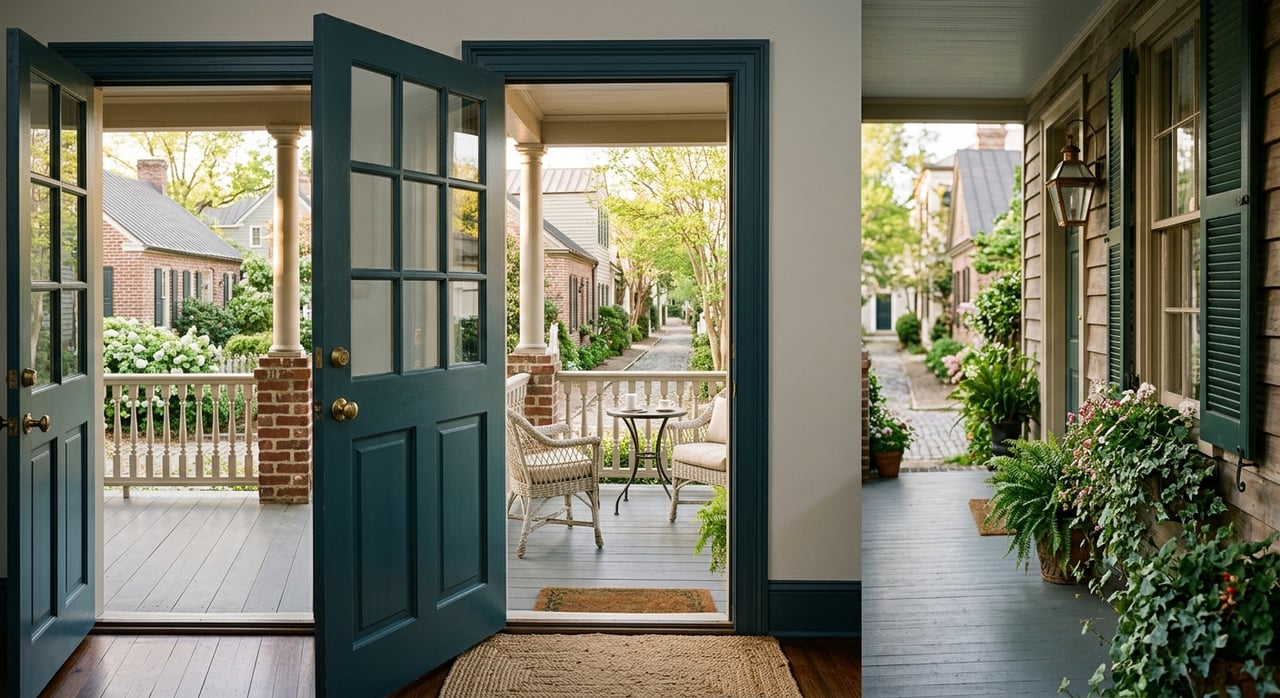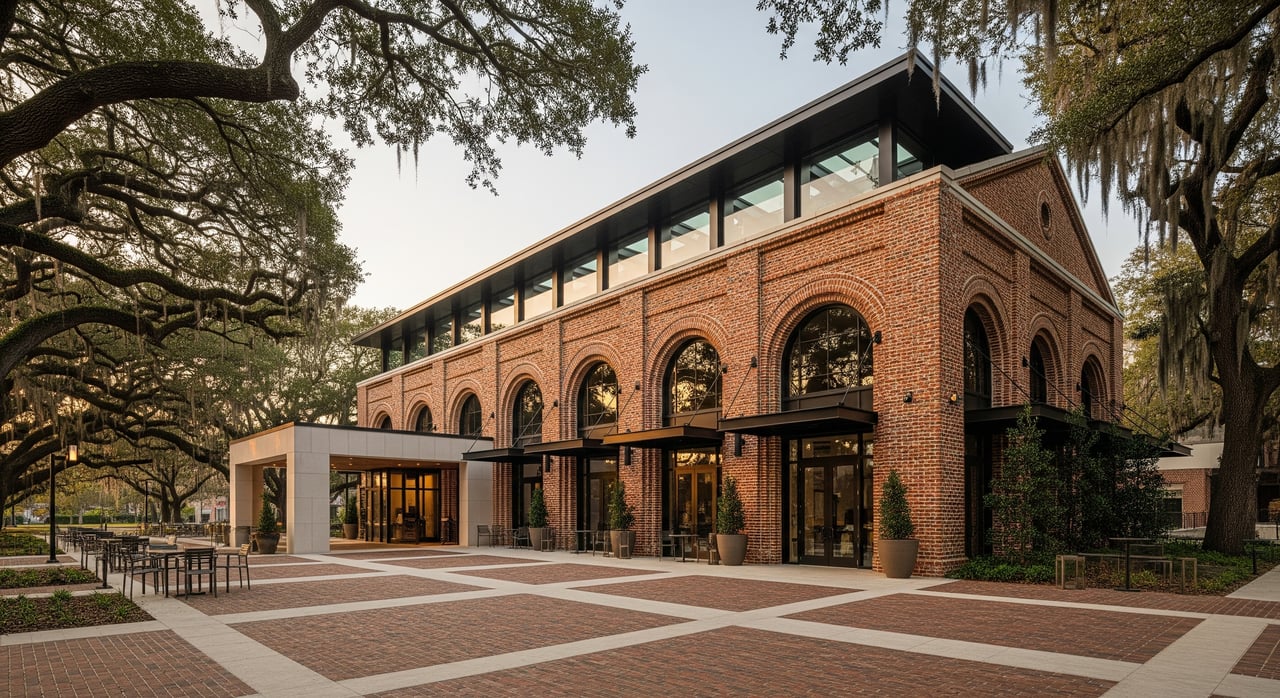
If you picture the Garden District as only a place people visit, you are missing what makes it so appealing day to day. This is, at its core, a historic residential neighborhood where daily life unfolds on shaded sidewalks, front porches, and familiar local routes. If you are wondering what it actually feels like to live here, this guide will walk you through the rhythm, housing, conveniences, and community character that shape everyday living. Let’s dive in.
What daily life feels like
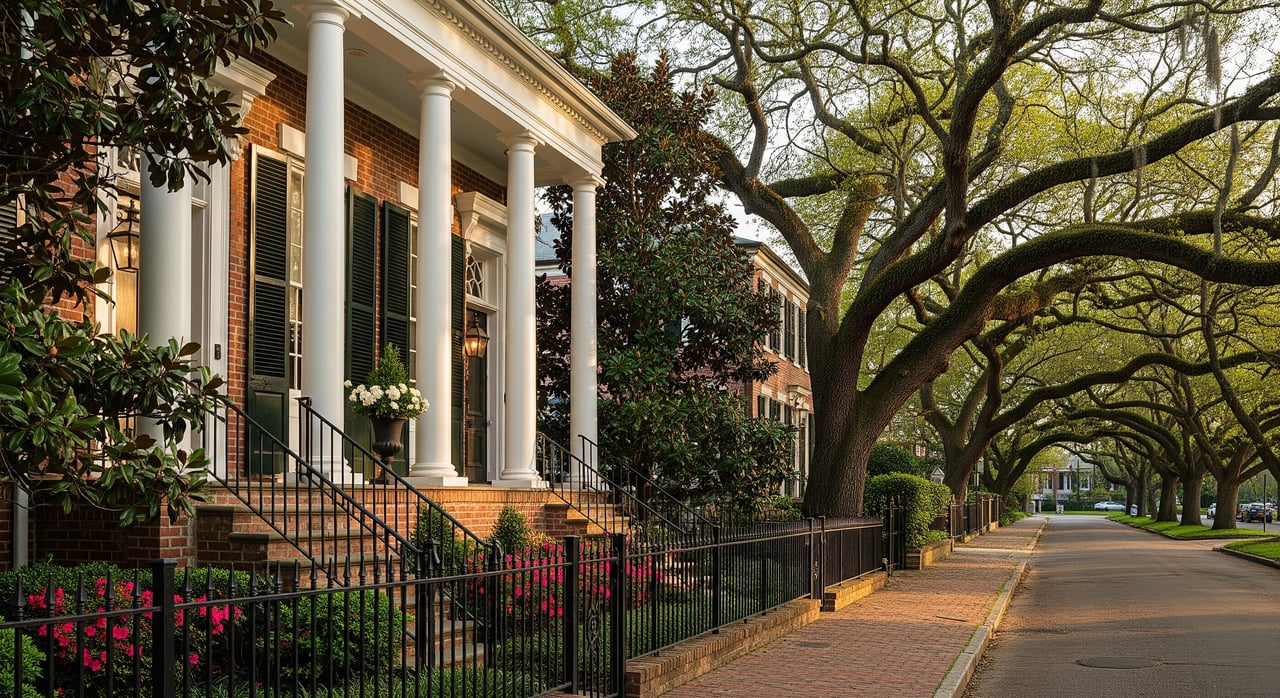
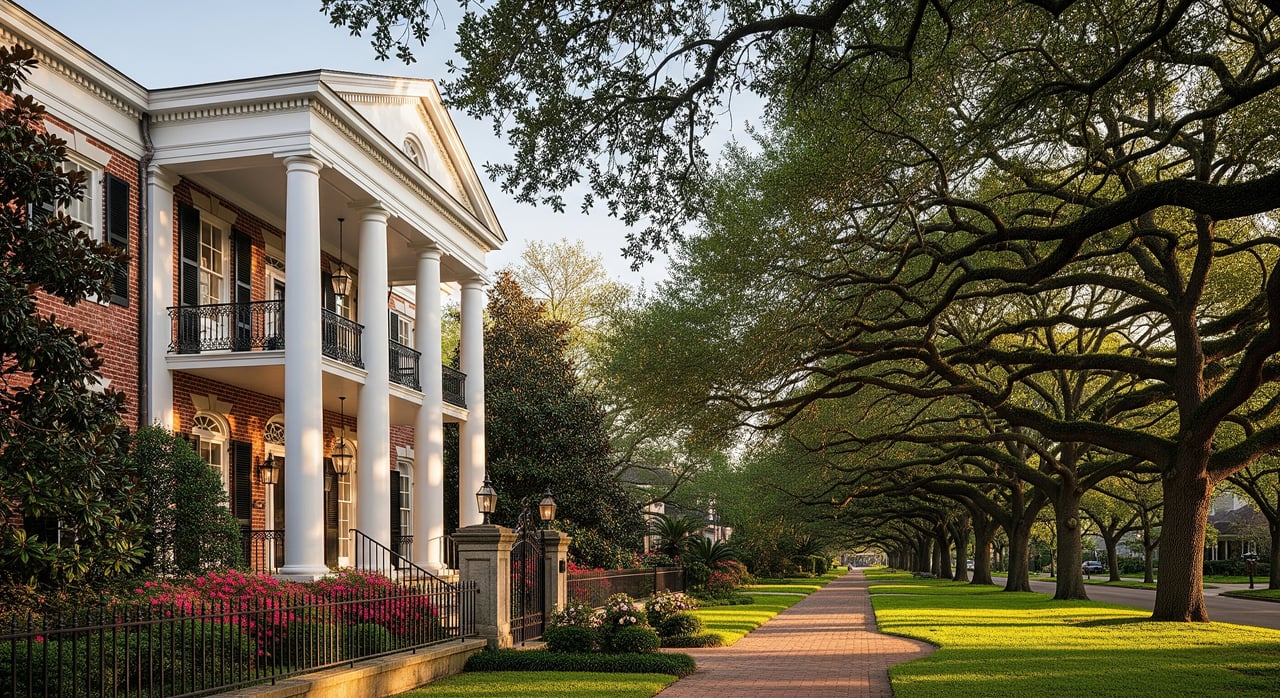
The Garden District has a polished look, but it is not just a backdrop. City historic-district materials describe it as a residential neighborhood known for notable homes, oak-lined streets, gardens, and key corridors like Magazine Street and St. Charles Avenue. That combination gives the area a lived-in feel with a strong sense of place.
You are likely to notice a steady flow of people outside during the day. The neighborhood association describes walkers, runners, parents with strollers, children biking, and kids playing on front lawns, along with regular visitor foot traffic drawn by the architecture. That mix helps the area feel active without reading as a nightlife-centered district.
Another part of the day-to-day experience is how organized the neighborhood feels. The Garden District Association says it plays an active daily role in neighborhood matters, which supports the impression of a closely watched, highly engaged residential area. For many buyers, that kind of visible local involvement is part of the appeal.
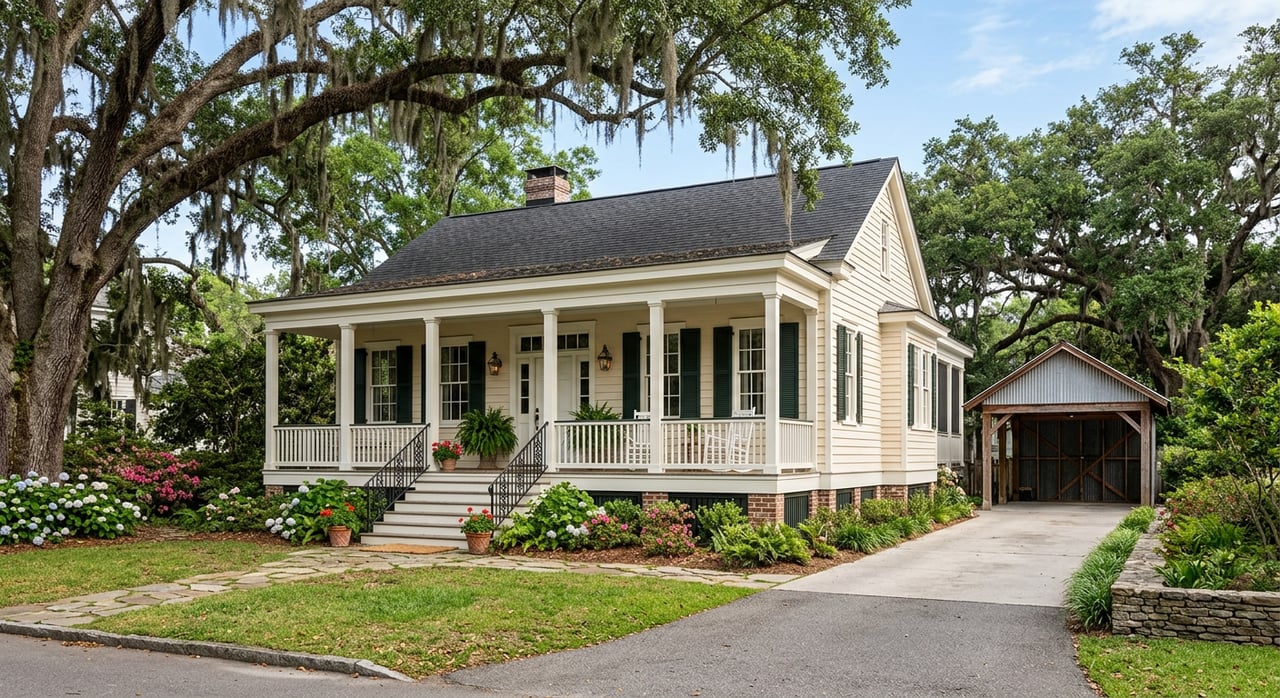
Historic homes shape the setting
One of the biggest reasons people are drawn to the Garden District is the housing itself. The neighborhood was established by New Orleans’ American elite in the late 1840s, and it is now listed on the National Register of Historic Places and designated a National Historic Landmark. That history is not tucked away in a museum. It is part of the streetscape you see every day.
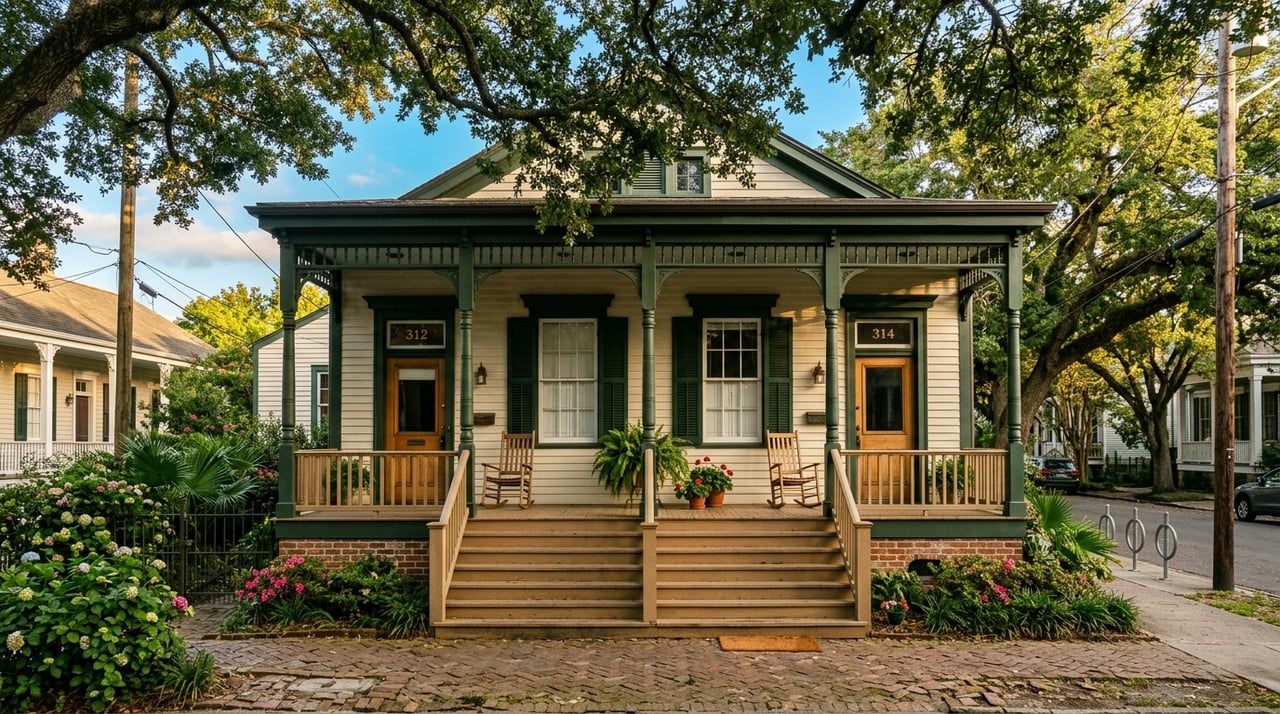
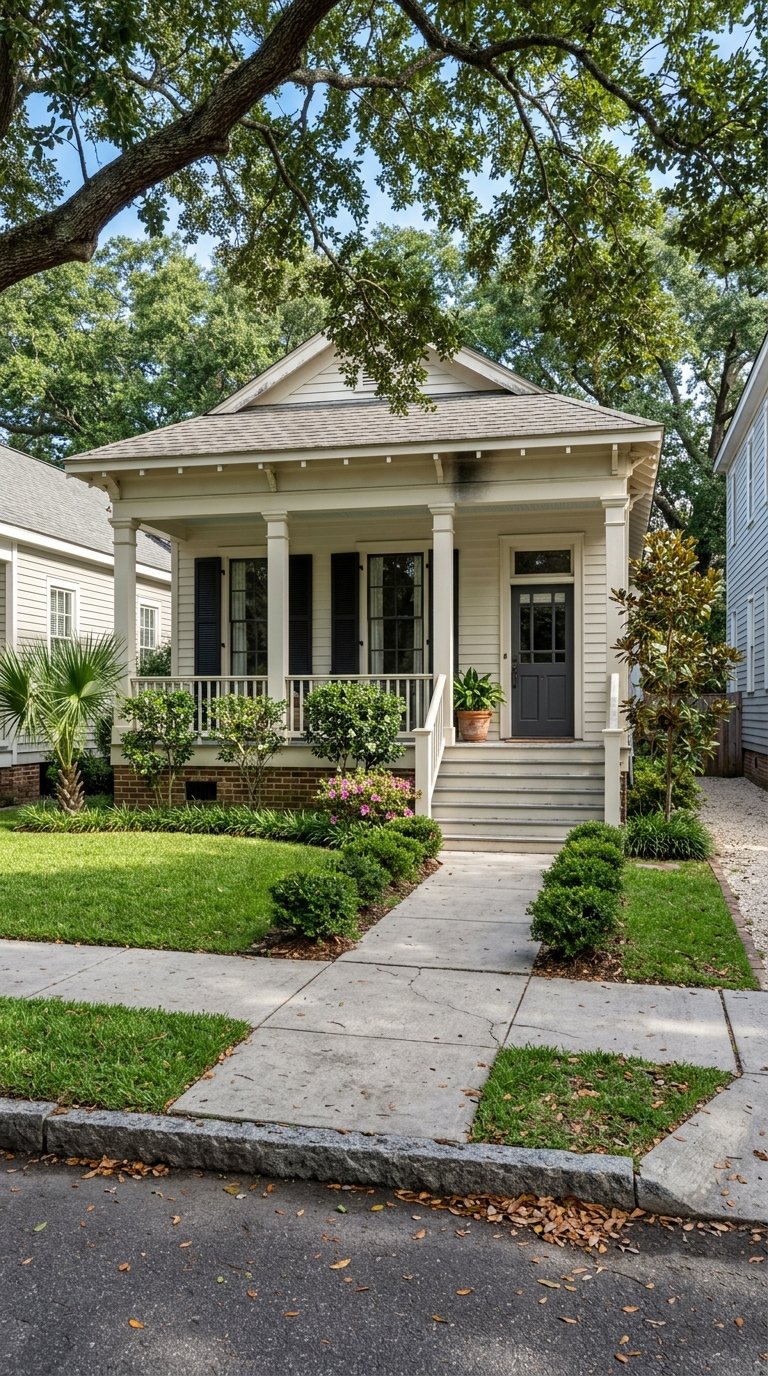
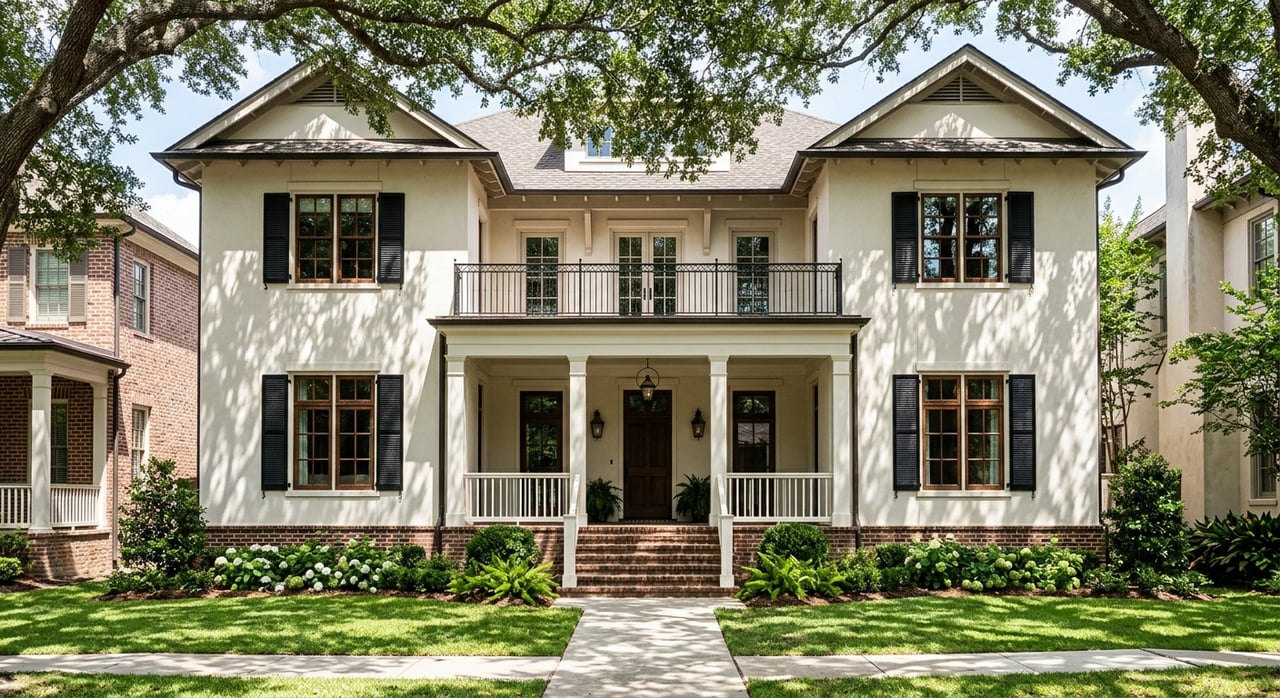
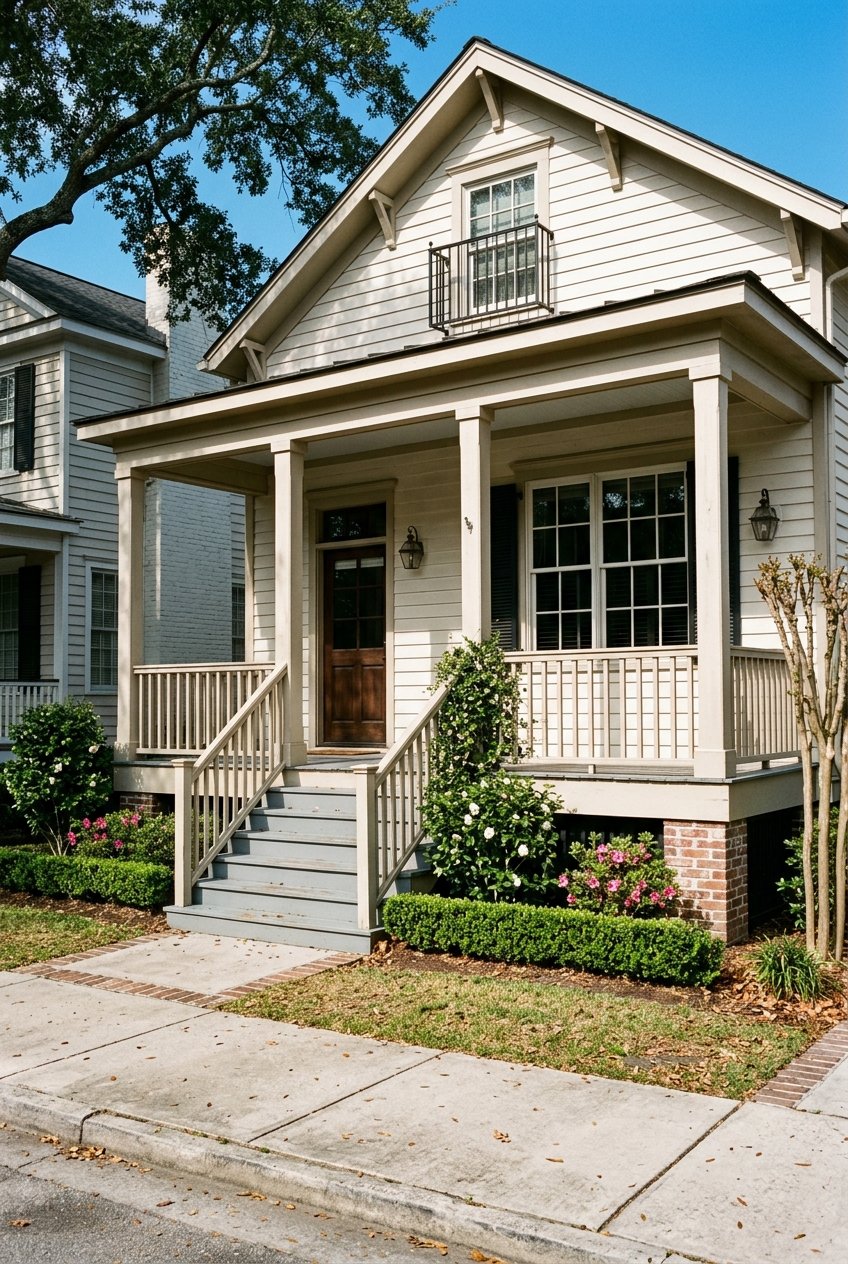
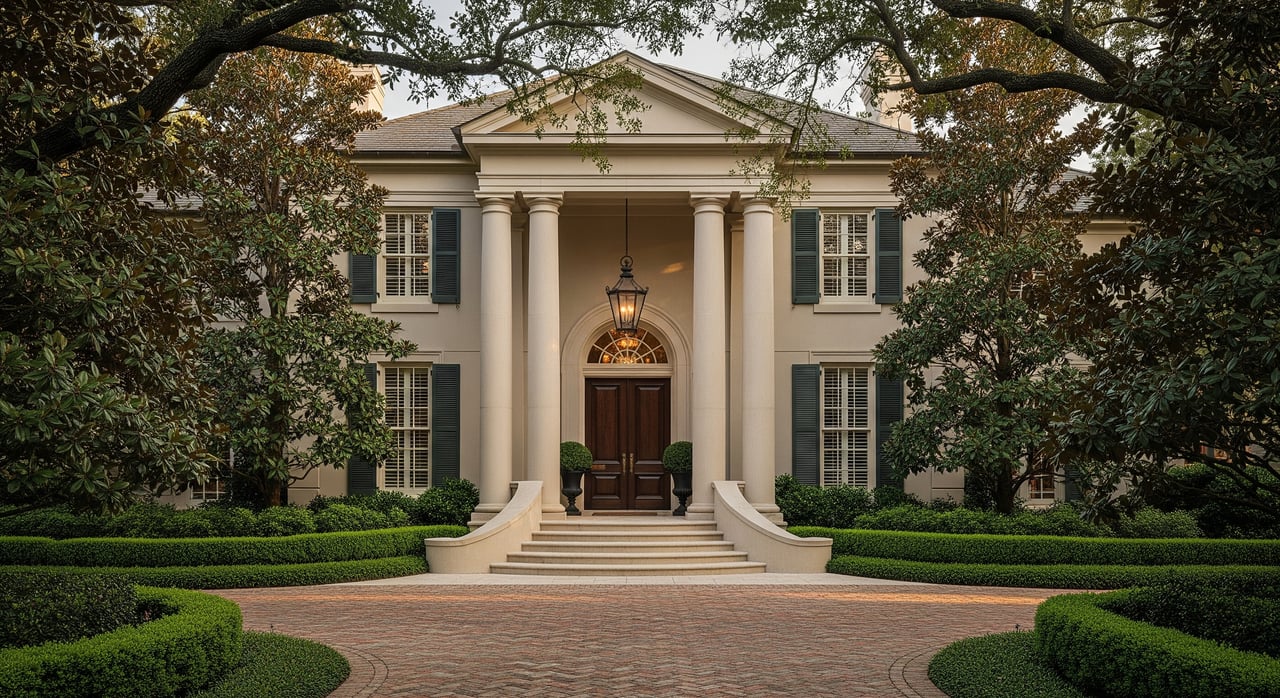
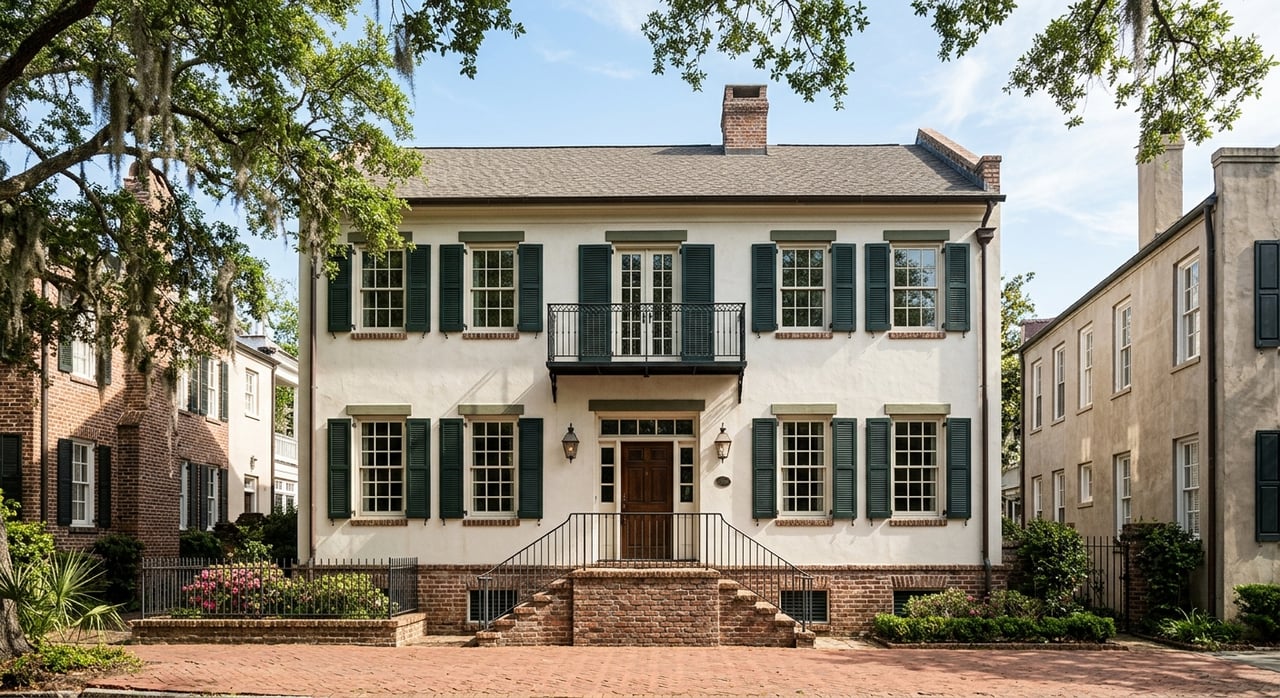
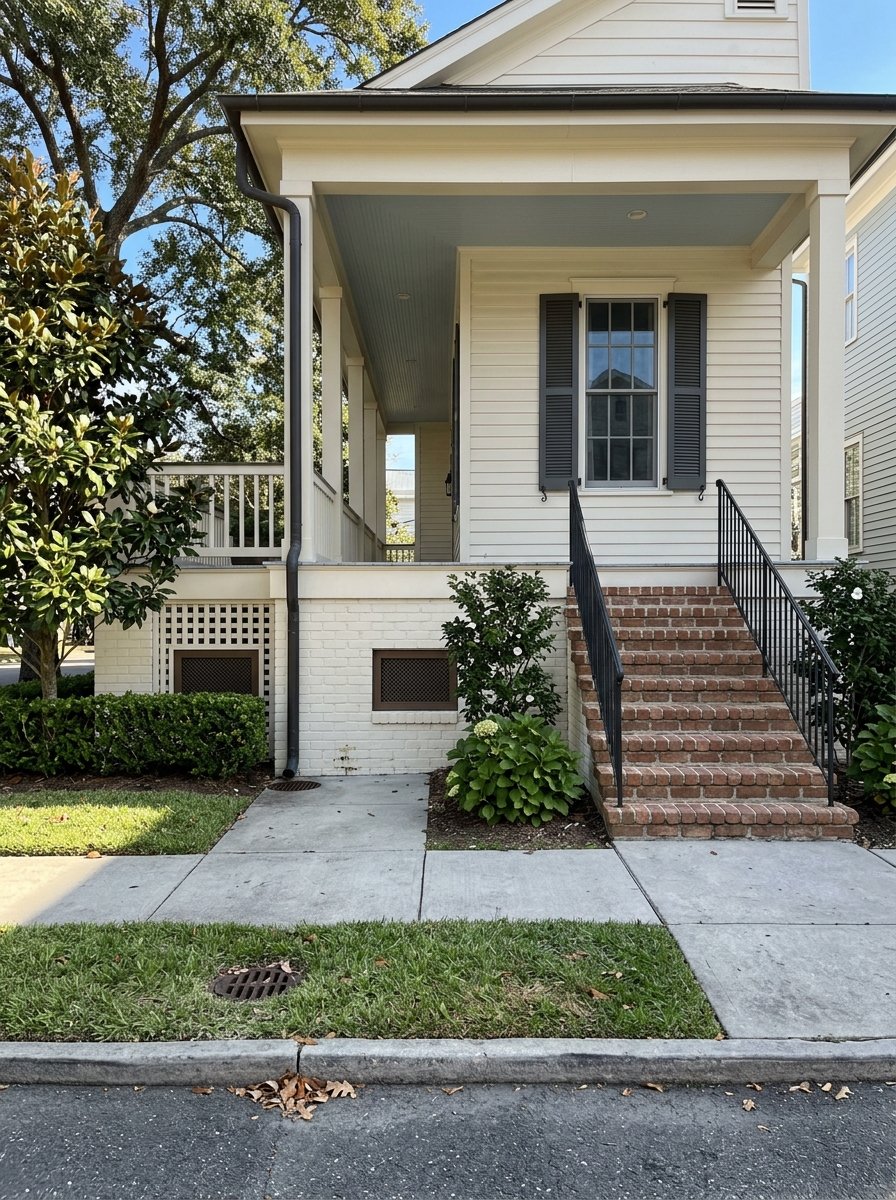
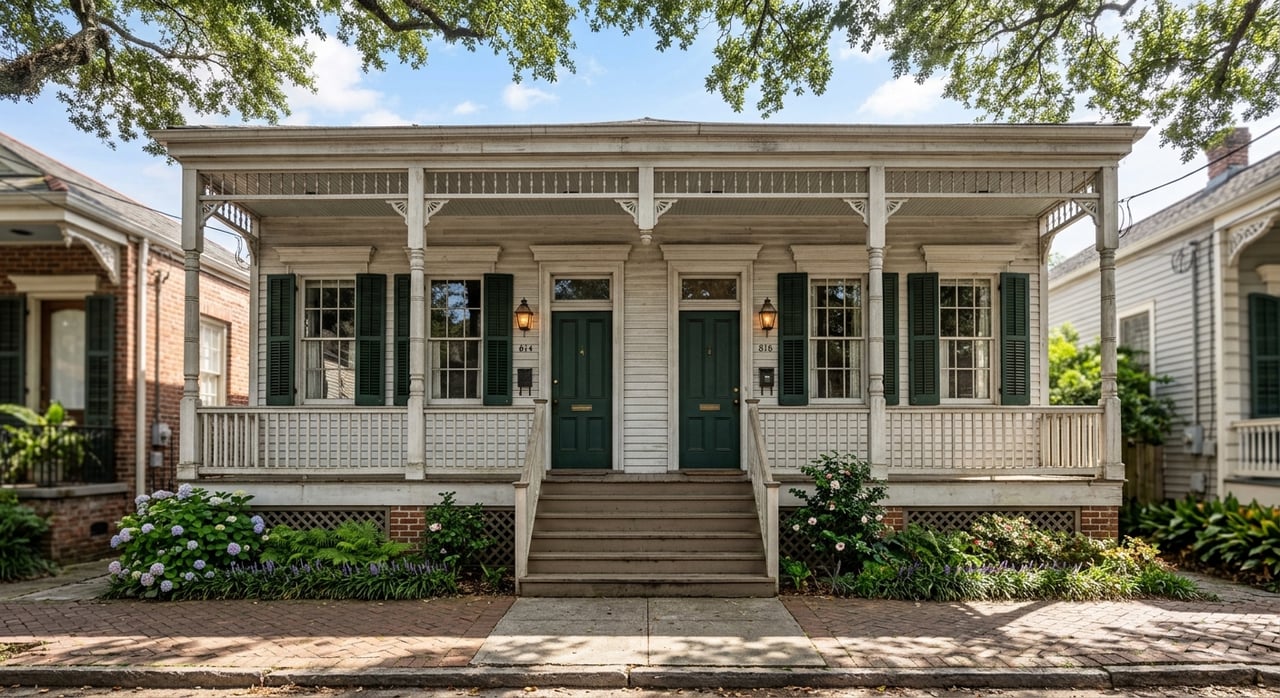
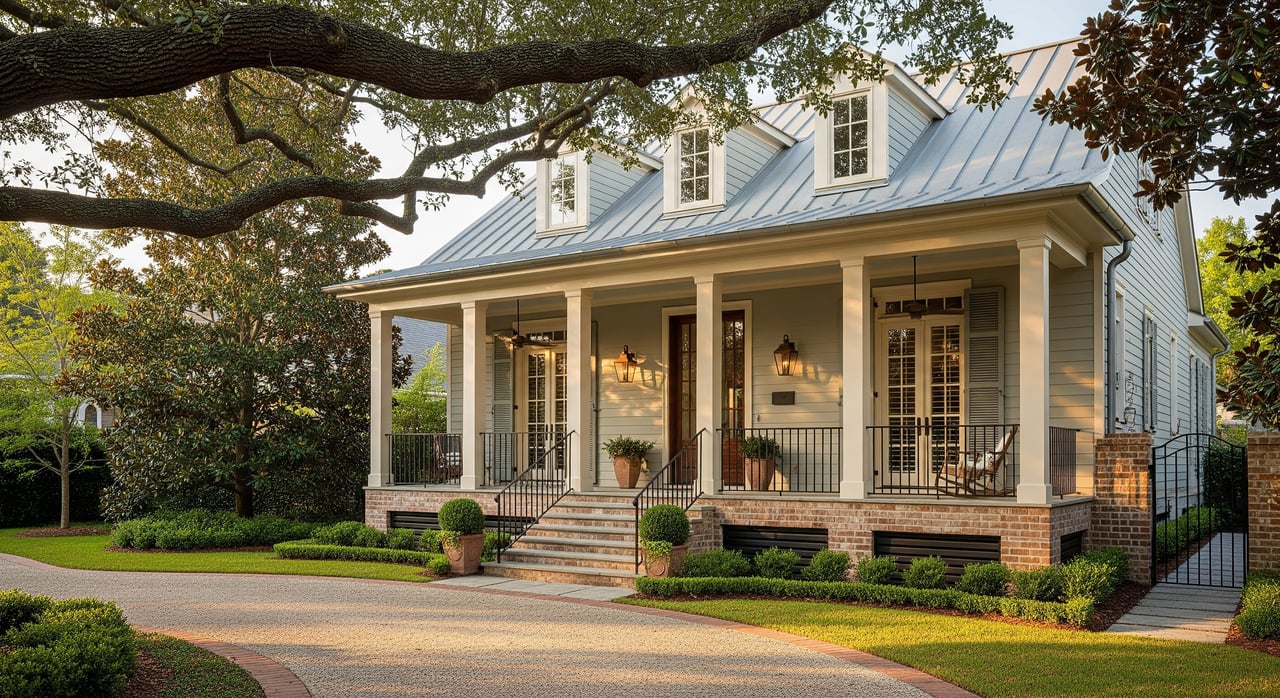
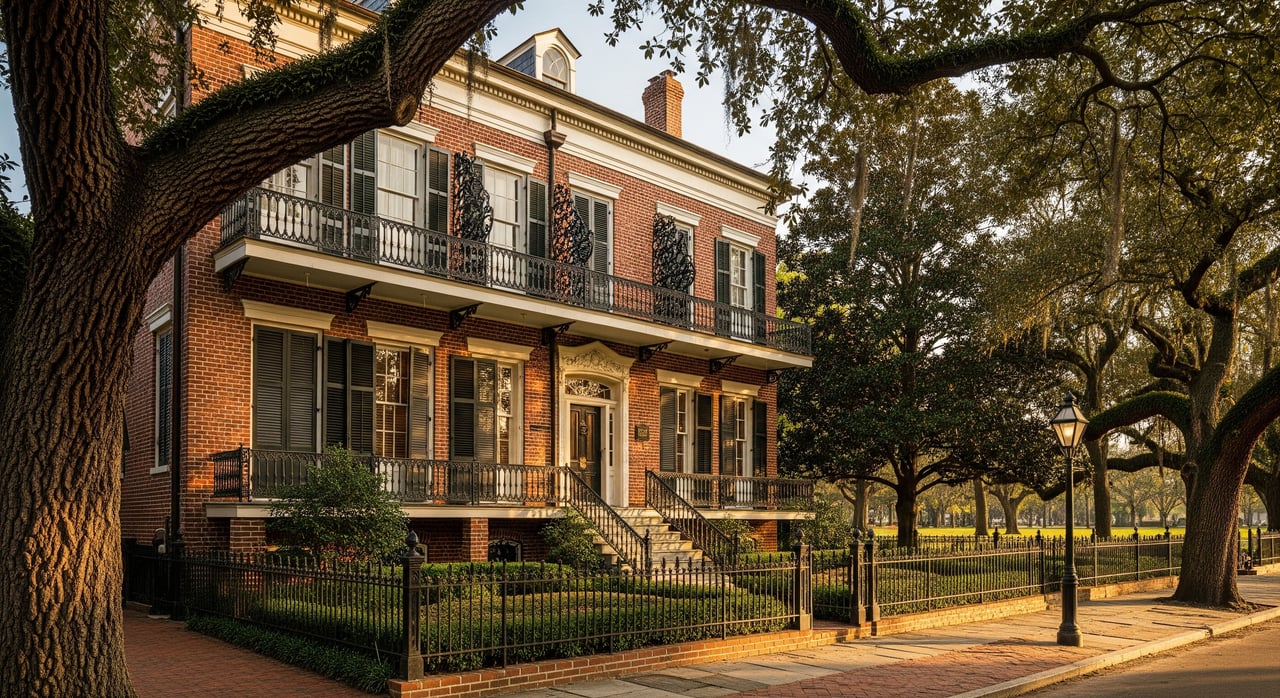
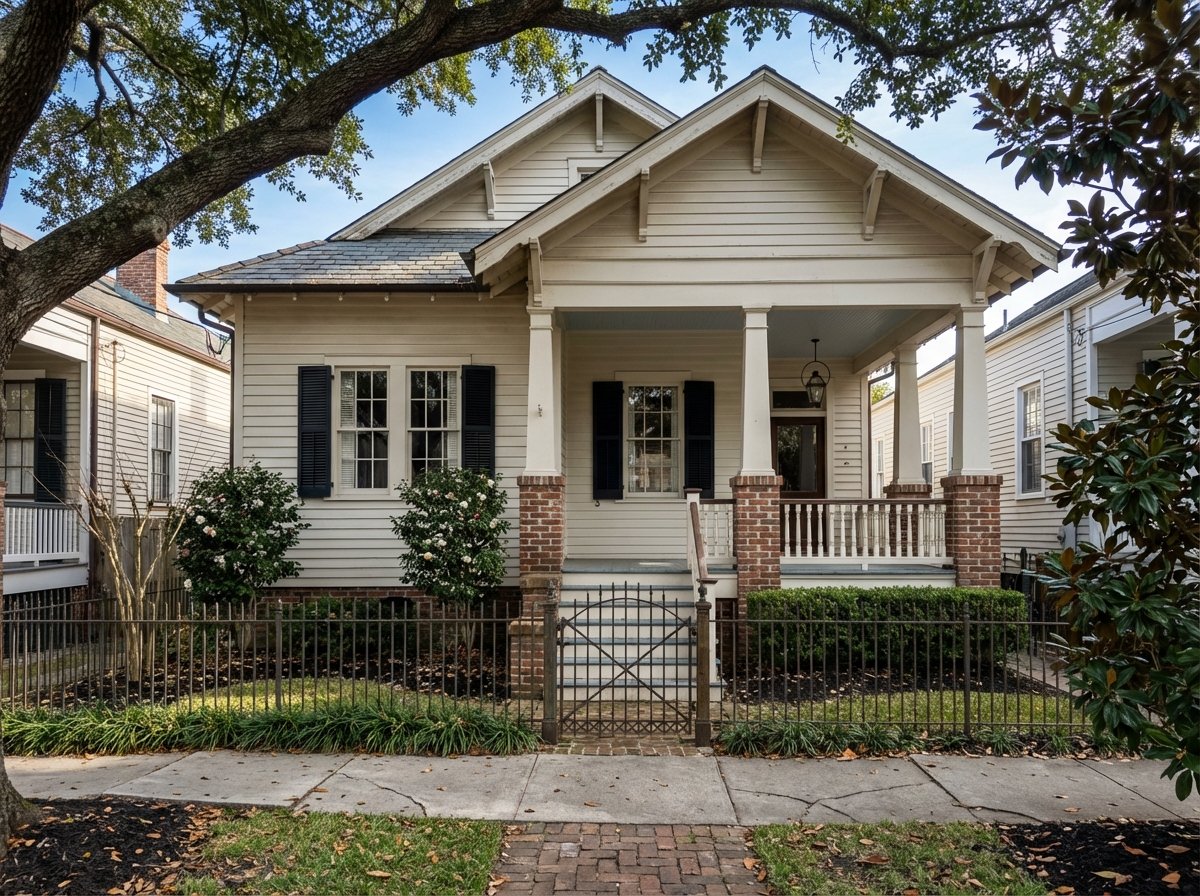
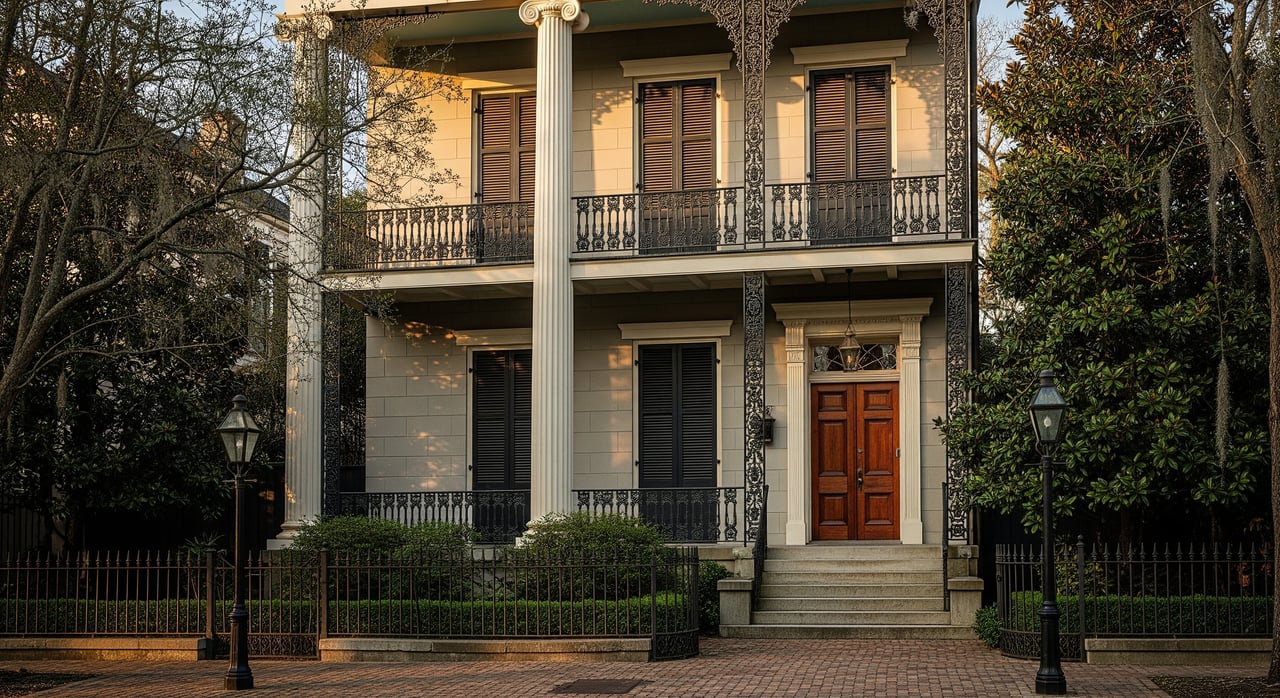
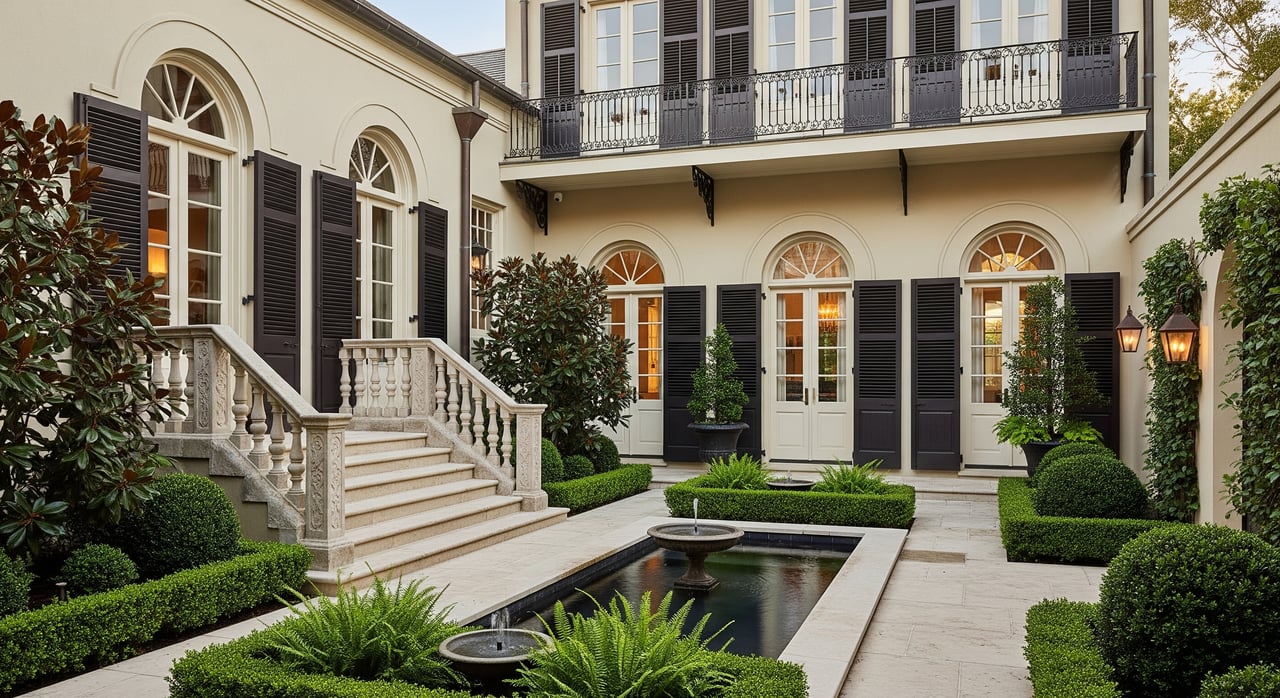
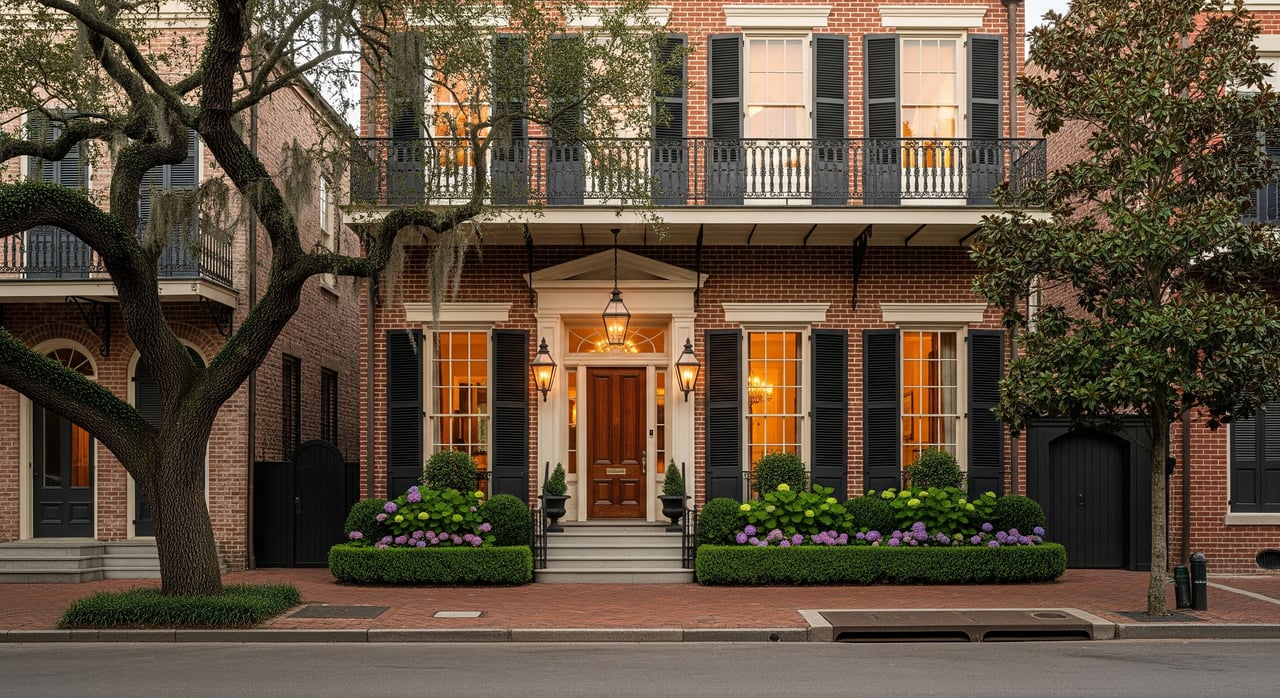
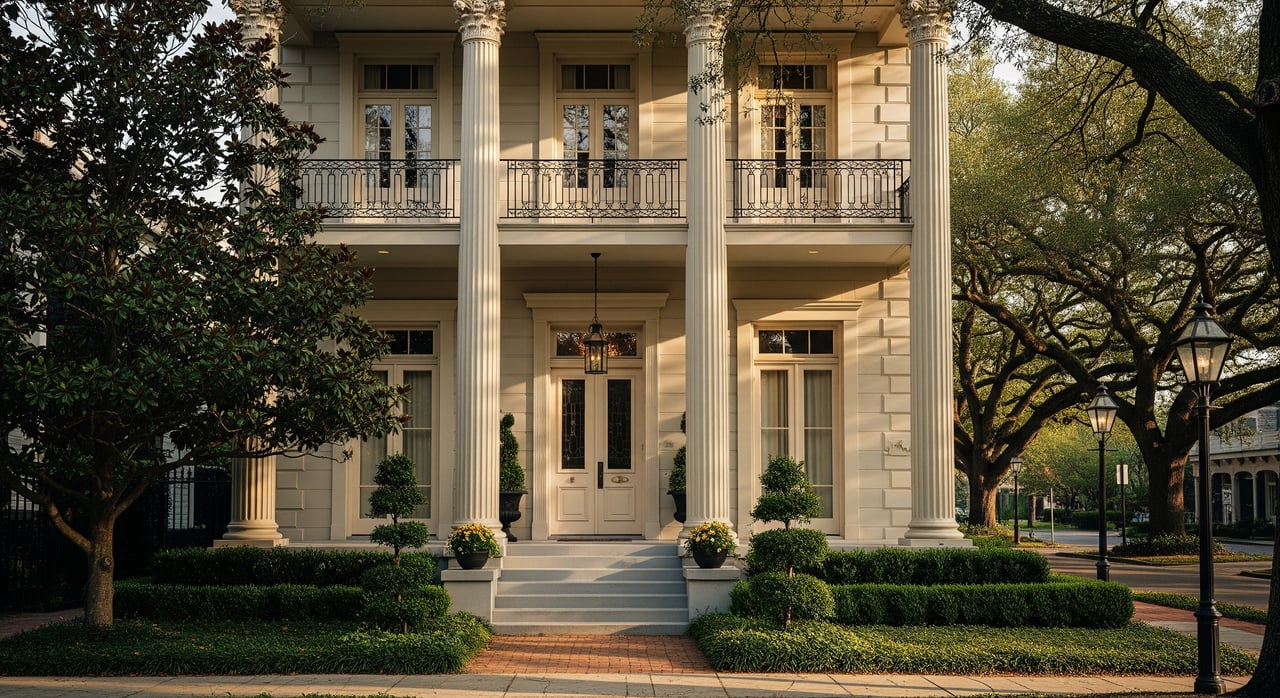
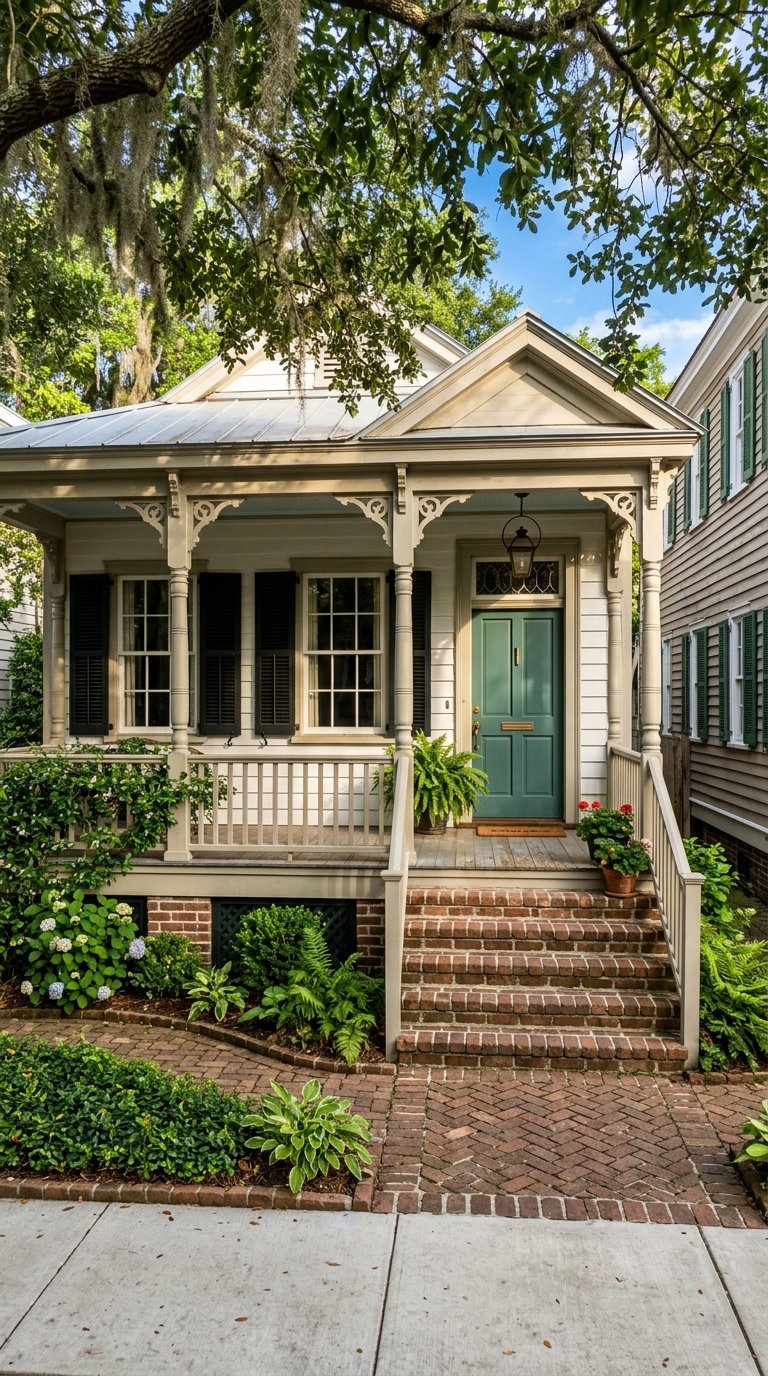
The architectural mix is broader than many people expect. Research on the neighborhood points to raised cottages, grand mansions with two-story galleries, shotgun houses, camel-backs, early Creole cottages, and later Gothic, Greek Revival, Italianate, Queen Anne, Eastlake, and Victorian-front homes. In practical terms, that means the area offers both large statement properties and smaller historic homes with a lot of character.
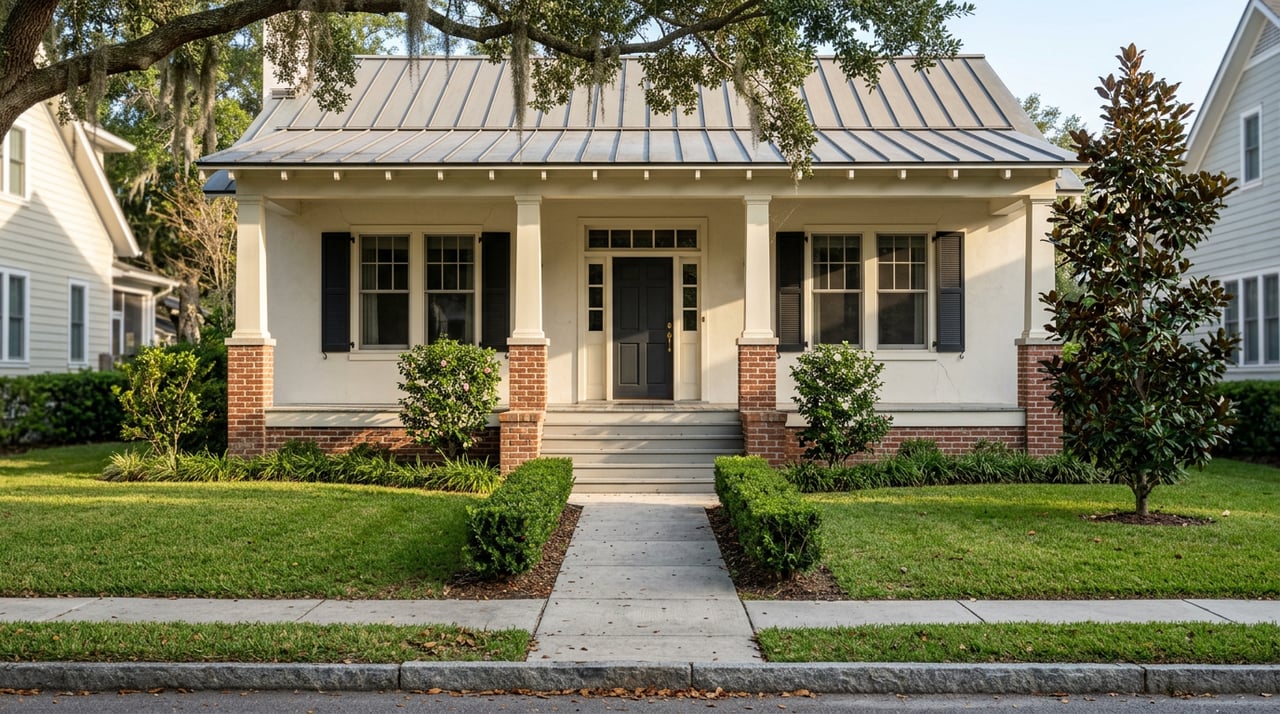
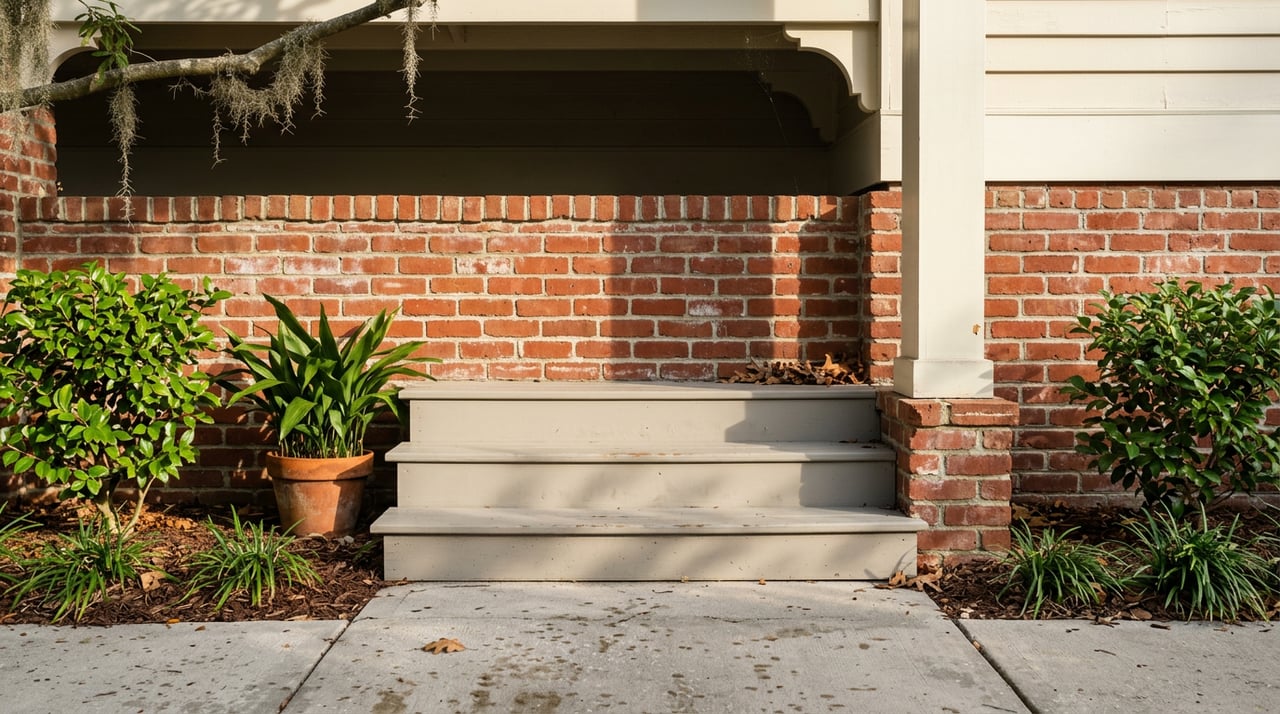
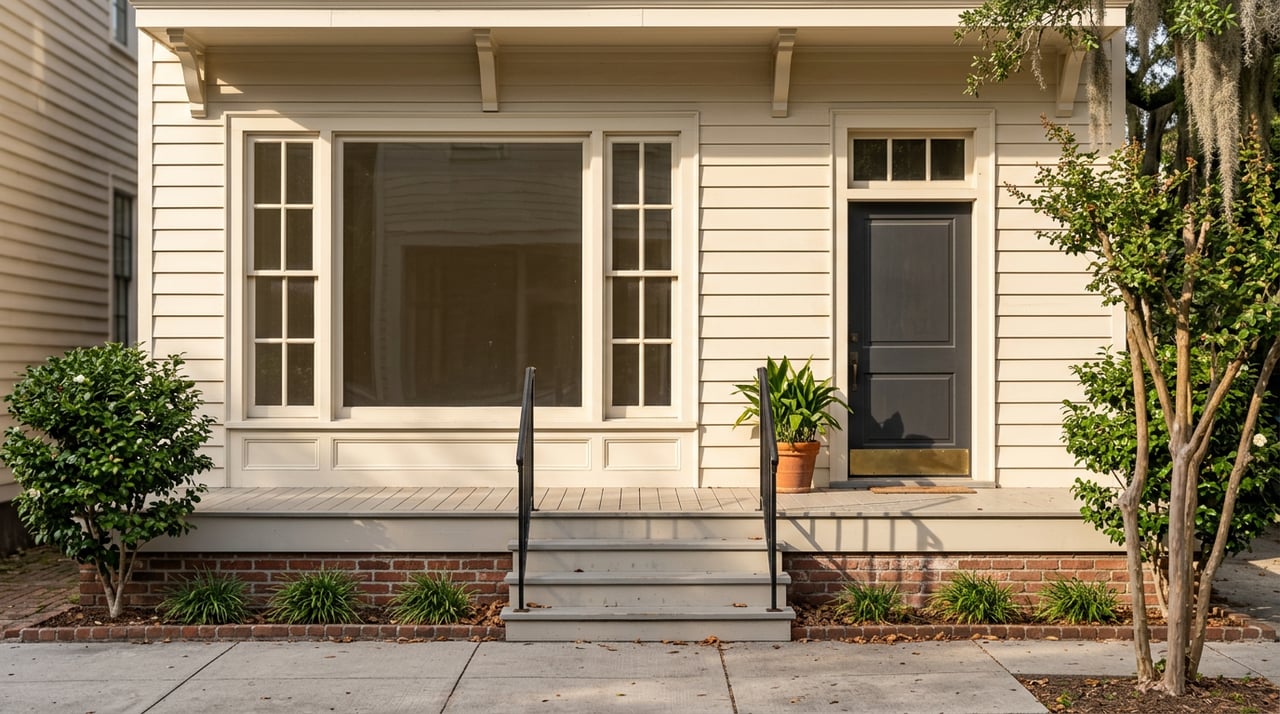
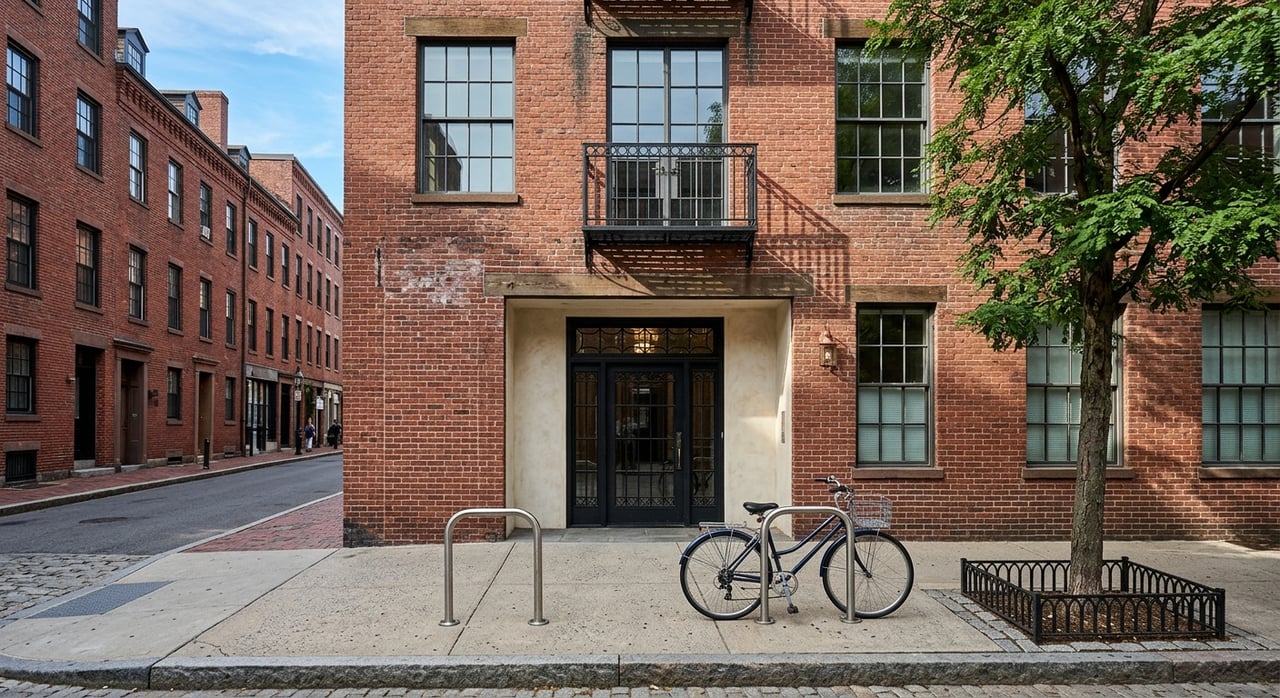
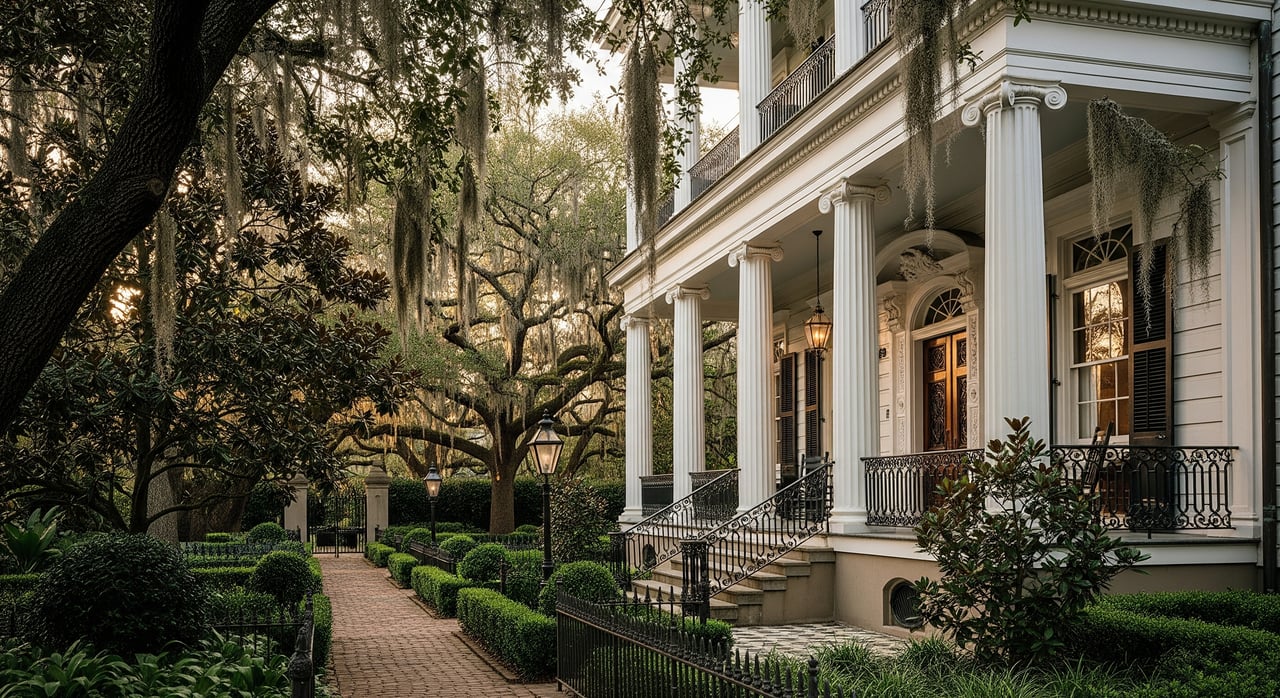
Many houses sit on landscaped lots behind cast-iron or wrought-iron fencing, and many are raised above grade. Those details help create the classic Garden District look people associate with Uptown New Orleans living. At the same time, the neighborhood remains residential first, not staged or overly commercial.
Preservation affects ownership
Living in a historic neighborhood often comes with added considerations, and the Garden District is no exception. The city notes that the local historic district is subject to preservation review, with design review for new construction and public hearings for demolitions. If you are thinking about buying here, that matters because changes to a property may involve more review than in other neighborhoods.
For many buyers, that oversight is actually part of the value. Preservation standards help protect the visual character that makes the area so distinctive in the first place. It is one reason the neighborhood tends to feel cohesive block to block.
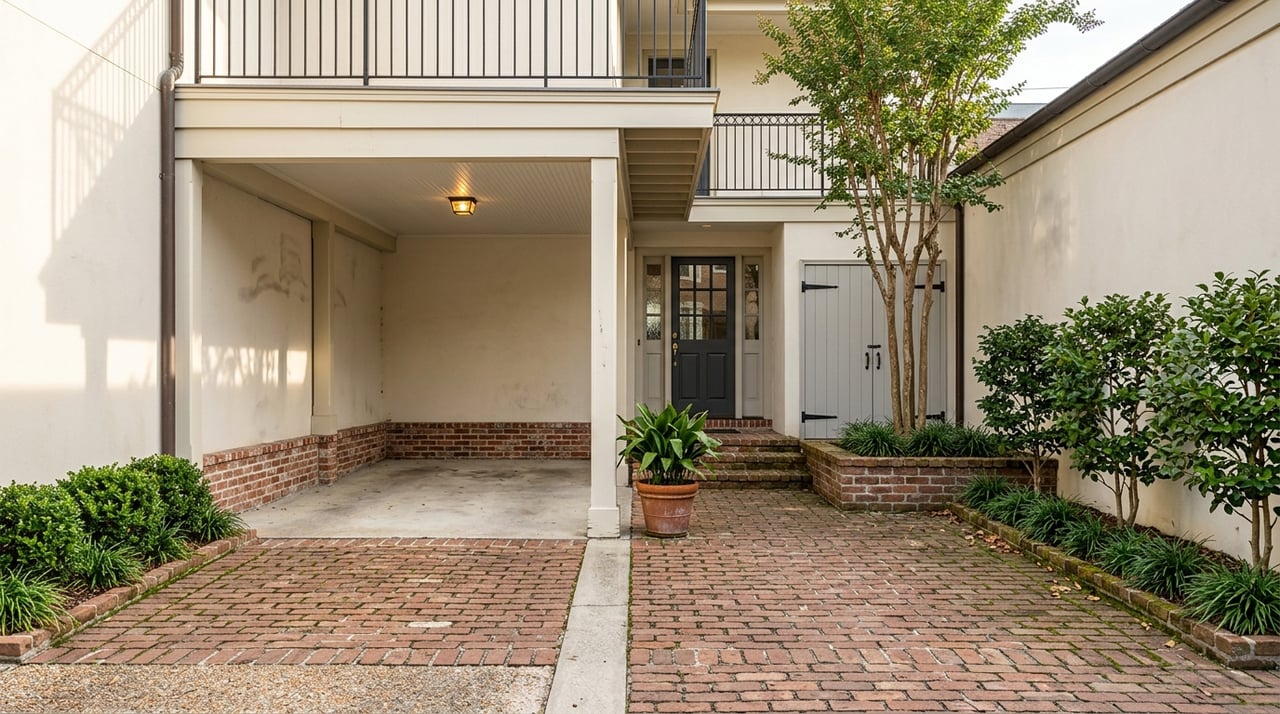
You should also expect an urban parking setup. The city guide notes that many residents rely on street parking, which is worth keeping in mind if parking convenience is high on your list. It is a small but important detail that shapes everyday routines.
Housing options are mostly home-focused
The Garden District is best known for historic single-family living. Houses define most of the neighborhood’s visual identity and daily rhythm, especially on interior residential streets. If your goal is a classic New Orleans home with architectural detail and strong neighborhood character, this setting speaks directly to that lifestyle.
That said, the area is not limited to detached homes. National Park Service materials note that some apartments and other multifamily buildings appear along St. Charles Avenue and on some edges of the district. So while apartment-style living exists, it plays a secondary role to the neighborhood’s house-dominated character.
For buyers, renters, and even investors, that mix can be useful. You may find a range of property formats nearby while still enjoying the same broader neighborhood setting. In a market like Uptown, that flexibility can widen your options.
Magazine Street makes errands easier
One of the most practical benefits of living in the Garden District is access to Magazine Street. Research describes it as a major corridor for shopping, dining, and everyday convenience, with locally owned shops, bakeries, grab-and-go food options, restaurants, bars, and retail. In everyday terms, that means you are not relying on a single-use strip.
This matters because convenience feels different when it is woven into your neighborhood. Instead of planning around one destination, you have a corridor that supports quick errands, casual meals, and spontaneous stops. That can make daily life feel easier and more connected.
Magazine Street also helps balance the neighborhood’s residential feel. You get access to activity and services nearby, while much of the Garden District itself still reads as calm, house-centered, and residential. For many people, that is the sweet spot.
St. Charles adds transit access
Transit is part of the Garden District’s identity, not an afterthought. The New Orleans Regional Transit Authority streetcar map shows St. Charles line stops at Jackson and Napoleon, and RTA says all streetcar lines are ADA-accessible. For residents, that adds a practical option for routine trips and a classic New Orleans element to daily life.
The presence of the streetcar also reinforces how connected the neighborhood feels. You can enjoy a residential setting while still having a recognizable public transit line running along one of the city’s main avenues. That combination supports a somewhat car-light lifestyle for some households, especially for local outings.
Of course, this is still an urban neighborhood with historic streets and street parking. So while walkability and transit are real advantages, the experience is still distinctly city living. That is part of the charm for many residents.
Nearby park time is a real perk
When you want green space, Audubon Park is one of the strongest nearby lifestyle perks. Audubon Nature Institute says the park is open daily from 5 a.m. to 10 p.m. and includes a 1.8-mile jogging path, lagoon, picnic pavilions, playgrounds, tennis courts, riding stables, a soccer field, a pool, and a golf course. That is a wide range of options for exercise, downtime, and weekend routines.
For many people considering Uptown living, nearby park access has real value. It gives you a place to run, walk, meet up outdoors, or simply change pace without leaving the broader area. In a neighborhood known for architecture and streetscape, that kind of recreation nearby adds another layer to the lifestyle.
The benefit here is not just the park itself. It is how easily park time can fit into normal life. Quick walks, morning runs, and casual outdoor plans become more realistic when a major green space is close at hand.
Community life feels visible
The Garden District stands out for having community life you can actually see. The neighborhood association calendar includes events like Jazz & Juleps, the annual membership meeting, Garden Club gatherings, Halloween Under the Oaks, porch-style welcome events, and the Fall Affair at Commander’s Palace. Those traditions suggest a neighborhood with recurring local rituals, not just individual households living side by side.
The city’s historic-district guide also describes the area as a tightly knit community with long-running New Orleans traditions. During Carnival season, many homes display Rex flags, which adds another visual cue that neighborhood identity is part of everyday life here. These details help explain why the Garden District often feels both elegant and grounded.
Several long-standing local anchors also shape the neighborhood’s living geography. City materials point to Lafayette Cemetery No. 1, Commander’s Palace, Trinity Episcopal Church, and The Rink as important parts of the area’s identity. Even if you are not visiting them every day, they help define the neighborhood around you.
Security and livability cues
Another detail that stands out in the research is the presence of the Garden District Security District. According to the association, it manages 24-hour enhanced patrols, with three officers on duty at all times and special evening patrol detail. For buyers evaluating day-to-day livability, that level of neighborhood infrastructure can be meaningful.
It also speaks to how invested the area is in maintaining a strong residential environment. Combined with active association involvement and preservation oversight, it adds to the sense that the neighborhood is cared for in a very hands-on way. That does not define the whole experience, but it does shape how the area functions.
Who the Garden District fits best
If you are drawn to historic architecture, walkable routines, and a neighborhood with clear identity, the Garden District offers a lot to like. It is especially appealing if you want daily access to Magazine Street, classic Uptown streetscapes, and a residential environment that feels active but not overly commercial. The neighborhood’s value is less about speed and convenience alone and more about character, setting, and rhythm.
It can also work for a range of housing goals. Some buyers want a grand historic home, while others are looking for a smaller character-filled property or a multifamily option near the district’s edges. What ties those choices together is the broader lifestyle: porches, trees, sidewalks, nearby transit, and a strong neighborhood presence.
If you are exploring Uptown neighborhoods and want help weighing daily lifestyle, property type, and long-term fit, Ashley Nesser offers the kind of local guidance that can make your search feel more focused and confident.
FAQs
What is day-to-day living like in the Garden District?
- Day-to-day living in the Garden District feels residential, walkable, and active, with people out walking, running, biking, and handling casual errands near Magazine Street.
What kinds of homes are in the Garden District?
- Homes in the Garden District include raised cottages, mansions with galleries, shotgun houses, camel-backs, Creole cottages, and other historic styles such as Greek Revival, Italianate, Queen Anne, and Victorian-front homes.
Is the Garden District mainly residential or commercial?
- The Garden District is mainly residential, with daily conveniences concentrated along Magazine Street rather than spread throughout the neighborhood like a commercial district.
Can you get around the Garden District without driving everywhere?
- Some residents can live somewhat car-light for routine outings thanks to walkable streets, Magazine Street conveniences, nearby park access, and the St. Charles streetcar line.
Are there apartments in the Garden District?
- Yes, some apartments and multifamily buildings are present, especially along St. Charles Avenue and on parts of the neighborhood’s edges, but the area is still defined mostly by houses.
What nearby recreation is available from the Garden District?
- Nearby recreation includes Audubon Park, which offers a jogging path, playgrounds, tennis courts, picnic areas, a lagoon, a pool, a golf course, and other outdoor amenities.
Does the Garden District have a strong community feel?
- Yes, the neighborhood shows a visible community culture through local events, annual traditions, active neighborhood organization, and long-standing local landmarks that shape everyday identity.