Can a classic Uptown duplex really help pay your mortgage while you enjoy mornings in Audubon Park? In the Uptown Triangle, also called Black Pearl, many buyers and small investors find that it can. Whether you are planning to house hack or add a stable 2 to 4 unit to your portfolio, understanding the neighborhood’s building stock, zoning, rents, and realistic renovation costs is the key to a confident purchase. This guide gives you the local context, a simple underwriting framework, and a practical checklist to help you move forward with clarity. Let’s dive in.
Why Uptown Triangle for small multi-family
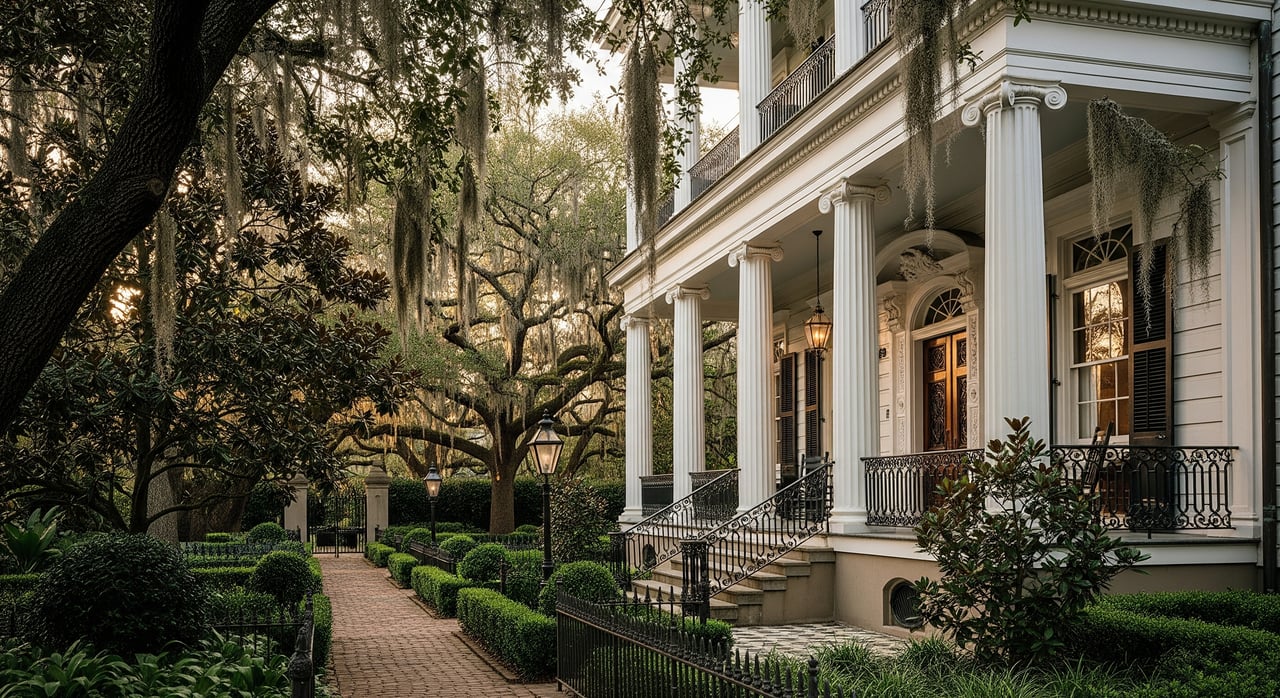
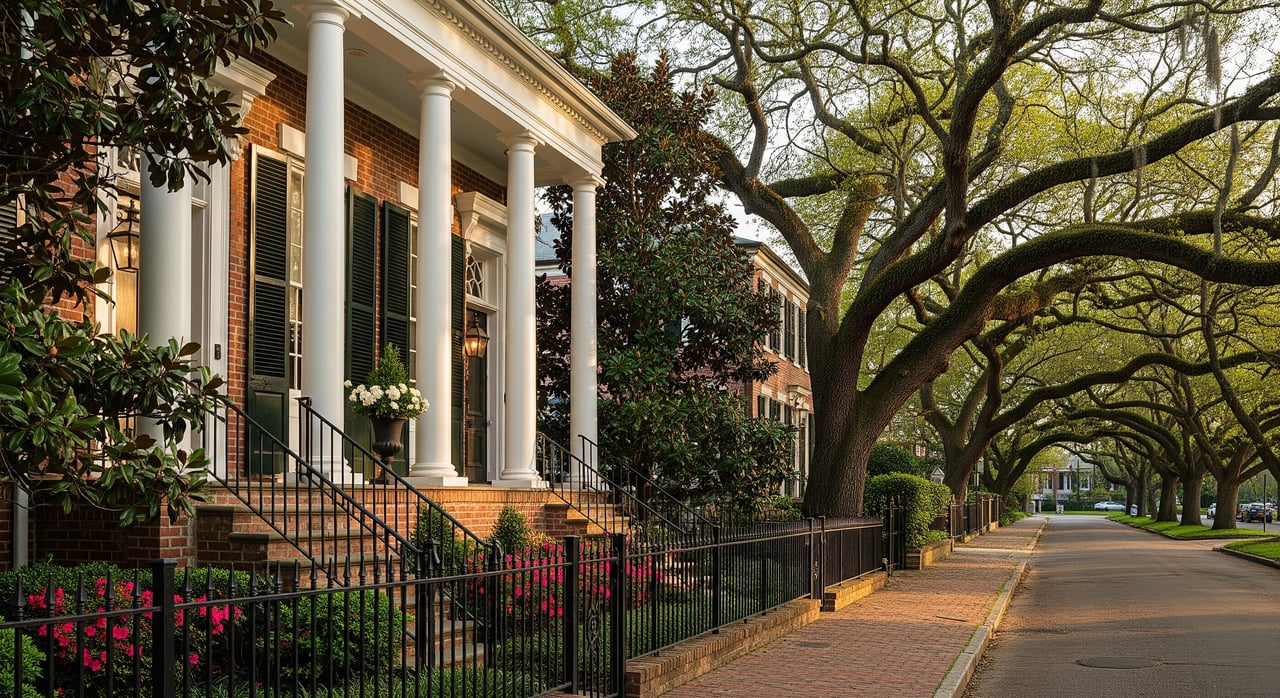
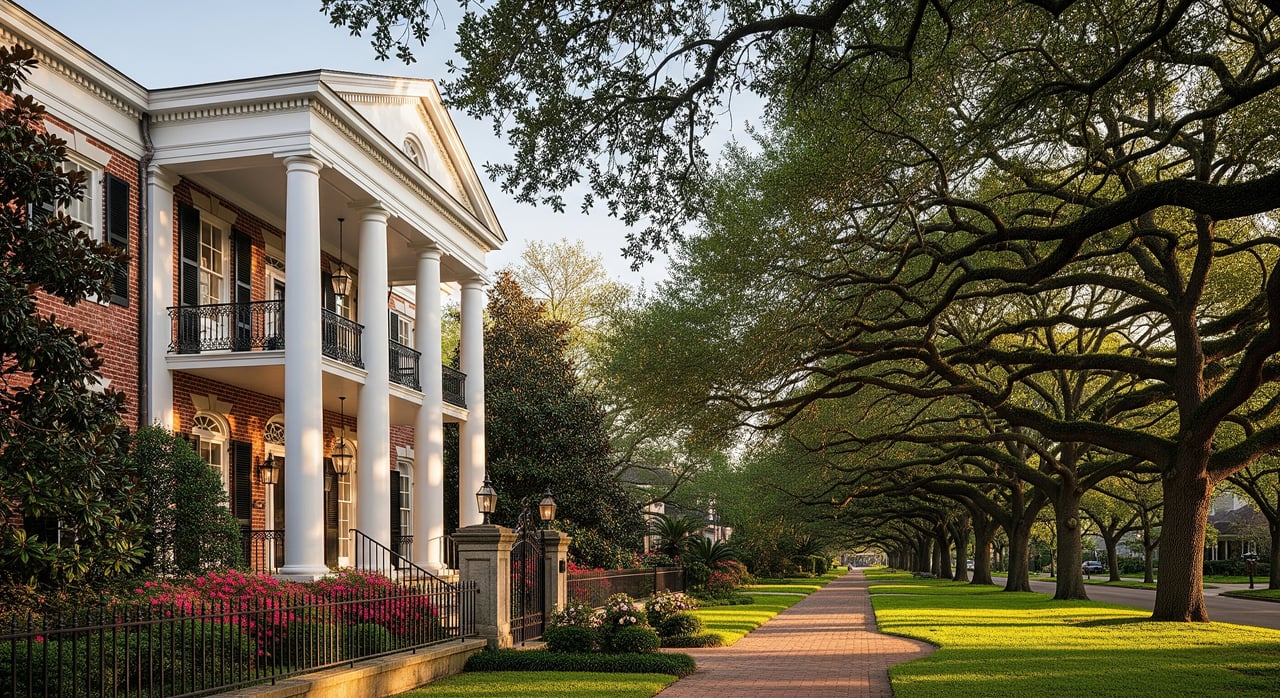
The Uptown Triangle sits within a compact area bordered by Broadway, St. Charles Avenue, and the river. The neighborhood association’s overview offers a helpful sense of place and boundaries in one view at the Uptown Triangle Neighborhood Association site. You have walkable access to Audubon Park and the St. Charles streetcar, plus a high concentration of historic New Orleans homes.
Many properties here are in a lower-risk flood designation compared with other parts of the city. You should still verify the specific flood zone, any elevation certificate, and current insurance quotes for each property you consider. That difference in risk profile can matter for underwriting and long-term cost planning.
Local rental demand is supported by proximity to parks and transit, steady interest from students and medical professionals in nearby universities and hospitals, and limited new small-unit supply in historic blocks. That mix helps duplexes and small multi-family buildings stay competitive when they are well maintained and thoughtfully presented.
What you are buying: common 2 to 4 unit types
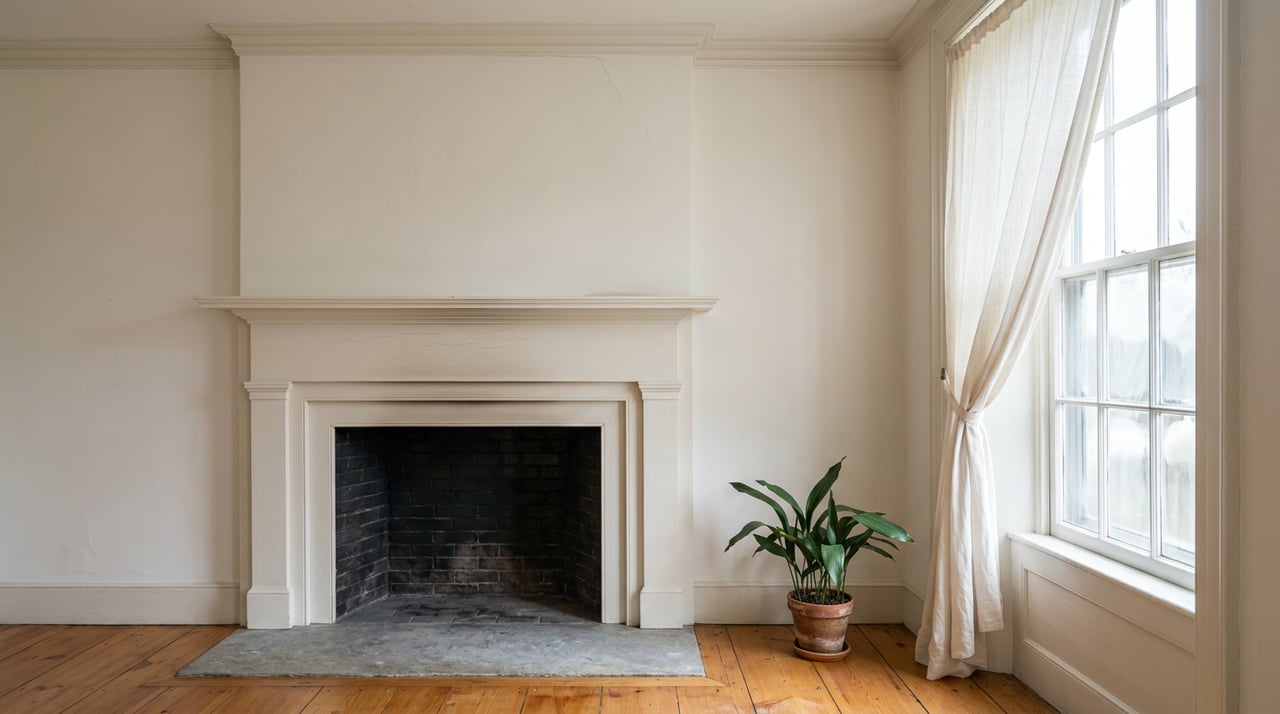
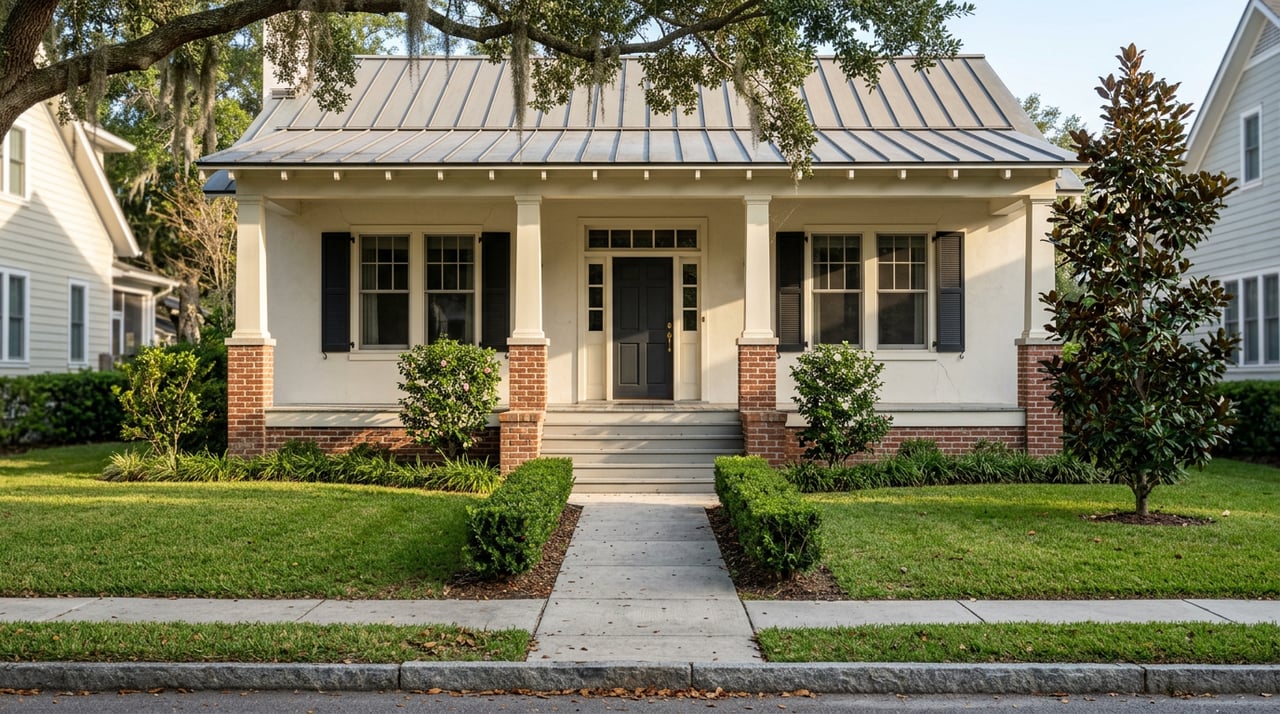
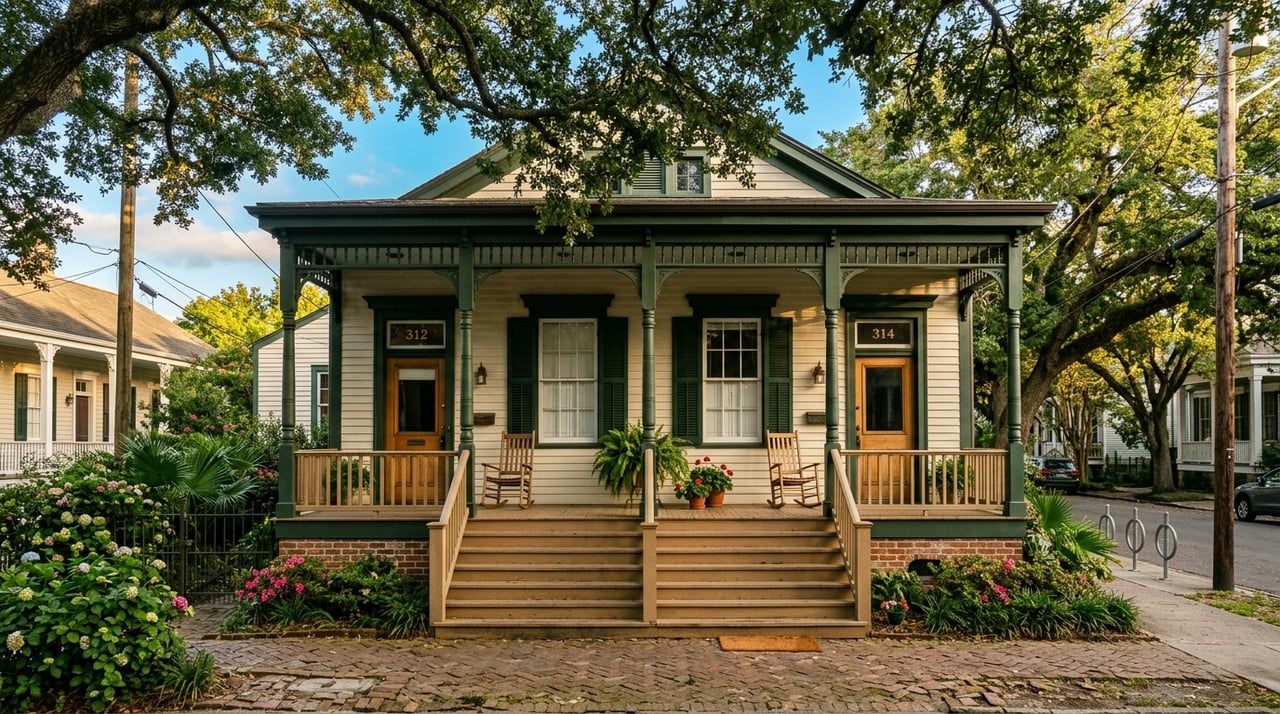
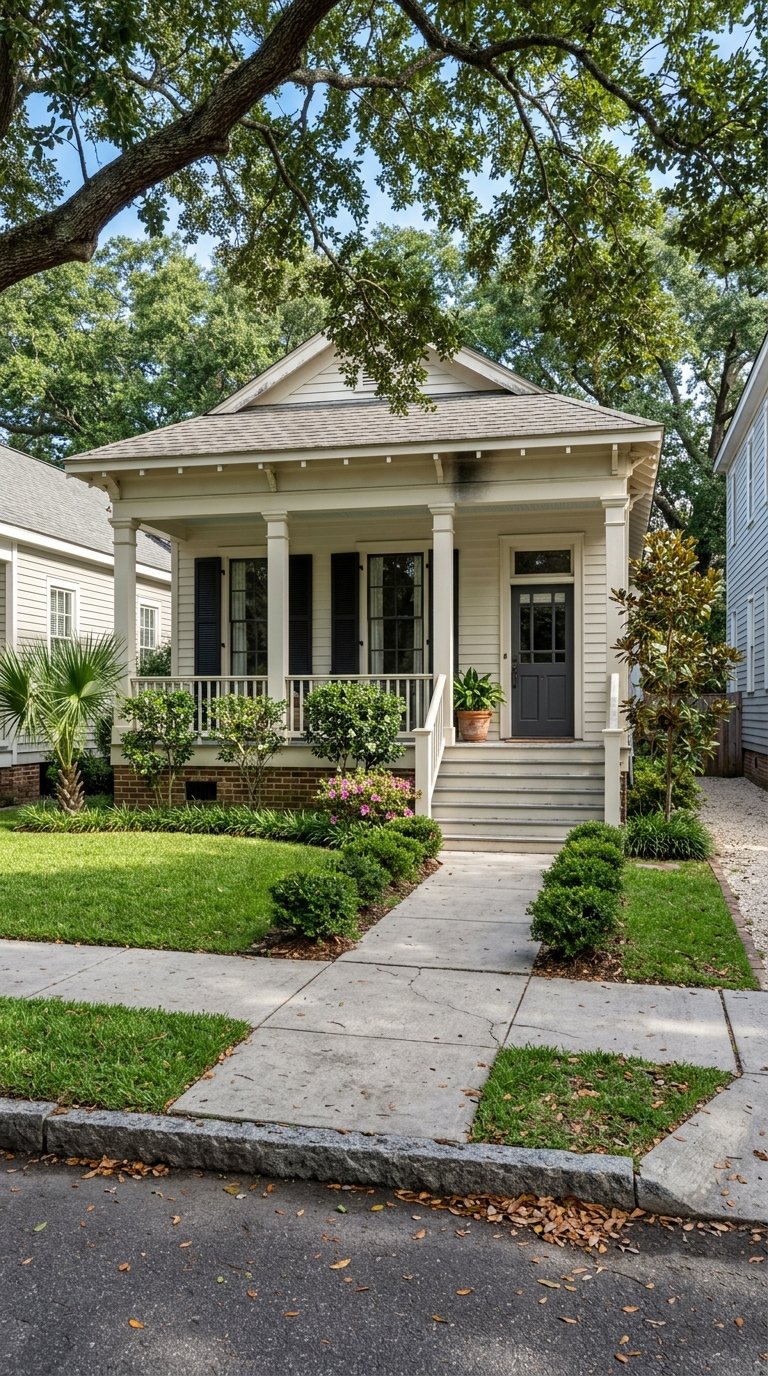
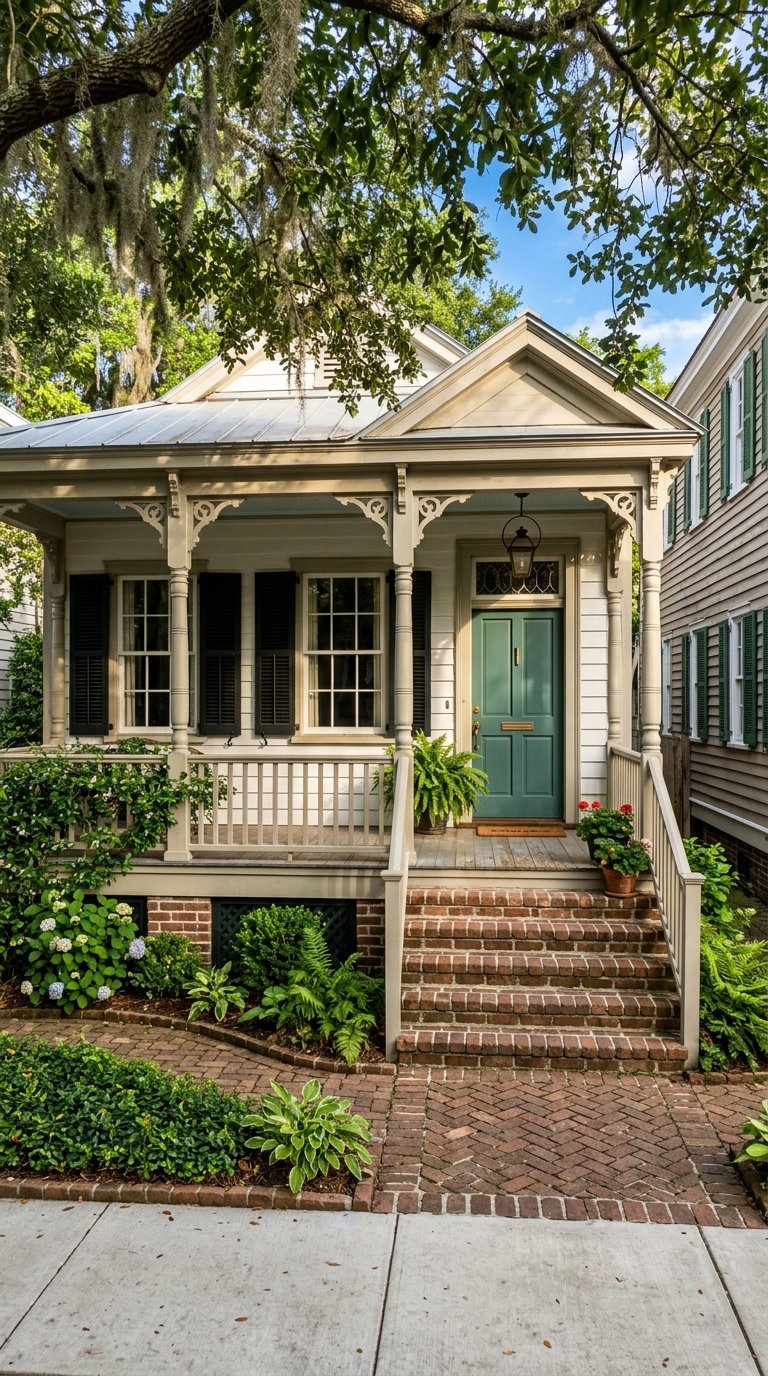
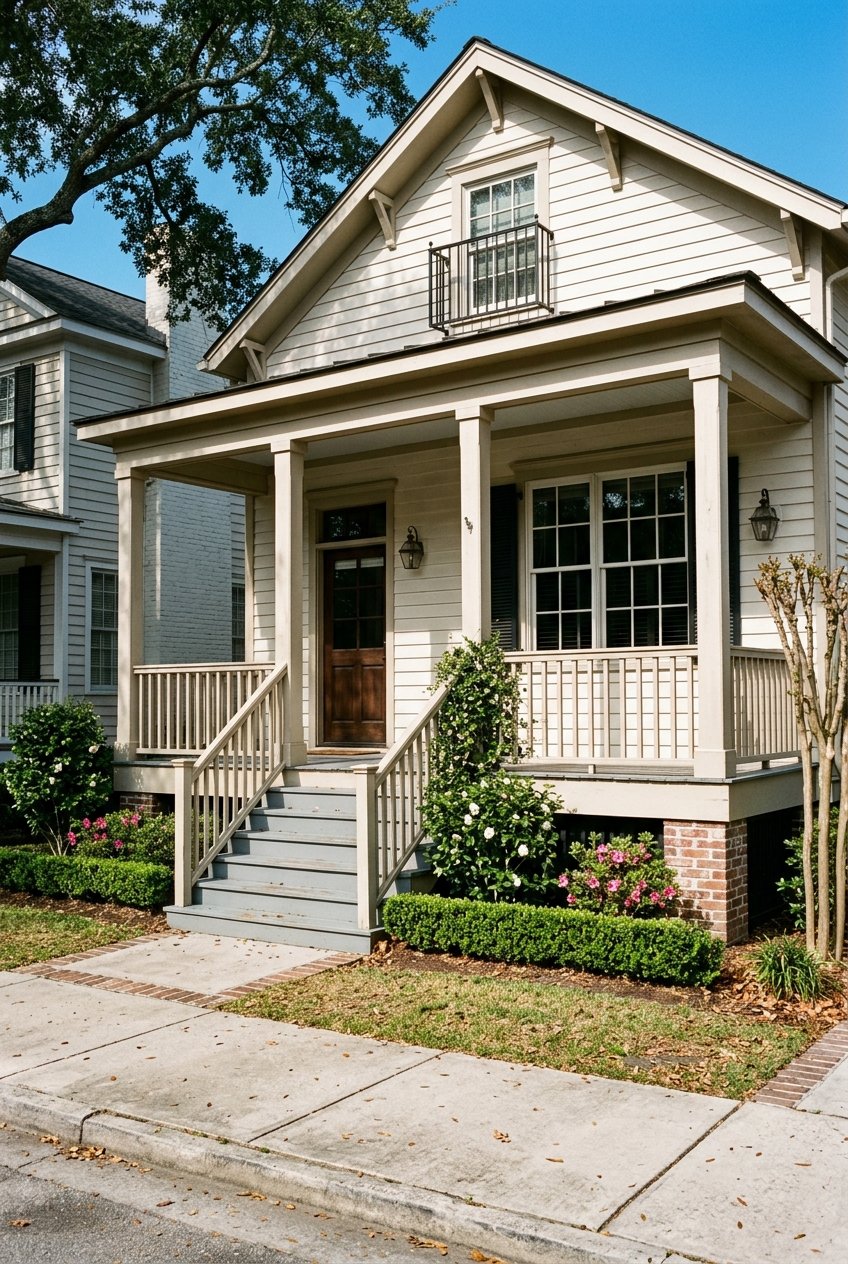
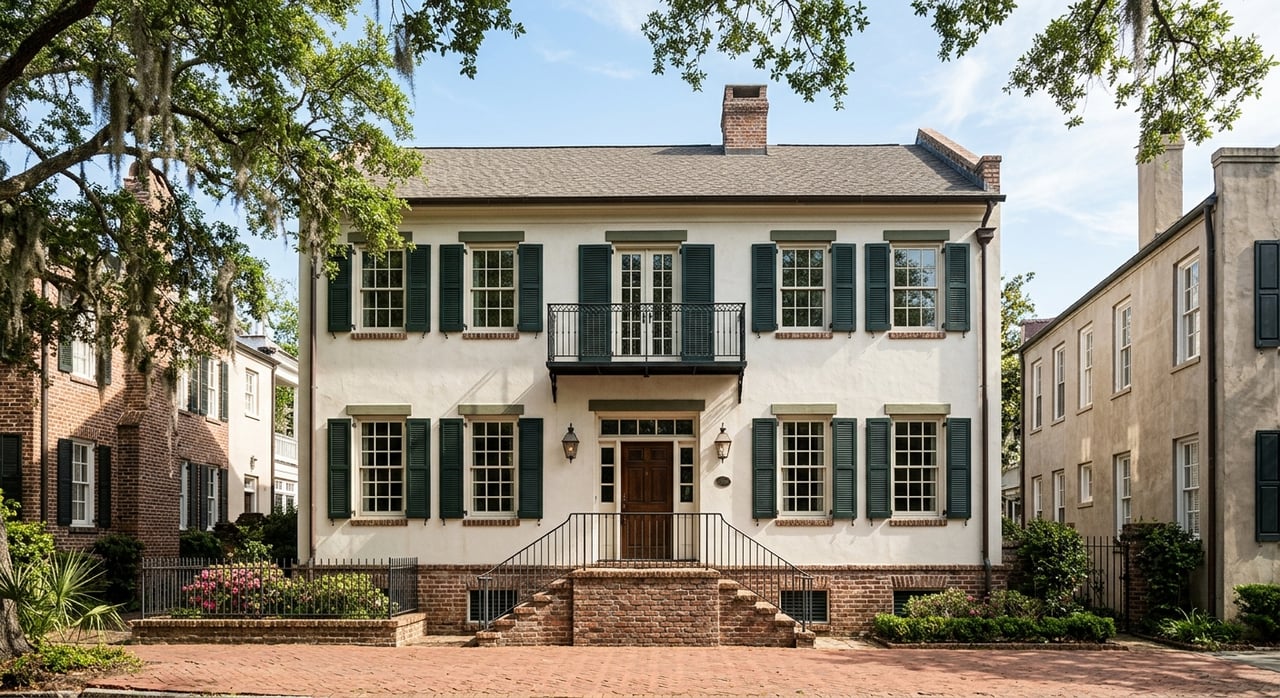
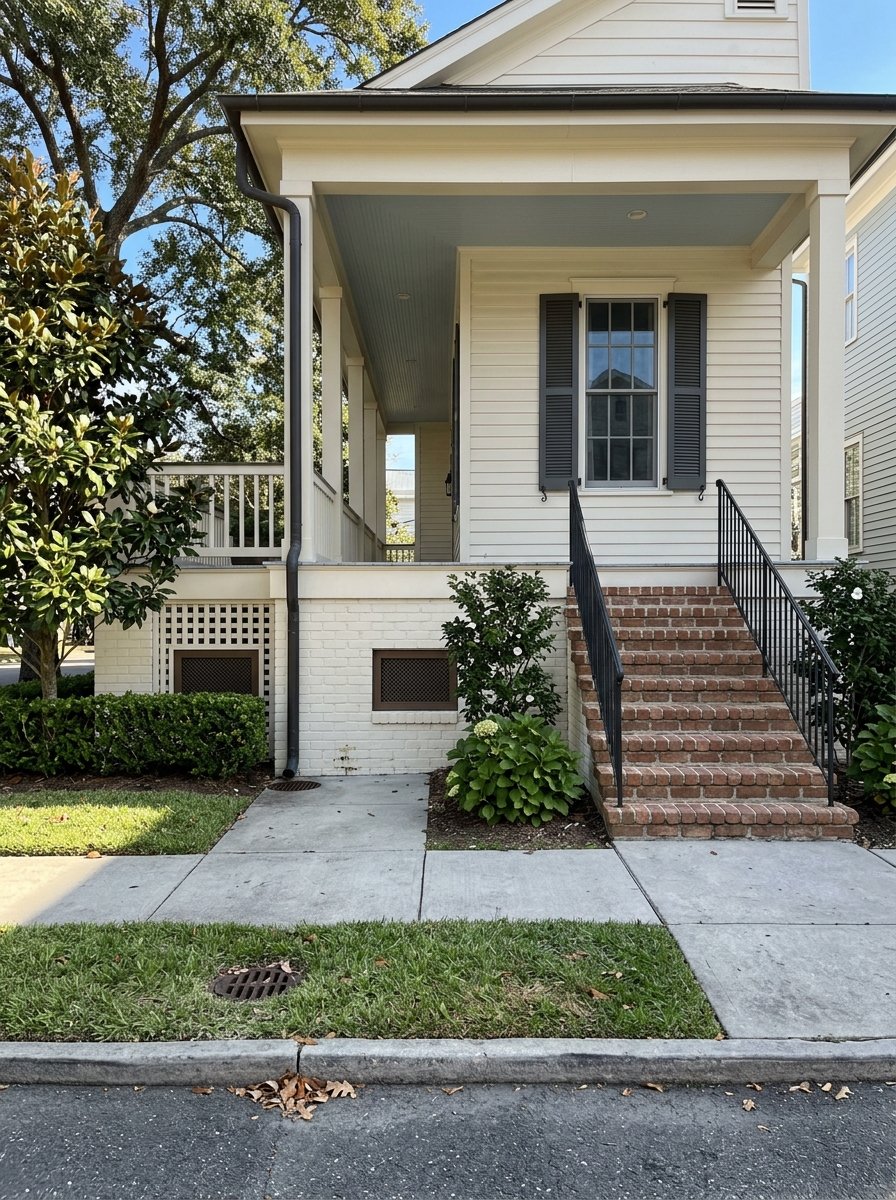
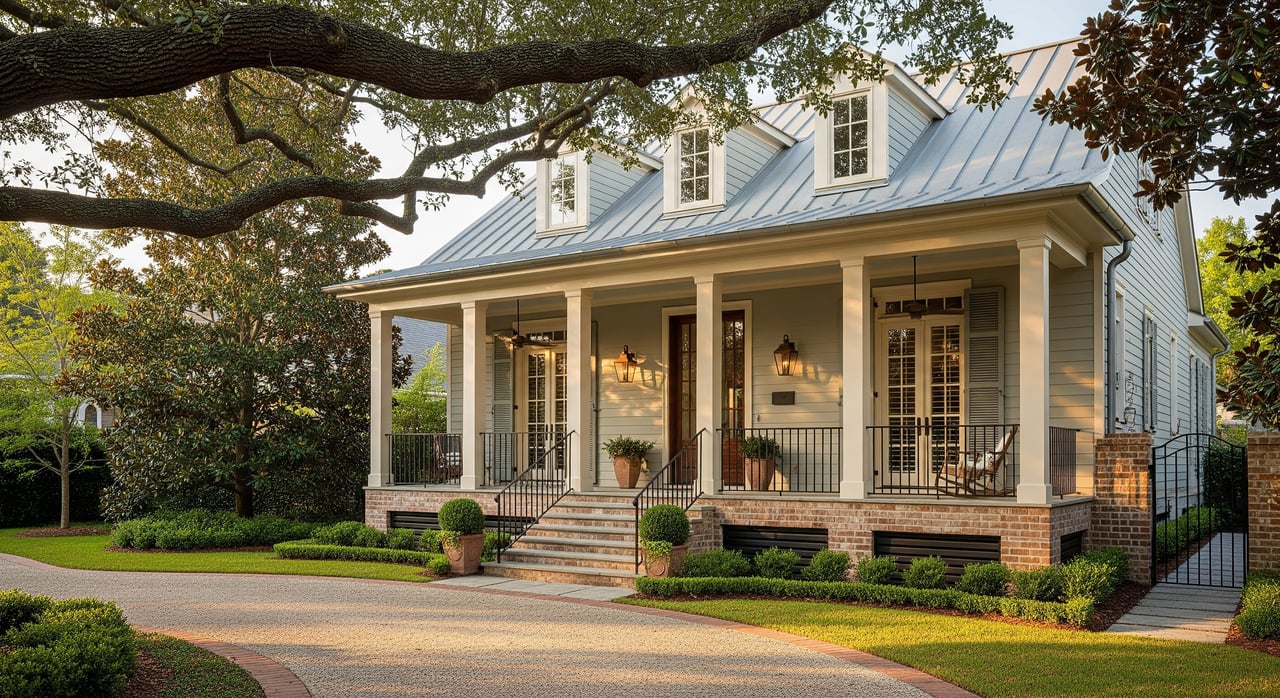
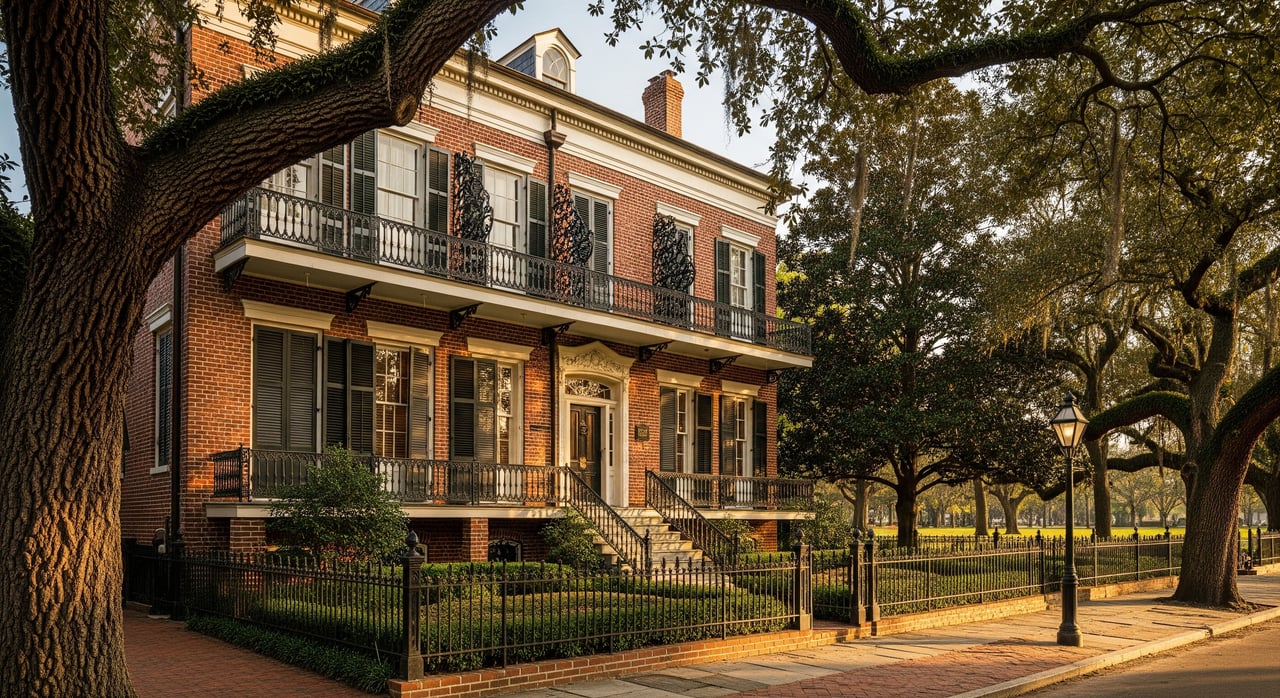
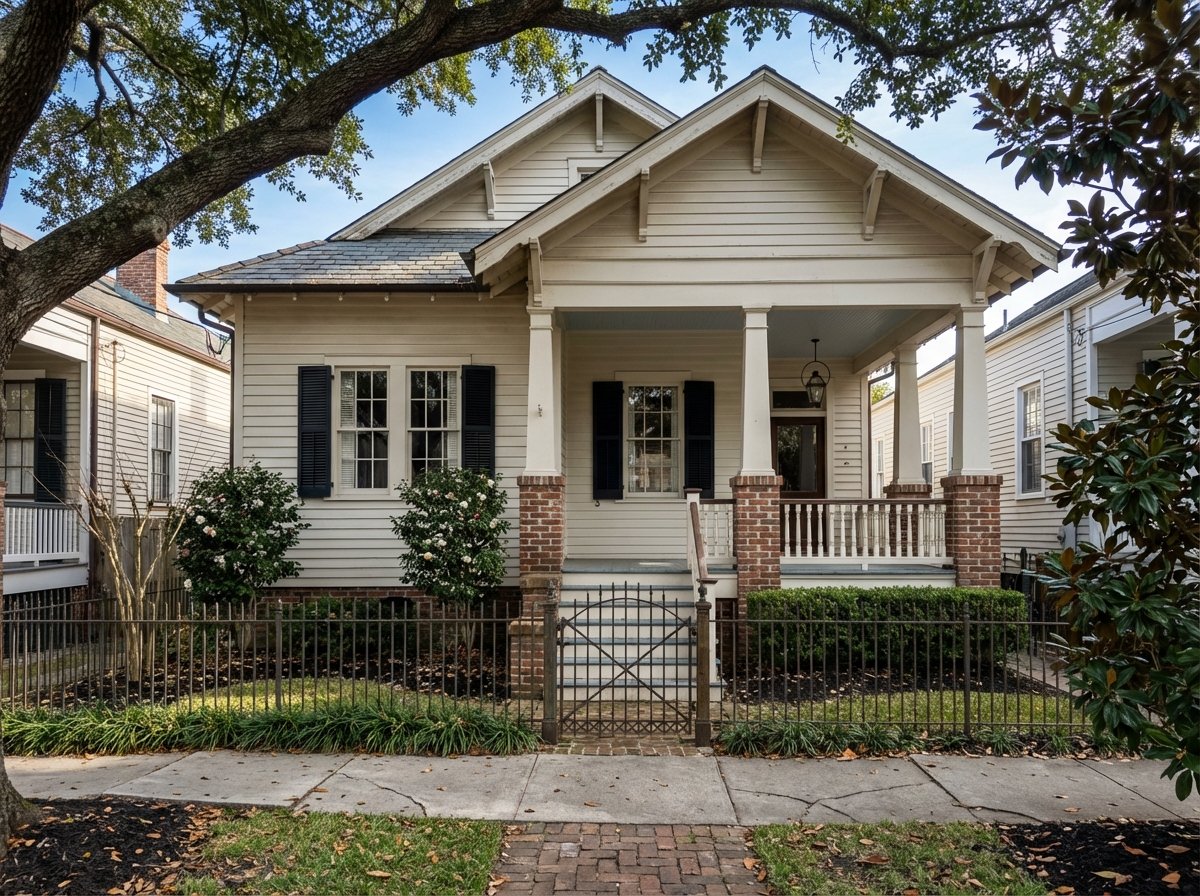
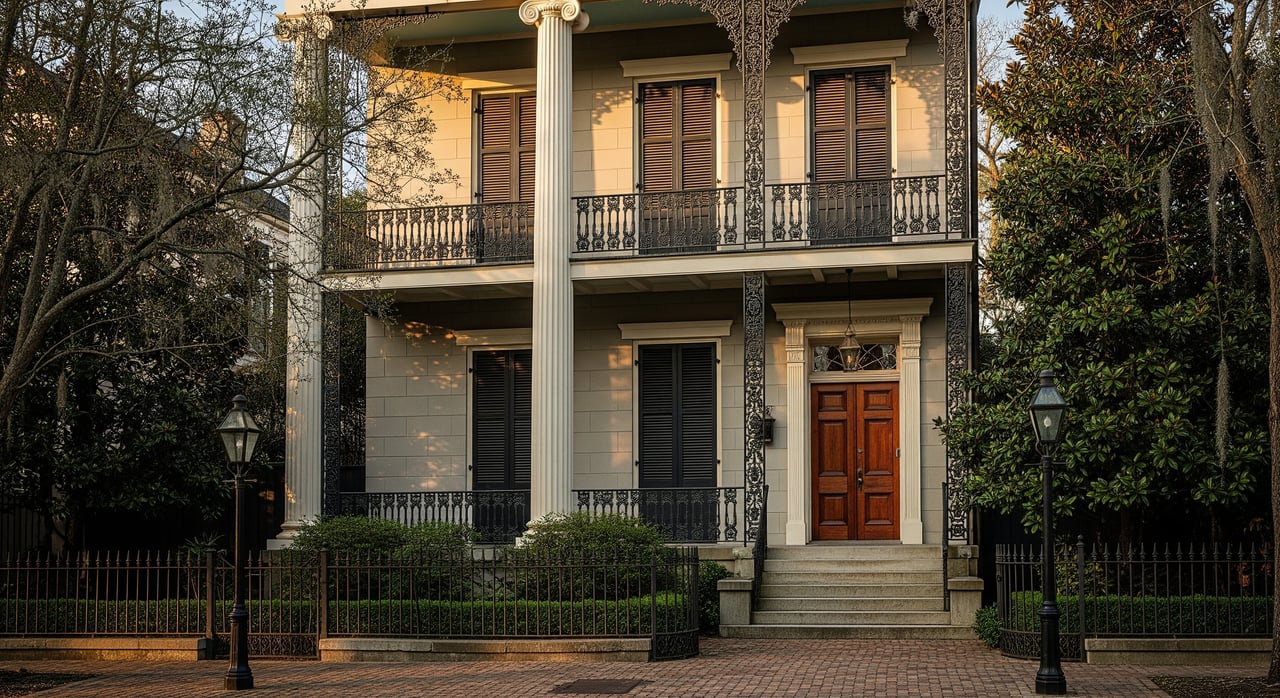
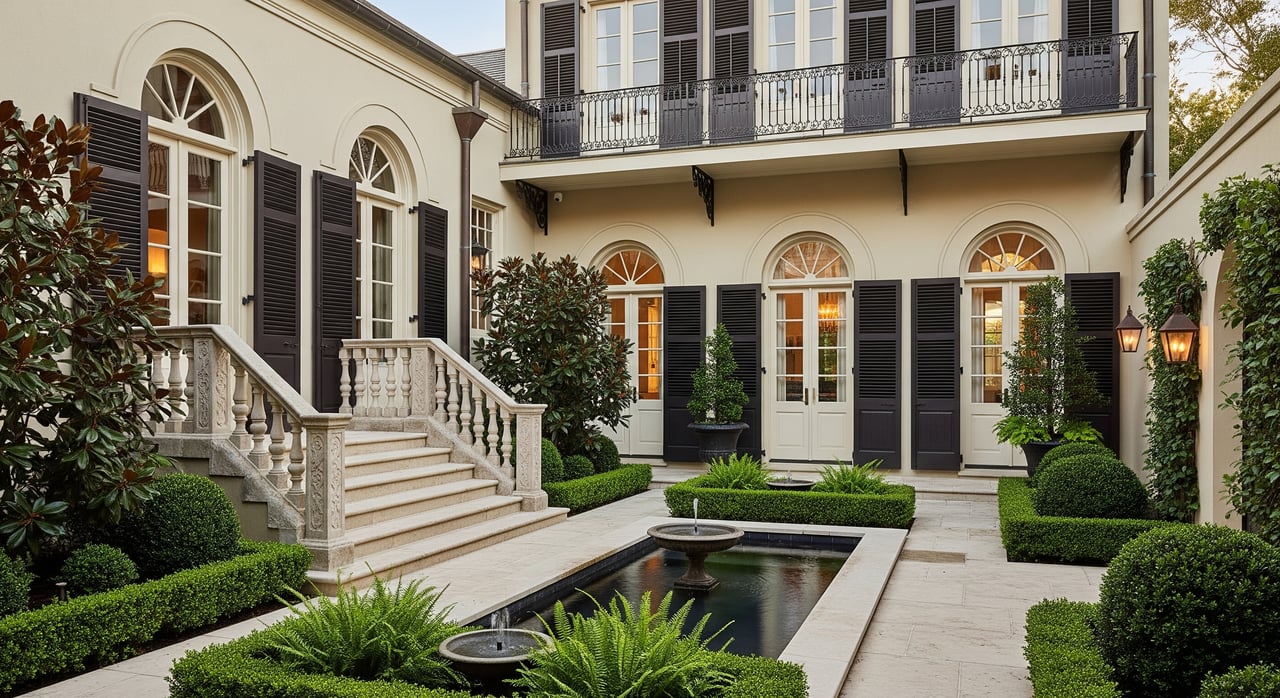
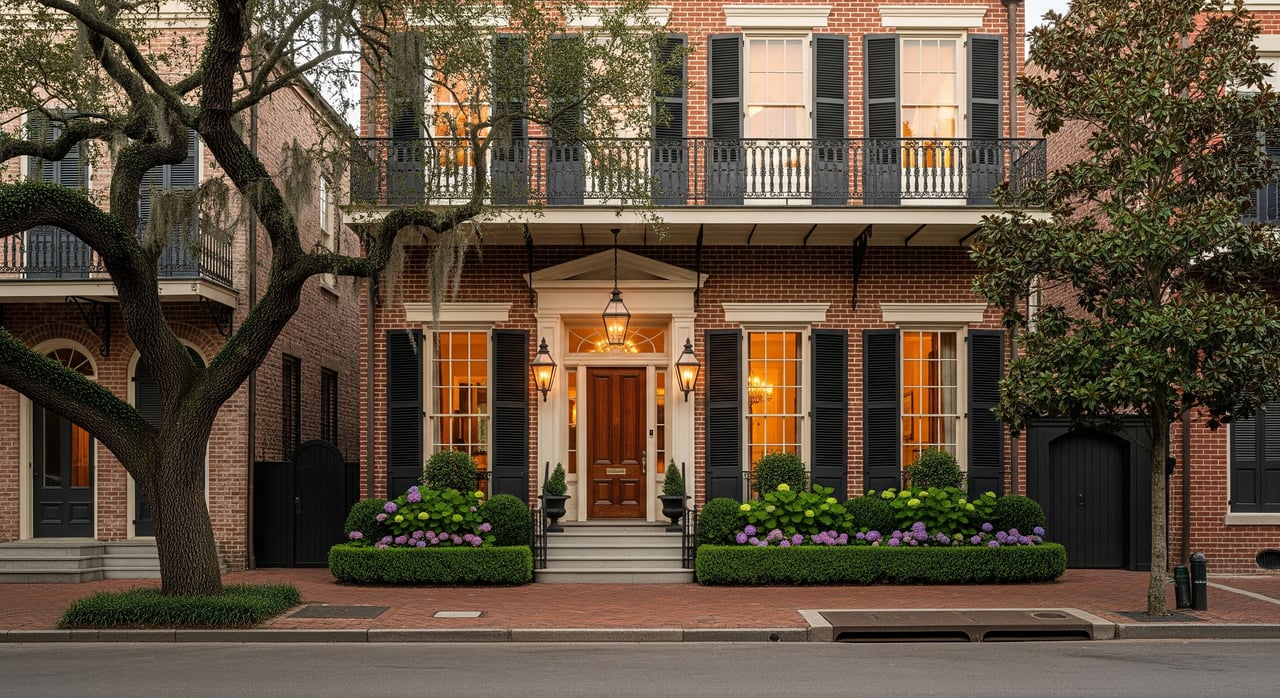
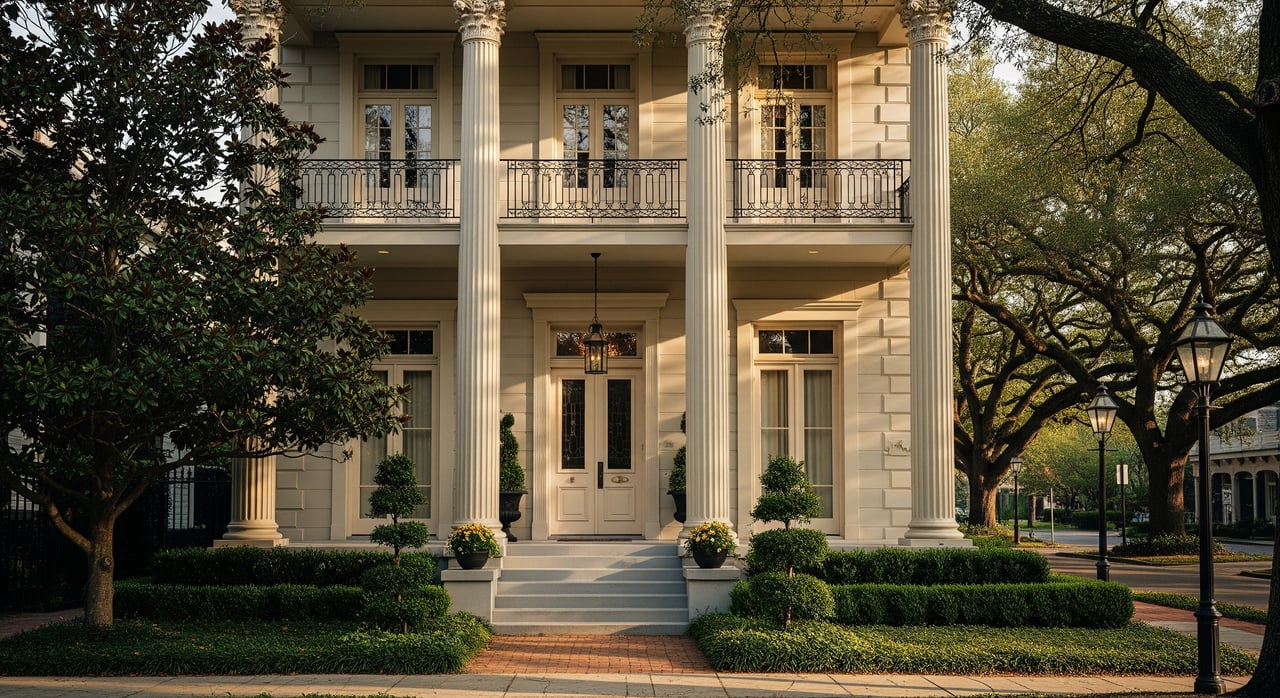
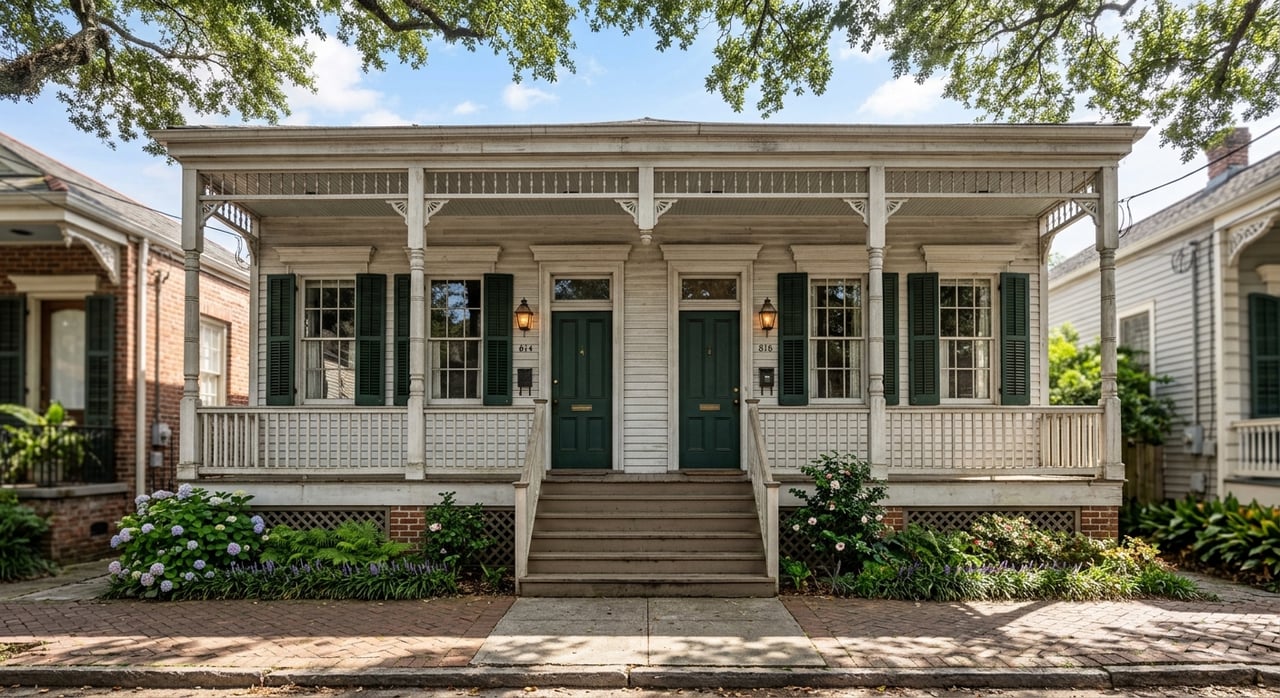
Small multi-family in Uptown often looks different than in other cities. The historic housing stock includes shotgun doubles, camelbacks, raised cottages, and small walk-ups. The Preservation Resource Center’s overview of New Orleans vernacular homes is a quick primer on these forms.
- Shotgun doubles are among the most common duplexes here. Units sit side by side under one roof with mirror layouts and tall ceilings that feel larger than the square footage.
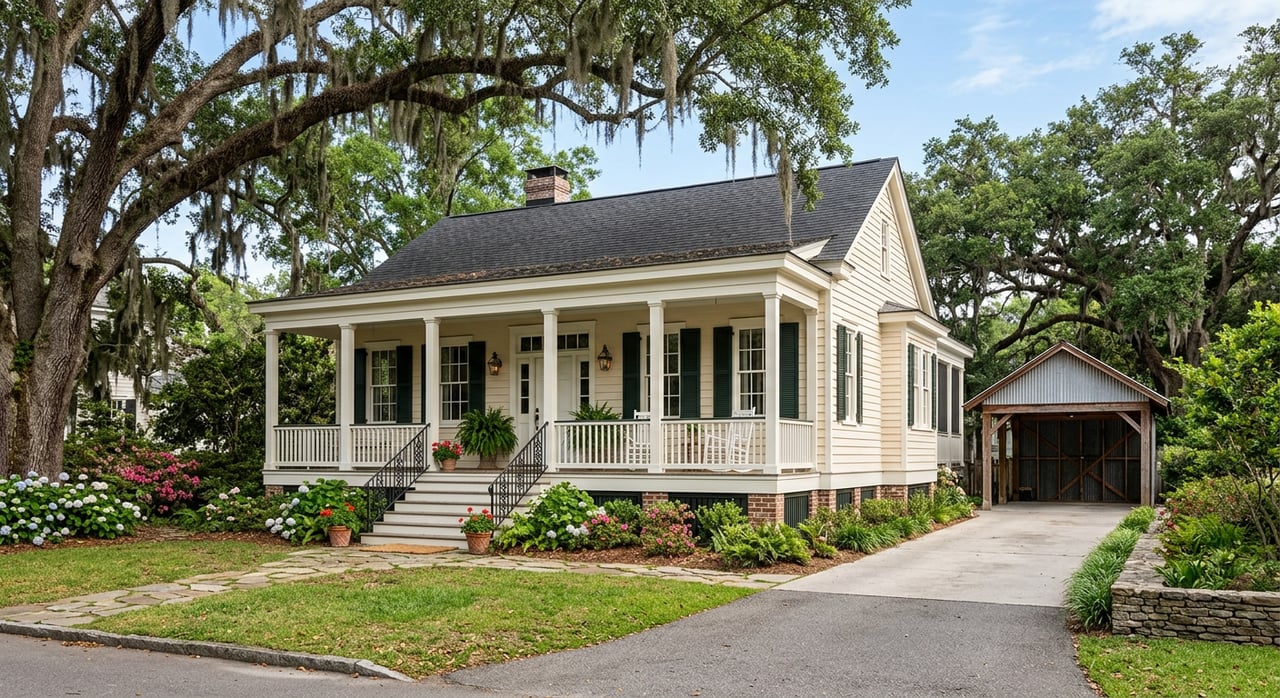
- Camelbacks and raised cottages may include an upper or rear unit. These often work well for owner-occupied plus income setups.
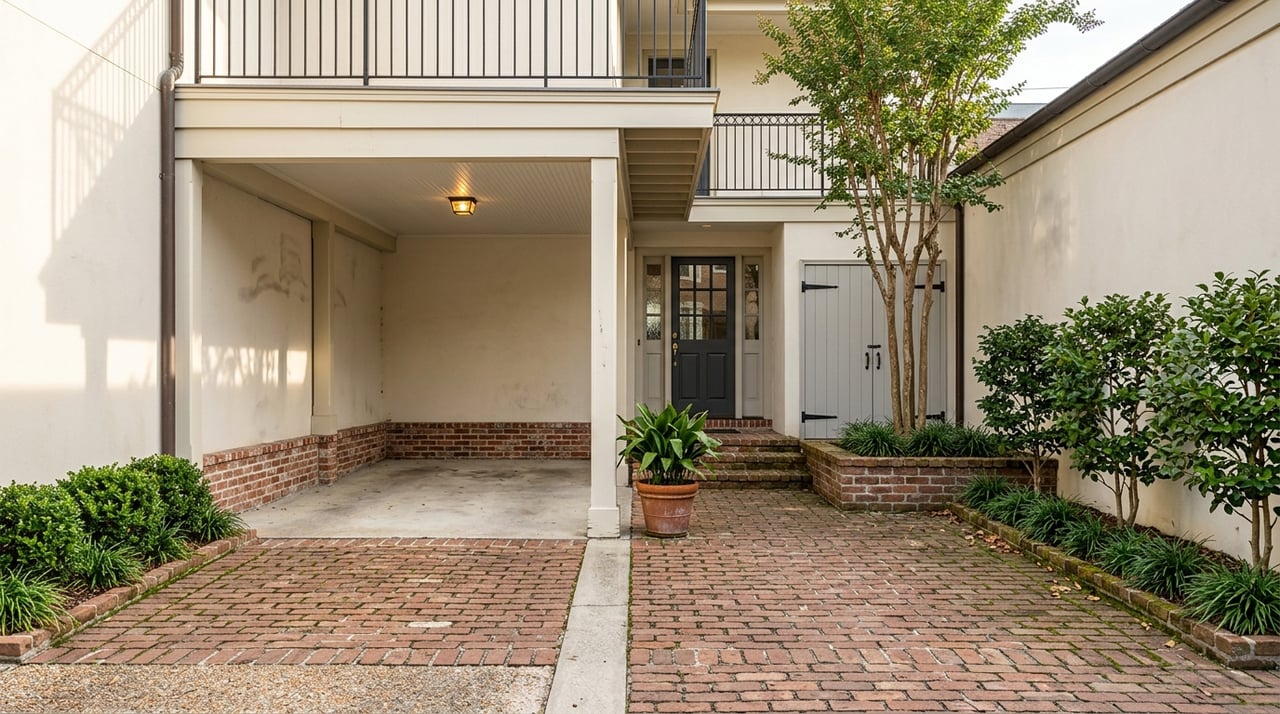
- Small walk-ups and double-gallery buildings closer to busier corridors can hold 2 to 6 units with shared systems.
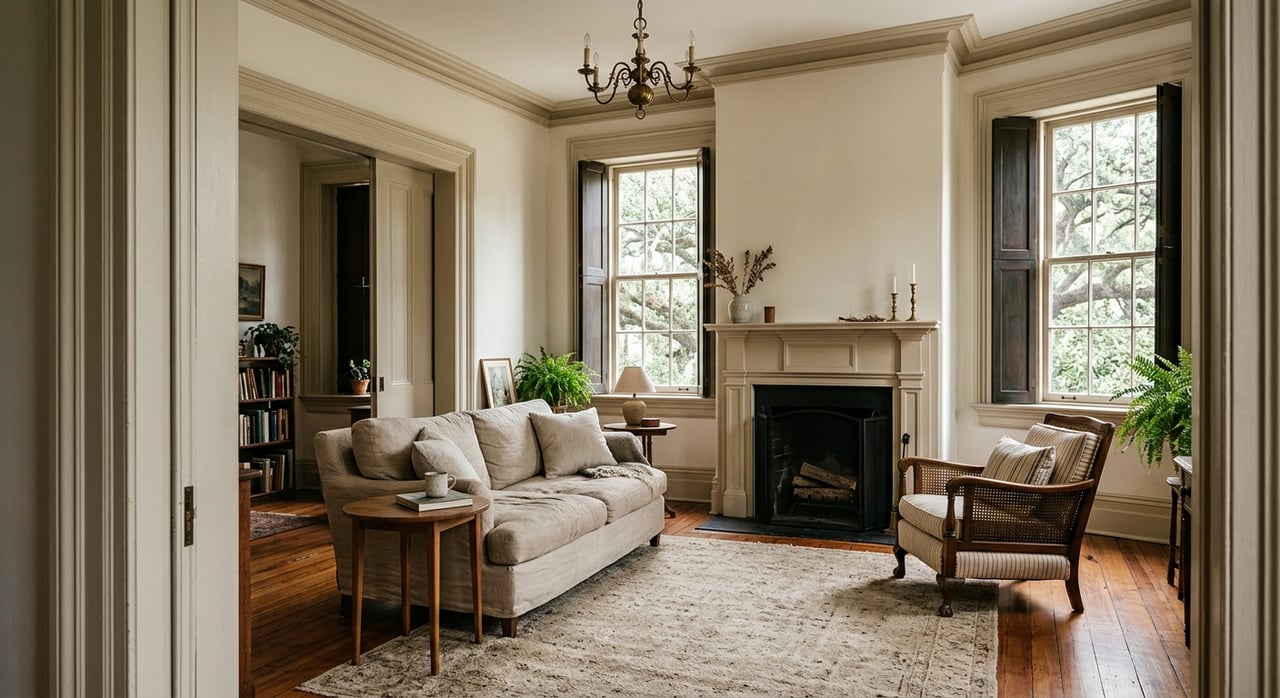
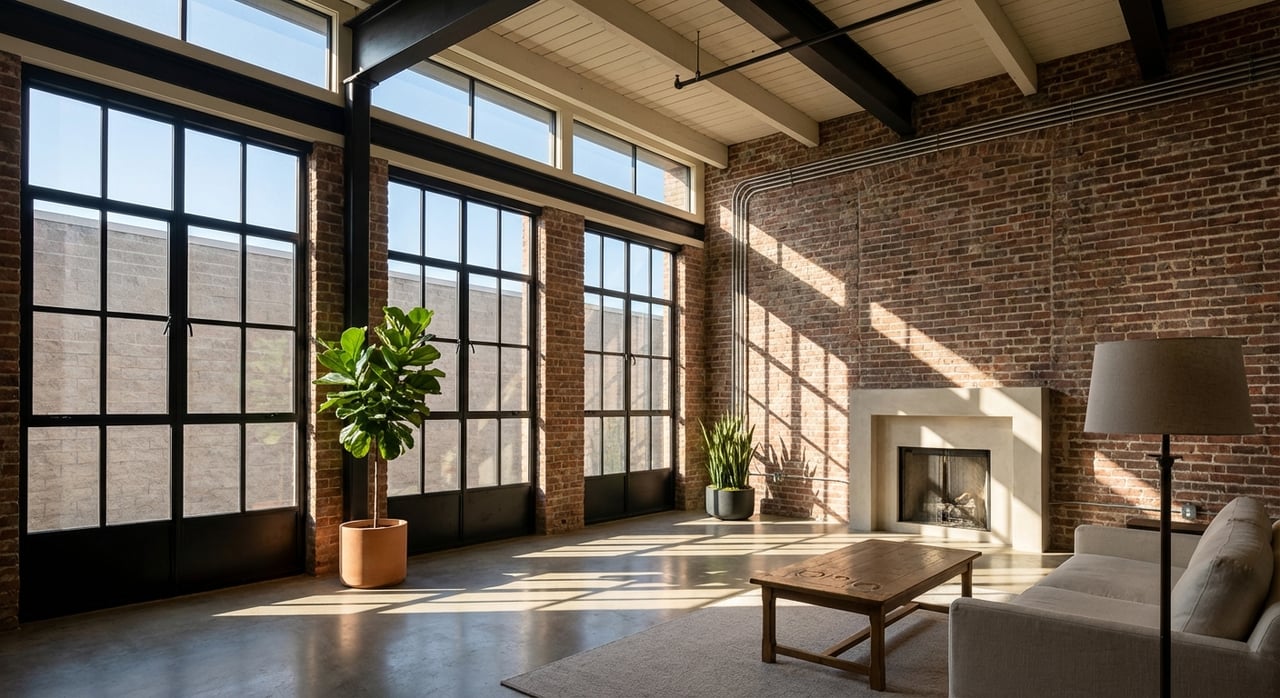
Expect older mechanicals in many buildings. Separate meters, updated panels, modern HVAC, and improved egress can make a real difference in rentability and long-term maintenance exposure.
Zoning and permits: first checks
New Orleans’ Comprehensive Zoning Ordinance (CZO) controls what you can build and how you can use it. Start with two steps:
Confirm what is allowed on the parcel. Two-family dwellings are explicitly permitted in the HU-RD1 and HU-RD2 districts, and low- to medium-density multi-family is permitted in HU-RM districts. See the residential district standards in CZO Article 11.
Check the map for overlays. Use the City’s Property Viewer to see the zoning district, any Historic District Landmarks Commission (HDLC) review area, and other overlays before you assume a quick permit path. Open the City of New Orleans Property Viewer, enter the address, and review all layers.
Short-term rentals require a separate licensing track and often a primary-residence component for certain categories. Do not assume you can split a duplex into short-term rentals without city approval. The City’s detailed Short-Term Rental Study outlines key restrictions you should understand early.
For work that creates or legalizes units, changes egress, or adds kitchens, you will need permits and inspections. Electrical, plumbing, and mechanical work usually requires permits even for smaller scopes. Plan your application through the City’s One-Stop permitting portal and confirm HDLC review if exterior changes are visible.
Rents and demand drivers
Neighborhood snapshots show a median rent near about $1,675 per month in the Uptown Triangle. Recent listings in the broader 70118 area suggest many 1 to 2 bedroom units lease in a range roughly from the mid $1,400s to the mid $2,000s depending on finish level and proximity to Audubon Park or transit. Larger or fully renovated units can command more. Always confirm with current active comps before you write an offer.
What tends to drive performance here:
- Walkability to Audubon Park and the St. Charles streetcar.
- Consistent interest from students, new graduates, and medical professionals in nearby institutions.
- Limited new small-unit construction in historic blocks.
- Lower flood exposure on some parcels compared with higher-risk parts of the city, which can help with insurance and tenant interest.
Renovation costs and scope
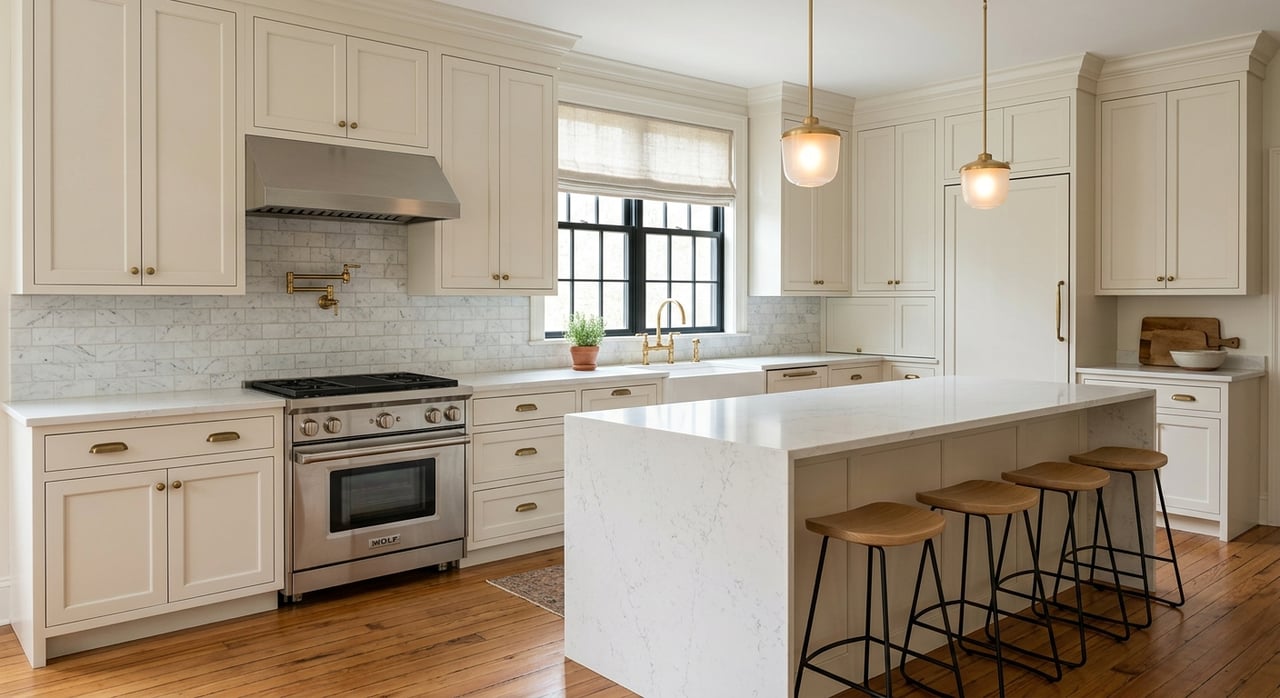
Common scopes in Uptown duplexes include kitchen and bath refreshes, flooring, paint, and selective insulation or window repair. Many investors also plan for systems work like HVAC replacements, service panel upgrades, and plumbing updates.
Industry cost guides show that a mid-level kitchen remodel often lands in the low to mid $20,000s, while smaller bathroom updates can range from about $6,000 to $15,000, depending on scope and materials. For context, see national medians in HomeAdvisor’s kitchen remodel guide.
As a screening rule of thumb, here are realistic buckets to budget per unit:
- Low-scope turn: $5,000 to $25,000 per unit.
- Moderate refresh plus systems: $25,000 to $75,000 per unit.
- Major structural or elevation work: $75,000 and up per unit.
Always get multiple local bids and add a 10 to 20 percent contingency to cover surprises in historic homes.
Underwriting: a simple framework
Build a quick pro forma before tours, then refine as you collect property-specific data.
- Gross Scheduled Income (GSI). Start with realistic market rents by unit type and condition. A neighborhood median around $1,675 per month is a helpful starting point for a typical 1 to 2 bedroom, then adjust for size, finishes, and location.
- Vacancy and concessions. Use 5 to 8 percent for initial modeling.
- Effective Gross Income (EGI). EGI = GSI minus vacancy and concessions.
- Operating expenses. For screening, many use the 50 percent rule of thumb. A narrower, evidence-based range for small multi-family is 35 to 50 percent of gross rents, depending on who manages, utility pass-throughs, insurance, and maintenance. See the 50 percent rule explanation from Azibo.
- Net Operating Income (NOI). NOI = EGI minus operating expenses.
- Capital expenditures reserve. Budget about $300 to $1,200 per unit per year depending on age and condition of systems. Institutional owners often land near the middle of that range for newer assets; older historic stock may need more.
- Valuation metrics. Use GRM for quick screens, then cap rate comparisons for decision making.
- Financing and cash flow. Model both owner-occupied and investor loan scenarios and confirm lender reserve requirements.
Hypothetical example
- Assumptions: a duplex where each unit rents for $1,675 per month. GSI = $1,675 × 2 × 12 = $40,200 per year.
- Vacancy at 6 percent gives EGI ≈ $37,788.
- Using the 50 percent screening rule puts operating expenses near $20,100, so NOI ≈ $17,688.
- If the purchase price is $300,000, the implied cap rate is about 5.9 percent (NOI divided by price).
Sensitivity check
- If vacancy rises to 8 percent, EGI drops by about $800, which lowers NOI and the cap rate.
- If expenses run closer to 60 percent due to higher insurance or owner-paid utilities, NOI would fall to about $15,100, which reduces the cap rate at the same price.
Build in margins that reflect the age of the building, likely maintenance, and your actual insurance quotes.
Financing options
Owner-occupants can explore FHA and conventional paths for 1 to 4 unit properties. The FHA 203(k) program can finance purchase plus renovation in one mortgage, subject to HUD program rules. Review the basics in this HUD 203(k) guidance summary and speak with an experienced local lender.
Conventional lenders also offer owner-occupied options with varying down payment requirements based on underwriting findings. Non-owner investors often use portfolio, commercial, or DSCR-style loans with larger down payments and reserve requirements. Rates and guidelines change frequently, so compare scenarios with a lender early in your search.
Taxes, insurance, utilities
Louisiana’s homestead exemption can reduce assessed value for owner-occupied properties, which affects annual property taxes. For a clear overview of how assessments and millages interact in Orleans Parish, review the Bureau of Governmental Research property tax explainer.
Insurance is a major line item. Even in lower-risk flood zones, get firm flood and wind quotes for each property because construction age, elevation, and mitigation features drive premiums. Confirm how water, sewer, gas, and electric are metered and who pays for garbage service. That utility structure changes your net rent and your operating ratio.
Due diligence checklist
Use this quick list for each Uptown Triangle duplex or 4-unit you evaluate:
- Confirm the zoning district and overlays on the City’s Property Viewer and review allowed uses in CZO Article 11.
- Verify legal unit count, separate entrances, meter configuration, and any certificate of occupancy in city records.
- Check if the property falls under HDLC review. Exterior changes will likely need approval.
- Review flood zone, any elevation certificate, prior flood claims, and current insurance quotes.
- Request the rent roll, signed leases, security-deposit records, and recent utility bills.
- Inspect major systems and likely CapEx: roof, HVAC, electrical service panel, plumbing, and windows. Get multiple contractor bids.
- Understand tenant and lease issues, including any active notices or habitability concerns; consult a local landlord-tenant attorney for complex matters.
- If you plan any short-term rental component, study the City’s Short-Term Rental Study and confirm licensing feasibility before underwriting income from STRs.
- Map your permit path in the City’s One-Stop portal for any unit creation, kitchen additions, or egress changes.
Your next step
If Uptown Triangle is on your shortlist, a few targeted tours and a tight pro forma will tell you a lot. Bring a contractor to the first or second visit, pull insurance quotes early, and confirm zoning and overlays before you promise any unit changes. When you pair a realistic rent target with conservative expenses, you can move quickly and confidently when the right property hits the market.
Ready to line up comps, sharpen your underwriting, and walk the right blocks near Audubon Park and St. Charles? Connect with Ashley Nesser to start your Uptown multi-family search with local insight and a clear plan.
FAQs
What is the Uptown Triangle (Black Pearl) and where is it?
- It is the compact neighborhood bordered by Broadway, St. Charles Avenue, and the river; the neighborhood association offers a helpful overview at the Uptown Triangle Neighborhood Association site.
Are duplexes allowed by zoning in Uptown Triangle?
- Yes, two-family dwellings are permitted in HU-RD1 and HU-RD2 districts, and HU-RM districts allow low- to medium-density multi-family; review standards in CZO Article 11.
Can I operate a short-term rental in a duplex in Uptown?
- Short-term rentals require city licenses and many categories involve primary-residence rules; study the City’s Short-Term Rental Study and confirm feasibility before underwriting STR income.
What are typical rents for small units in the Uptown Triangle?
- Neighborhood snapshots indicate a median around $1,675 per month, with many 1 to 2 bedroom units leasing roughly from the mid $1,400s to the mid $2,000s depending on finish and location; confirm with current comps.
How much should I budget to renovate a historic duplex?
- As a screen, plan $5,000 to $25,000 per unit for a light turn, $25,000 to $75,000 for moderate work with systems, and $75,000 and up for major projects; see national medians in HomeAdvisor’s kitchen remodel guide.
What owner-occupied loan options exist for a duplex or 4-unit?
- FHA and conventional programs can finance 1 to 4 unit owner-occupied purchases, and FHA 203(k) can combine purchase and renovation; review basics in this HUD 203(k) guidance summary and consult a local lender.