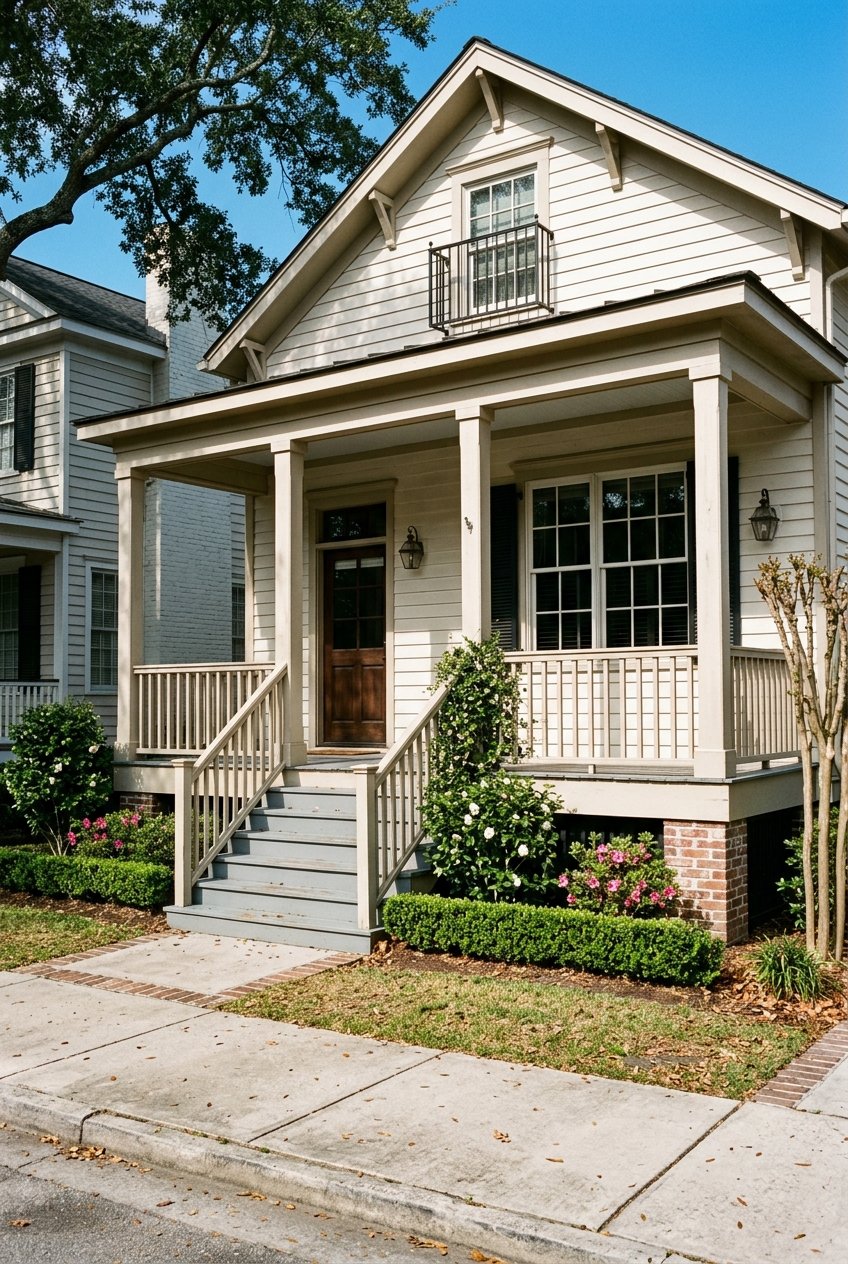
Trying to choose an Uptown New Orleans block can feel harder than choosing the house itself. A home may check every box on paper, yet the street, parking pattern, nearby corridor, and historic rules can shape your daily life just as much as the floor plan. If you want to buy wisely in Uptown Triangle, this guide will help you compare block-by-block differences, focus on what matters most to you, and avoid common surprises. Let’s dive in.
Why Uptown feels block by block
Uptown is not one uniform neighborhood experience. City historic-district materials describe it as a primarily residential grid with a mature tree canopy, commercial activity concentrated on Magazine Street, and a broad mix of housing shaped by lot width, drainage history, and corridor-specific development.
That means two homes just a few streets apart can offer very different day-to-day living. Audubon Park, Loyola, and Tulane break up the grid, and construction eras can shift quickly from block to block because much of the district developed between the 1820s and 1935.
Start with your daily routine
Before you compare architecture or finishes, think about how you actually want to live. The right block for you usually starts with your routine, not just your wishlist.
Ask yourself a few practical questions:
- Do you want easier access to restaurants, shops, and everyday errands?
- Do you need simpler parking for multiple cars or regular guests?
- Do you want quick access to park space and outdoor time?
- Are you drawn to a specific historic streetscape or housing type?
- Will you care about exterior renovation flexibility later?
When you answer those questions first, Uptown becomes easier to narrow down. Instead of searching everywhere, you can focus on the corridors that best match your priorities.
Compare Uptown corridors
St. Charles blocks
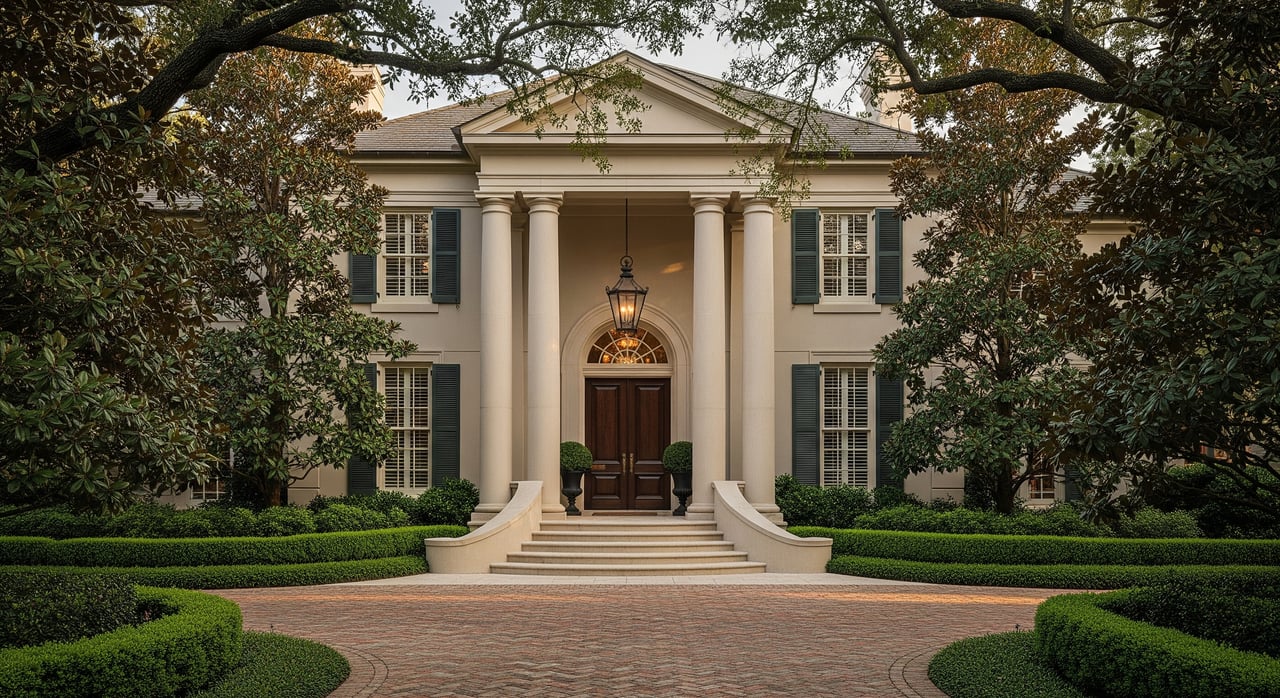
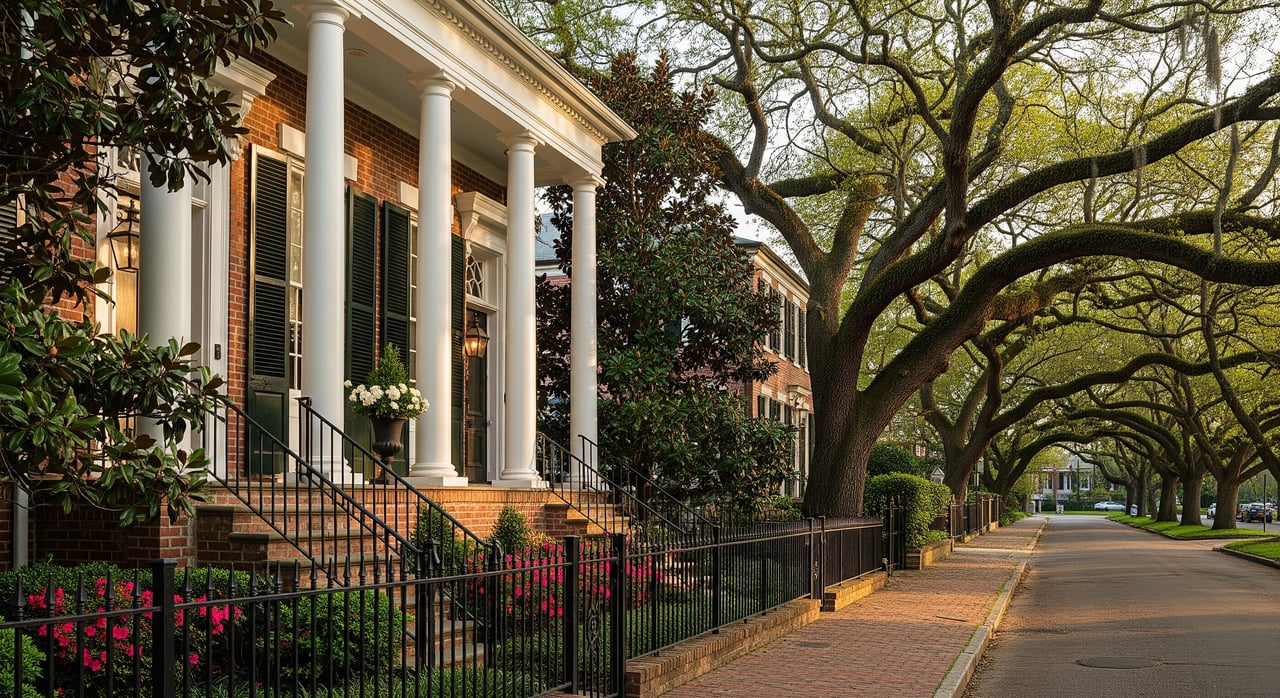
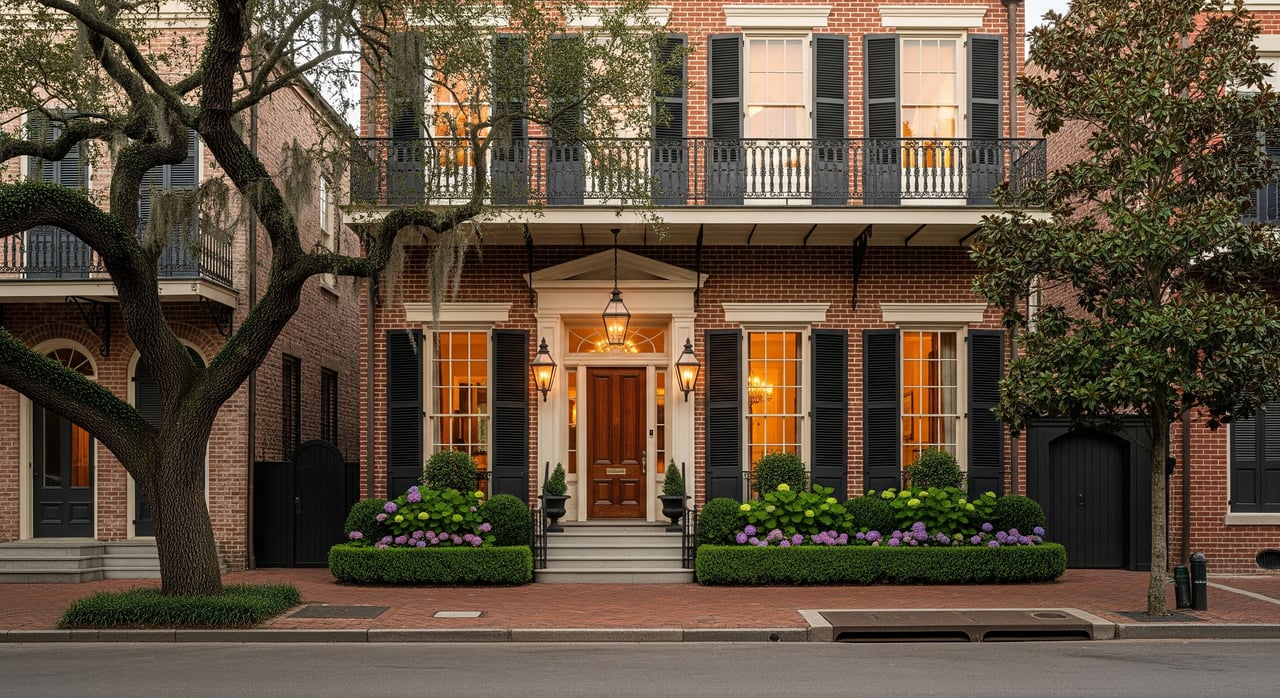
St. Charles Avenue and nearby blocks have one of the most recognizable residential settings in Uptown. The corridor is defined by a wide neutral ground, live oaks, the streetcar line, and its role as a Mardi Gras parade route.
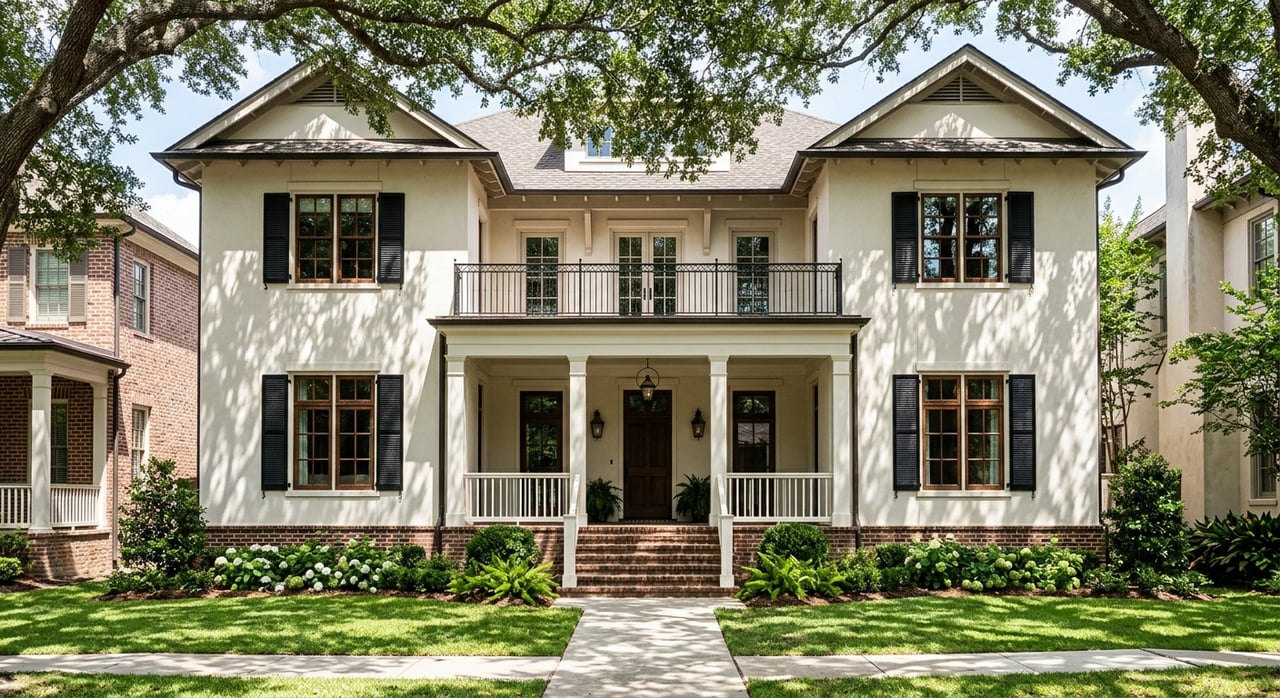
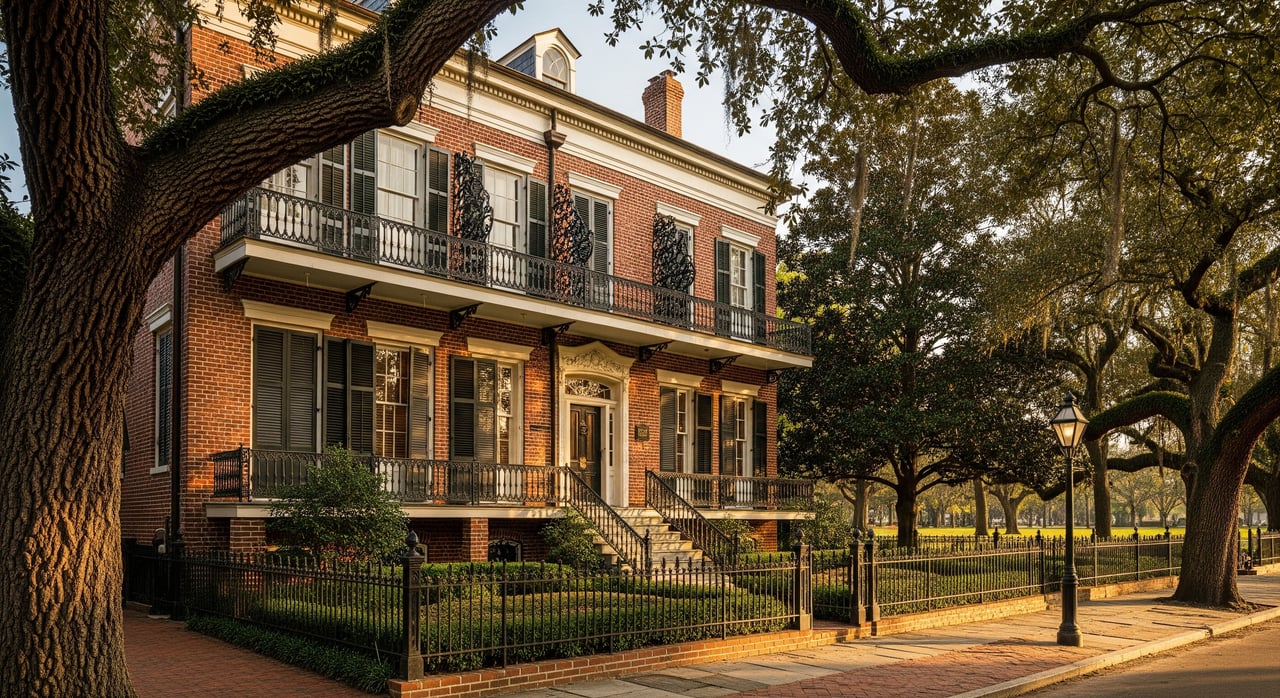
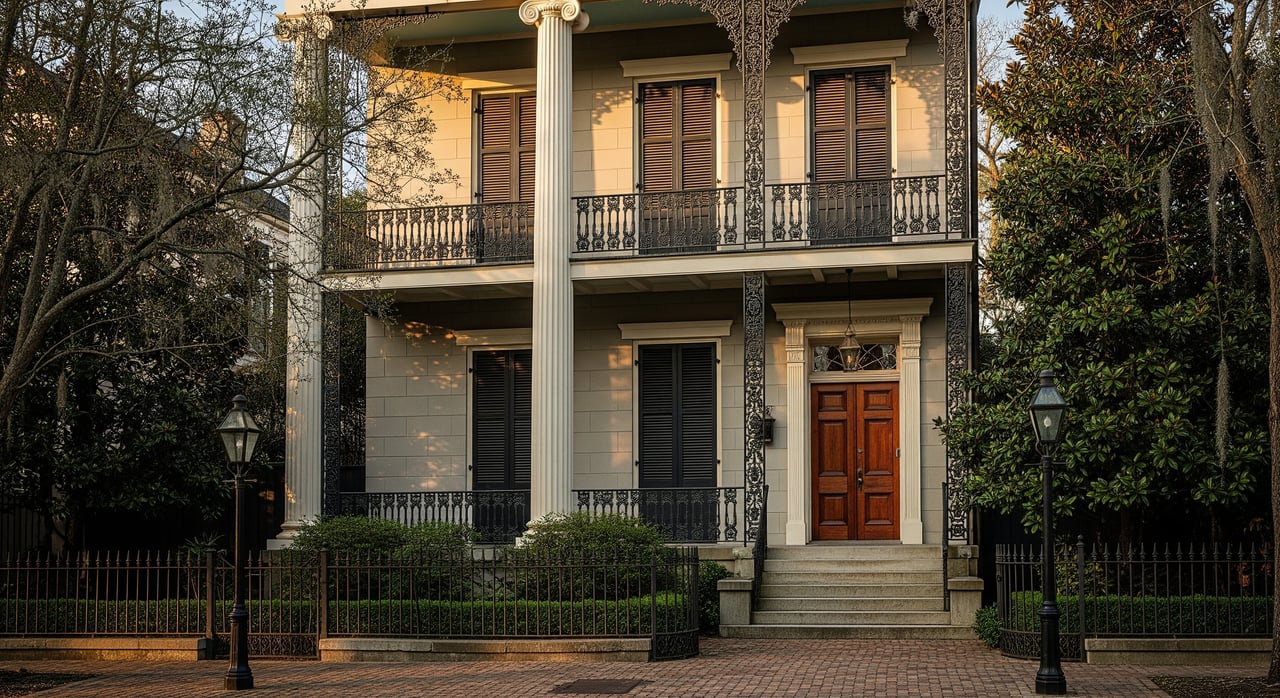
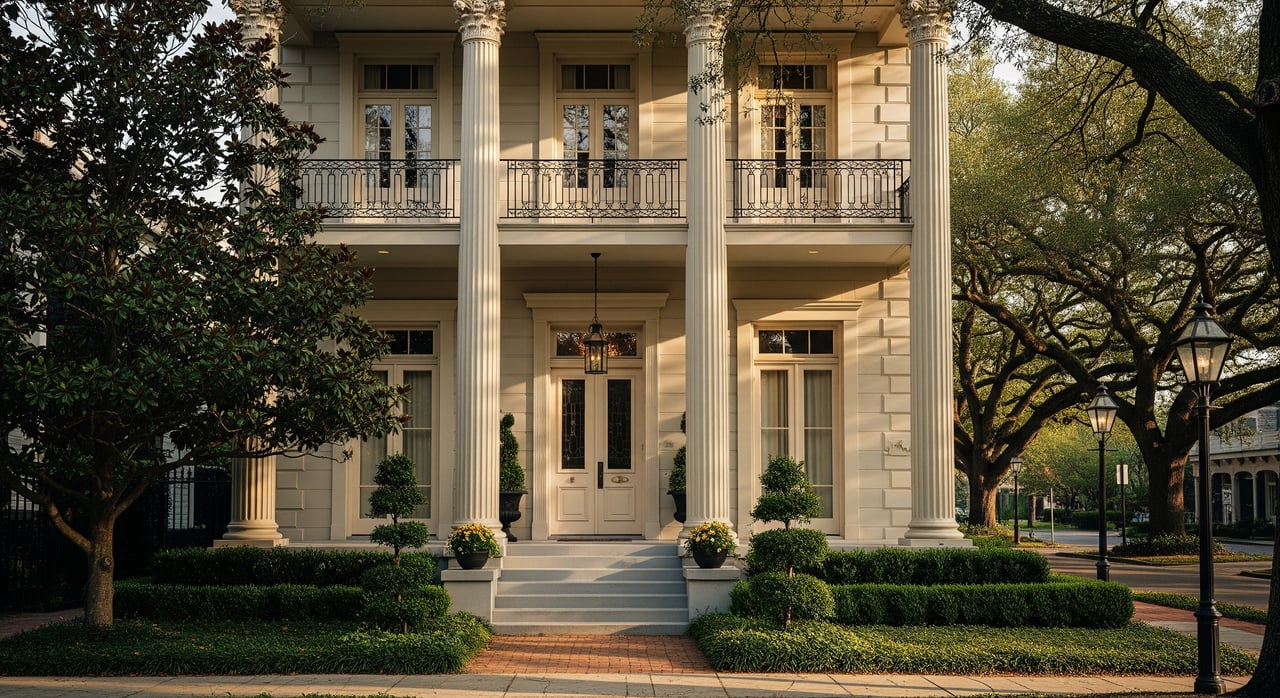
The housing stock here also stands out. Historic-district materials note late-19th- and early-20th-century houses, earlier double-galleried Greek Revival and Italianate homes near Jackson Avenue, Queen Anne houses from the 1880s, and later apartment or commercial infill near Louisiana and Napoleon.
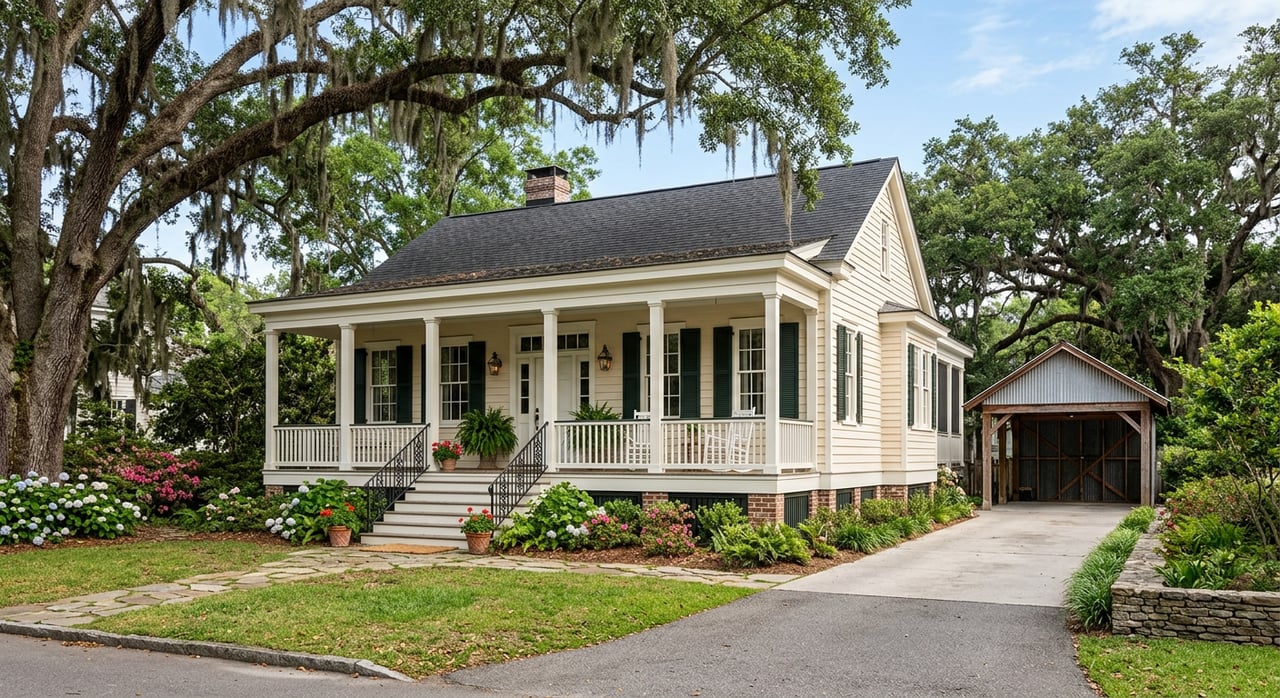
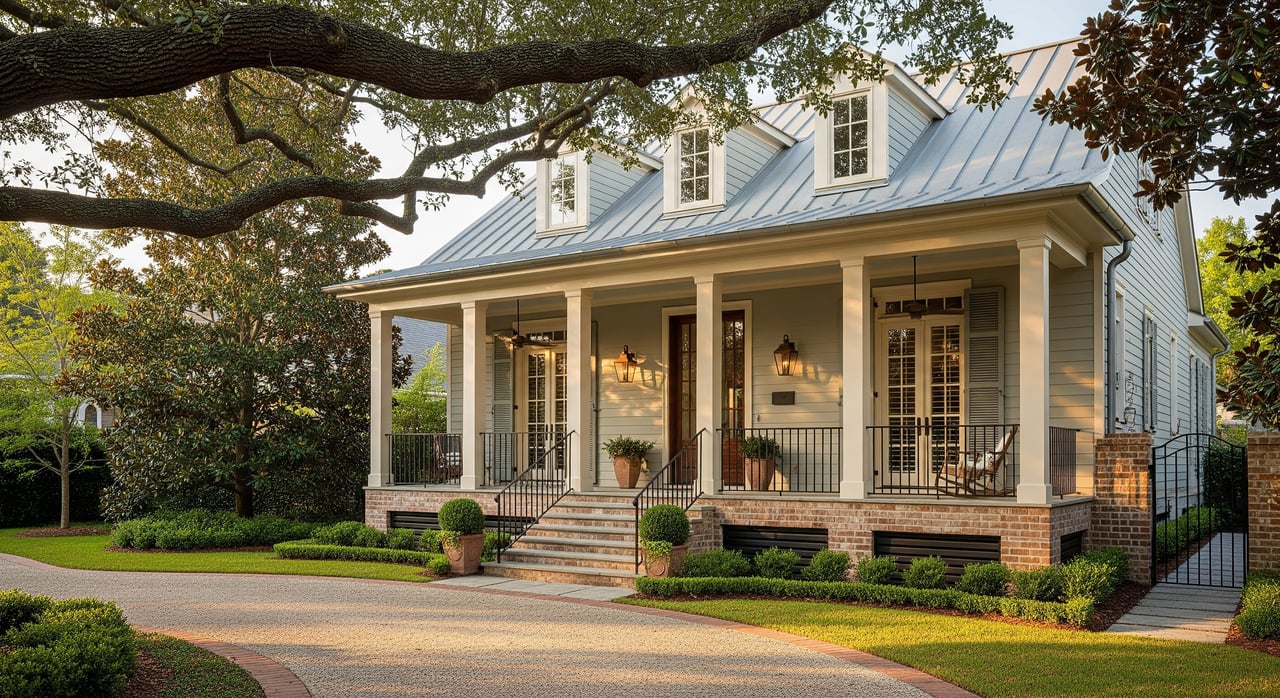
For many buyers, one practical advantage is parking. The district materials note that many residences on St. Charles sit on large lots with driveways or garages, though some blocks still rely on on-street parking.
If you want grand historic homes, strong visual character, and the possibility of off-street parking, these blocks may rise to the top of your list.
Magazine-adjacent blocks
If your ideal Uptown lifestyle includes quick errands, dining, and local shopping, blocks near Magazine Street deserve close attention. Magazine is a six-mile corridor known for historic buildings, local shops, restaurants, galleries, and everyday convenience.
Because commercial activity is concentrated on Magazine Street, nearby blocks often feel more active than deeper interior streets. That can be a plus if you want energy and easy access, but it may feel different from a quieter residential block a few streets away.
These blocks can be a strong fit if you value walkable convenience and want to be close to the rhythm of one of Uptown’s best-known corridors.
Audubon edge blocks
For buyers who prioritize green space, the Audubon Park edge has a very specific appeal. Audubon Park is about 350 acres and is open daily from 5 a.m. to 10 p.m. It includes a 1.8-mile paved loop and a little more than 2 miles of informal trail.
Its boundaries run from the Mississippi River to St. Charles Avenue and from Exposition Boulevard to Walnut Street. Parking is available in the zoo lot, the Magazine Street lot, and adjacent streets.
Living near the park can shape your routine in a meaningful way. If you picture regular walks, runs, or easy park access as part of daily life, nearby blocks are often worth a closer look.
Carrollton and South Carrollton blocks
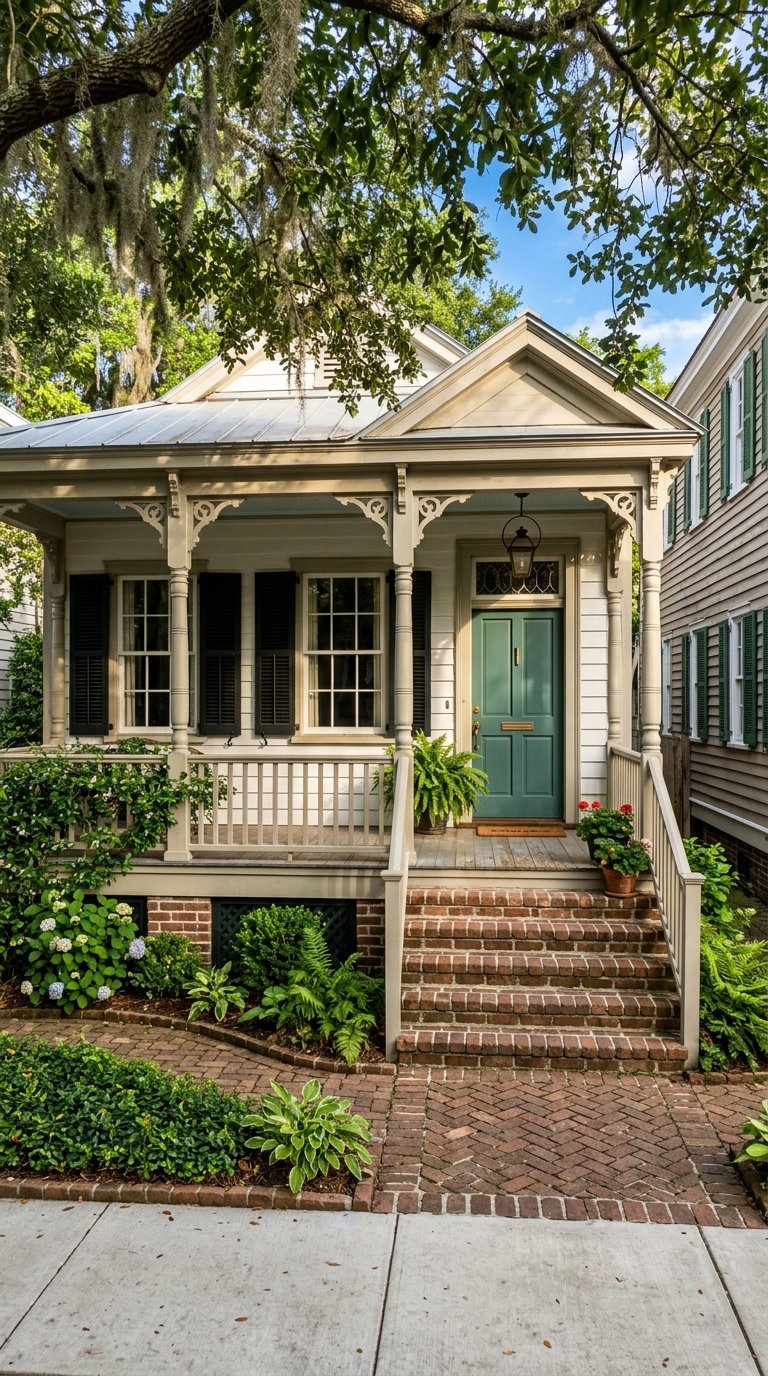
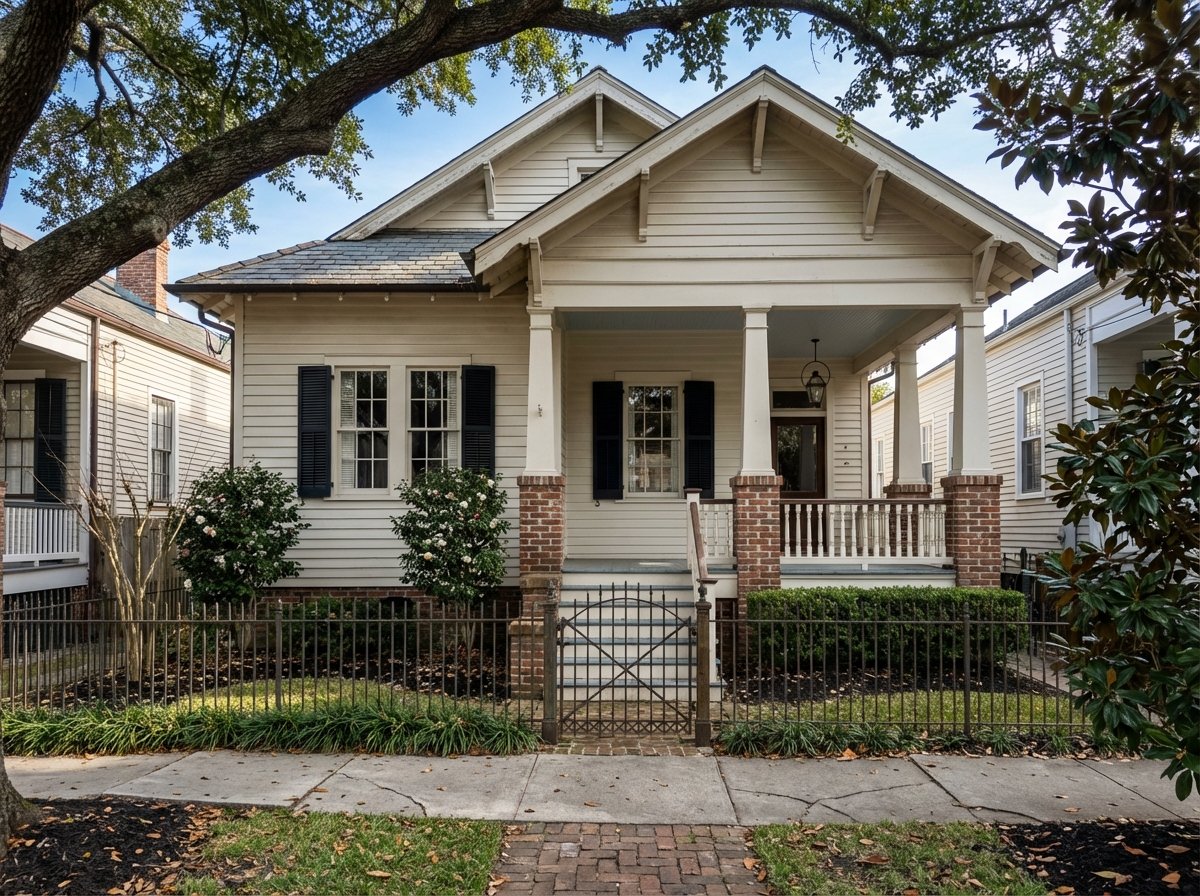
Farther upriver, Carrollton offers another distinct block pattern. It is a separate historic district with about 5,000 properties, and its dominant building type is the shotgun. The district also has more bungalows than many other parts of the city.
Historic materials also note raised-basement homes, a mature tree canopy, streetcar access on South Carrollton, and commercial buildings along South Carrollton Avenue and Oak Street. Residents here largely rely on on-street parking.
If you are drawn to shotgun or bungalow-heavy blocks, streetcar access, and a slightly different historic rhythm, Carrollton may be the right match.
Know the parking reality
In Uptown, parking is not a small detail. It is often one of the biggest factors in whether a block feels easy or frustrating over time.
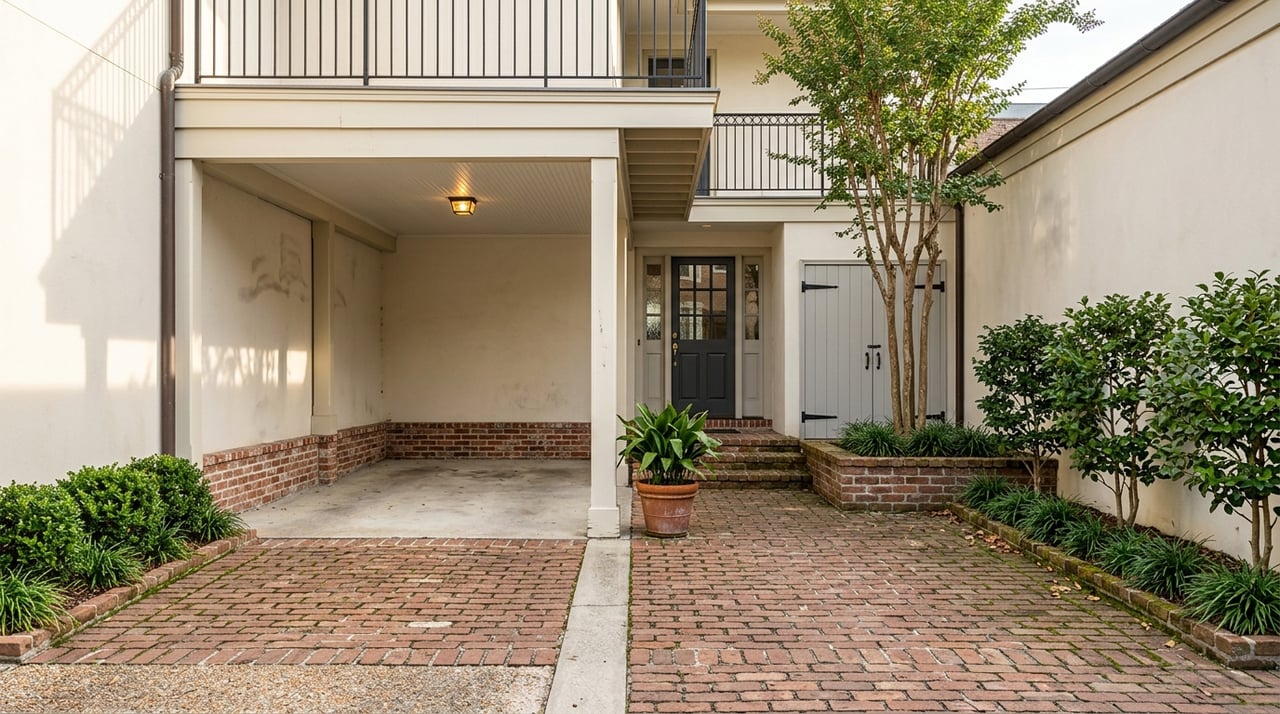
City materials say most Uptown properties rely on street parking because of narrow frontage and deep lots. Carrollton follows a similar pattern, while St. Charles includes more homes with driveways or garages.
If you have multiple vehicles, entertain often, or simply want less guesswork at the end of the day, parking should be one of your first filters. A beautiful house can feel very different once you factor in daily parking habits.
You should also check whether a block falls within one of New Orleans’ residential parking permit zones. The city says there are 17 zones, and permits are valid only for specific neighborhoods and durations.
Check access and movement
Not every Uptown block offers the same level of convenience for getting around. Some blocks benefit from the St. Charles streetcar or easy access to Audubon Park, which can make car-light living feel more practical.
Others may be better if you prefer to drive and want a simpler parking setup. The key is to think about how you move through your week, not just how the block looks during a showing.
A block’s feel can also change depending on nearby destinations and activity patterns. A location that seems calm on one visit may feel more active at another time of day or week, especially near major corridors or park-adjacent streets.
Match the block to the housing stock
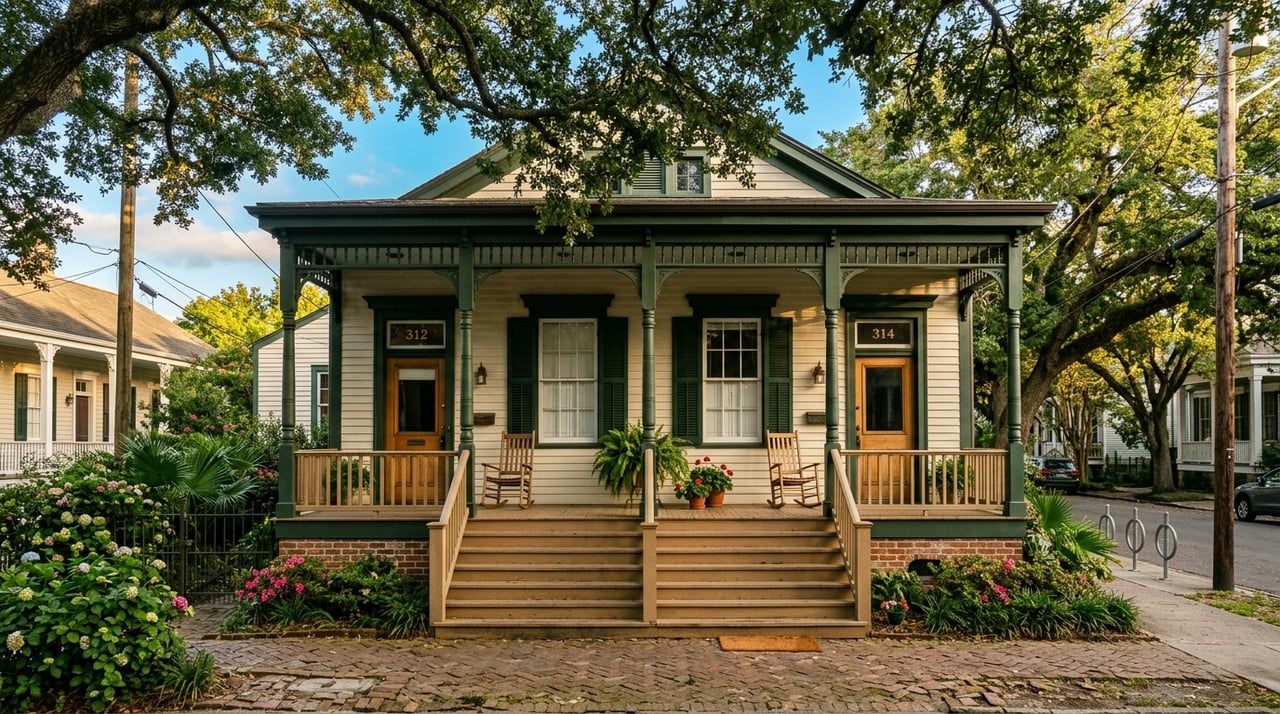
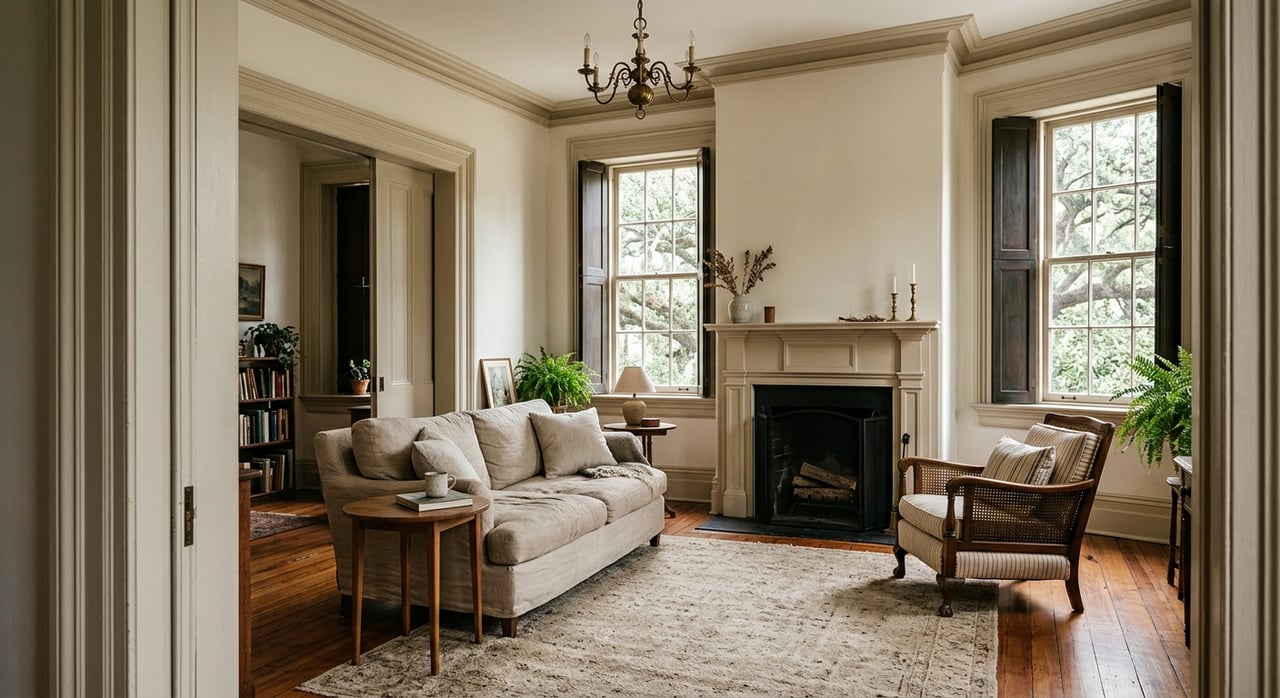
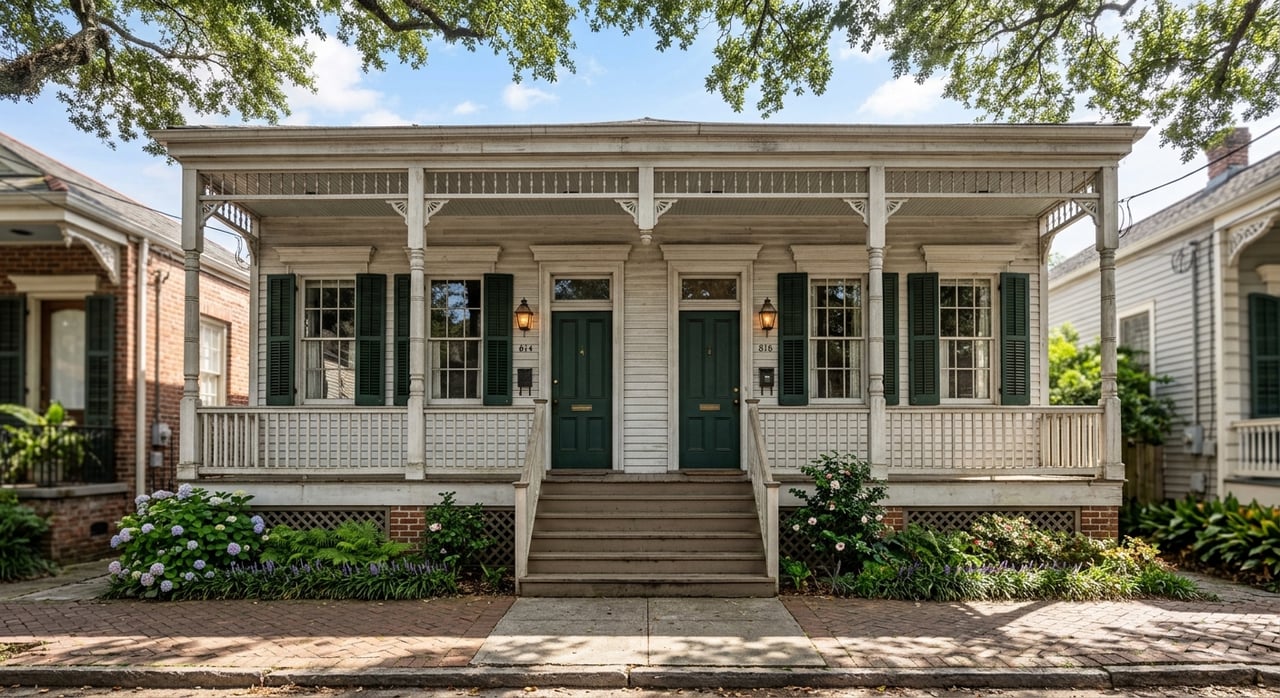
Uptown’s architecture is a major part of its appeal, but it also affects function. City materials note that more than half of the buildings are shotguns or camelbacks, with common styles including Greek Revival, Italianate, Eastlake, Arts and Crafts, and Colonial Revival.
That variety matters because different block patterns often come with different lot sizes, parking options, renovation histories, and exterior constraints. If you love a certain look, make sure it also matches the way you want to live.
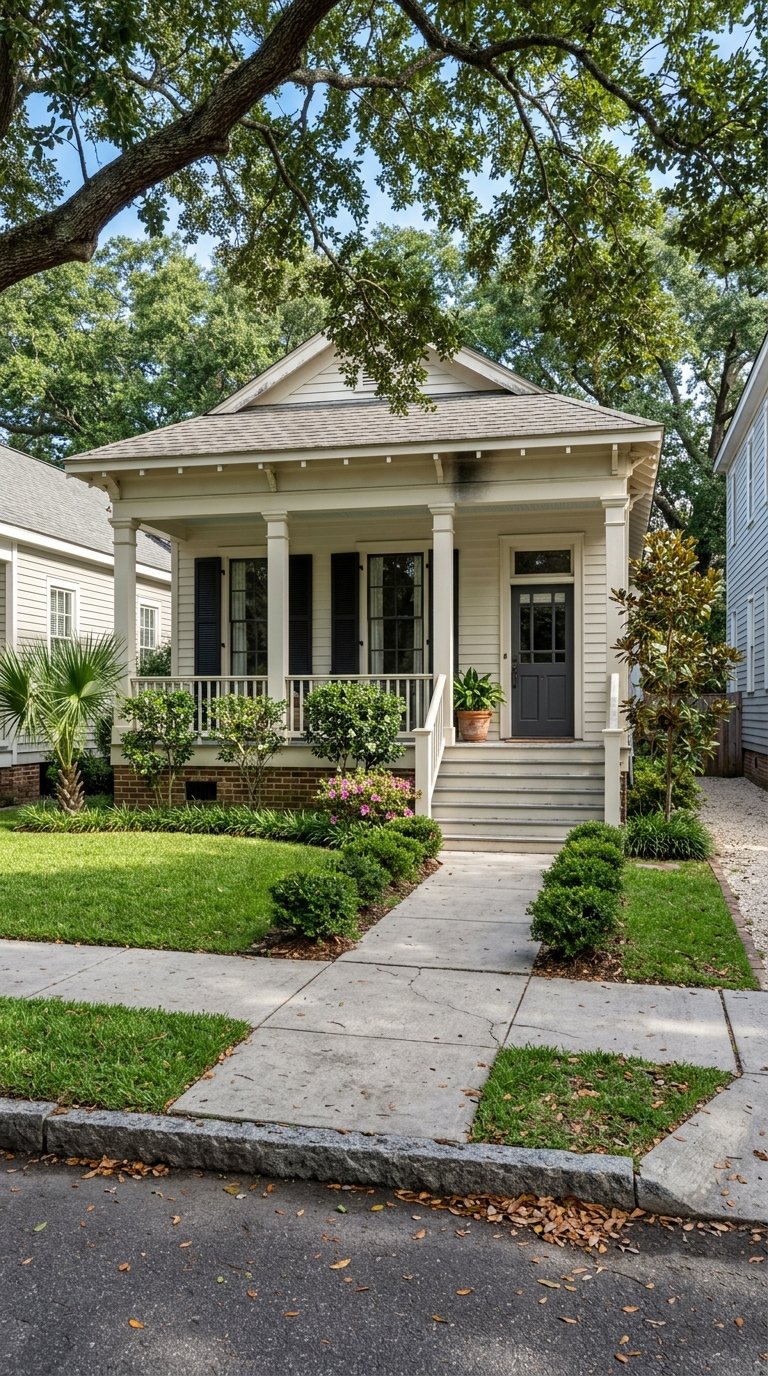
For example, a block of narrow-frontage homes may offer strong charm but less flexibility for off-street parking. Larger-lot corridors may provide a different balance of space, access, and exterior features.
Do your parcel-level homework
Once you find a promising block, zoom in from neighborhood to parcel. In Uptown, address-level research can protect you from assumptions.
The City Property Viewer and Where Y’At tools show zoning, historic or conservation districts, neighborhood, and service information at the parcel level. That can help you confirm whether a specific property sits in a district with rules that matter to your plans.
If you are considering a renovated home or one with additions, One Stop lets users research what has been permitted, licensed, or cited at a location. This is especially helpful when you want a clearer picture of what has changed over time.
Verify flood and historic controls
Two homes on nearby blocks can come with different due-diligence issues. That is why broad neighborhood reputation should never replace property-specific verification.
For flood and drainage, older city materials note that areas farther from the river were historically more prone to flooding and that later lakeside development relied on drainage and pumping. Buyers should verify the exact parcel in FEMA flood maps rather than rely on a general impression of the area.
Historic controls also vary. The broader Uptown district is largely demolition-controlled, while St. Charles Avenue has full control over visible exterior elements. If future exterior changes matter to you, check the specific address before you make an offer.
A simple way to narrow it down
If you are still sorting through options, this quick framework can help:
- Prioritize Audubon-adjacent blocks if green space and outdoor routine matter most.
- Prioritize Magazine-adjacent blocks if errands, dining, and a more active corridor are top goals.
- Prioritize St. Charles blocks if you want grand historic homes and the possibility of off-street parking.
- Prioritize Carrollton blocks if you are drawn to shotgun and bungalow-heavy streetscapes with streetcar access.
The right block is usually the one that best supports your everyday habits, not just the one with the prettiest listing photos.
Final thoughts on choosing well
In Uptown New Orleans, block selection is not a minor detail. It is a major part of how your home will feel, function, and hold long-term appeal.
When you compare corridor character, parking reality, access, housing stock, and parcel-specific restrictions, you give yourself a much clearer path to the right fit. That kind of local, block-by-block lens is especially important in a neighborhood as layered as Uptown.
If you want help narrowing your search in Uptown Triangle and comparing the streets that best fit your goals, Ashley Nesser can help you evaluate homes with the kind of neighborhood context that leads to confident decisions.
FAQs
What makes one Uptown New Orleans block different from another?
- Uptown varies block by block because of differences in housing age and style, lot width, parking setup, access to Magazine Street or Audubon Park, and historic-district rules.
How should you choose between St. Charles and Magazine Street blocks in Uptown?
- St. Charles blocks may appeal more if you want grand historic homes and possible off-street parking, while Magazine-adjacent blocks may suit you better if you value errands, dining, and a more active corridor.
What should buyers know about parking on Uptown New Orleans blocks?
- Most Uptown properties rely on street parking due to narrow frontage and deep lots, so you should verify parking patterns and check whether the block is in a residential permit zone.
Why does parcel-level research matter in Uptown New Orleans?
- Parcel-level research helps you confirm zoning, historic or conservation district status, service information, and permit history for a specific address instead of relying on general neighborhood assumptions.
How do you check flood and historic restrictions for an Uptown New Orleans home?
- You should verify the exact parcel in FEMA flood maps and confirm the property’s historic-district controls through the city tools and address-specific district information before moving forward.