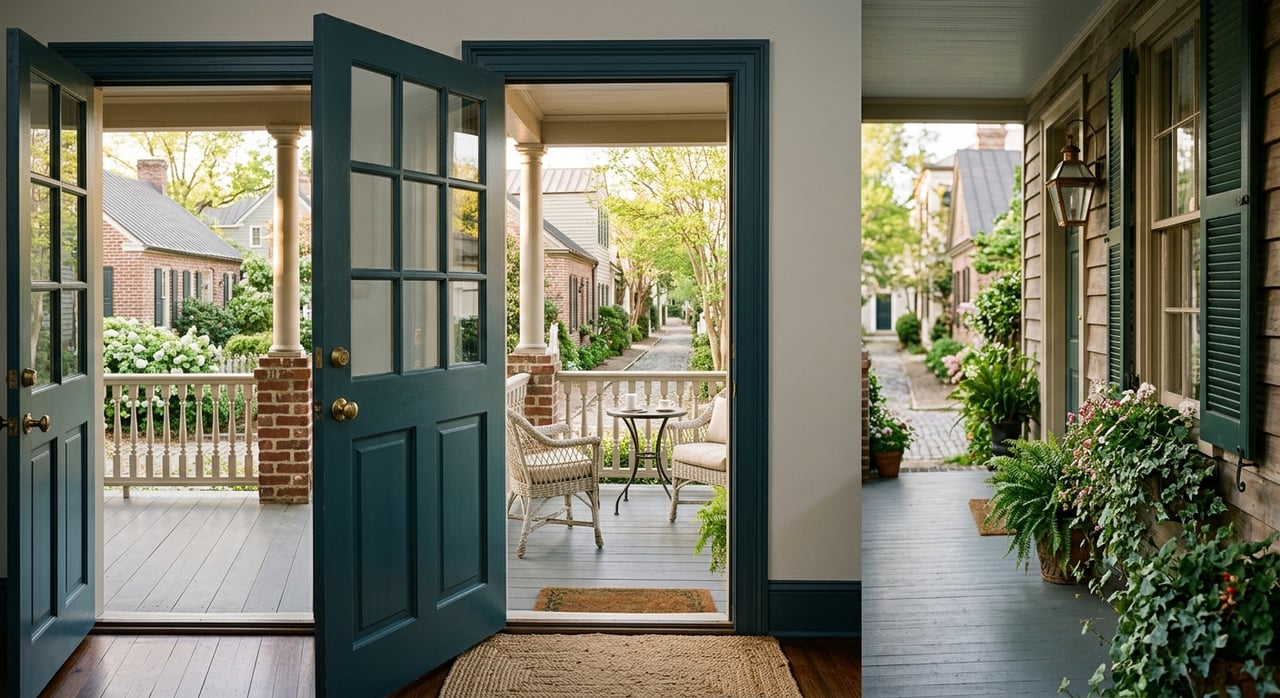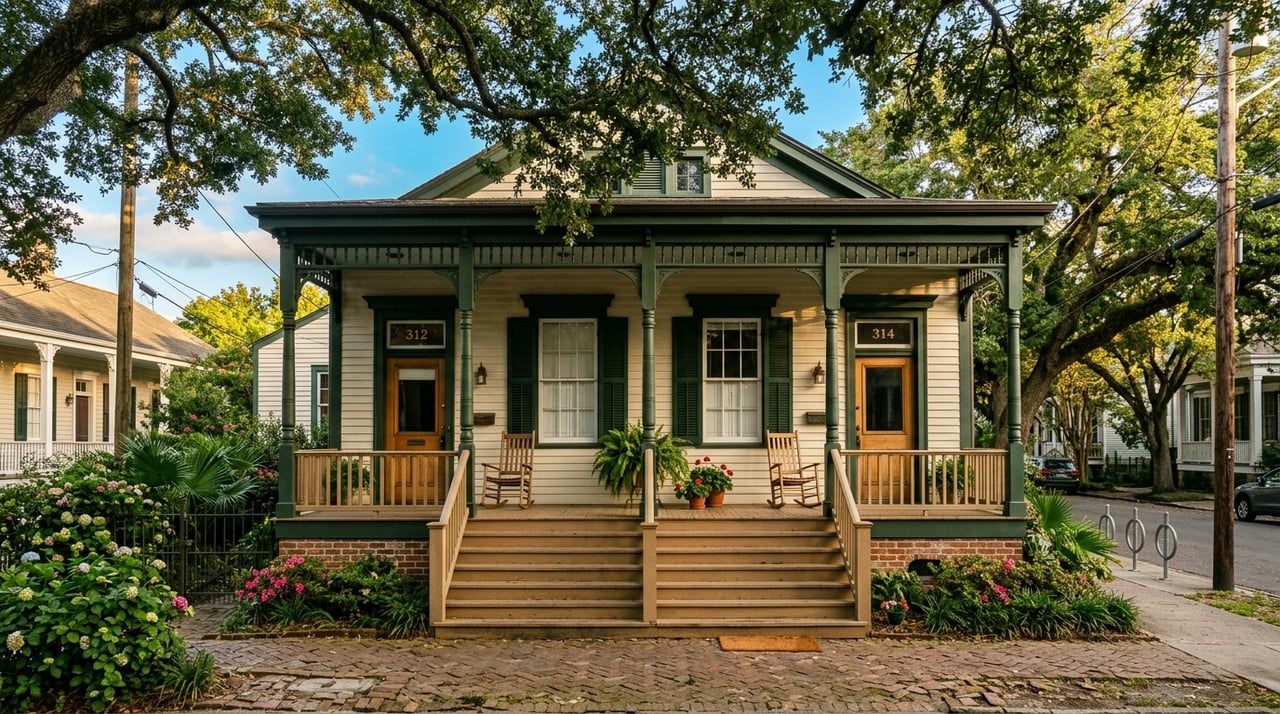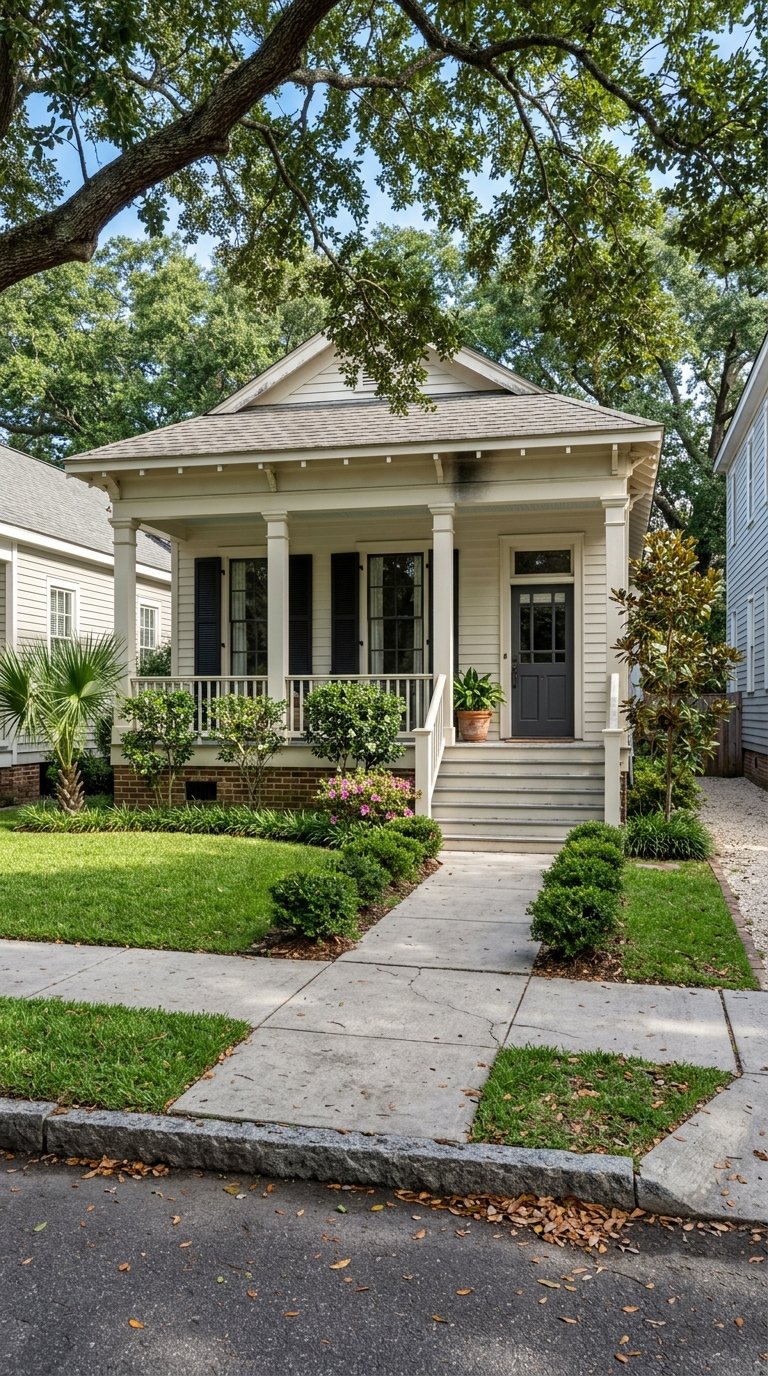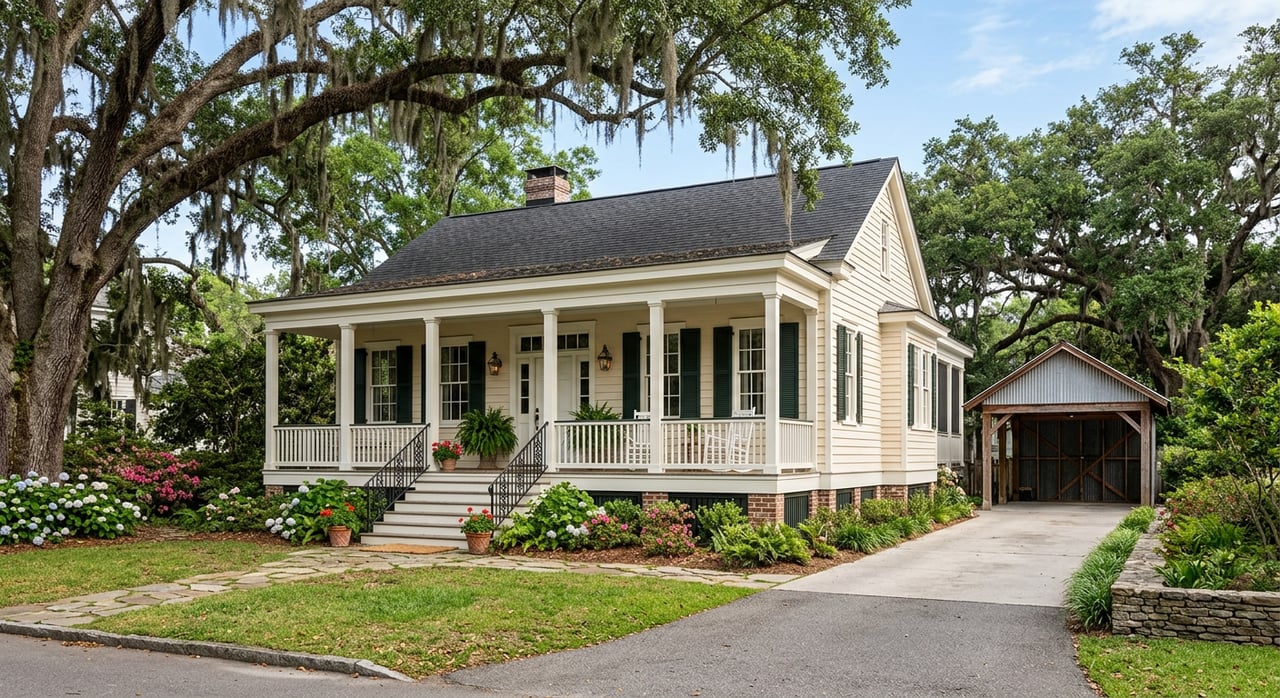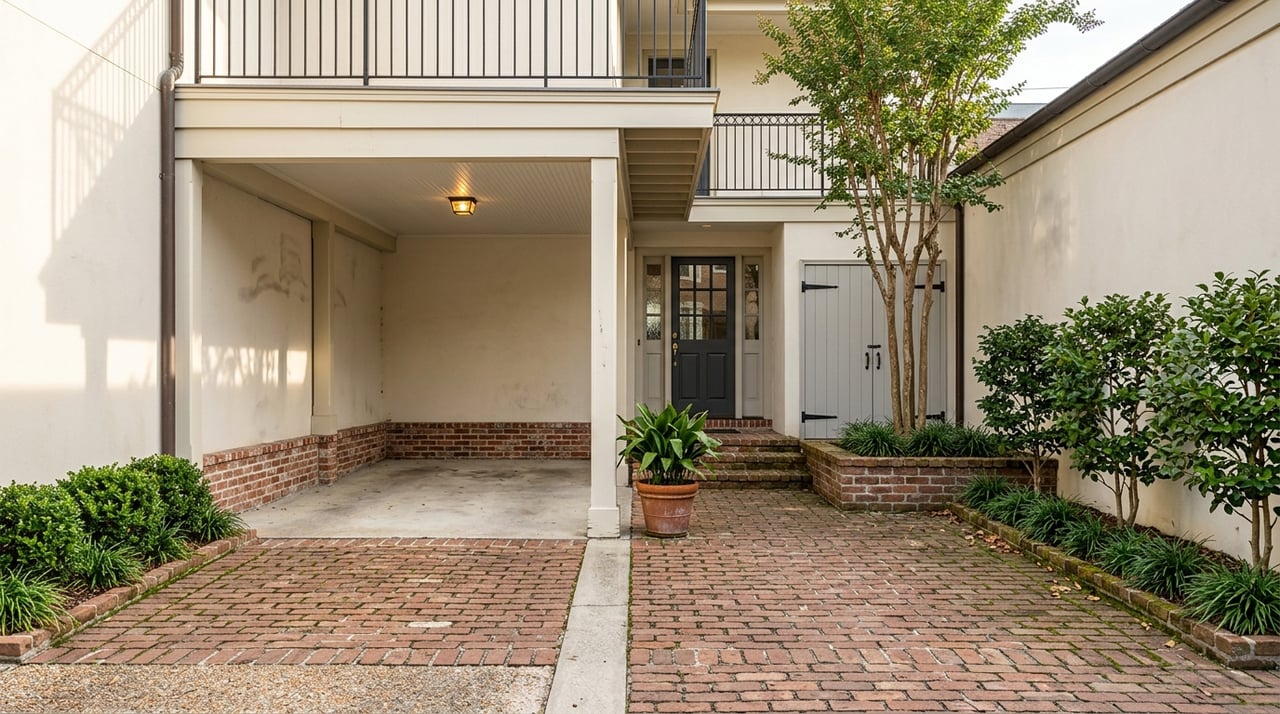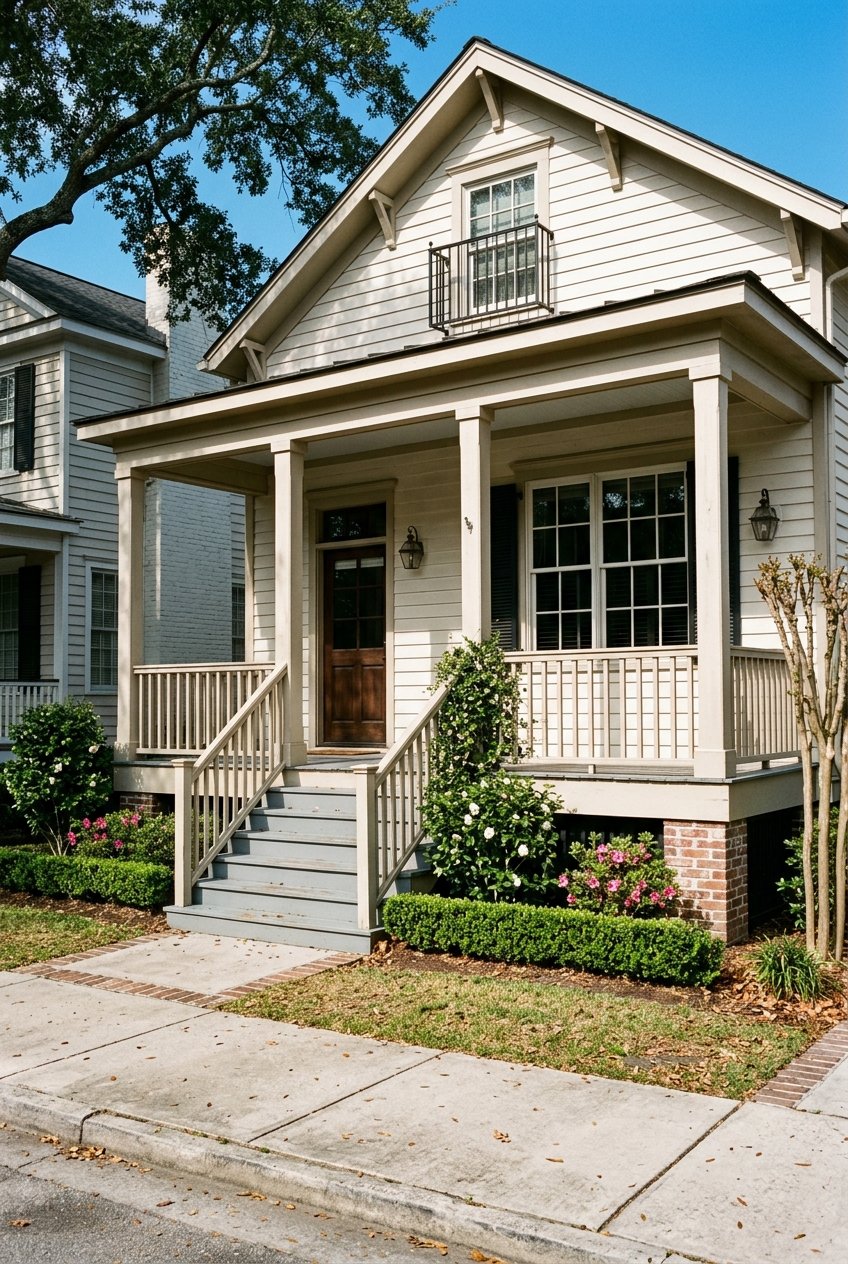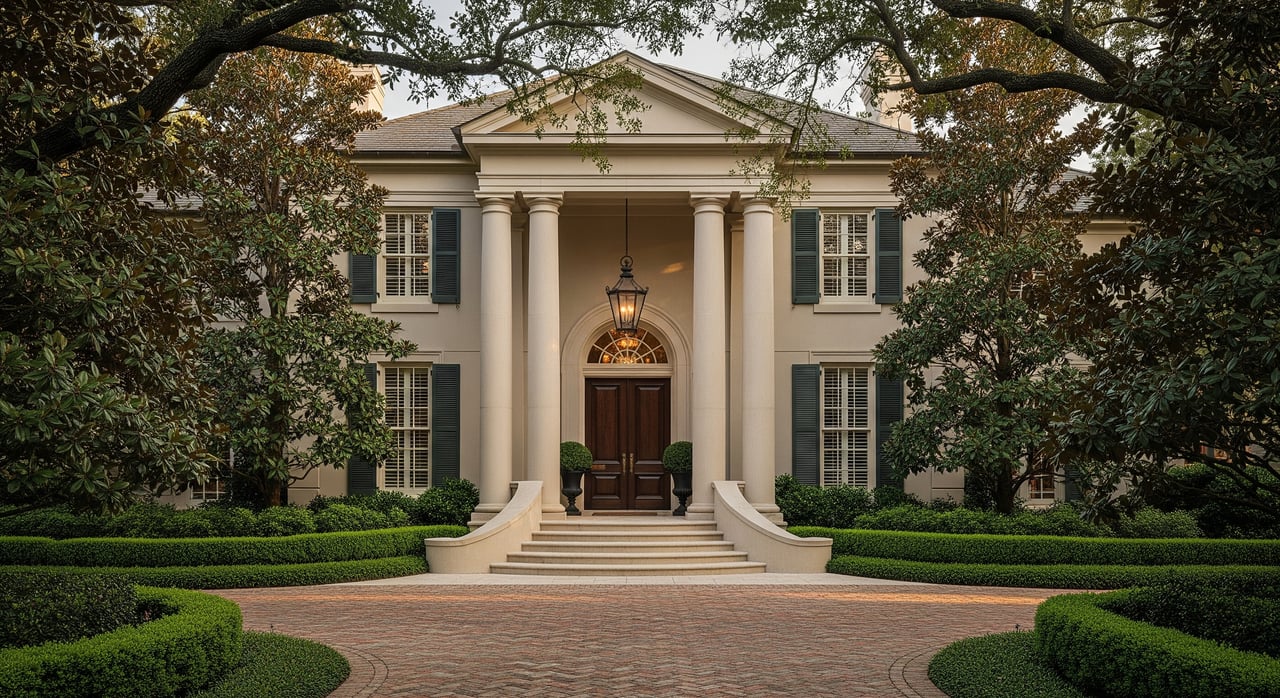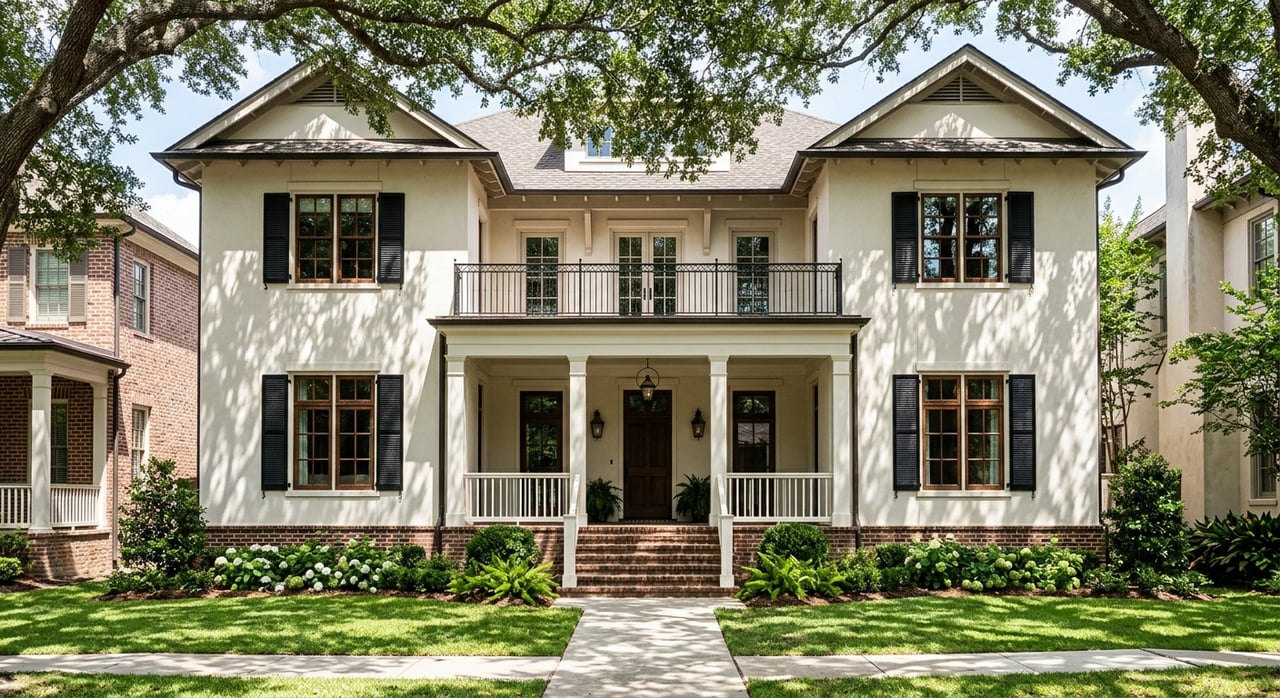
If you have started looking in Old Metairie, you have probably noticed one thing right away: no two blocks feel exactly the same. That mix can be exciting, but it can also make it harder to judge what fits your budget, your style, and your long-term plans. This guide will help you understand the home styles, lot patterns, and property details that matter most so you can shop with more clarity and confidence. Let’s dive in.
Why Old Metairie Feels So Varied
Old Metairie grew along the Metairie Ridge, a natural levee that shaped early settlement and later residential development. According to SAH Archipedia, an electric streetcar line reached the suburb in 1915, which helped spark a building boom in the 1920s and 1930s.
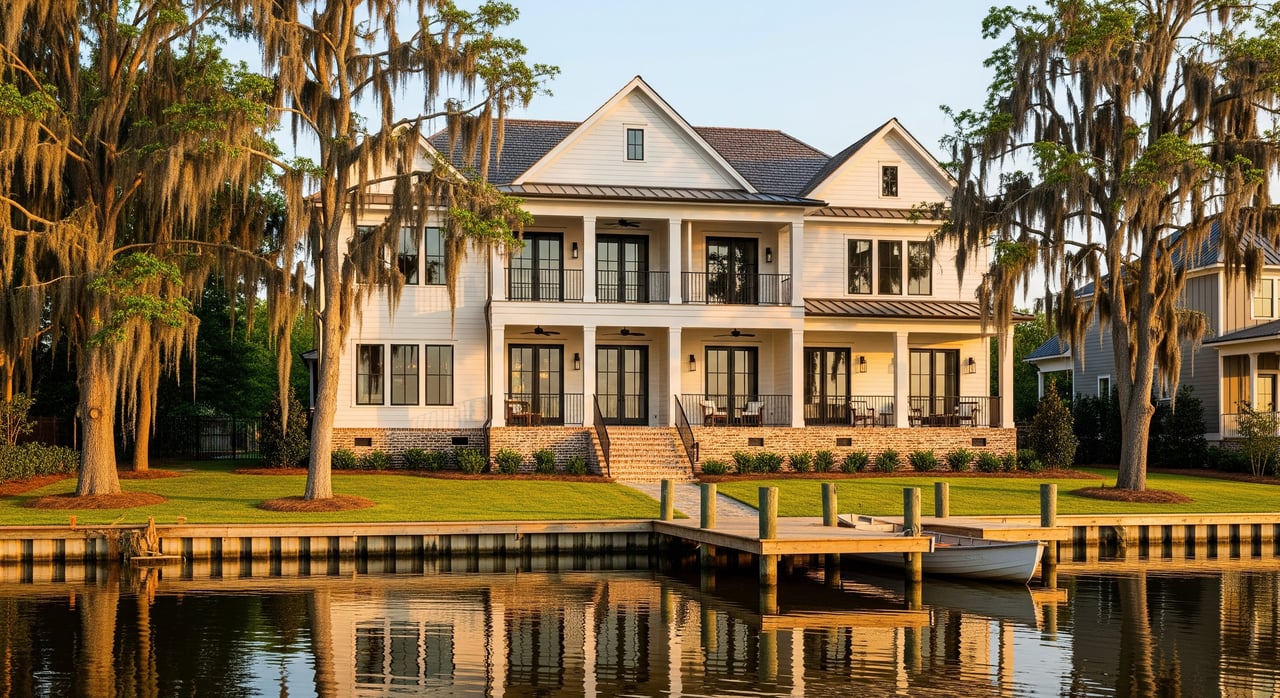
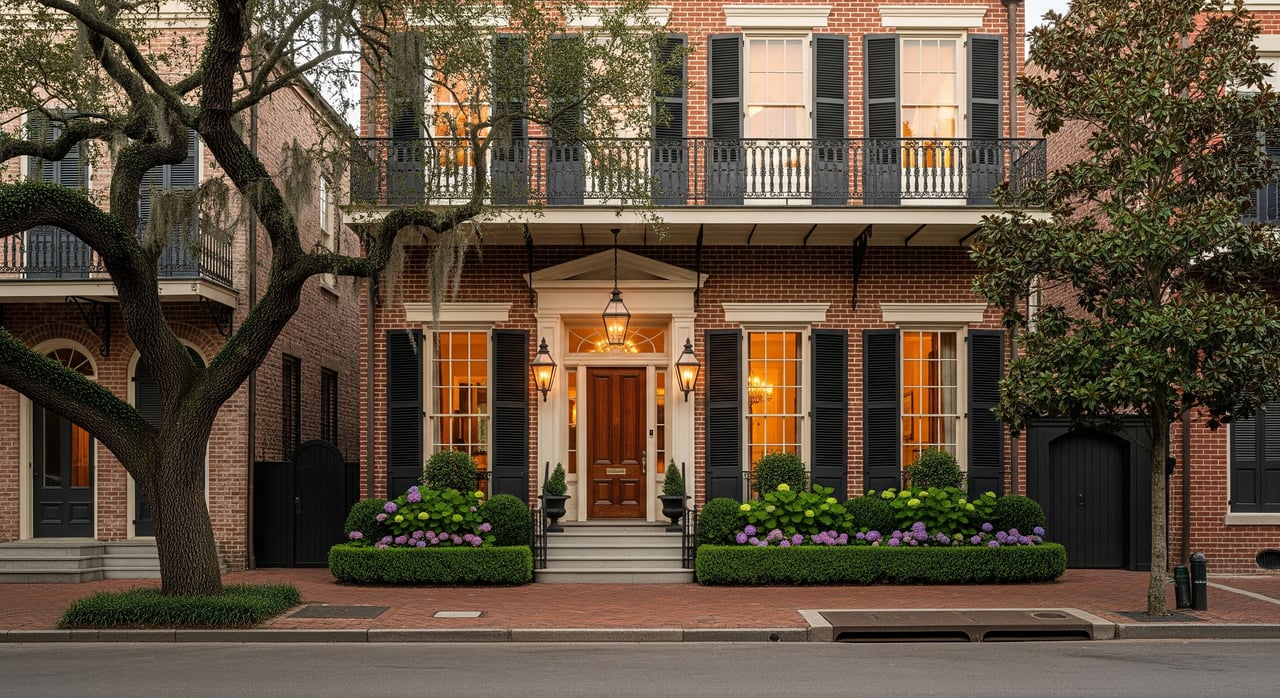
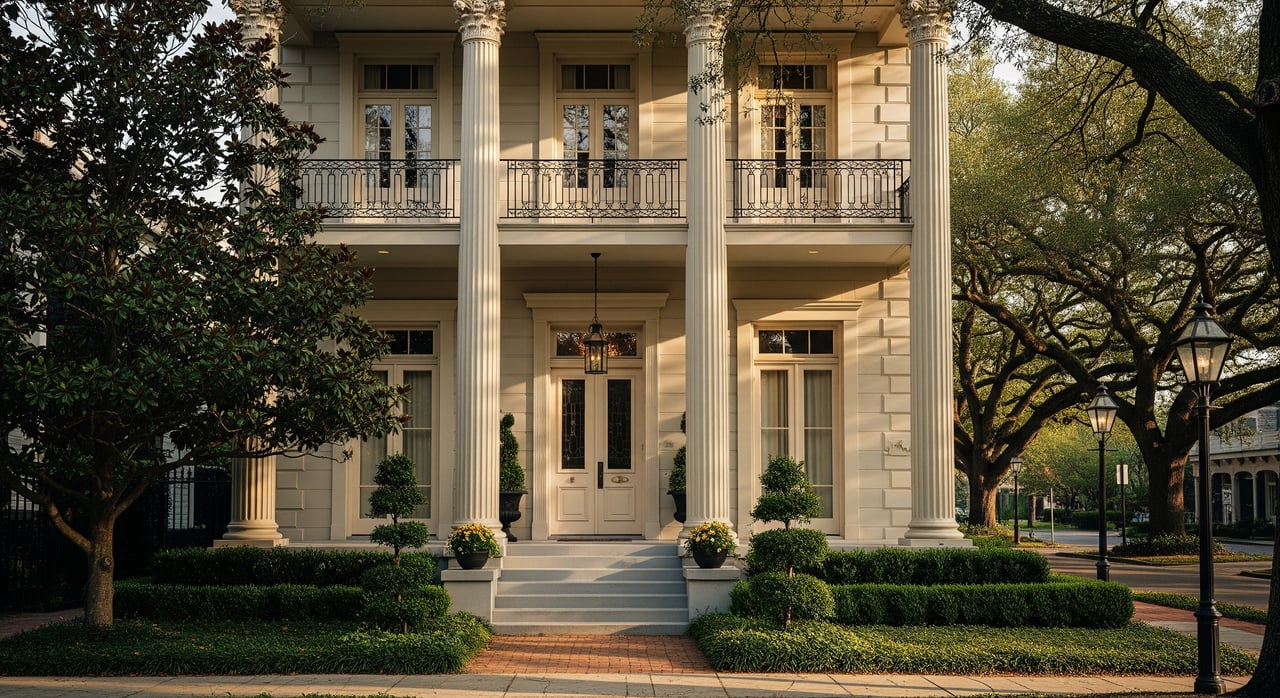
That history still shows up in today’s housing stock. Many earlier homes remain, while some properties were replaced in the 1990s with larger houses in historically derived styles. As a buyer, that means you may tour a cottage, a ranch-style home, and a much newer custom residence all within a short distance.
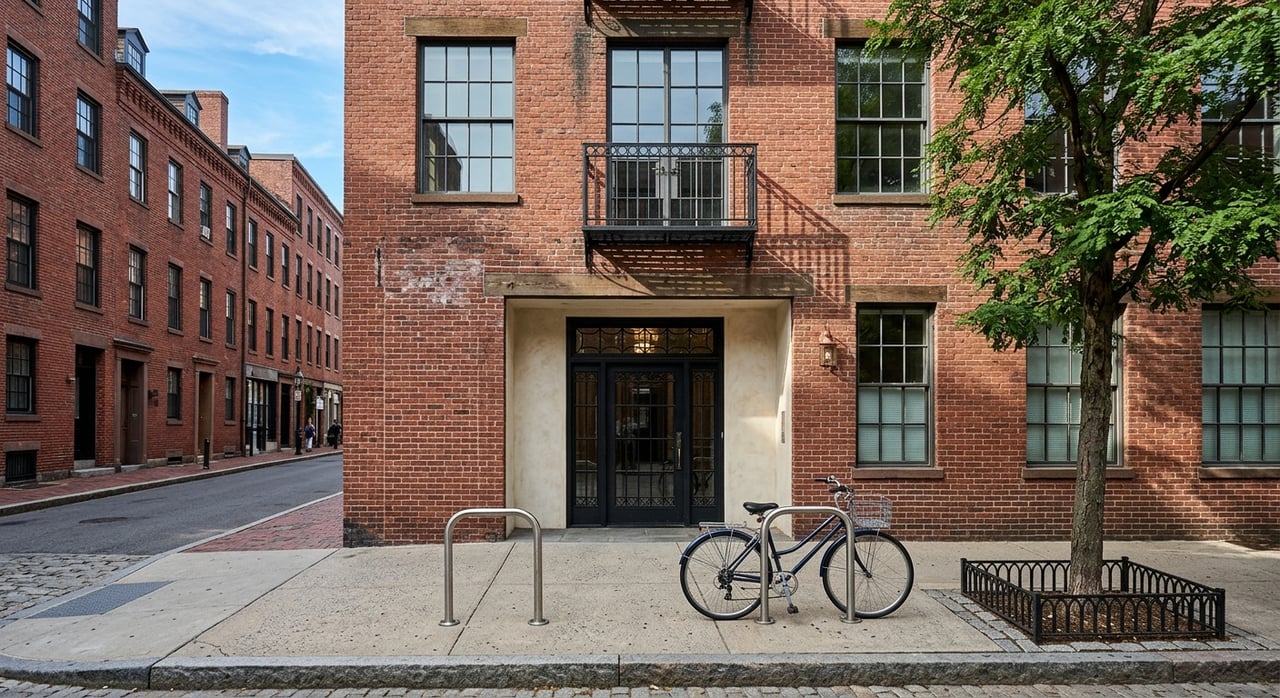
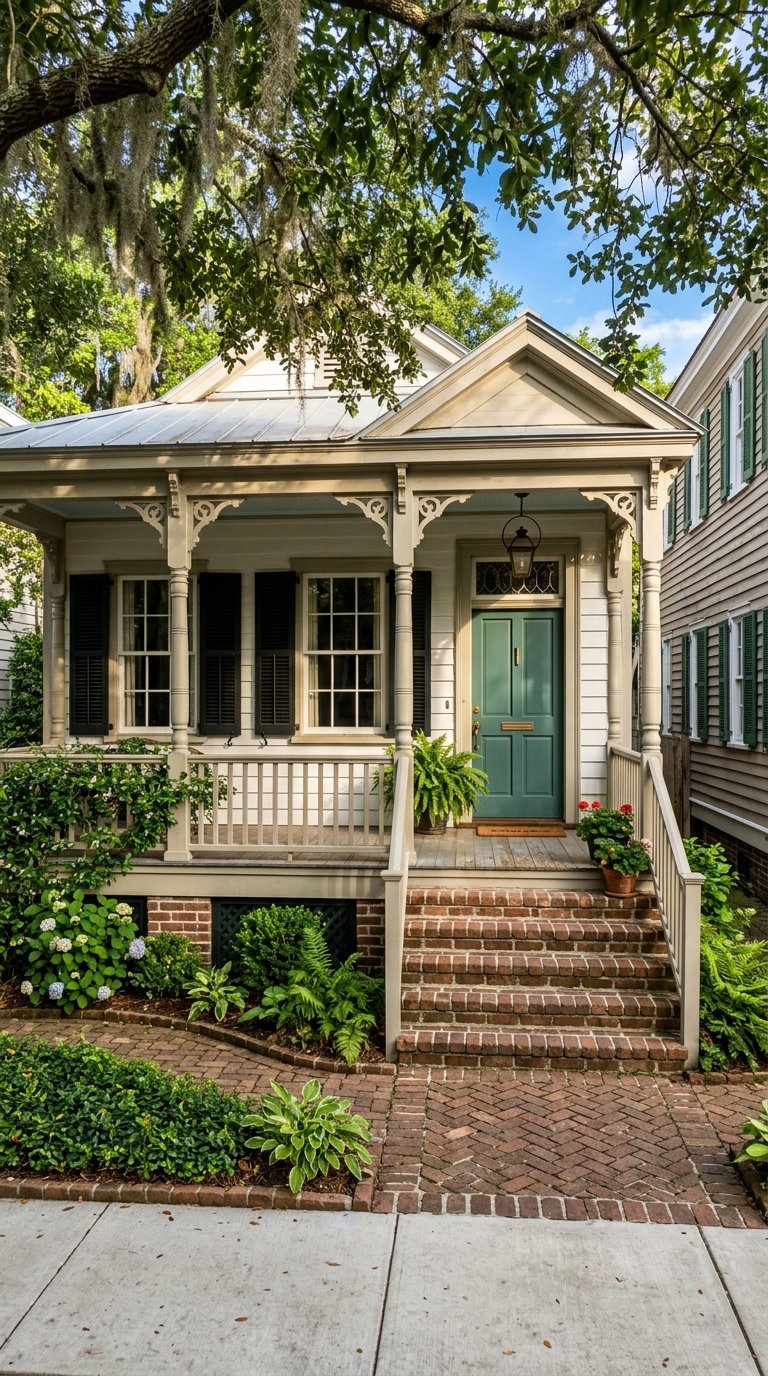
Common Old Metairie Home Styles
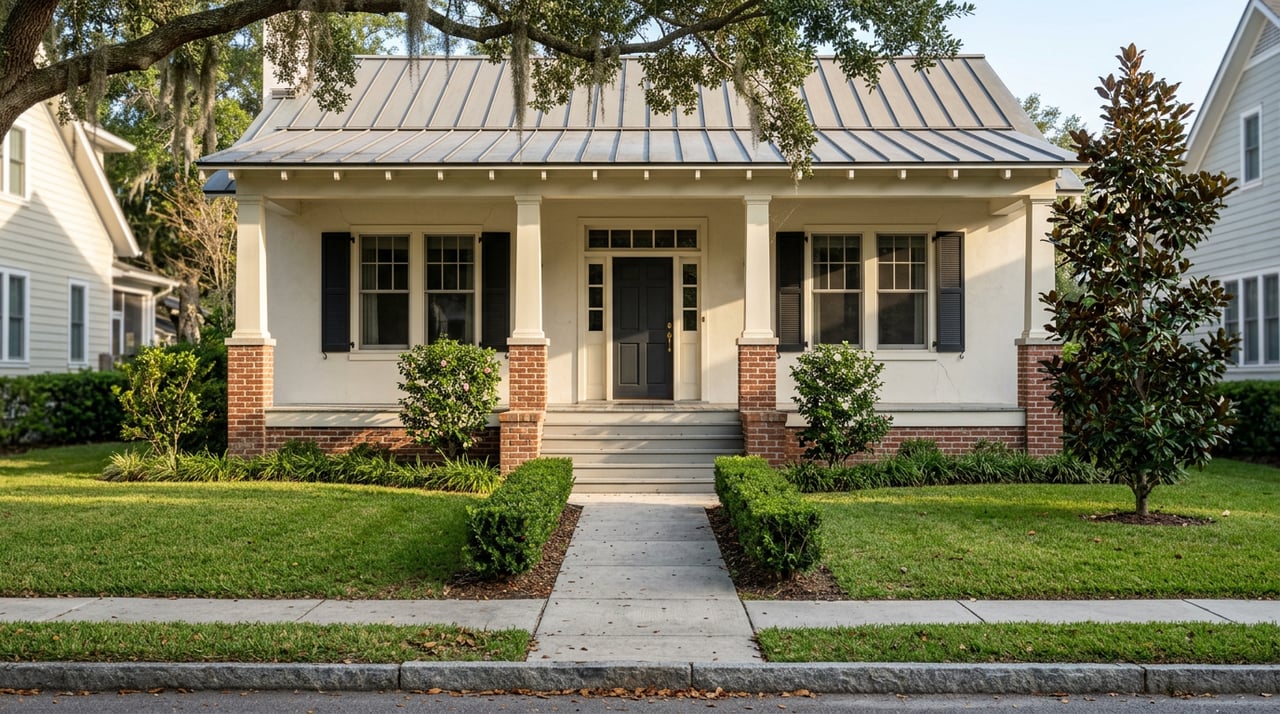
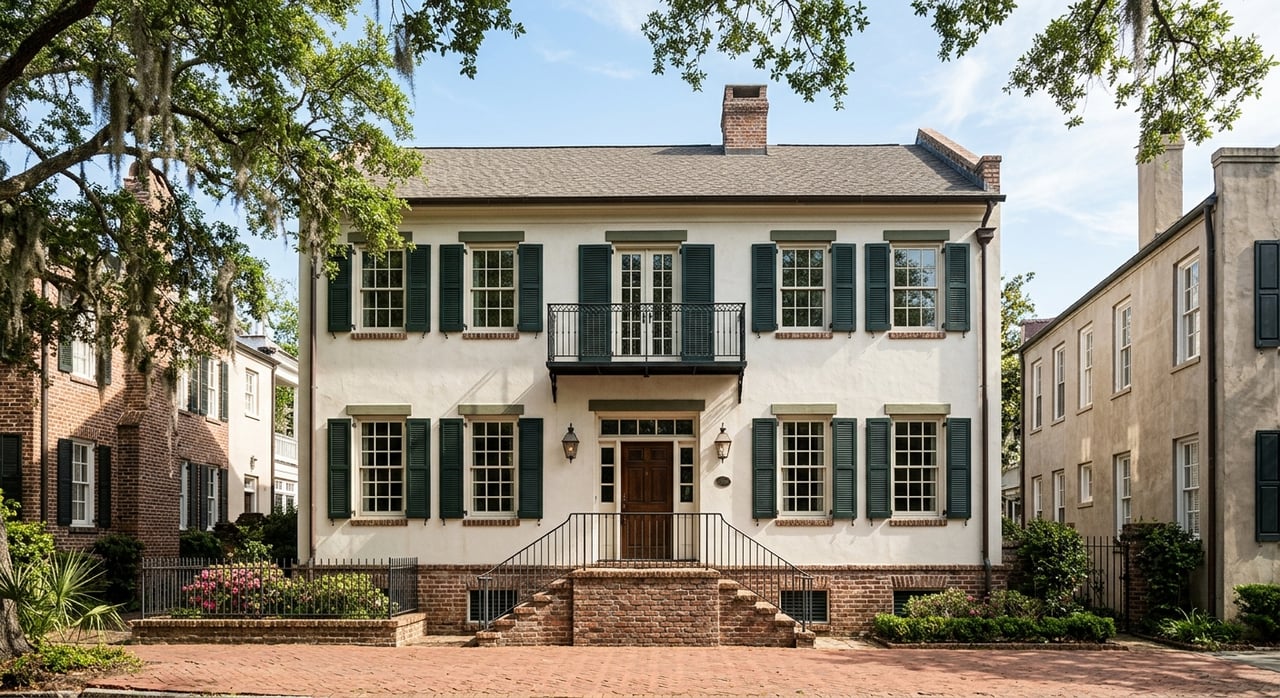
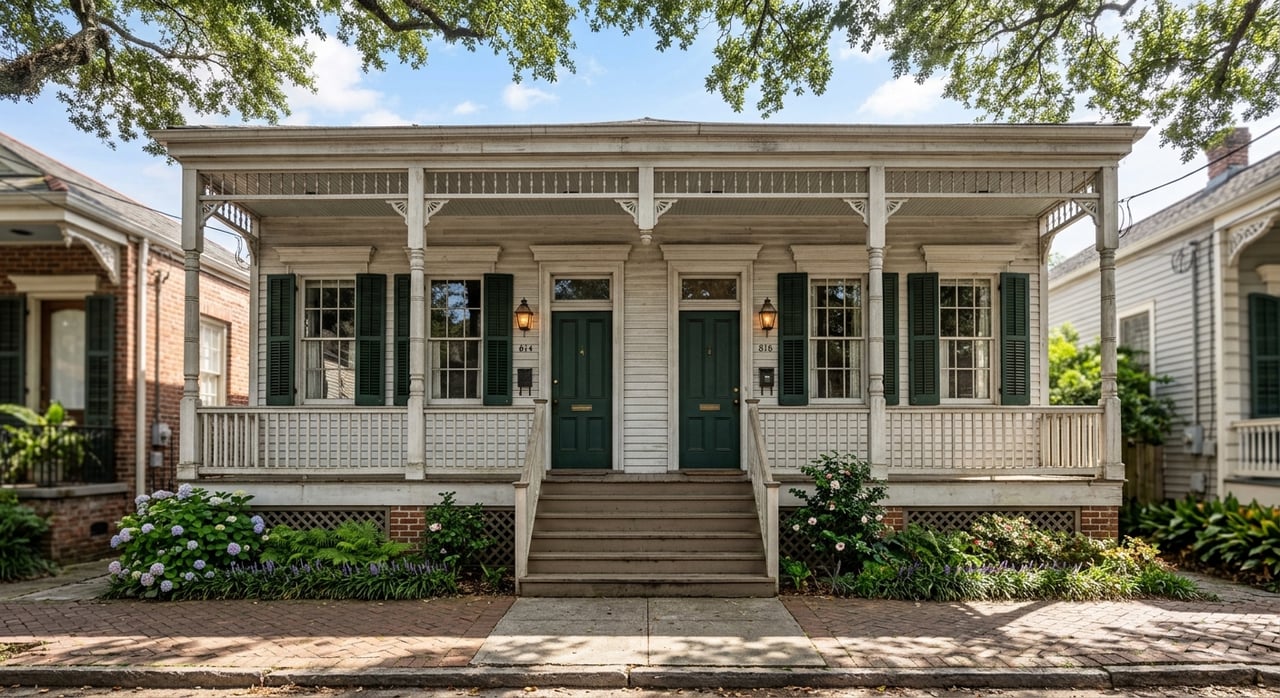
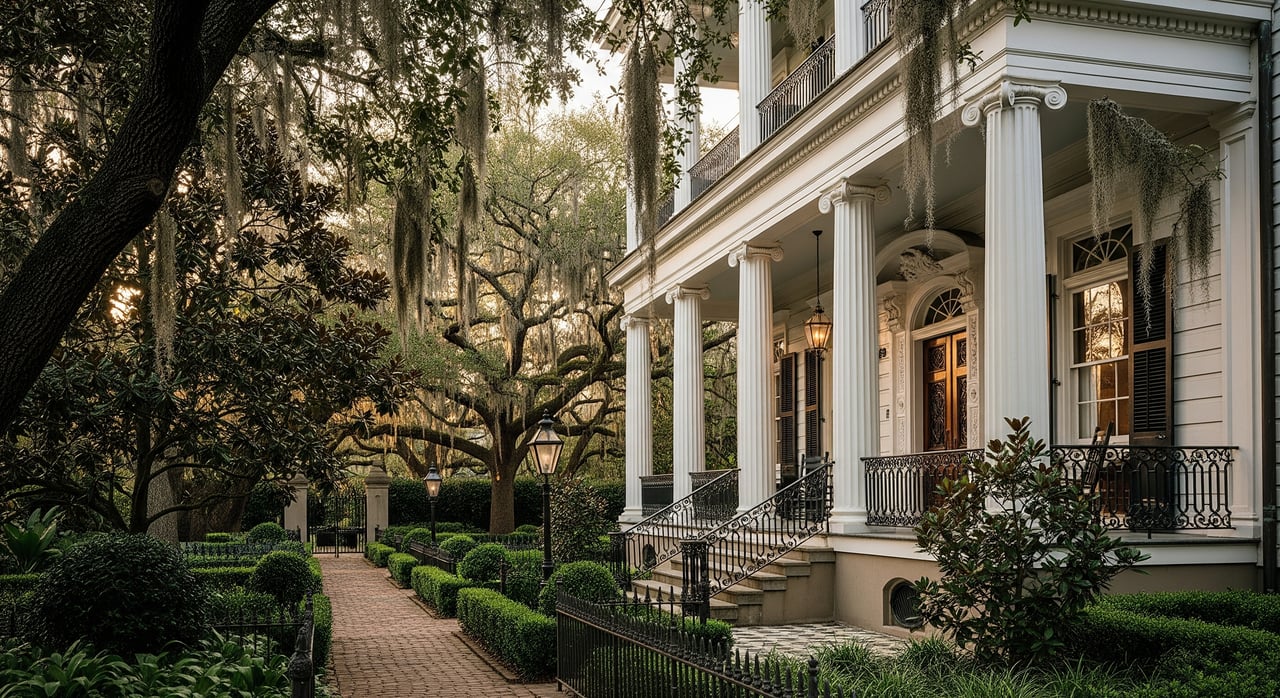
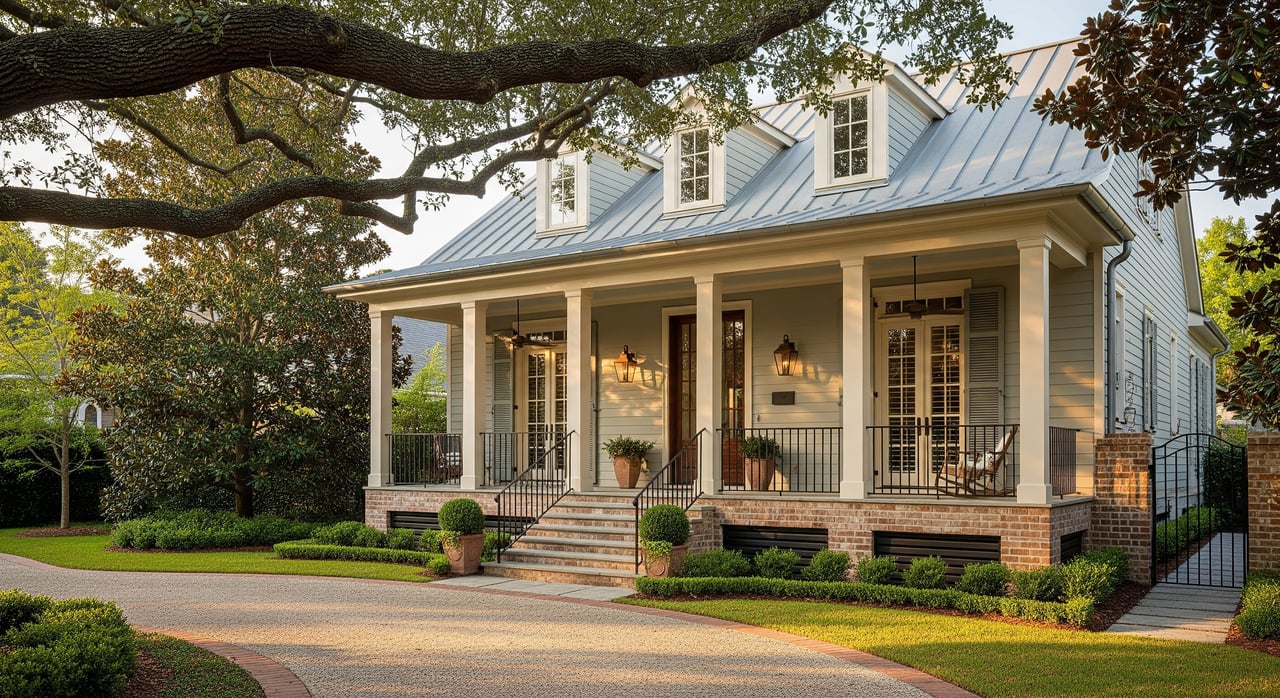
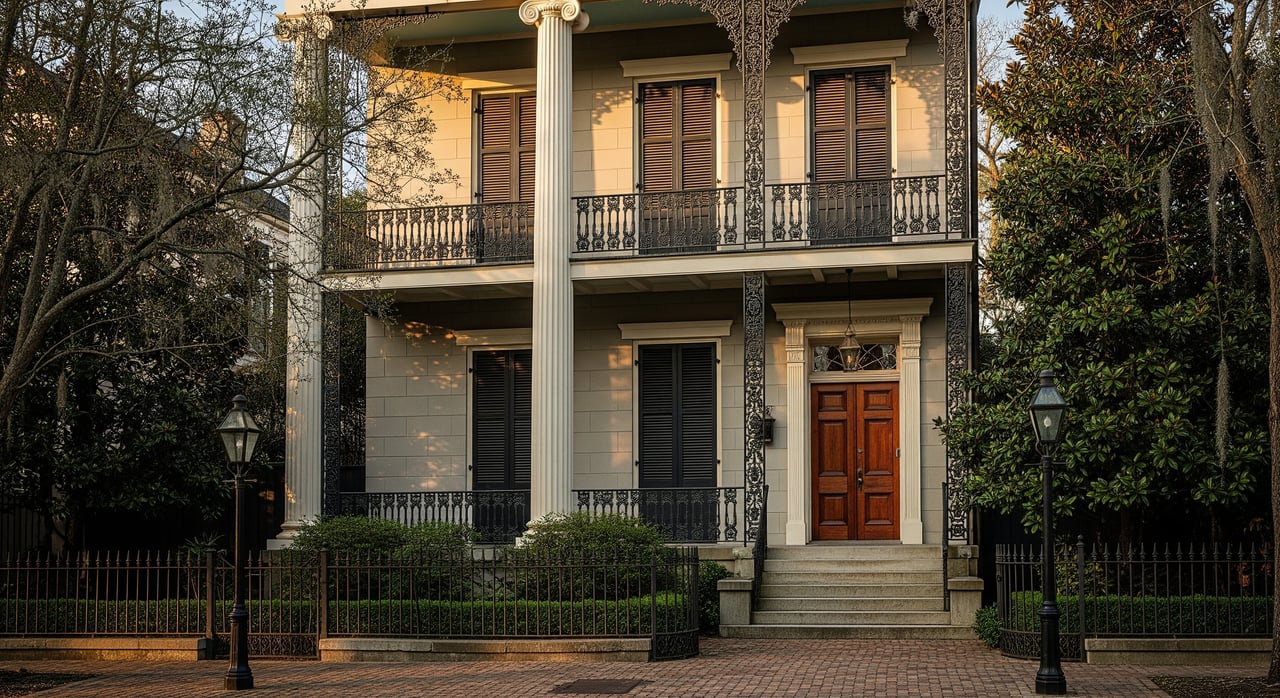
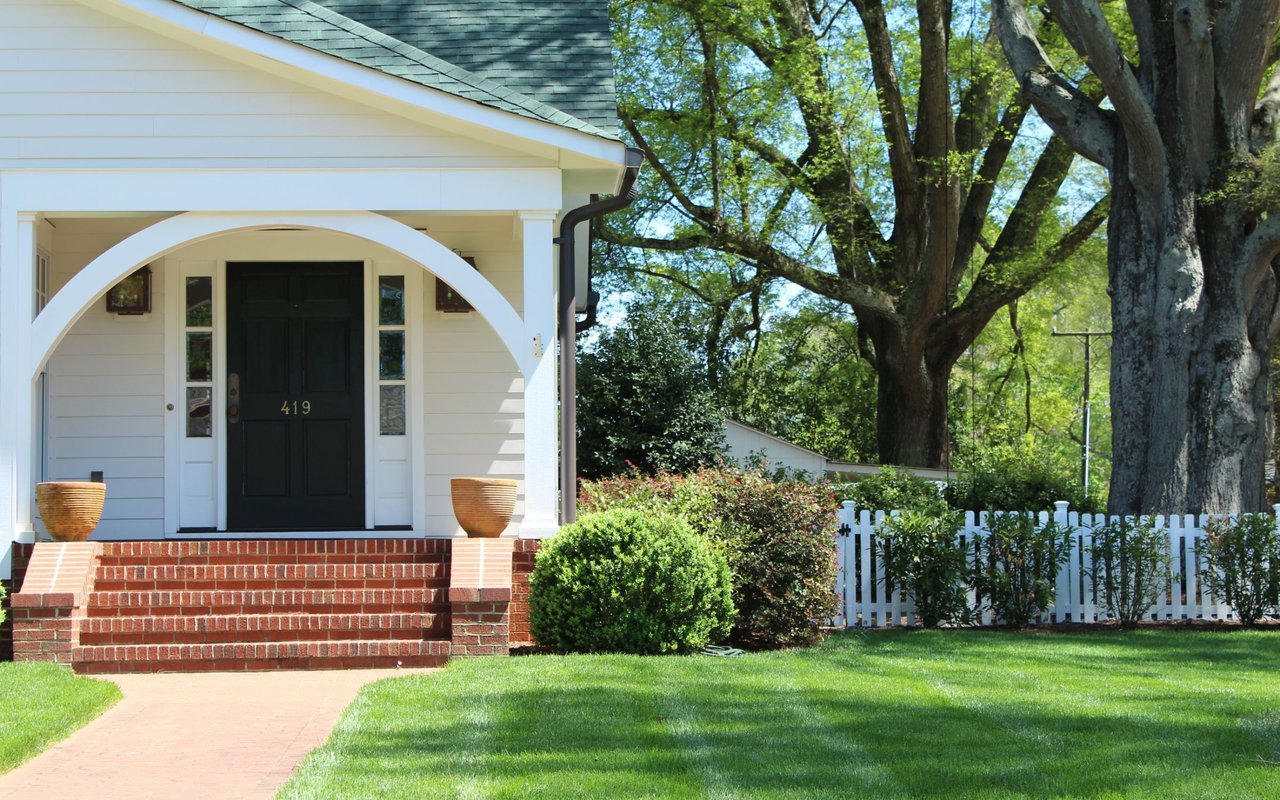
One of the most important things to know is that Old Metairie does not have one single defining look. Homes.com describes the area as an early streetcar suburb with a wide mix of architectural styles and housing types.
You are likely to see:
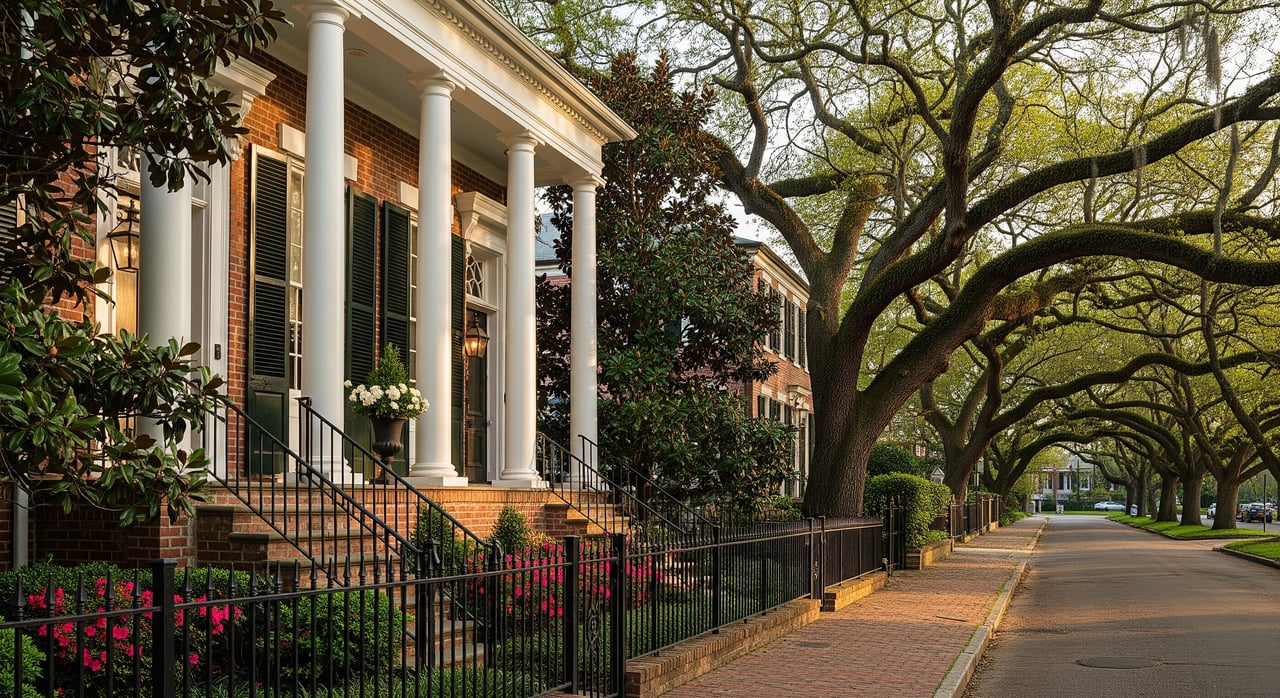
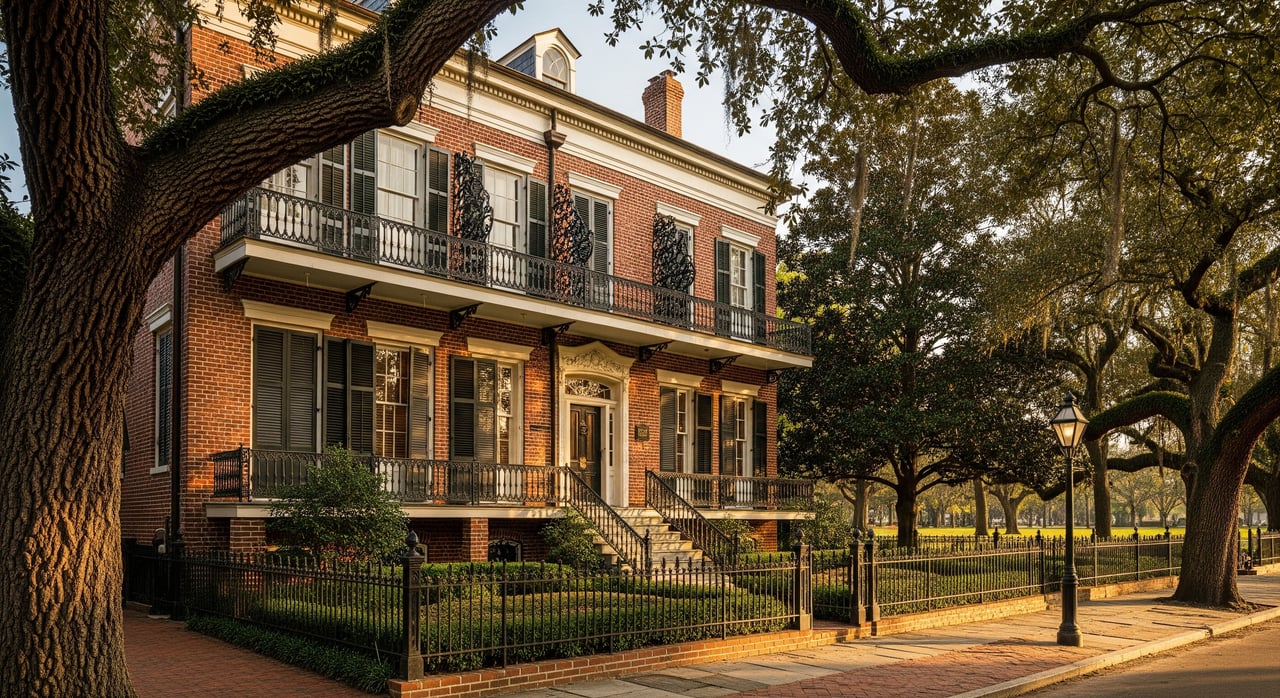
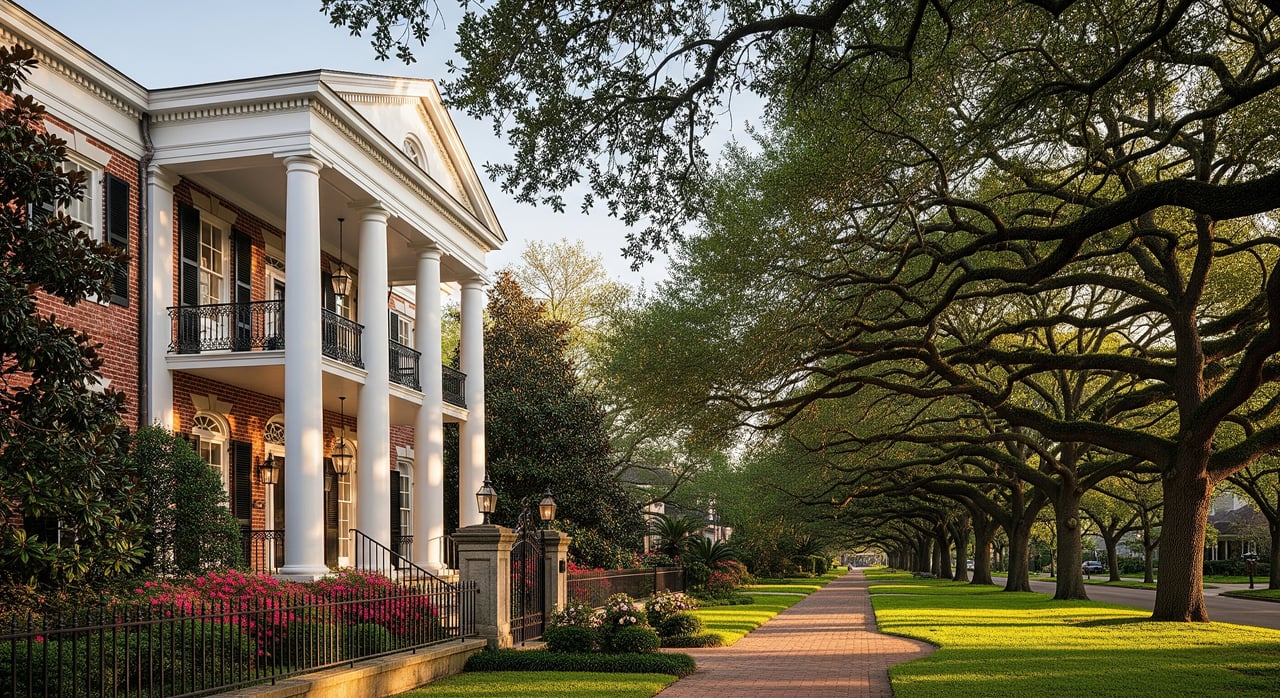
- Colonial Revival homes
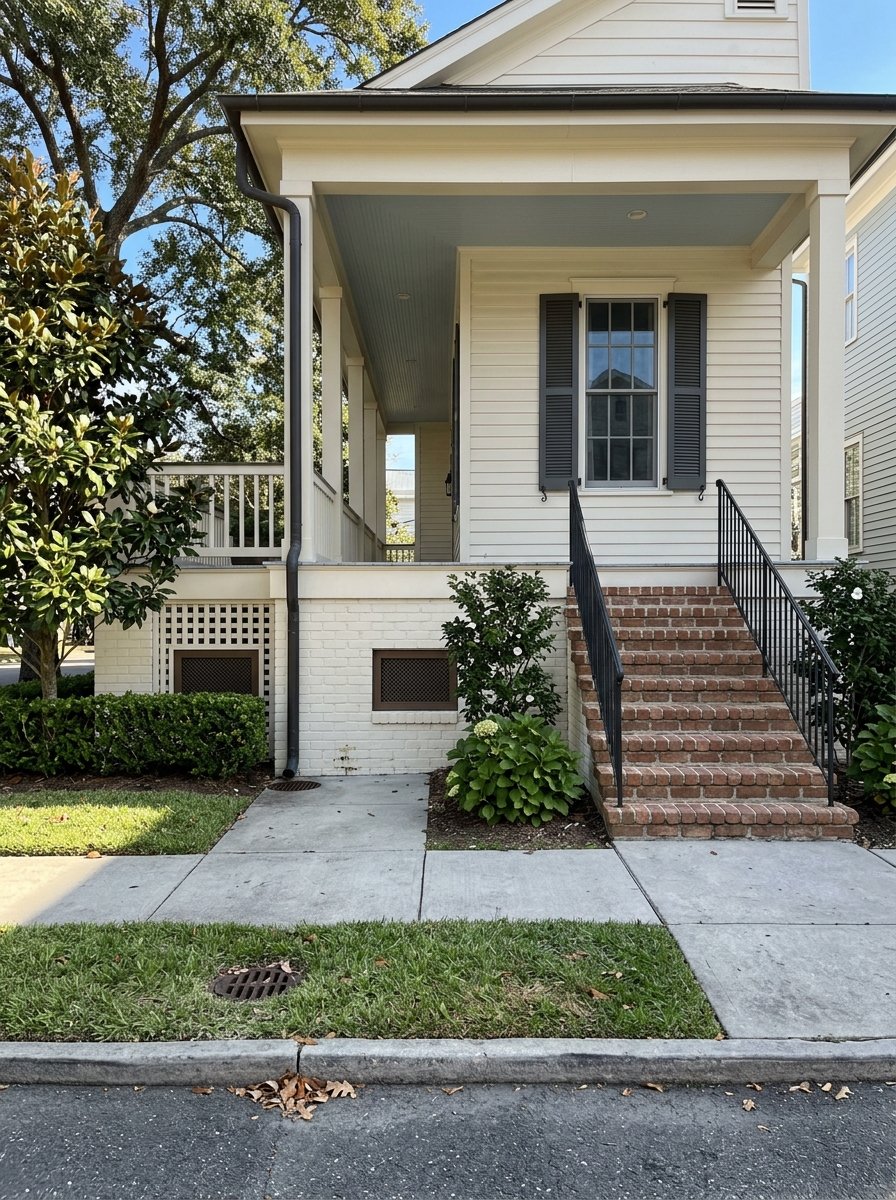
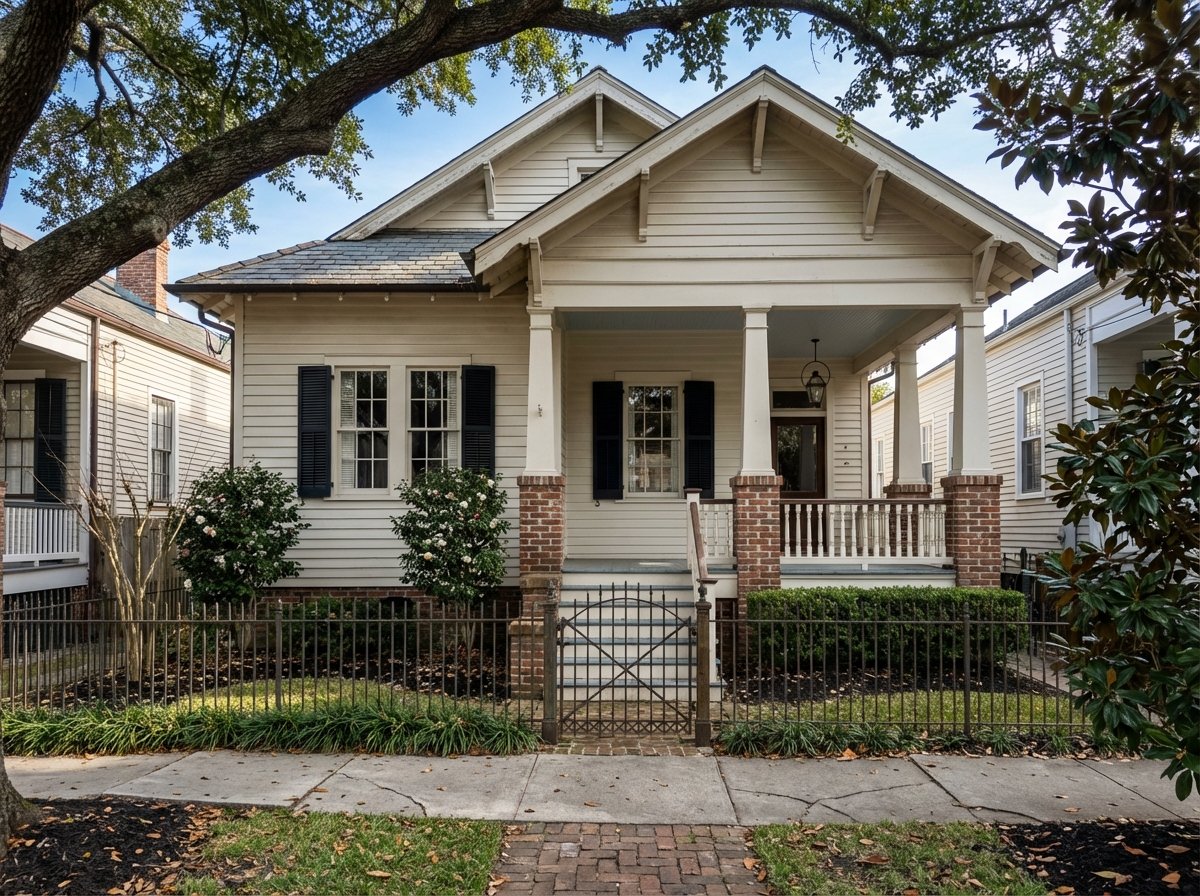
- Craftsman cottages
- Bungalows
- Wooden cottages
- Mid-century modern homes
- Ranch-style homes
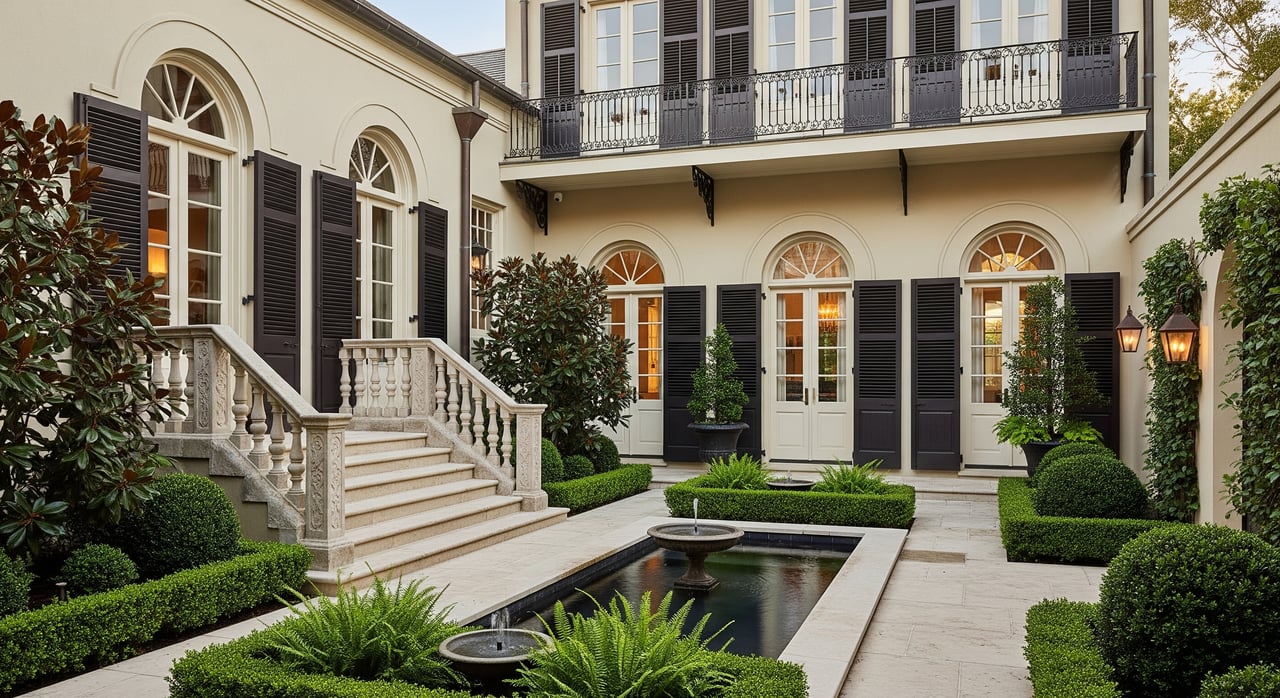
- Large custom-built houses
- Some townhomes, condos, and small apartment buildings in the broader housing stock
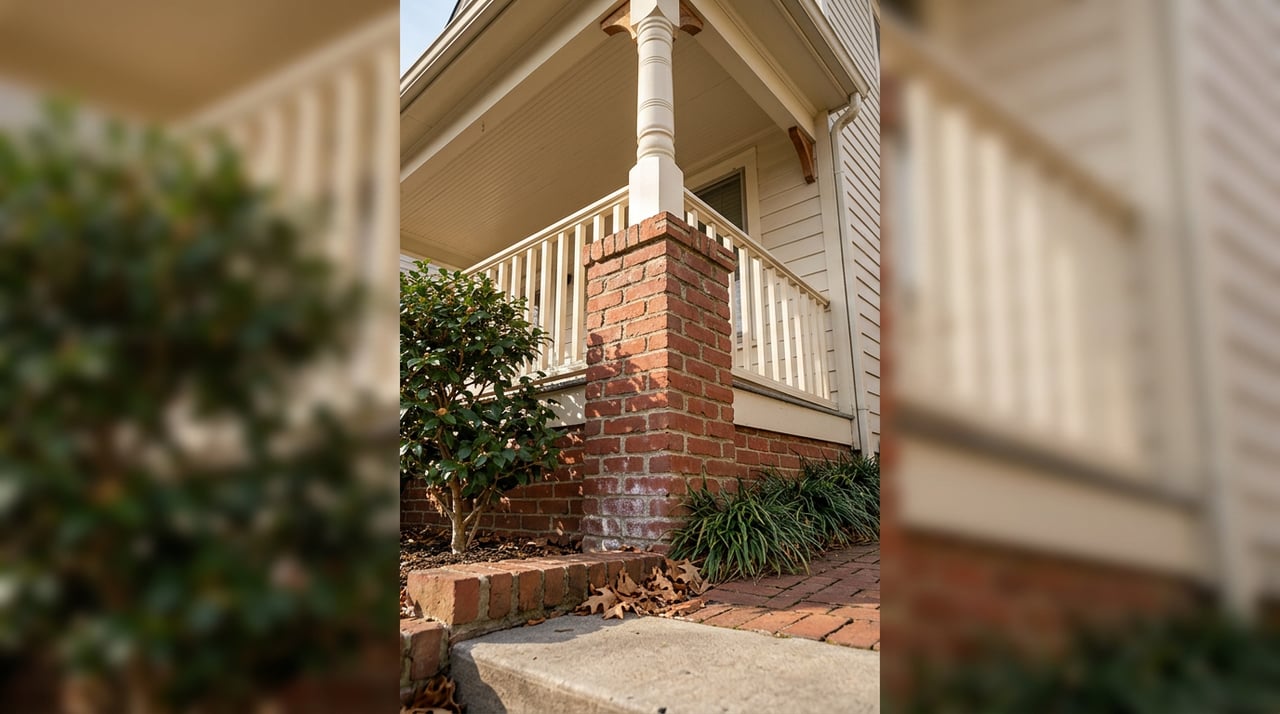
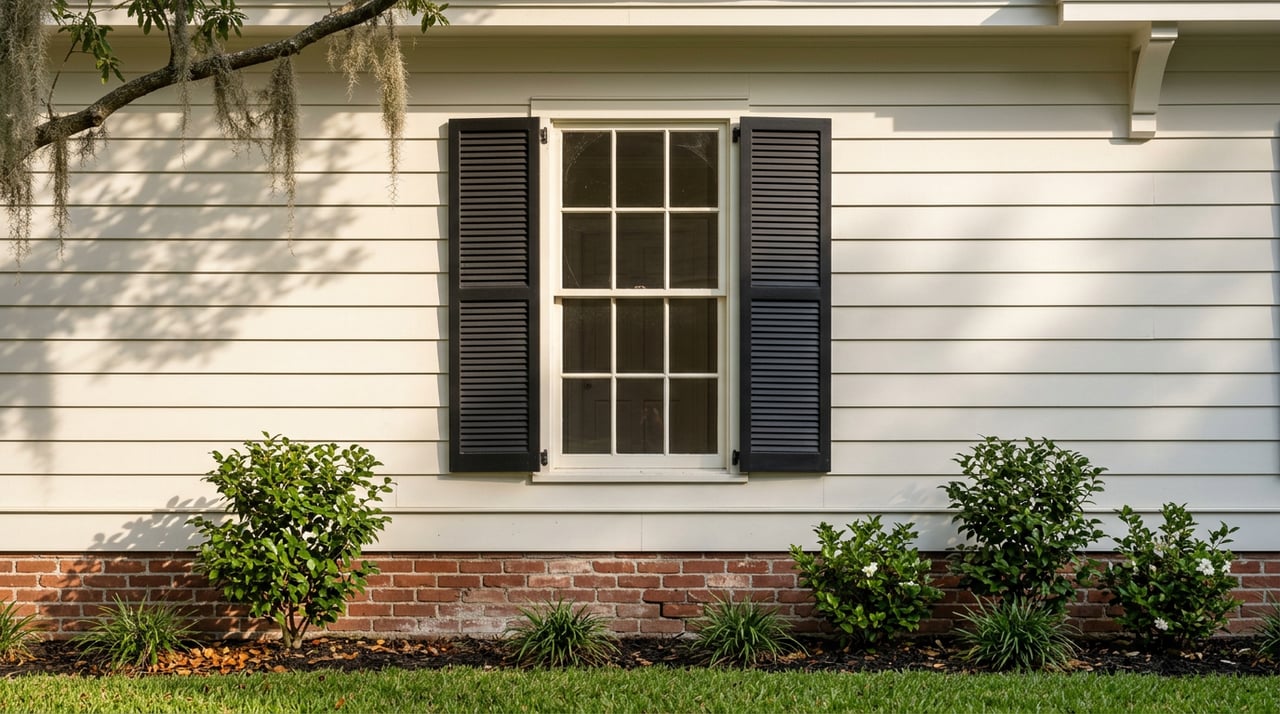
Materials vary too. Homes may be built with brick, wood, or a combination of both, which adds to the neighborhood’s layered appearance.
Character homes vs newer builds
For many buyers, the real comparison is not style versus style. It is often original character versus newer scale and updates.
SAH Archipedia points to examples in the area that include both Colonial Revival and modernist design. That range helps explain why Old Metairie is better understood as a spectrum of homes rather than a neighborhood with one fixed architectural identity.
What Buyers Should Notice During Showings
When you walk through homes in Old Metairie, pay attention to more than curb appeal. The age and style of a property can affect layout, room size, storage, renovation history, and future project options.
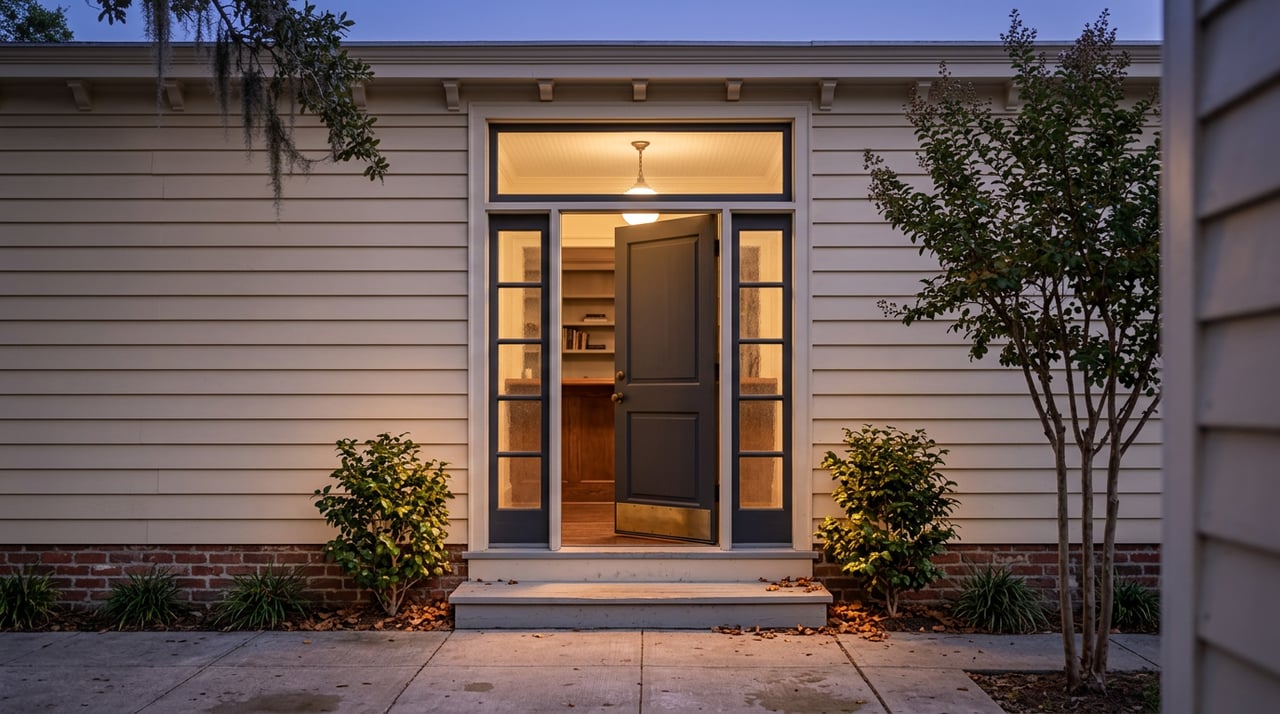
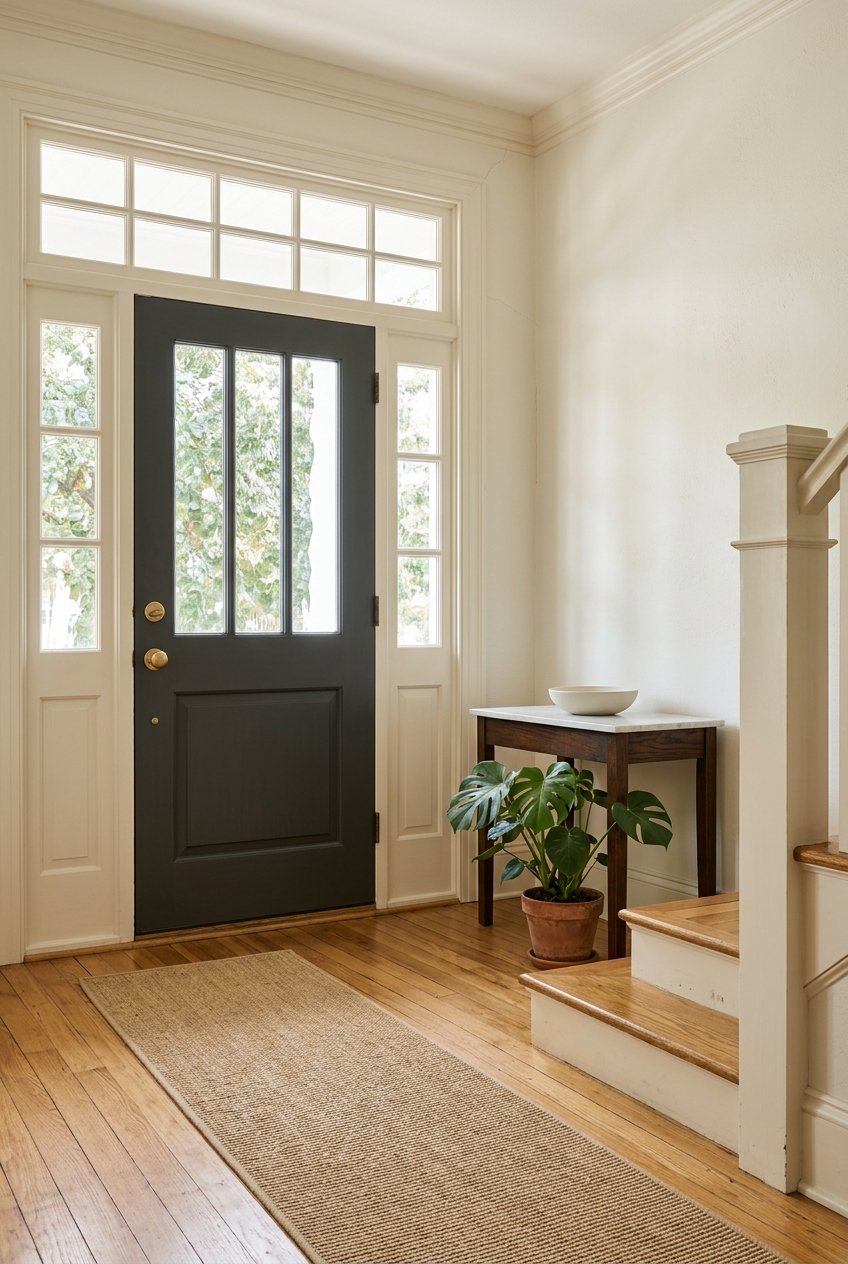
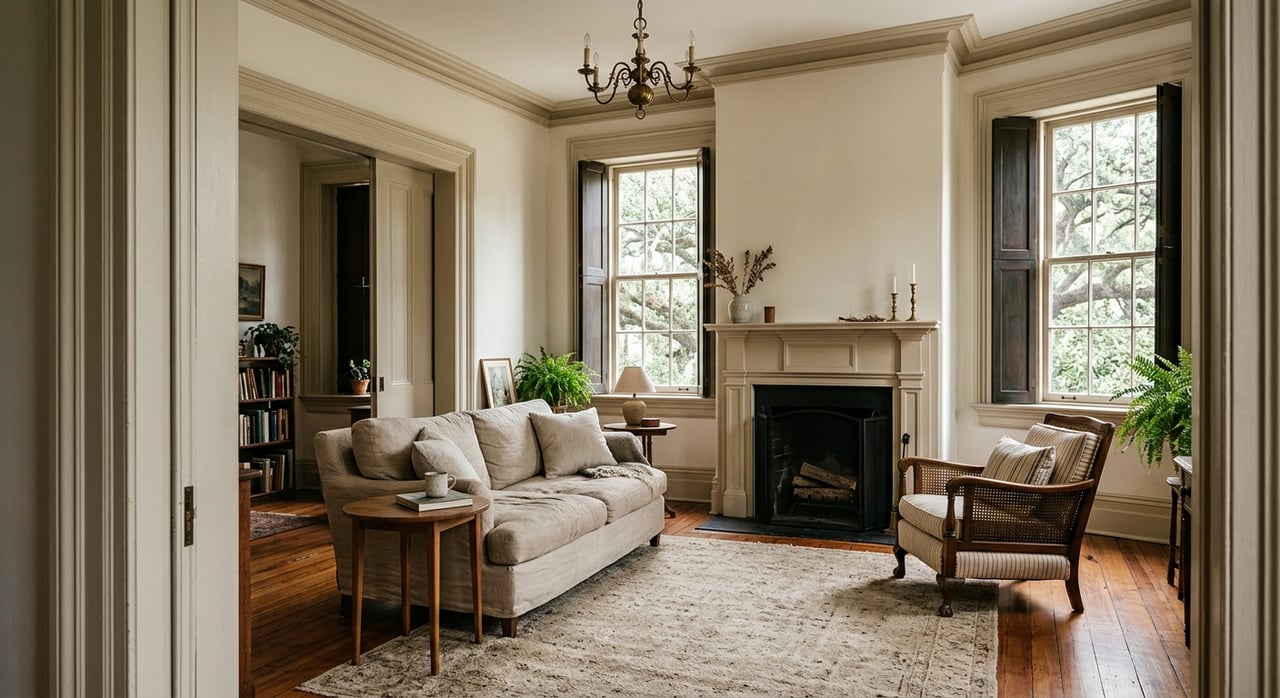
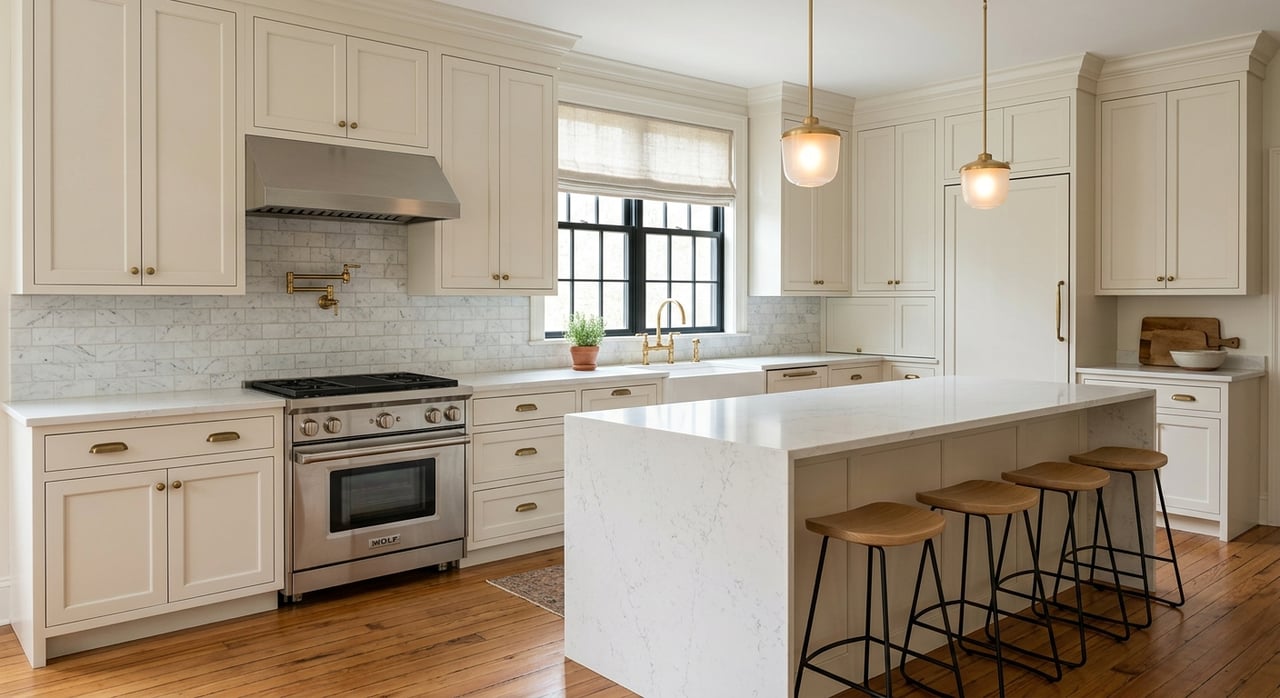
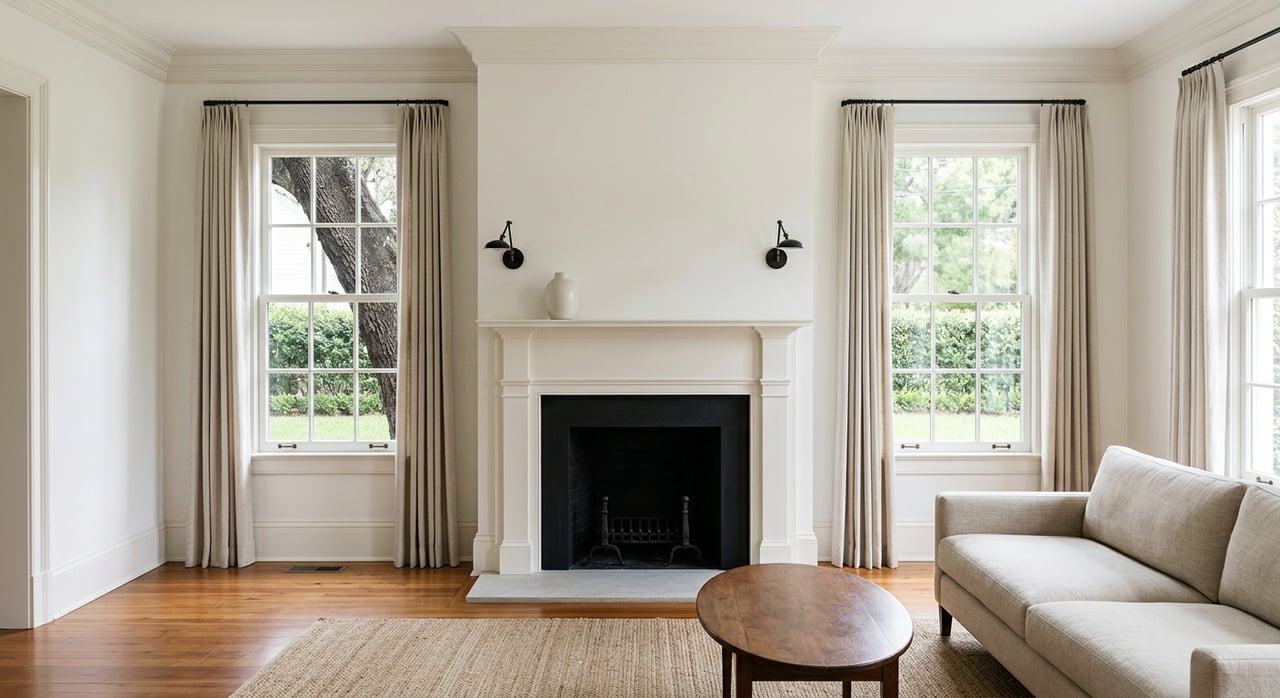
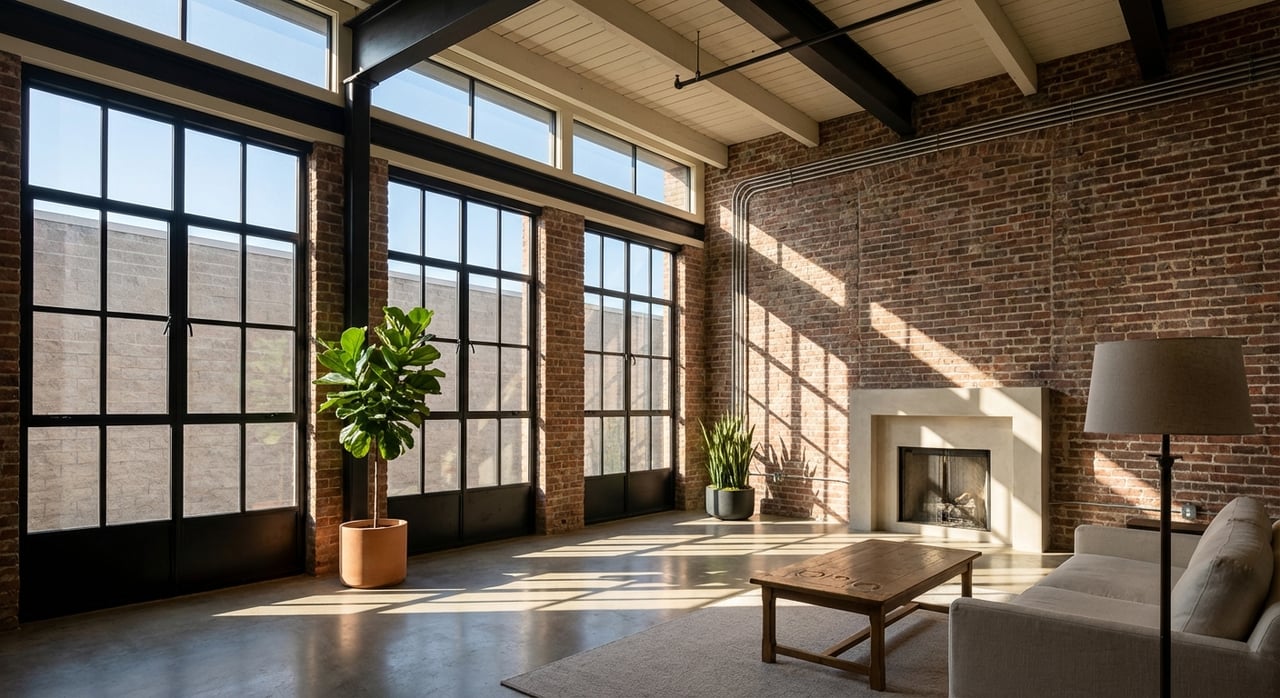
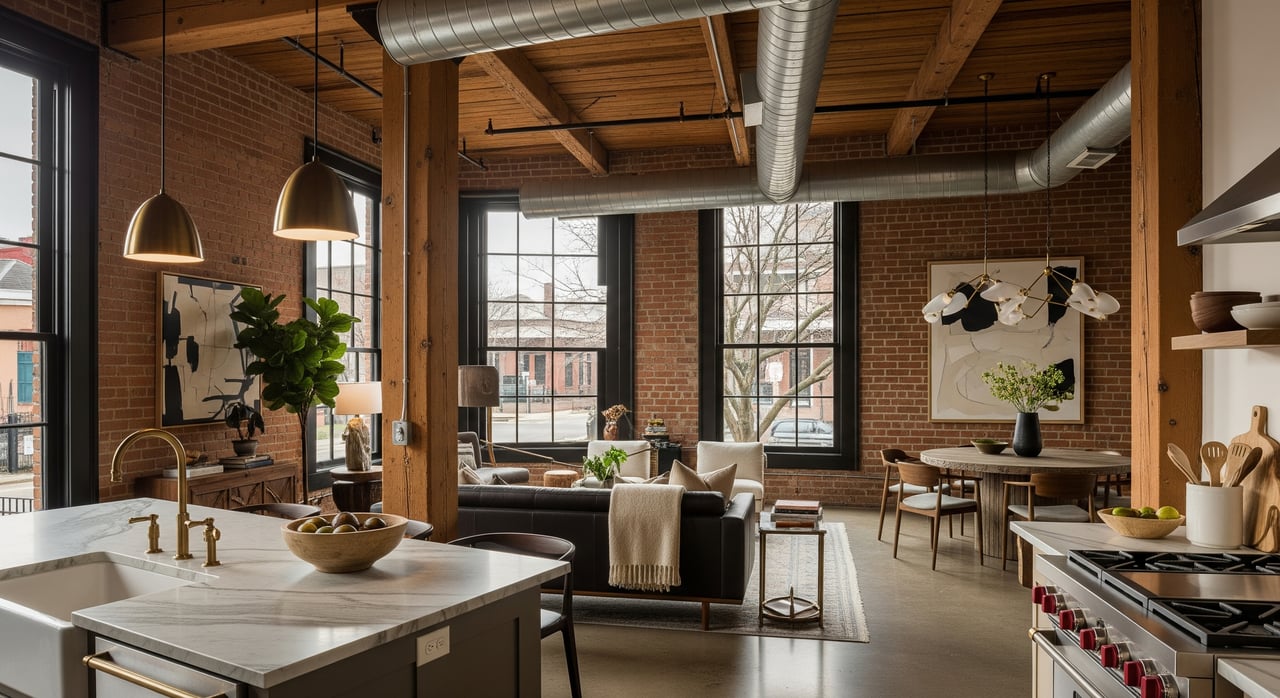
In original homes, you may find period proportions and architectural details that give the property a distinct feel. In renovated homes, you may see more open layouts, updated kitchens and baths, and newer mechanical systems.
Original interiors
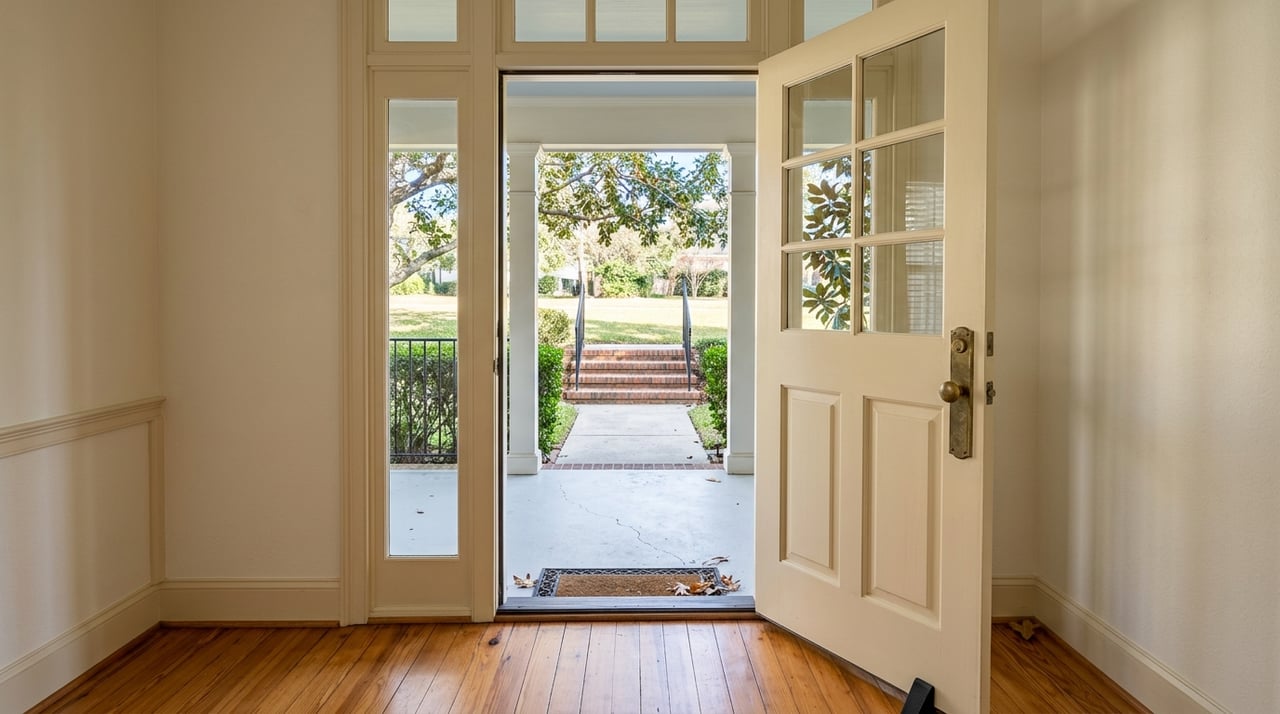
Homes that retain more of their original condition may appeal to buyers who want period charm and classic room separation. At the same time, older interiors can sometimes mean more work over time, especially if systems or layouts have not been updated.
Renovated interiors
Updated homes may offer more immediate convenience. You might get a more modern floor plan and refreshed finishes, but it is still important to confirm what work was done and whether it was properly documented.
Jefferson Parish permit guidance notes that some cosmetic work may not require a permit, while structural changes and many exterior improvements often do. That is why buyers should ask not only what was renovated, but also whether permits were required, obtained, and closed out properly.
Lot Size Is Only Part of the Story
In Old Metairie, lot geometry can matter just as much as total square footage. If you are thinking ahead about a pool, an addition, a larger garage, or even a teardown and rebuild, you need to look beyond the basic lot dimensions shown in a listing.
Jefferson Parish code says single-family lots under two acres generally must stay within a 3:1 depth-to-width ratio unless an exception is approved. The code also says flag lots may be allowed only if each lot has at least 50 feet of frontage, while through lots are generally prohibited in residential zones except in limited cases.
Why frontage and depth matter
A lot that seems large on paper may still be less flexible than you expect. Frontage, depth, driveway placement, and access can all affect what you can actually build or expand.
This becomes especially important if you want to:
- Add square footage to the home
- Install a swimming pool
- Expand or rework a garage
- Reconfigure a driveway
- Buy with a future rebuild plan in mind
In some re-subdivision situations that involve common driveways, Jefferson Parish also requires compliance with specific standards for frontage, depth, driveway width, turnaround radius, and utility access. In practical terms, your vision for a property should always be checked against the parcel’s actual layout and applicable parish rules.
Old Metairie Review and Permit Rules
In this part of Jefferson Parish, buyers should understand that property changes may involve more review than expected. The parish says the Old Metairie Commission reviews new houses, demolition, and swimming pools.
The parish also requires permits for most construction activity in the Old Metairie Neighborhood Conservation District, including certain exterior work such as driveways, sidewalks, and retaining walls. So if you are buying a home because you plan to make quick visible changes, it is smart to confirm what approvals may be needed first.
Tree preservation can affect projects
Some properties may also be affected by the Metairie Ridge Tree Preservation District. Jefferson Parish says work such as driveways, retaining walls, excavations, and similar improvements may require a tree-preservation permit when tree roots could be affected.
That does not mean a project cannot happen. It does mean timing, design, and budget may be shaped by rules that are easy to miss if you focus only on the house itself.
Flood and Drainage Should Be Checked Parcel by Parcel
Flood and drainage conditions are another area where buyers should avoid broad assumptions. Jefferson Parish’s flood-planning document identifies Hoey’s Basin in Old Metairie as one of the lowest points in northern Jefferson Parish, and it notes that flood-prone areas are scattered throughout the parish.
The same parish document explains that local flood maps include AE, X, and VE zones, with mandatory flood insurance and floodplain management standards applying in higher-risk areas. The key takeaway is simple: check the specific parcel, not just the neighborhood name.
What this means for your home search
Before you move forward on a property, it is worth reviewing:
- The parcel’s flood zone
- Any flood insurance requirements
- Drainage conditions specific to the lot
- Elevation and site details that may affect ownership costs
Two homes in the same general area can present different ownership considerations. A property-by-property review gives you a much clearer picture of both risk and monthly cost.
Lifestyle Matters Too
Old Metairie is not just a collection of house styles. It is also an established neighborhood with a daily rhythm that many buyers find appealing.
Homes.com describes Metairie Road as a natural corridor for residents, with boutiques and bistros along the route. For you as a buyer, that means Old Metairie can offer a lived-in neighborhood setting with nearby conveniences rather than the feel of a newer, blank-slate subdivision.
How to Compare Homes More Confidently
When inventory is this varied, it helps to compare properties using the same lens each time. Instead of asking only whether a home is pretty or updated, ask whether it matches how you want to live and what you may want to change later.
Here is a practical checklist to keep in mind:
- Do you want original character, modern convenience, or a blend of both?
- Is the property in the Old Metairie Neighborhood Conservation District?
- Could tree-preservation rules affect your plans?
- Does the lot have enough frontage and depth for the addition, pool, or garage you want?
- Were past renovations properly permitted and documented?
- Are there parcel-specific flood, drainage, or insurance considerations?
Those questions can help you compare homes that may look very different on the surface but compete for the same budget.
The Bottom Line for Old Metairie Buyers
Old Metairie’s appeal comes from its variety. You can find cottages with long-standing charm, mid-century homes with clean lines, and larger custom residences that reflect later redevelopment.
That same variety is why it pays to look closely at more than finishes and square footage. Style, lot geometry, permit history, review rules, and parcel-specific flood conditions all shape how a property may work for you now and in the future.
If you want guidance on weighing character, condition, lot potential, and neighborhood context in Old Metairie, Ashley Nesser can help you navigate the details with a local, thoughtful approach.
FAQs
What home styles are common in Old Metairie?
- Buyers in Old Metairie are likely to see Colonial Revival homes, Craftsman cottages, bungalows, wooden cottages, mid-century modern homes, ranch-style homes, and larger custom-built houses, along with some townhomes, condos, and small apartment buildings in the broader housing stock.
Why do Old Metairie homes look so different from one another?
- Old Metairie developed over multiple decades, with a major building boom in the 1920s and 1930s after streetcar access expanded in 1915, and later waves of redevelopment added larger homes in newer historically derived styles.
What lot details matter when buying in Old Metairie?
- In Old Metairie, frontage, depth, and lot shape can matter as much as lot size because Jefferson Parish rules can affect additions, pools, garage expansions, re-subdivisions, and rebuild plans.
What permits or reviews should Old Metairie buyers know about?
- Jefferson Parish says the Old Metairie Commission reviews new houses, demolition, and swimming pools, and many types of exterior construction in the Old Metairie Neighborhood Conservation District may also require permits.
Why should flood risk be checked parcel by parcel in Old Metairie?
- Jefferson Parish identifies scattered flood-prone areas and notes that local flood zones vary, so one property may have different flood insurance or drainage considerations than another nearby home.