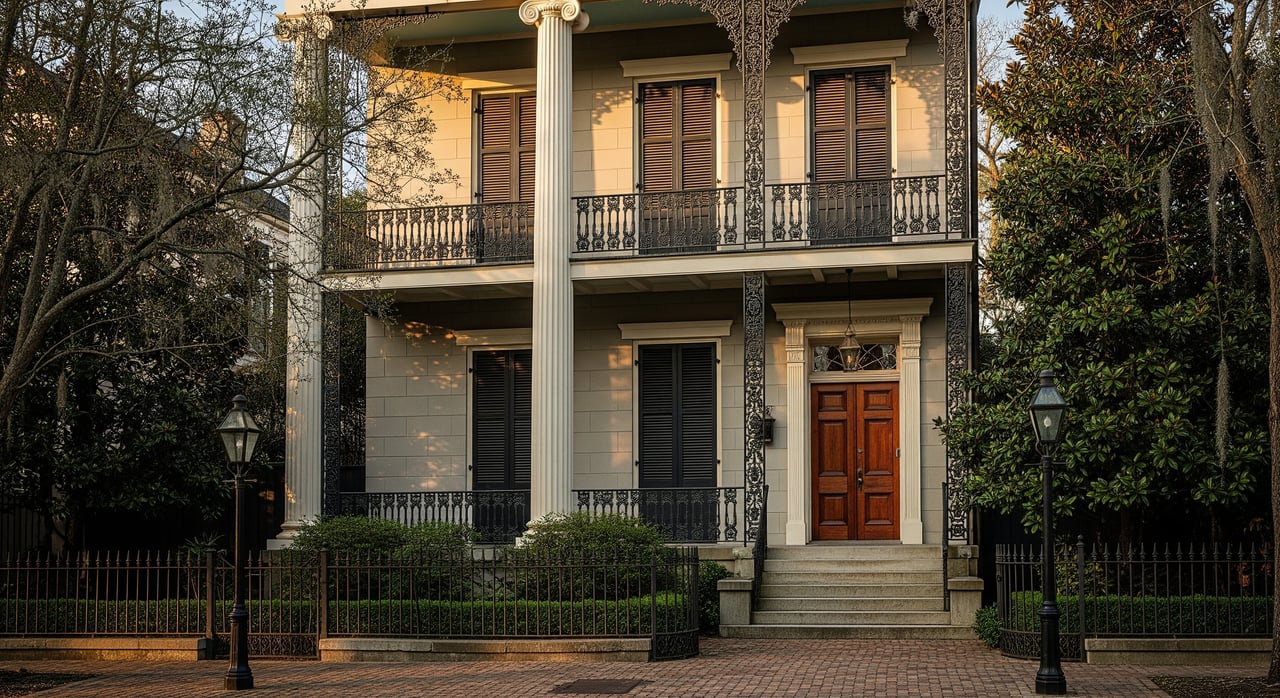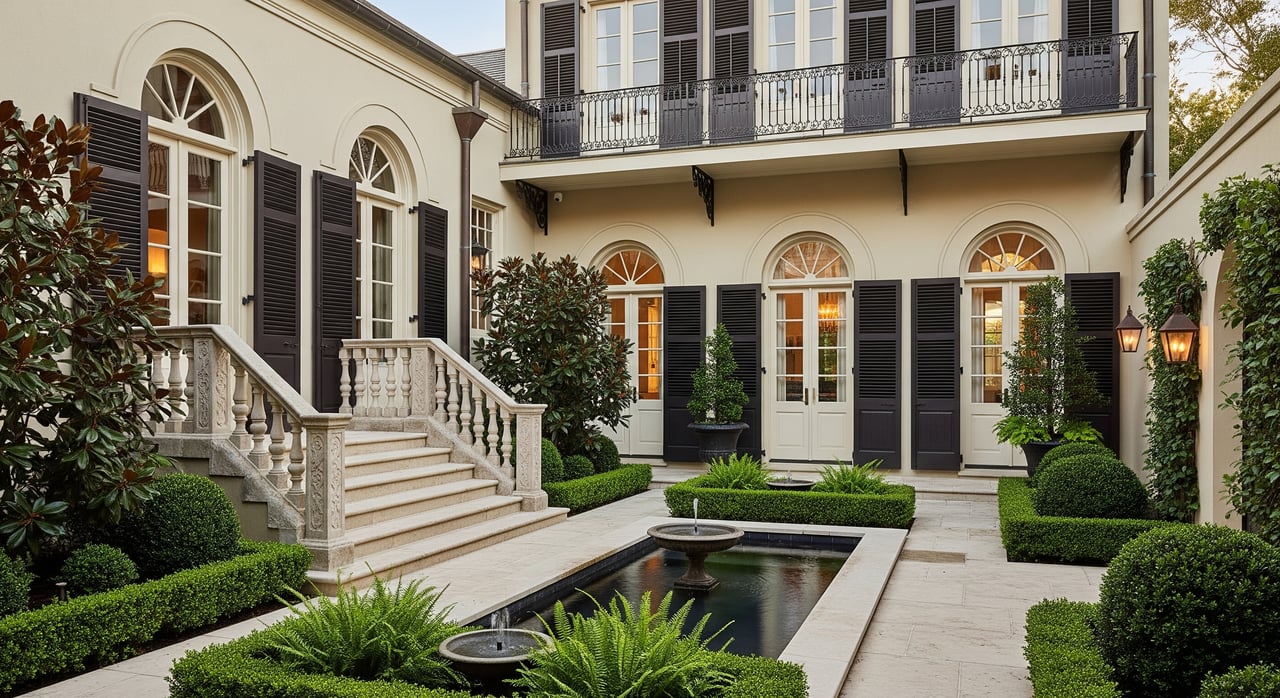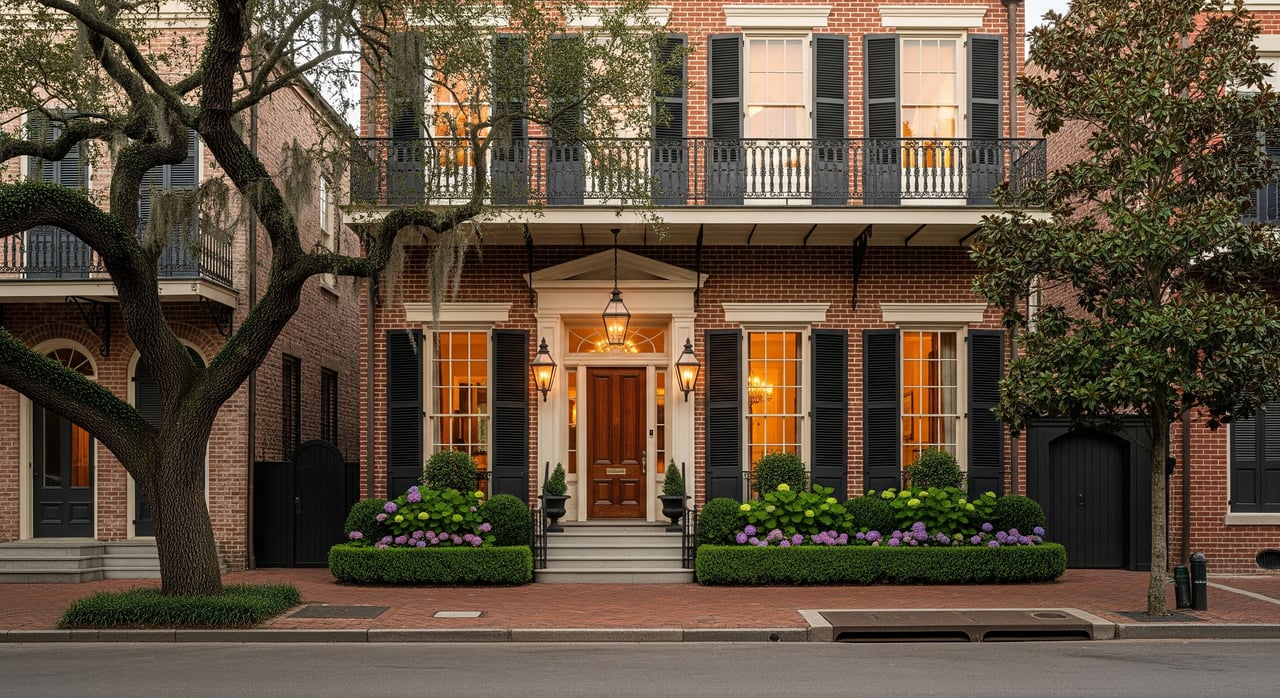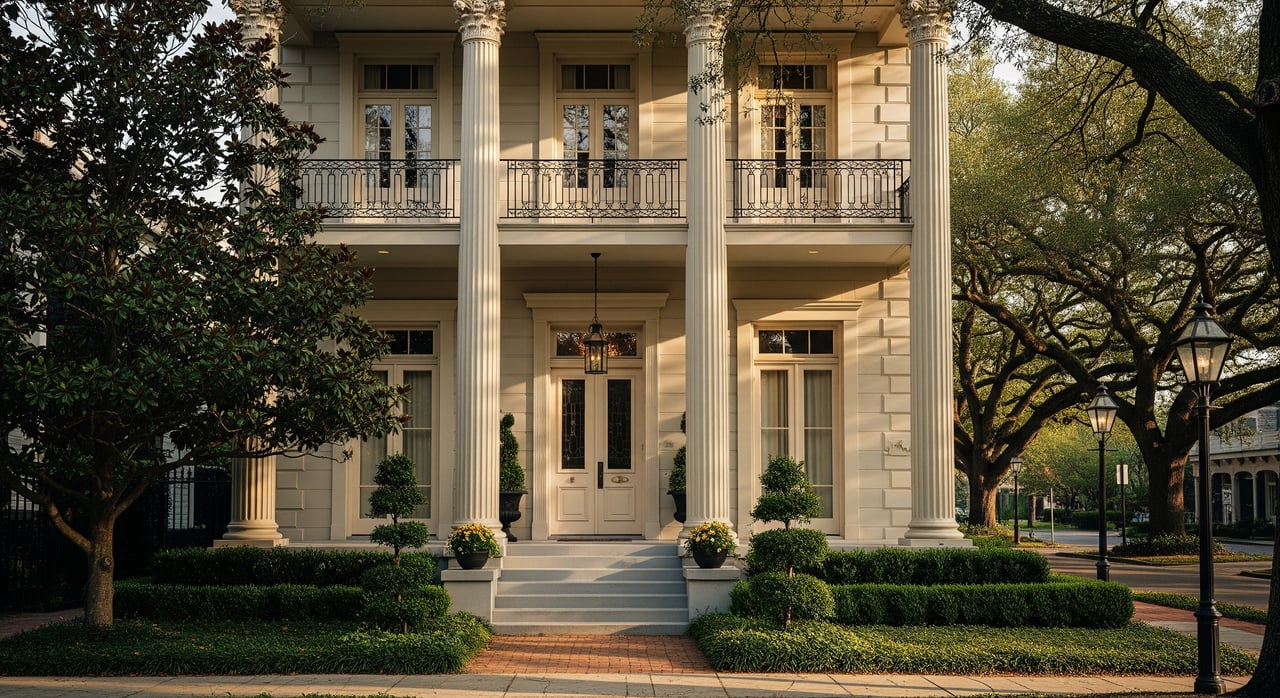
Are you better off renting or buying in New Orleans right now? The honest answer is that it depends on more than the monthly payment you see at first glance. In this market, insurance, flood risk, timing, and neighborhood goals can change the math quickly. If you are weighing your next move in New Orleans, Uptown, Metairie, or Old Metairie, this guide will help you compare the real tradeoffs and make a more confident decision. Let’s dive in.
New Orleans Costs Start With Context
In spring and summer 2026, the typical New Orleans home value sits at $245,988, while average rent is $1,650. At the same time, Redfin reports a higher citywide median sale price of $354,038 over the three months ending May 2026, with homes taking about 75 days to sell in a market described as not very competitive.
Those numbers are not a contradiction. They reflect different ways of measuring the market. For you, the takeaway is simple: New Orleans offers a broad price range, so your rent-versus-buy decision should be based on the specific area and property type you want.
Renting Can Look Simpler Up Front
Renting usually wins on flexibility and upfront cost. If you may move within a short time, are still sorting out job plans, or want to avoid the extra steps of underwriting, flood-zone review, insurance quotes, and repair negotiations, renting can feel much easier.
That matters in New Orleans, where the buying process often includes more than just comparing sale prices. A renter can often move faster, while a buyer is taking on a longer decision with more moving parts.
Buying Can Build Stability Over Time
Buying tends to make more sense when you plan to stay for several years and want more control over where you live. It can also give you the chance to build equity over time, even in a market that is not moving at a frenzied pace.
In New Orleans, market speed varies by area. Citywide homes are taking about 75 days to sell, while some nearby submarkets move faster. That gives many buyers room to think carefully, compare options, and choose a home that fits both lifestyle and budget.
Monthly Payment Is Only Part of It
A lot of people start by comparing rent to a mortgage payment. That is useful, but in New Orleans it is only the first step.
At Freddie Mac’s average 6.43% rate for a 30-year fixed mortgage on July 2, 2026, a home bought around the New Orleans median sale price with 20% down works out to about $1,777 per month in principal and interest alone. That number sounds close to the city’s $1,650 average rent, but it does not include homeowners insurance, flood insurance, maintenance, HOA dues, or other ownership costs.
Insurance Changes the Equation
Insurance is one of the biggest reasons buying can cost more month to month than it first appears. Bankrate estimates average Louisiana homeowners insurance at $6,274 per year for $300,000 in dwelling coverage, or about $523 per month, before flood coverage.
That means a New Orleans purchase that looks close to rent on paper can move well above average rent once insurance is added. This is why a local rent-versus-buy decision should never be based on principal and interest alone.
Flood Risk Matters for Renters and Buyers
Flood insurance deserves special attention in this market. FEMA’s flood maps identify high-risk flood zones with letters that begin with A or V, and properties in those zones with government-backed mortgages must carry flood insurance.
Just as important, standard homeowners and renters policies usually do not cover flood damage. Current neighborhood data also flags New Orleans, Uptown, Metairie, and Old Metairie as having major flood risk and extreme wind risk. Whether you rent or buy, it is smart to ask early about flood exposure and insurance responsibility.
Property Taxes May Be Less of a Shock
For buyers planning to use a home as a primary residence, Orleans Parish offers a meaningful tax benefit. The City of New Orleans says homeowners can claim a homestead exemption on the first $75,000 of market value for a home they own and occupy as their primary residence.
That does not erase property taxes, but it can help reduce them. In many cases, local data suggests property tax is less likely to be the biggest budget surprise than insurance.
Neighborhood Comparison Changes the Answer
The best choice for you may look very different depending on where you want to live. New Orleans is not one single price point or lifestyle. Uptown, Metairie, and Old Metairie each tell a different rent-versus-buy story.
Uptown Offers Premium Lifestyle Value
Uptown is the clearest premium example in this conversation. Zillow places the typical home value there at $648,955, and Redfin reports homes selling in about 9.5 days with a 97.7% sale-to-list ratio in a somewhat competitive market.
This area also stands out for walkability and day-to-day convenience. Redfin gives Uptown a Walk Score of 88, Transit Score of 54, and Bike Score of 79. If you are drawn to a more walkable routine and a classic Uptown setting, you may be paying for location and lifestyle as much as square footage.
Recent Uptown sales also show a wide range, from a $335,900 two-bedroom unit to a $1.115 million single-family home. That range matters because buying in Uptown is not one-size-fits-all, but it is still a higher-cost decision than many other parts of the metro.
Metairie Sits in the Middle
Metairie often works as a middle-ground option for buyers and renters who want access to the New Orleans metro without Uptown-level pricing. Zillow shows a typical home value of $326,436 and average rent of $1,628, while Redfin reports a median sale price of $349,791.
Homes there are also moving a bit faster than in New Orleans overall, at about 42 days on market in a somewhat competitive market. For many households, Metairie can be a practical place to compare ownership and renting more closely.
Old Metairie Can Be a Compromise Choice
Old Metairie is a useful example for people who want Jefferson Parish convenience in an upper-middle price tier. Redfin reports a median sale price of $439,852, with homes taking about 49 days to sell in a market described as not very competitive.
This area also shows how rent and ownership can overlap within the same submarket. Zillow townhome examples include values around $269,900 to $355,400 with estimated rents around $1,894 to $2,250. If you are comparing a townhome rental to a townhome purchase, the gap may be narrower than you expect before insurance and maintenance are added.
Lifestyle Tradeoffs Matter Too
Money matters, but so does the way you want to live. Renting can give you freedom to test a neighborhood, keep your plans flexible, or avoid maintenance responsibilities.
Buying can offer more stability and a stronger sense of long-term place. If you already know the area you want and expect to stay for several years, ownership may feel worth the larger upfront commitment.
Walkability can shape that decision too. New Orleans citywide scores 58 for walkability, 44 for transit, and 66 for biking, while Metairie sits at 54 for walkability and 48 for biking. Those differences may help you decide whether your priority is convenience on foot, a certain housing type, or a different price point.
When Renting Often Makes More Sense
Renting may be the better fit if you:
- Expect to move in the near future
- Want lower upfront cash needs
- Prefer to avoid maintenance risk
- Do not want direct exposure to homeowners insurance costs
- Need time to learn the market before choosing a neighborhood
- Want flexibility for relocation or changing household plans
This can be especially true in a market where flood-zone review, insurance quotes, and property-specific costs can vary more than many buyers expect.
When Buying Often Makes More Sense
Buying may be the stronger option if you:
- Plan to stay in the area for several years
- Can handle a down payment and closing costs
- Want more long-term housing stability
- Value the chance to build equity over time
- Are comfortable budgeting for insurance, maintenance, and flood-related costs
- Want to focus your search on a specific neighborhood like Uptown, Metairie, or Old Metairie
For primary residents in Orleans Parish, the homestead exemption may also support the ownership case by reducing taxable value on the first $75,000 of market value.
The Best Decision Is Property Specific
In New Orleans, there is rarely a one-size-fits-all answer. A rental in Uptown, a townhome in Old Metairie, and a single-family home in Metairie can all produce very different results even if the monthly numbers look close at first.
That is why the smartest next step is to build a property-specific budget. Compare principal and interest, insurance, possible flood coverage, taxes, maintenance, and your expected timeline in the home. Once you do that, the right path usually becomes much clearer.
If you want local guidance on whether renting or buying makes more sense in Uptown New Orleans, Metairie, or Old Metairie, Ashley Nesser can help you compare real options with a neighborhood-first perspective.
FAQs
How does renting versus buying in New Orleans compare in 2026?
- In New Orleans, average rent is $1,650, while the citywide median sale price is $354,038 and the typical home value is $245,988, so the true comparison depends on financing, insurance, flood risk, and neighborhood.
Why can buying in New Orleans cost more than renting each month?
- Mortgage principal and interest may look close to rent, but homeowners insurance, flood insurance, maintenance, and other ownership costs can push the monthly total much higher.
What is the average mortgage payment on a New Orleans home?
- At a 6.43% 30-year fixed rate with 20% down, a purchase around the New Orleans median sale price works out to about $1,777 per month for principal and interest only.
Does flood risk affect renters and buyers in New Orleans?
- Yes. Flood damage is usually not covered by standard homeowners or renters insurance, and some homes in high-risk flood zones may require flood insurance if financed with a government-backed mortgage.
Is Uptown New Orleans better for renting or buying?
- Uptown tends to be a higher-cost market with strong walkability and faster sales, so buying may appeal more to people planning to stay and prioritize location, while renting can offer access with less upfront commitment.
How does Metairie compare with New Orleans for renting versus buying?
- Metairie sits in a similar but slightly higher price band than New Orleans on some measures, with a typical home value of $326,436, average rent of $1,628, and somewhat faster market pace.
What makes Old Metairie useful in a rent-versus-buy comparison?
- Old Metairie shows how rents and ownership costs can overlap within the same submarket, especially for townhome-style properties, making it a practical area for side-by-side comparisons.
Does the homestead exemption help New Orleans buyers?
- Yes. The City of New Orleans allows a homestead exemption on the first $75,000 of market value for a qualifying owner-occupied primary residence, which can reduce taxable value.