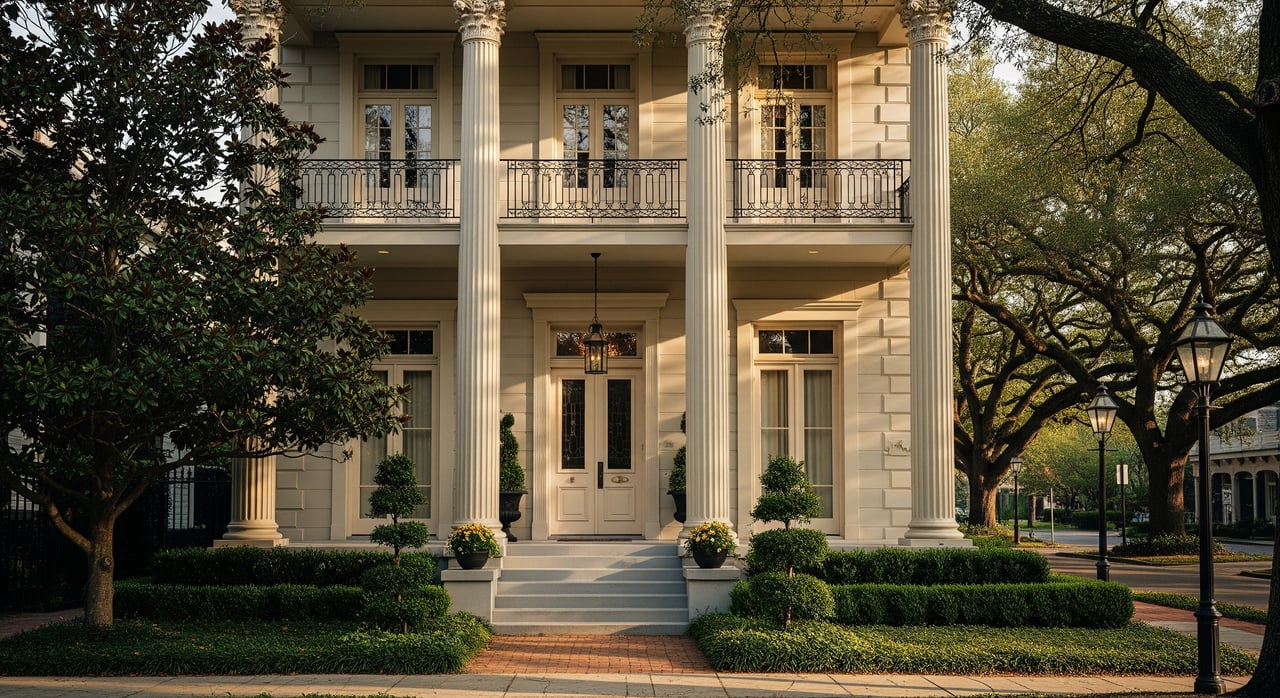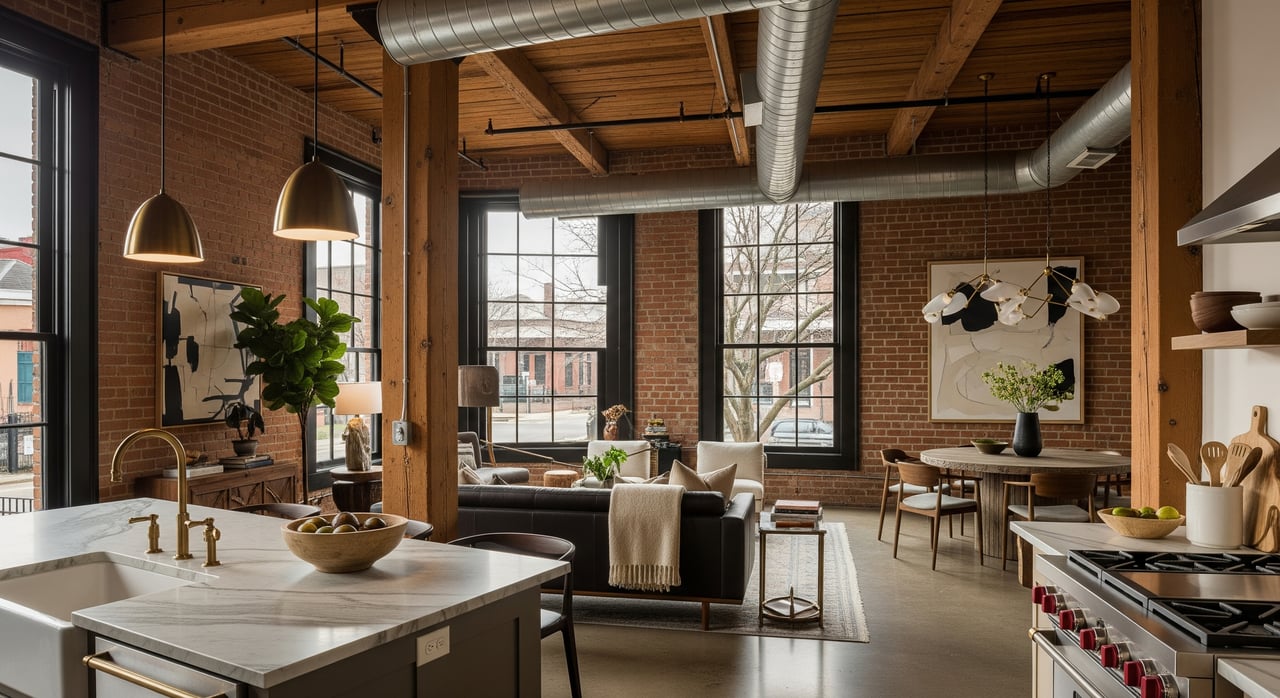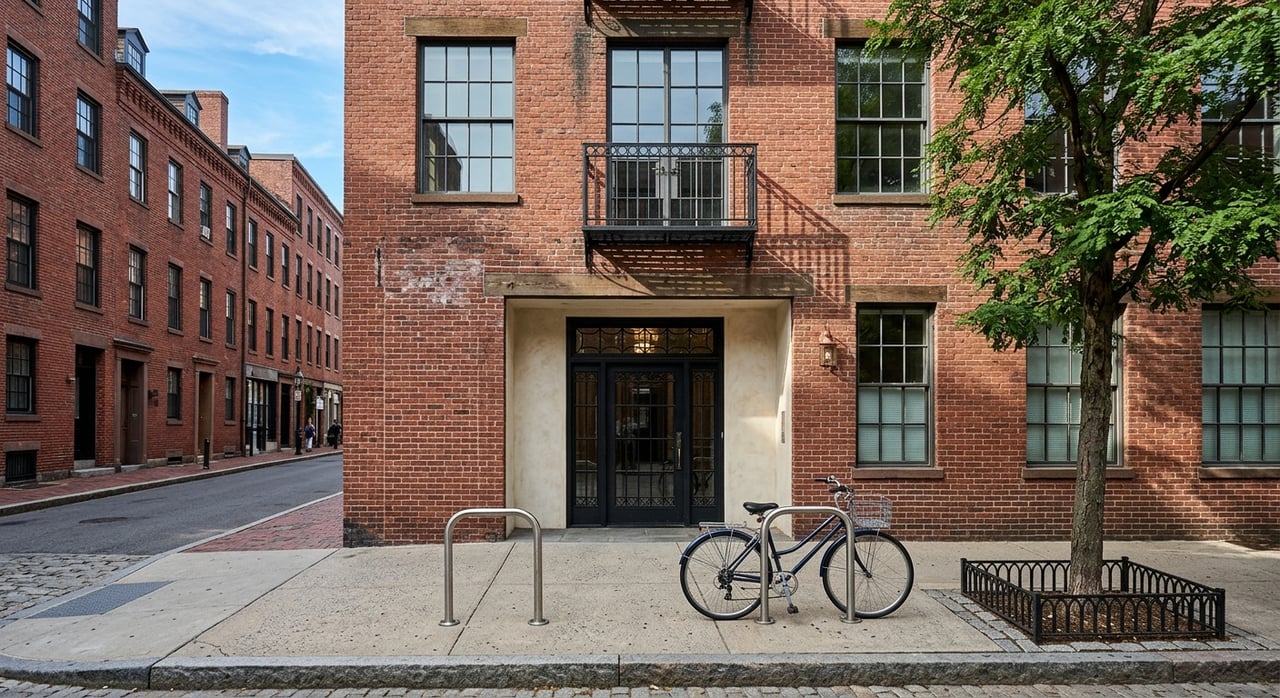
If you want a New Orleans neighborhood where your car can sit parked for days at a time, the Warehouse District deserves a close look. This part of downtown makes it easier to walk to restaurants, museums, errands, and some workplaces, while keeping transit and ride-hailing within easy reach. If you are weighing convenience against the reality of downtown living, this guide will help you understand the tradeoffs and the lifestyle. Let’s dive in.
Why the Warehouse District works
The Warehouse District is an official historic district within downtown New Orleans. City materials describe it as an area shaped by port commerce that now centers on the arts, museums, tourism, and apartment and condo living. You may also hear it called the Arts District, which reflects how many people experience the neighborhood today.
Its boundaries include Magazine Street, Lafayette and Constance Streets, Poydras Street, Convention Center Boulevard, and the Expressway. It also sits inside the broader downtown core served by the Downtown Development District, which was created to provide enhanced economic development, cleaning, and safety services. That downtown setting is a big reason the area supports a car-light routine better than many other parts of the city.
Walkability is a real advantage
One of the strongest arguments for car-light living here is simple: many daily destinations are close together. Representative spots on Julia Street and Tchoupitoulas Street score in the mid-90s to high-90s for walkability, with excellent transit access nearby. In practical terms, that means you can often step outside and reach what you need on foot.
For many residents, that changes daily life in a meaningful way. Instead of planning every outing around parking, traffic, and moving your car, you can handle dinner, coffee, entertainment, and some errands with a short walk. If you work downtown, the value becomes even clearer.
Streetcars make transit usable
The neighborhood is not just walkable. It also benefits from real transit options that can support your day-to-day routine.
The Regional Transit Authority says it operates five streetcar lines with 66 streetcars on 27 miles of track. Its Le Pass app allows riders to plan trips and check real-time arrivals, which makes transit more practical for regular use rather than just occasional convenience.
From parts of the Warehouse District, St. Charles Streetcar access is within a short walk. At 315 Julia Street, the Riverfront Streetcar at Julia Station is roughly a 10-minute walk away. At 700 Tchoupitoulas Street, Walk Score shows St. Charles Streetcar access in about seven minutes, along with nearby Riverfront Streetcar access.
Why that matters day to day
Short walks to streetcar stops can make a big difference if you are trying to live with fewer car trips. It becomes easier to connect to other downtown destinations and move through the city without treating your car as the default answer. That kind of flexibility is one reason the Warehouse District stands out.
Biking adds another layer
If you like having backup options for short trips, biking can help fill the gaps. The City of New Orleans says Blue Bikes relaunched with more than 500 pedal-assist e-bikes, and the city now has 100 miles of bikeways.
That does not mean biking will be the main mode for everyone. It does mean a bike or e-bike can be useful for quick downtown errands, short meetings, or hopping to a nearby neighborhood without dealing with parking. In a car-light setup, those extra mobility choices matter.
Regional access is still available
Living car-light does not have to mean feeling cut off. Union Passenger Terminal at 1001 Loyola Avenue gives the district broader regional access, and Amtrak lists the station as a staffed rail terminal with local transit connections.
That makes the Warehouse District more flexible for people who still want transportation options beyond the neighborhood. Whether you are meeting visitors, planning a regional trip, or simply like having rail access nearby, it adds another layer of convenience.
Daily life is concentrated downtown
The Warehouse District works best when your routine already fits downtown living. New Orleans & Company highlights neighborhood anchors such as the National WWII Museum, the Ogden Museum of Southern Art, the Contemporary Arts Center, Julia Street galleries, Fulton Street, and a strong restaurant and bar scene.
The RTA system map also points to nearby downtown destinations like the Convention Center, Harrah’s/IMAX, and Rouse’s Supermarket on Baronne Street. When dining, culture, entertainment, and some errands all cluster within the same general area, going car-light becomes much more realistic.
Who benefits most from this setup
If you work in the CBD, near the Convention Center, or in the French Quarter, the Warehouse District can make a car feel optional instead of necessary. The combination of high walkability, nearby streetcars, and dense downtown destinations supports that lifestyle.
This can be especially appealing if you value easy access to museums, restaurants, and nightlife, or if you prefer a lock-and-leave condo or apartment lifestyle. It can also be a practical fit if you want your home base to support work, social plans, and errands without constant driving.
Buildings often support car-light living
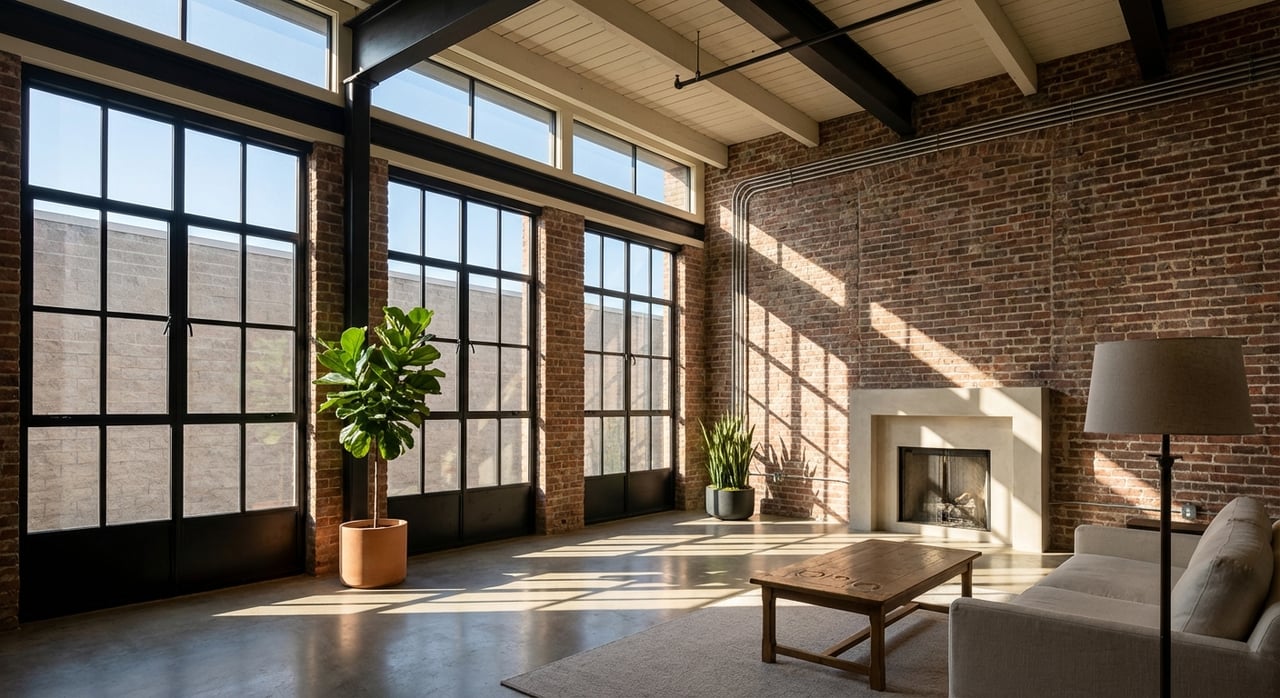
Another reason the neighborhood functions well without daily driving is the building stock itself. Many Warehouse District properties are adaptive-reuse lofts or newer apartment and condo buildings with amenities that reduce the need to leave for every task.
According to property materials cited in the research, buildings in the area often include features such as:
- On-site or secure parking
- Bike storage or bicycle garages
- Fitness centers
- Concierge services
- Package handling
- Rooftop decks, lounges, or pools
- Work-friendly common spaces
- Controlled access
These details matter more than they may seem at first glance. If your building includes fitness space, package support, work areas, and bike storage, you may drive less simply because more of your routine happens where you live.
Examples of amenity-rich buildings
The Garage offers amenities such as a rooftop pool and lounge, steam room, sauna, fitness center, secure garage parking, EV charging, concierge services, and even a residential car elevator. Memoir Warehouse District adds concierge service, a rooftop bar and pool deck, a 24/7 fitness studio, a bicycle garage, and access to Common House amenities including a restaurant, coworking space, social hall, and courtyard.
The Woodward Lofts includes a rooftop pool, deck, BBQ area, fitness center, indoor bike racks, controlled access, parking, and walking-distance access to the Convention Center. The Pythian and Civic Lofts show a similar pattern, with combinations of off-street parking, concierge service, gyms, rooftop spaces, bike storage, work-friendly areas, and nearby access to major downtown destinations.
The tradeoff is a lively setting
Convenience is a major strength here, but it comes with a clear tradeoff. The Warehouse District is active, social, and downtown in character. Research cited from a local guide gives the neighborhood a perfect walkability score, a solid transit score, and a much lower quiet score.
That shorthand tells you a lot. This is not the kind of neighborhood most people choose for a sleepy, tucked-away residential feel. If you are happiest on a quiet block with minimal nightlife activity, the Warehouse District may feel too lively.
What to consider before you choose it
Before you commit to a move, think honestly about how you want your days to feel. Ask yourself:
- Do you want to walk to dining, museums, and entertainment?
- Would you benefit from living near downtown work destinations?
- Are you comfortable with an active urban setting?
- Do you want a condo or apartment building with amenities that support convenience?
- Would you rather keep a car for occasional use instead of relying on it daily?
If your answers lean yes, the neighborhood may be a strong fit. If you need frequent suburban driving or prefer a quieter residential rhythm, another area may serve you better.
Car-light does not mean car-free
One helpful way to think about this neighborhood is that it supports car-light living more than strict car-free living. You may still want a car for certain errands, weekend plans, or trips outside downtown. The difference is that you are less likely to need it every day.
That flexibility is part of the appeal. New Orleans & Company notes that the Arts and Warehouse District is easy to access from nearby downtown areas and identifies bus routes 10, 11, 100, and 114 as options. It also supports the idea that taxis and ride-hailing can work as practical backups for late nights or cross-town trips.
Bottom line on Warehouse District living
The Warehouse District is one of the clearest options in New Orleans for a lifestyle built around walking, transit, biking, and occasional car use. Its mix of museums, restaurants, downtown employers, transit access, and amenity-rich buildings creates a setup that can genuinely reduce how often you drive.
At the same time, it is important to choose it for the right reasons. You are trading some quiet and residential calm for energy, convenience, and access. For the right buyer or renter, that trade can make daily life easier and more enjoyable.
If you are exploring New Orleans neighborhoods and want help comparing lifestyle, building options, and long-term fit, Ashley Nesser offers local guidance with a polished, high-touch approach.
FAQs
Is the Warehouse District in New Orleans good for living without a car?
- Yes. The neighborhood’s high walkability, nearby streetcar access, downtown destinations, and bike-share options make it one of the stronger areas in New Orleans for car-light living.
What transit options are near the Warehouse District in New Orleans?
- Residents can access nearby streetcar service, including St. Charles and Riverfront connections in some parts of the neighborhood, along with bus service and local transit connections through the broader downtown network.
What is daily life like in the Warehouse District in New Orleans?
- Daily life tends to be convenient and active, with museums, restaurants, galleries, entertainment venues, and some errands all clustered within the downtown area.
Are Warehouse District buildings designed for car-light living?
- Many are. Research shows that several buildings offer amenities like parking, bike storage, fitness centers, concierge services, package support, rooftop spaces, and work-friendly common areas.
Is the Warehouse District in New Orleans a quiet neighborhood?
- Generally, it is better described as lively than quiet. The neighborhood’s convenience and downtown setting often come with more activity, nightlife, and street presence than a more residential area.
Who is the Warehouse District best suited for in New Orleans?
- It is often a strong fit for people who want downtown access, walkability, transit options, and amenity-rich apartment or condo living, especially if they are comfortable with an active urban environment.