If you are thinking about life in Uptown New Orleans, you are probably asking a simple question: what does a normal day here actually feel like? That matters just as much as square footage or finishes, especially if you want a home that fits your routine. In the Uptown Triangle area, daily life tends to revolve around walkable blocks, park time, neighborhood corridors, and a strong sense of place. Let’s dive in.
Uptown Triangle at a Glance
The Uptown Triangle Neighborhood Association defines this area as the Black Pearl neighborhood bounded by Broadway Street, St. Charles Avenue, and the Mississippi River at Leake Avenue. According to the association, the district includes 53 city squares and 794 homes and buildings. That gives you a compact neighborhood footprint with a distinctly local feel.
In the broader Uptown district, the City of New Orleans describes a primarily residential street grid with a strong tree canopy. Commercial activity is concentrated along corridors like Magazine Street, with corner stores scattered through the area. That layout shapes everyday life in a way that feels urban, historic, and highly block-specific.
The Preservation Resource Center describes Uptown as the city’s largest National Register historic district and notes that it feels more like a village within the city than a standard neighborhood. If you are relocating from a more suburban setting, that is an important lens. Your day-to-day routine here is often built around nearby streets, favorite corners, and familiar local stops.
Park Life Shapes the Day
Audubon Park is one of the biggest anchors of everyday life near Uptown. The park is open daily from 5 AM to 10 PM and includes a 1.8-mile jogging path, lagoon, picnic pavilions, playgrounds, tennis courts, riding stables, soccer fields, a pool, a clubhouse, and a public golf course. For many residents, that means it is easy to picture morning walks, afternoon playtime, or an evening jog as part of the weekly routine.
If you like to stay active, the nearby levee trail adds another layer to the lifestyle. Local tourism guidance points to a 22-mile paved trail on top of the levee near Audubon Park and the Riverbend, and the city bike map includes Audubon Park Trail, Magazine Street, St. Charles Avenue, and the Mississippi River Trail Eastbank in the area network. In practical terms, you have options for both short neighborhood outings and longer bike rides.
This part of Uptown also carries a visible campus presence. Tulane’s Uptown campus sits on historic St. Charles Avenue on the same tract as Audubon Park, and Loyola says its campus is directly across from Audubon Park and Audubon Zoo. That adds a steady weekday rhythm of students, faculty, and visitors moving through the neighborhood.
Magazine Street Handles Daily Convenience
Magazine Street plays a major role in how errands, dining, and downtime come together. The corridor runs six miles from Canal Street to Audubon Park and mixes vintage stores, grab-and-go restaurants, bakeries, novelty shops, bars, fine dining, coffee shops, spas, and workout studios. Locally owned businesses are a defining part of the street’s identity.
For you, that often means daily convenience is not spread across a big suburban grid. Instead, it is concentrated along a few walkable commercial stretches where you can grab coffee, pick up a few things, meet a friend, or fit in a quick errand. That setup is one reason Uptown can feel both practical and lifestyle-driven.
Coffee culture is especially easy to imagine here. Magazine Street supports established stops like CR Coffee, French Truck Coffee, The Vintage, Current Crop Roasting Shop, and Lower Coast Coffee. Whether you prefer a fast morning stop or a slower weekend routine, the corridor offers plenty of familiar options.
The street also has an event rhythm that adds to neighborhood life. The merchants association highlights recurring experiences such as Restaurant Week and First Saturday Art Walk. Those kinds of events help create a sense that even regular weekends can come with something extra to explore.
Housing Feels Historic and Varied
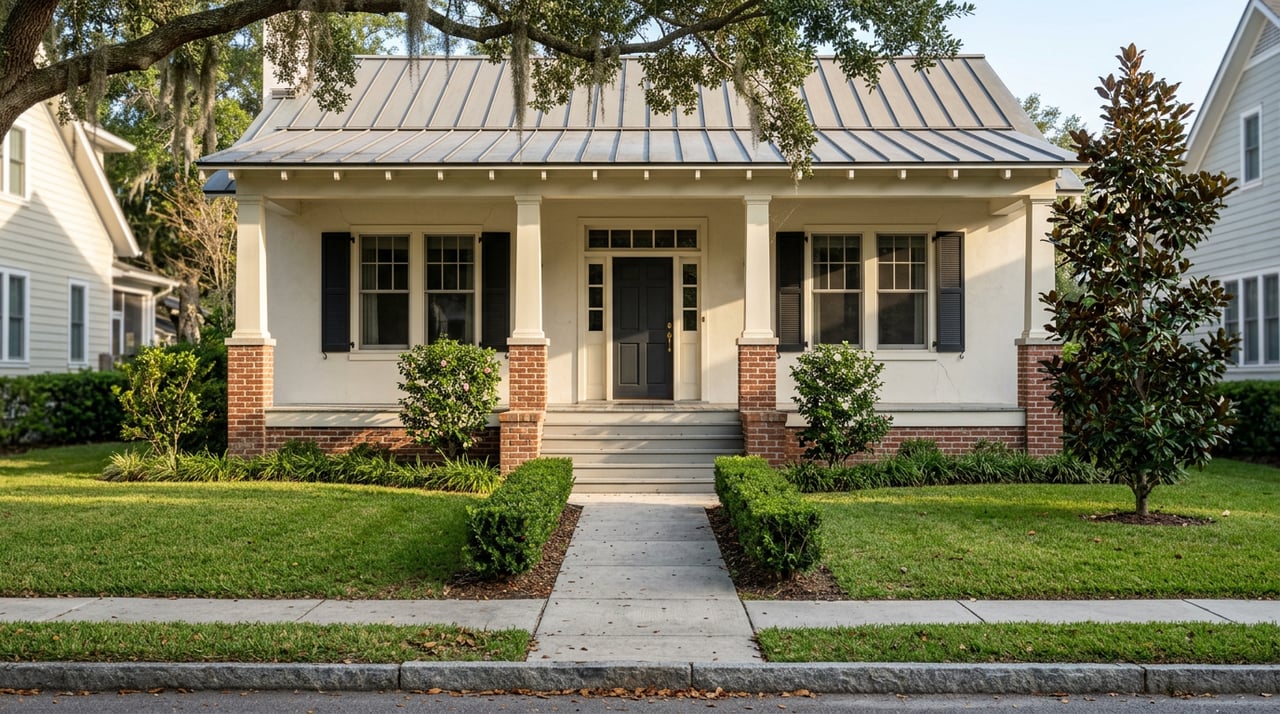
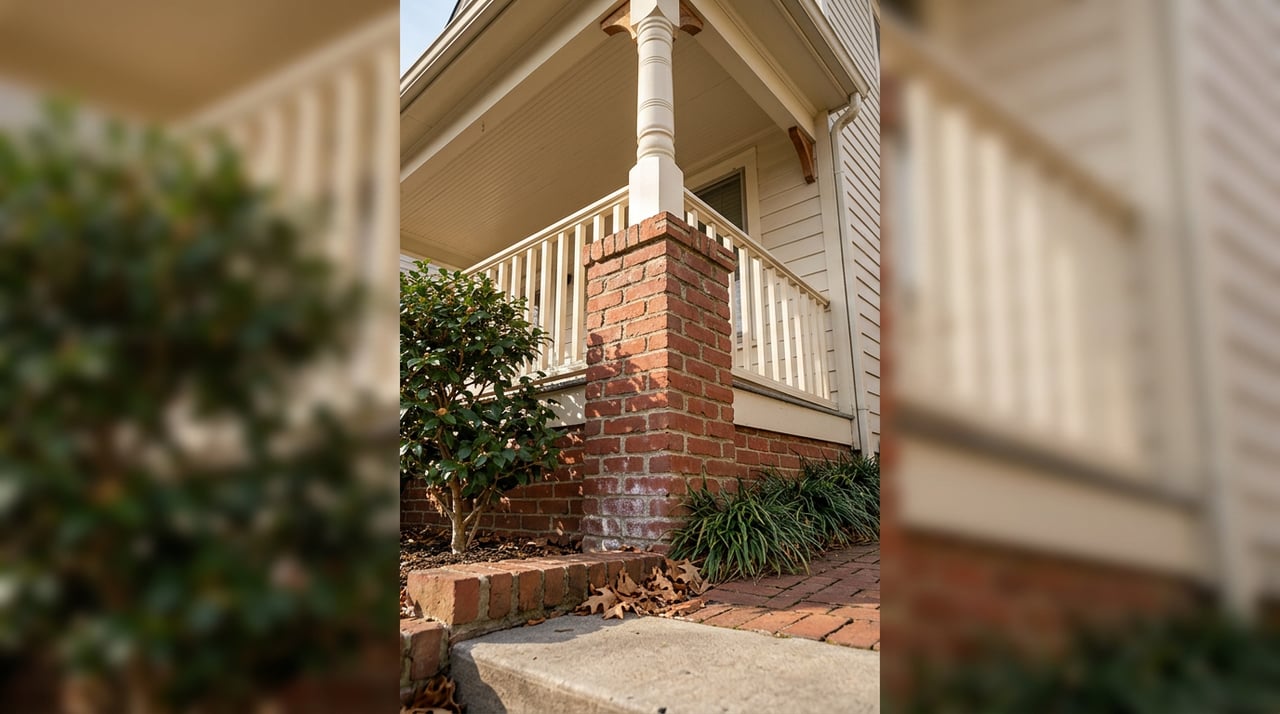
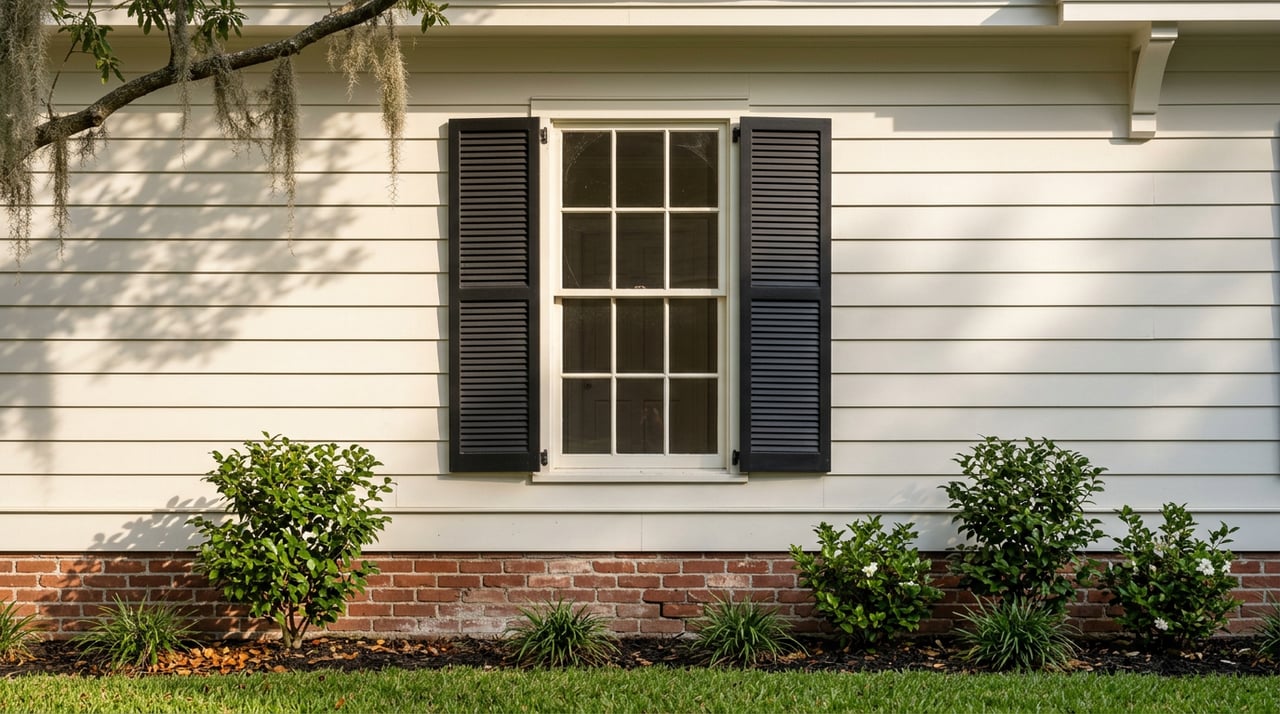
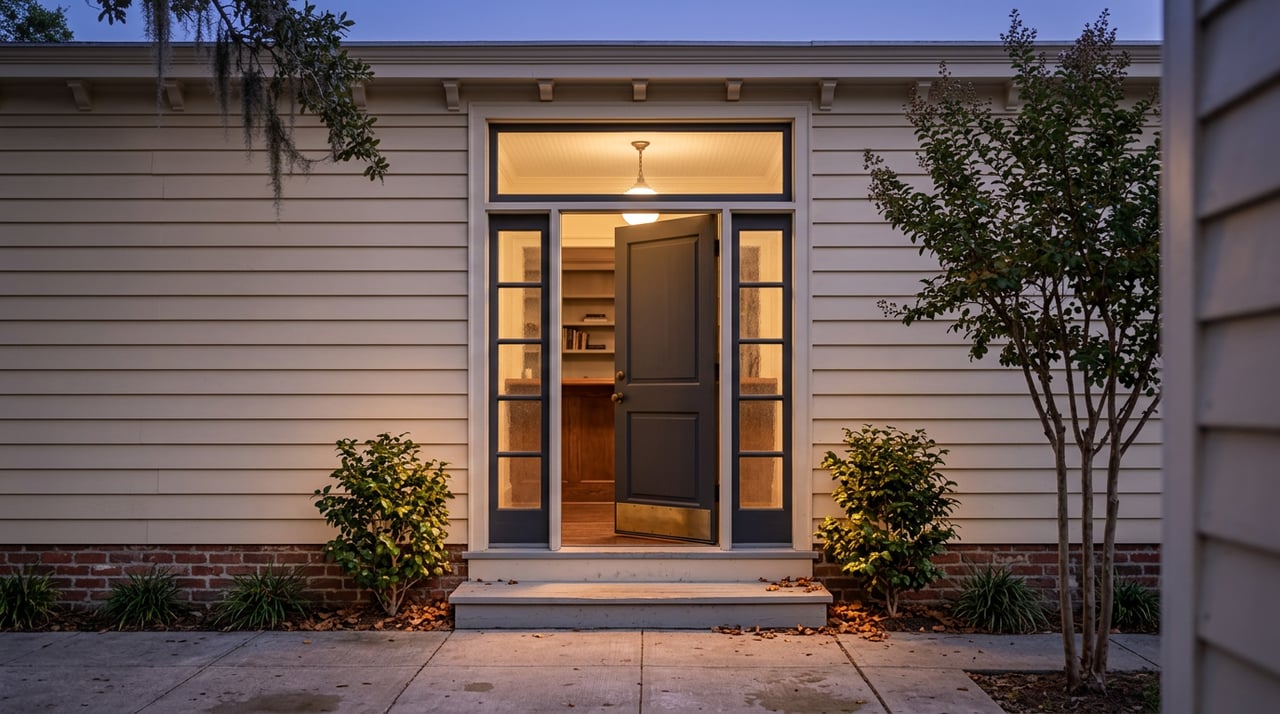
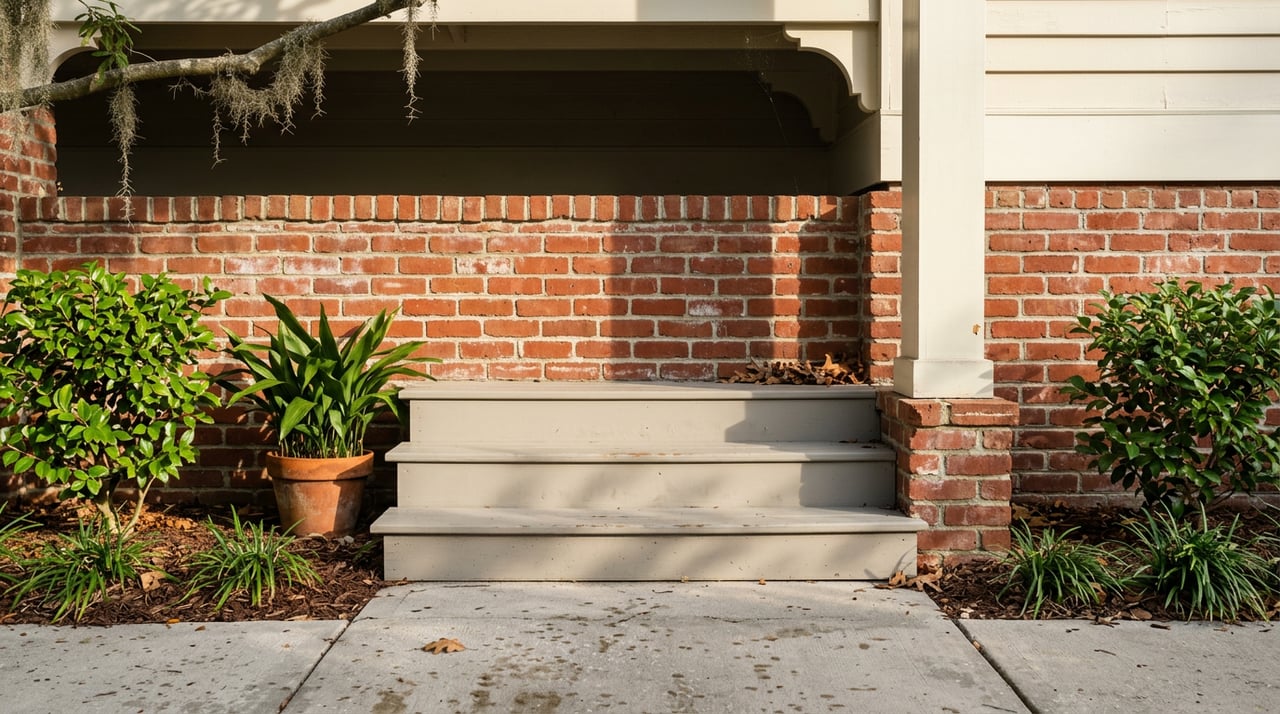
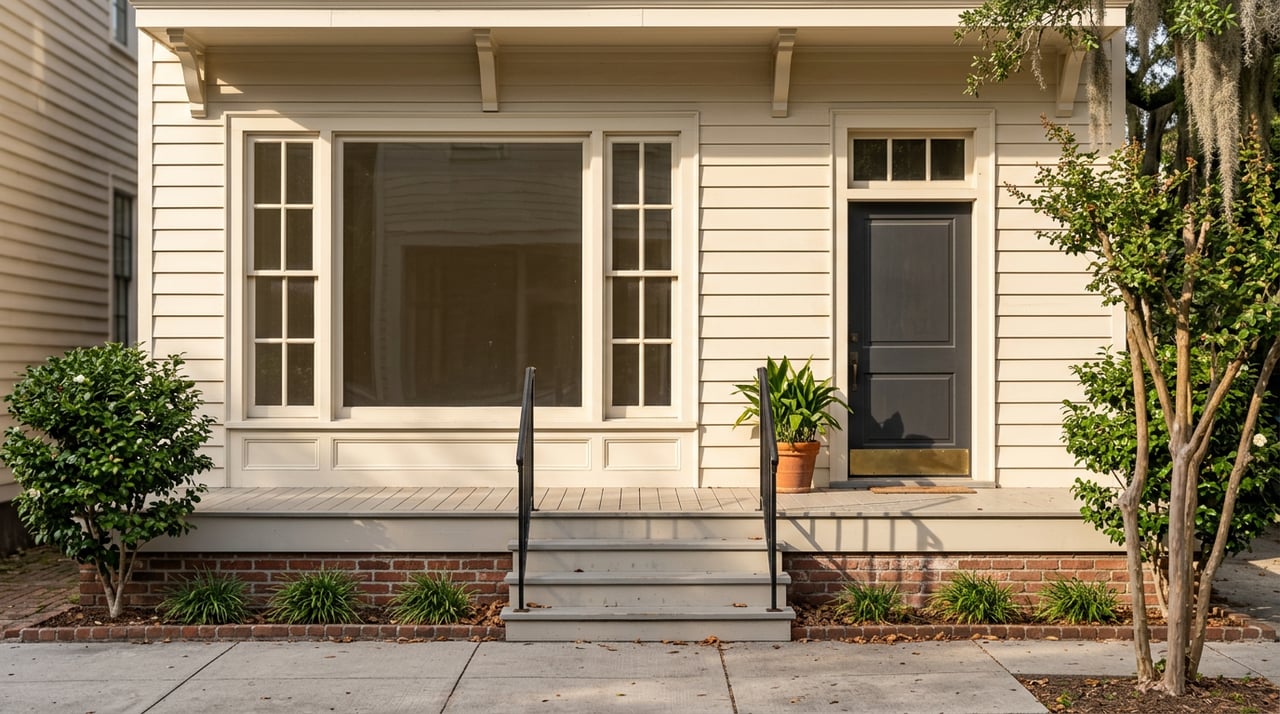
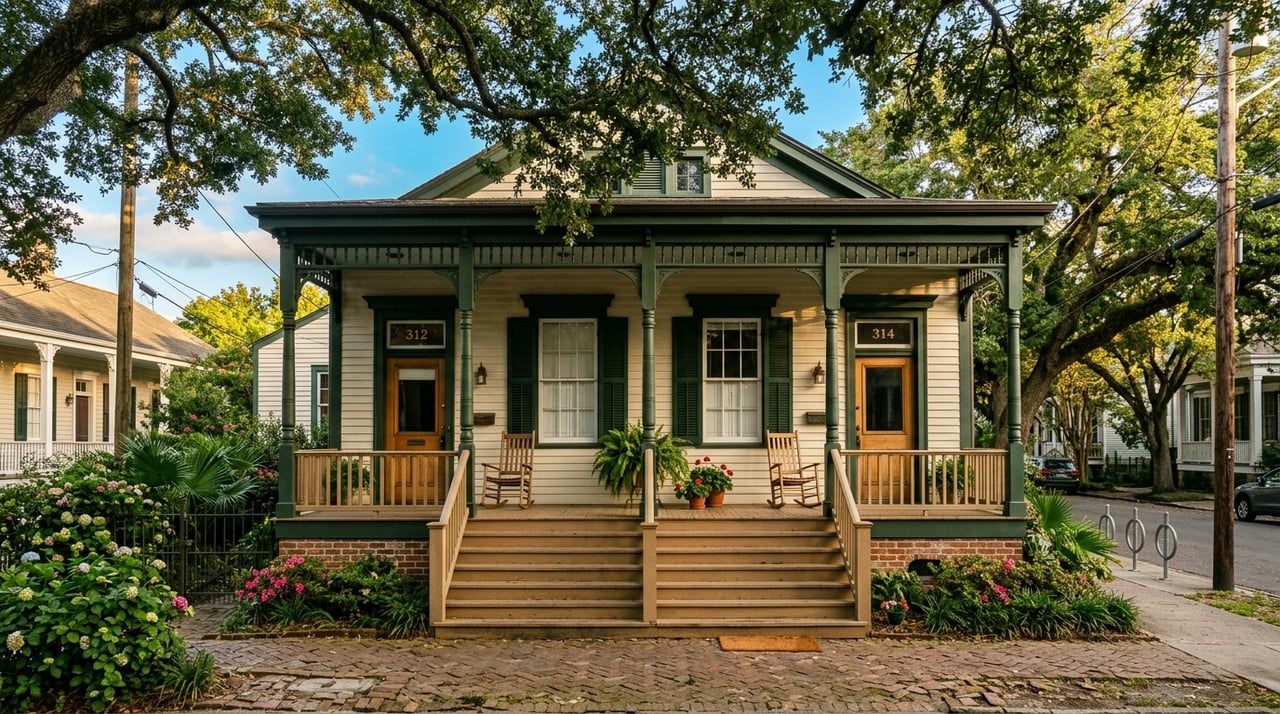
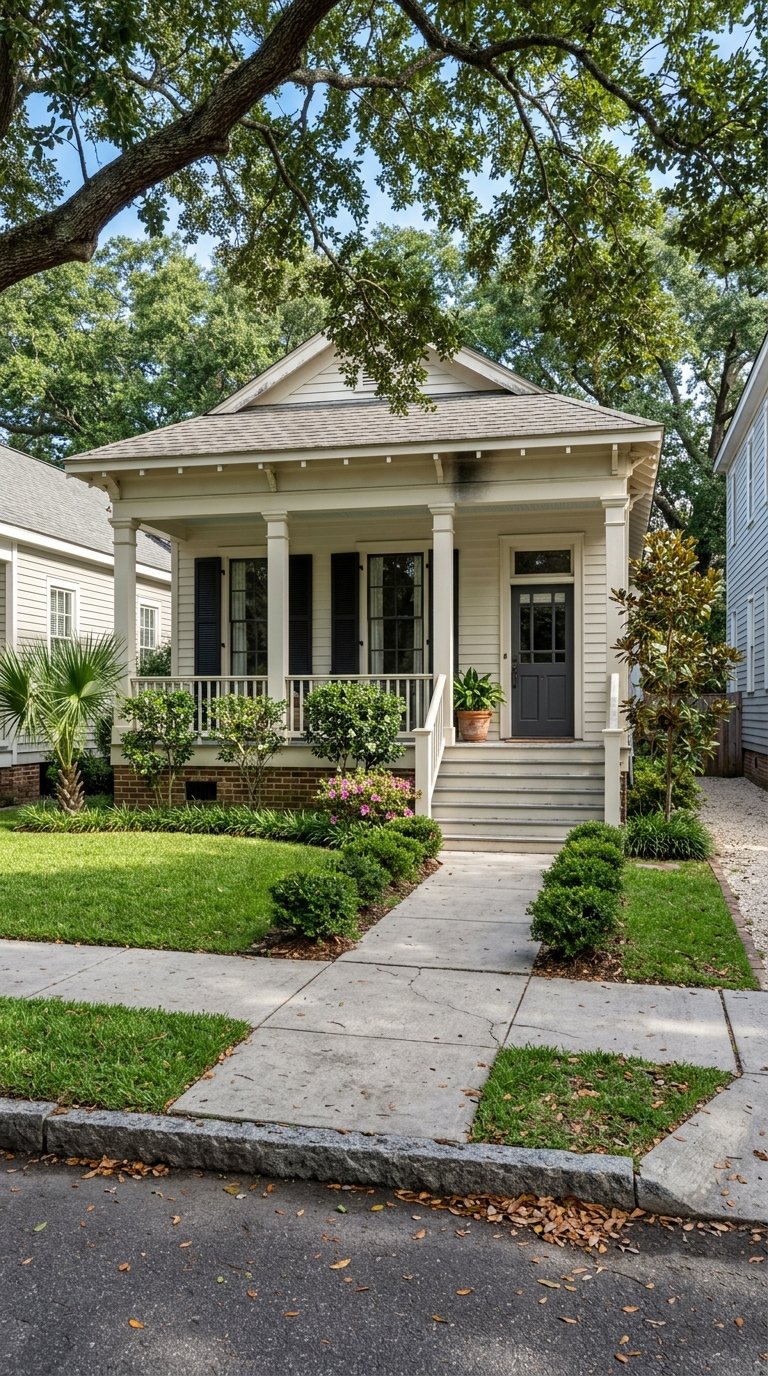
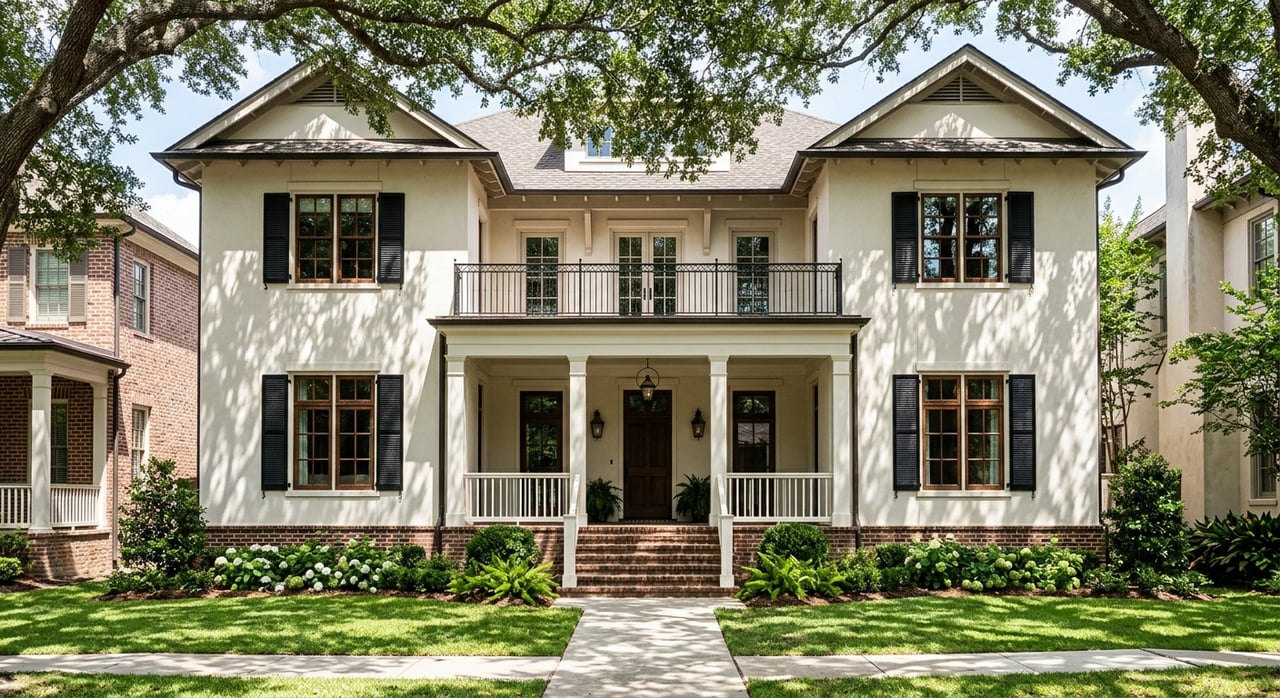
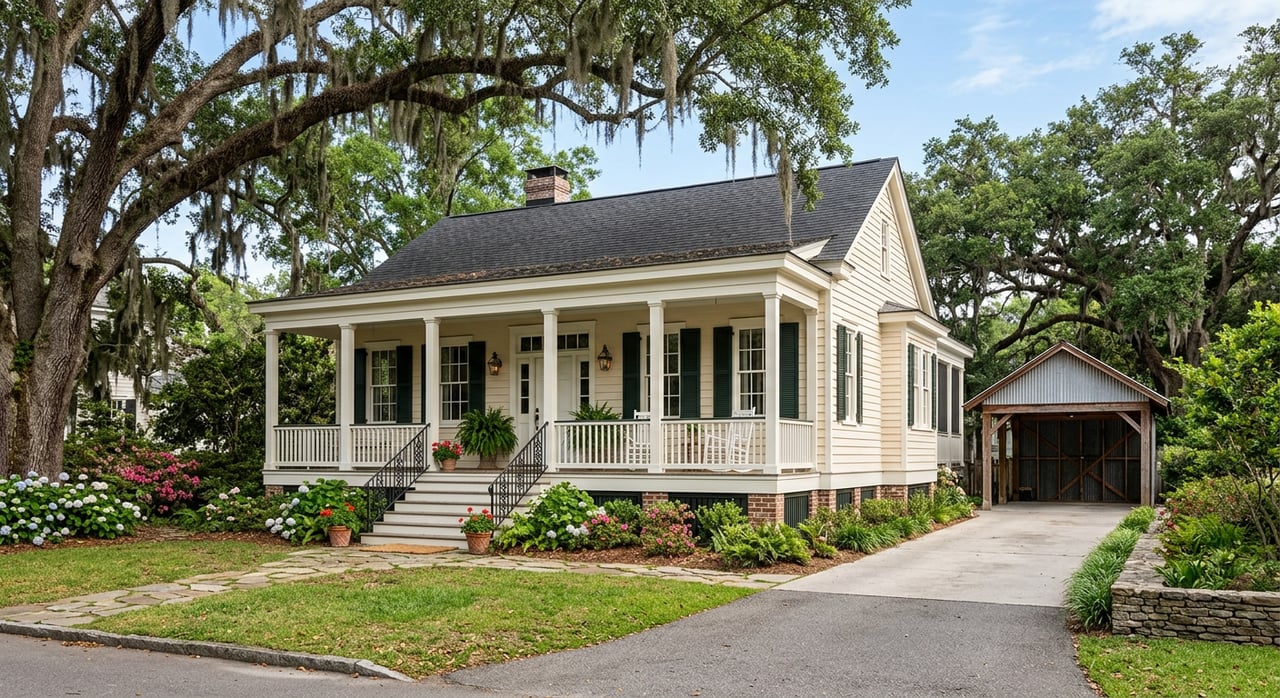
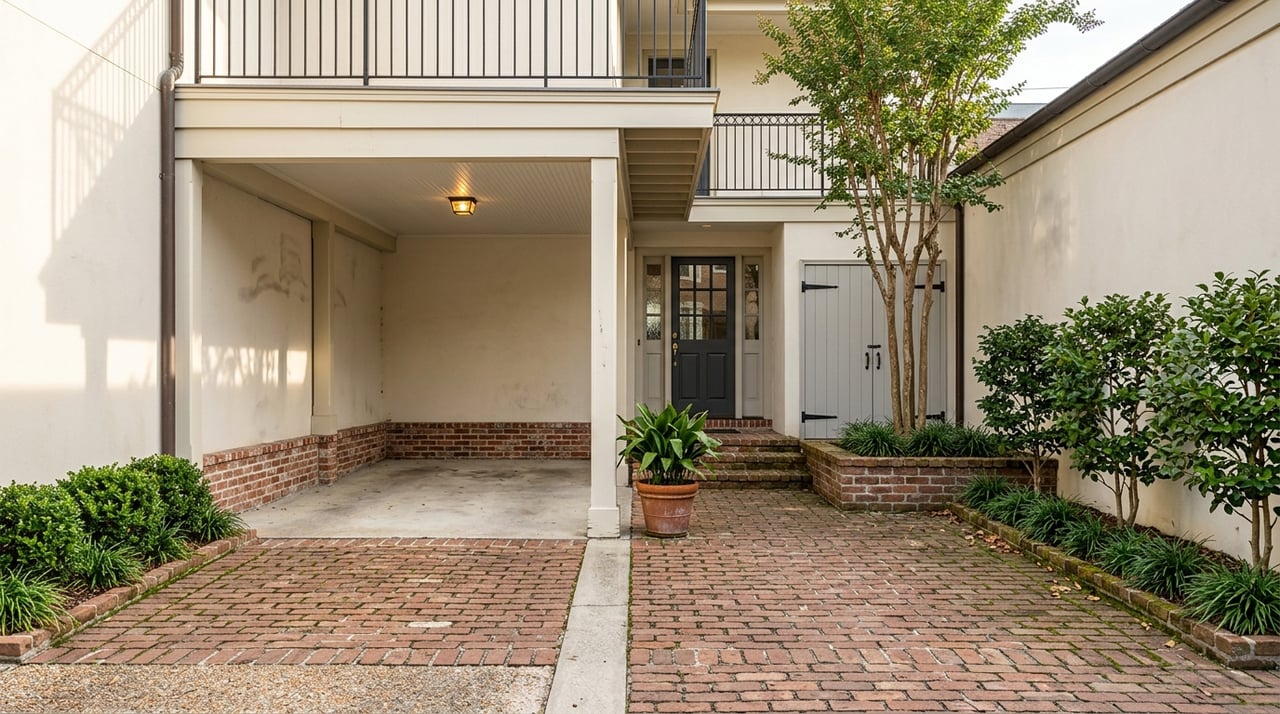
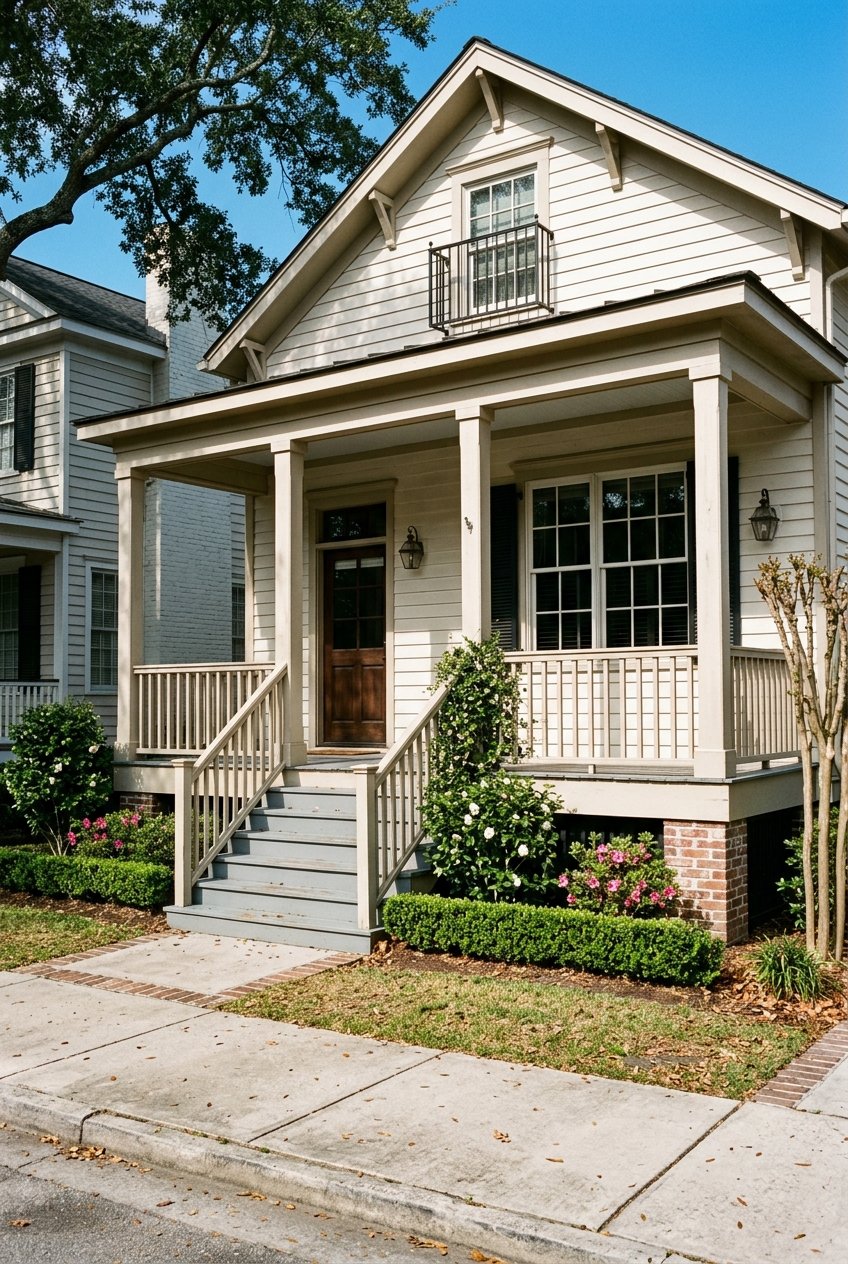
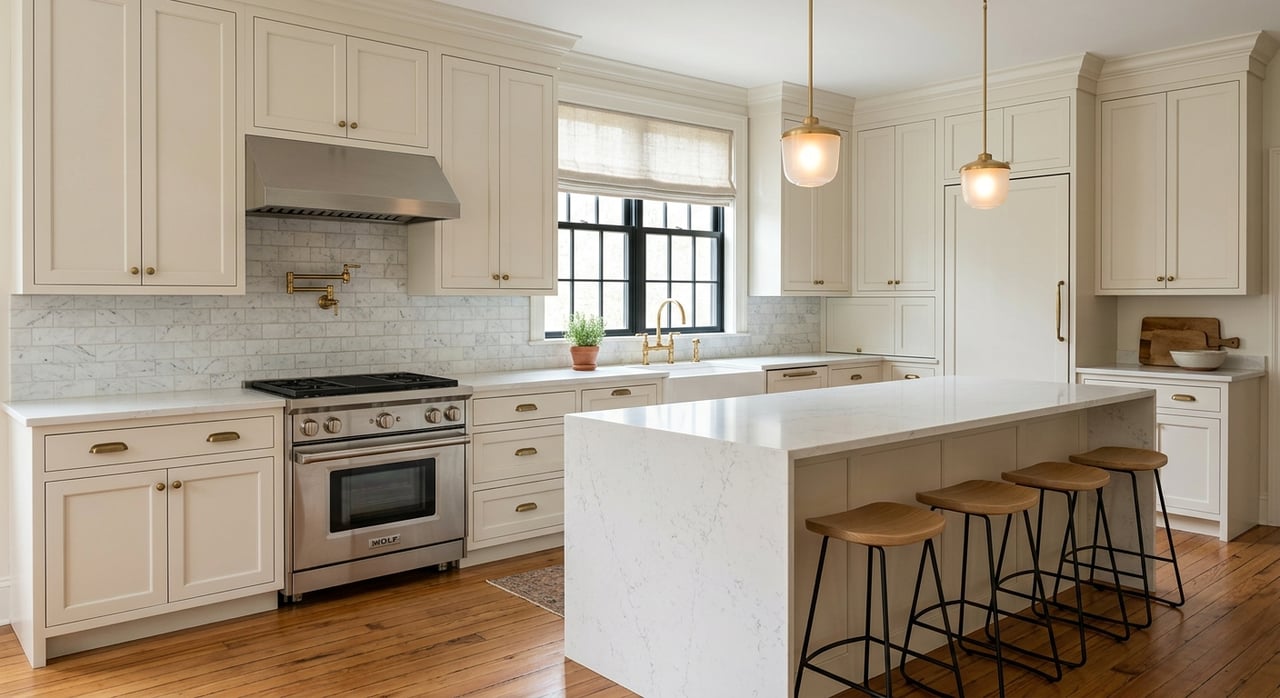
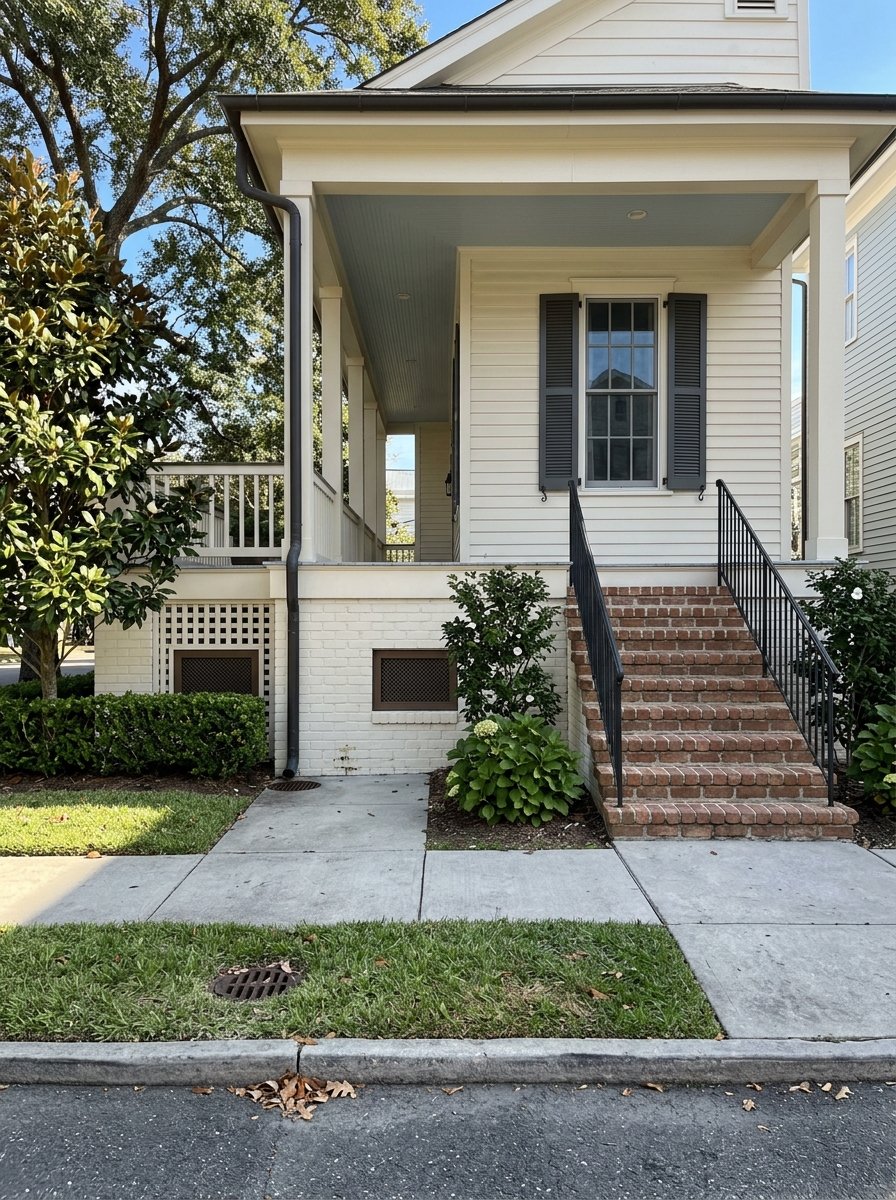
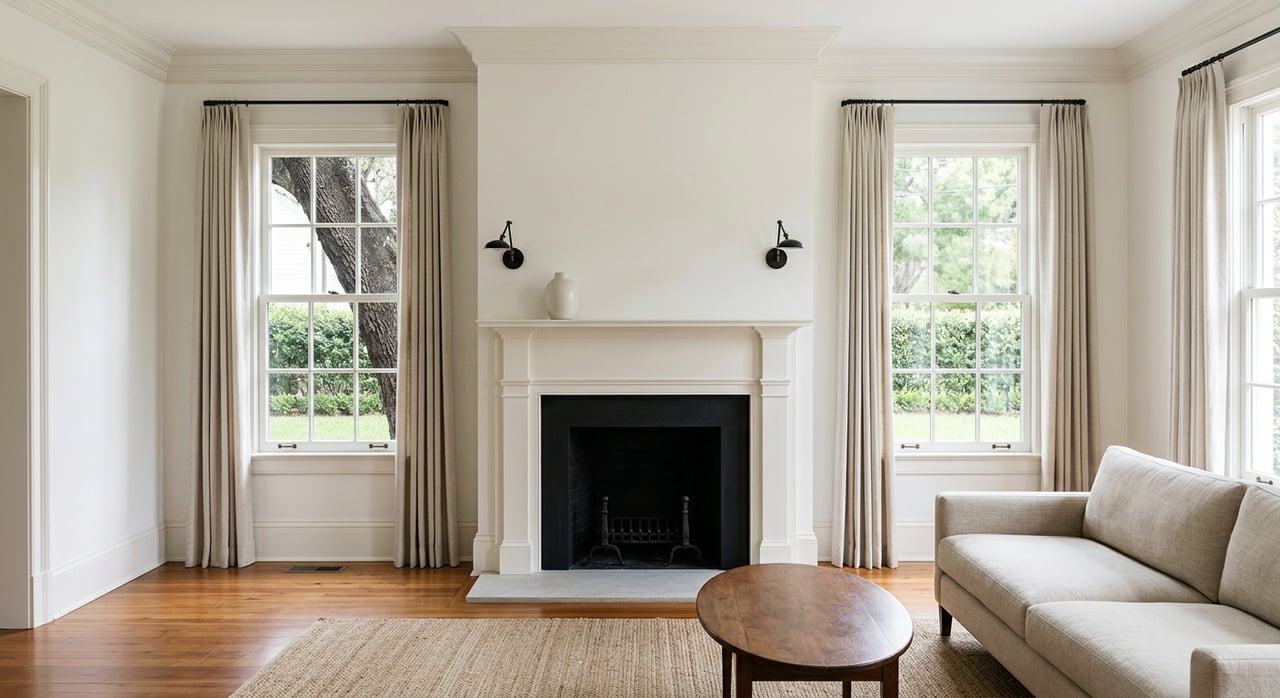
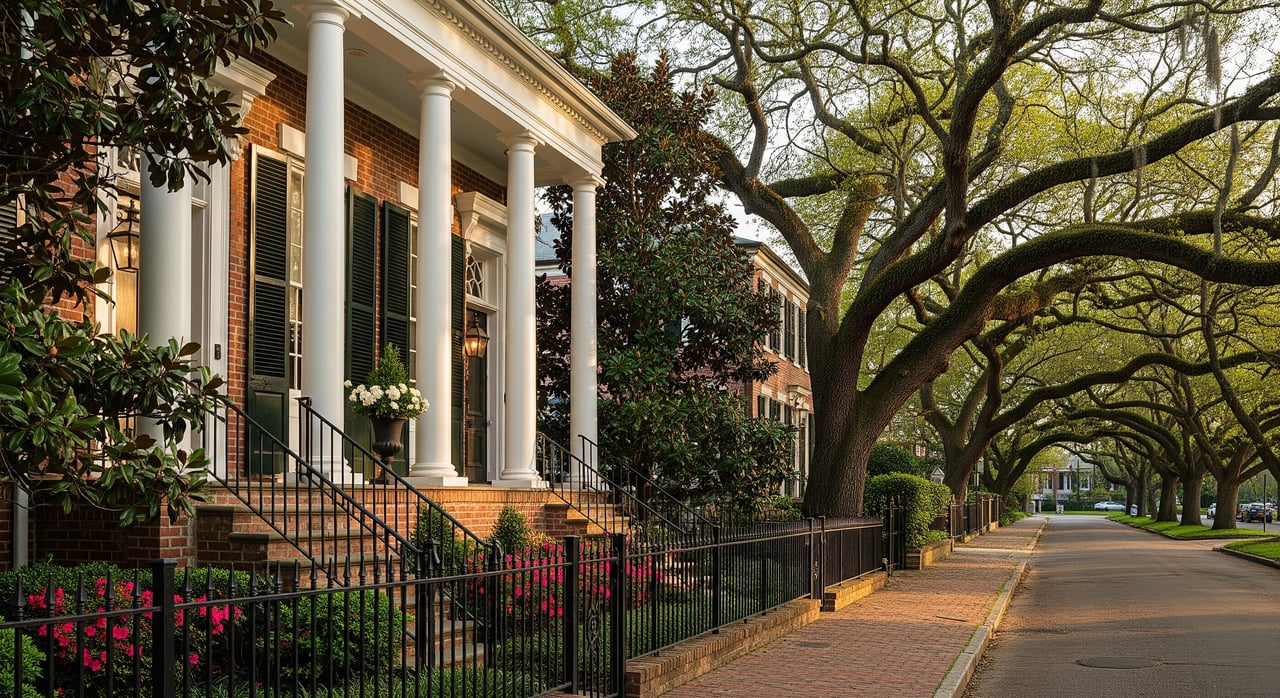
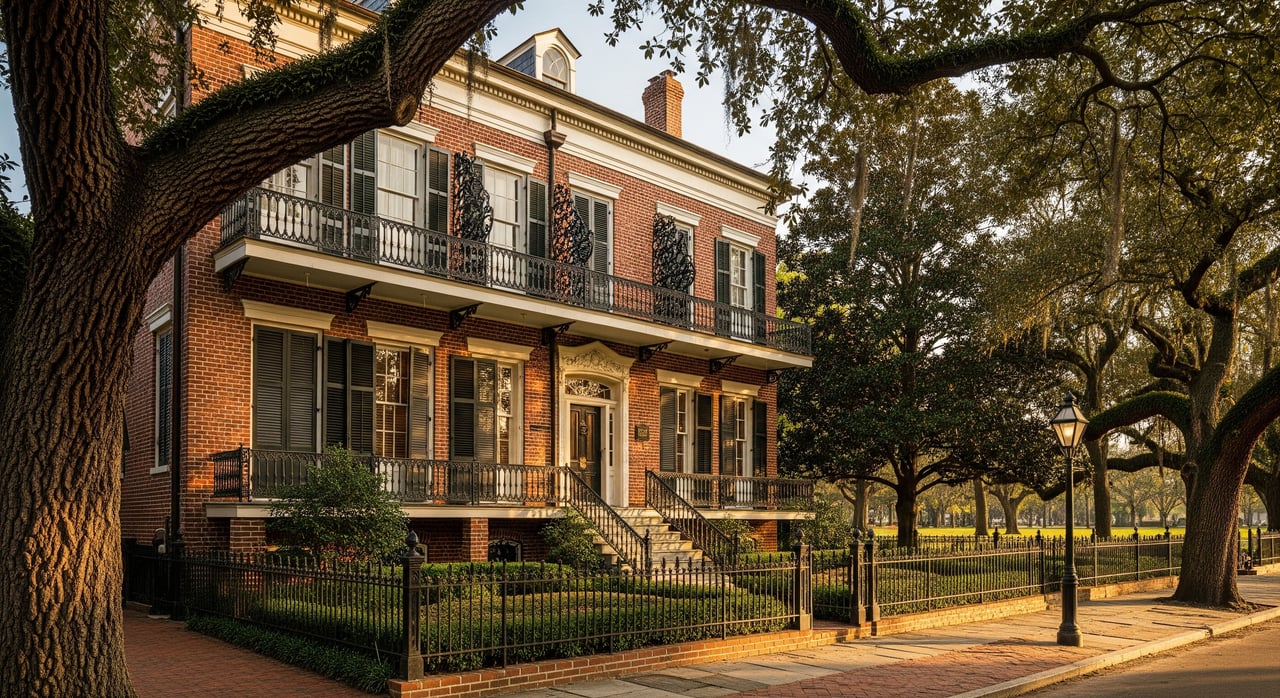
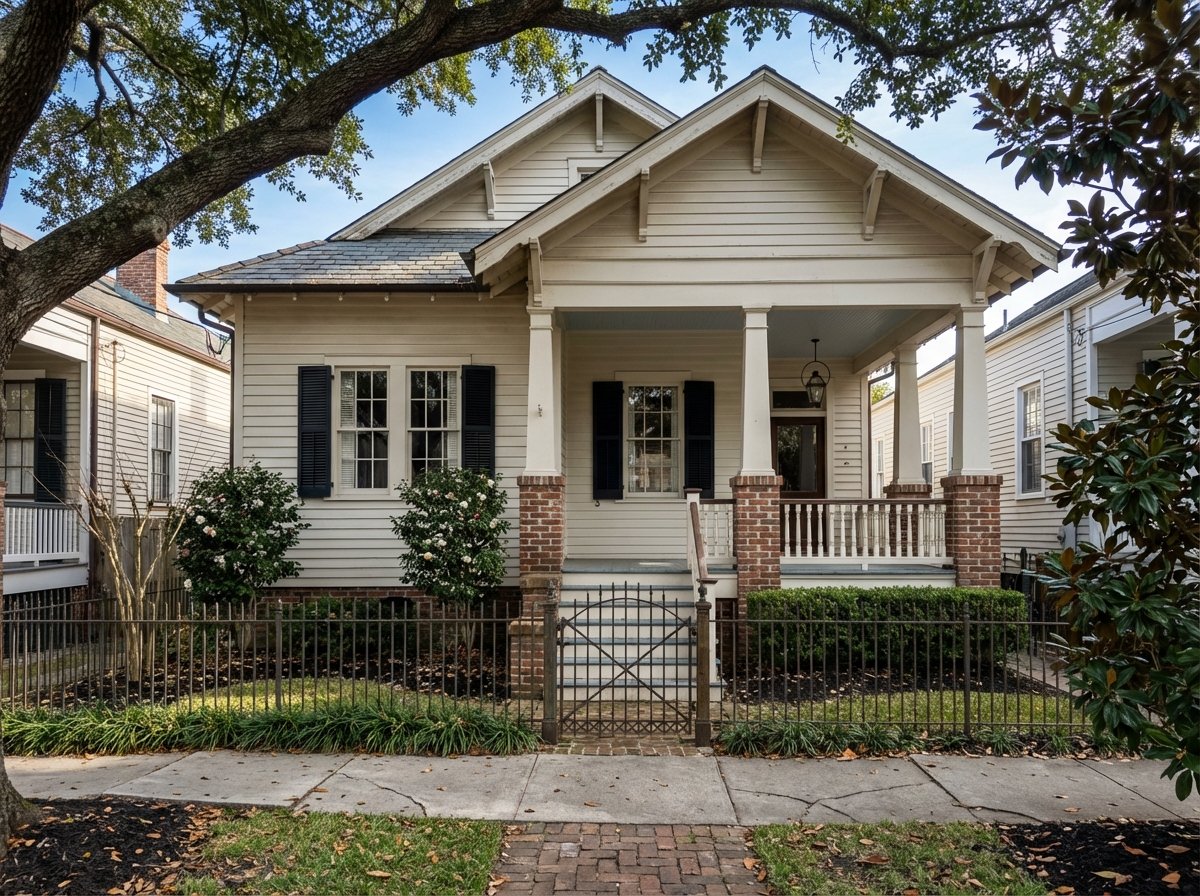
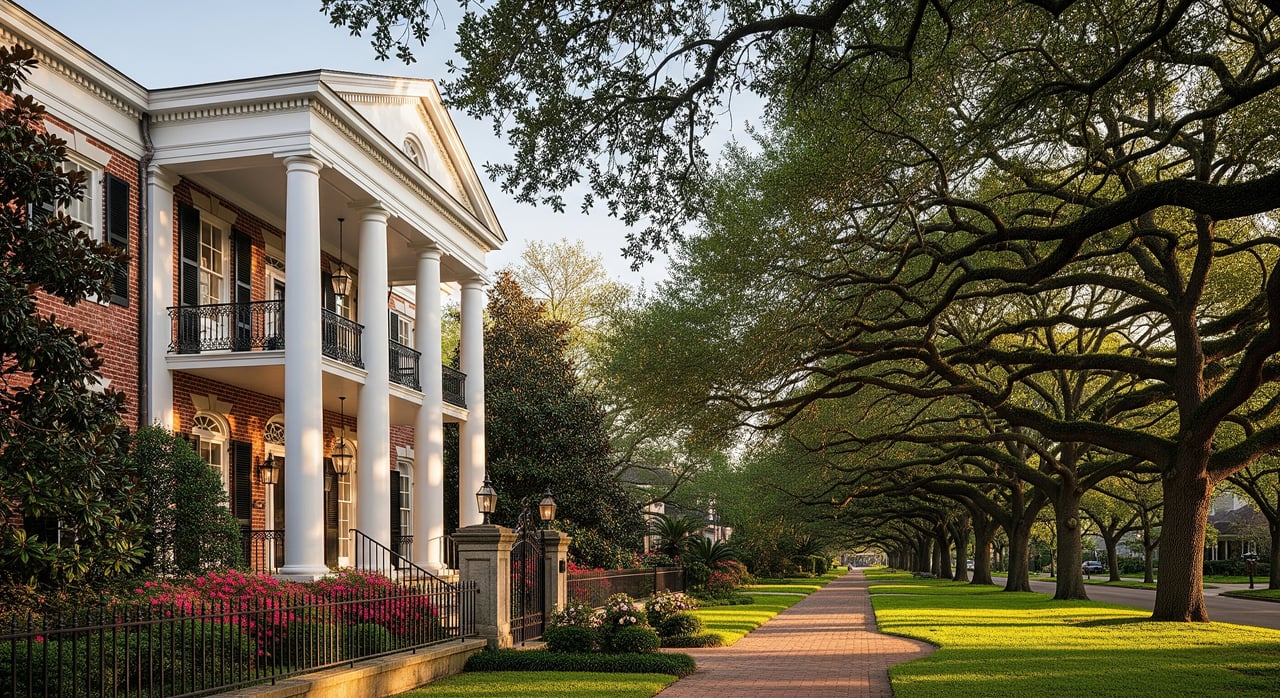
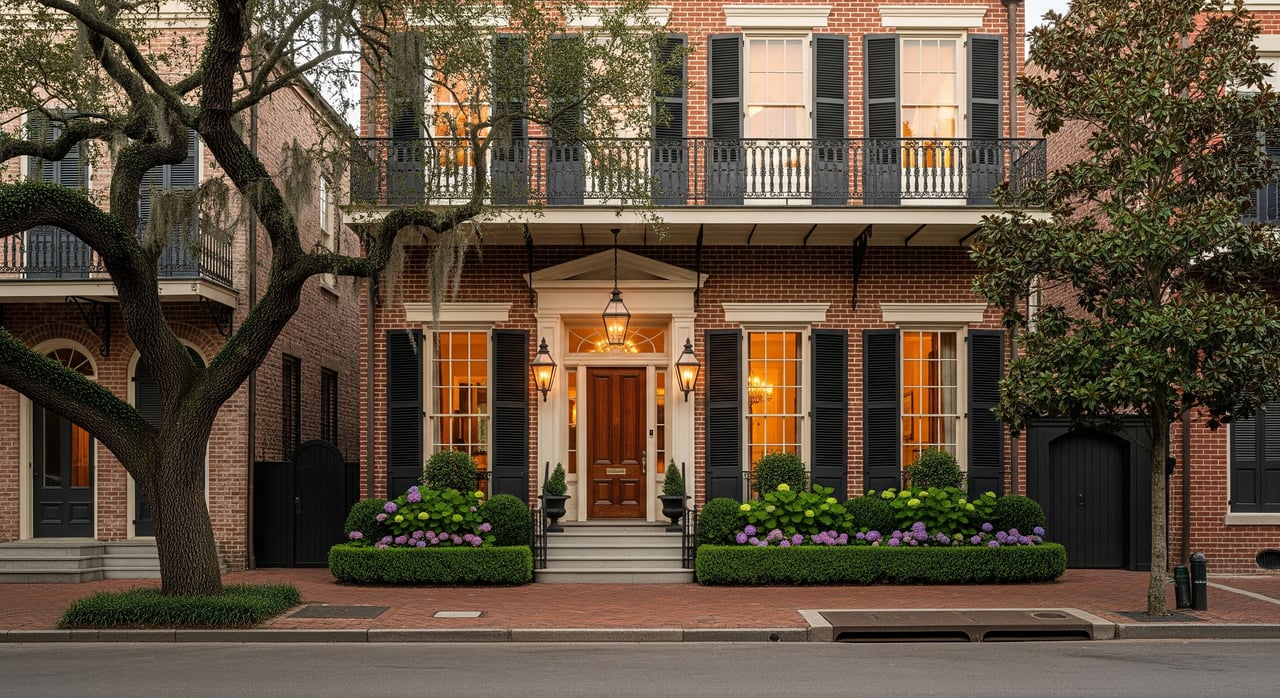
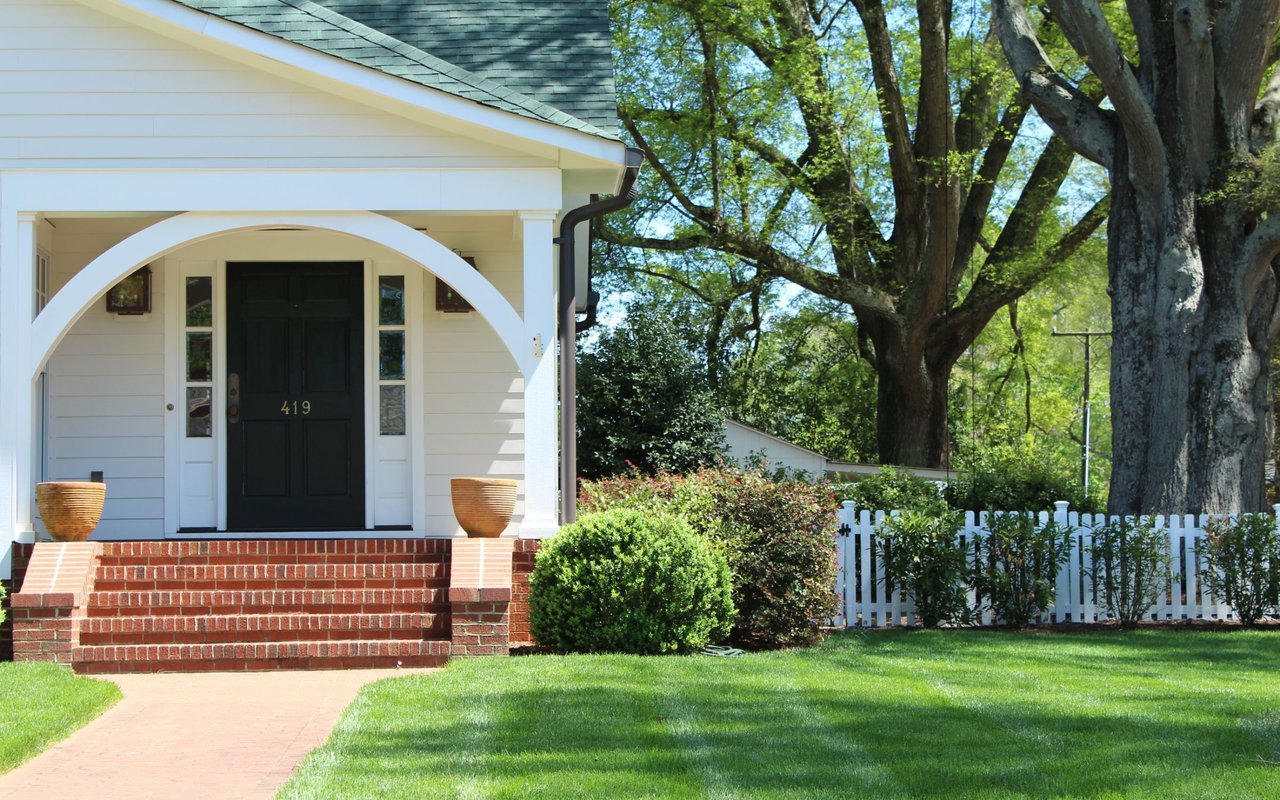
One of the most defining parts of everyday life in Uptown is the housing character around you. The city’s Historic District Landmarks Commission says most blocks feature concrete sidewalks separated from the roadway by grass strips, mature street trees, and shallow front yards or side yards in some places. Many lots are narrow and deep, and street parking is a common part of the neighborhood pattern.
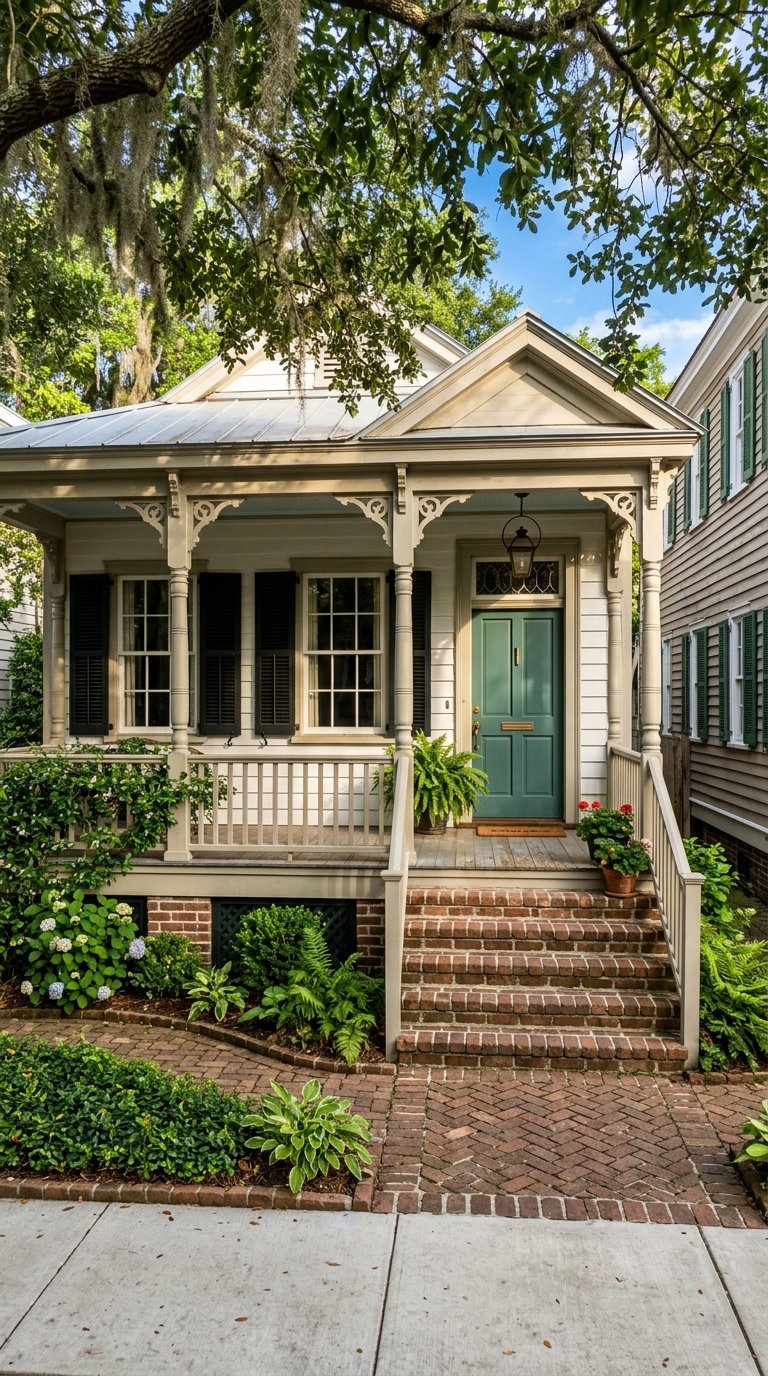
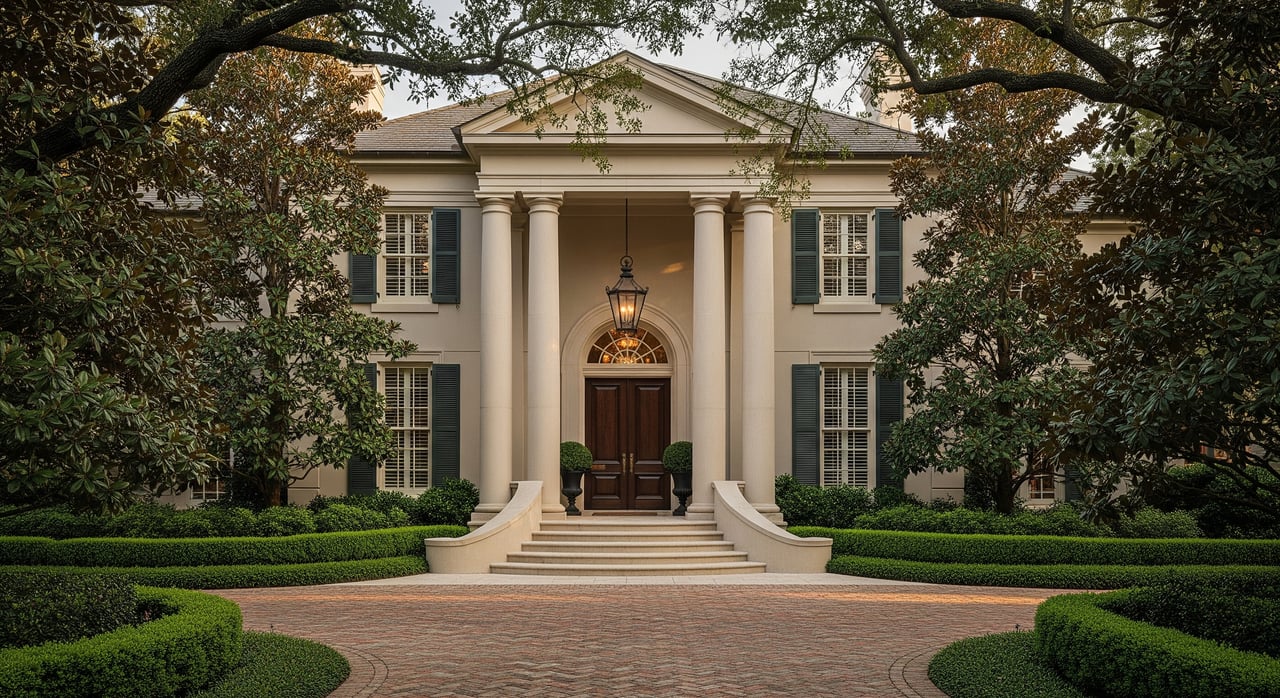
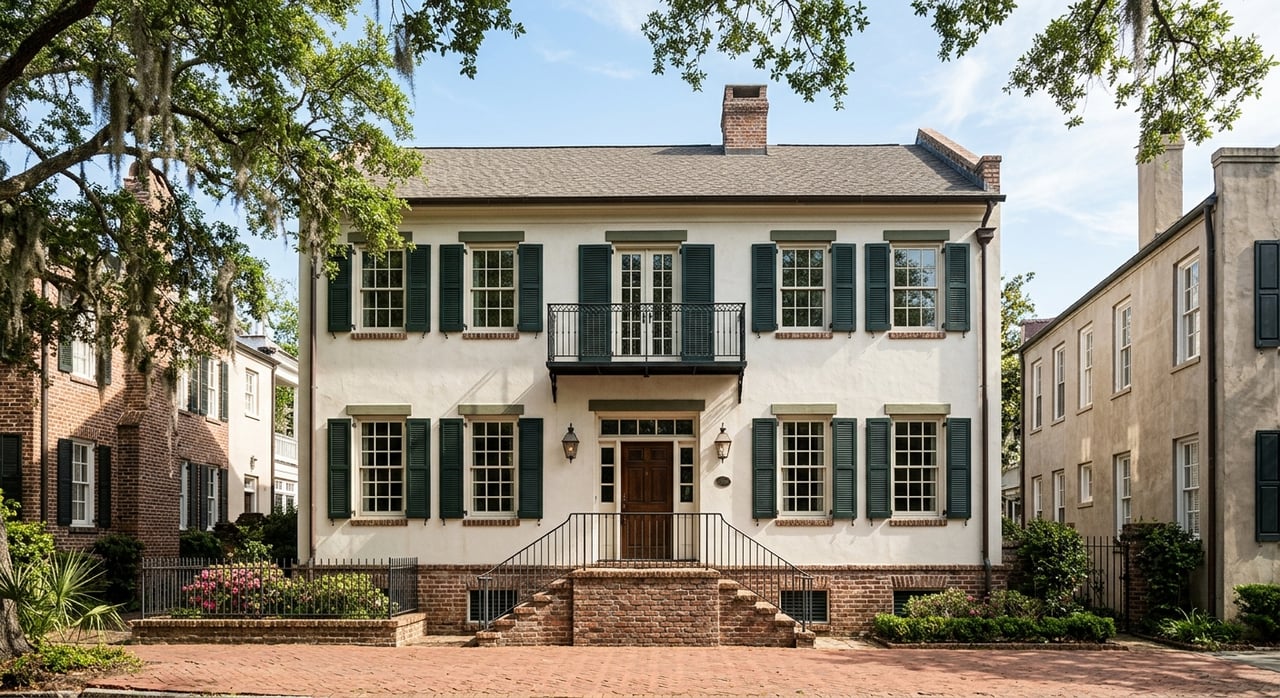
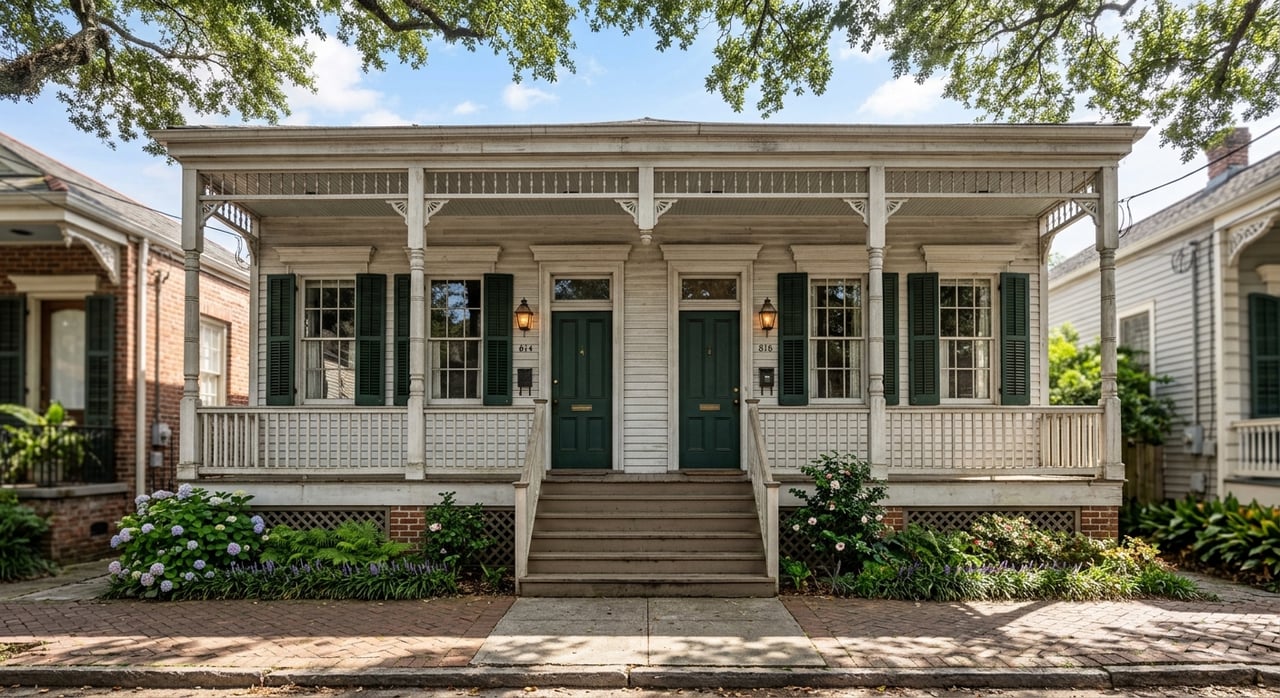
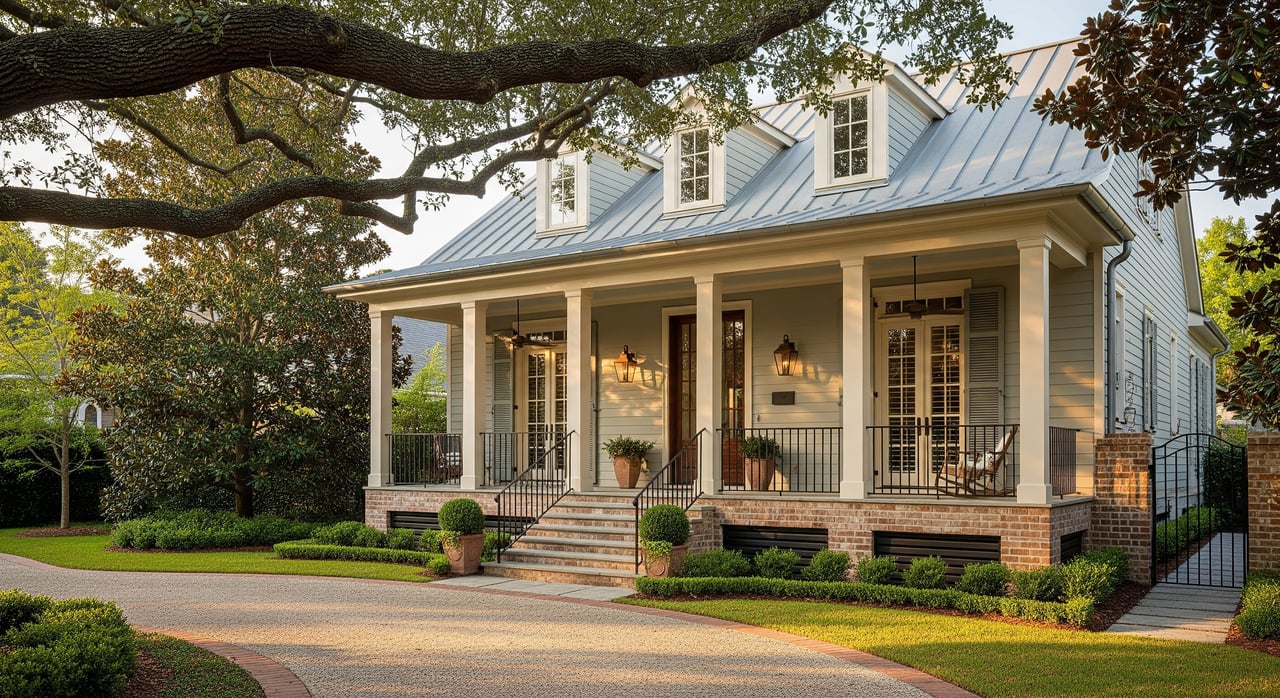
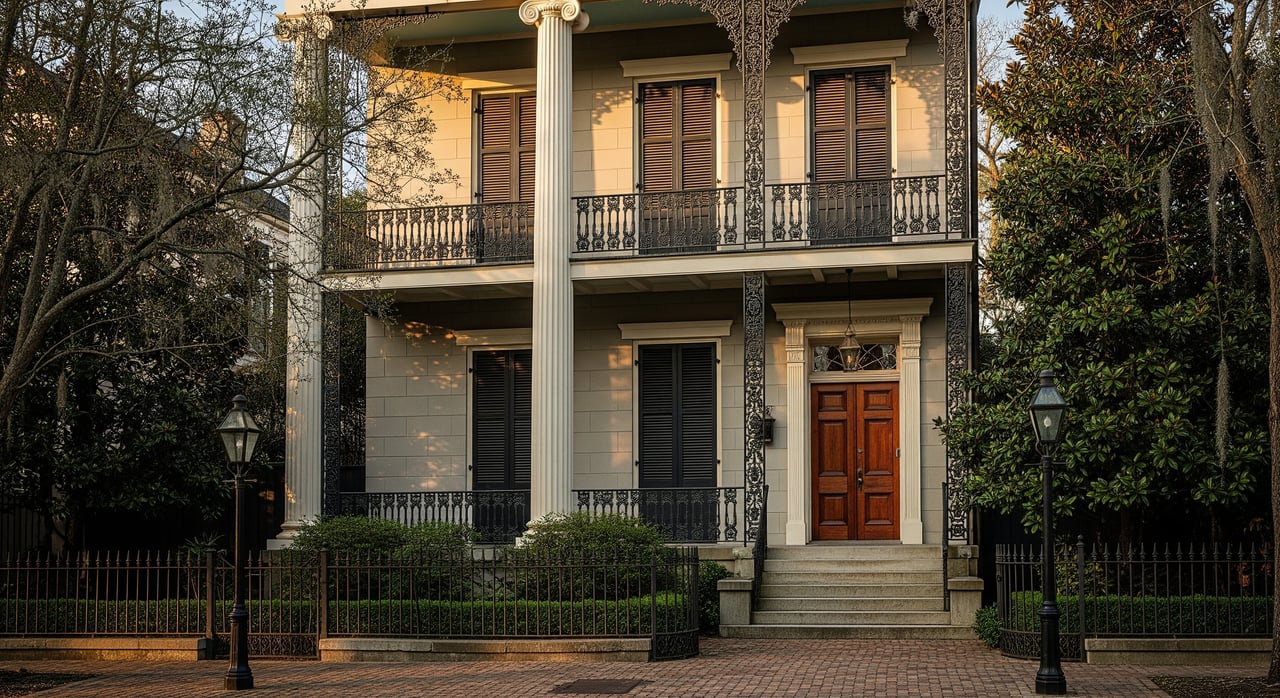
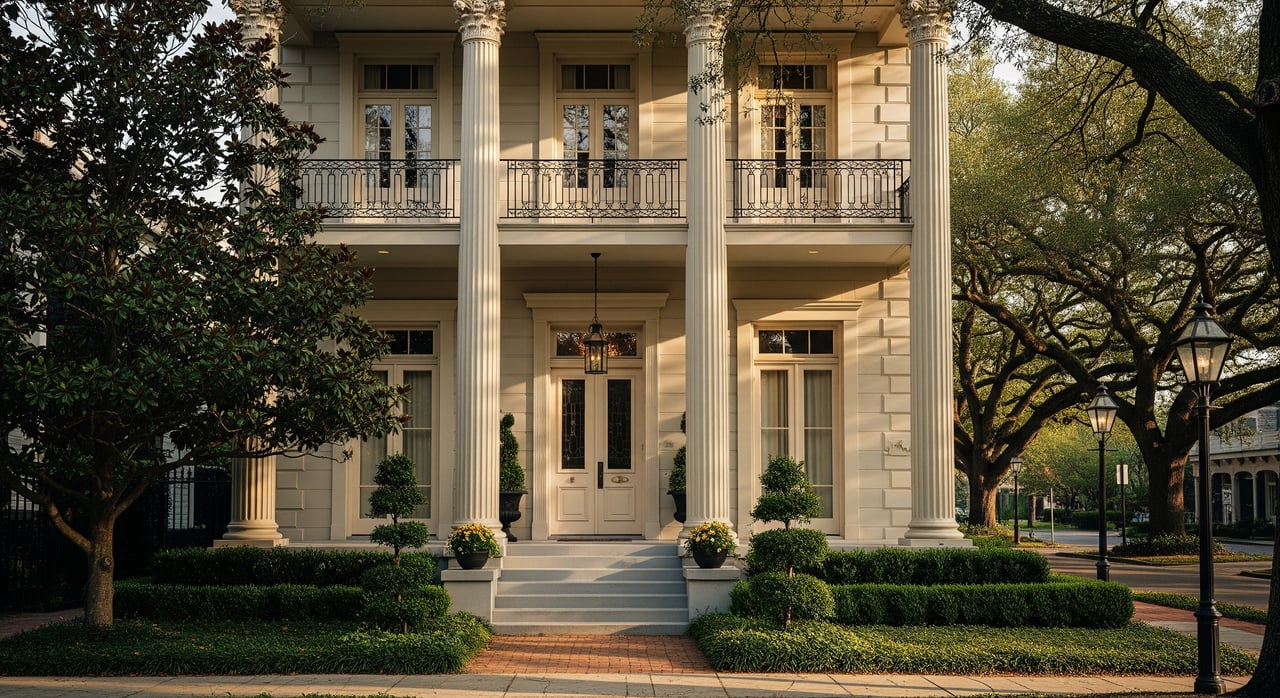
Architecturally, the area offers a broad mix. The HDLC identifies common styles such as Greek Revival, Italianate, Eastlake, Arts and Crafts, and Colonial Revival, with more than half of the buildings classified as shotguns or camelbacks. That means your block may include a range of home sizes, layouts, and architectural details even within a short walk.
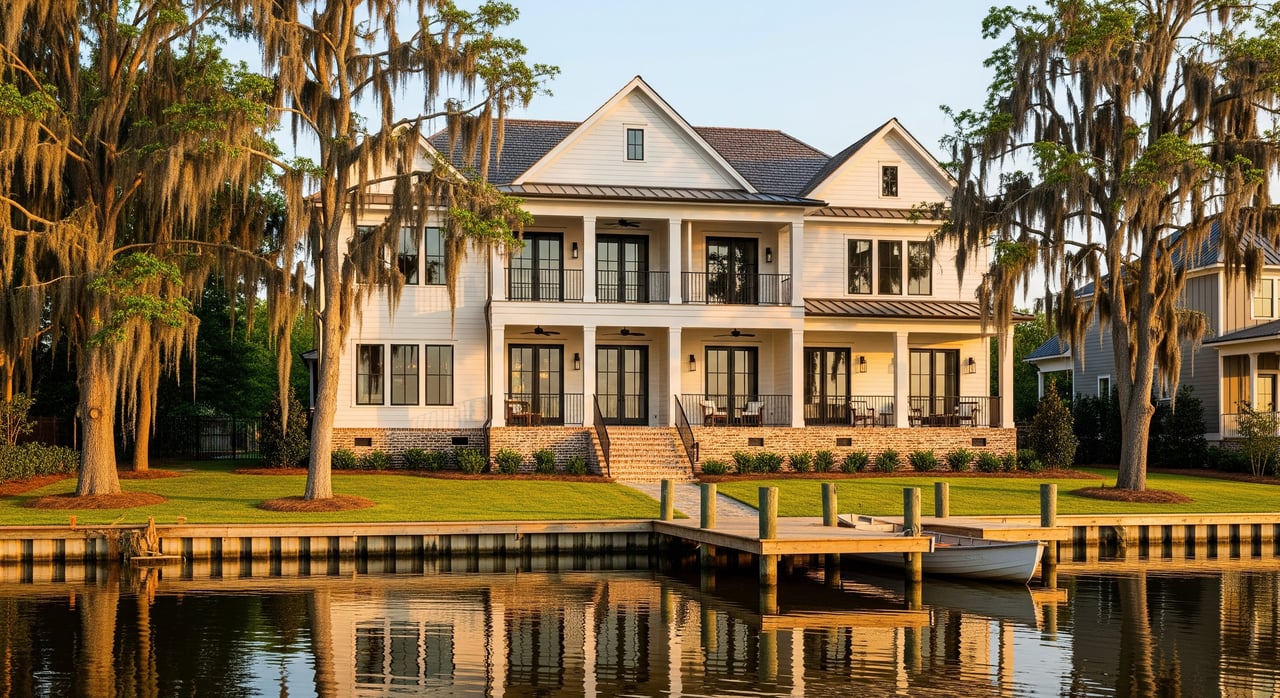
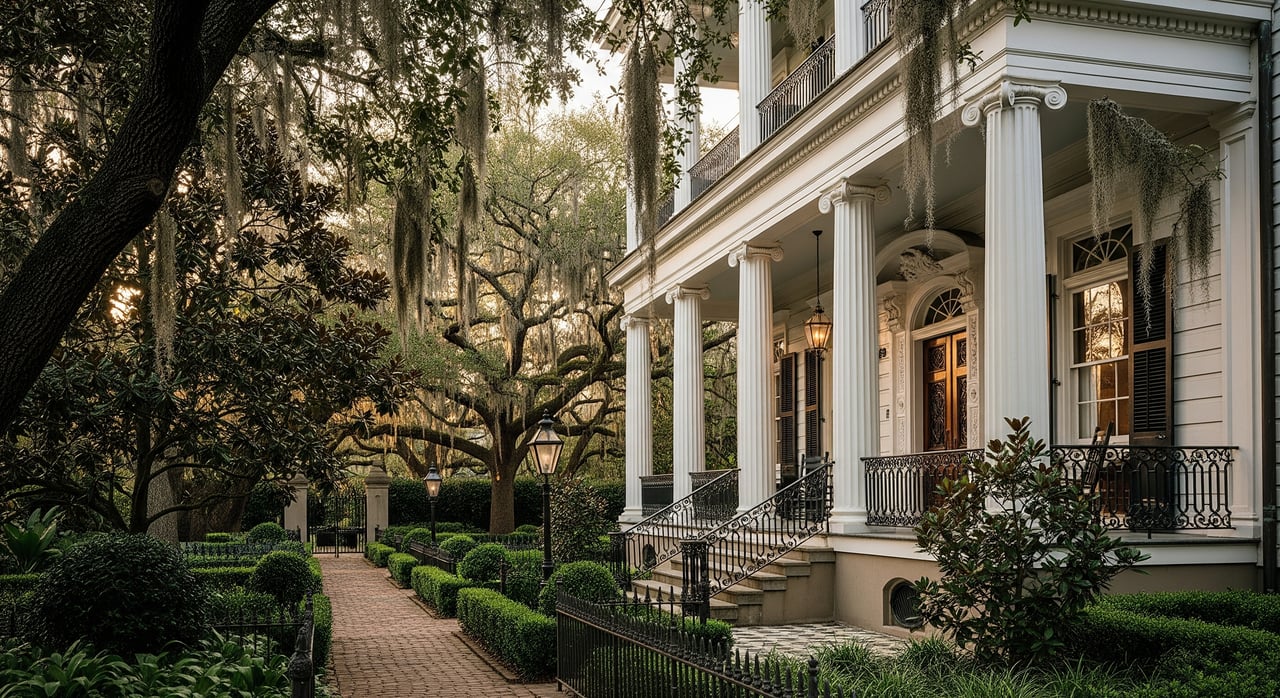
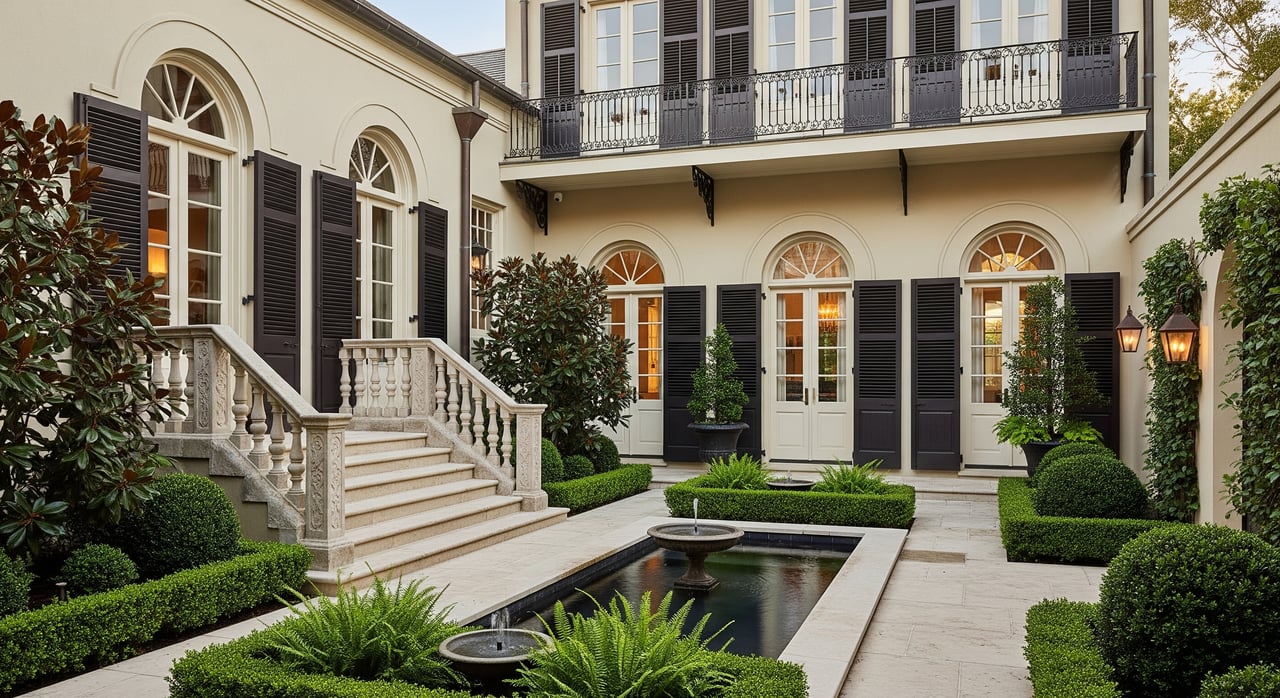
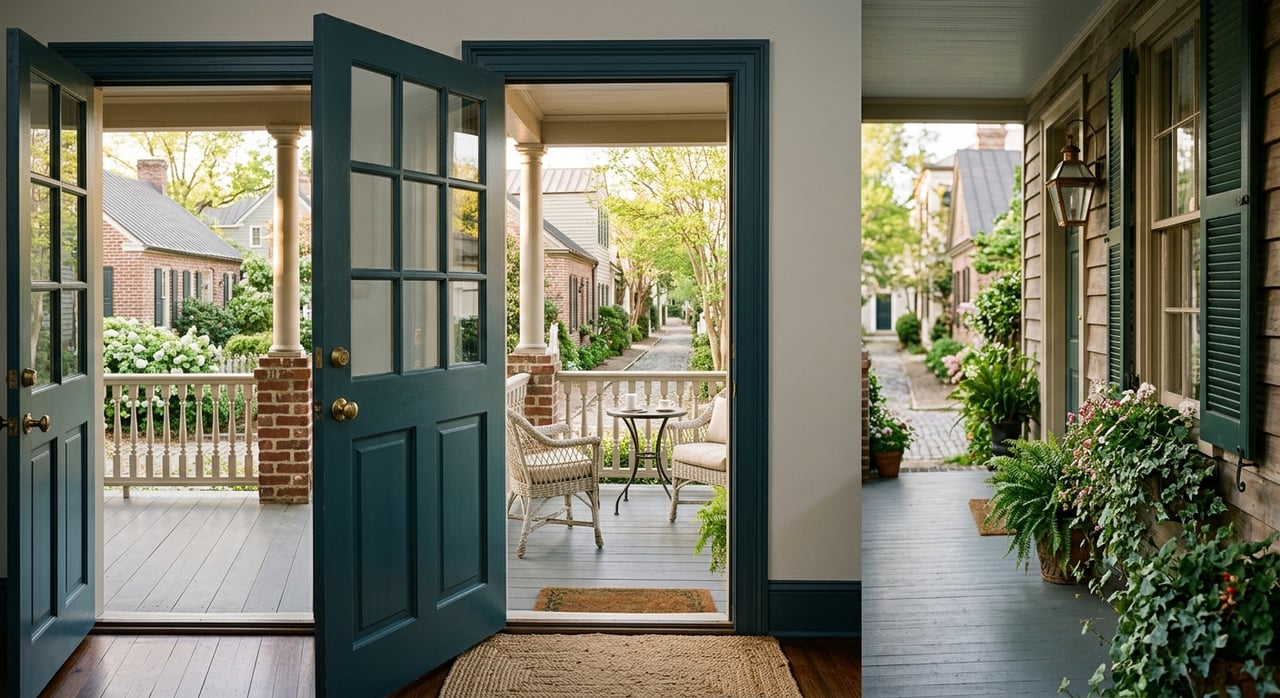
New Orleans’ official architecture guide describes Uptown and the Garden District as home to colorful row houses, Classic Revival mansions, and charming cottages. The Preservation Resource Center adds that grand homes line St. Charles Avenue, while more modest shotguns appear closer to the river. For buyers and renters, that block-by-block variation is a major part of the appeal.
Getting Around Has a Local Rhythm
Transportation in Uptown is as much about experience as it is about logistics. The St. Charles Avenue streetcar remains part of the neighborhood’s visual identity and daily movement. The city’s tourism guide describes a ride down St. Charles Avenue as one of the best ways to travel Uptown.
For more practical day-to-day use, current RTA materials say riders can use the Le Pass app and that bus and streetcar lines are ADA-accessible. Depending on where you live and work, you may find yourself mixing walking, driving, biking, and streetcar trips rather than relying on a single mode all the time. That flexibility is part of the neighborhood’s routine.
Because so much of Uptown is walkable at the block level, short trips often feel simple. You might walk to coffee, bike toward the levee, or head to the park without much planning. That ease can be a meaningful quality-of-life benefit if you want more connection to your immediate surroundings.
Mardi Gras Season Changes the Flow
In Uptown New Orleans, seasonal rhythm is real, and Mardi Gras is the clearest example. Official Mardi Gras guidance says most major parades move through Uptown along St. Charles Avenue toward Canal Street. During peak parade periods, walking and biking often become the easiest ways to get around.
If you plan to live here, that is less of a surprise and more of a lifestyle feature to understand in advance. Some residents love being close to the route and the energy that comes with it. Others simply learn how the season affects traffic, parking, and timing for a few weeks each year.
The key point is that Uptown is not static. It has an established annual rhythm that can shape everything from weekend plans to commuting habits. Knowing that ahead of time helps you choose the right block and the right property for your preferences.
What Daily Life Really Feels Like
Put it all together, and everyday lifestyle in Uptown New Orleans feels compact, historic, and amenity-rich. You have park mornings, corridor-based shopping and dining, visible streetcar service, and a neighborhood layout that encourages routines built around a few favorite places. It is a setting where architecture, streetscape, and daily convenience all play a role.
That is also why hyper-local guidance matters when you are buying, selling, renting, or investing here. In Uptown, two homes can be close together on a map but offer very different day-to-day experiences depending on their block, parking setup, proximity to commercial corridors, and relationship to park or parade traffic. Neighborhood context matters.
If you want help finding the right fit in Uptown New Orleans, from historic homes to multi-family opportunities or furnished rentals, Ashley Nesser can help you navigate the neighborhood with clear, local insight.
FAQs
What is the Uptown Triangle area in New Orleans?
- The Uptown Triangle Neighborhood Association defines it as the Black Pearl neighborhood bounded by Broadway Street, St. Charles Avenue, and the Mississippi River at Leake Avenue.
What is everyday life like near Audubon Park in Uptown New Orleans?
- Daily life often includes easy access to walking, jogging, biking, playgrounds, picnic space, tennis courts, and other park amenities because Audubon Park is a major neighborhood anchor.
What makes Magazine Street important to Uptown New Orleans lifestyle?
- Magazine Street concentrates many everyday needs and leisure stops in one corridor, including coffee shops, restaurants, stores, spas, and workout studios.
What types of homes are common in Uptown New Orleans?
- Common housing types include shotguns, camelbacks, cottages, row houses, and larger historic homes, with architectural styles ranging from Greek Revival to Arts and Crafts.
How do people get around Uptown New Orleans day to day?
- Many residents use a mix of walking, driving, biking, bus service, and the St. Charles Avenue streetcar depending on their routine and location.
How does Mardi Gras affect everyday life in Uptown New Orleans?
- During major parade periods along St. Charles Avenue, traffic patterns change and walking or biking often becomes the easiest way to move around the neighborhood.