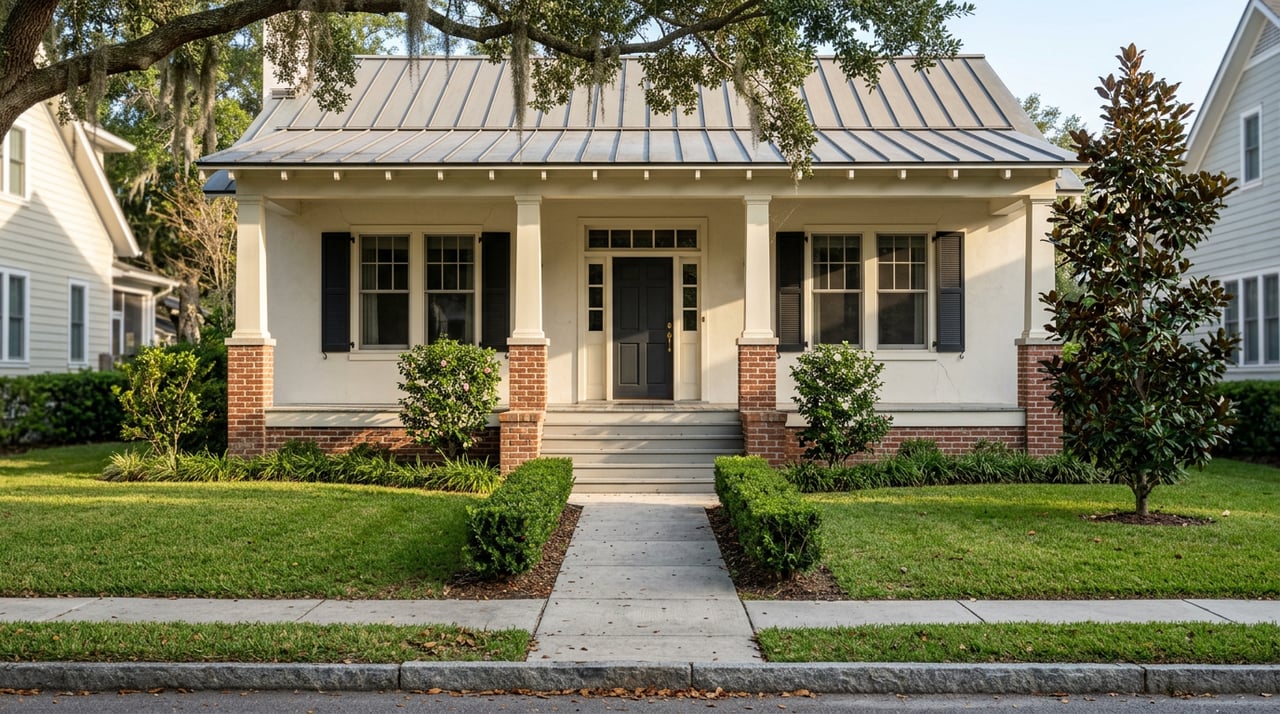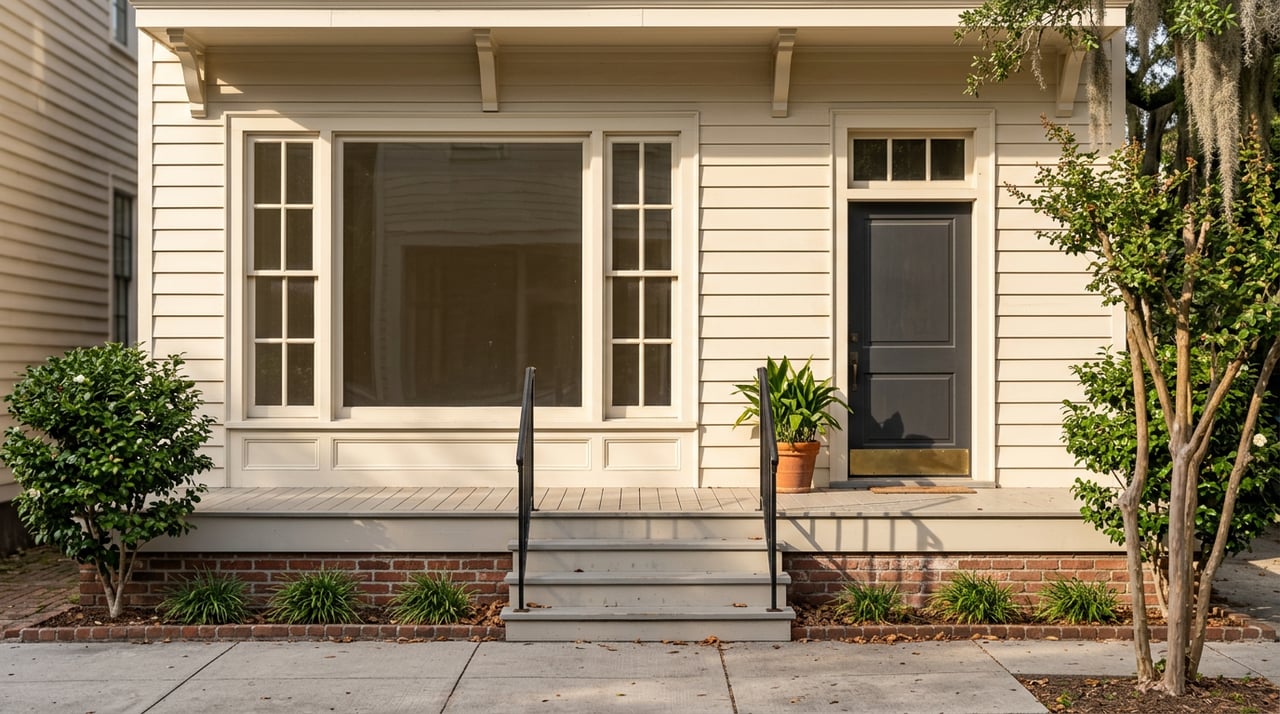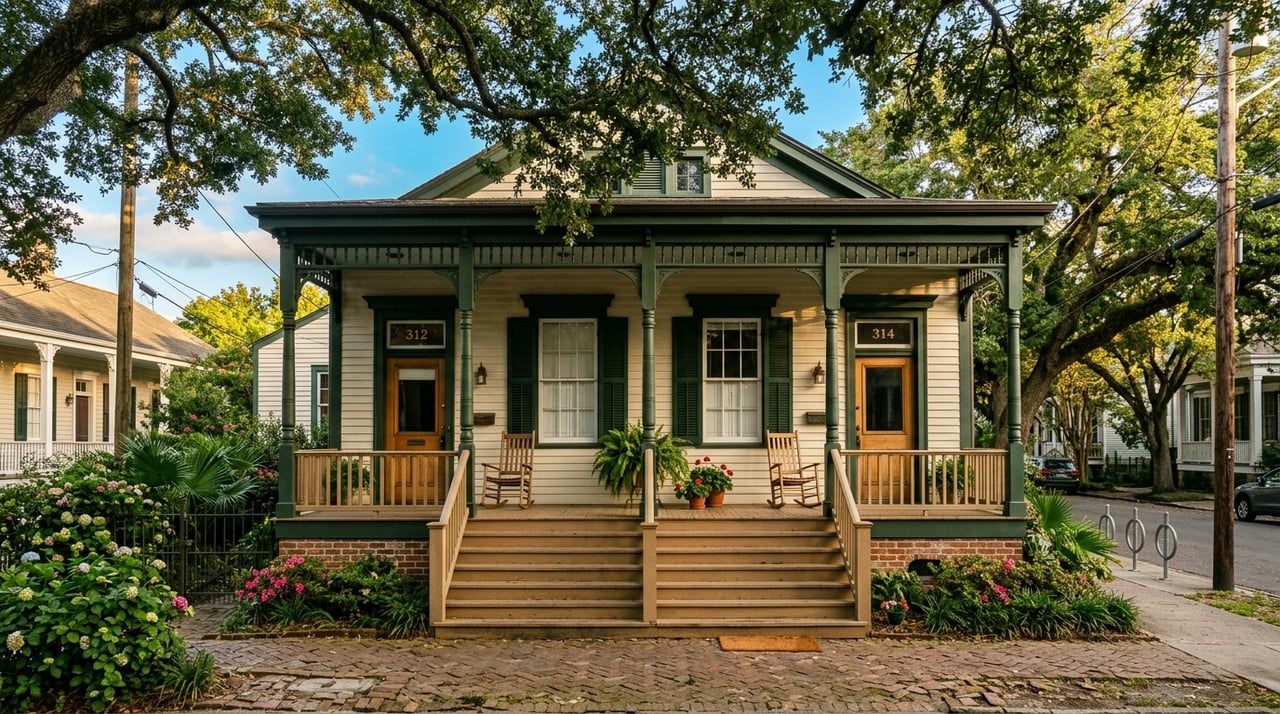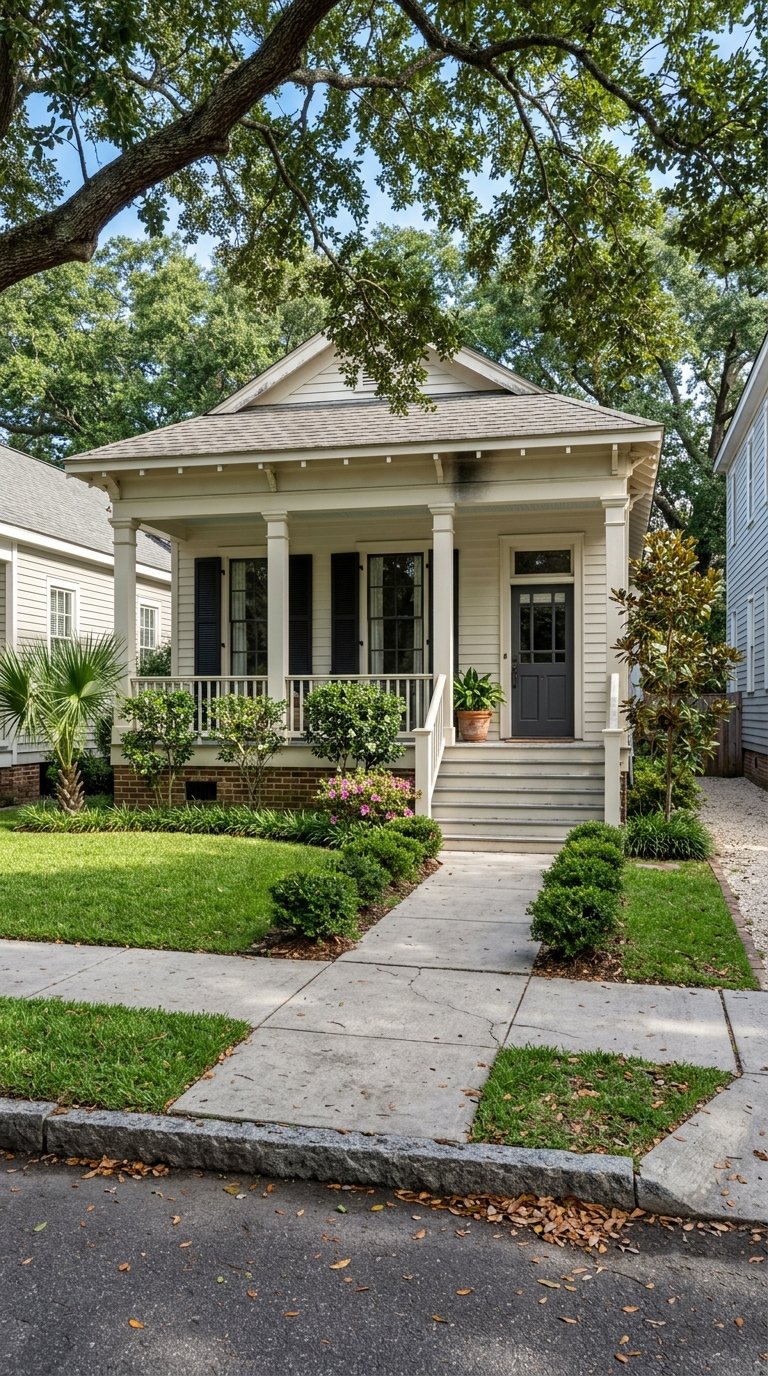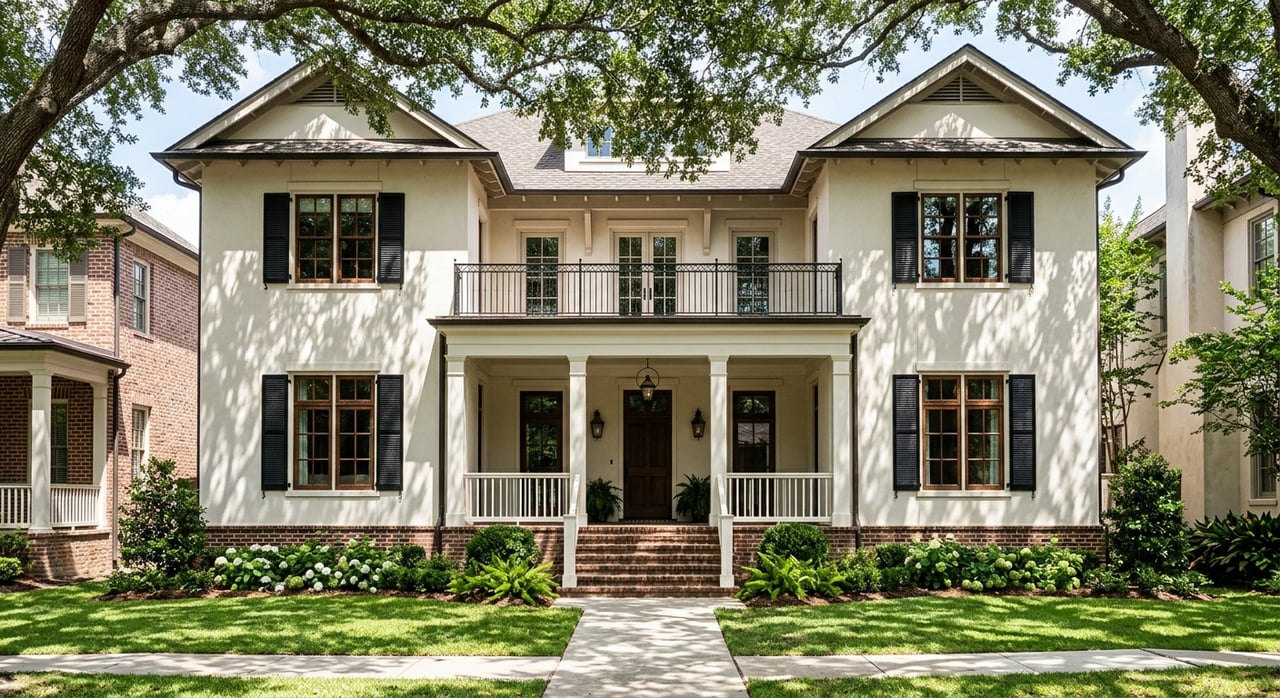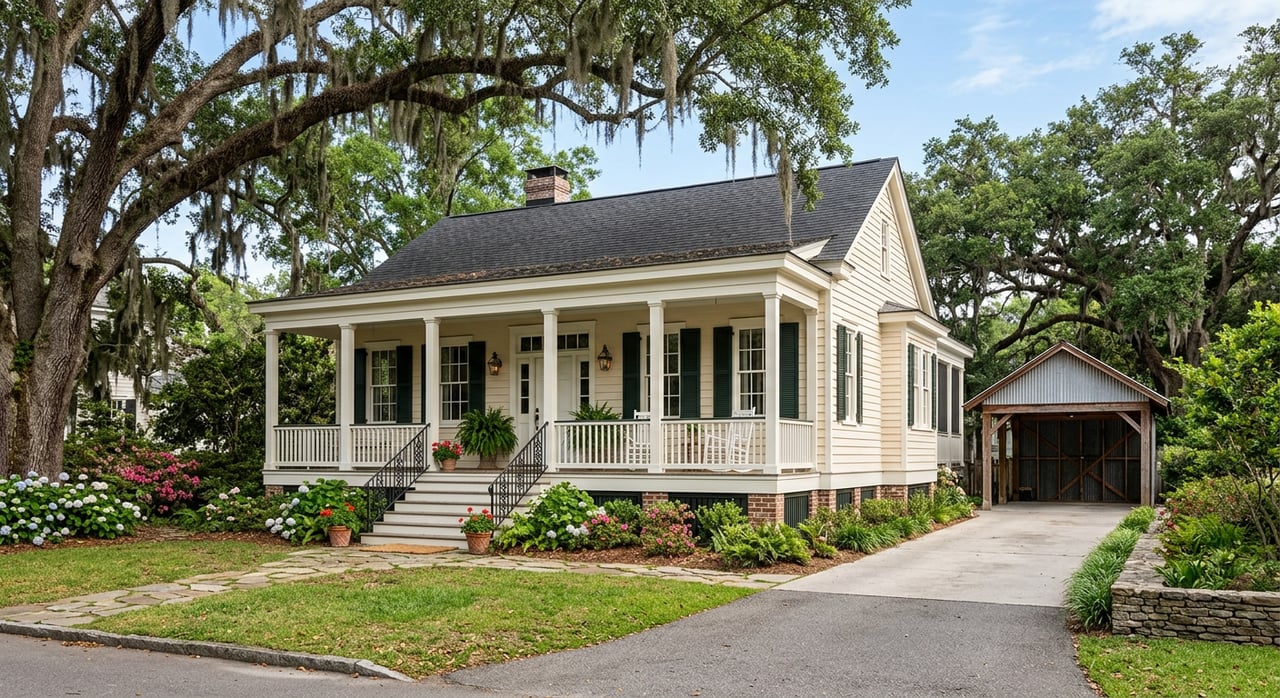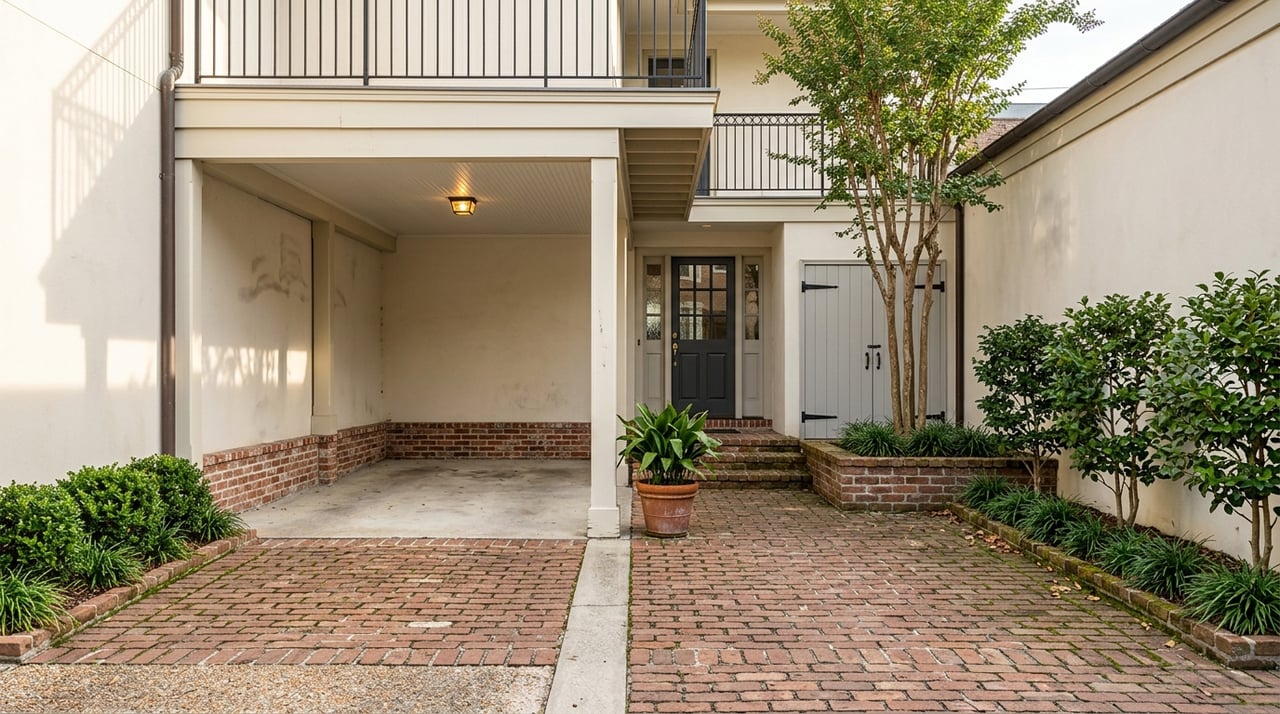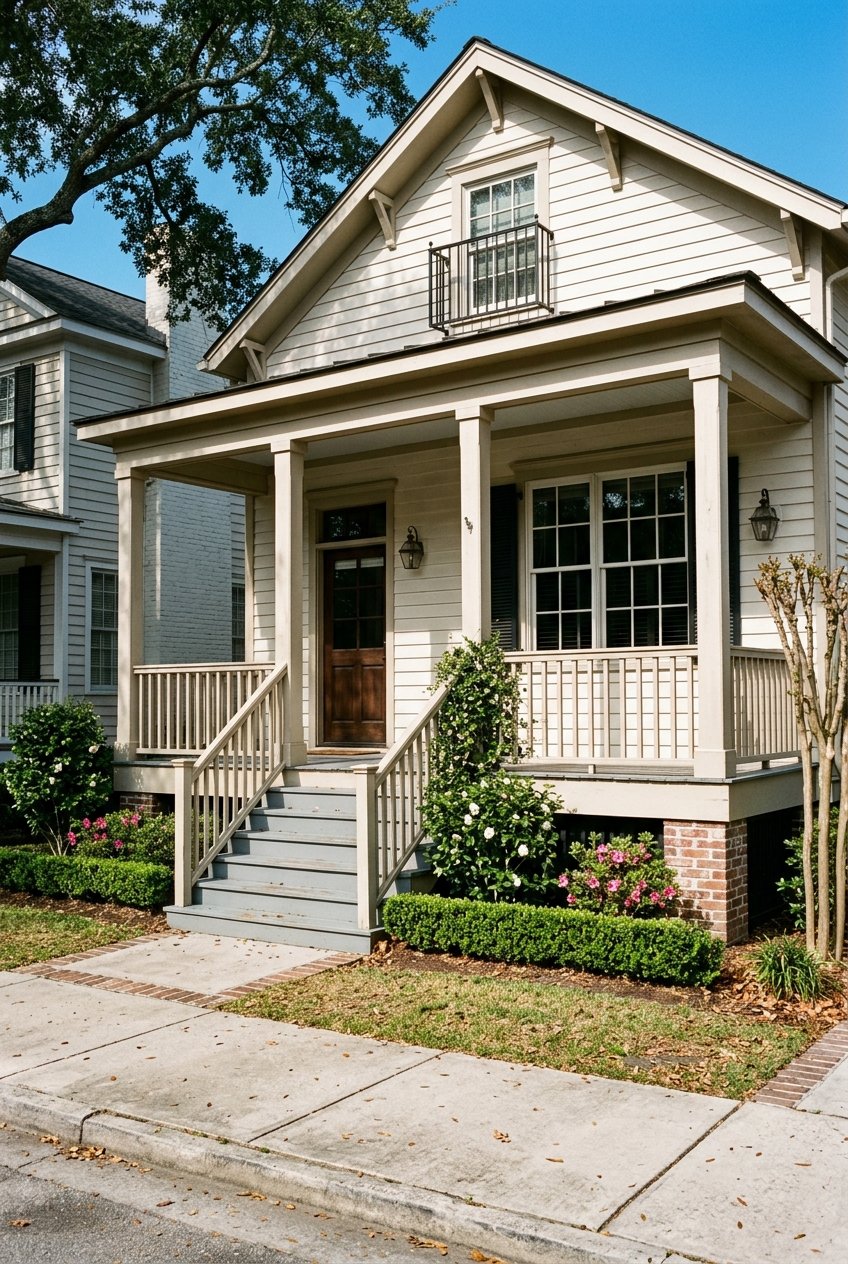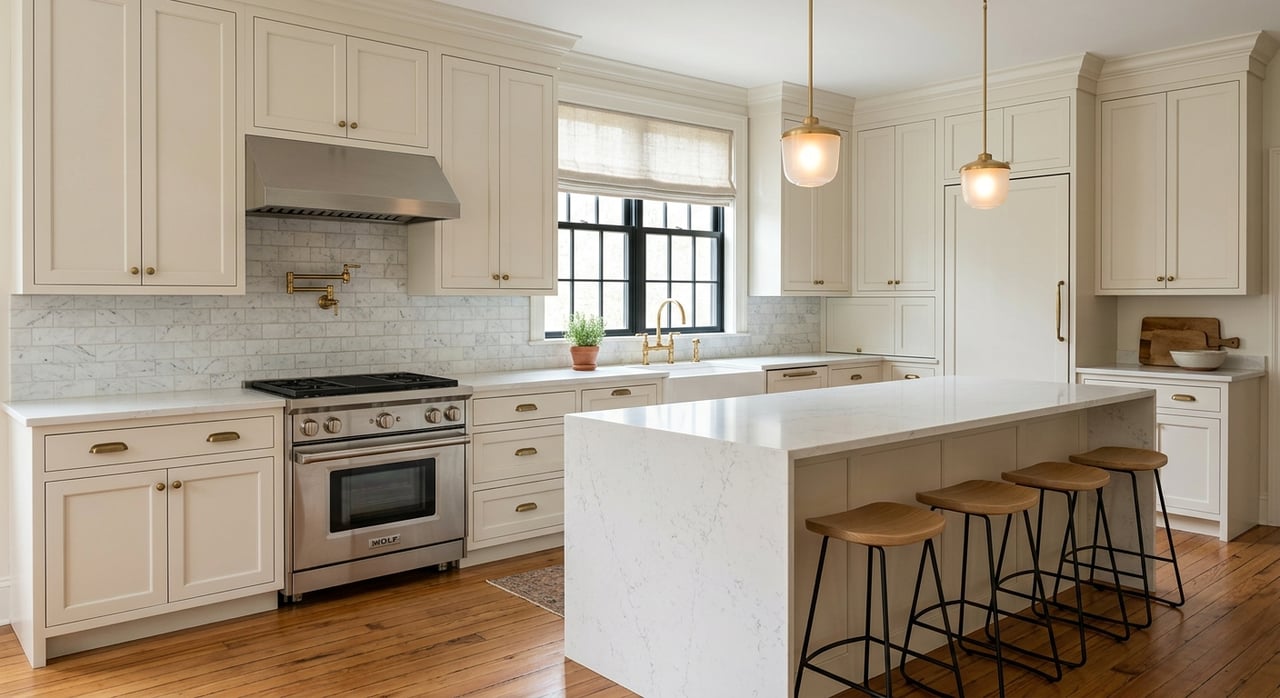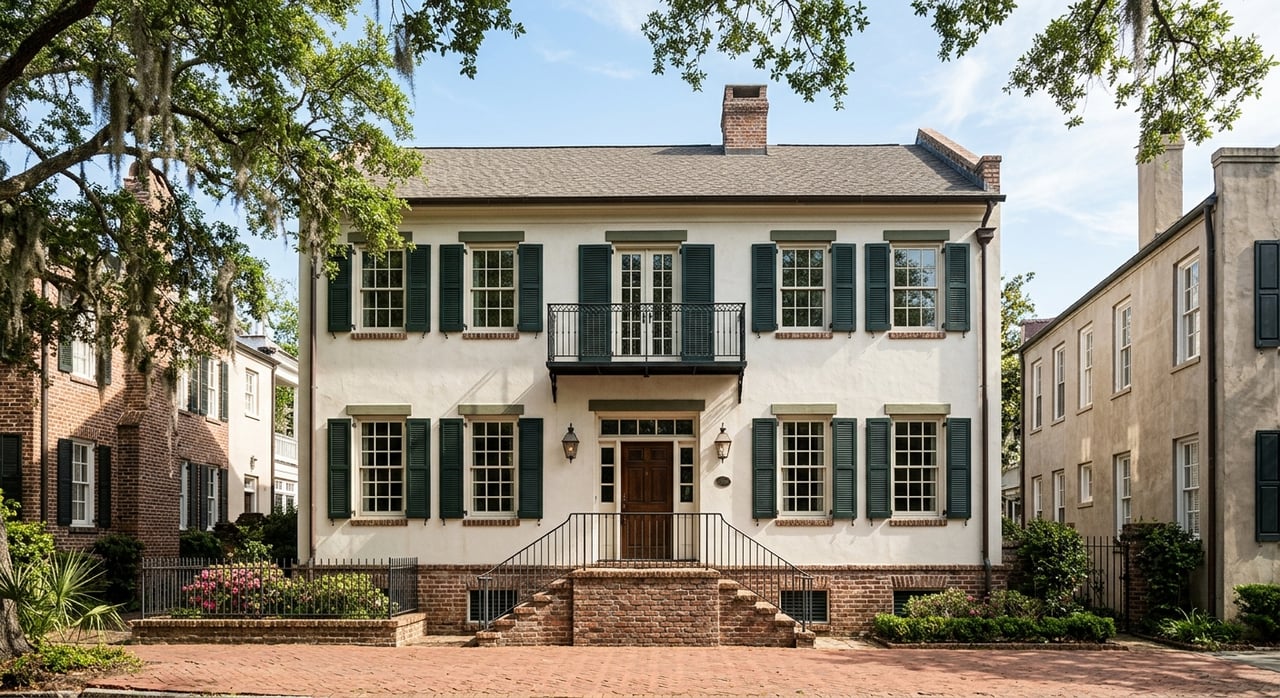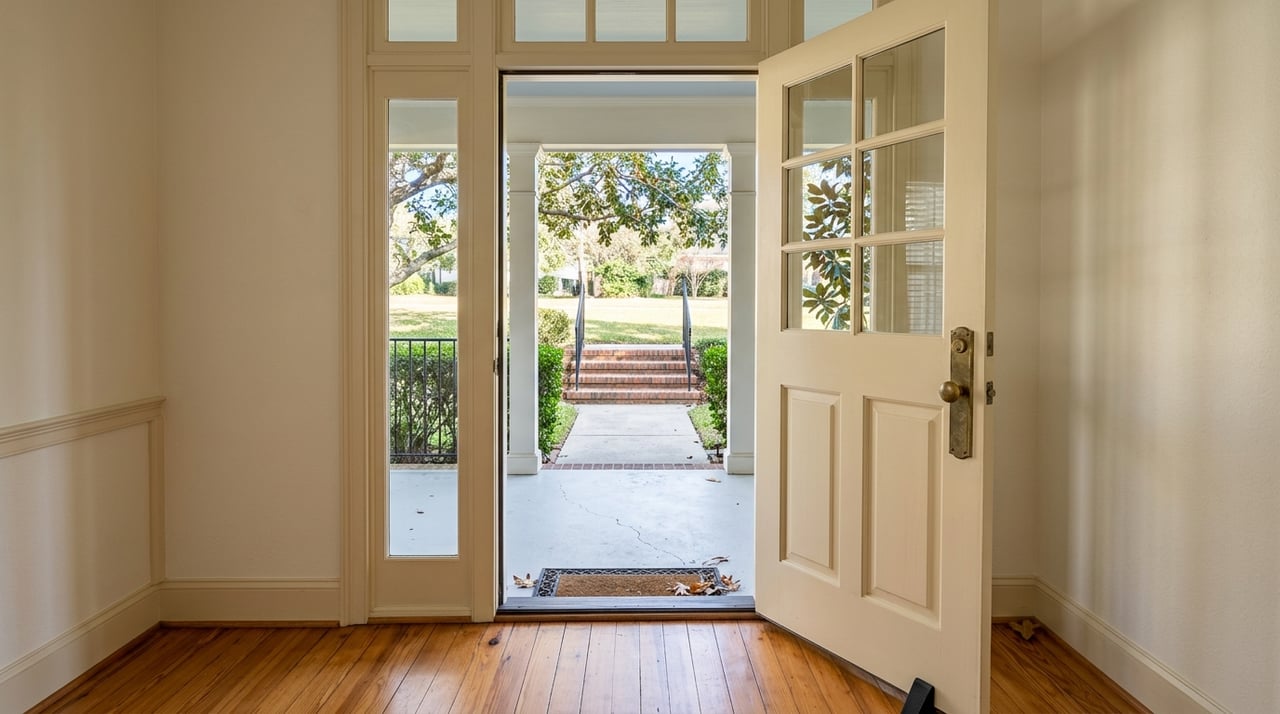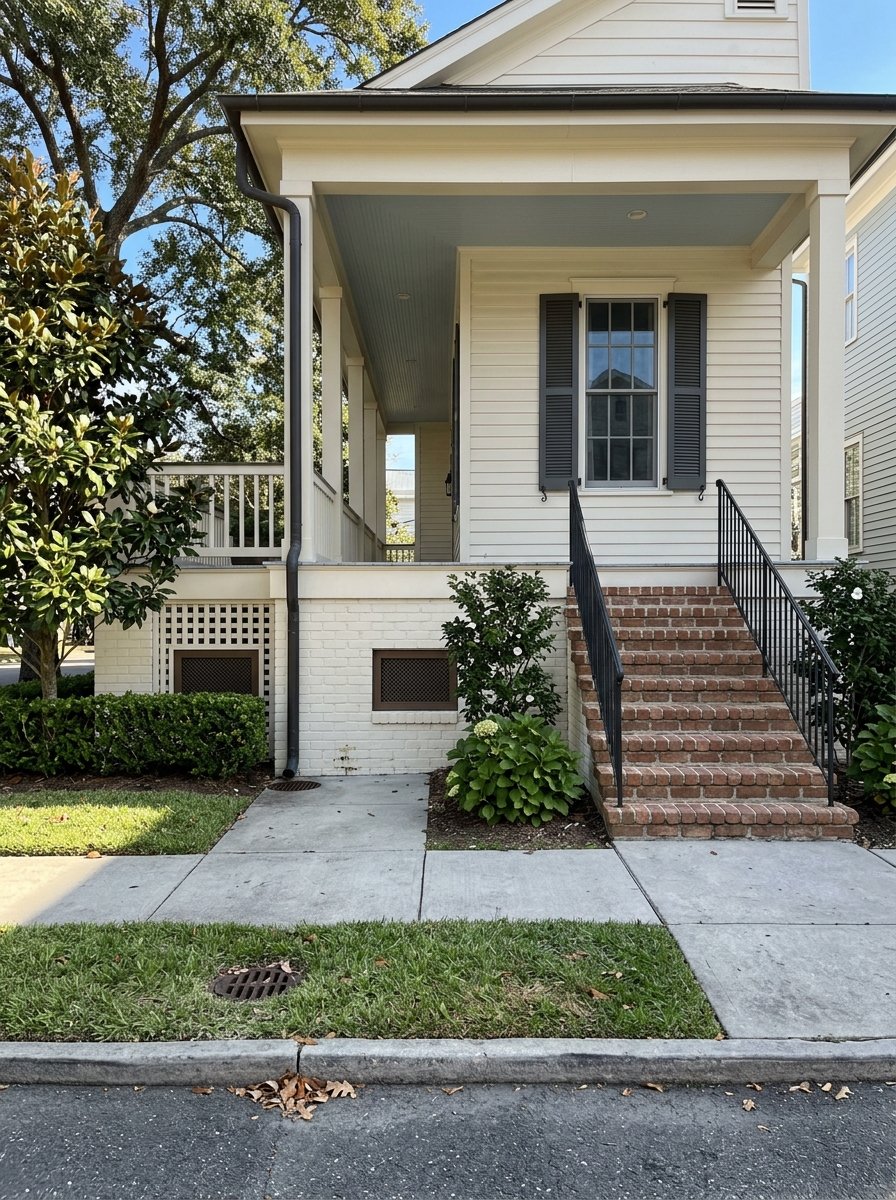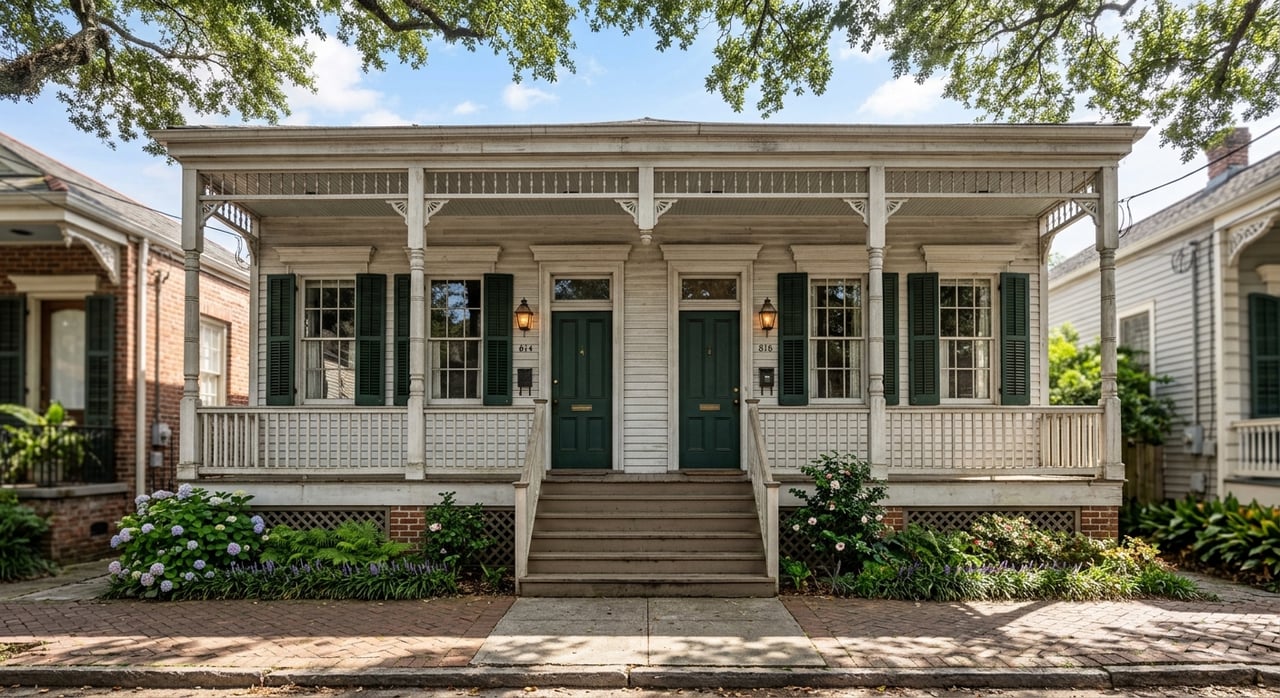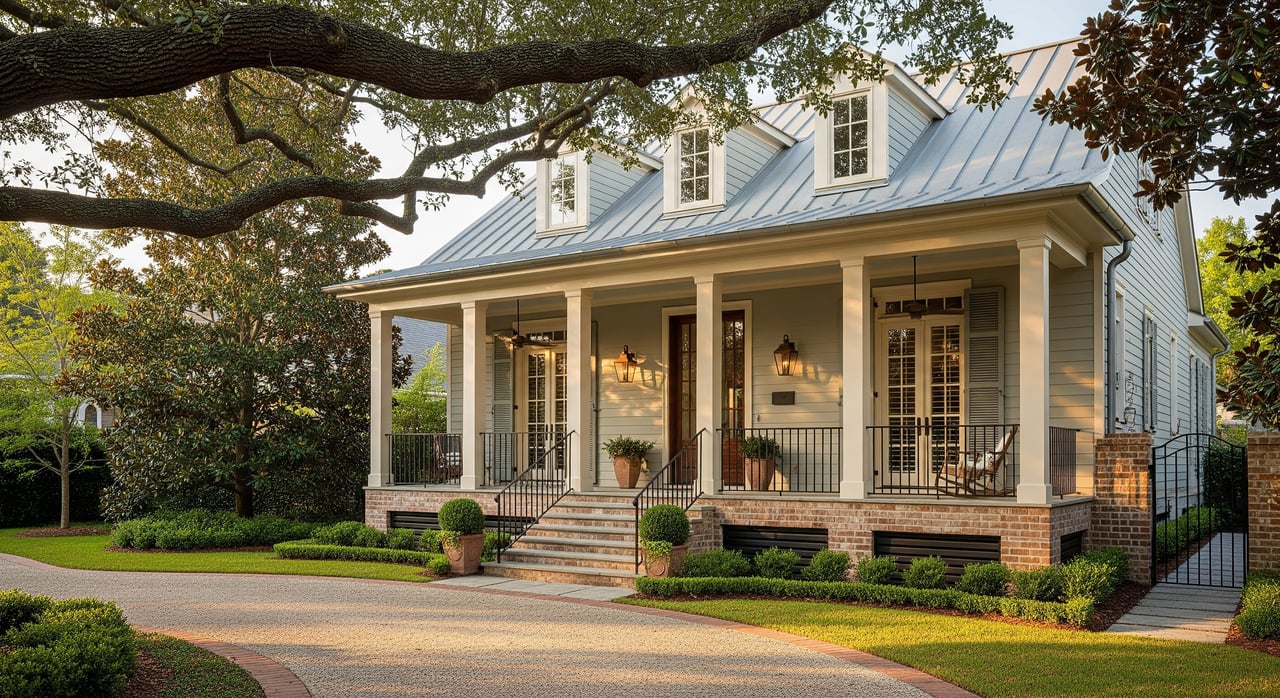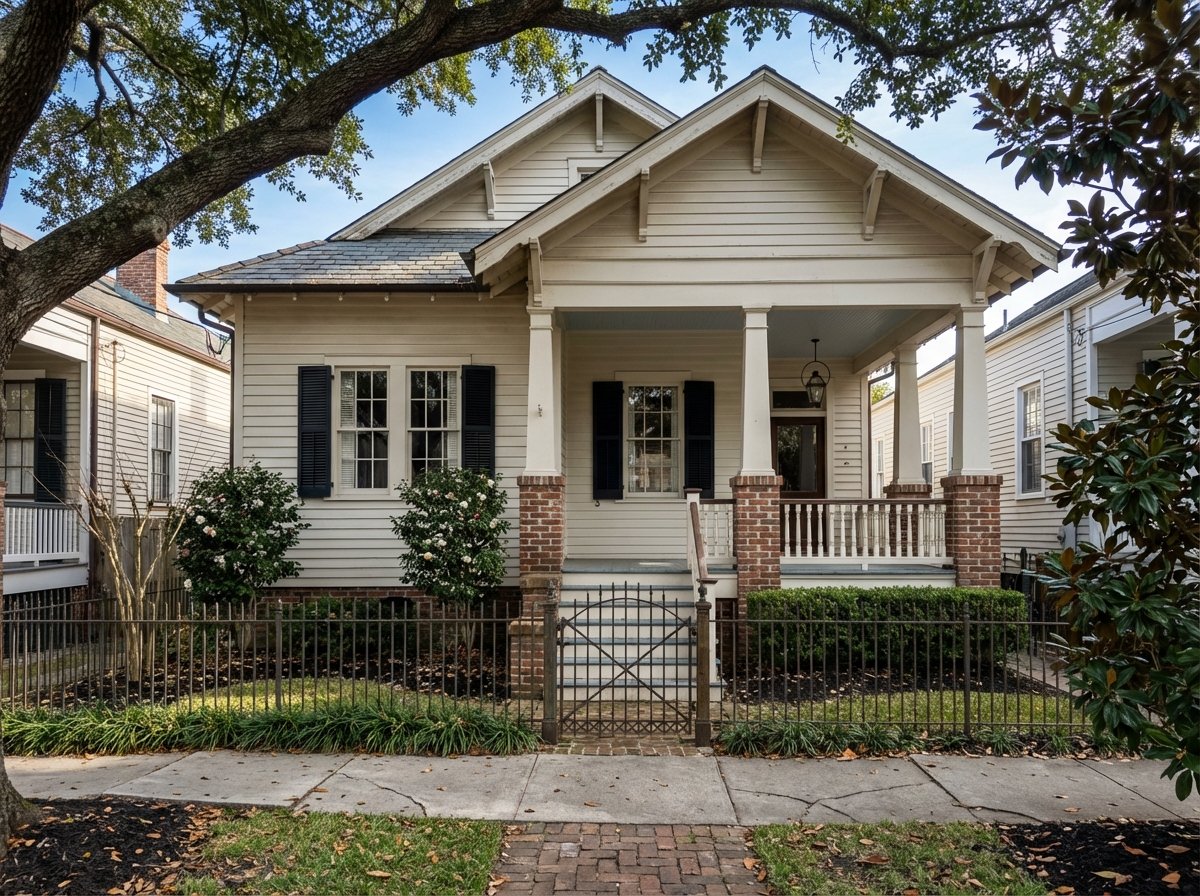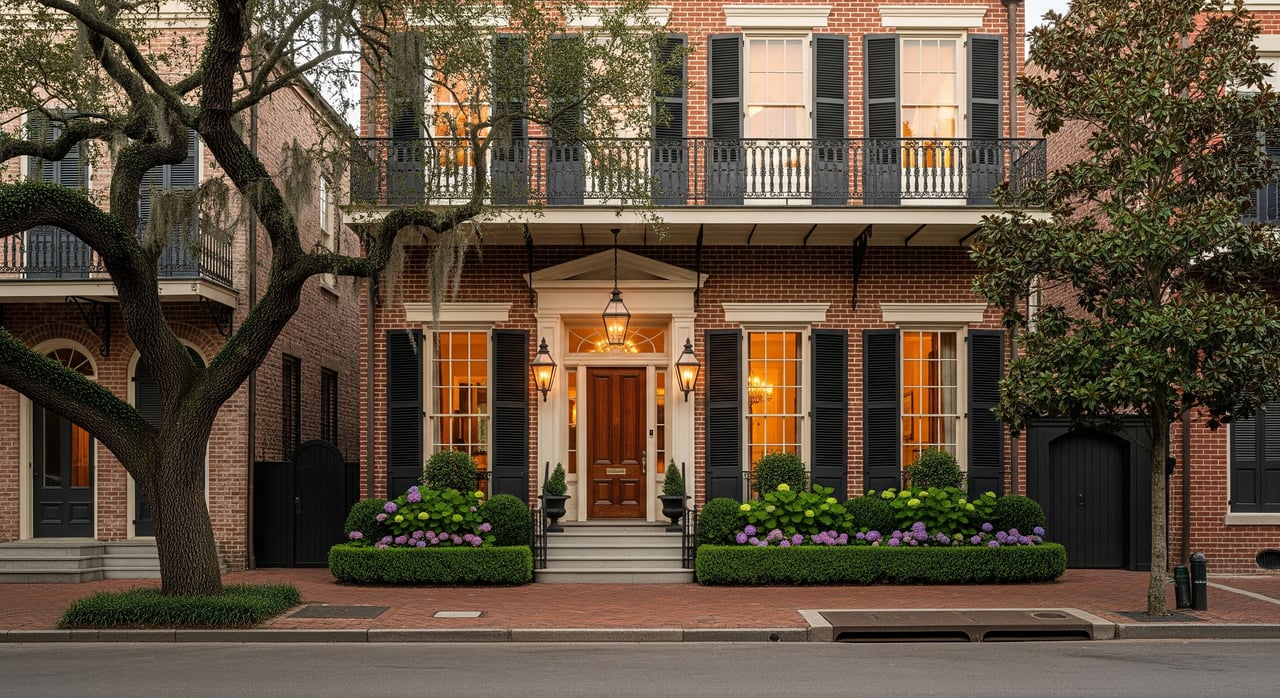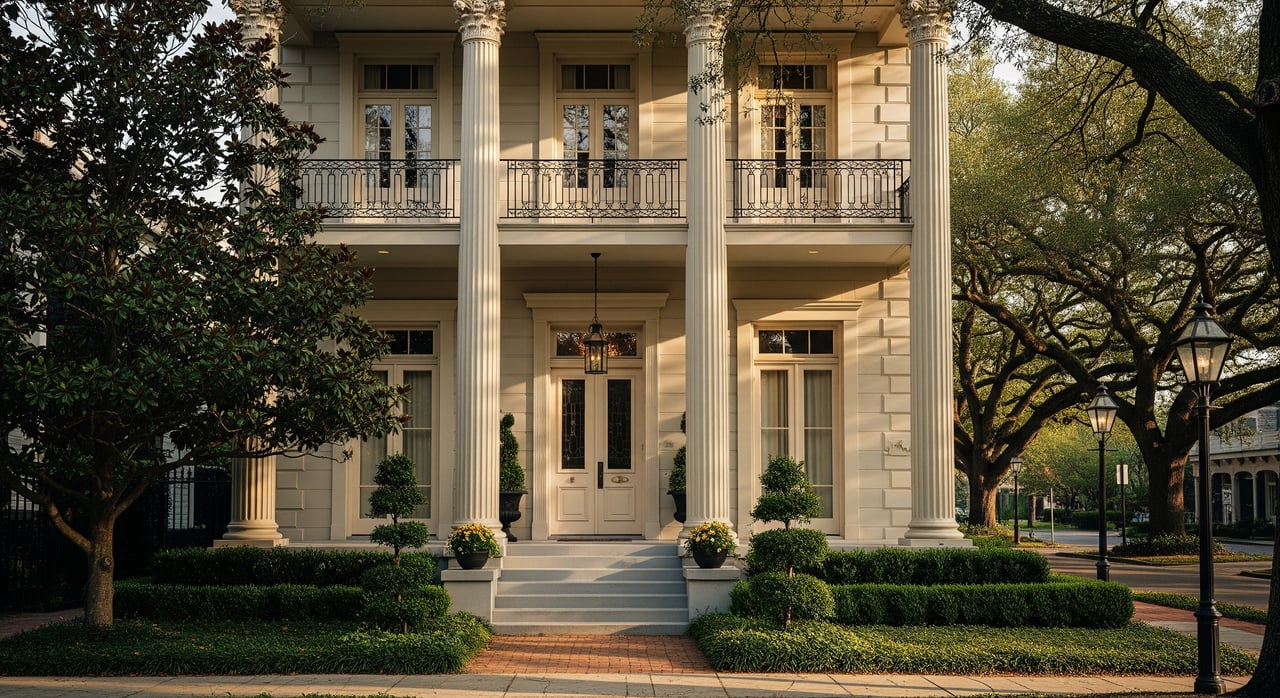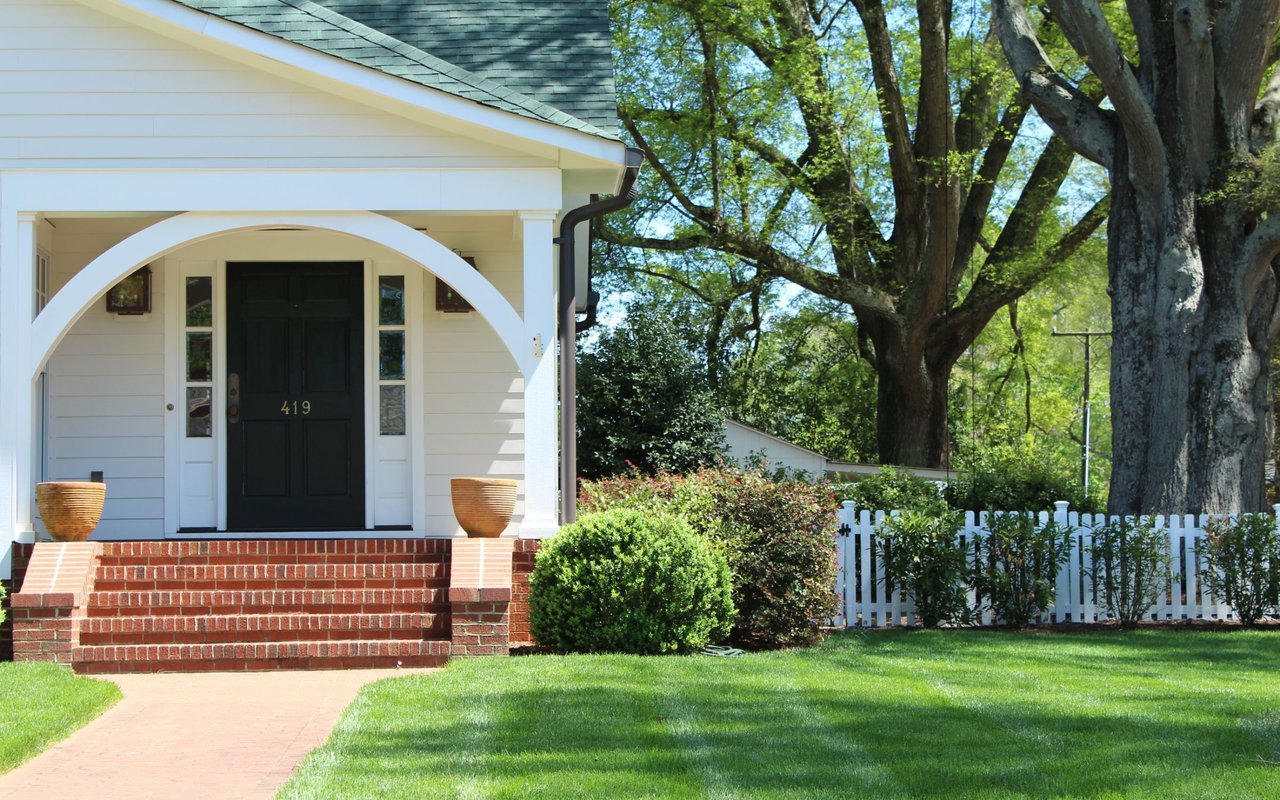
A buyer closes on a renovated double near Freret Street, the kind of place with two updated units, private entries, and a fenced yard that shows well in every listing photo. The plan is straightforward: live in one side, rent the other nightly to visitors during festival season and football weekends. Then comes the call from a permit consultant. The square is already spoken for. Someone two doors down has held the neighborhood's one short-term rental license for three years, and no amount of renovation quality changes that.
This is the scenario that catches Uptown investors off guard, and it is not a story about paperwork. It is a story about what actually determines a duplex's value in this market. Condition, finishes, and price per square foot matter, but in a city that caps short-term rental permits at one per square block, the permit status of the block is doing more work than the appraisal.
The house was never the asset
New Orleans regulates non-commercial short-term rentals, known as NSTRs, through a density cap: only one NSTR permit is allowed per city square, a Louisiana parish cadastral unit bounded by four streets. When more than one owner applies within the same square, the city breaks the tie with a lottery. That single rule reframes the whole due diligence process for a buyer who wants nightly income from an Uptown double. The question is not "can I get a permit." It is "has my square already given its one permit away."
The lottery itself runs on a fixed calendar rather than on demand. Application windows open roughly four times a year, in March, June, September, and December, each lasting about a week, and the drawings are conducted as live, randomized draws. A selected applicant has five calendar days to pay the permit fee or the slot passes to the next name drawn. An owner who misses that window does not get a do-over until the next quarter, and only if the square is still open. For a buyer trying to close on financing timelines, that is a meaningfully different rhythm than simply applying for a permit whenever the paperwork is ready.
There is a second constraint that rules out the obvious workaround. An owner or operator is generally limited to one non-commercial permit at a time, which means a buyer cannot simply acquire several Uptown doubles and license each one for nightly rentals. Anyone underwriting a portfolio strategy around NSTRs is underwriting a strategy the ordinance does not allow.
Two tracks, one shrinking
Uptown's multi-family inventory sits inside two entirely different regulatory tracks, and confusing them is the fastest way to overpay for the wrong kind of property.
| Non-Commercial (NSTR) | Commercial (CSTR) | |
|---|---|---|
| Who can apply | Any qualifying owner, subject to square-block availability | No one currently, new applications have not been accepted since June 8, 2023 |
| How supply is allocated | Quarterly lottery when a square has competing applicants | Fixed, existing licenses only |
| Ownership after recent rulings | Owner or on-site operator permit, one per person | Corporate and LLC ownership now permitted following a Fifth Circuit ruling |
| What a buyer is actually purchasing | The right to enter a lottery, not a guaranteed license | A scarce, transferable license attached to a specific property |
The CSTR column is the more revealing one. The city stopped accepting new commercial short-term rental applications in June 2023, and that moratorium has held. That means every existing CSTR license in Uptown is part of a fixed, non-replenishable supply. A property that already holds one is not competing against future applicants, because there are none. It is trading in a closed market. For an investor comparing two similarly priced doubles, one with an active CSTR license and one without, the license is arguably the more valuable line item on the settlement statement.
The ownership rules around that license also just changed. A federal appeals court had barred entities like LLCs from holding short-term rental permits, tying licenses to individual residents. In October 2025, the Fifth Circuit Court of Appeals struck down that restriction as unconstitutional, which means corporate structures can now acquire existing CSTR licenses. The practical effect is narrower than it sounds: since no new CSTR permits are being issued, this ruling only matters for buyers acquiring a property that already holds one. It does not create new commercial licenses, it just widens who can hold the ones that already exist.
The rules keep almost changing
None of this sits still. In early August 2026, the New Orleans City Council announced that the Fifth Circuit had upheld the city's density cap and its platform verification system, the requirement that booking platforms confirm a listing's permit before it can accept a reservation. That ruling affirmed the district court's prior dismissal of most of the legal challenge to the ordinance. So the one-per-square cap and the verification requirement are, for now, settled law.
What is not settled is a separate reform package first introduced back in 2023 that would go much further. The most consequential piece would eliminate NSTRs as a recognized land use entirely, stripping every reference to residential short-term rentals from the city's zoning code. A second, competing motion would instead create a new interim zoning district to hold the same properties. The package has been deferred repeatedly since it was first introduced, most recently landing on an August 6, 2026 council hearing, the last date confirmed at the time of this writing.
The pattern matters more than any single hearing date. A proposal that has been pushed back for three straight years is not proof that change is imminent, but it is proof that the category an Uptown buyer is underwriting against has never fully stabilized. Anyone structuring a purchase around future NSTR income should treat that zoning question as open, not settled, and should build in the possibility that the rules governing the property could look different a year from now than they do today.
What this means for the numbers you already have
Buyers researching Uptown right now are also looking at a citywide market that has cooled from its recent peak. Over the three months ending June 2026, the median sale price across New Orleans was $350,000, with homes taking a median of 58 days to sell. In June 2026 alone, homes sold for about 96.4 percent of asking price, a ratio that points to buyers holding more negotiating leverage than sellers. As of July 2026, price per square foot had actually moved the other direction, up nearly 15 percent year over year, which suggests the softening is concentrated in certain price points and property types rather than across the board.
That citywide softness is a separate variable from everything above, and treating them as the same thing is a mistake. A lower asking price on an Uptown double tells you something about competition for that listing. It tells you nothing about whether the square already has an NSTR permit, whether a CSTR license transfers with the sale, or whether the operator-residency requirement applies to your intended use. Two duplexes a block apart can carry similar price tags and radically different rental futures, and the only way to know which one you are buying is to check the permit status before you check the comps.
Before you write an offer
A few questions worth asking early, ideally before earnest money is at risk:
- Does this specific property currently hold an active NSTR or CSTR permit, and does that license transfer to a new owner or does it terminate at sale
- If there is no existing permit, has this square already reached its one-per-block NSTR limit, and if so, when does the next application window open
- If the property is being marketed with commercial short-term rental potential, is that based on an active, transferable CSTR license, since no new commercial licenses are being issued
- Does the intended use require the owner or an on-site operator to reside at the property, and does that match the buyer's actual plans
None of these questions show up on a standard listing sheet. They show up in a conversation with the city's Short Term Rental Administration, or with someone who tracks this market closely enough to already know the answer for a given square.
That is the layer where local expertise actually earns its keep, not in describing a neighborhood's charm but in knowing which block still has an open lottery slot and which one closed years ago. If you are evaluating an Uptown double, a Magazine Street corridor fourplex, or any multi-family property with rental income in the plan, Ashley Nesser can walk through the permit picture for a specific address before you write an offer. Let's Connect.