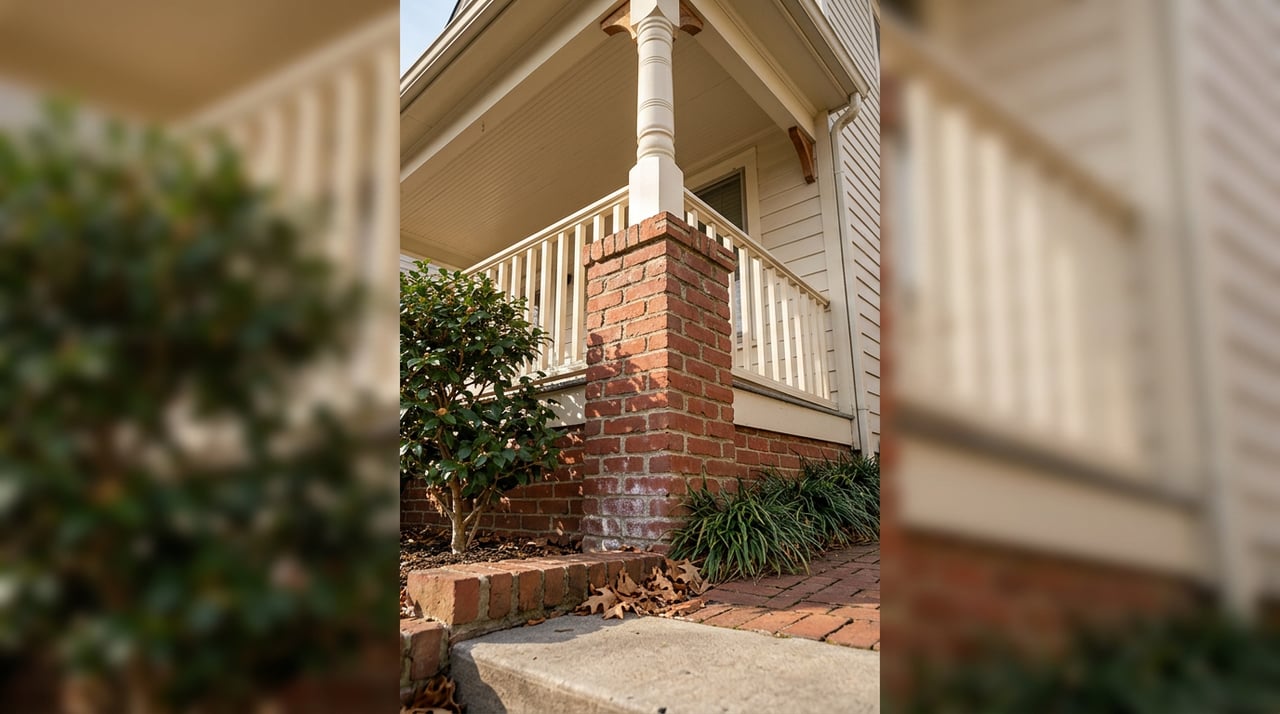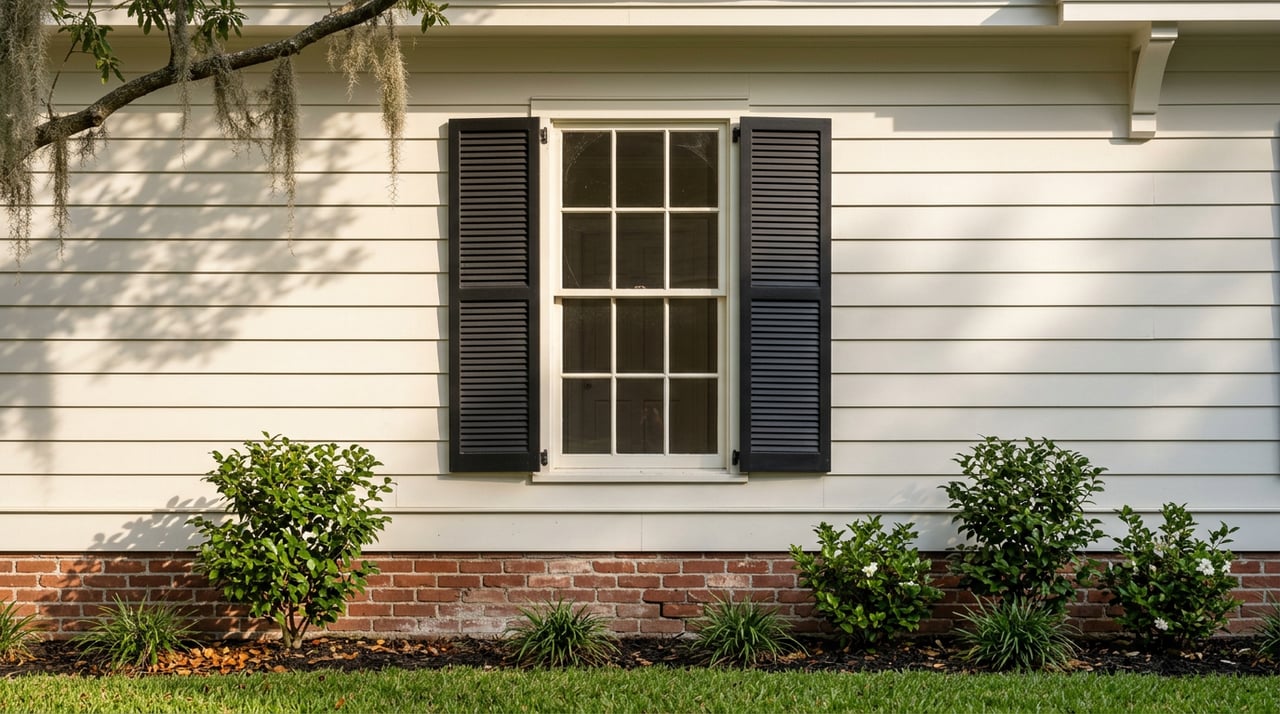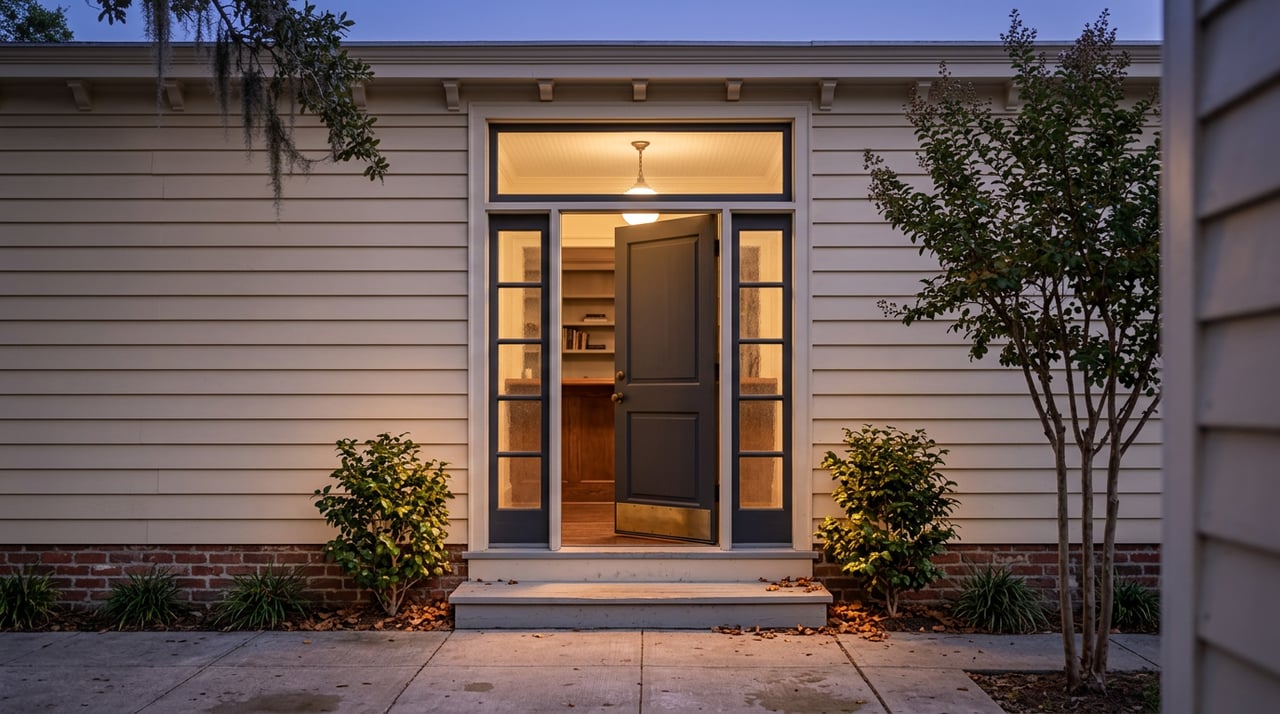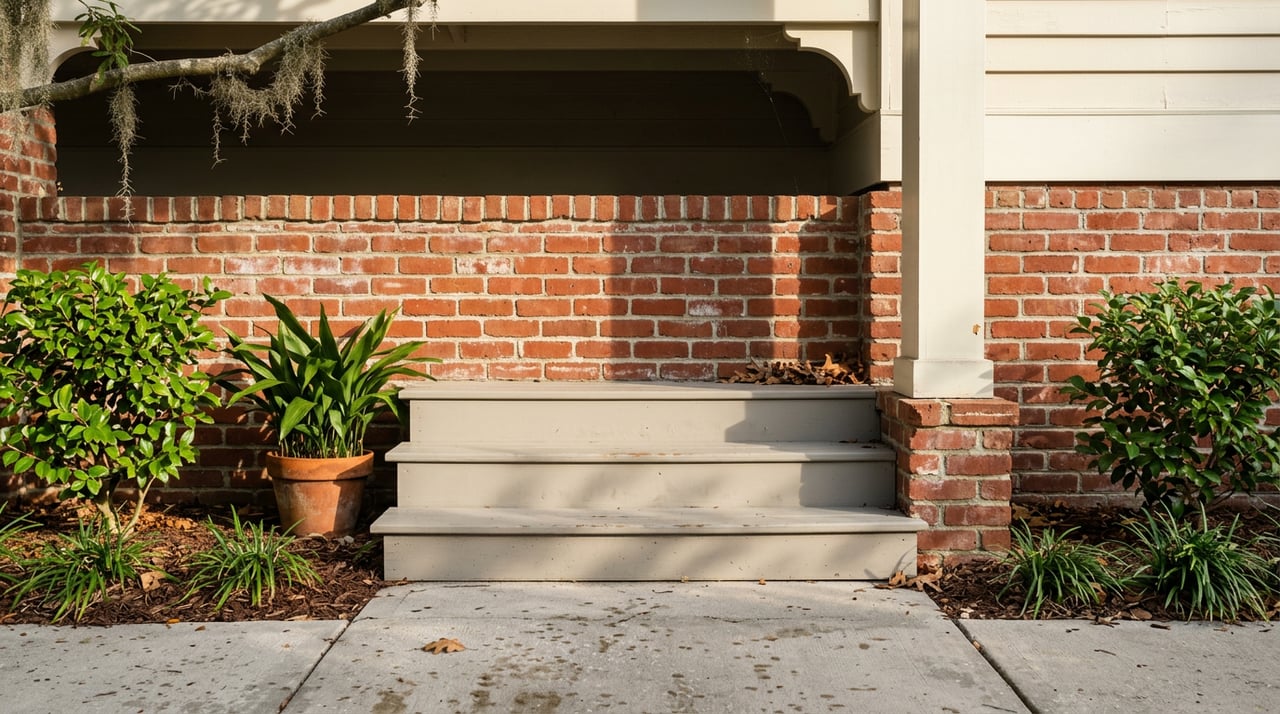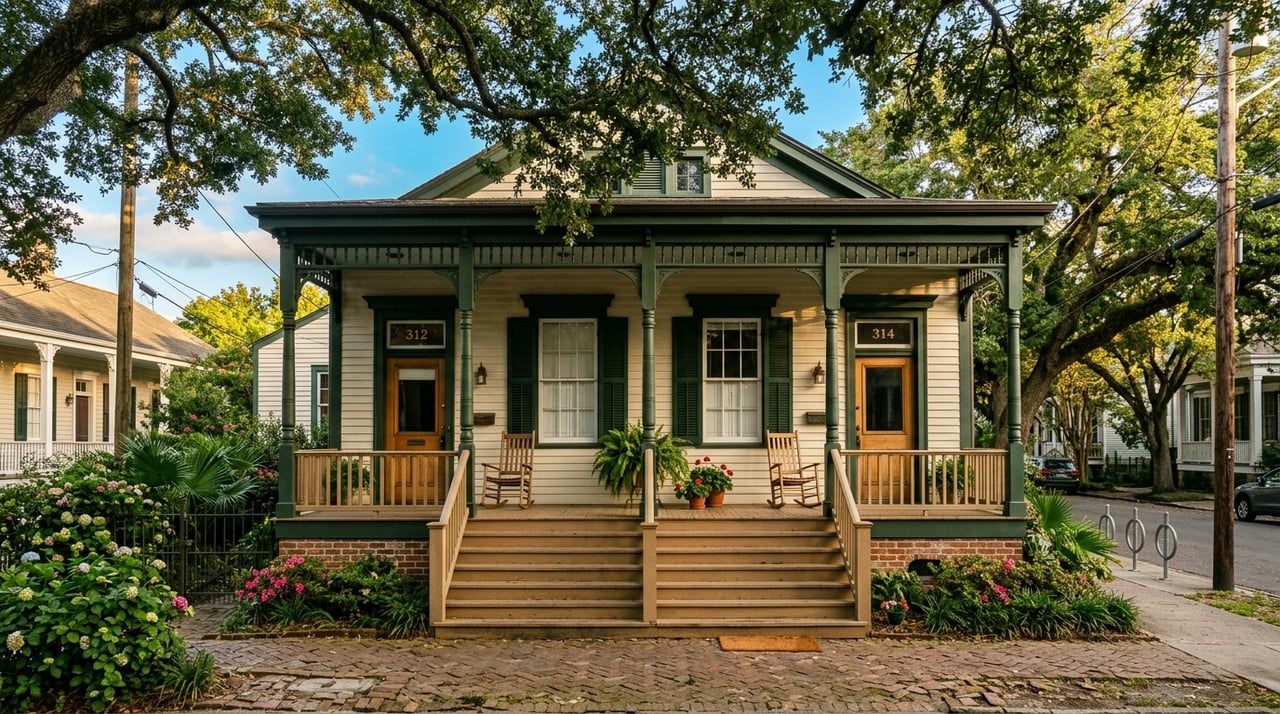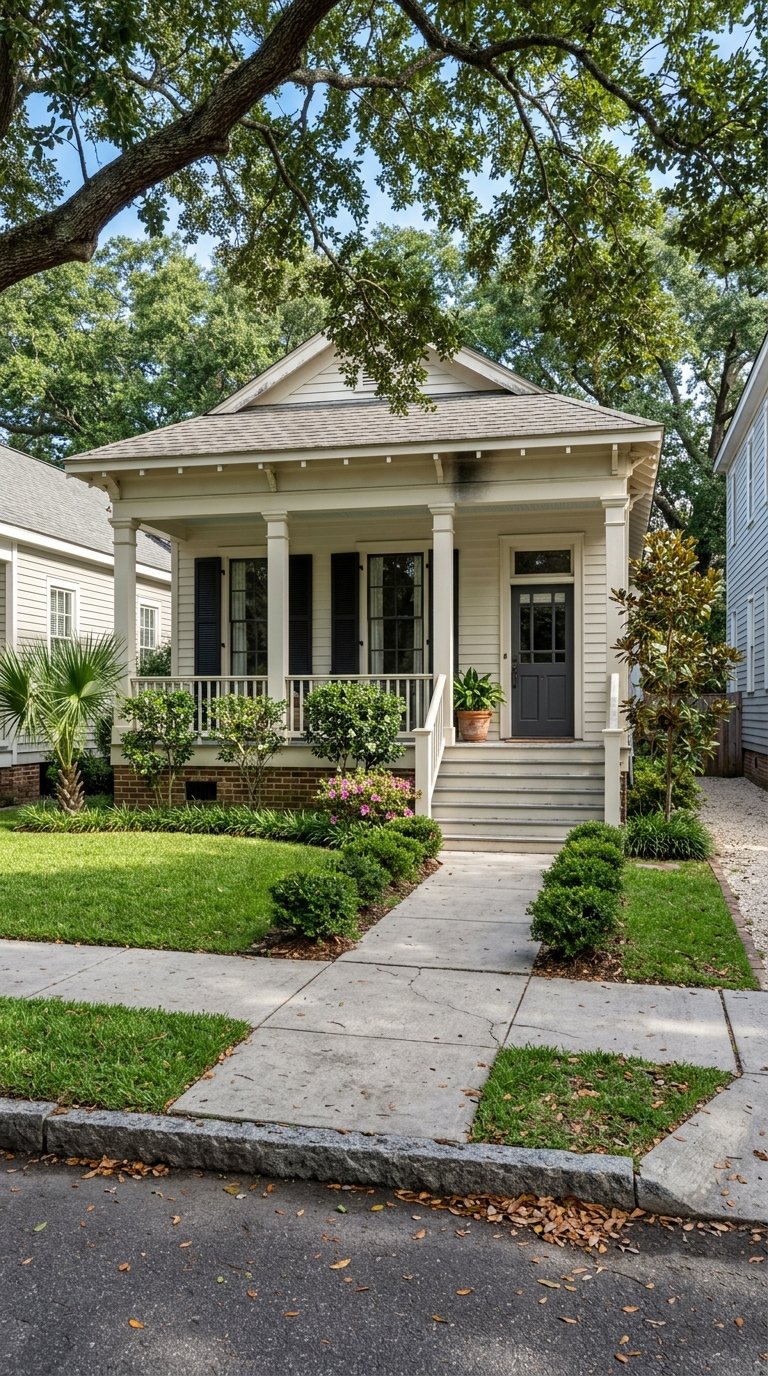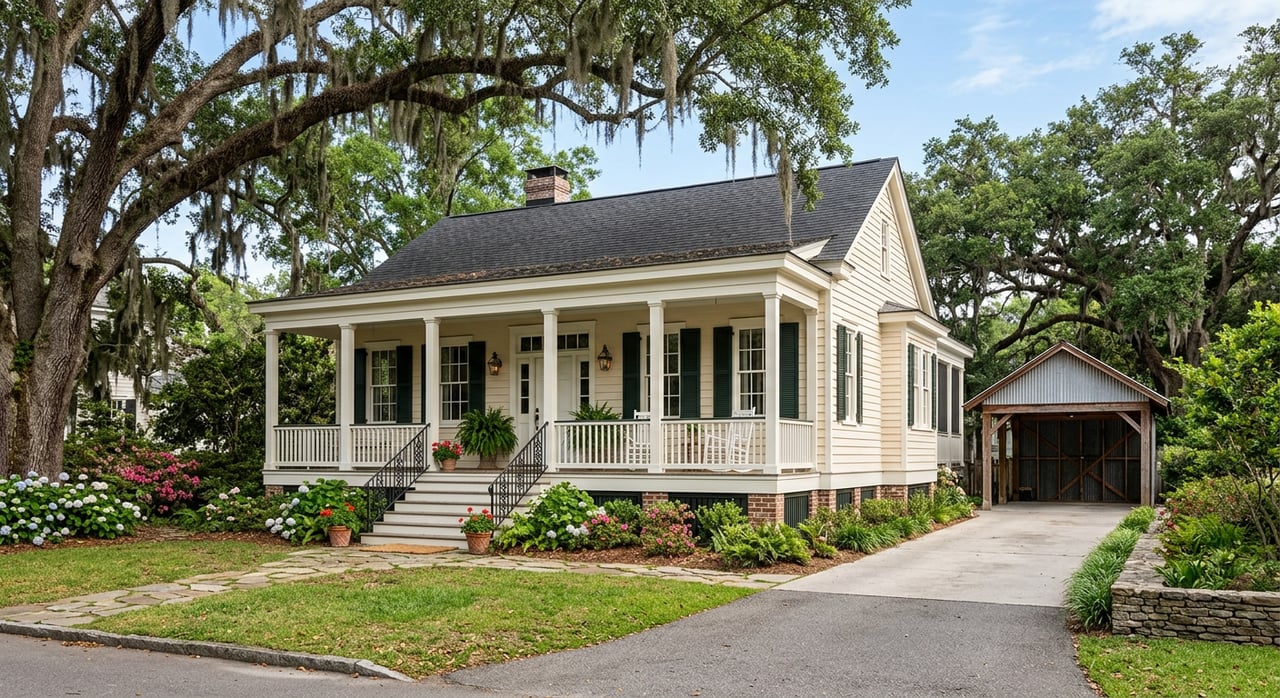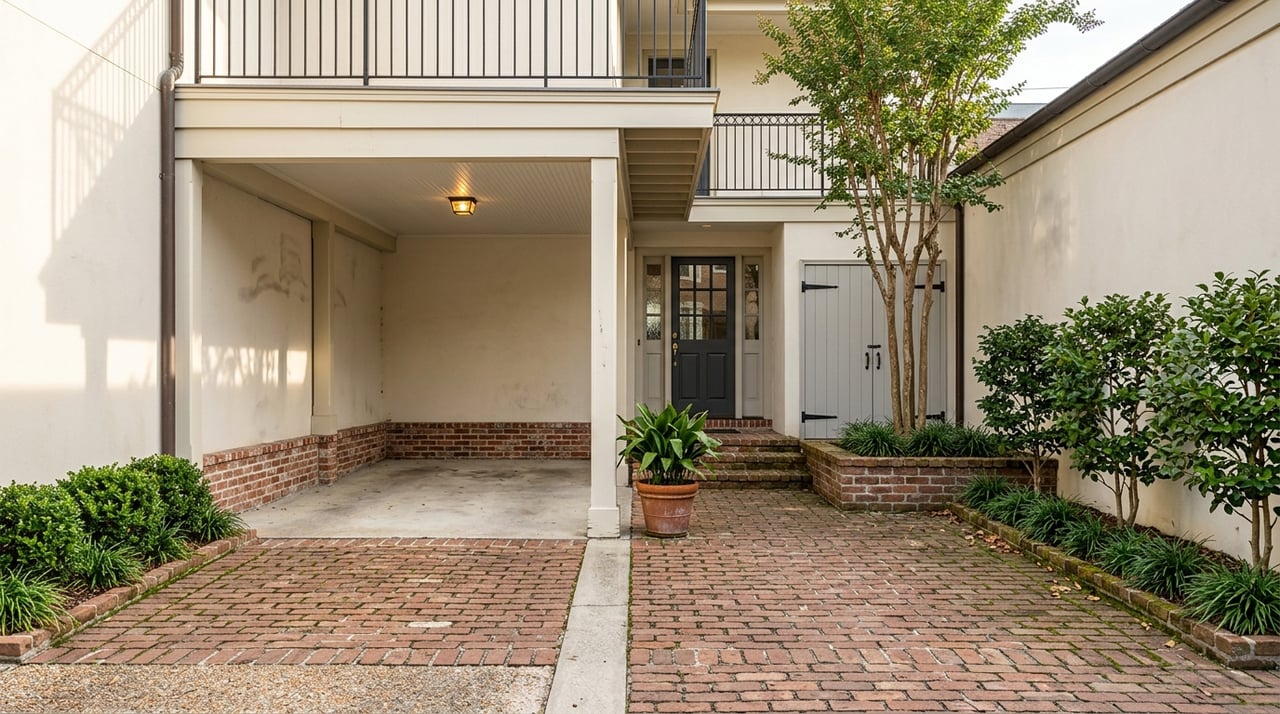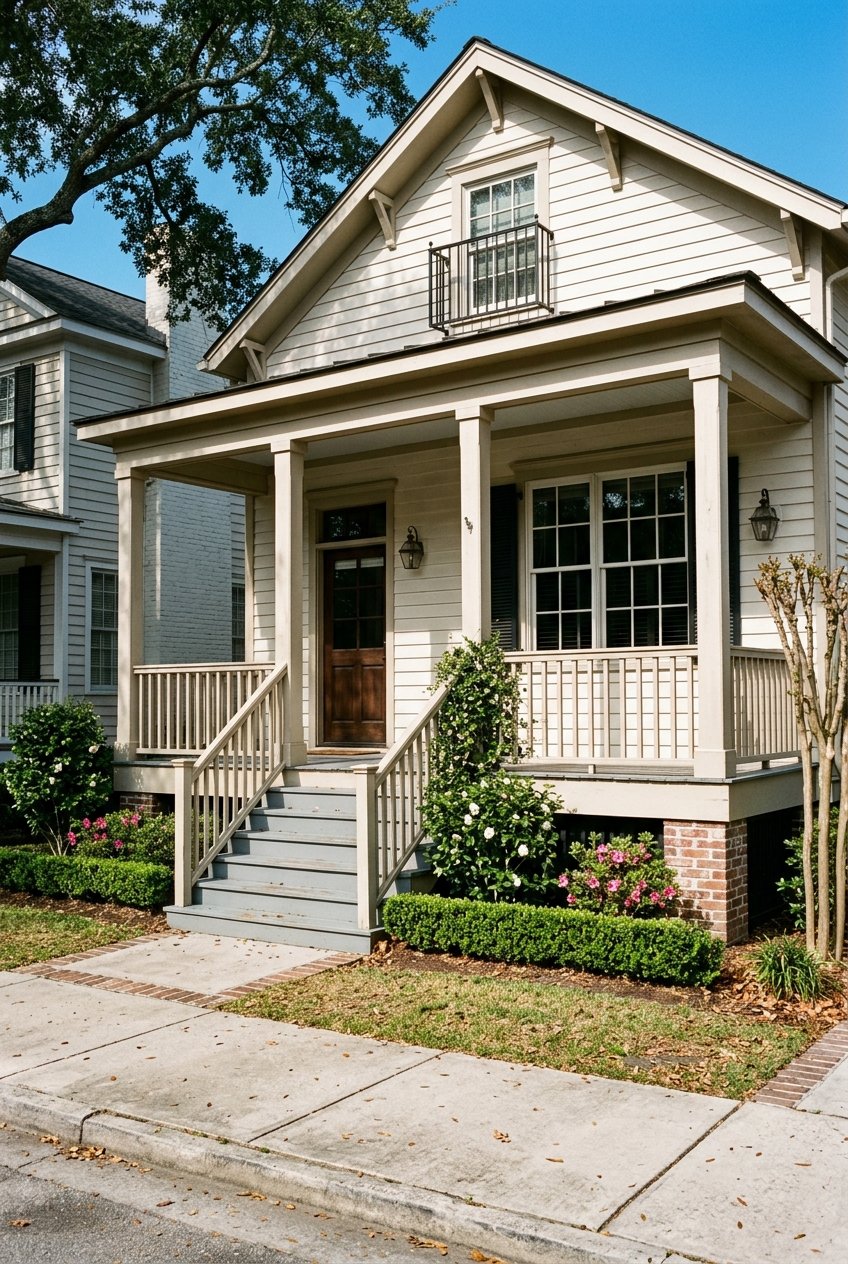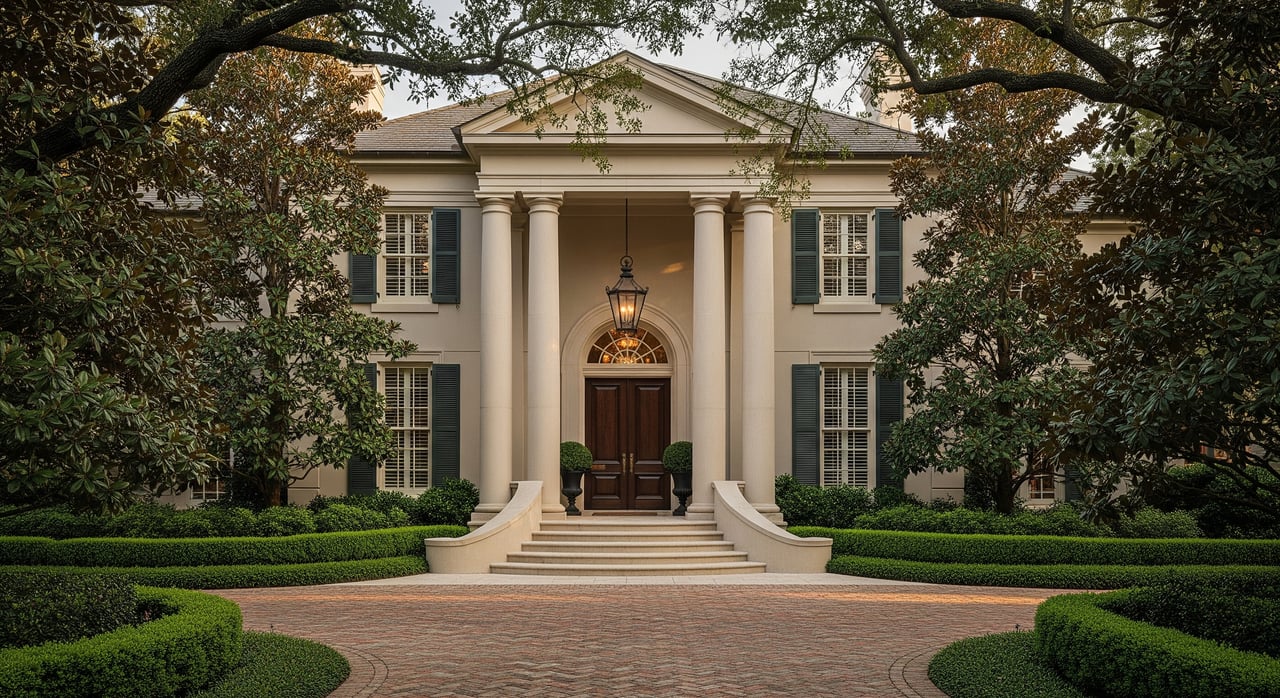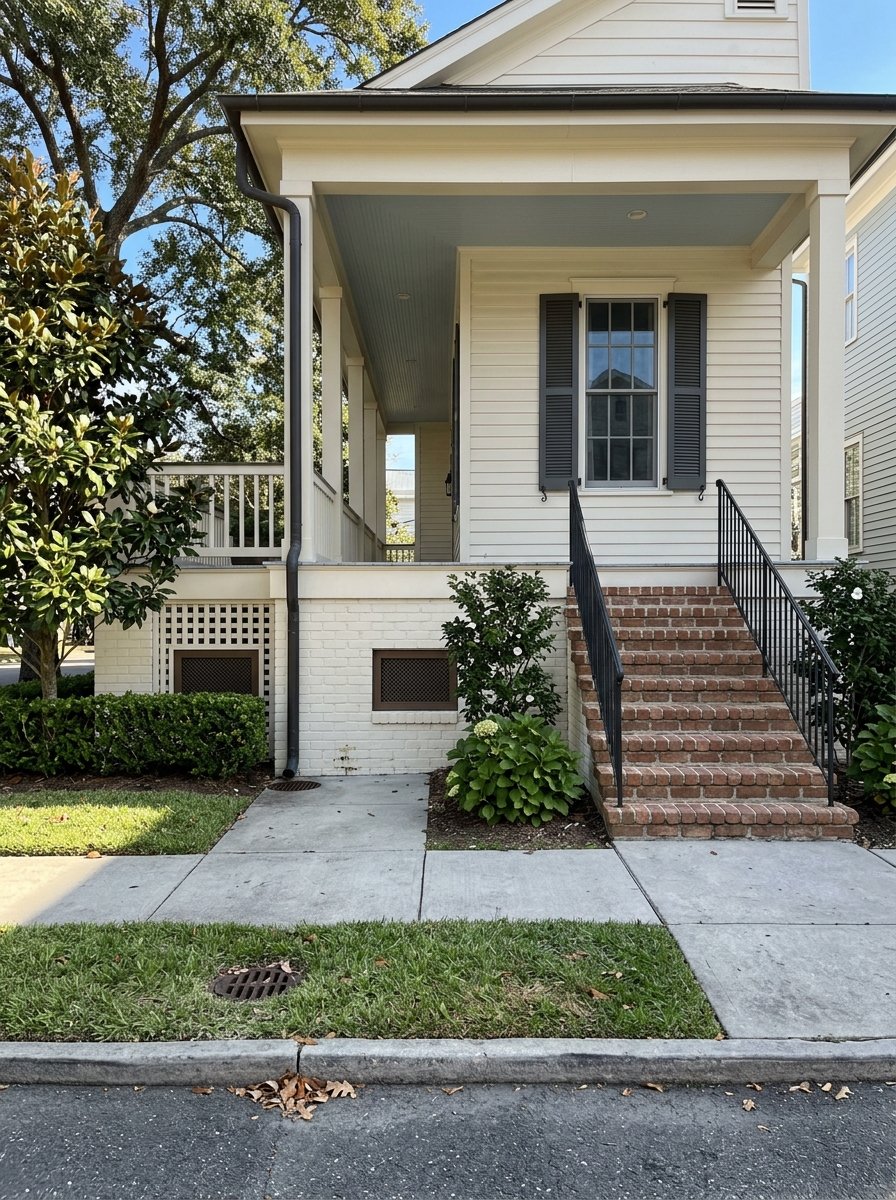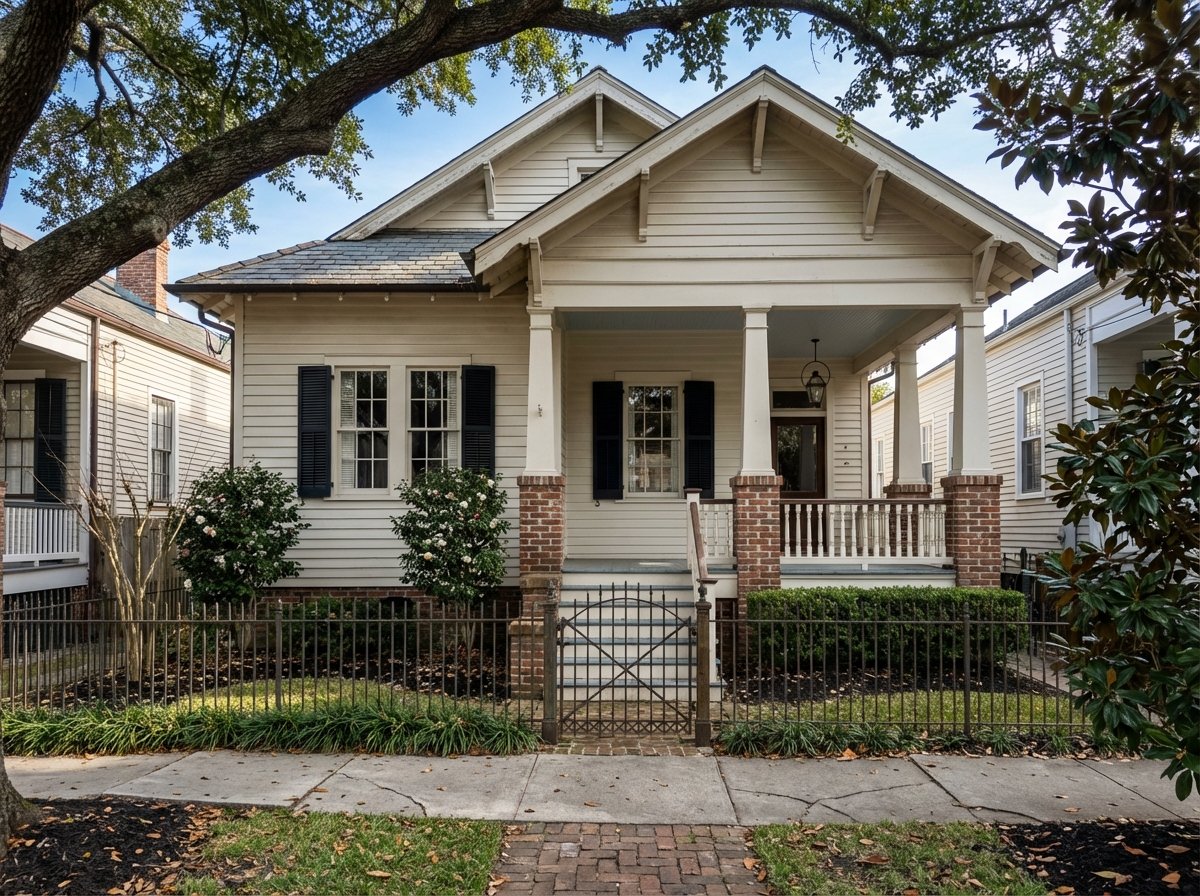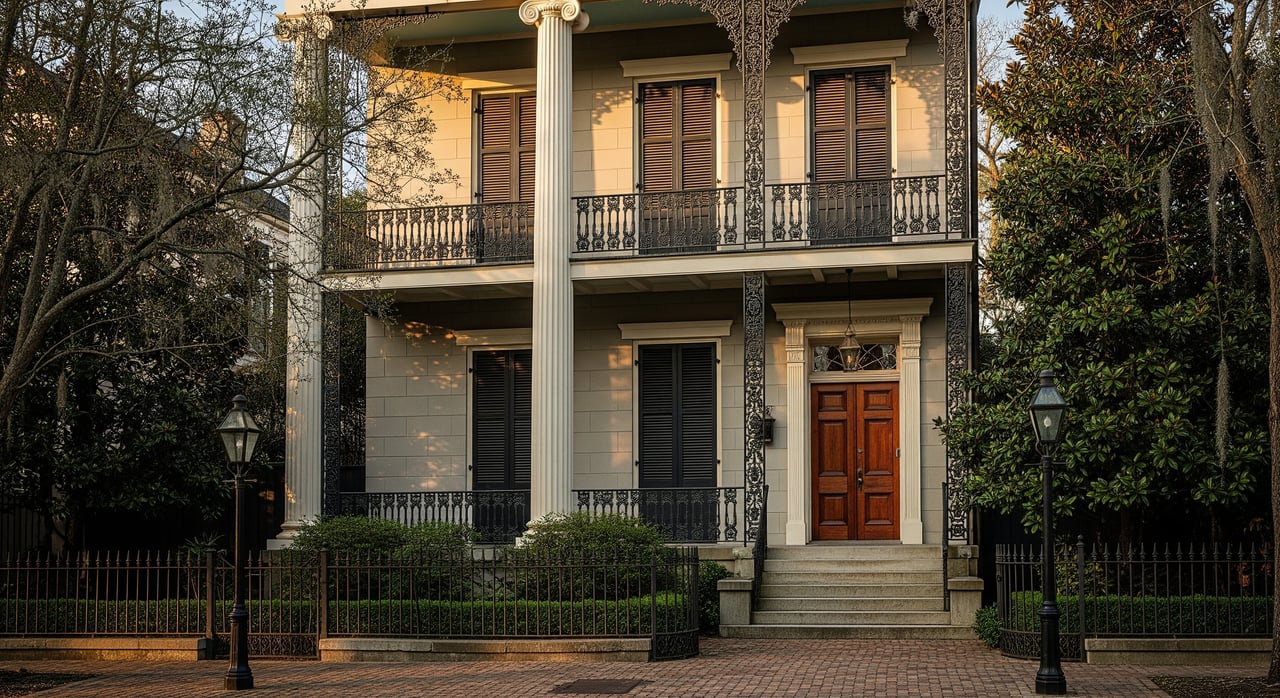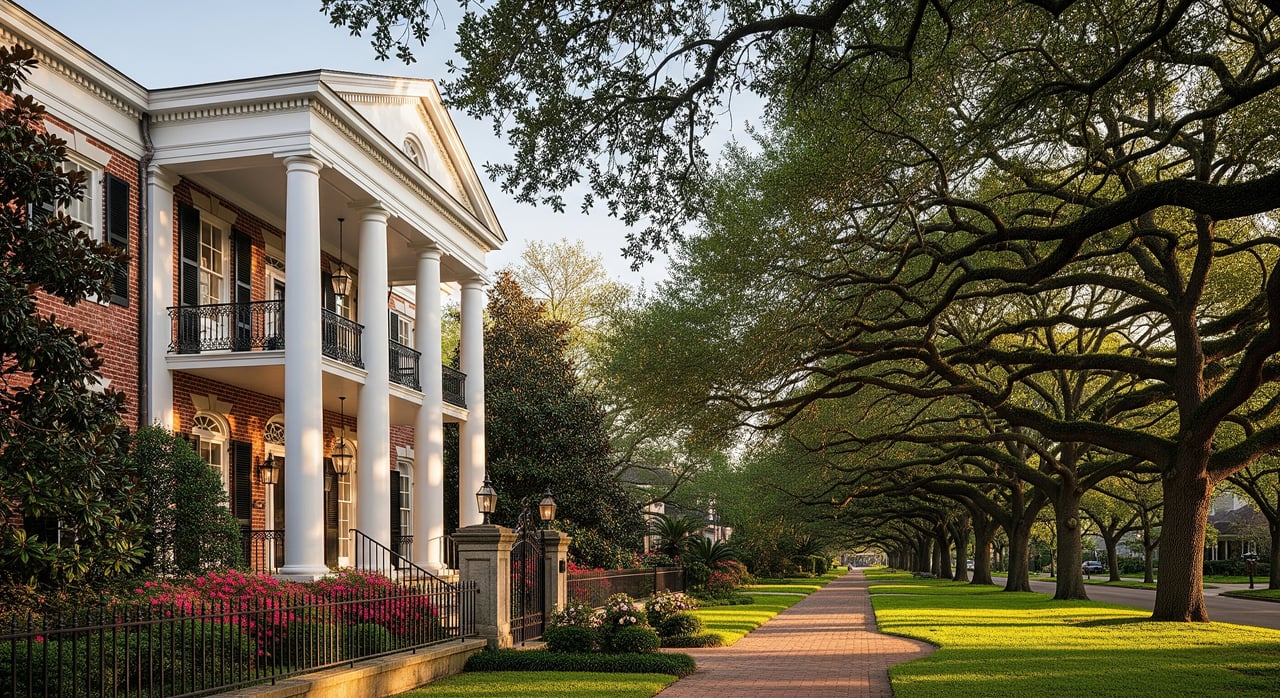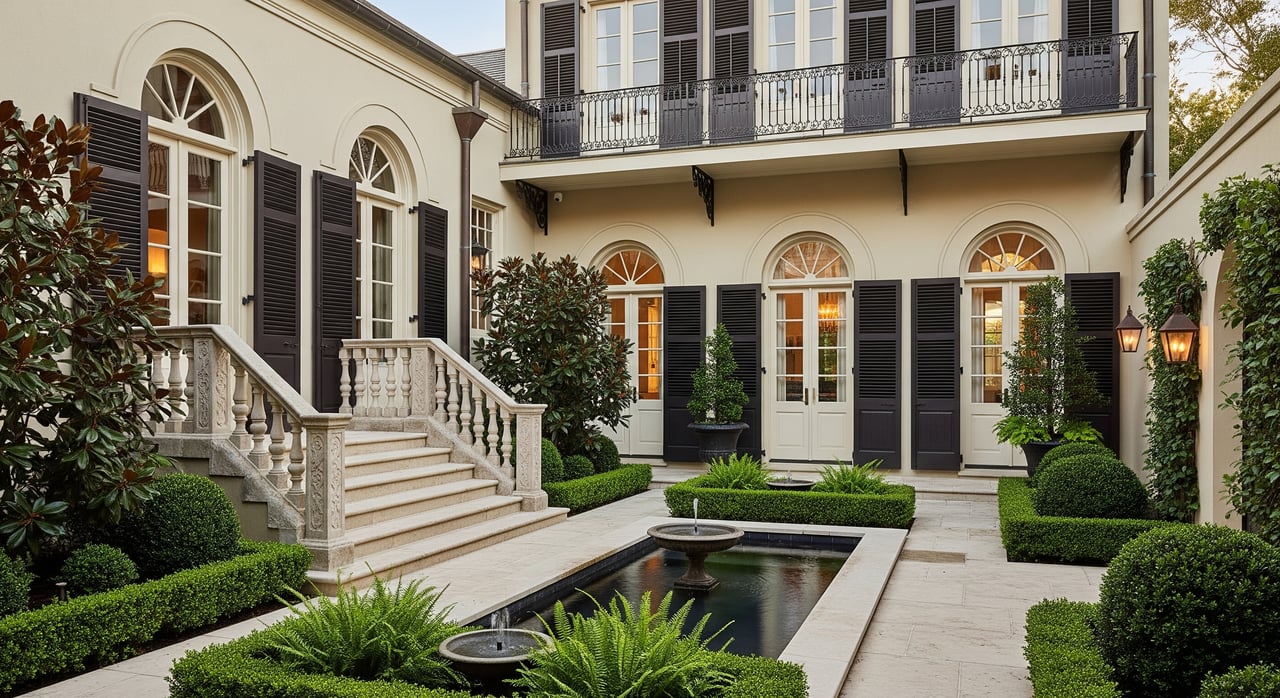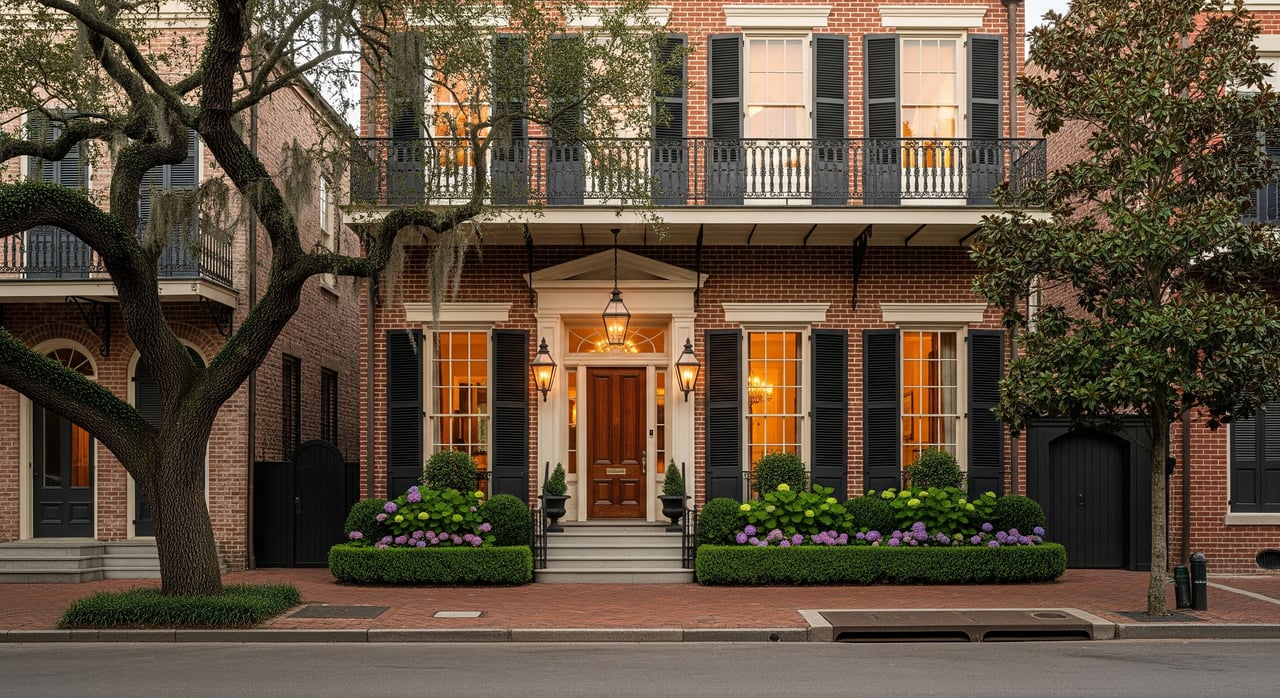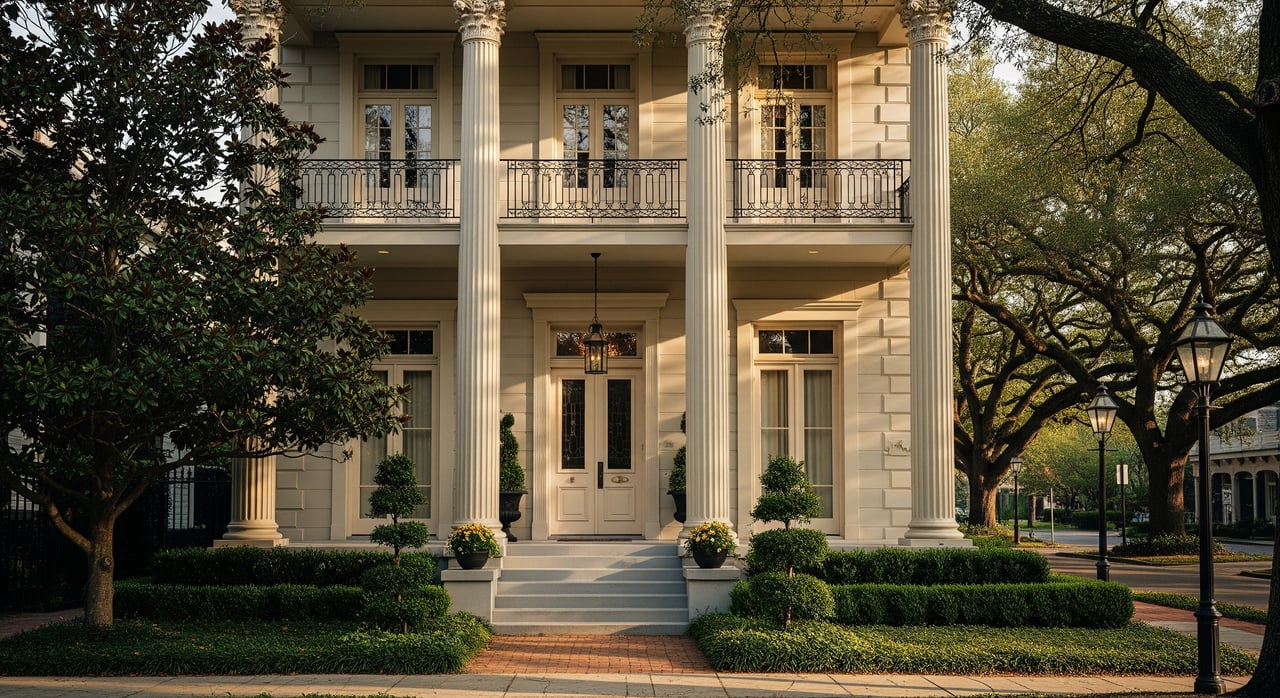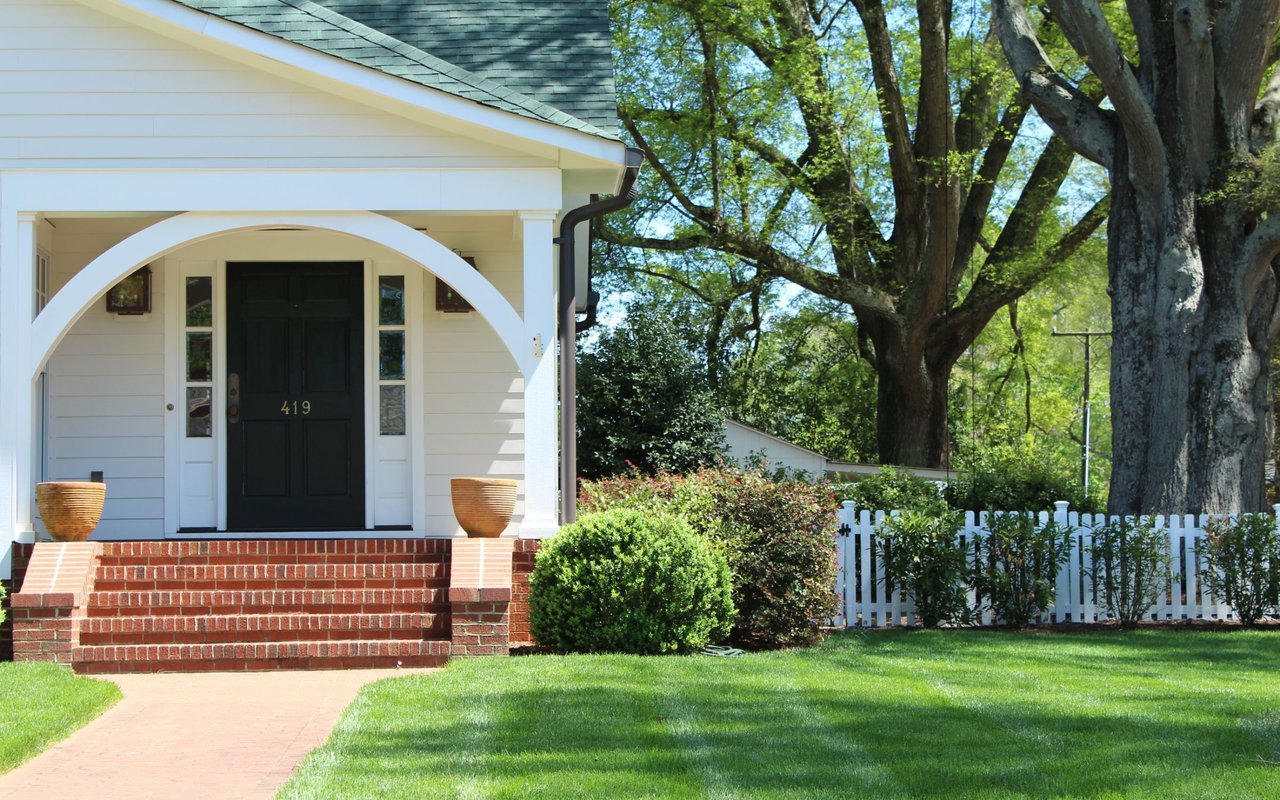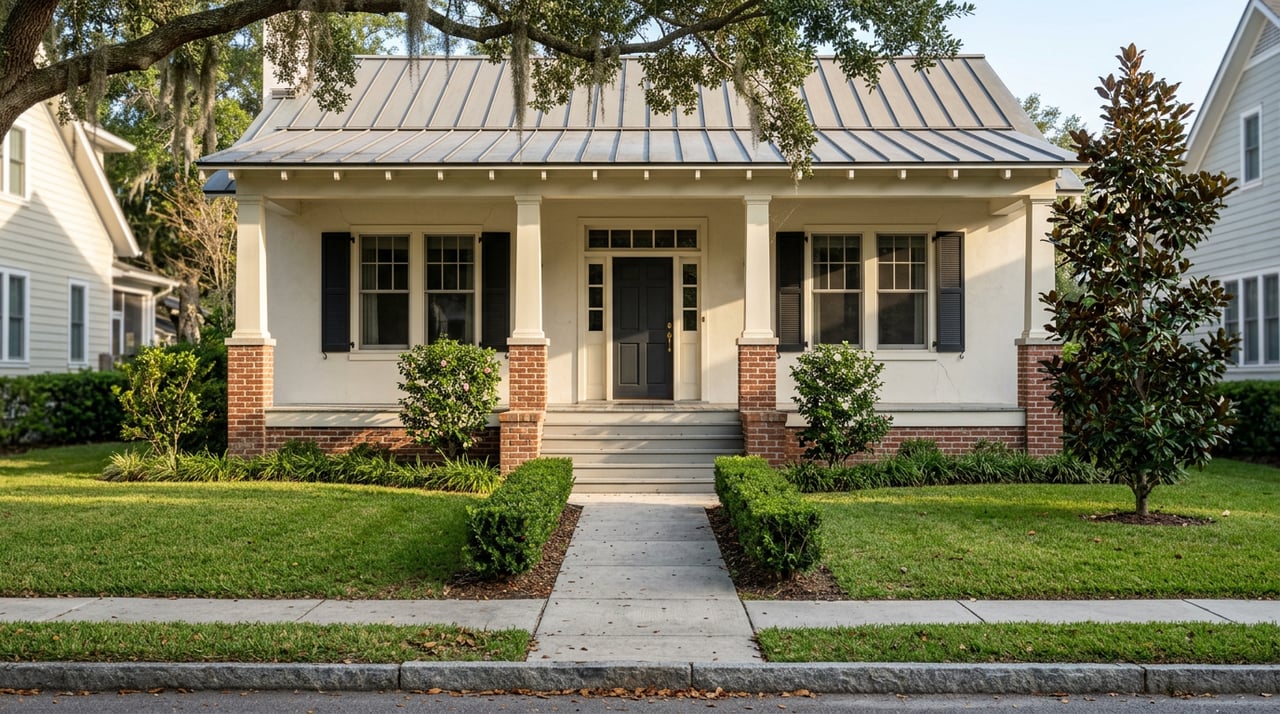
A buyer under contract on a raised cottage near Metairie Club Gardens recently learned something the listing sheet never mentioned. She and her contractor had a rebuild plan ready to go, a two-story addition sketched out, a new footprint measured against the lot line. What she did not have was a sign-off from a body she had never heard of until her architect brought it up: the Old Metairie Commission.
That is the moment worth pausing on, because it is the moment most buyers hit only after they have already written the offer.
The layer underneath the zoning you think you know
Most buyers assume the base zoning on a lot tells them the ceiling on what they can build. Setback, height, lot coverage, done. In Old Metairie, that assumption is incomplete. The neighborhood sits inside the Old Metairie Neighborhood Conservation District, an overlay zone that sits on top of whichever base zoning district applies to a given lot, whether that is R-1A, R-1B, R-1C, R-1D, R-2, or RR-3. The overlay does not replace the base zoning. It adds to it, layering in its own requirements for setbacks and streetscape, massing angles, exterior materials, building height, tree preservation, and how fill and foundations are handled.
Two houses on the same block can carry different base zoning designations, and both still answer to the same conservation district rules stacked on top. That is the part that surprises people who assume their zoning research ended once they confirmed the lot's underlying classification.
The trigger list is broader than most buyers expect too. New construction of a house, demolition of an existing structure, and even a swimming pool installation can all require review. The Jefferson Parish Planning Department is the first stop for anyone planning to alter land, a building, or a structure inside the district, and only certain categories of work escalate to a public hearing in front of the Old Metairie Commission itself.
That commission is a five-person body: three residents of the district nominated by the District 5 councilperson, one architect or planner nominated by the parish president, and one seat held by the president of the Metairie Club Gardens Association or a designee. It meets on a schedule set at the start of each year, generally about once a month, with hearings held at the Joseph S. Yenni Building in Elmwood. If your project needs that hearing, your renovation timeline now includes a monthly meeting calendar, not just a contractor's schedule.
Why this matters more the higher you go
Here is the piece that changes how a buyer should think about Old Metairie's price range. As of May 2026, real estate data for the 70005 ZIP code showed a median list price around $499,000 for the broader Old Metairie market, while the Old Metairie Country Club and OMNCD core segment listed at a median of $1.75 million. That is not a modest spread. It is two different markets wearing the same ZIP code.
The instinct is to assume more money buys more freedom, that a buyer spending seven figures in the Country Club core has more room to build what they want than a buyer at the median. The conservation district works against that instinct. The buyers most likely to want a full rebuild, a significant addition, or a teardown are concentrated at the top of that price spread, in the exact geography where the overlay's setback, massing, and material rules apply with the most local scrutiny. Paying more in Old Metairie does not loosen the review process. If anything, it puts a buyer closer to the properties and streets where the commission's attention is sharpest.
That is the mechanism a buyer needs to hold before they write an offer with a rebuild in mind, not after.
Proof the neighborhood is negotiating its own future
Old Metairie is not frozen in amber, and two stories from the neighborhood's own recent history show how much moves through parish-level process even at the largest scale.
The most visible is Metairie Towers, the 219-unit condominium building on Metairie Road that Hurricane Ida gutted in August 2021. After years of unoccupied units and mounting association costs, owners voted to sell, and a Dallas-based developer with deep family roots in Old Metairie purchased the property for $24.5 million with plans to convert it into high-end apartments, a project industry reporting placed on track to wrap in the second half of 2026, which is where we are now. The buyer grew up in the neighborhood and has family who still live on Metairie Road, which is part of why the sale drew the interest it did. It is a reminder that even a large-scale multifamily redevelopment in this corridor moves through negotiation, financing, and construction timelines that outsiders often underestimate.
A few blocks away, the former Haynes Academy site, roughly eight acres, previously drew developer interest and neighbor concern in equal measure. The parcel carries R1 zoning, which limits use to low-density single-family residential and specific non-residential uses like churches and schools, with a 35-foot height limit. Developers circled anyway, and it is not hard to see why: commercial data cited in local coverage put average household income within a five-minute drive of the site at $140,000. The zoning ceiling was real, and so was the pressure testing it.
Neither story is about a homeowner adding a pool. Both show that Old Metairie's building rules get tested constantly, at every scale, and that the parish process, not just neighborhood sentiment, decides what actually gets built.
The corridor moves faster than the blocks around it
Metairie Road itself tells a different, faster-moving story, because retail turnover does not route through the same review process as residential construction. French Truck Coffee opened its fourteenth location in the shopping center at 800 Metairie Road in early 2026, taking over space that PJ's Coffee had vacated the previous fall. That same shopping center saw Langenstein's close and reopen as Robert's Fresh Market within the same stretch of time.
For a buyer, that contrast is useful context, not a contradiction. The commercial spine of the neighborhood can turn over a storefront in months. The residential blocks behind it, protected by the conservation district, move at the pace of a monthly commission hearing. Both are true of the same half-mile of Old Metairie at the same time.
What this means before you write the offer
If a renovation or rebuild is part of your plan, the smart order of operations is to call the Jefferson Parish Planning Department before you get deep into contract negotiations, not after. Ask directly whether your intended scope of work, whether that is a full teardown, a major addition, or something as specific as a pool, falls into a category that requires a public hearing. If it does, build the monthly Old Metairie Commission calendar into your closing and construction timeline from the start, the same way you would build in an appraisal contingency or an inspection period.
This is not a reason to avoid Old Metairie. It is a reason to walk into a purchase here with a full picture of what protects the neighborhood's character and what that protection costs in time. Buyers who plan for it are the ones who close without surprises. Buyers who skip that call are the ones explaining a delay to a contractor three weeks after signing.
A few questions worth asking early
Does every renovation in Old Metairie require Old Metairie Commission approval? No. Most construction activity in the district requires an application to the Jefferson Parish Planning Department, but only certain categories, like new construction, full demolition of a principal structure, and pool installation, escalate to a public hearing before the commission itself. Interior work generally does not trigger the same review.
How often does the commission meet? On a schedule adopted at the start of each year, generally about once a month, with hearings at the Joseph S. Yenni Building in Elmwood, plus additional meetings the chairman can call as needed.
Does the conservation district override my lot's actual zoning? No, it layers on top of it. Your base zoning district, whether R-1A, R-1B, R-1C, R-1D, R-2, or RR-3, still governs land use, and the overlay adds its own requirements for setbacks, massing, materials, height, tree preservation, and foundations on top of that base zoning.
If you are weighing a purchase in Old Metairie with renovation plans already in mind, it is worth talking through the scope of your project before you write the offer, not after you are already under contract. Ashley Nesser works this market block by block and can help you understand what a specific lot allows before you fall in love with a floor plan that the district will not approve. Let's Connect.