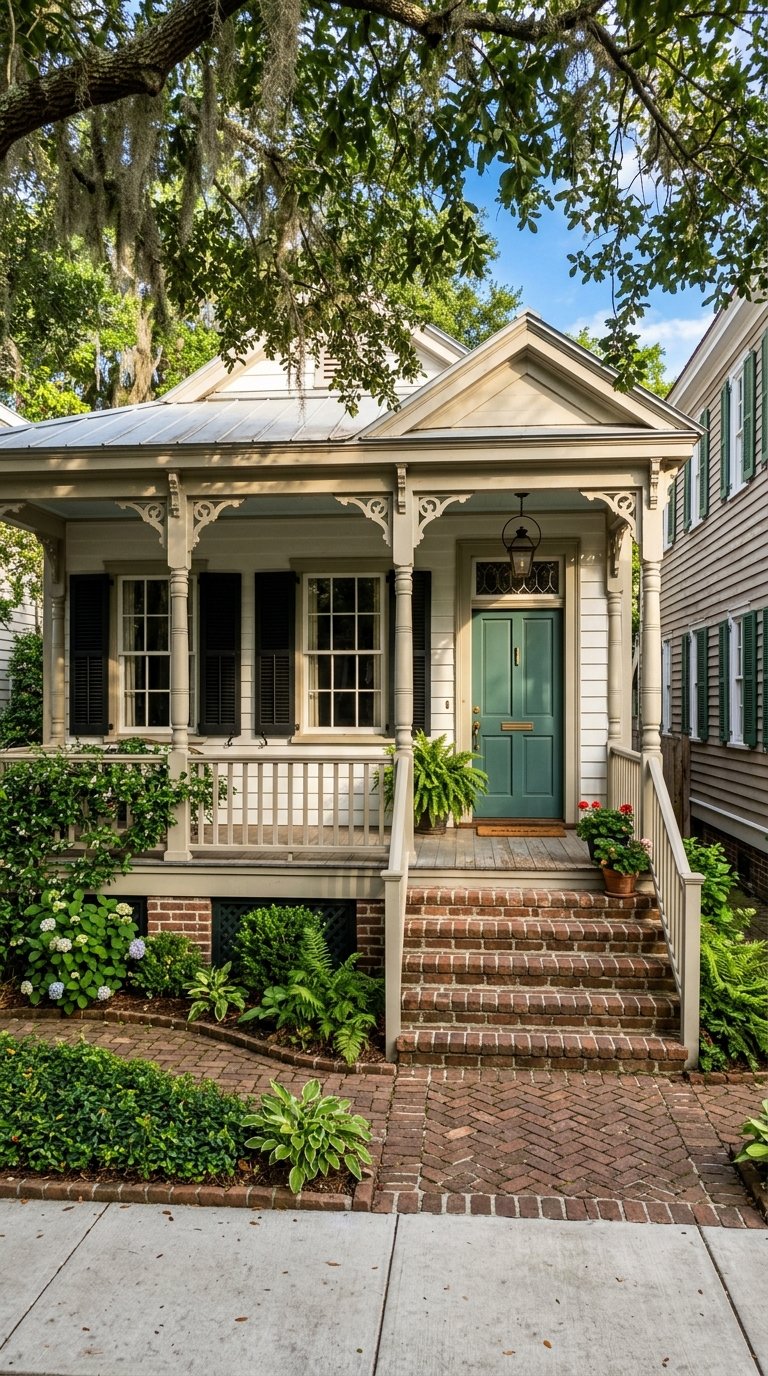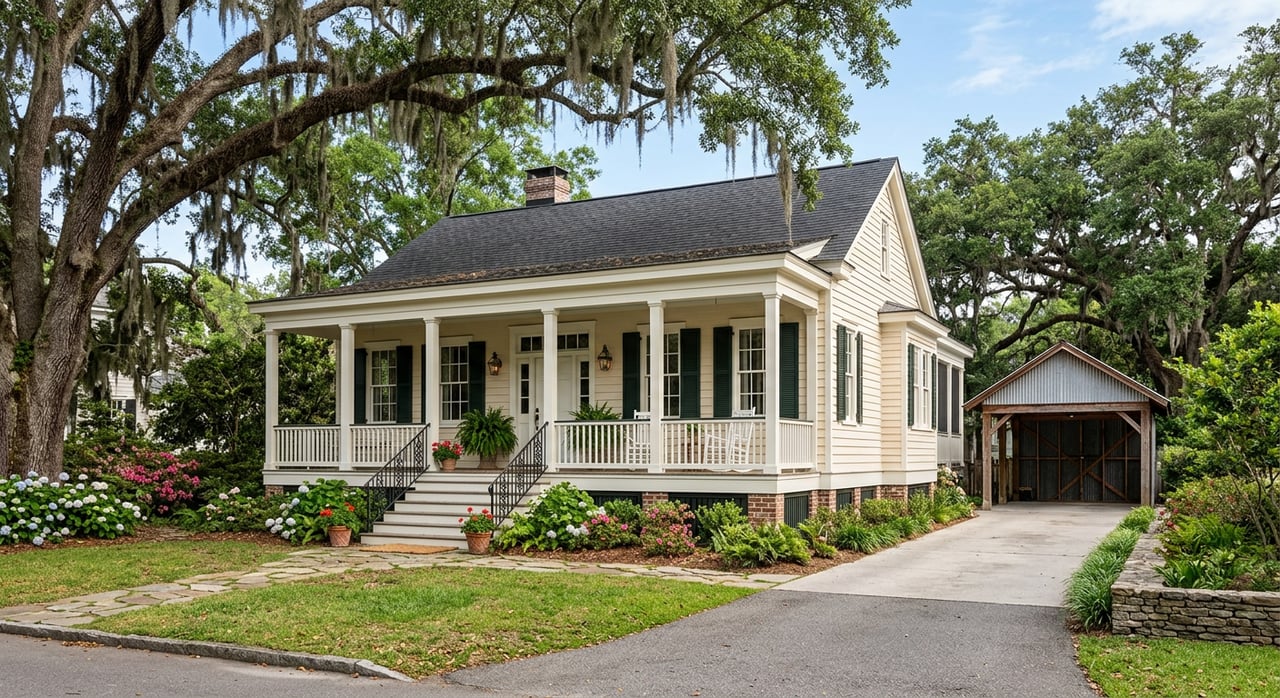
A report from the Preservation Resource Center of New Orleans describes the Historic District Landmarks Commission's February 2026 hearing on the fate of a house that had belonged to the same family for decades. The building was uninhabitable. Code Enforcement had cited it in 2014 and again in 2018, and by 2025 the city had escalated the case to demolition by neglect, the designation reserved for buildings whose deterioration amounts to a slow-motion teardown. When HDLC staff inspected the property in January 2026, they found it in poor shape overall but structurally sound and, in their words, a viable candidate for rehabilitation. The owner wanted to tear it down anyway and build affordable housing units in its place.
A historic consultant hired to support the demolition argued the house had already lost what made it historic: an inappropriate facade remodel, a large rear addition, an interior fire. HDLC staff disagreed, noting the building still read as part of the block's streetscape and that many of the alterations could, in theory, be corrected. Then Commissioner Ross Karsen made the observation that matters here. He pointed out that what's visible from the street isn't historic to begin with, and that because the Garden District is a partial-control district, the commission has no way to guarantee that any future work on the building, if it survives, would actually move it back toward its historic appearance.
Read that again. A commissioner on the board that oversees the Garden District's historic protections said, on the record, that the board can't ensure a saved building gets restored correctly. That's not a loophole. It's the design of the district.
Partial control, full control, and what the difference actually buys
New Orleans doesn't apply one preservation standard citywide. The Historic District Landmarks Commission governs roughly fourteen districts, and each one was assigned a level of control when it was created. In full control districts, the commission reviews essentially everything visible from the public right of way before a permit is issued, according to Adamick Architecture: new windows, siding, porch rails, additions, even a homeowner swapping out a light fixture. In partial control districts, the commission's authority is narrower, and it varies neighborhood by neighborhood.
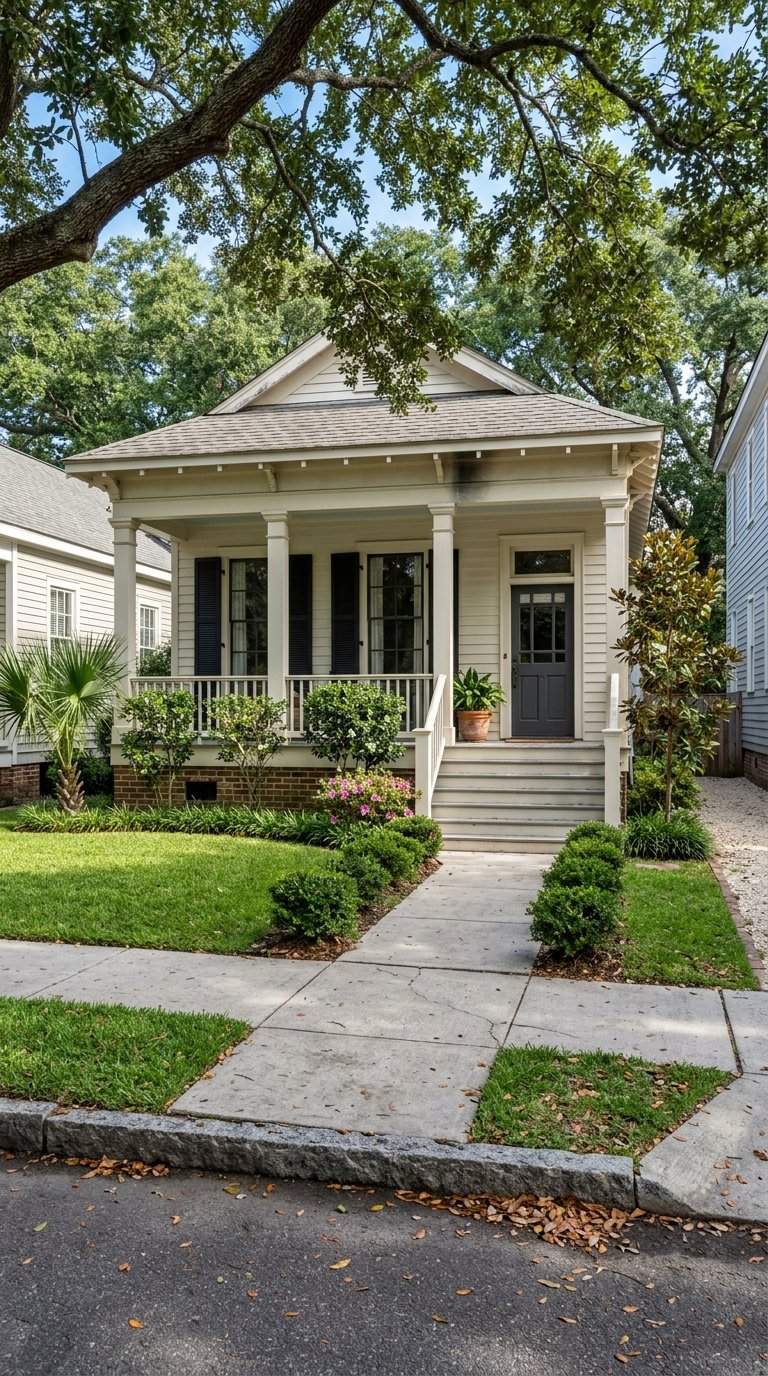
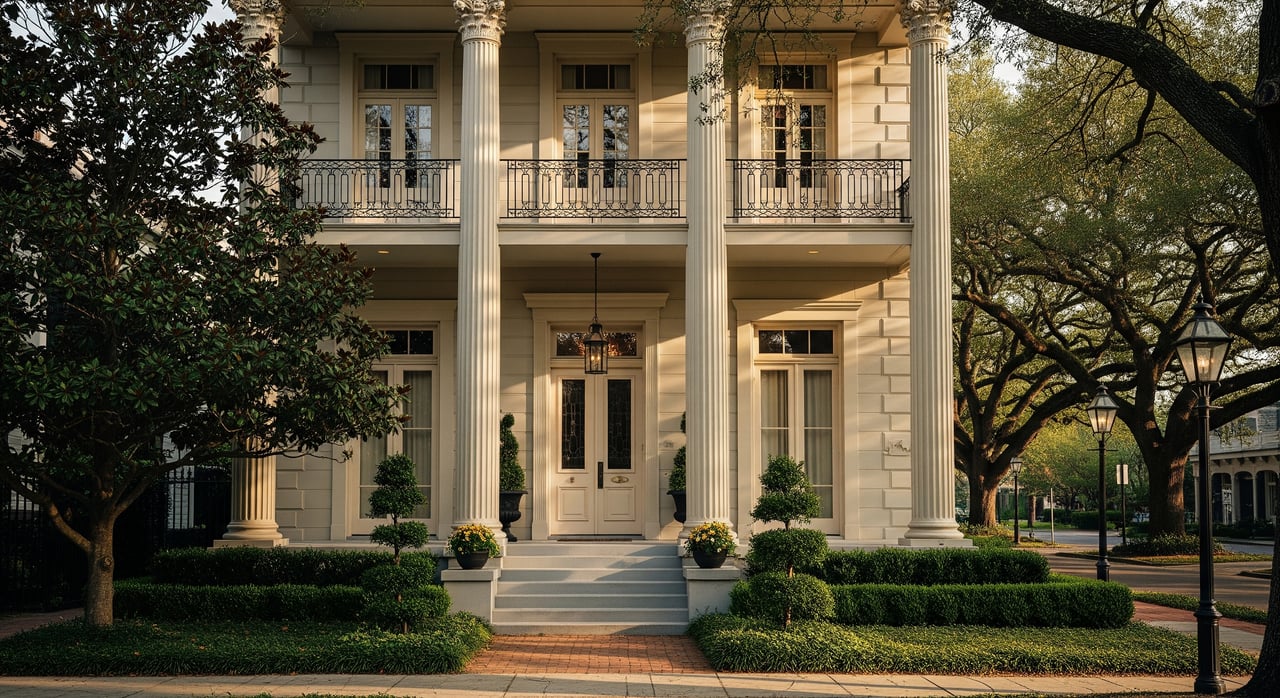
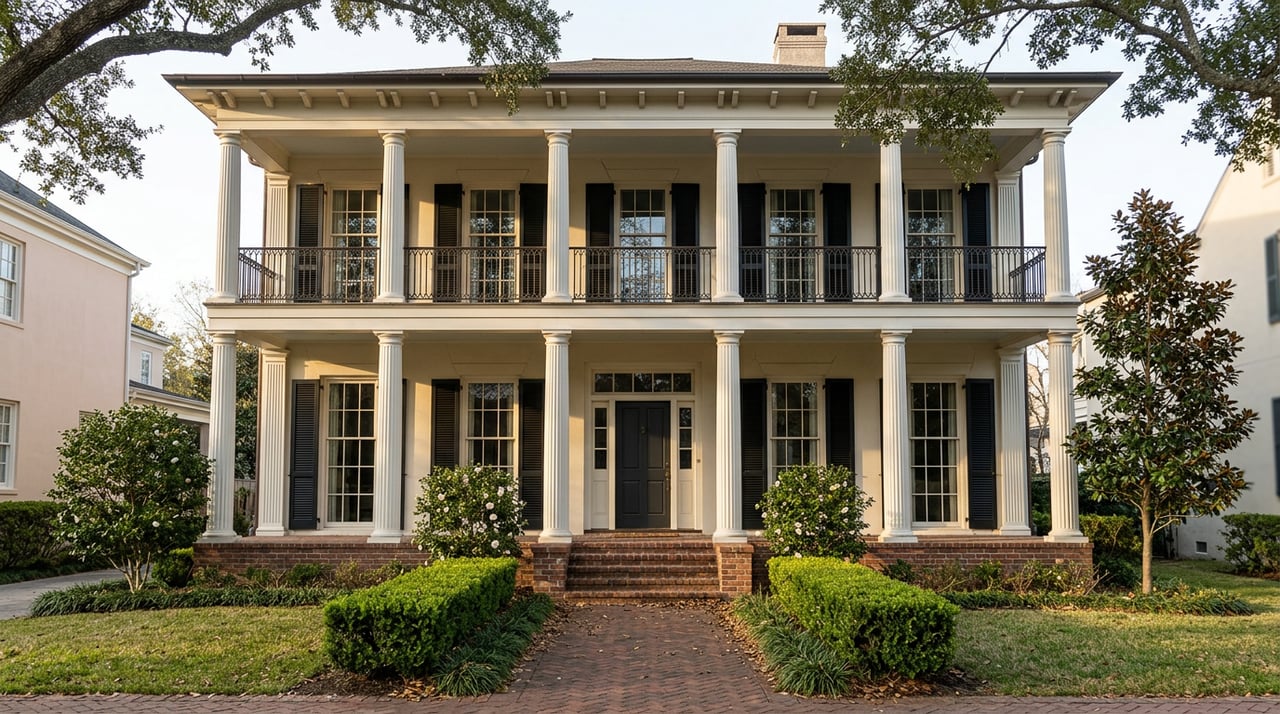
The Garden District's authority is unusually narrow. When the City Council approved the Garden District's Partial Control Local Historic District in 2007, it gave the HDLC jurisdiction over exactly three things: new construction, demolition, and demolition by neglect. That's it. A homeowner replacing windows, re-siding a house, or adding a rear addition that doesn't rise to a full teardown can typically move straight through the standard building permit process. No Certificate of Appropriateness, no hearing, no waiting for the once-a-month commission meeting.
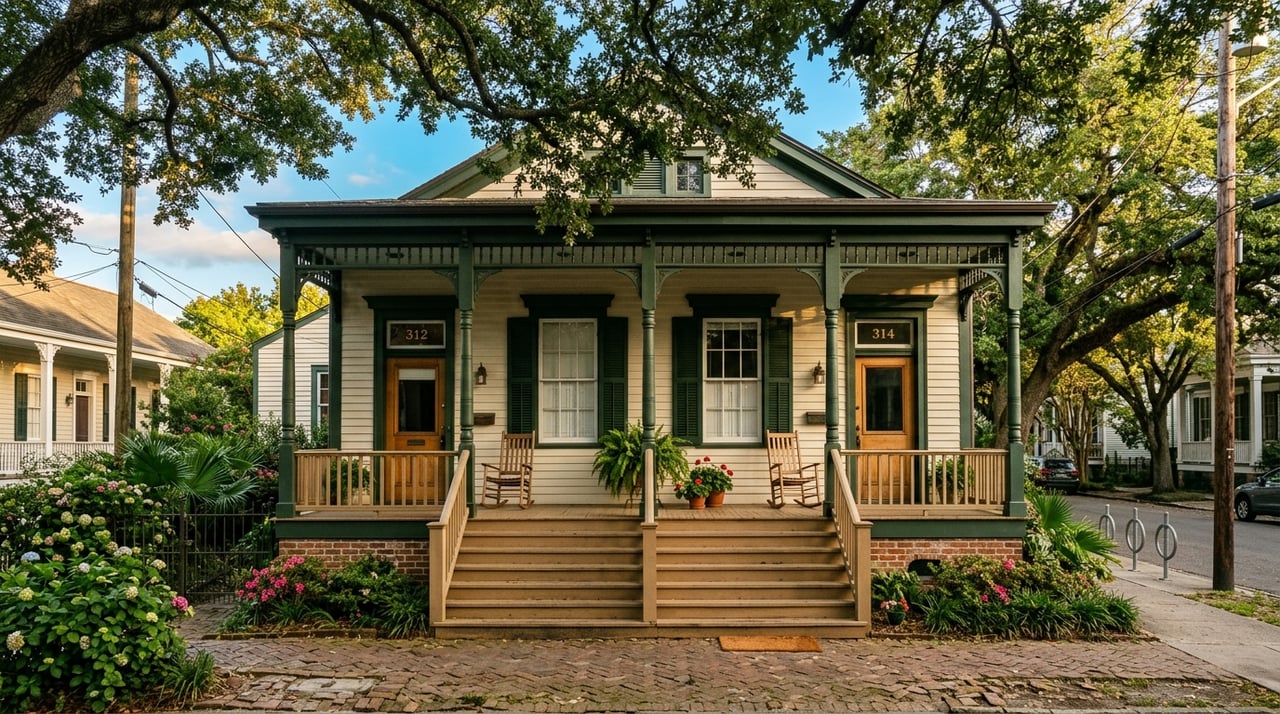
Lower Garden District, a few blocks south across Jackson Avenue, operates under the opposite standard. It was one of the first two districts placed under HDLC control anywhere in the city, designated in 1975 after a wave of proposed demolitions pushed preservationists and city officials to act, according to a history published by the City Archives & Special Collections for the HDLC's 50th anniversary this year. Lower Garden District is full control. Nearly every exterior change visible from the street, right down to window replacement, needs a Certificate of Appropriateness before a contractor can pull a permit. Paint color is one of the few things the commission doesn't touch.
The sequencing explains the gap better than anything else. Lower Garden District was protected in the 1970s, when demolition pressure was active and the city needed a strong tool immediately. The Garden District didn't get formal HDLC protection until three decades later, by which point its mansions had already survived largely intact through private stewardship and neighborhood advocacy. When the city finally stepped in, it only needed to close the two gaps that private effort couldn't: stopping outright demolition and catching landlords who let a building rot past the point of saving. Everything else, the commission left alone.
Two names, one shared border, opposite rulebooks
The similar names can make this confusing. The Garden District Historic District runs roughly from Magazine Street to Carondelet Street, Josephine Street to Delachaise Street, according to the HDLC's own boundary map. Lower Garden District picks up just south and east of there, its edge running along Jackson Avenue and down toward the river. A house on one side of Jackson Avenue and a house on the other can be a five-minute walk apart and answer to entirely different commissions of authority.
There's a further wrinkle even inside the Garden District boundary itself. Homes actually fronting St. Charles Avenue are carved out of the Garden District's partial-control designation and folded into the St. Charles Avenue corridor instead, which is treated as a full-control area. So the mansion on the corner facing the streetcar line can face a stricter review standard than the house directly behind it on Second Street or Philip Street, even though both would casually get called "Garden District" property by anyone walking past.
The distinction may not be apparent from a listing sheet. It shows up when a buyer's contractor calls the city to ask whether a scope of work needs a hearing, and the answer depends on which side of a street the address falls on.
What the price gap looks like in 2026
The regulatory split lines up with a real price split, though the exact numbers move around more than a single clean median would suggest. Redfin's neighborhood data for January 2026 put the Garden District's median sold price at $620,000, on a small sample of just 13 closed sales that month, down from 29 a year earlier. Other 2026 snapshots for the neighborhood have landed considerably higher, including a trailing twelve-month median north of a million dollars reported by a national portal. That spread isn't a contradiction so much as a symptom: when a market only closes a dozen or so transactions a month, the median swings hard depending on whether two or three of the district's largest mansions happen to close in that window.
Lower Garden District tells a steadier, lower-priced story. A national portal's July 2026 figures put the median sale price there at $339,000, with an average sale price of $472,976 and homes sitting on the market an average of 97 days. That gap, both in price and in how long homes sit, reflects smaller lot sizes, a rowhouse-and-shotgun-heavy building stock, and, this piece would argue, a regulatory process that adds real time to even modest renovation projects before a house can go back on the market fully finished.
Zoom out and the broader Orleans Parish market backs up the idea that renovation-ready condition commands a premium right now. Market-wide figures for March 2026 showed the parish's median sales price at $385,000, up close to 19 percent year over year, but with days on market stretching to 93 and months of supply sitting well above the regional average. Read together, well-presented, move-in-ready properties were closing quickly at strong prices while properties needing work sat. In a full-control district where every exterior fix requires a commission sign-off first, that renovation clock runs longer before a house is ready to compete for those buyers.
What this means before you write an offer or plan a renovation
If you're comparing a Garden District listing to a Lower Garden District listing on the assumption that the pricier neighborhood comes with the heavier preservation rulebook, flip that assumption. Ask your agent or a design professional to check the property's specific HDLC status before you budget a renovation timeline, not after.
In practice, that means two very different playbooks:
- In the Garden District, outside the St. Charles Avenue carve-out, most window, siding, and addition projects can move through the standard permit process without a hearing. Demolition and new construction still require commission review, and neglect can trigger it too, as the February 2026 case shows.
- In Lower Garden District, budget for the Certificate of Appropriateness process on nearly anything touching the exterior. Applications typically move through a staff pre-review, then a monthly Architectural Review Committee hearing, then the full commission, and submission deadlines generally fall about three weeks ahead of each meeting. Miss the window and the project loses a month.
Neither system is better or worse. They're built for different histories. But a buyer who treats "Garden District" as one neighborhood with one rulebook is going to be surprised, in one direction or the other, the first time a contractor calls the city.
A few questions worth asking early
Does buying in the Garden District mean a neighbor can't tear down their house next door? Full demolition still requires HDLC review even in a partial-control district. What it doesn't guarantee is a say over ordinary exterior changes, additions, or how a saved building gets restored afterward.
Do I need approval to replace windows in the Garden District? Generally no, since window replacement on its own doesn't fall under new construction, demolition, or demolition by neglect, the three categories the commission actually reviews there. Confirm with the city for your specific address, since boundary carve-outs like the St. Charles Avenue corridor apply a different standard.
Is the whole neighborhood one historic district? No. The Garden District Historic District, the St. Charles Avenue corridor, and Lower Garden District are three separate designations with three different review standards, and their boundaries sit close enough together that an address a block away can answer to a different set of rules entirely.
If you're weighing a purchase or a renovation anywhere between Magazine Street and the river, it's worth having someone check the specific rulebook attached to the address before you fall in love with the floor plan. Ashley Nesser works this corridor block by block and can help you figure out which side of the line a property sits on before you write an offer. Let's Connect.
This article is general information, not legal, tax or financial advice. Consult a qualified professional about your situation.